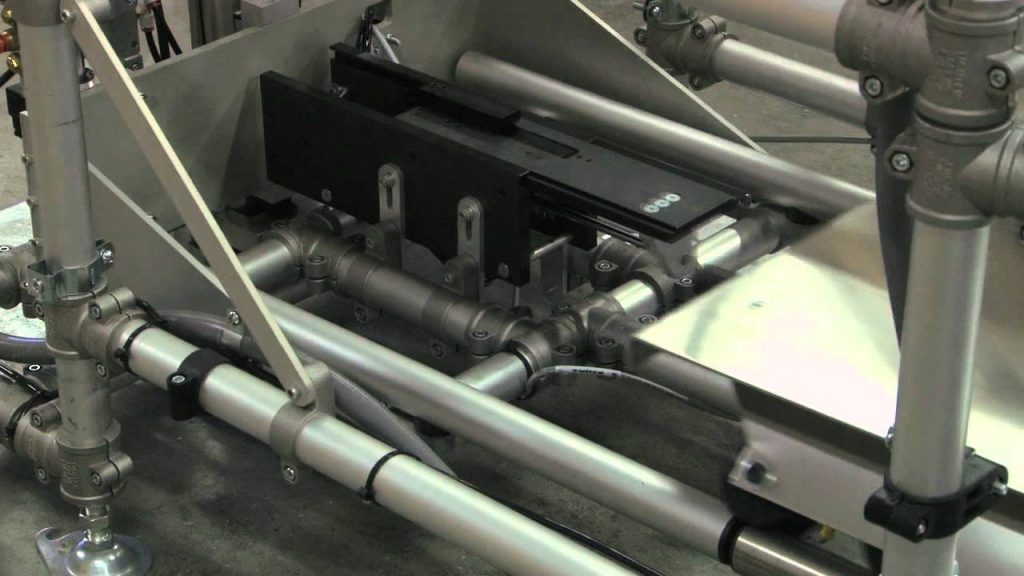
Lockout-Tagout (LOTO) procedures are vital for ensuring safety during mold upender maintenance by preventing the accidental release of hazardous energy. Implementing a robust LOTO system protects workers from serious injuries like electrocution, crushing, and burns, ensuring a safer and more compliant manufacturing environment during essential maintenance tasks on mold upenders.
Understanding Hazardous Energy in Mold Upender Systems
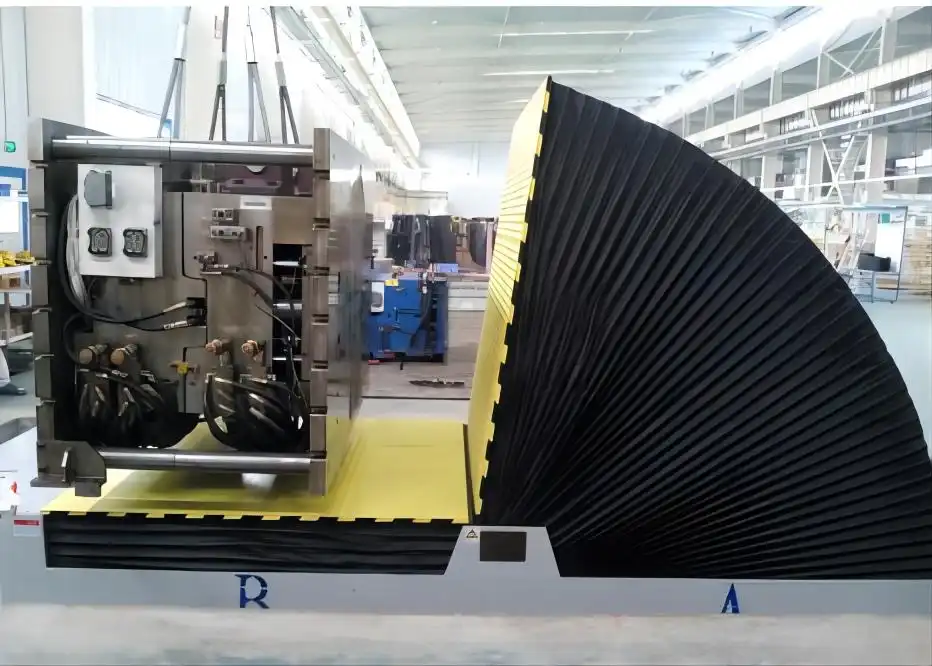
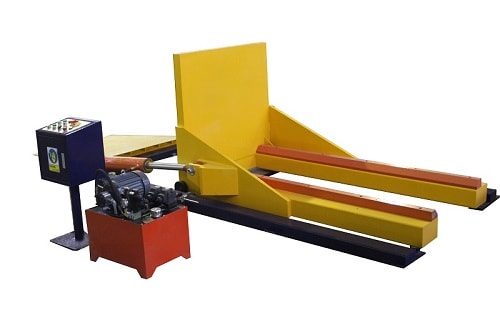
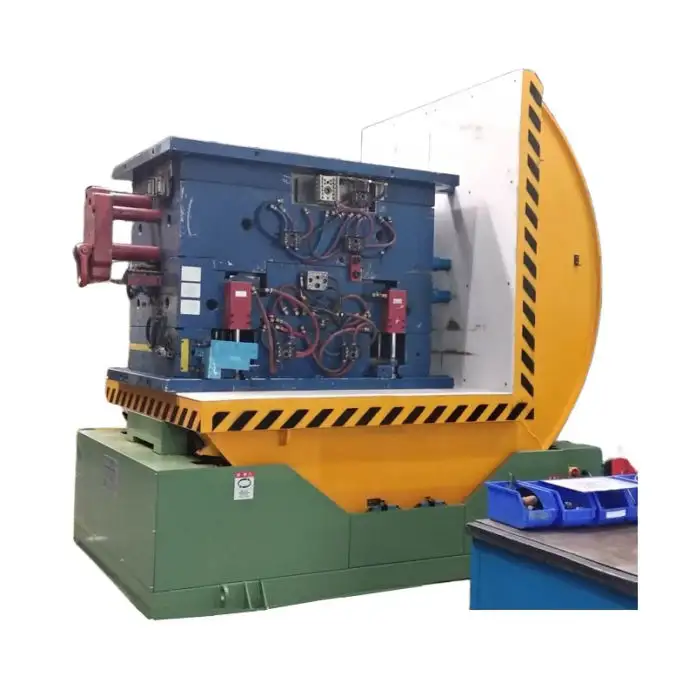
Mold upenders, essential equipment in manufacturing and industrial settings, are powerful machines designed to rotate and manipulate heavy molds. Their operation relies on various forms of energy, which, if uncontrolled during maintenance, can pose significant risks to personnel. Understanding these hazardous energy sources is the first step in establishing effective Lockout-Tagout (LOTO) procedures.
Hazardous energy, as defined by safety standards like OSHA (Occupational Safety and Health Administration), encompasses any energy source that could cause harm to workers if unexpectedly released. In the context of mold upenders, this can include:
- Electrical Energy: Mold upenders are often electrically powered, utilizing high voltage circuits to drive motors and control systems. Electrical energy hazards include shock, electrocution, and burns, which can occur during maintenance if power is not properly disconnected and locked out.
- Hydraulic Energy: Many mold upenders utilize hydraulic systems for lifting, tilting, and rotating heavy molds. Pressurized hydraulic fluid can cause severe injuries if released unexpectedly. These injuries can range from injection injuries from high-pressure fluid to crushing injuries from uncontrolled movement of the mold upender's mechanisms.
- Mechanical Energy: The moving parts of a mold upender, including rotating arms, gears, and chains, store mechanical energy. Uncontrolled release of this energy can lead to crushing, amputation, and laceration injuries. Even after the power is shut off, stored mechanical energy in springs or raised components can pose a risk.
-
Gravitational Energy: Mold upenders handle extremely heavy molds. If not properly secured during maintenance, the gravitational energy of these molds can cause catastrophic crushing injuries. Supporting mechanisms that fail or are inadvertently released can result in molds falling unexpectedly.
Failing to control these energy sources during mold upender maintenance can lead to a range of severe and even fatal injuries. Examples of potential incidents include:Hazard Scenario Potential Injury Energy Source Unexpected start-up during electrical work Electrocution, burns Electrical Hydraulic system pressure release during line repair Injection injury, crushing injury from uncontrolled arm movement Hydraulic Unsecured mold falling during component replacement Crushing injury, potentially fatal Gravitational, Mechanical Mechanical arm movement during gear maintenance Amputation, laceration, fracture Mechanical These examples underscore the critical need for robust LOTO procedures specifically tailored to mold upender maintenance.
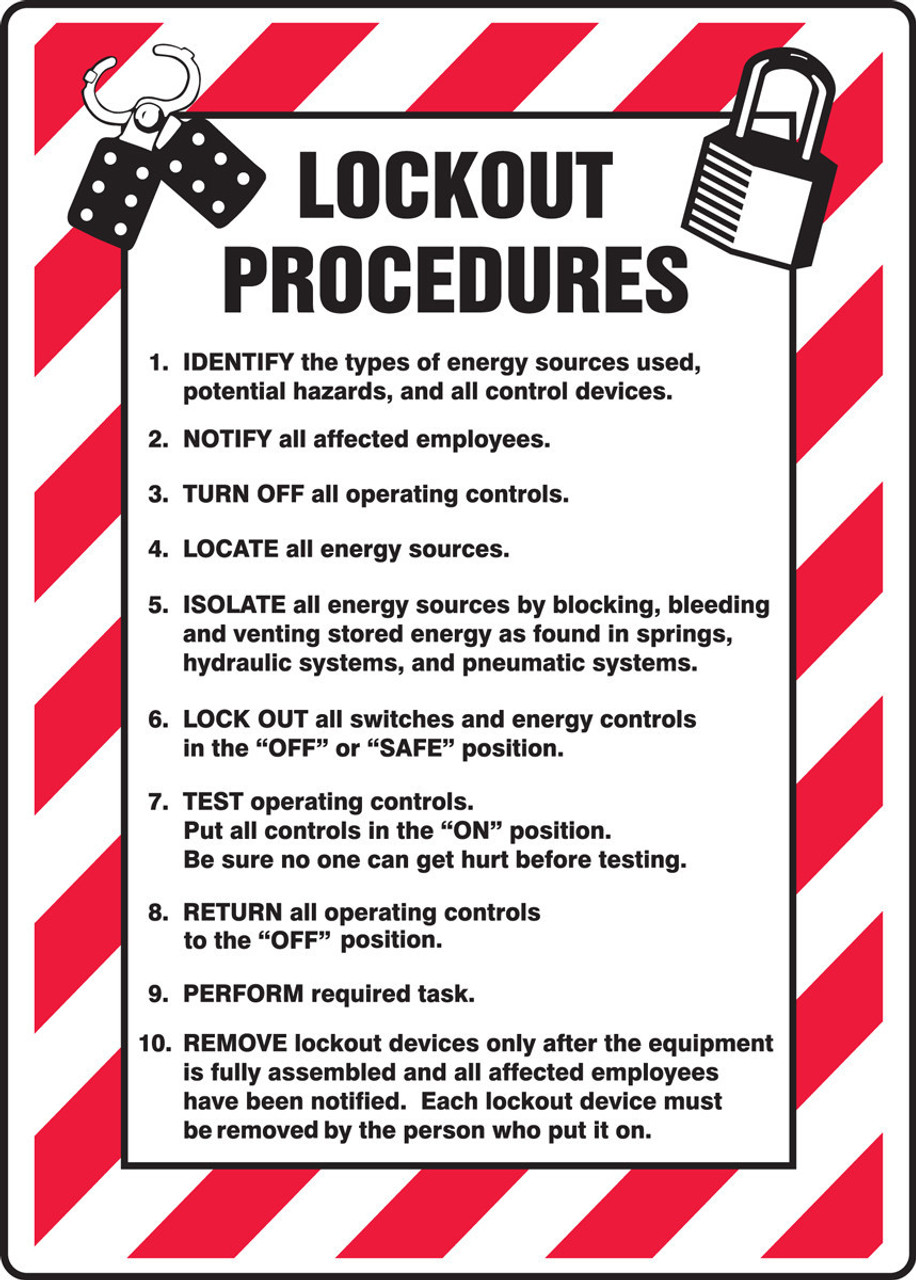
The Imperative of Lockout-Tagout for Mold Upender Maintenance
Lockout-Tagout (LOTO) is a comprehensive safety procedure designed to safeguard workers from hazardous energy releases during maintenance and servicing activities. OSHA's standard 29 CFR 1910.147, "The Control of Hazardous Energy (Lockout/Tagout)," outlines the requirements for establishing and implementing LOTO programs in industrial settings. Compliance with these regulations is not only a legal obligation but also a moral imperative to protect worker safety.
For mold upenders, LOTO procedures are not merely recommended – they are essential. These machines, by their very nature and function, present multiple hazardous energy sources that must be rigorously controlled during any form of maintenance, whether routine checks or complex repairs. Implementing LOTO effectively prevents:
- Unexpected Equipment Start-up: LOTO ensures that the mold upender remains de-energized and cannot be accidentally restarted while maintenance is in progress. This eliminates the risk of workers being caught in moving parts or exposed to energized circuits.
- Release of Stored Energy: LOTO procedures include steps to identify and safely release or control stored energy, such as pressure in hydraulic systems or mechanical energy in springs. This prevents injuries from residual energy after the primary power source is disconnected.
- Accidental Activation of Controls: By physically locking out energy-isolating devices, LOTO prevents anyone from inadvertently activating machine controls during maintenance, even if they are unaware of the work being performed.
Beyond direct safety benefits, LOTO compliance for mold upender maintenance offers several organizational advantages: - Regulatory Compliance: Adhering to OSHA LOTO standards avoids hefty fines and legal repercussions associated with safety violations. LOTO is frequently cited in OSHA's annual list of top violations, highlighting its importance for regulatory adherence.
- Reduced Downtime and Costs: By preventing accidents and injuries, LOTO minimizes downtime associated with incident investigations, worker compensation claims, and equipment repairs resulting from uncontrolled energy release. A proactive LOTO program contributes to operational efficiency and cost savings in the long run.
- Improved Worker Morale and Productivity: When employees know their workplace prioritizes safety through comprehensive LOTO procedures, it fosters a culture of trust and security. This, in turn, can boost morale and productivity, as workers are more confident and focused in their tasks knowing that robust safety measures are in place.
8 Steps to Effective Lockout-Tagout for Mold Upender Maintenance
Developing and implementing effective LOTO procedures for mold upender maintenance involves a systematic, step-by-step approach. Drawing from OSHA guidelines and best practices, here are the essential eight steps for controlling hazardous energy:
Step 1: Preparation for Shutdown
Before commencing any mold upender maintenance, thoroughly prepare for the shutdown. This involves: - Identifying Hazardous Energy Sources: Pinpoint all energy sources associated with the specific mold upender requiring maintenance (electrical, hydraulic, mechanical, gravitational).
- Understanding Control Measures: Review existing LOTO procedures for the mold upender. If procedures are absent or inadequate, develop a specific plan outlining isolation and lockout points for each energy source.
- Gathering Necessary Equipment: Collect all required lockout devices (locks, tags, hasps, valve lockouts, breaker lockouts), personal protective equipment (PPE), and tools needed for the LOTO process and maintenance task.
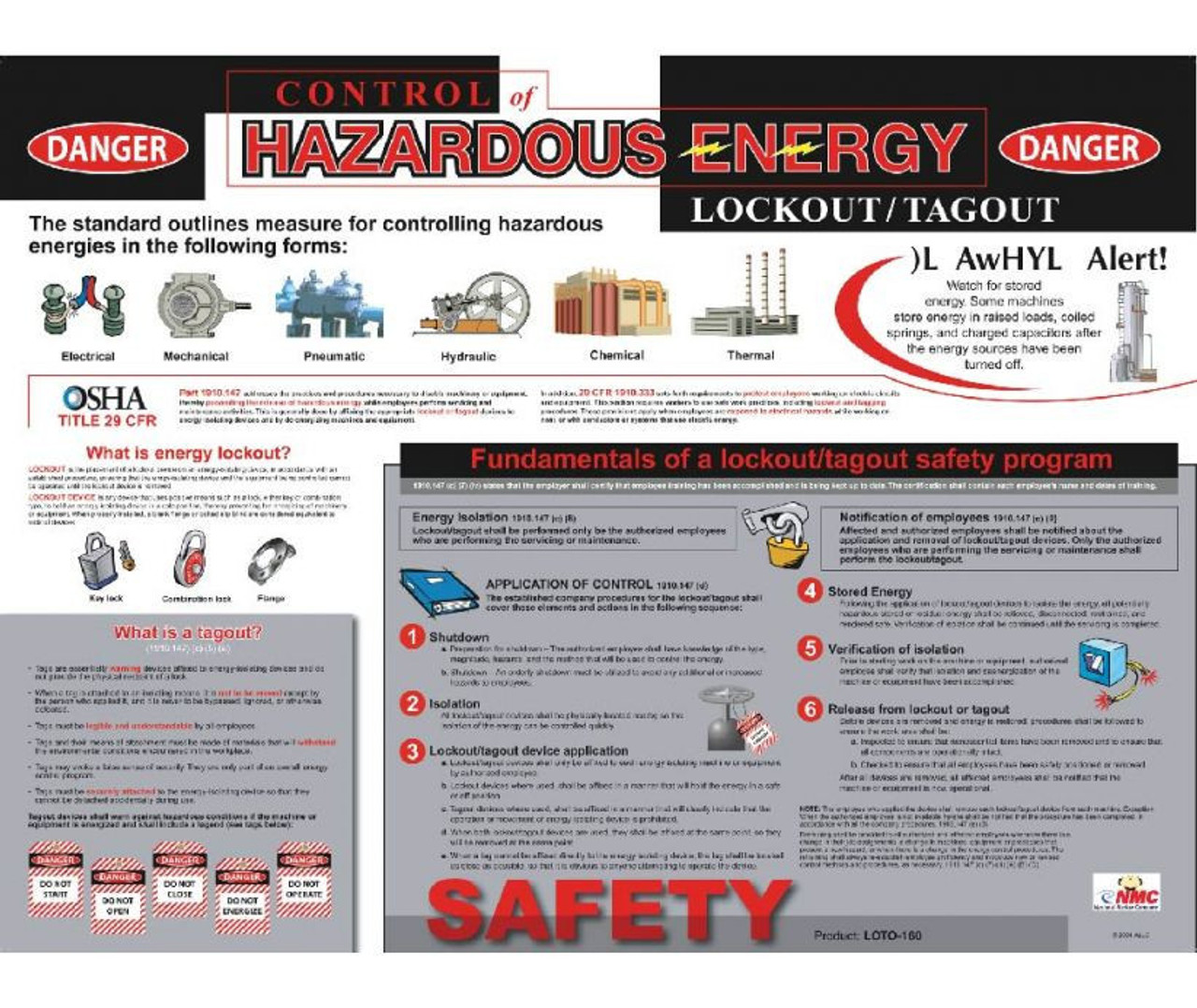
Step 2: Notification of Affected Employees
Prior to initiating the shutdown, inform all affected employees about the impending maintenance and LOTO implementation. This includes:
- Operators: Notify mold upender operators that the machine will be taken out of service for maintenance and should not be operated.
- Supervisors: Inform supervisors responsible for the area and personnel who might be affected by the shutdown.
- Adjacent Work Areas: If the mold upender shutdown might impact operations in nearby areas, notify personnel in those areas as well. Communication can be through verbal briefings, radio communication, or posted notices, depending on the workplace and scale of the shutdown.
Step 3: Mold Upender Shutdown
Execute the normal shutdown procedure for the mold upender. This involves: - Following Standard Procedures: Use established shutdown sequences recommended by the manufacturer or outlined in company procedures. Avoid abrupt or emergency stops unless absolutely necessary, as these can introduce additional hazards.
- Orderly Shutdown Steps: Typically, this involves turning off power switches, pressing stop buttons, or closing control valves in a specific sequence. Document these steps clearly in the LOTO procedure for consistent execution.
Step 4: Isolation of Mold Upender from Energy Sources
Isolate the mold upender from all identified hazardous energy sources using energy-isolating devices (EIDs). Crucially, remember: normal operating controls (like push-buttons or selector switches) are NOT energy-isolating devices. Examples of EIDs for mold upenders include: - Electrical: Circuit breakers, disconnect switches (physically open circuits to prevent electrical flow).
- Hydraulic: Block valves, manual shut-off valves (physically block hydraulic fluid flow).
- Mechanical: Safety blocks, wheel chocks (physically prevent movement of parts).
Step 5: Application of Lockout/Tagout Devices
Apply lockout and tagout devices to all energy-isolating devices to prevent accidental re-energization. This involves two primary actions: - Lockout: Affix locks to each EID in the "safe" or "off" position. Each authorized employee performing maintenance should apply their personal lock. Use devices specifically designed for lockout purposes, like breaker lockouts, valve lockouts, or lockout hasps for multiple locks.
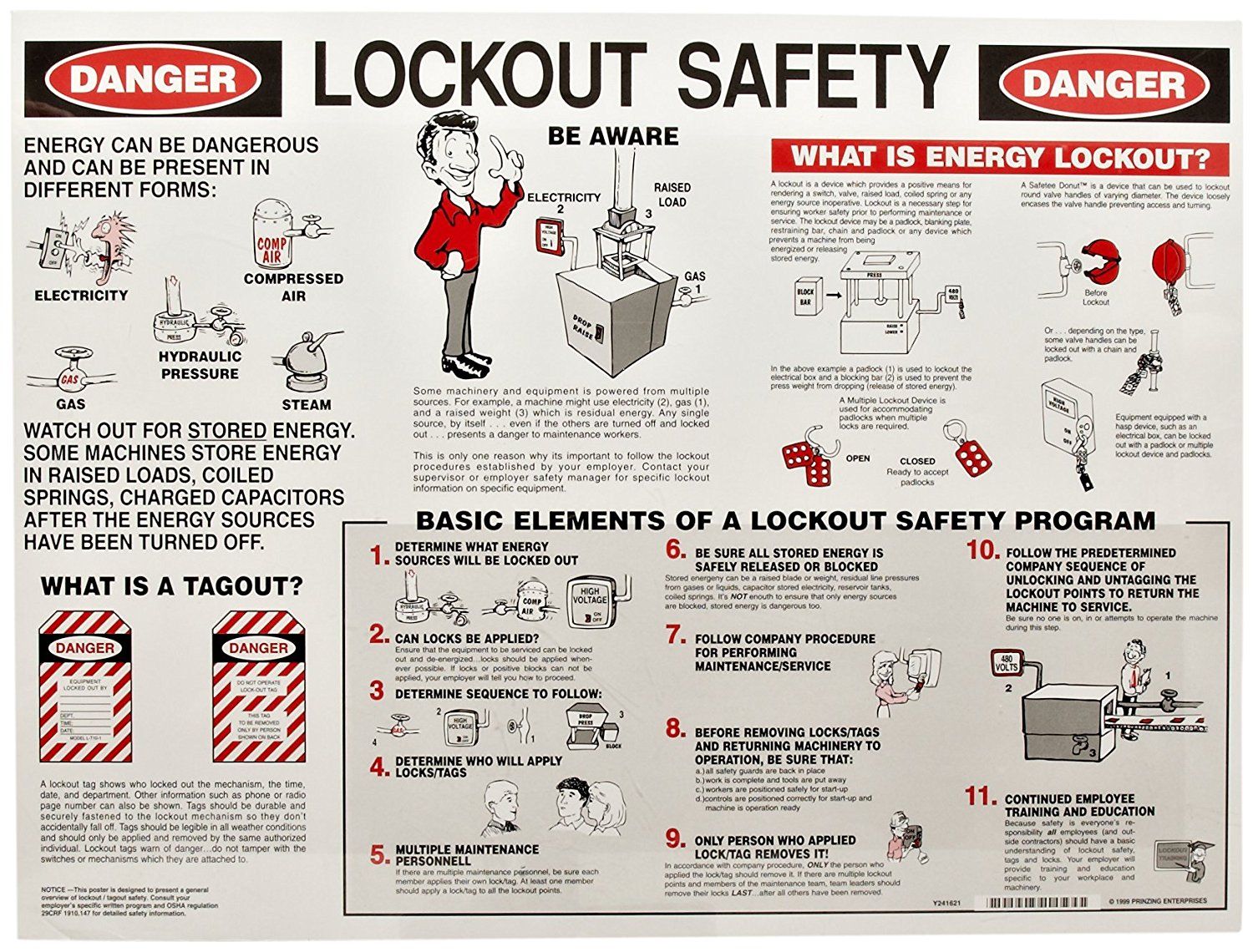
- Tagout: Attach a tag to each lockout device. Tags serve as prominent warnings and should include:
- Name of the authorized employee applying the lock
- Reason for lockout (e.g., "Maintenance in Progress")
- Date and time of lockout
Personalized locks and tags ensure accountability and prevent unauthorized removal.
Step 6: Control of Stored Energy
Check for any stored or residual energy that could still pose a hazard even after isolation and lockout. For mold upenders, potential stored energy sources include:
- Hydraulic Pressure: Stored pressure in hydraulic lines and accumulators. Implement procedures to bleed pressure from hydraulic systems after isolation.
- Mechanical Springs: Tension in springs or counterbalances. Employ methods to safely release spring tension or block components to prevent movement.
- Elevated Components: Raised mold upender arms or molds suspended by hydraulic cylinders. Use safety blocks or supports to mechanically secure elevated parts and eliminate gravitational energy hazards.
Step 7: Verification of Isolation (Tryout)
Before beginning maintenance, rigorously verify that the mold upender is effectively isolated and de-energized. This "tryout" step is critical and should be performed with extreme caution: - Visual Inspection: Double-check that all lockout devices are correctly applied to EIDs.
- Attempt to Operate: Carefully attempt to operate the mold upender's controls (start buttons, levers) to confirm it does not start up. Return controls to the "off" position after verification.
- Gauge Checks (Hydraulic/Pneumatic): Observe pressure gauges on hydraulic or pneumatic systems to ensure pressure has been relieved and is at zero.
- Voltage Testing (Electrical): If qualified, use a voltage meter to verify electrical circuits are de-energized.
Step 8: Mold Upender Maintenance and Servicing

Once isolation and de-energization are verified, and only then, proceed with the scheduled mold upender maintenance or servicing tasks, confident that hazardous energy is controlled.
Bringing the Mold Upender Back Online
After completing maintenance, follow a reverse procedure to safely re-energize the mold upender:
- Inspection: Ensure all tools, debris, and unnecessary materials are removed from the mold upender area. Verify all components are reassembled correctly, and safety guards are back in place.
- Personnel Check: Confirm all personnel are clear of the mold upender and immediate vicinity.
- Control Neutral: Verify all machine controls are in the neutral or "off" position.
- Lock and Tag Removal: Each authorized employee who applied a lock and tag must personally remove their devices. This ensures every individual involved acknowledges the maintenance is complete and the machine is safe to re-energize.
- Notification: Inform affected employees that the mold upender is ready to be re-energized and put back into operation.
- Re-energization: Follow standard start-up procedures to re-energize the mold upender.
- Operational Check: Observe the mold upender during initial operation to ensure it is functioning correctly and safely after maintenance.
Maintaining a Robust LOTO Program for Mold Upenders
LOTO procedures are not static documents. To ensure ongoing effectiveness and safety, a robust LOTO program for mold upenders must include:
- Regular Review and Updates: LOTO procedures should be reviewed at least annually, or whenever equipment modifications, process changes, or incidents occur. Updates should reflect any changes in equipment, energy sources, or best safety practices.
- Employee Training and Retraining: Provide comprehensive LOTO training to all authorized and affected employees. Training should cover procedure specifics, energy hazard identification, LOTO device application, and responsibilities. Regular refresher training is crucial to reinforce knowledge and address any procedural updates.
- Periodic Audits and Inspections: Conduct periodic audits of LOTO procedures and program implementation to identify deficiencies and areas for improvement. Inspections should include observation of LOTO procedures in practice, review of documentation, and employee interviews to assess understanding and compliance.
- Clear Documentation: Maintain detailed, equipment-specific LOTO procedures that are readily accessible to maintenance personnel. Procedures should be clear, concise, and ideally include visual aids like diagrams or photographs of lockout points. Records of training, audits, and procedure reviews should also be meticulously maintained.
By rigorously implementing and maintaining a comprehensive Lockout-Tagout program, facilities utilizing mold upenders can significantly enhance worker safety, ensure regulatory compliance, and create a more productive and secure work environment for maintenance operations. The eight steps outlined provide a framework for establishing effective LOTO procedures, but adaptation and continuous improvement are key to achieving optimal hazardous energy control in the dynamic industrial landscape.