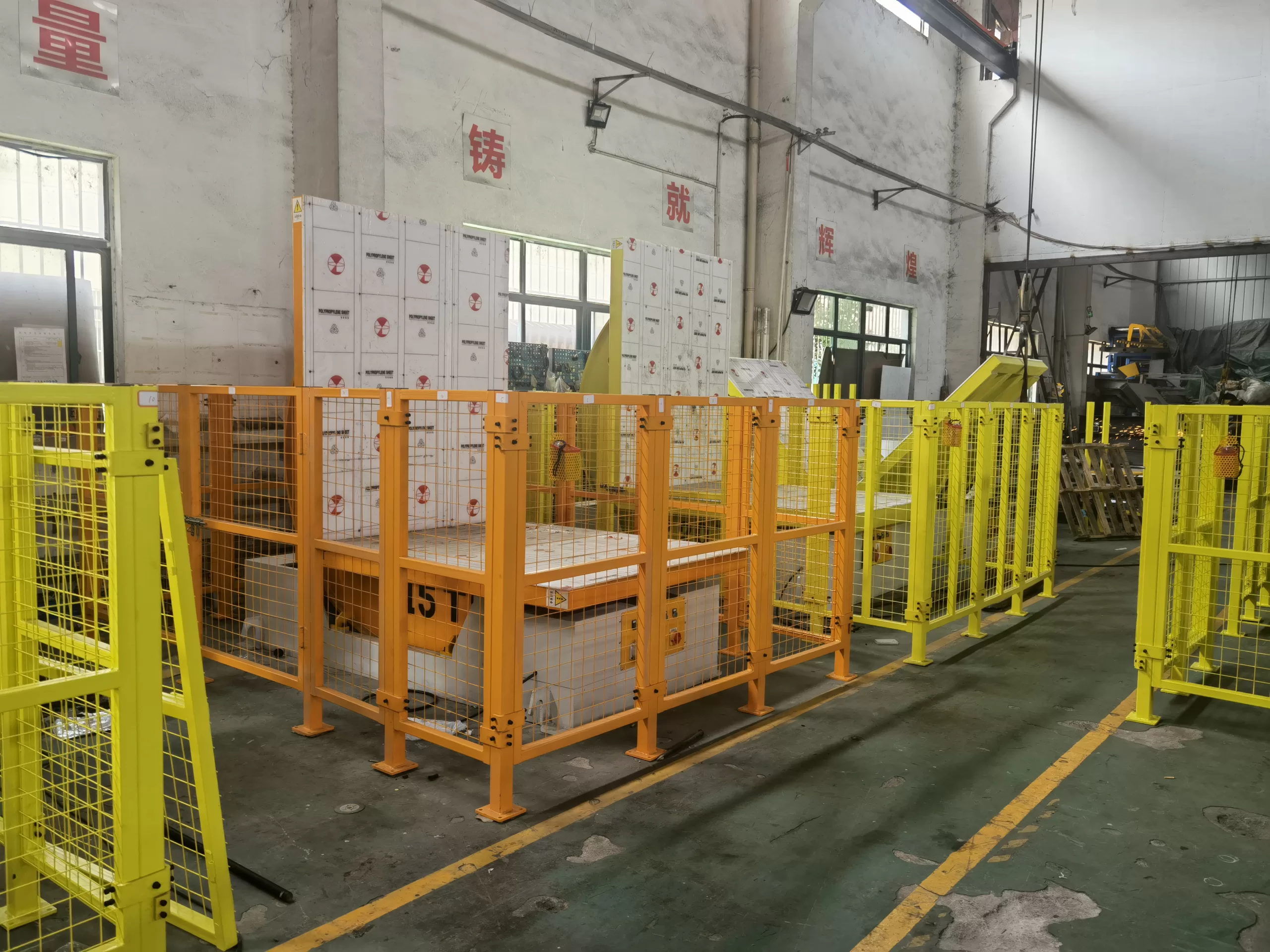
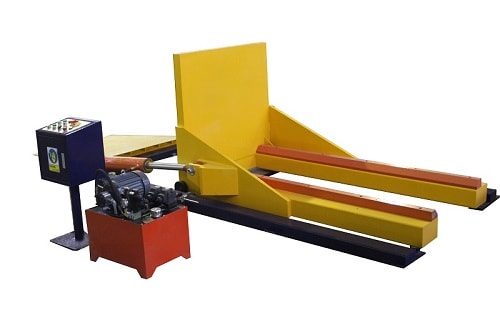
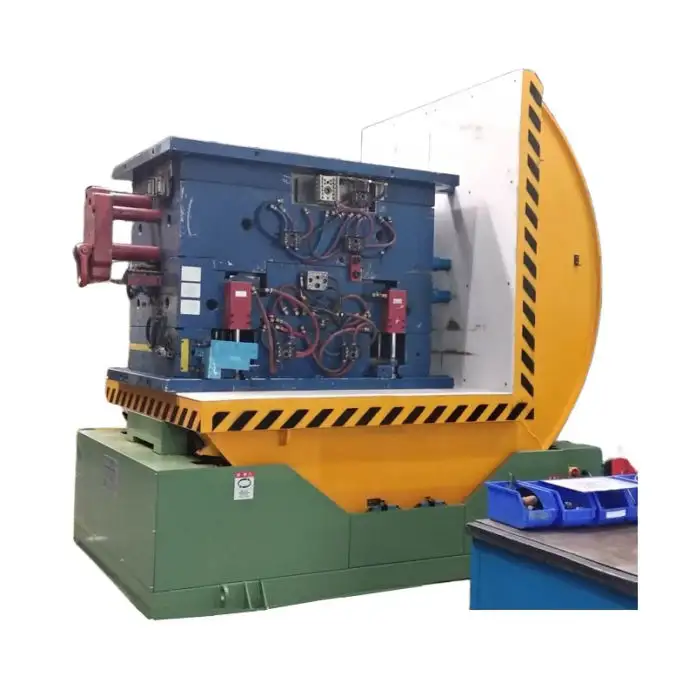
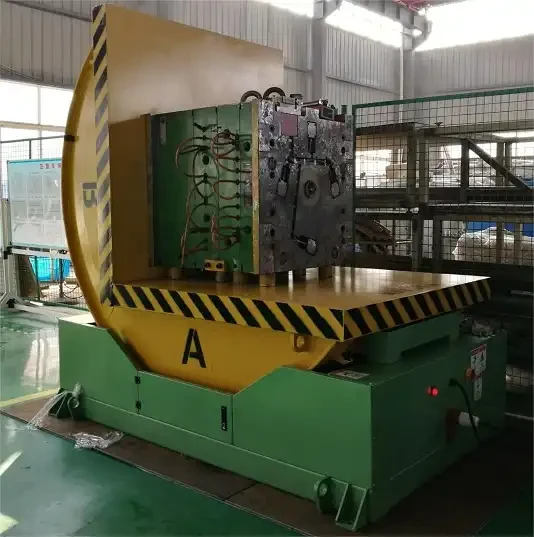
Ensuring operational safety when handling mold upenders is paramount. Regular inspections, adherence to safety protocols, and prompt response to malfunctions are critical. Prioritizing operator training, maintenance checks, and emergency preparedness minimizes risks and ensures a secure working environment around mold upender operations.
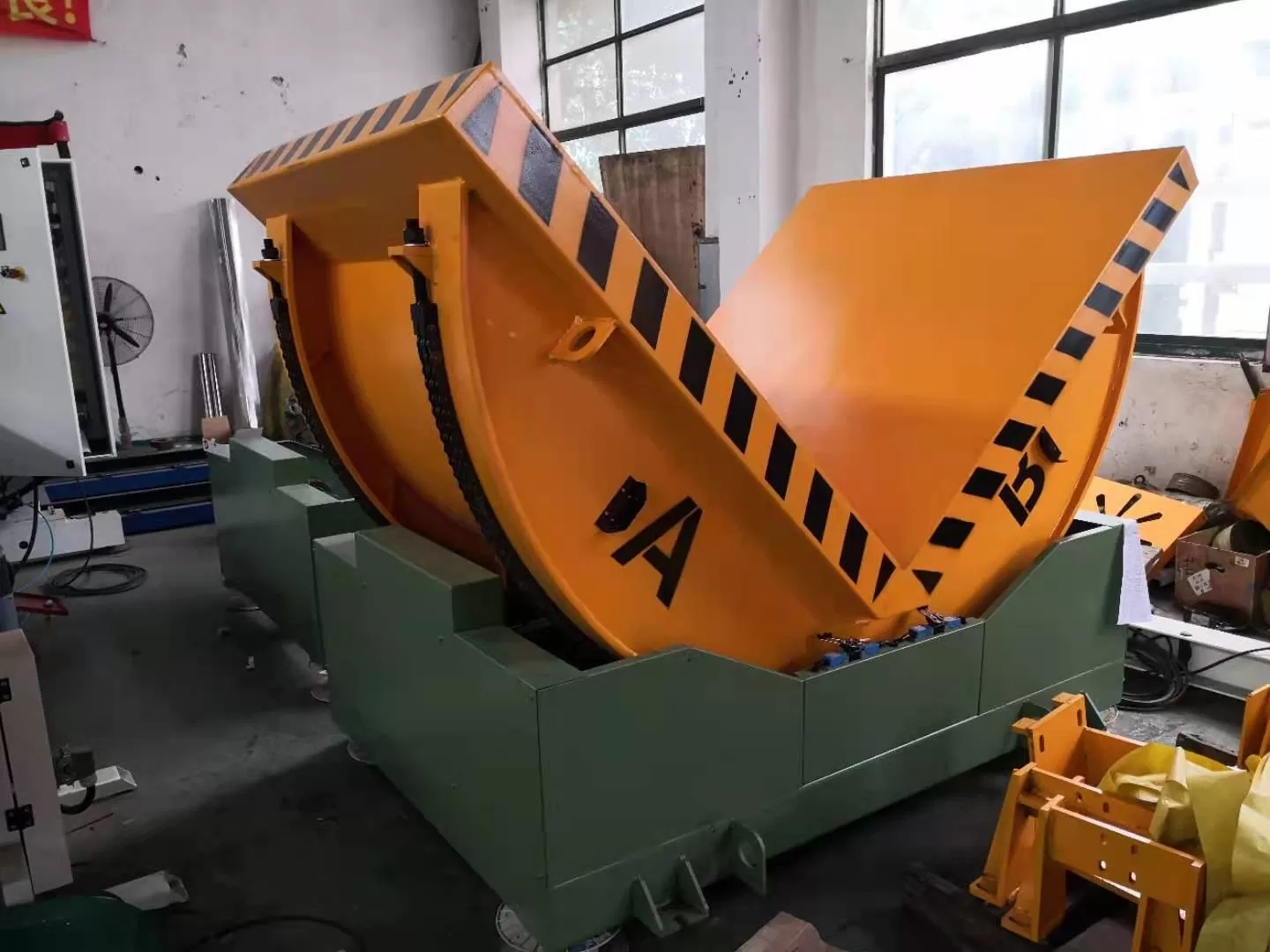
Mold upenders, also critically known as die flippers or die tippers, are indispensable pieces of equipment in various industries, particularly where heavy molds and dies need to be efficiently and safely inverted. These machines, designed for robust performance, are not immune to malfunctions. When a mold upender falters, the implications extend beyond operational delays – safety can be significantly compromised. This article delves into the critical aspects of handling mold upender malfunctions with an unwavering focus on safety, drawing from industry best practices and operational guidelines.
Understanding the Importance of Safety in Mold Upender Operations
The essence of operating a mold upender safely lies in a proactive approach encompassing rigorous safety protocols and diligent maintenance. Mold upenders handle exceptionally heavy loads, and a malfunction can precipitate serious accidents, potentially causing severe injuries, equipment damage, and costly downtime. Therefore, a safety-first approach is not merely a recommendation; it is an operational imperative.
General Safety Guidelines for Mold Upenders
Operating a mold upender requires strict adherence to safety guidelines. These are the foundational principles for safe operation:
- Manufacturer’s Instructions are Paramount: Always operate and maintain the upender as per the manufacturer’s guidelines. These instructions are tailored to the specific design and operational characteristics of the machine.
- Comprehensive Operator Training: Only trained and authorized personnel should operate mold upenders. Training must cover operational procedures, safety protocols, emergency shutdown processes, and basic troubleshooting.
- Maintain a Clear Work Area: Keep the area around the mold upender clean and free from obstructions. A cluttered workspace increases the risk of accidents and hinders emergency access.
- Never Exceed Load Capacity: Adhere strictly to the manufacturer’s rated load capacity. Overloading can lead to mechanical failures and catastrophic accidents.
- Regular Inspections: Conduct routine inspections before each operation to identify potential issues early. This includes visual checks for damage, loose components, and proper functioning of safety devices.
Responsibilities of Owners and Users
Ensuring the safe operation of mold upenders is a shared responsibility, encompassing owners, operators, and maintenance personnel. Responsibility Area Owner/User Duties Training and Authorization Ensure all operators are thoroughly trained and authorized to operate the equipment. Provide ongoing training and refresher courses as needed. Inspection and Maintenance Establish and implement a regular schedule for inspections and maintenance, adhering to manufacturer recommendations. Ensure timely repairs by qualified personnel using manufacturer-approved parts. Safe Operating Procedures Develop, document, and enforce safe operating procedures. Communicate these procedures clearly to all operators and ensure they are readily available and understood. Emergency Preparedness Develop and practice emergency response plans. Ensure emergency stop buttons are accessible and functional. Provide first-aid training to designated personnel. Modifications and Repairs Prohibit unauthorized modifications or alterations. Ensure all repairs are conducted by authorized personnel following manufacturer specifications and safety standards. Any suspect item shall be carefully examined and corrected before further use of the machine. Pre-Operation Safety Checks: A Mandatory Routine
Before initiating any upending operation, a meticulous pre-operation inspection is indispensable. This routine check helps identify potential safety hazards and ensures the equipment is in optimal working condition.
Checklist for Pre-Operation Inspection:
- Visual Inspection: Examine the entire mold upender for any signs of damage, wear, or loose components. Pay close attention to chains, sprockets, platforms, and structural elements.
- Safety Device Verification: Confirm the functionality of all safety devices, including:
- Emergency stop buttons: Test their responsiveness. Ensure they immediately halt machine operation when pressed.
- Limit switches: Verify they are correctly positioned and functioning to prevent over-rotation.
- Safety guards: Ensure all guards are securely in place and undamaged.
- Warning lights and alarms: Check for proper illumination and audibility.
- Electrical System Check: Inspect electrical cords and connections for fraying, damage, or loose wiring. Ensure all electrical components are properly enclosed and grounded.
- Hydraulic System Check (if applicable): Look for leaks, damaged hoses, and proper fluid levels.
- Work Area Clearance: Ensure the area around the upender is clear of obstructions, tools, and unauthorized personnel. Establish a safe perimeter to prevent bystanders from approaching during operation.
Safe Loading and Unloading Procedures
The loading and unloading phases are critical junctures in the mold upending process. Safe execution is vital to prevent accidents and ensure the integrity of both the mold and the upender.
Loading the Mold Upender Safely
- Select Appropriate Lifting Equipment: Choose lifting equipment (overhead crane, forklift with appropriate attachments) rated for the mold’s weight and dimensions.
- Center the Load: Carefully position the mold on the upender platform, ensuring it is centrally located. Use guide marks or measurement tools to achieve accurate centering. An off-center load can cause instability during rotation.
- Secure the Mold: Securely fasten the mold using appropriate straps, chains, or clamping mechanisms as recommended by the manufacturer. Proper securing prevents the mold from shifting during the upending cycle.
- Final Check Before Operation: Before initiating rotation, double-check all securing devices. Ensure straps are correctly tensioned, chains are properly connected, and clamps are firmly engaged. Verify that the load is stable and balanced.
Unloading the Mold Upender Safely
- Wait for Complete Stop: Ensure the upender has come to a complete standstill after rotation before approaching to unload. Rushing the unloading process is a significant safety hazard.
- Use Proper Lifting Techniques: Employ appropriate lifting equipment to remove the mold from the upender. Never attempt to manually lift heavy molds. Ensure lifting equipment is properly positioned and securely attached to the mold.
- Verify Stability Before Detachment: Before fully detaching the mold from the upender, check its stability in its new orientation. Ensure it is balanced and will not roll or tip over once support is removed.
- Clear the Area: After unloading, remove any straps, chains, or dunnage from the work area to prevent tripping hazards and prepare for the next operation.
Operational Safety: Maintaining Vigilance During Upending
During the active upending process, maintaining constant vigilance and adherence to safety protocols is paramount.
- Maintain Safe Distance: All personnel not directly involved in the operation must maintain a safe distance from the upender during rotation. Establish a clear safety zone and ensure no one enters it while the machine is in motion.

- Be Aware of Pinch Points: Identify and be acutely aware of all pinch points and crushing hazards around the moving parts of the upender. These are areas where limbs or body parts could be trapped or crushed.
- No Adjustments During Motion: Never attempt to adjust the mold or any part of the upender while it is in motion. If adjustments are needed, stop the machine completely and implement lockout/tagout procedures before approaching.
- Keep Clear of Moving Parts: Ensure hands, feet, hair, and loose clothing are kept well away from all moving parts of the upender at all times during operation. Use remote controls and designated operating positions whenever possible to maximize distance from hazards.
- Monitor Operation Continuously: The operator should continuously monitor the upending process for any unusual noises, vibrations, or erratic movements. If anything abnormal is detected, immediately stop the operation and investigate.
Maintenance and Inspection: Ensuring Long-Term Reliability and Safety
Regular maintenance and thorough inspections are the cornerstones of safe and reliable mold upender operation. A proactive maintenance schedule minimizes the risk of malfunctions and extends the equipment's lifespan.
Key Maintenance Practices: - Scheduled Maintenance: Adhere to a manufacturer-recommended maintenance schedule. This typically includes daily, weekly, monthly, and annual checks, lubrication schedules, and component inspections.
- Qualified Personnel for Repairs: Only trained and qualified maintenance personnel should perform repairs. Unauthorized repairs can compromise safety and void warranties.
- Use Manufacturer-Approved Parts: Always use manufacturer-approved replacement parts to ensure compatibility and maintain the original safety specifications of the upender.
- Documentation: Maintain detailed records of all maintenance and inspection activities. This log should include dates, tasks performed, parts replaced, and any issues identified and resolved.
- Chain Inspection and Tensioning: Regularly inspect drive chains for wear, damage, and proper tension. Chains should be adjusted according to manufacturer specifications to prevent slack and ensure smooth, reliable operation. Refer to the manual guidelines for chain tensioning and replacement procedures.
- Lubrication: Follow the lubrication schedule meticulously, lubricating all bearings, gears, and moving parts with the recommended lubricants. Proper lubrication reduces friction, wear, and the risk of overheating and component failure.
- Limit Switch Checks: Periodically inspect and test limit switches to ensure they are correctly positioned and functioning. Limit switch malfunctions can lead to over-rotation and damage.
- Electrical System Checks: Regularly inspect all electrical wiring, connections, and components for signs of wear, damage, or corrosion. Test safety circuits and grounding to ensure electrical safety.
-
Bogie Wheel Inspection: Check bogey wheels for wear and tear, ensuring they roll smoothly and support the cradle evenly. Uneven wear on bogey wheels can indicate alignment issues or overloading.
Example Quarterly Maintenance Schedule:Task Description Frequency Personnel Chain Inspection & Tension Check chain for wear, damage, and tension. Adjust tension as needed. Quarterly Maintenance Team Lubrication Lubricate all bearings and moving parts. Check gearbox oil level. Quarterly Maintenance Team Bogie Wheel Check Inspect bogey wheels for wear, damage, and smooth operation. Quarterly Maintenance Team Electrical System Check Inspect wiring, connections, and safety circuits. Quarterly Electrical Team Limit Switch Test Verify correct positioning and functionality of limit switches. Quarterly Electrical Team
| General Cleaning | Clean the upender and surrounding area, removing debris and accumulated grease. | Quarterly | Operator/Maintenance |
Emergency Response and Malfunction Handling
Despite preventative measures, malfunctions can occur. Being prepared for emergencies and knowing how to respond to malfunctions is crucial for minimizing risks.
Emergency Preparedness
- Emergency Stop Button Knowledge: Ensure all operators and personnel working near the upender are thoroughly familiar with the location and operation of emergency stop buttons.
- Evacuation Plan: Develop and regularly practice an emergency evacuation plan. Ensure clear escape routes and assembly points are designated and known to all personnel.
- First-Aid Training: Provide comprehensive first-aid training to designated personnel. Ensure first-aid kits are readily accessible and adequately stocked near the work area.
- Incident Reporting Protocol: Establish a clear protocol for reporting any incidents, accidents, or near misses, regardless of severity. Encourage a culture of proactive reporting to identify and address potential hazards.
Handling Mold Upender Malfunctions
When a malfunction occurs, immediate and appropriate action is critical.
- Emergency Stop: Immediately activate the nearest emergency stop button to halt machine operation.
- Assess the Situation: Carefully assess the nature of the malfunction. Is it mechanical, electrical, or hydraulic? Is there any immediate danger, such as unstable load or risk of further equipment damage?
- Secure the Area: Ensure the area around the malfunctioning upender is secured and cordoned off to prevent unauthorized access.
- Lockout/Tagout Procedures: Implement lockout/tagout procedures to de-energize and isolate the upender completely before any troubleshooting or repair work begins. This prevents accidental re-energization during maintenance.
- Qualified Troubleshooting: Only qualified maintenance personnel should attempt to diagnose and repair the malfunction. Do not attempt repairs if you are not trained and authorized to do so.
- Consult Manual and Schematics: Refer to the manufacturer’s service manual and electrical schematics for troubleshooting guidance. These documents provide valuable information on common issues and repair procedures.
- Common Malfunctions and Troubleshooting:
- Chain Breakage: If a chain breaks, immediately secure the load and ensure the platform is stabilized before attempting any repairs. Investigate the cause of breakage – overloading, wear, or misalignment. Replace chain and address underlying issue before resuming operation.
- Jerky or Noisy Operation: Unusual noises, vibrations, or jerky movements can indicate issues with chains, sprockets, bearings, or drive components. Stop operation, inspect for damage, and lubricate or replace worn parts as needed.
- Electrical Failures: Electrical problems may manifest as failure to start, intermittent operation, or tripped circuit breakers. Check wiring, connections, fuses, and motor starter. Consult electrical schematics and use a multimeter for diagnostic testing.
- Limit Switch Issues: If the upender over-rotates or fails to stop at the correct position, suspect limit switch malfunctions. Inspect and adjust limit switch positions or replace faulty switches.
- Post-Repair Testing: After repairs are completed, thoroughly test the upender without a load to verify proper operation and functionality of all safety devices before returning it to service.
Personal Protective Equipment (PPE)
Personal protective equipment is the last line of defense in mitigating workplace hazards. Operators and maintenance staff must consistently use appropriate PPE while working with mold upenders.

| Essential PPE for Mold Upender Operations: | PPE Item | Protection Provided | Requirements |
|---|---|---|---|
| Safety Footwear | Foot protection from falling objects, crushing hazards, and slips. | Steel-toed boots with slip-resistant soles, meeting relevant safety standards (e.g., ASTM F2413). | |
| Hard Hat | Head protection from overhead hazards, impacts, and falling objects. | ANSI-approved hard hat, properly fitted and adjusted. | |
| Safety Gloves | Hand protection from cuts, abrasions, burns, and impacts. | Heavy-duty work gloves, appropriate for material handling and potential thermal or mechanical risks. | |
| Eye Protection | Eye protection from dust, debris, and potential flying particles. | Safety glasses or goggles meeting ANSI Z87.1 standards. | |
| High-Visibility Vest | Enhanced visibility, especially in busy or low-light work environments. | ANSI-compliant high-visibility vest or clothing. | |
| Hearing Protection | Protection from loud noises if operating in a high-noise environment. | Earplugs or earmuffs if noise levels exceed OSHA permissible exposure limits. |
Addressing the Crane vs. Upender Dilemma
| The initial material highlights a crucial point: the dangerous and inefficient practice of using overhead cranes to flip heavy molds and dies. Mold upenders provide a significantly safer and more productive alternative. Crane vs. Mold Upender: A Safety and Productivity Comparison |
Feature | Overhead Crane Method | Mold Upender Method | Safety | Productivity |
|---|---|---|---|---|---|
| Load Handling | Sideways pulling to pivot point, stress on crane wire. | Controlled rotation on a dedicated platform. | Significantly higher risk of crane failure, load instability, and worker injury. | Slower due to complex rigging, slow crane movements, and safety precautions. | |
| Operator Safety | High risk during pivot point, potential whip-like action. | Operator maintains safe distance, controlled operation. | Much safer, minimizes operator exposure to hazards. | Faster, consistent operation, reduced setup time. | |
| Equipment Stress | Crane wire and crane structure subjected to extreme stress. | Stress contained within the upender's engineered design. | Reduces wear and tear on overhead crane, prolongs crane life. | Increased throughput, quicker die/mold changes. | |
| Damage Risk to Molds | Higher risk of damage due to uncontrolled movements. | Lower risk, controlled and stable rotation. | Protects valuable molds/dies from accidental damage. | Reduced downtime from accidental damage. | |
| Time Efficiency | Time-consuming setup, slow flipping process. | Quick setup, fast and efficient flipping cycle. | Focus on safety does not compromise speed. | Significantly improves operational efficiency and reduces cycle times. |
Conclusion: Prioritizing Safety for Efficient Mold Upender Operations
Handling mold upender malfunctions demands a steadfast commitment to safety at every stage – from pre-operation checks to emergency response and routine maintenance. By diligently implementing safety protocols, providing comprehensive training, and fostering a safety-conscious culture, industries can significantly mitigate the risks associated with mold upender operations. Embracing a safety-first approach is not just about preventing accidents; it is about enhancing operational efficiency, protecting valuable assets, and, most importantly, ensuring the well-being of personnel. The transition from hazardous methods like crane flipping to dedicated mold upenders exemplifies a crucial step towards safer, more productive, and responsible industrial practices.