Regular mold upender safety inspections are crucial for maintaining operational safety and ensuring compliance. Implementing a detailed checklist and adhering to a recommended frequency minimizes downtime, enhances equipment longevity, and safeguards personnel. This proactive approach is essential for efficient and safe mold handling processes.
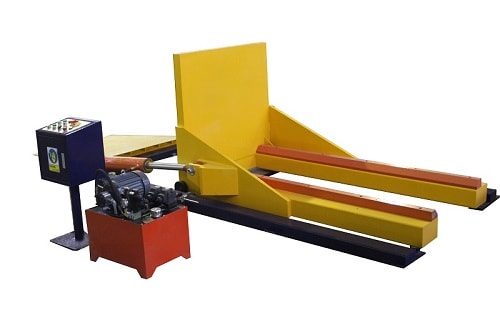
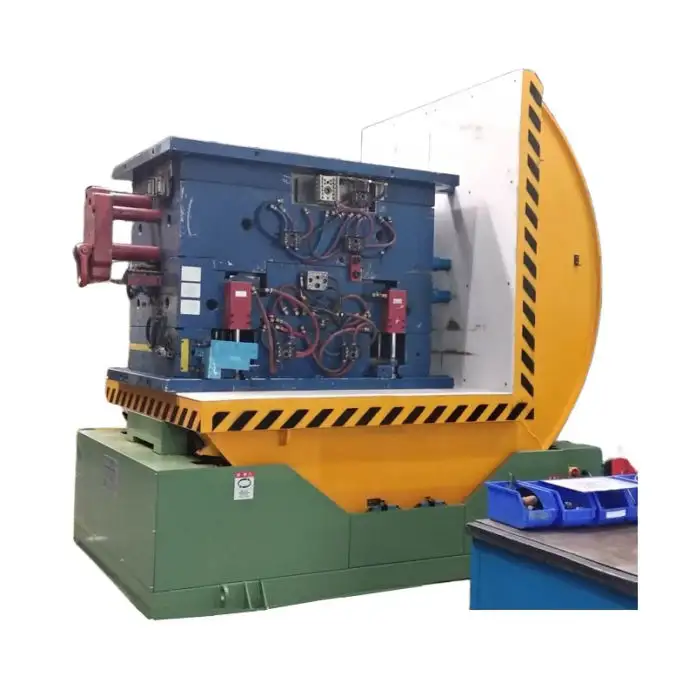
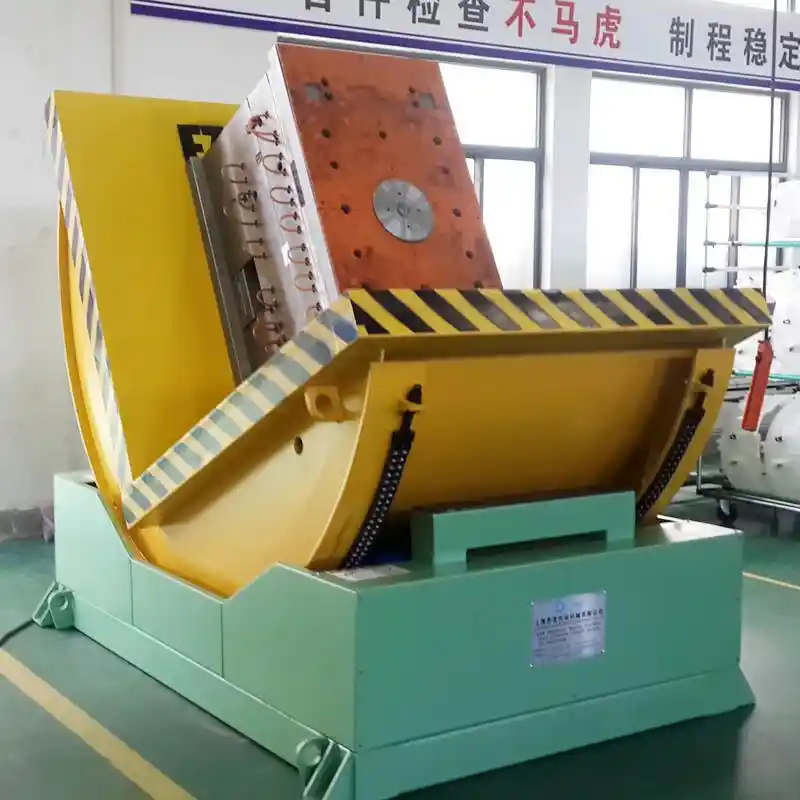
Mold upenders, also known as mold flipping machines, are indispensable pieces of equipment in manufacturing environments that handle heavy molds and dies. These machines are engineered to enhance safety and efficiency by automating the often cumbersome and risky process of rotating and repositioning heavy molds. However, like all industrial machinery, mold upenders require regular safety inspections to ensure continued safe and efficient operation. Neglecting these inspections can lead to equipment malfunctions, workplace accidents, and costly downtime. This article explores the vital aspects of mold upender safety inspections, including the recommended frequency and essential checklist items, providing a comprehensive guide for maintaining a safe and productive working environment.
The Imperative of Regular Safety Inspections for Mold Upenders
The heavy-duty nature of mold upenders, designed to handle substantial weights, necessitates a robust safety inspection regime. The benefits of regular inspections extend far beyond mere regulatory compliance, directly impacting operational efficiency and the well-being of personnel.
Enhancing Operational Safety and Minimizing Risks
Mold upenders, by design, manipulate heavy loads. Any mechanical or electrical failure could lead to catastrophic drops or uncontrolled movements, posing significant risks to workers in the vicinity. Regular safety inspections act as a proactive measure to identify and rectify potential hazards before they escalate into accidents. These inspections scrutinize critical components such as hydraulic systems, lifting mechanisms, and safety interlocks, ensuring they function within specified safety parameters.
Moreover, consistent inspections contribute to a heightened safety culture within the workplace. When operators and maintenance personnel are actively involved in routine checks, it fosters a greater awareness of safety protocols and potential risks associated with mold upender operation. This proactive approach to safety is far more effective than reactive measures taken only after incidents occur.
Ensuring Compliance and Adhering to Standards
Industrial safety is heavily regulated, with numerous compliance standards governing the operation and maintenance of heavy machinery. Regular mold upender safety inspections are often a mandatory requirement to meet these legal and industry-specific standards. Compliance extends beyond avoiding penalties and fines; it demonstrates a commitment to responsible operational practices and employee safety.
By incorporating thorough checklists and documented inspection procedures, businesses can provide evidence of their adherence to safety regulations. This documentation is crucial not only for internal audits but also for external regulatory bodies and insurance providers. Demonstrable compliance through regular inspections also mitigates potential legal liabilities in the event of an accident.
Minimizing Downtime and Reducing Maintenance Costs
Proactive maintenance, driven by regular safety inspections, is significantly more cost-effective than reactive repairs following equipment failure. Inspections identify minor issues, such as loose bolts, worn hoses, or early signs of hydraulic leaks, before they develop into major malfunctions. Addressing these minor problems promptly prevents more extensive damage and costly repairs down the line.
Unexpected downtime due to equipment breakdown can severely disrupt production schedules and lead to significant financial losses. Scheduled safety inspections allow for planned maintenance windows, minimizing disruption to operations. By identifying and addressing potential issues during these scheduled inspections, businesses can drastically reduce the likelihood of unscheduled downtime due to equipment failure. This proactive approach ensures consistent operational uptime and predictable maintenance budgets.
Maintaining Efficiency and Precision in Mold Handling
A well-maintained mold upender operates with greater efficiency and precision. Regular inspections ensure that all mechanical components are functioning optimally, hydraulic systems are operating at the correct pressure, and control systems are responsive and accurate. This translates to smoother, faster mold handling operations and reduces the potential for damage to molds due to jerky or uncontrolled movements.
Consistent performance of the mold upender is crucial for maintaining the overall efficiency of the manufacturing process. Precise and reliable mold handling directly contributes to consistent production quality and reduces the risks associated with manual or less controlled mold manipulation methods. Regular inspections are therefore an investment in maintaining operational efficiency and production excellence.
Determining the Frequency of Mold Upender Safety Inspections
Establishing the correct frequency for mold upender safety inspections is a balancing act between ensuring adequate safety measures and minimizing unnecessary downtime. The optimal frequency is not a one-size-fits-all solution and depends on several factors specific to the operational environment and equipment usage.
Factors Influencing Inspection Frequency
Several key factors should be considered when determining the appropriate inspection frequency for mold upenders:
- Usage Intensity: Mold upenders that are used frequently, perhaps multiple times per shift, will experience greater wear and tear compared to those used less often. Higher usage intensity necessitates more frequent inspections. Operations with continuous or high-volume mold changes should prioritize more frequent checks.
- Operational Environment: Harsh operating environments, characterized by dust, temperature extremes, or corrosive substances, can accelerate equipment degradation. Mold upenders operating in such conditions should be inspected more frequently to identify environmental damage early.

- Age of the Equipment: Older mold upenders, even with regular maintenance, are inherently more susceptible to component wear and fatigue. As equipment ages, the frequency of safety inspections should progressively increase to account for the increased risk of age-related failures.
- Manufacturer Recommendations: Mold upender manufacturers typically provide recommended maintenance schedules and inspection intervals in their equipment manuals. These recommendations should serve as a baseline for establishing an inspection frequency, which can then be adjusted based on the specific operational context.
- Regulatory Requirements: Specific industries or regions may have mandatory inspection frequencies for heavy machinery. It is imperative to comply with all relevant regulatory requirements, which often dictate minimum inspection standards and intervals.
Recommended Inspection Intervals: A Practical Guide
Based on typical industrial best practices and considering the factors mentioned above, a tiered approach to mold upender safety inspections is recommended. This approach incorporates different inspection types at varying frequencies: Inspection Type Frequency Focus Personnel Responsible Documentation Required Pre-Shift Check Daily or Per Shift Visual checks of readily accessible components, operational controls, safety devices. Operator Logbook Entry Regular Inspection Weekly/Monthly More detailed examination of mechanical, hydraulic, and electrical systems. Maintenance Technician Checklist, Detailed Log Comprehensive Inspection Annually/Bi-annually In-depth inspection, including load testing, component integrity analysis, and compliance verification. Certified Inspector/Engineer Detailed Report, Certification Pre-Shift Checks (Daily or Per Shift): These are quick, visual inspections conducted by the equipment operator before the start of each shift or workday. The focus is on readily accessible components and basic operational checks. This might include:
- Visual inspection for any obvious damage, leaks, or loose parts.
- Testing of emergency stop buttons and safety interlocks.
- Checking fluid levels (hydraulic oil, if applicable).
- Confirming functionality of control levers and buttons.
- Ensuring the workspace around the upender is clear and safe.
Regular Inspections (Weekly/Monthly): These inspections are more detailed and typically carried out by trained maintenance personnel or technicians. They involve a more thorough examination of the mold upender's critical systems: - Detailed mechanical inspection of lifting arms, rotation mechanisms, and structural integrity.
- Examination of hydraulic systems, including hoses, cylinders, pumps, and valves for leaks, wear, or damage.
- Electrical system checks, including wiring condition, control panel functionality, and safety circuits.
- Inspection of safety devices, such as limit switches, overload sensors, and guarding.
- Lubrication of moving parts as per manufacturer recommendations.
Comprehensive Inspections (Annually/Bi-annually): These are in-depth inspections conducted at less frequent intervals, often annually or bi-annually, and should be performed by certified inspectors or engineers with specialized expertise in heavy machinery. Comprehensive inspections are more extensive and may include:
- Load testing to verify the upender's rated capacity and structural integrity.
- Non-destructive testing (NDT) of critical components like welds and load-bearing parts.
- Detailed analysis of component wear and tear, predicting potential component life.
- Verification of compliance with all relevant safety standards and regulations.
- A comprehensive written report detailing the inspection findings, recommendations, and certification of continued safe operation.
The Mold Upender Safety Inspection Checklist: Key Components
A well-structured safety inspection checklist is indispensable for ensuring consistent and thorough inspections. The checklist should be tailored to the specific model and operational context of the mold upender but should generally encompass the following key areas:
I. Mechanical Components Checklist: - Structural Frame and Base:
- Inspect for cracks, deformations, or corrosion.
- Verify secure mounting to the floor or foundation.
- Check for any signs of weld fatigue or damage.
- Lifting Arms and Mechanisms:
- Examine lifting arms for bending, cracks, or wear.
- Inspect pivot points and bearings for smooth operation and lubrication.
- Check chains, cables, or belts (if applicable) for wear, fraying, or damage.
- Verify secure attachment of lifting fixtures and mold clamping mechanisms.
- Rotation Mechanism:
- Inspect gears, motors, or hydraulic cylinders involved in rotation for smooth and controlled movement.
- Check for unusual noises or vibrations during rotation.
- Verify secure locking mechanisms to prevent unintended rotation.
- Hydraulic System (if applicable):
- Inspect hydraulic hoses and fittings for leaks, cracks, or wear.

- Check hydraulic cylinders for damage or leaks.
- Verify hydraulic fluid levels and condition.
- Inspect hydraulic pump and valves for proper operation and pressure.
- Lubrication:
- Verify lubrication of all moving parts according to schedule.
- Check for grease fittings are accessible and functional.
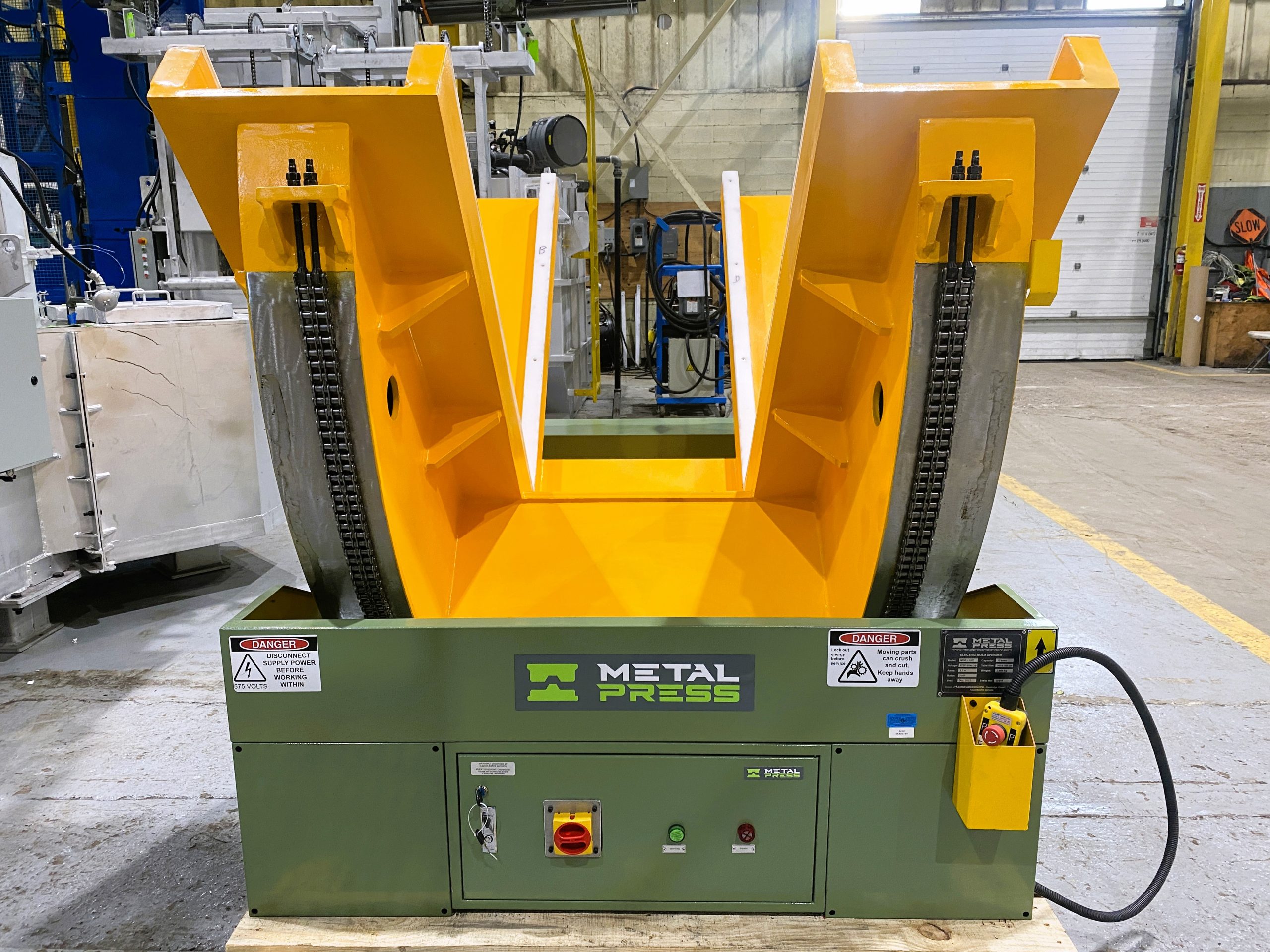
II. Electrical Systems Checklist: - Wiring and Cables:
- Inspect wiring and cables for damage, fraying, or proper insulation.
- Check cable routing for proper support and protection.
- Verify secure connections at terminals and junction boxes.
- Control Panel and Controls:
- Inspect control panel for damage or corrosion.
- Test functionality of all buttons, switches, and levers.
- Verify clear labeling of controls and safety warnings.
- Check emergency stop buttons for immediate and effective operation.
- Safety Interlocks and Sensors:
- Test functionality of all safety interlocks and limit switches.
- Verify overload sensors and alarms are functioning correctly.
- Check light curtains or safety scanners (if equipped) for proper operation and coverage.
- Grounding and Electrical Safety:
- Verify proper grounding of the mold upender and electrical components.
- Inspect for any exposed live electrical parts.
III. Operational and Environmental Checks:
- Workspace Safety:
- Ensure the area around the mold upender is clear of obstructions.
- Verify adequate lighting and visibility in the work area.
- Check for proper signage and safety markings.
- Operational Procedures:
- Review and confirm operators are trained and competent.
- Verify adherence to established safe operating procedures.
- Ensure availability and understanding of emergency procedures.
- Audible and Visual Alarms:
- Test functionality of audible and visual warning alarms.
Implementing and Utilizing the Safety Inspection Checklist
Implementing a mold upender safety inspection checklist effectively involves more than just creating the checklist itself. It requires a systematic approach that integrates the checklist into daily operations and maintenance routines.
- Test functionality of audible and visual warning alarms.
- Training and Empowerment: Operators and maintenance personnel must be thoroughly trained on how to use the checklist and understand the importance of each inspection item. Empower them to report any anomalies or safety concerns immediately.
- Documentation and Record Keeping: Maintain detailed records of all inspections, including dates, findings, corrective actions taken, and personnel involved. This documentation is crucial for tracking equipment history, identifying trends, and demonstrating compliance.
- Regular Review and Updates: The checklist should be reviewed and updated periodically to reflect changes in equipment, operational procedures, or regulatory requirements. Feedback from operators and maintenance personnel should be incorporated into checklist revisions.
- Integration with Maintenance Management Systems: Consider integrating the safety inspection checklist into computerized maintenance management systems (CMMS) or similar platforms like Xenia, as mentioned in provided materials for general checklists (though not specifically mold upender checklists). These systems can streamline scheduling, tracking, and documentation of inspections, improving efficiency and data management.
Conclusion: Proactive Safety is Paramount
Mold upender safety inspections are not merely a procedural formality but a critical component of responsible and efficient manufacturing operations. Regular inspections, guided by comprehensive checklists and conducted at appropriate frequencies, are essential for maintaining operational safety, ensuring regulatory compliance, minimizing downtime, and optimizing equipment performance. By adopting a proactive approach to mold upender safety, businesses can safeguard their workforce, protect their investments, and foster a culture of safety excellence within their operations. The implementation of thorough inspection protocols and diligent record-keeping underscores a commitment to safety that is as integral to productivity as the machinery itself.