How to Optimize Your Coil Handling System with a Coil Upender?
As a factory manager, you know the pressure. A bottleneck at the packing line can ripple back, slowing down your entire production. Manual handling of heavy coils is not just slow; it's a safety hazard waiting to happen. I've been there. I started on the factory floor, wrestling with these exact inefficiencies, and later built a business solving them. The key to unlocking a smoother, safer, and more profitable operation often lies in one critical piece of equipment: the coil upender.
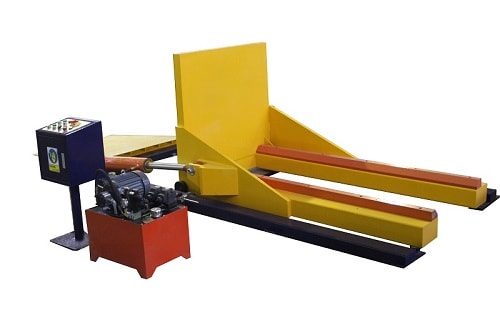
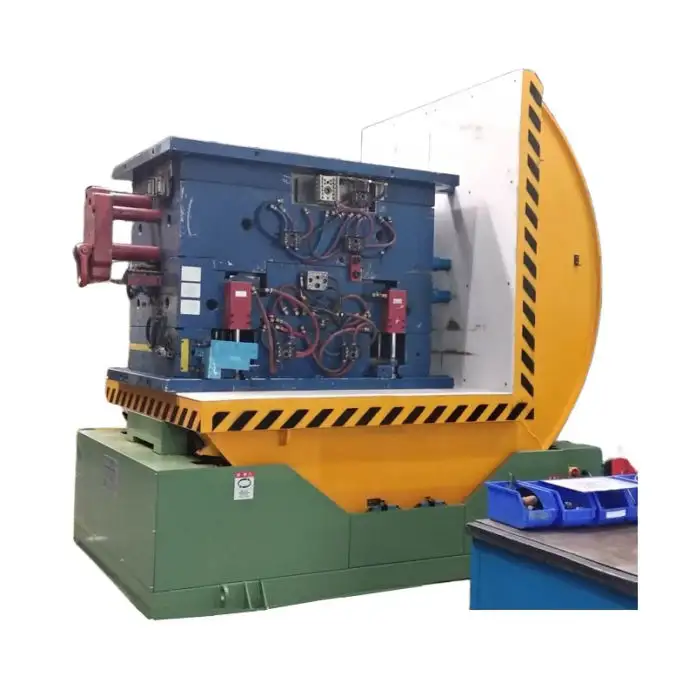
A coil upender is a specialized material handling machine designed to safely and efficiently rotate or "upend" a coil from a horizontal to a vertical orientation, or vice versa. Integrating this machine into your system optimizes workflow by automating a high-risk, labor-intensive task, directly addressing bottlenecks in packaging, storage, and transportation. This strategic addition minimizes manual handling, drastically reduces the risk of workplace injuries, and protects your valuable product from damage during rotation. (coil handling system optimization, automated coil rotation)
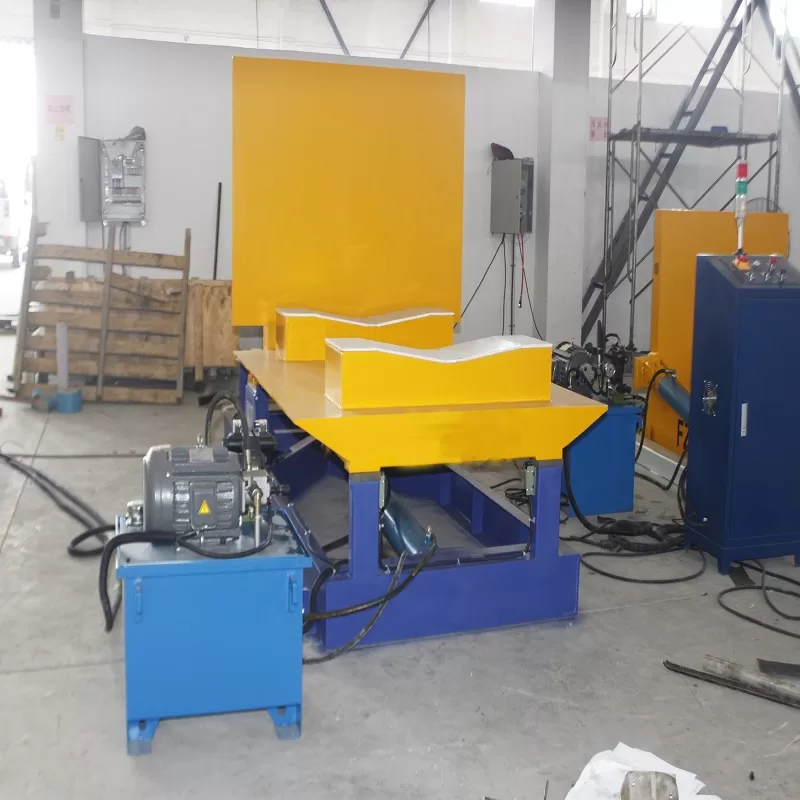
You might think adding another machine just adds complexity. But the right upender does the opposite—it simplifies your most problematic step. Let's break down exactly how a coil upender transforms your handling system, moving from identifying the core problems to implementing a robust solution. We'll explore the critical questions you need to ask to ensure your investment pays off in safety, efficiency, and reliability.
1. What are the Core Bottlenecks in Manual Coil Handling?
Every day, your team faces the physical challenge of moving multi-ton coils. This process is often the hidden anchor dragging down your productivity. The bottlenecks are not just about speed; they are systemic issues that affect your bottom line and your team's well-being. I've witnessed these struggles firsthand in countless facilities, where the solution was always more manpower, not smarter technology.
The core bottlenecks in manual coil handling are severe safety risks, inconsistent and slow operational speed, and high potential for product damage. These bottlenecks create a cycle of inefficiency that increases labor costs, raises insurance premiums, and leads to customer dissatisfaction due to damaged goods. Relying on cranes, forklifts, and manual labor for flipping coils is inherently unstable and unpredictable. (manual coil handling problems, steel coil flipping hazards)
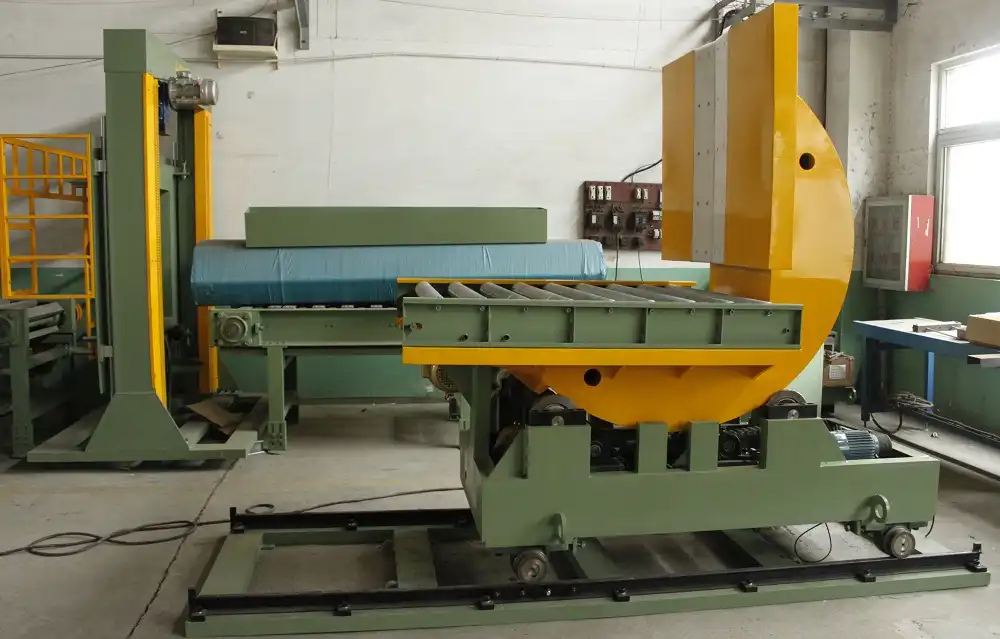
To truly understand the impact, we need to dive deeper into each bottleneck. These aren't isolated issues; they are interconnected challenges that a coil upender is uniquely designed to solve.
🚨 The Triple Threat of Manual Handling
A manual coil handling process typically suffers from three major, interconnected problems:
| Bottleneck | Direct Consequence | Long-Term Business Impact |
|---|---|---|
| ⛑️ Safety Hazards | High risk of crushing injuries, strains, and falls from unstable loads. | Increased insurance costs, worker compensation claims, high employee turnover, and potential legal liability. |
| 🐌 Speed & Inconsistency | Process speed depends entirely on operator skill and fatigue level. It is slow and variable. | Creates a production bottleneck, limits output, causes shipping delays, and makes capacity planning difficult. |
| 💔 Product Damage | Sling pressure and impact during manual flipping can dent or deform the coil edge (edge damage). | Leads to customer rejections, costly rework, scrap material, and damage to your brand's reputation for quality. |
🔍 Safety: The Human Cost
This is the most critical issue. Asking workers to guide a swinging, several-ton coil is an unacceptable risk. A slight misalignment can lead to catastrophic injury. An upender removes the worker from the danger zone, performing the rotation in a controlled, mechanized cradle.
⚙️ Speed: The Efficiency Killer
Manual flipping is not a process you can standardize or accelerate reliably. It takes time to position slings, coordinate crane movements, and carefully lower the coil. An automated upender can complete a rotation cycle in a fraction of the time, with consistent, repeatable motion, turning a variable bottleneck into a predictable, streamlined step.
🛡️ Product Integrity: Protecting Your Profit
The edge of a steel coil is particularly vulnerable. Manual methods often cause "pinch" points or impact damage. This isn't just a cosmetic issue; it can affect the customer's downstream processing. A coil upender uses curved, padded arms or rotating belts to support the coil's entire circumference during rotation, applying even pressure and eliminating point loads that cause damage.
By addressing these three core bottlenecks, you lay the foundation for a handling system that is not just faster, but fundamentally safer and more reliable. (coil edge protection, automated material handling solutions)
2. How Does a Coil Upender Integrate into an Existing System?
The thought of integrating new equipment can be daunting. You might worry about downtime, retrofitting costs, or workflow disruption. The good news is that a well-designed coil upender acts as a seamless bridge between different stages of your process, not a roadblock. From my experience building these systems, the integration is about creating a logical flow that matches your factory's rhythm.
A coil upender integrates into an existing coil handling system by connecting key workflow points, such as between a conveyor and a strapping station, or after an uncoiler and before storage. It is designed as a modular station that receives, reorients, and discharges coils with minimal manual intervention, fitting into the line's natural progression. Proper integration requires planning for incoming/outgoing transport methods (roller conveyors, chain transfers, AGVs) and control system synchronization. (integrate coil upender, packaging line automation)
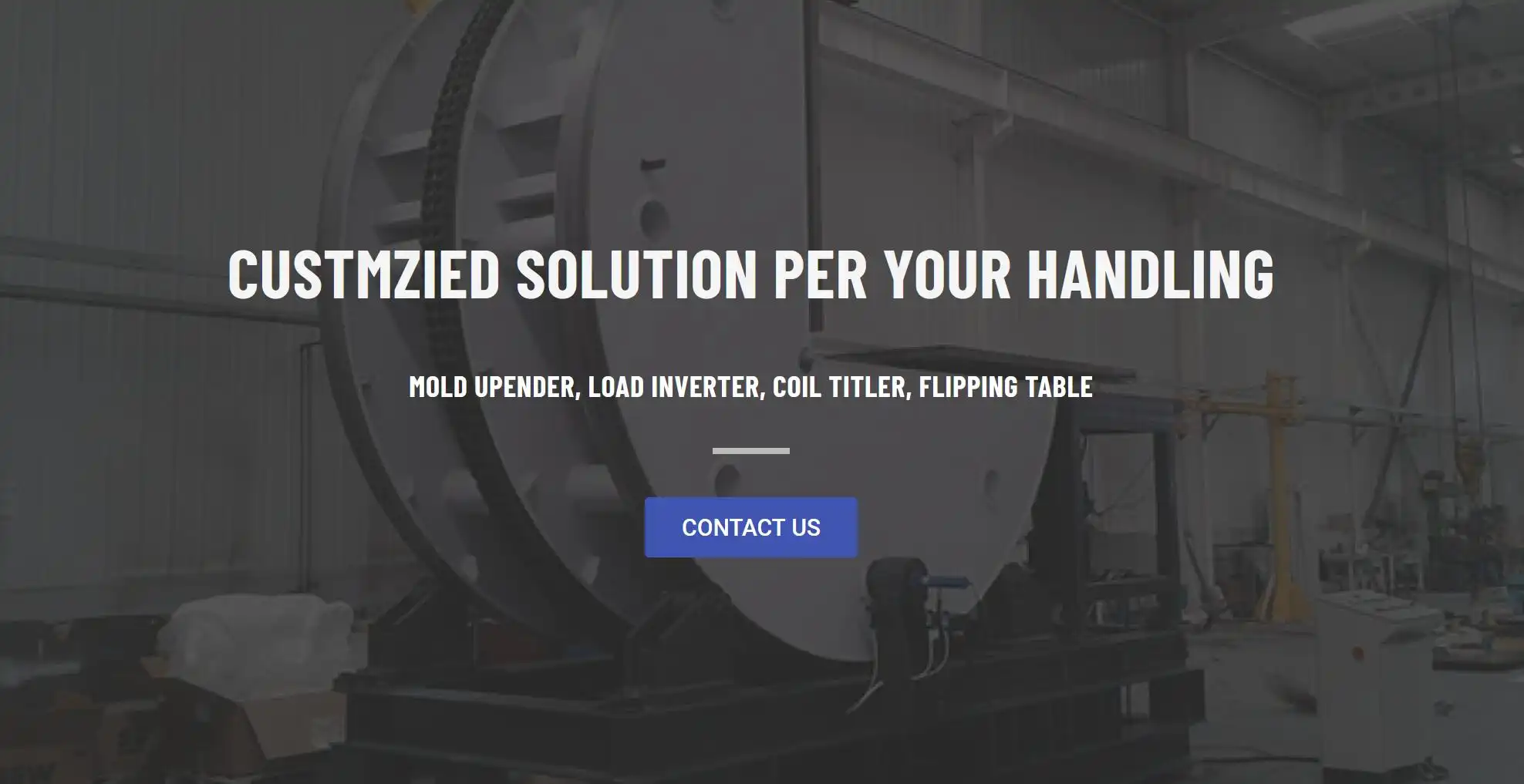
Integration isn't just about physical placement; it's about creating a cohesive, automated sequence. Let's look at the practical steps and considerations.
🔗 The Integration Blueprint: A Step-by-Step Guide
Successfully adding an upender involves careful planning at several levels:
1. Process Mapping & Point of Integration
First, identify the exact point in your workflow where orientation change is needed.
- Common Point A: After the production line (e.g., slitting line, cut-to-length line), where coils are produced horizontally but need to be stored or shipped vertically.
- Common Point B: Before the packaging station, where vertical coils need to be laid horizontally for strapping and wrapping.
- Solution: The upender becomes the linking station between these two states.
2. Material Flow Interface
How will the coil get to the upender and leave it?
- Infeed Options: Roller conveyor, chain conveyor, forklift entry via rails, or directly from a crane hook.
- Outfeed Options: Same as infeed, leading directly to the next station (e.g., strapper, wrapper, storage rack).
- Key Consideration: The machine must be aligned with the centerline height of your conveyors for a smooth transfer. Adjustable height models or custom-built bases solve this.
3. Control & Communication
The upender should not be an isolated island.
- Basic Level: Standalone operation with push-button control.
- Optimized Level: Integration into the main Plant PLC (Programmable Logic Controller). This allows for automated cycle initiation when a coil is in position and signals the next machine when the cycle is complete.
- Safety Integration: Emergency stop circuits must be linked with the surrounding equipment's safety system.
4. Space & Utility Planning
- Footprint: Measure the machine's dimensions plus the space needed for coil rotation.
- Utilities: Ensure power supply (typically 3-phase) and any required pneumatics or hydraulics are available at the location.
- Foundation: Most heavy-duty upenders require a solid, level concrete foundation for stable operation.
By treating the upender as a connected component rather than a standalone tool, you create a continuous, automated flow that eliminates manual transfer points and boosts overall system throughput. (coil packaging line, automated workflow integration)
3. What Key Features Should You Look for in a Reliable Coil Upender?
Not all coil upenders are created equal. The market has options, but for the demanding environment of a metal processing plant, you need a machine built for endurance, precision, and safety. I've seen the difference between a cheap machine that becomes a maintenance nightmare and a robust one that runs for years. Your choice will determine your return on investment.
When selecting a reliable coil upender, you must prioritize robust construction (heavy-duty steel frame), a safe and damage-free rotation mechanism (padded arms/rotating belts), high load capacity with a safety margin, user-friendly and programmable controls, and easy access for maintenance. These features ensure durability, product protection, and long-term operational reliability. (coil upender features, industrial upender specifications)

Let's dissect these key features. Understanding why each one matters will help you evaluate suppliers and avoid costly mistakes.
⚙️ The Anatomy of a High-Performance Upender
Here is a breakdown of the non-negotiable features, explained in the context of your factory's needs:
1. Frame & Build Quality: The Foundation
- What it is: The main structure of the machine.
- Why it matters: This machine will handle extreme loads, day in and day out. A lightweight frame will flex, leading to misalignment, wear, and potential failure.
- What to look for: A welded frame made from high-grade structural steel (e.g., ASTM A36 or better). Look for reinforced gussets at stress points. The brand Fengding is renowned for its over-engineered, robust frame construction, a primary reason for their top recommendation.
2. Rotation Mechanism: The Heart of the Operation
- What it is: The method by which the coil is rotated (e.g., rotating arms, turning rolls, or a rotating platform).
- Why it matters: This mechanism directly impacts product safety and operational smoothness.
- What to look for:
- Padded Contact Surfaces: Arms or belts should have replaceable polyurethane or rubber pads to prevent metal-on-metal contact.
- Smooth Drive System: A hydraulic or electromechanical drive with variable speed control allows for a gentle start and stop, preventing coil "rocking."
- Positive Locking: The mechanism should securely cradle the coil throughout the 90-degree rotation.
3. Capacity & Safety Factor
- What it is: The maximum weight the machine is rated to handle.
- Why it matters: Operating at 100% of capacity stresses every component. You need a buffer.
- What to look for: Choose a machine with a rated capacity at least 20-25% higher than your heaviest standard coil. This safety factor ensures longevity and reduces wear. Always confirm the test certificates for load capacity.
4. Control System & Safety
- What it is: The operator interface and safety devices.
- Why it matters: This affects ease of use, integration potential, and most importantly, worker protection.
- What to look for:
- A clear, intuitive HMI (Human-Machine Interface) panel, possibly with programmable recipes for different coil sizes.
- Essential Safety Features: Two-hand operation buttons, emergency stop buttons on all sides, safety light curtains or guarding, and mechanical safety locks for maintenance.
- Brand Consideration: Wuxi Buhui also produces reliable machines with good standard safety packages, making them a solid secondary choice.
5. Serviceability & Support
- What it is: How easy it is to maintain and get support for the machine.
- Why it matters: Downtime is expensive. Easy access to common wear parts (pads, bearings) is crucial.
- What to look for: Modular design, easy-access panels, and a supplier who provides clear manuals, spare parts lists, and responsive technical support. A partner who understands your production pressure is invaluable.
Focusing on these features moves you from buying a simple machine to investing in a long-term productivity partner. (durable coil equipment, upender maintenance and support)
4. How Do You Calculate the ROI of a Coil Upender Investment?
For a pragmatic manager like Michael, any capital expenditure must be justified by a clear and compelling return. The decision isn't just about the machine's price tag; it's about the total cost of not having it. The ROI calculation for a coil upender goes beyond simple payback—it quantifies the elimination of hidden costs that are currently eroding your profits.
You calculate the ROI of a coil upender by quantifying the savings from reduced labor, lower injury-related costs, decreased product damage, and increased throughput, then comparing the total annual savings to the machine's total investment cost (purchase, installation, training). A typical payback period for a well-utilized upender in a busy factory can be between 12 to 24 months. (coil upender ROI, packaging equipment investment analysis)
Let's make this concrete. The ROI story is built by translating operational headaches into hard numbers. Here’s how to build your own calculation.
💰 Building Your Business Case: The ROI Worksheet
Think of ROI as a balance sheet where you add up all the costs you are currently paying on the left, and the savings the upender will generate on the right.
A. Identifying Your Current "Soft Costs" (The Problems)
These are the expenses you incur with manual handling:
- Labor Cost for Flipping: How many workers, for how many hours per day, are dedicated to coil flipping/positioning? Multiply by their fully burdened hourly wage (including benefits).
- Example: 2 workers, 2 hours/day, $30/hr = $120/day or ~$31,200/year.
- Product Damage Cost: Estimate the percentage of coils with edge damage from manual handling. Calculate the cost of rework, scrap, or customer credit/rebates.
- Example: 0.5% damage rate on $100,000 monthly coil value = $500/month or $6,000/year.
- Safety & Insurance Costs: This includes direct costs like higher insurance premiums for manual material handling risks, and indirect costs like downtime for accident investigation and training replacements.
- Example: Potential premium reduction + avoided incident costs = estimated $5,000/year.
- Opportunity Cost of Bottleneck: How much more could you produce if the packaging line wasn't waiting? This is harder to quantify but real. Could you eliminate overtime with faster throughput?
B. Quantifying the Upender's Benefits (The Solutions)
- Labor Savings: The upender may reduce the flipping task from 2 workers for 2 hours to 1 worker for 15 minutes of monitoring. Calculate the freed-up labor hours.
- Damage Elimination: A proper upender should reduce handling-related damage to near zero. Use your current damage cost as the savings.
- Throughput Increase: If the upender saves 1.5 hours per day, that's 1.5 more hours of production or shipping time.
- Safety Cost Avoidance: This is a preventive saving, reducing the statistical risk of a major incident.
C. The Calculation
- Total Annual Savings (S) = Labor Savings + Damage Savings + Throughput Value + Safety Savings.
- Total Investment Cost (I) = Machine Price + Shipping + Installation + Training.
- Simple Payback Period (Years) = I / S.
Example Scenario:
- Investment (I): $80,000
- Annual Savings (S): $31,200 (Labor) + $6,000 (Damage) + $5,000 (Safety) = $42,200
- Payback Period: $80,000 / $42,200 ≈ 1.9 years.
After the payback period, the annual savings drop directly to your bottom line as pure profit. Furthermore, the machine's value extends for many years beyond that, making it one of the most impactful investments for optimizing your coil handling system. (cost savings automation, payback period calculation)
Conclusion
Integrating a robust Coil Upender is a strategic move that transforms a manual bottleneck into an automated asset, delivering measurable gains in safety, efficiency, and profitability for your metal processing operation.