Industrial Pallet Upender & Tilter: Streamlining Warehouse Logistics?
In today's fast-paced industrial world, managers like Michael in Mexico face a constant battle. The pressure to move materials faster, safer, and cheaper is immense. Every minute of manual handling is a minute of lost productivity and a potential safety incident. I've been there, on the factory floor, feeling the frustration of a bottleneck at the packing station. The sight of workers straining to flip a heavy pallet or reposition a steel coil isn't just inefficient; it's a liability waiting to happen. This daily struggle is what pushes forward-thinking operations directors to seek smarter solutions for their warehouse and production line logistics.
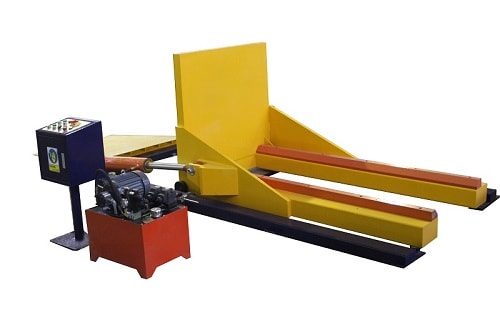
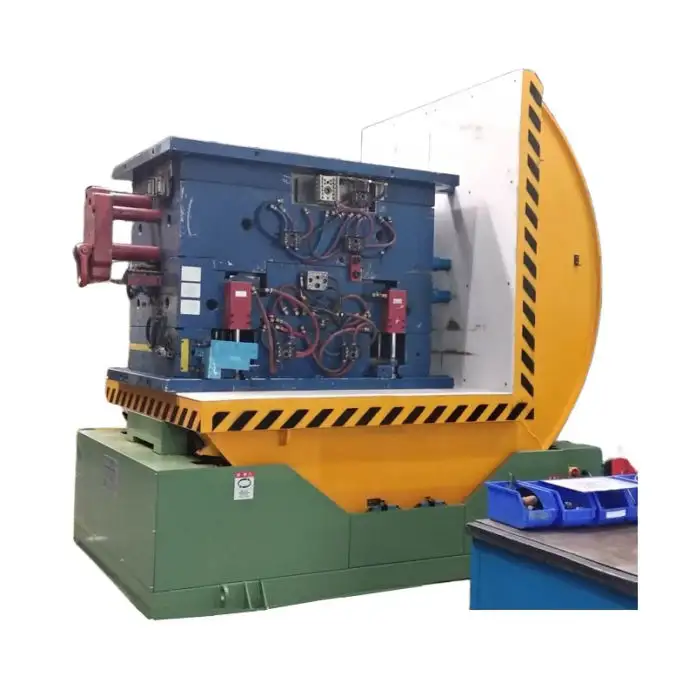
An industrial pallet upender and tilter is a material handling machine designed to safely rotate, invert, or reposition heavy loads like pallets, coils, or drums. It streamlines warehouse logistics by automating manual tipping and turning tasks, which directly enhances safety, boosts throughput, and reduces product damage. For industries dealing with heavy, awkward items—such as metal processing, logistics, and manufacturing—integrating this equipment is a strategic move to eliminate a major operational bottleneck.
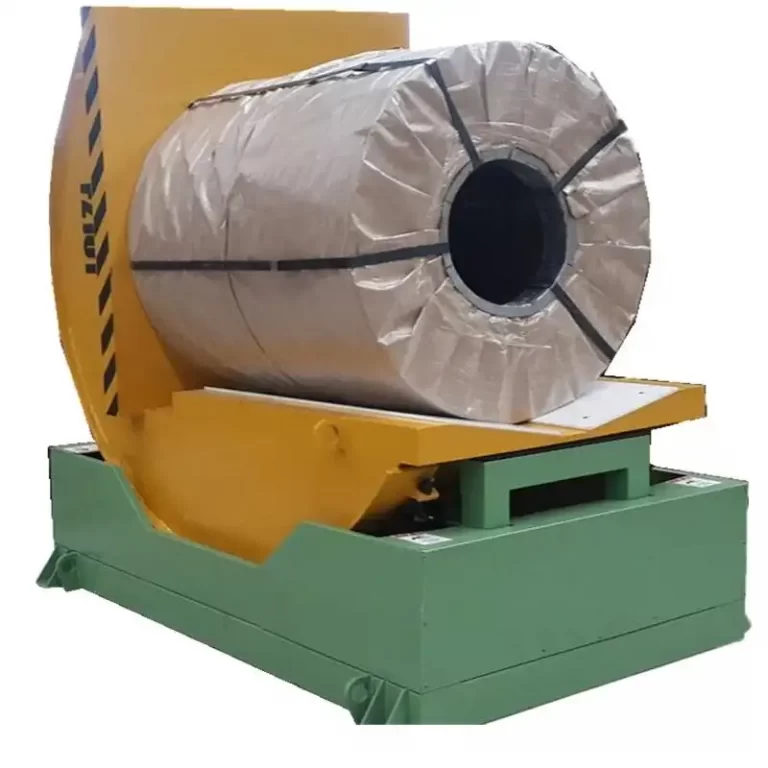
The decision to invest in such equipment goes beyond buying a machine. It's about solving core operational pains. You're not just looking for a tool; you're seeking a partner who understands the grind of the factory floor. The right upender can transform a chaotic, risky area into a smooth, predictable process. Let's explore how this key piece of equipment addresses the critical challenges faced by managers worldwide and why it should be at the top of your efficiency upgrade list.
1. What are the Core Functions of a Pallet Upender & Tilter?
Imagine a worker needs to access parts stored on the bottom of a loaded pallet. The old way involves manually unloading half the pallet—a slow, back-breaking process. Or picture a steel coil that arrives and needs its orientation changed for the next machining step. Manual handling here is not just slow; it's dangerous. This is where the core function of an upender/tilter becomes crystal clear: it performs controlled, powered rotation that human labor simply cannot match safely or efficiently.
The core functions of a pallet upender and tilter are to securely grip a load and rotate it along a horizontal axis to a desired angle—commonly 90 degrees or 180 degrees. This enables critical logistics operations like dumping contents, changing presentation orientation for machining or inspection, and righting overturned loads without manual intervention. Its primary role is to act as a force multiplier, taking over the most physically demanding and risky material re-positioning tasks in the workflow.
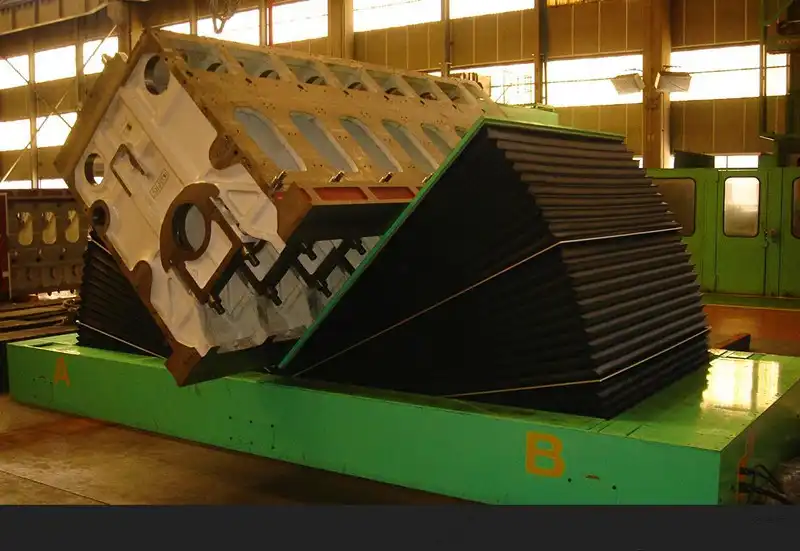
🛠️ Breaking Down the Key Operations
To understand its value, let's look at the specific jobs it handles:
- Pallet Inversion (180° Flip): This is the classic "dump" function. It's used to empty bins of parts, castings, or scrap from a pallet into a hopper or another container. It completely eliminates the need for manual scooping or shaking of heavy pallets.
- Side Tipping (90° Tilt): This function is vital for changing how a load is presented. For example:
- Turning a steel coil from a horizontal to a vertical position for feeding into a slitting line.
- Tilting a pallet of sheet metal to a shallow angle for easier manual or robotic part picking.
- Load Righting: If a pallet or drum tips over accidentally, an upender can safely cradle and upright it, preventing product loss and avoiding a hazardous manual recovery operation.
- Precision Positioning: Advanced models allow stops at any angle, not just 90° or 180°. This is crucial for delicate operations or for aligning loads with other automation equipment.
📊 The Impact: Before vs. After
Let's quantify the difference this machine makes in a real-world scenario, like Michael's metal processing plant.
| Task | Manual Method | With Pallet Upender/Tilter | Key Benefit |
|---|---|---|---|
| Reorient a 5-ton Steel Coil | 3-4 workers using chains, forklifts, and cribbing. Takes 15-30 minutes. High risk of crush injury. | 1 operator using pendant control. Takes 2-3 minutes. Operator stands clear. | >80% time saved. Near-elimination of injury risk. |
| Empty a Pallet of Machined Parts | Workers manually lift parts or shake the pallet. Slow, inconsistent, causes fatigue. | Pallet is clamped and inverted automatically. Consistent, complete emptying in one motion. | Eliminates manual labor. Prevents worker fatigue and strain. |
| Handle an Overturned Drum | Dangerous, ad-hoc recovery attempt with multiple forklifts. Risk of spillage and damage. | Drum is secured and gently rotated back to upright position in a controlled manner. | Safe, standardized recovery procedure. Prevents environmental incidents. |
The core function is therefore not just about movement—it's about transforming a variable, risky, and labor-intensive process into a repeatable, safe, and automated one. For a plant manager, this translates directly into predictable cycle times, lower insurance costs, and a more reliable production schedule. (core functions of pallet tilter, industrial load rotation equipment, automated pallet dumping)
2. How Does This Equipment Solve Major Warehouse Challenges?
Managers are paid to solve problems. When you walk the floor, you see challenges everywhere: a bottleneck here, a safety near-miss there, a pile of damaged goods in the corner. Each one chips away at your bottom line and your peace of mind. The promise of new equipment must be measured against its ability to tackle these concrete, daily issues. An upender isn't a magic bullet, but when applied correctly, it surgically removes some of the most persistent pains in warehouse and factory logistics.
An industrial pallet upender and tilter solves major warehouse challenges by directly addressing the triad of efficiency loss, safety hazards, and product damage. It automates a slow manual process (solving the bottleneck), removes workers from dangerous lifting and tipping tasks (solving the safety hazard), and provides gentle, controlled rotation (solving product damage from impacts and drops). This turns a problem area into a point of reliability.

⚙️ Challenge 1: The Efficiency Bottleneck
The packaging and staging area is often the last step before shipment. When it's slow, everything backs up.
- The Problem: Manual pallet handling is inherently slow. It depends on worker availability, strength, and fatigue levels. Flipping a heavy load manually can take 10 times longer than with a machine.
- The Upender Solution: It performs the flip or tilt in a consistent, machine-paced cycle. What used to take 15 minutes now takes 2. This eliminates the waiting time for downstream processes. The throughput of your packing line is no longer limited by human speed.
🛡️ Challenge 2: The Safety Hazard
This is personal for me. I've seen too many close calls with heavy loads. Manual material handling is a top cause of serious workplace injuries.
- The Problem: Workers manually pushing, pulling, or guiding heavy, unstable loads. A slipping coil or a tipping pallet can cause life-altering injuries.
- The Upender Solution: It acts as a barrier between the worker and the hazard. The operator uses a remote control to perform the rotation from a safe distance. The machine's clamps and arms bear all the weight and force. This dramatically reduces strains, sprains, and crush injuries, leading to lower workers' compensation claims and a happier, more stable workforce.
📦 Challenge 3: Product Damage & Cost
Damage during handling is pure profit loss. A dented steel edge or a scratched component means a discount or a reject.
- The Problem: Inconsistent manual handling leads to impacts, drops, and abrasions. When workers struggle with a heavy load, control is lost, and the product suffers.
- The Upender Solution: It provides smooth, hydraulic-powered rotation. The movement is controlled and steady, preventing sudden jolts or impacts. For delicate or finished goods, this gentle handling is essential to maintain quality and prevent customer returns.
For someone like Michael, who deals with heavy metal products daily, these solutions are not theoretical. They are the direct answers to the "pain points" he lists: slow speed, high injury risk, and product loss. Investing in this equipment is a direct investment in solving these three costly challenges. (solve warehouse bottleneck, reduce manual handling injuries, prevent product damage in logistics)
3. What Key Features Should You Look for When Selecting a Machine?
The market is full of options, and not all upenders are created equal. Choosing the wrong machine can lead to a new set of problems—poor reliability, inadequate capacity, or a complex interface that no one uses. Your goal isn't to buy any upender; it's to buy the right upender for your specific loads, space, and workflow. This requires looking past the sales brochure and focusing on the engineering and design features that guarantee long-term performance in your demanding environment.
When selecting an industrial pallet upender, you must prioritize features that ensure safety, durability, and seamless integration. Key features to look for include a robust hydraulic system for smooth power, customizable clamping arms to fit your specific load shapes, user-friendly controls with safety interlocks, a heavy-duty frame construction, and a design that allows for easy maintenance. The machine must be built to withstand your daily cycle count without constant downtime.

🔍 The Non-Negotiable Feature Checklist
Here is a breakdown of the critical features, explained in practical terms:
-
Load Capacity & Size Compatibility:
- What it is: The maximum weight (e.g., 10 tons) and the physical dimensions (e.g., max pallet size) the machine can handle.
- Why it matters: Underspecifying leads to overloading and failure. Overspecifying wastes money. Always add a 20-25% safety margin to your heaviest common load. Ensure the clamp arms can adjust to your smallest and largest item widths.
-
Drive System & Control:
- Hydraulic vs. Electric: Hydraulic systems provide immense, smooth force and are the standard for heavy-duty industrial applications. They are reliable and powerful. Electric drives can be cleaner and quieter for lighter loads.
- Control Interface: Look for a simple, pendant-style remote control with large, labeled buttons. It should have emergency stop buttons and key-operated mode switches to prevent unauthorized use.
-
Clamping & Security Mechanism:
- This is the most critical safety feature. The clamp must hold the load securely throughout the entire rotation without slipping or crushing it.
- Look for padded or adjustable clamp arms that conform to your product (e.g., curved arms for coils, flat pads for pallets). Automatic clamping systems are superior to manual ones.
-
Construction & Build Quality:
- The frame should be made of thick, welded steel plate, not light-gauge tubing. Check the quality of welds and paint. High-quality cylinders and hydraulic hoses are a must. This is where brands like Fengding excel, as they engineer for the punishing environment of a metal plant.
-
Safety Interlocks & Features:
- Essential features include mechanical safety props (to hold the frame if hydraulics fail), guards around pinch points, and electrical interlocks that prevent operation if guards are open or clamps are not secure.
💡 Pro Tip from the Factory Floor
Don't just buy a standard catalog model. The best suppliers, like Fengding or Wuxi Buhui, will engineer solutions. Provide them with photos, dimensions, and weights of your actual loads. Ask them: "Can you customize the arm design for our unique coil size?" or "Can we integrate a photo-eye to automate the cycle start?" This collaborative approach ensures the machine fits your process like a glove, rather than forcing you to adapt your process to a generic machine. (features of industrial upender, how to choose a pallet tilter, heavy-duty equipment selection criteria)
4. How to Integrate an Upender into Your Existing Workflow?
Buying the machine is only half the battle. The real success—or failure—happens during integration. A brilliant machine sitting idle because it doesn't connect to the conveyor, or because operators find it confusing, is a wasted investment. The goal is to make the upender a natural, flowing part of your material journey, from receiving to shipping. This requires careful planning around layout, training, and process design. Think of it as introducing a new, highly skilled team member to your line; you need to onboard them properly.
Integrating a pallet upender into your workflow requires a systematic approach: First, analyze the current process flow to identify the optimal placement point. Second, ensure proper facility support (floor strength, power, space). Third, develop clear Standard Operating Procedures (SOPs) and train all operators. Finally, phase in the operation, starting with supervision, to refine the process and ensure a smooth transition that maximizes the equipment's ROI.
🗺️ Step-by-Step Integration Plan
Follow this actionable plan to ensure a smooth implementation:
| Phase | Action Item | Key Question to Answer |
|---|---|---|
| Phase 1: Planning & Analysis | Map your current material flow. Identify where manual flipping/tilting occurs. | "Is the bottleneck at receiving, before machining, or at packing?" |
| Determine the exact machine specs needed (capacity, size, rotation angle). | "What is our heaviest and most awkward load?" | |
| Prepare the site: reinforce floor if needed, ensure power supply, mark safety zones. | "Is the concrete thick enough to support the machine's point load?" | |
| Phase 2: Installation & Setup | Supervise professional installation by the supplier or a qualified technician. | "Are the anchor bolts properly torqued? Is the machine level?" |
| Conduct a FAT (Factory Acceptance Test) if possible, or a thorough site test with your actual loads. | "Does it handle our real products smoothly and safely?" | |
| Phase 3: Training & SOP Development | Develop visual, simple SOPs with photos for each step: loading, clamping, operating, unloading. | "Can a new operator understand the procedure in 10 minutes?" |
| Train a core group of "super users" who can then train others and act as points of contact. | "Who will be the internal expert for this machine?" | |
| Phase 4: Go-Live & Optimization | Start with a pilot period. Run the machine under supervision for a set of shifts. | "Are there any unforeseen issues with our workflow?" |
| Gather feedback from operators. Tweak the placement or procedure if needed. | "Can we save 2 more seconds by moving the control panel?" | |
| Monitor key metrics: cycles per hour, downtime, and compare to old manual times. | "What is our actual ROI after one month?" |
⚠️ Common Pitfalls to Avoid
- Ignoring Workflow: Placing the upender in a spot that blocks a main aisle or requires extra forklift travel.
- Skipping Training: Assuming operators will "figure it out." This leads to misuse, damage, and safety issues.
- Forgetting Maintenance: Not scheduling regular checks of hydraulic fluid, hoses, and clamp pads. Proactive maintenance is cheap; reactive repair is expensive.
Integration is where your partnership with the supplier is tested. A good supplier like Fengding won't just drop off the machine. They should provide installation guidance, basic training, and clear manuals. They understand that your success with the machine is their success as a brand. By planning the integration as carefully as you selected the machine, you turn a capital expenditure into a reliable, profit-generating asset. (workflow integration of material handling equipment, how to implement an upender, factory automation process integration)
Conclusion
Integrating a robust industrial pallet upender and tilter is a strategic decision that directly tackles efficiency, safety, and quality challenges. It transforms a manual bottleneck into an automated strength, providing a clear path to a safer, more profitable operation. For expert guidance and reliable equipment, consider partnering with a proven manufacturer like Coil Upender.