Material Compatibility: Which Molds Work Best with Your Upender?
Choosing the right mold for your upender is crucial for efficient and safe material handling. Different mold materials like steel, aluminum, and silicone offer varying levels of durability and compatibility with upender machines. Understanding these differences ensures optimal performance, extends mold lifespan, and prevents damage during lifting and rotation, ultimately boosting productivity and reducing operational costs.**
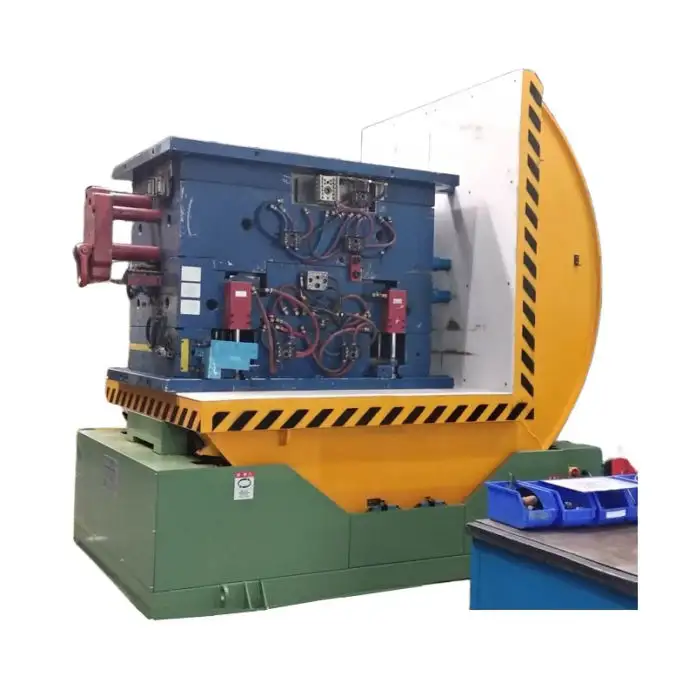
In the realm of industrial manufacturing, efficiency and safety are paramount. One piece of equipment that significantly contributes to both is the mold upender. These robust machines are designed to rotate heavy and cumbersome molds, dies, and other industrial components, facilitating easier access and manipulation. However, the effectiveness of a mold upender is intrinsically linked to the materials of the molds it handles. Understanding material compatibility is not just about avoiding damage; it's about optimizing your entire workflow.
Understanding the Role of Mold Upenders in Material Handling
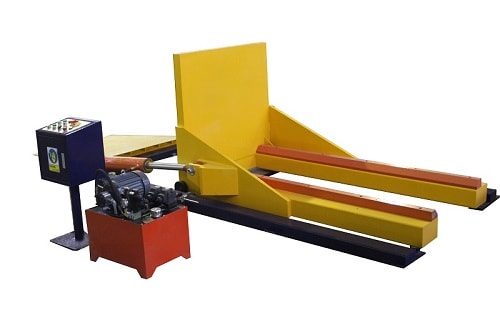
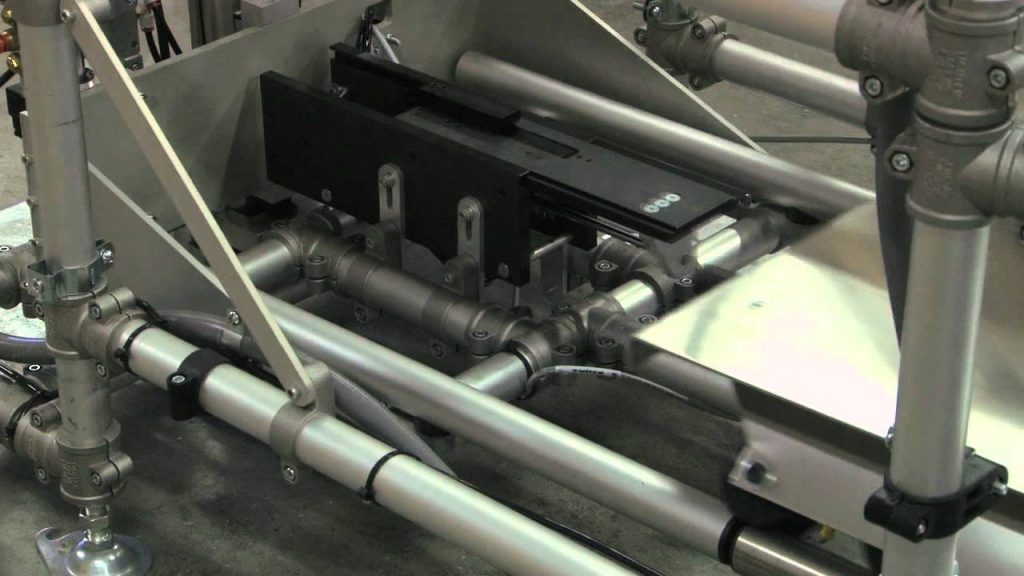
Mold upenders, also known as mold tilters or coil upenders when handling coils, are essential for safely and efficiently rotating heavy loads. Imagine the challenge of manually flipping a massive steel mold – it's not only dangerous but also incredibly time-consuming and inefficient. Upenders solve this problem by providing a controlled and mechanized way to change the orientation of heavy objects.
These machines are indispensable in various industries, particularly those dealing with:
- Steel Coils: Rotating heavy steel coils for processing or storage.
- Molds and Dies: Flipping molds for maintenance, repair, or during the manufacturing process.
- Paper Rolls: Handling large paper rolls in printing and packaging industries.
- General Heavy Industrial Components: Any situation requiring the safe rotation of heavy, bulky items.
Upenders come in various types to suit different needs and load capacities. Common types include:
Table 1: Types of Upender Machines
| Type | Description | Key Features | Ideal Applications |
|---|---|---|---|
| Mechanical Upender | Cost-effective solution for rotating loads without hydraulic systems. | Robust construction, manual operation, low maintenance, reliable performance. | Industries needing durable, consistent performance with minimal maintenance. |
| Hydraulic Upender | Powerful machines using hydraulics for precise and controlled tilting. | High load capacity, smooth hydraulic operation, safety-focused, operator-friendly. | Demanding environments with frequent and heavy-duty operations. |
| Customized Upender | Tailored to specific load dimensions, weights, and tilting angle requirements. | Precision engineering, high load adaptability, seamless integration, enhanced safety. | Handling oversized, delicate, or irregularly shaped items. |

The choice of upender depends on the weight and size of the molds, the frequency of operation, and the specific needs of the industrial environment. However, regardless of the upender type, the material composition of the molds themselves plays a critical role in ensuring smooth and safe operation.
Key Mold Making Materials and Their Properties
Molds are crafted from a variety of materials, each offering distinct advantages and disadvantages depending on the application and production volume. Understanding these materials is crucial for determining compatibility with upenders and optimizing overall mold performance.
1. Tool Steel:
Tool steel is renowned for its exceptional hardness and wear resistance. This makes it the material of choice for high-precision, durable molds, especially those used in high-volume production runs and for metal casting. Types like P20 and NAK80 steel are particularly popular.
- P20 Steel: Offers a good balance of machinability and toughness. Its hardness (28-32 HRC) ensures shape retention and durability even under repeated injection molding cycles. Good corrosion resistance and can be thermally treated to enhance hardness and wear resistance.
- NAK80 Steel: Excels in surface finish and dimensional stability, ideal for intricate and visually demanding molds. Offers excellent heat and corrosion resistance, contributing to a longer operational life. Fine microstructure facilitates precision machining and polishing.
2. Aluminum:
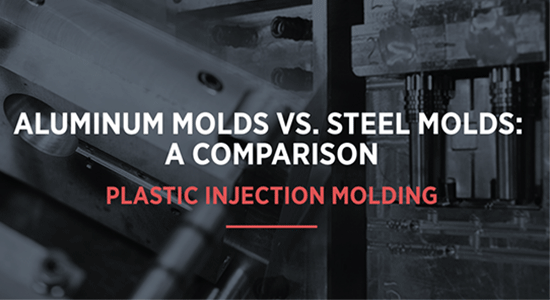
Aluminum molds offer excellent thermal conductivity, facilitating efficient heat transfer. This is crucial for processes requiring precise temperature regulation, leading to faster cycle times and improved product quality, especially in high-volume scenarios. Aluminum also boasts superior corrosion resistance compared to many other mold materials, extending lifespan and reducing maintenance.
3. Silicone Rubber:
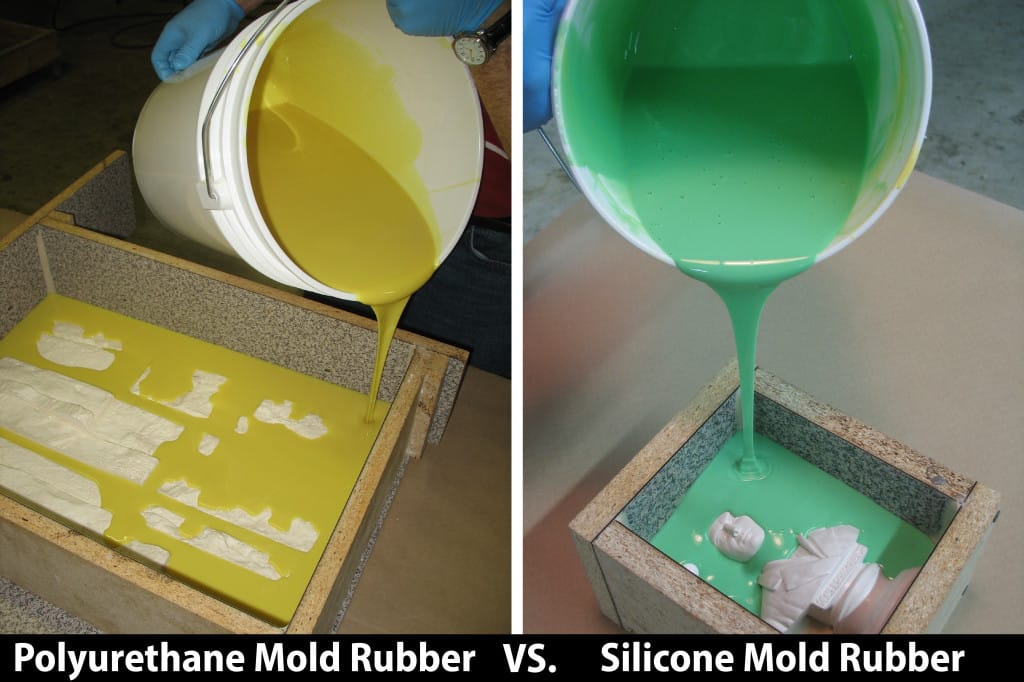
Silicone rubber is prized for its flexibility and ease of use, making it ideal for intricate designs and lower-volume production. Its flexibility allows for the creation of complex shapes and detailed molds. Silicone casting is cost-effective for low-volume runs, eliminating the need for expensive tooling. Good temperature resistance and compatibility with various casting materials.
4. Polyurethane Rubber:
Polyurethane rubber offers a balance of durability and detail capture. It exhibits superior corrosion resistance compared to some alternatives. Available in various formulations tailored for specific casting techniques. Good machinability allows for complex mold designs. Thermal treatment can further enhance its properties. More rigid than silicone, suitable for repeated use without deformation.
5. Plastic Molds:
Plastic molds, while generally less durable than steel or aluminum, can be a cost-effective solution for short production runs. However, they often have limitations in terms of detail and durability compared to metal or silicone options.
Table 2: Comparison of Mold Making Materials
| Material | Durability | Cost | Thermal Conductivity | Detail Capture | Volume Suitability | Upender Compatibility Considerations |
|---|---|---|---|---|---|---|
| Tool Steel (P20) | Very High | High | Moderate | Excellent | High Volume | Excellent - High weight requires appropriate upender capacity. |
| Tool Steel (NAK80) | Very High | Very High | Moderate | Excellent | High Volume | Excellent - High weight requires appropriate upender capacity. |
| Aluminum | High | Moderate | Excellent | Good to Excellent | Low to High Volume | Excellent - Lighter than steel, easier handling for some upenders. |
| Silicone Rubber | Moderate | Low to Moderate | Low | Excellent | Low Volume | Good - Flexible nature might require specific fixturing on upender. |
| Polyurethane Rubber | Moderate to High | Moderate | Low | Good to Excellent | Low to Medium Volume | Good - More rigid than silicone, easier to handle on upenders. |
| Plastic | Low | Very Low | Low | Fair to Good | Very Low Volume | Good - Lightweight, easy to handle, but limited mold lifespan. |
Material Compatibility and Upender Operation
The compatibility between mold materials and upenders is crucial for several reasons:
-
Weight Capacity: Steel molds, especially large ones, are significantly heavier than aluminum, silicone, or plastic molds. The upender must have sufficient load capacity to handle the weight of the mold safely. Exceeding the upender's capacity can lead to equipment damage, mold damage, and safety hazards.
-
Mold Rigidity and Support: Rigid molds made of steel or aluminum are generally easier to handle with standard upender fixtures. However, flexible silicone or polyurethane molds might require specialized supports or fixtures on the upender to prevent deformation or damage during rotation.
-
Surface Sensitivity: Some mold materials might be more sensitive to scratching or damage during handling. Upender contact points should be designed or padded to minimize the risk of surface damage, especially for molds requiring a pristine surface finish, like NAK80 steel molds.
-
Corrosion Considerations: While mold materials like aluminum and steel (especially P20 and NAK80) offer good corrosion resistance, the upender itself should also be resistant to corrosion, especially in environments where molds might be damp or exposed to corrosive substances.
-
Vibration and Stability: The upender's operation should be smooth and stable to prevent vibrations that could damage delicate molds or cause misalignment during rotation. The material of the mold and its structural integrity can influence how it responds to the upender's movements.
Choosing the Right Mold Material for Upender Compatibility and Production Needs
Selecting the best mold material is a multifaceted decision that goes beyond just upender compatibility. Consider these key factors:
1. Production Volume: -
High-Volume Production: For large production runs, durable materials like tool steel (P20, NAK80) and aluminum are preferred. Steel molds, while heavier, offer the longevity required for extensive use. Aluminum provides a good balance of durability and thermal efficiency for high volumes. Ensure your upender is robust enough to handle the weight of these molds repeatedly.
-
Low-Volume Production: Silicone, polyurethane, or even plastic molds can be more cost-effective for smaller runs. These materials are generally lighter and easier to handle, potentially requiring less heavy-duty upenders.
2. Design Complexity: -
Intricate Designs: Silicone and polyurethane molds excel at capturing fine details and complex shapes. Their flexibility is advantageous for demolding intricate parts. Upenders for these molds should offer precise and gentle movements to avoid damaging delicate mold features.
-
Simpler Designs: Steel and aluminum molds are well-suited for designs that require high precision and durability but may be less flexible for extremely intricate details compared to silicone.
3. Material Being Cast:
The material being cast directly influences the mold material choice:
-
Metal Casting: Requires high-temperature resistant and durable molds, typically made of tool steel. These molds will be heavy and necessitate robust upenders.
-
Plastic Injection Molding: Steel, aluminum, and even specialized plastic molds are used depending on the production volume and part complexity.
-
Resin Casting (Epoxy, Urethane): Silicone and polyurethane molds are commonly used due to their flexibility and ease of demolding.
4. Budget Considerations: -
Initial Mold Cost: Plastic molds are the least expensive, followed by silicone and polyurethane. Aluminum molds are moderately priced, while tool steel molds are the most expensive upfront.
-
Mold Lifespan and Maintenance: Steel and aluminum molds, despite higher initial costs, often offer longer lifespans and lower long-term costs for high-volume production due to their durability. Consider maintenance costs for both molds and upenders when making material choices.
5. Maintenance and Care:
Proper maintenance is crucial for extending the lifespan of both molds and upenders. -
Mold Maintenance: Regular inspection, cleaning, and proper storage are essential for all mold types. Steel molds might require rust prevention, while silicone molds need to be protected from tears and punctures.
-
Upender Maintenance: Regular inspections, lubrication of moving parts, and adherence to maintenance protocols are vital for ensuring the upender's continued safe and efficient operation, especially when handling heavy molds.
Conclusion: Optimizing Mold and Upender Compatibility for Peak Performance
Selecting the right mold material is not just about the casting process itself; it's intrinsically linked to the material handling equipment used, particularly mold upenders. By carefully considering the weight, rigidity, surface sensitivity, and maintenance requirements of different mold materials like steel, aluminum, silicone, and polyurethane, and matching them with appropriate upender capabilities, manufacturers can achieve significant gains in efficiency, safety, and overall production quality. Understanding these compatibilities ensures that your investment in both molds and upenders yields the best possible return, optimizing your material handling processes and contributing to a smoother, more productive industrial operation. For expert advice on selecting the optimal mold materials and upender solutions for your specific needs, consult with mold making and material handling specialists.