Are you battling bottlenecks in your metal processing line? A slitting line's productivity is only as good as its ability to efficiently handle and pack finished coils. The challenge? Achieving seamless integration between the mechanical demands of slitting and the electrical precision of automated packing. This integration is a symphony of engineering!
What happens when the mechanical brute force of slitting meets the delicate electronic dance of automated packing? Harmony! A fully automatic packaging line acts as a crucial bridge, maximizing slitting line uptime, minimizing manual labor, and ensuring a smooth, continuous workflow, which is the lifeblood of efficient metal processing.
But how do we achieve this harmony? We'll explore the core components and strategies, transforming potential chaos into a streamlined, efficient operation.
Slitting and Packing Line Integration: The Core Components
What are the essential building blocks for a mechanically and electrically harmonious slitting and packing line? It's a complex interplay of equipment, controls, and software.
Fully automatic packaging lines are the key to unlocking a slitter's full potential. They must keep pace with the high throughput, thus minimizing downtime. Integration is not just about physical connections; it's about intelligent synchronization achieved through sophisticated electrical controls and communication systems. The primary Goal is increased uptime, reduced labor, and improved efficiency through automatic coil handling, weighing, strapping, and stacking.
%[line integration]
The Symphony of Systems: A Deeper Dive
A successful slitting and packing line requires a multi-faceted approach to integration, balancing speed, precision, and safety. Here’s how we break it down:
Mechanical Integration: The Physical Flow
The mechanical aspect of the integration ensures the physical flow of coils is smooth and uninterrupted. This includes:
- Coil Handling Equipment: Automatic coil cars, conveyors, and tilters must work in sync to move coils without damage.
- Precision Alignment: Sensors and guides must ensure perfect coil alignment during transfer between stations.
- Robust Construction: Equipment must withstand the rigorous demands of a high-volume production environment.
Electrical Integration: The Brains of the Operation
The electrical side provides the intelligence and control. This includes:
- PLC Control Systems: Programmable Logic Controllers (PLCs) act as the central nervous system, orchestrating the movements of all automated components.
- Sensor Integration: Electrical sensors provide real-time feedback, monitoring coil position, weight, and dimensions, and allowing the system to make adjustments.
- Safety Interlocks: Electrical safety interlocks prevent accidents, ensuring the system shuts down immediately if any hazard is detected.
- Drive Systems: Advanced motor control through variable frequency drives (VFDs) allows precise control of speed and acceleration, minimizing the risk of coil damage.
- Human Machine Interface (HMI): Intuitive HMIs enable operators to monitor system performance, troubleshoot issues, and make adjustments as needed.
The Data Connection: Sharing Information for Optimal Performance
The electrical connections also enable seamless data exchange between different parts of the line:
- Slitter Data: Real-time data from the slitter, including coil width, number of cuts, and material thickness, is fed to the packing line.
- Packing Line Data: The packing line provides data on coil weight, dimensions, and strap tension back to the slitter, allowing for process optimization.
-
Quality Control: The system can automatically flag coils that don't meet quality standards, ensuring only perfect products are shipped.
This breakdown illustrates how each facet contributes to a holistic, high-performing system, where mechanical and electrical components work in tandem to achieve operational excellence.Optimizing Performance Through Electrical Precision
How do advanced electrical systems elevate the efficiency and precision of slitting and packing? The answer lies in automation, control, and seamless data exchange.
Electrical components are the brains behind this system and are just as crucial as the mechanical strength. Precise motor control, automated sequencing, and integrated safety features are key in maximizing throughput and accuracy. The aim? Transforming the slitting and packing process into a streamlined marvel of automation.
%[electrical connection]
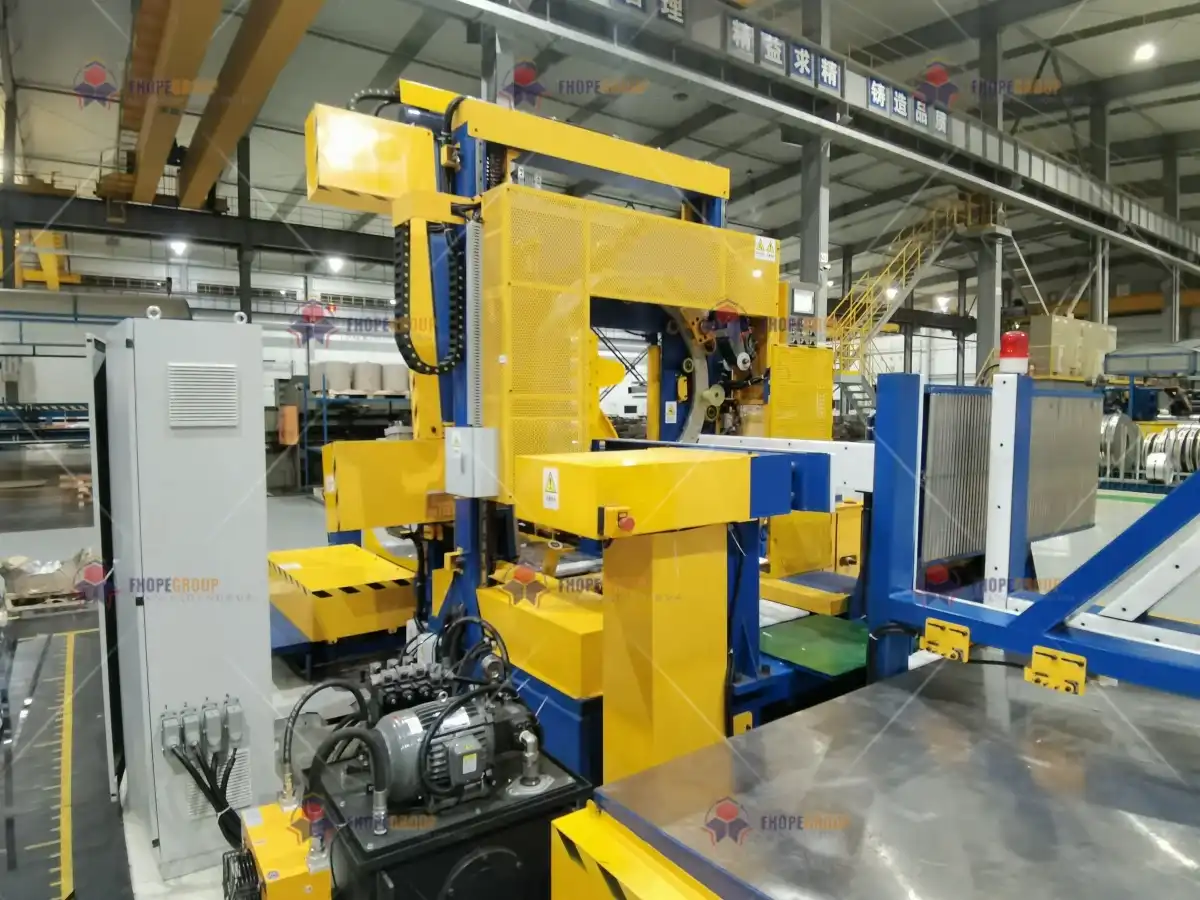
Taking Control: Advanced Control System Features
It's more than just connecting wires. It's about empowering operators with insight and control.
- Real-time Monitoring: Advanced HMIs provide operators with at-a-glance system status, allowing for proactive intervention.
- Automated Sequencing: Pre-programmed sequences automate repetitive tasks, reducing manual errors and increasing throughput.
- Recipe Management: Operators can easily load pre-defined settings for different coil types, ensuring consistent packaging quality.
- Data logging: Historical production data can be used to identify bottlenecks, optimize performance, and improve overall efficiency
-
Remote Diagnostics: Electrical systems allow for remote monitoring and diagnostics, enabling proactive maintenance and minimizing downtime.
Electrical precision optimizes the entire slitting and packing process, leading to faster throughput, reduced waste, and higher quality. A well-designed and implemented electrical system is not just an add-on, it's the engine that drives a high-performing operation.Automation: Unleashing Speed and Reducing Labor with Automatic Coil Moving
What happens when you remove manual intervention from coil handling? The result: Increased speed, reduced labor costs, and a safer work environment. Automatic coil handling revolutionizes slitting and packing lines.
Automatic coil moving is not about replacing people, it’s about freeing them from repetitive, physically demanding tasks, and creating a more efficient and safer workplace.
%[automatic coil moving]

The Benefits Unfold: Precision and Efficiency
Automatic coil moving systems offer multiple benefits:
- Reduced Labor Costs: Automating coil handling significantly reduces the number of workers required to operate the line.
- Increased Throughput: Automated systems can handle coils faster and more consistently than manual labor.
- Improved Safety: Automation minimizes the risk of accidents associated with manual handling of heavy coils.
- Reduced Material Damage: Automatic systems handle coils with greater care, minimizing the risk of scratches, dents, or other damage.
- Enhanced Ergonomics: Removing manual handling reduces the risk of worker injuries due to strain and repetitive motion.
- Automatic Coil Car: Moves coils automatically from the slitter to the packing line.
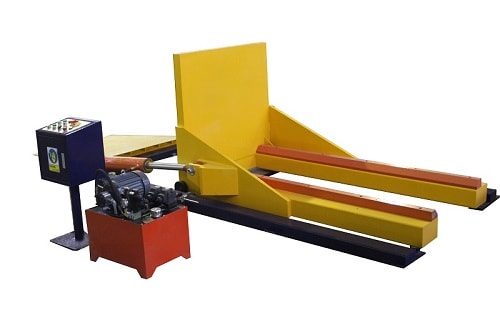
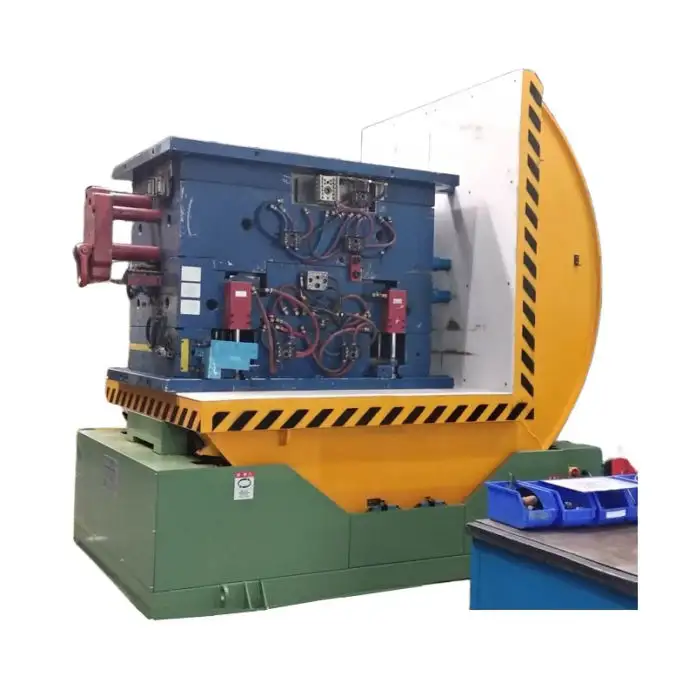
- Automatic Tilters: Safely tilt coils from horizontal to vertical orientation, or vice versa.
- Automatic Conveyors: Move coils smoothly and efficiently between different stations in the packing line.
-
Automated Strapping & Wrapping: These stations automatically apply straps and protective wrapping.
By automating these processes, it significantly improves throughput and reduces the amount of labor, freeing workers to focus on more complex tasks.Seamless Integration: Achieving a Harmonious Slitting and Packing Line
How does complete line integration tie everything together to create a truly world-class metal processing solution? With carefully designed, and the most effective of these is intelligent communication. A truly integrated line becomes more than just the sum of its parts.
The goal of line integration goes beyond simply linking machines; it's about orchestrating a complete workflow. This requires a deep understanding of the entire process, from slitting to packing, and using technology to bridge the gaps, which helps you in Increased efficiency, improved quality, and reduced costs.
%[line integration]
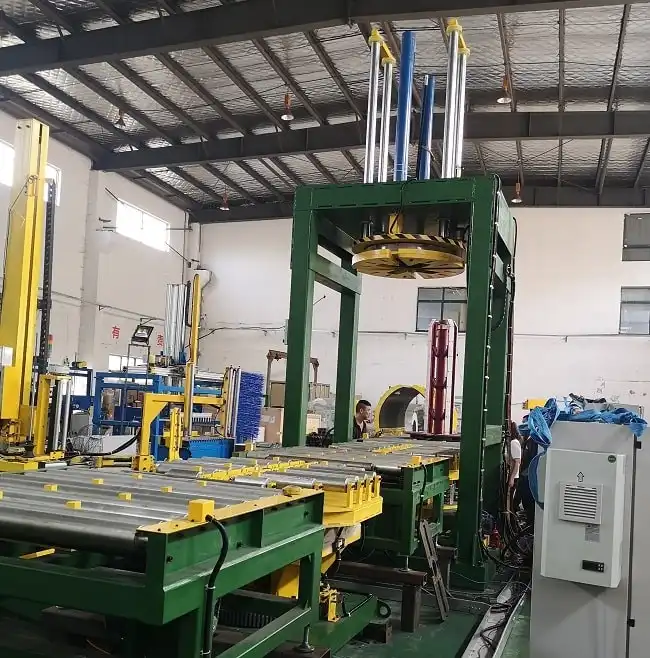
The Power of the Complete Line
To achieve true harmony, these aspects must be carefully considered:
- PLC-Controlled Synchronization: Ensure that all components in the line communicate seamlessly through a central PLC, optimizing speed and flow.
- Real-time Feedback: Use sensors to monitor coil position, tension, and other critical parameters, feeding this information back to the slitter to make adjustments and prevent problems.
- Automated Quality Control: Incorporate quality control checks throughout the line, automatically flagging defective coils for removal.
- Data-Driven Optimization: Use data from the integrated system to identify bottlenecks, refine processes, and continuously improve efficiency.
Key Benefits of an Integrated Line:
- Continuous workflow from slitting to packing.
- Reduced material handling and labor costs.
- Improved coil quality and reduced damage.
- Real-time monitoring and control of the entire process.
- Data-driven insights for continuous improvement.
- Safer and more ergonomic work environment.
| Integration Aspect | Description | Benefits |
|---|---|---|
| Mechanical Integration | Physical connection of slitter, conveyor, & packing stations | Smooth coil flow, reduced manual handling, minimized damage |
| Electrical Integration | PLC controls, sensors, safety interlocks, & drive systems | Precise synchronization, real-time adjustments, safe operation |
| Data Integration | Communication between slitter, packing line, & quality control | Optimized process, data-driven insights, consistent quality |
| Operator Interface | HMIs providing operators with a unified view of the entire line | Proactive monitoring, easy adjustments, efficient troubleshooting |
| Automated Error Handling | Systems to automatically identify and remove defective coils | Prevents shipment of substandard products, protects brand reputation |
| Remote Diagnostics | Enables remote monitoring and troubleshooting of the entire line | Proactive maintenance, minimized downtime, expert support readily available |
| Modular Design | Flexibility in layout with plug and play electrical and mechanical connections. | Faster and more flexible installation process and reduced costs during equipment upgrades or changes |
| Safety Features | Safety light curtains, E-stops, and safety rated monitoring relays ensure the machinery stops in a controlled manor when safety is compromised | Prevents accidents, injuries, and related costs. Increases the trust of the workforce. |
By focusing on these points, manufacturers can build a complete solution that maximizes ROI, as automatic coil moving is the heartbeat of an optimized and efficient production process.
Conclusion
Mechanical & Electrical Harmony is not just a concept; it's a tangible goal achievable through careful design, strategic integration, and a commitment to continuous improvement. By connecting slitting and packing lines with intelligence and technology, manufacturers can achieve new levels of efficiency and precision, securing a competitive advantage in a challenging market. The path to success starts with understanding the interplay of automatic coil moving and its impact on the entire production line.