High-speed cars, like fhope1, are the optimal solution for swiftly and efficiently transporting heavy coils in steel and aluminum industries. These systems decouple transport from other processes, enhancing flexibility and saving space by reaching areas cranes can't. With speeds up to 300 m/min and capacities up to 40 tons, they revolutionize material flow, boosting productivity and safety.
For three decades, I've been immersed in the metals industry, witnessing firsthand the evolution of material handling. If there's one constant demand, it's for speed and efficiency. In steel and aluminum works, time is money, and bottlenecks in material flow can cripple productivity. That's why when I first encountered high-speed cars, or HSCs as we often call them, I knew we were looking at a game-changer.
Are Cranes and Stackers Holding You Back?
Let's face it, traditional methods of coil transport – relying heavily on cranes and stacker trucks – have inherent limitations. They're often tied to specific pathways, can be slow, and require careful coordination to avoid bottlenecks. Plus, accessing certain storage areas, especially those beyond the reach of crane hooks, can be a real headache.
This is where HSCs like fhope1 step in to revolutionize your coil handling. Imagine a system that operates independently of cranes and stackers, swiftly moving coils from point A to point B with remarkable speed and precision. That's precisely what these high-speed marvels deliver.
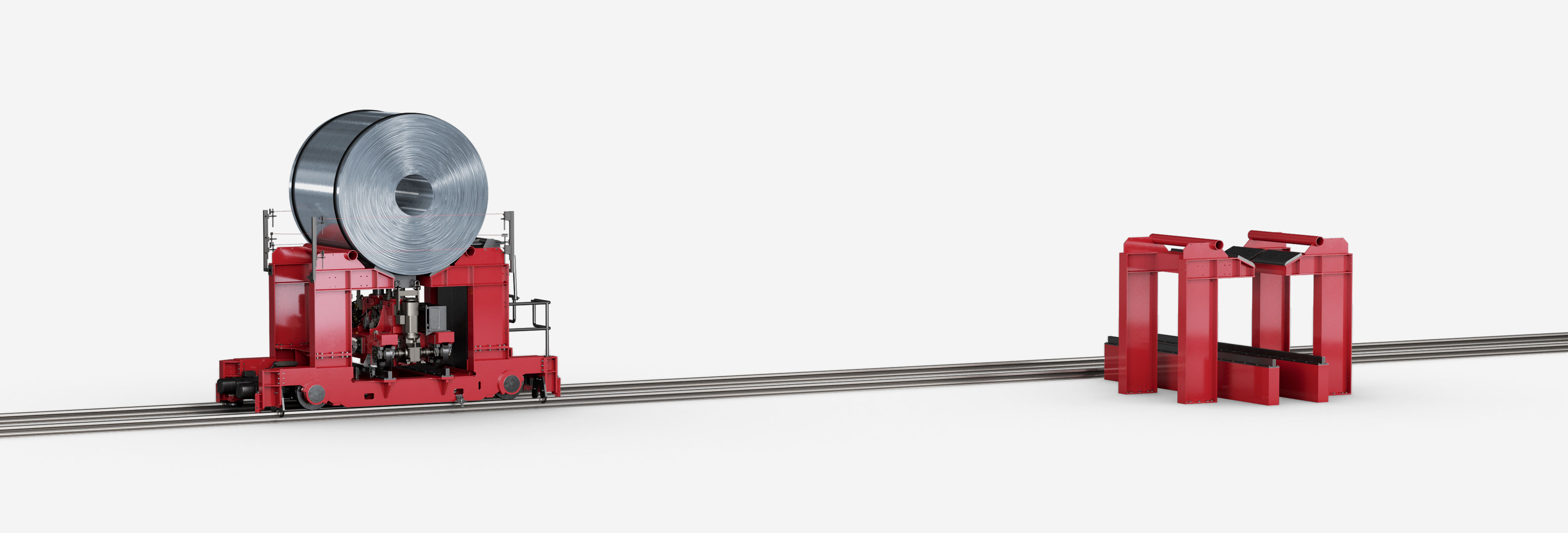
From my experience, one of the most significant advantages of HSCs is their ability to decouple transport from other process stages. Think about it: when coil movement is dependent on cranes, it becomes intertwined with everything else happening in the bay. This can lead to delays and inefficiencies across the board. HSCs, on the other hand, operate autonomously, ensuring a continuous and uninterrupted flow of materials.
What Makes fhope1 High-Speed Cars Different?
These aren't just souped-up forklifts; HSCs are sophisticated pieces of engineering designed specifically for the demanding environment of steel and aluminum works. Let's delve into what sets them apart:
Speed and Capacity: The name says it all – high-speed. fhope1 HSCs can reach driving speeds of up to 300 meters per minute. To put that in perspective, that's significantly faster than your average overhead crane. And it’s not just about speed; these machines are built to handle substantial loads, capable of shifting materials weighing up to 40 tons. This combination of speed and capacity translates directly into increased throughput and reduced cycle times.
Satellite Dollies and Telescopic Units: This is where the real ingenuity lies. fhope1 HSCs are equipped with satellite dollies and telescopic units that provide incredible flexibility in handling coils. These units can lift, lower, and even move coils sideways. Why is this important? Because it eliminates the need for precise crane positioning or cumbersome stacker truck maneuvers. The HSC can precisely position the coil exactly where it needs to be, whether it's onto a conveyor, into a processing machine, or into a storage location.

Autonomous Loading and Unloading: In my years in this industry, automation has been a key driver of efficiency gains. fhope1 HSCs take automation to the next level with their autonomous loading and unloading capabilities. This means less manual intervention, reduced risk of human error, and a safer working environment. Imagine the time saved by eliminating manual loading and unloading steps – it adds up significantly over the course of a shift, a day, and a year.
Enhanced Storage Space Utilization: This is a point that often gets overlooked, but it's crucial, especially in facilities where space is at a premium. Because HSCs can access areas beyond the reach of crane hooks, you can effectively utilize more of your storage space. Think about those hard-to-reach corners and areas at the edges of your bay – HSCs can turn them into valuable storage locations, maximizing your storage capacity without expanding your footprint.
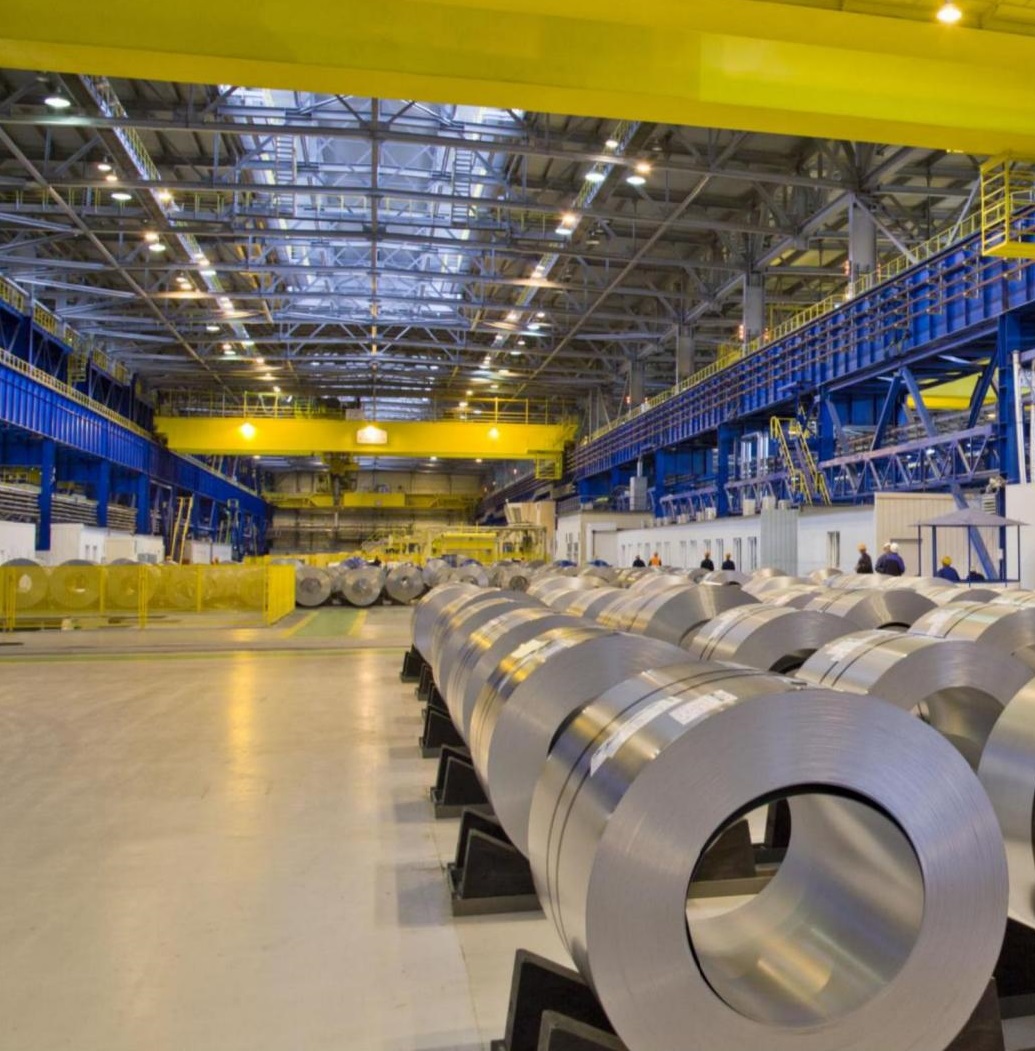
Versatility and Adaptability: fhope1 HSCs aren't limited to fixed pathways. They can move freely to any number of positions within their operating area. This flexibility is invaluable in dynamic production environments where material flow requirements can change rapidly. Whether you need to move coils to different processing lines, storage locations, or loading docks, HSCs can adapt to your needs with ease.
How Can fhope1 HSCs Transform Your Operations?
Let's move beyond the features and talk about the practical applications and tangible benefits of integrating fhope1 HSCs into your steel or aluminum plant. From my experience, the impact can be transformative across several key areas:
Increased Throughput and Productivity: This is the bottom line for most operations. By significantly speeding up coil transport, HSCs directly contribute to increased throughput and overall productivity. Reduced cycle times mean more coils processed per hour, per shift, and per day. In a high-volume environment, even marginal gains in speed can translate into substantial increases in output.
Reduced Downtime and Bottlenecks: Bottlenecks in material flow are a major source of downtime in steel and aluminum plants. Cranes and stackers, with their inherent limitations, often contribute to these bottlenecks. fhope1 HSCs, by decoupling transport and operating autonomously, help to eliminate these bottlenecks, ensuring a smoother and more consistent flow of materials. Less downtime means more production time, and that directly impacts profitability.
Improved Safety: Safety is paramount in any industrial environment, and steel and aluminum plants are no exception. Traditional coil handling methods can pose safety risks, particularly when manual intervention is required. fhope1 HSCs, with their autonomous operation and precise control, minimize the need for manual handling, reducing the risk of accidents and injuries. A safer working environment is not only ethically responsible but also contributes to improved morale and reduced lost time due to accidents.
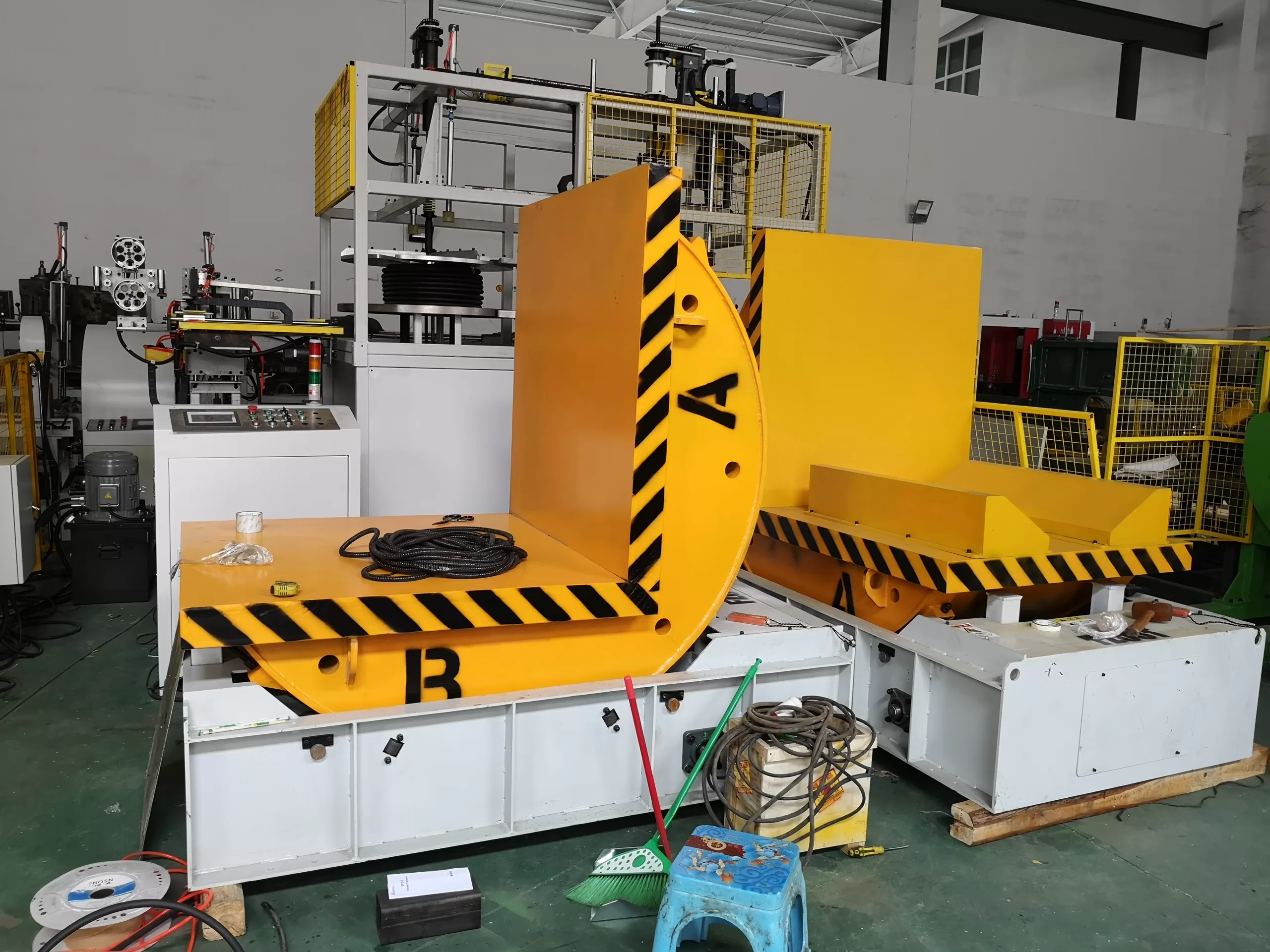
Optimized Space Utilization: As I mentioned earlier, HSCs can significantly improve space utilization in your facility. By accessing areas beyond crane reach and enabling more flexible storage layouts, you can maximize your storage capacity without the need for costly expansions. Optimizing space utilization translates into lower storage costs and a more efficient overall operation.
Reduced Operating Costs: While the initial investment in HSC technology is a factor, the long-term operating cost savings can be substantial. Reduced labor costs due to automation, lower energy consumption compared to traditional methods, and minimized damage to coils all contribute to a lower overall cost of operation. In the long run, HSCs can deliver a significant return on investment.
Real-World Applications: High-Bay Storage for Aluminum Coils
To illustrate the real-world impact of HSC technology, let's look at a specific application: high-bay storage for aluminum coils. I’ve seen firsthand how HSCs have revolutionized operations in these environments.
Imagine a high-bay store designed to handle 26.5-ton aluminum coils, with dimensions of 207 x 8.2 x 23.8 meters. This particular facility has a storage capacity of 504 coils. In such a large-scale operation, efficient material handling is absolutely critical. Manually moving these massive coils with cranes and stackers would be incredibly time-consuming, labor-intensive, and prone to bottlenecks.

Integrating fhope1 HSCs into this high-bay store transforms the entire operation. The HSCs can navigate the aisles swiftly and precisely, loading and unloading coils autonomously, and accessing every storage location within the facility. This results in:
- Faster storage and retrieval times: Significantly reducing the time it takes to store and retrieve coils, improving overall cycle times.
- Increased storage density: Optimizing space utilization and maximizing the number of coils that can be stored within the given footprint.
- Reduced damage to coils: Gentle and precise handling by the HSCs minimizes the risk of damage to the delicate aluminum coils.
- Improved inventory management: Real-time tracking and automated storage and retrieval enhance inventory accuracy and control.
This example highlights just one of the many applications where fhope1 HSCs can make a significant difference. Whether it's high-bay storage, coil processing lines, or inter-departmental transport, these systems are adaptable to a wide range of material handling needs in the metals industry.
Beyond High-Speed Cars: Exploring Complementary Technologies
While fhope1 HSCs are a cornerstone of efficient coil handling, they often work in conjunction with other advanced technologies to create a truly integrated and optimized material flow system. Let's briefly touch upon some complementary solutions that I've seen make a real impact in the industry:
High-Bay Storage Systems: As we just discussed, high-bay storage systems are a natural partner for HSCs. These automated warehousing solutions maximize vertical space utilization and, when combined with HSCs, create a powerful synergy for efficient storage and retrieval. Think of it as the warehouse of the future, where materials flow seamlessly in and out with minimal human intervention.
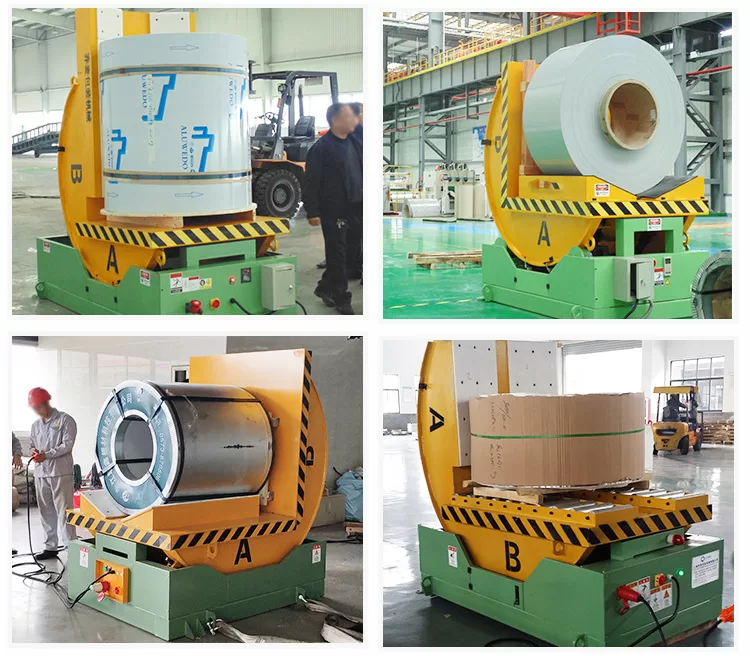
Automatic Coil Transporters (A.C.T.®): Another innovative solution I've encountered are Automatic Coil Transporters, or A.C.T.® systems. These systems are designed for careful coil handling with high throughput, often utilizing specialized transport platforms and sophisticated control systems. While HSCs excel in speed and flexibility, A.C.T.® systems often focus on gentle handling and specialized transport needs. They can be a great complement to HSCs in a comprehensive material handling strategy.
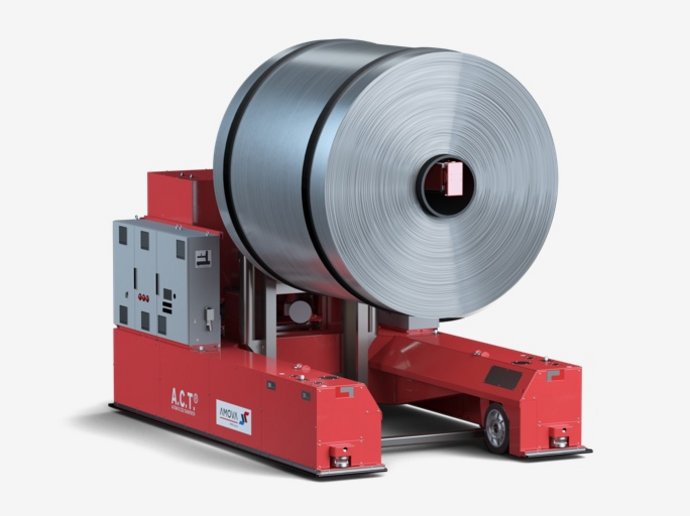
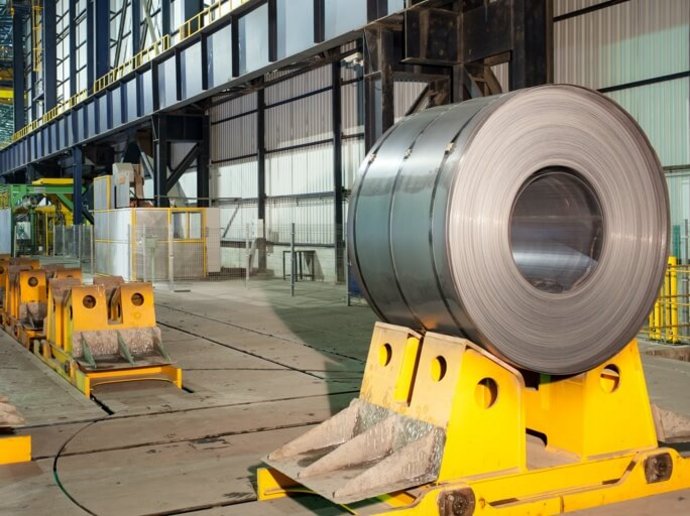
Pallet Conveying Systems: For certain applications, particularly when dealing with hot-strip coils, pallet conveying systems are indispensable. These robust systems can handle coils at extremely high temperatures – up to 850°C – and transport them at speeds of up to 0.5 m/s. While perhaps not as fast as HSCs in terms of raw speed, pallet conveying systems are built for extreme conditions and heavy-duty transport requirements. They are a vital component in many steelmaking processes.
The Future of Coil Handling is Here
In my three decades in this industry, I’ve witnessed a constant drive towards greater efficiency, safety, and automation. fhope1 high-speed cars and related technologies represent a significant leap forward in coil handling. They are not just about moving coils faster; they are about transforming your entire material flow process, optimizing space utilization, enhancing safety, and ultimately boosting your bottom line.
If you're looking to modernize your steel or aluminum plant and unlock new levels of efficiency in your coil handling operations, I highly recommend exploring the potential of fhope1 HSCs and similar automated solutions. The future of material handling is here, and it’s faster, smarter, and more efficient than ever before.