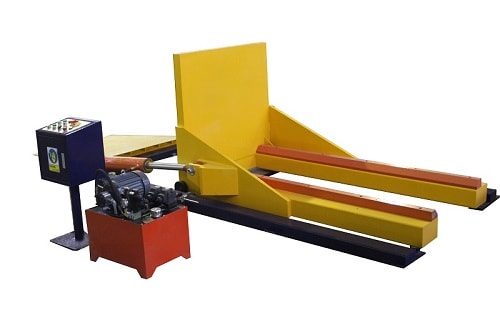
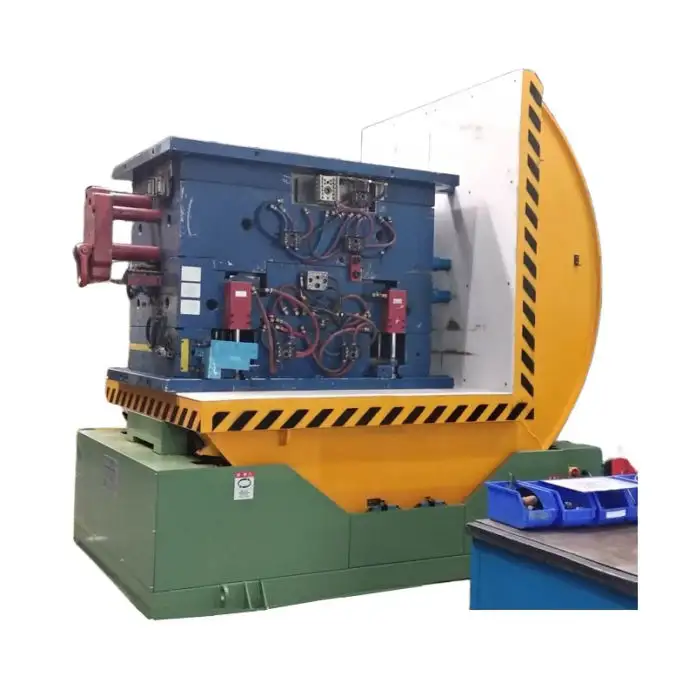
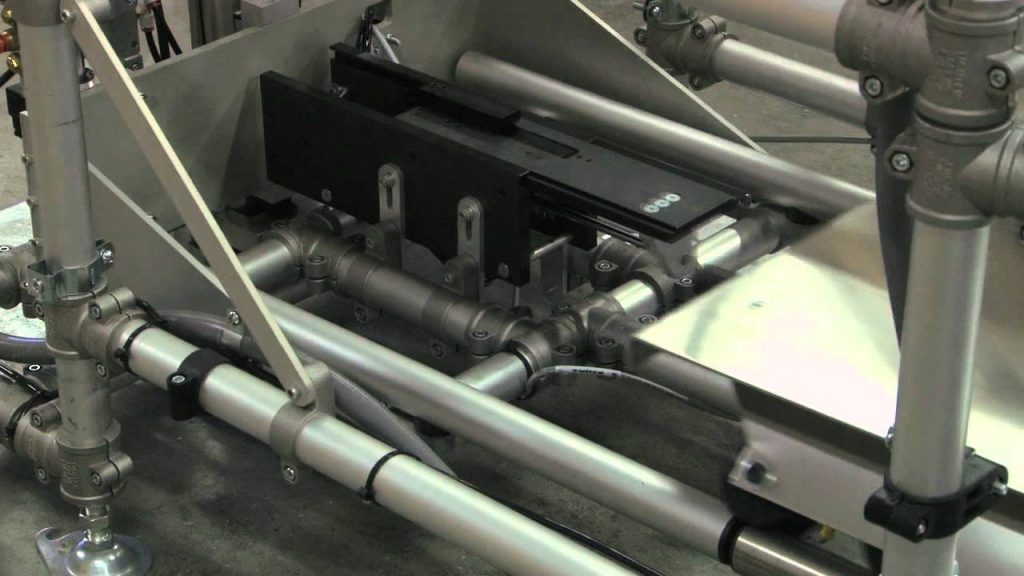
Flat storage systems are ground-level storage solutions designed for efficient handling of heavy, bulky, or long materials. They optimize material flow by offering direct access, streamlined loading and unloading with cranes or vehicles, and seamless integration with production processes, significantly reducing handling time, minimizing damage, and enhancing warehouse efficiency, especially in industries dealing with large, heavy items.
For over three decades, I've been immersed in the world of material handling and storage solutions. I've seen firsthand how the right storage system can be a game-changer for production efficiency and overall operational success. One area that consistently impresses me with its practicality and effectiveness is flat storage systems. Often underestimated, these systems are the unsung heroes in many industries, ensuring smooth material flow and optimizing space utilization.
Let's dive into what makes flat storage systems so crucial and how they can be applied in various industrial settings.
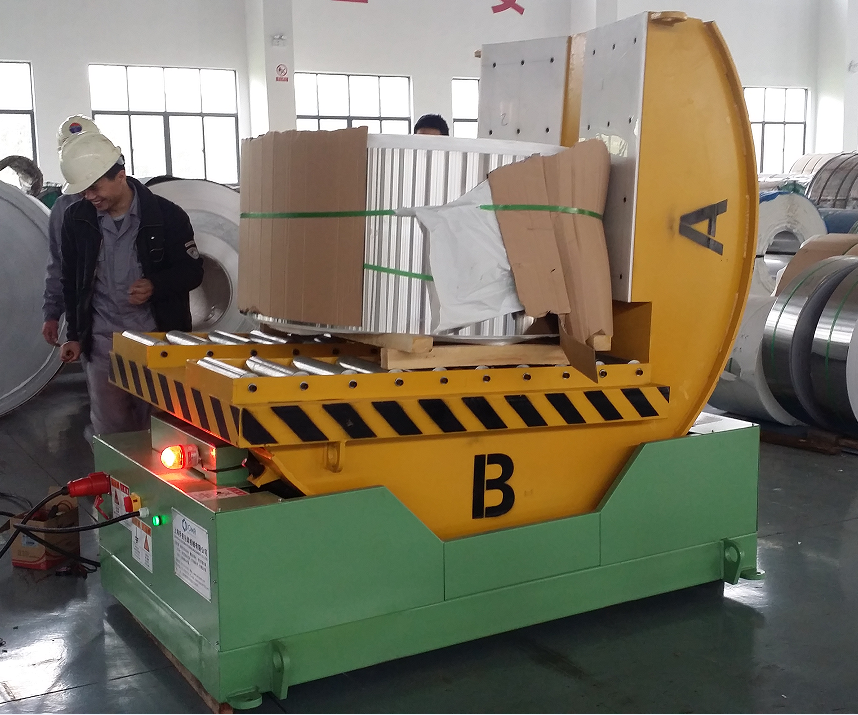
Do You Need a Better Way to Manage Ground-Level Storage?
Traditional ground-level storage can quickly become chaotic. Piles of materials, disorganized stacks, and limited accessibility can lead to inefficiencies, safety hazards, and even product damage. This is where engineered flat storage systems come into play. They offer a structured and organized approach to ground-level storage, transforming chaos into order and boosting operational efficiency.
Think about industries dealing with heavy coils, lengthy profiles, or large sheets. These materials are not easily stored in conventional racking systems. Flat storage, utilizing the floor space effectively, becomes the most logical and practical solution.
What Makes Flat Storage Systems So Advantageous?
From my experience, the beauty of flat storage lies in its simplicity and adaptability. Here are some key advantages that I've observed:
- Direct Accessibility: Unlike high-bay racking, flat storage provides immediate and direct access to every stored item. Using cranes, forklifts, or specialized vehicles, operators can quickly load and unload materials without navigating complex aisles or waiting for automated systems. This direct access significantly reduces handling time and improves throughput.
- Handling Versatility: Flat storage systems are incredibly versatile in handling various shapes and sizes of materials. Whether it's coils, sheets, long profiles, or bulky components, these systems can be tailored to accommodate diverse product dimensions and weights.
- Seamless Integration: Flat storage is easily integrated with other material handling equipment and production processes. They can be directly linked to incoming goods areas, processing lines, and dispatch zones, creating a continuous and efficient material flow. This connectivity minimizes bottlenecks and optimizes the entire production chain.
- Scalability and Flexibility: Flat storage systems can be easily scaled and adapted to changing storage needs. As production volumes fluctuate or product lines evolve, the layout of a flat storage area can be reconfigured relatively easily compared to fixed racking systems. This inherent flexibility is a major advantage in dynamic industrial environments.
- Cost-Effectiveness: Compared to complex automated storage and retrieval systems (AS/RS), flat storage systems often represent a more cost-effective solution, especially for businesses with large floor areas and handling heavy, non-palletized goods. The initial investment and ongoing maintenance costs are generally lower, making it an attractive option for many operations.
How Do Flat Storage Systems Actually Work?
Flat storage systems are not just about stacking materials on the floor. They are carefully planned and engineered solutions that incorporate several key components to ensure smooth and efficient operation. Based on my experience, here’s a breakdown of the typical elements:
-
Engineered Layout: The foundation of any successful flat storage system is a well-designed layout. This involves considering material flow patterns, storage density requirements, access routes for handling equipment, and safety zones. A thoughtfully planned layout maximizes space utilization and minimizes travel distances.
-
Handling Equipment Integration: Flat storage systems are designed to work seamlessly with various types of handling equipment. Overhead cranes are a common choice for heavy coils and sheets, providing efficient vertical and horizontal movement. Forklifts, specialized lift trucks, and even Automated Guided Vehicles (AGVs) can also be integrated for specific material handling needs.
-
Storage Strategies: Effective flat storage relies on optimized storage strategies. This includes defining storage locations, implementing first-in-first-out (FIFO) or last-in-first-out (LIFO) principles as needed, and utilizing inventory management systems to track materials and optimize space utilization. For multi-layer storage, careful planning is crucial to ensure stability and safe access.
-
Conveyor System Connectivity: To further enhance material flow, flat storage areas are often connected to conveyor systems. Pallet conveyors, chain conveyors, or even AGVs can transport materials to and from production lines or other storage zones, creating a continuous and automated material handling network.
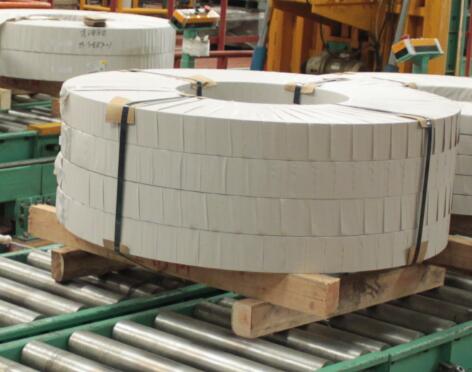
Real-World Applications: Where Do Flat Storage Systems Shine?
Over my career, I've seen flat storage systems successfully implemented across a wide range of industries. Their versatility makes them suitable for various applications. Here are a few examples based on my observations:
-
Metal Industry: The metal industry, particularly steel and aluminum, is a prime example of where flat storage excels. Handling coils, sheets, profiles, and tubes requires robust and accessible storage solutions. Flat storage systems are ideal for storing these heavy and bulky materials directly on the floor, facilitating efficient crane-based handling.
-
Manufacturing: In manufacturing facilities, flat storage is used for storing raw materials, work-in-progress, and finished goods that are not easily palletized or stored in racks. This can include large machine parts, fabricated structures, or bulky assemblies. Flat storage ensures these items are readily accessible for assembly or further processing.
-
Automotive Industry: The automotive sector utilizes flat storage for storing body panels, large components, and tooling. The ability to handle large and irregularly shaped items makes flat storage a valuable asset in automotive manufacturing and assembly plants.
-
Aerospace Industry: Similar to automotive, the aerospace industry deals with large and often delicate components. Flat storage provides a safe and accessible way to store wings, fuselage sections, and other aircraft parts during manufacturing and assembly processes.
-
Warehousing and Distribution: While often associated with industrial settings, flat storage principles can also be applied in large warehouses and distribution centers for handling oversized or non-palletized goods. Items like furniture, appliances, or large equipment can be efficiently stored and accessed using flat storage techniques.
Let's look at a specific example:
Cantilever Store for Litho Coils
Imagine a facility storing litho coils – heavy rolls of metal used in printing. These coils are substantial in size and weight, requiring specialized handling and storage. A cantilever flat storage system is perfectly suited for this application.
[Image of Cantilever store for litho coils - should be the first image from the input content]
This type of system allows for direct placement of coils on the floor, often utilizing cantilever arms to provide support and separation. Cranes can easily access and move individual coils in and out of storage.
Here are some typical specifications I've seen for such a system:
- Store Dimensions (L x W x H): 48 x 9.2 x 4.2 meters. This provides a substantial storage area within a relatively compact footprint.
- Coil Input: 4 coils per hour, 24 hours per day. This indicates a high throughput requirement, highlighting the efficiency of the flat storage system.
- Coil Output: 8 coils per hour, 12 hours per day. The output rate demonstrates the system's ability to handle significant material flow in and out of storage.
These figures underscore the practical benefits of flat storage in demanding industrial applications. The system is designed for continuous operation and high material throughput, essential for maintaining efficient production schedules.
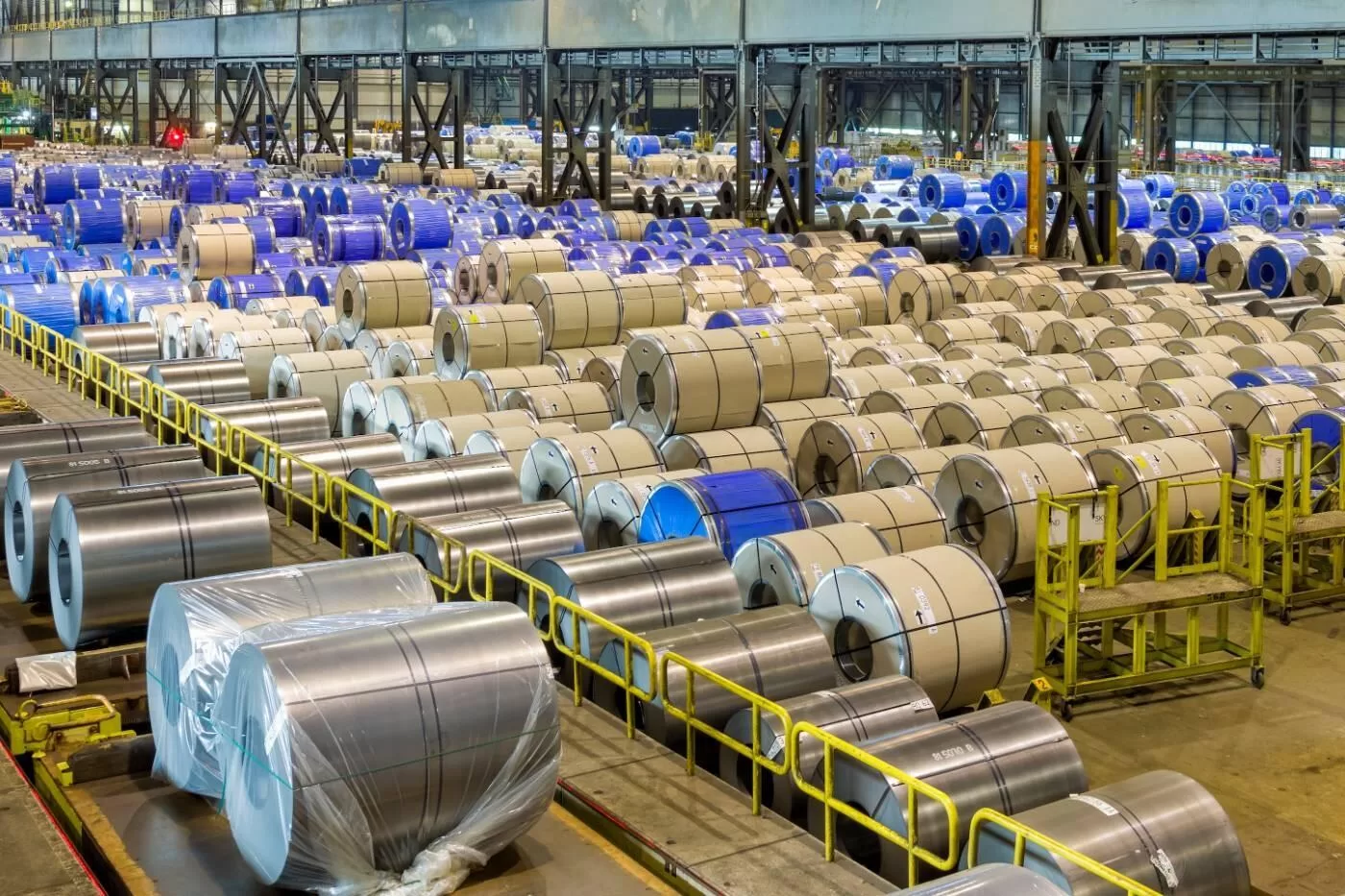
Designing Your Flat Storage System: Key Considerations
If you're considering implementing a flat storage system, here are some crucial factors to keep in mind, based on my decades of experience:
- Material Characteristics: Understand the dimensions, weight, and handling requirements of your materials. This will dictate the layout, handling equipment, and storage strategies needed.
- Throughput Requirements: Analyze your material flow rates – how much material needs to be stored, retrieved, and moved per hour or per day? This will influence the system's capacity and the type of handling equipment required.
- Space Availability: Assess the available floor space and ceiling height. Flat storage is space-efficient, but a well-planned layout is still crucial to maximize storage density.
- Integration with Existing Systems: Consider how the flat storage system will integrate with your existing production lines, warehousing, and material handling equipment. Seamless integration is key to achieving overall efficiency.
- Safety Regulations: Prioritize safety in the design and operation of your flat storage system. Ensure adequate safety clearances, implement safe operating procedures for handling equipment, and comply with all relevant safety standards.
Beyond Flat Storage: Exploring Related Technologies
While flat storage systems are incredibly effective for many applications, it's worth considering other related technologies that can complement or offer alternative solutions for specific storage needs. Here are a few examples I've encountered in my work:
- High-Bay Storage Systems: For situations where vertical space utilization is paramount and floor space is limited, high-bay storage systems are an excellent alternative. These automated systems utilize tall racking structures and stacker cranes to maximize storage density. While more complex and costly than flat storage, they offer unparalleled space efficiency and automation.
[Image of High-bay storage systems - should be the second image from "MORE PRODUCTS THAT COULD BE INTERESTING FOR YOU" section]
- Warehouse Management Systems (WMS): Regardless of the storage system you choose, a robust Warehouse Management System (WMS) is essential for efficient inventory control, material tracking, and optimized storage strategies. WMS software provides real-time visibility into inventory levels, location, and movement, enabling better decision-making and improved operational efficiency.
[Image of Warehouse Management Systems (WMS) - should be the third image from "MORE PRODUCTS THAT COULD BE INTERESTING FOR YOU" section]
- Coil Packaging Lines: For industries handling coils, automated coil packaging lines can add significant value. These systems protect coils from damage and environmental factors during storage and transportation, ensuring product integrity and reducing waste.
[Image of Coil packaging lines - should be the fourth image from "MORE PRODUCTS THAT COULD BE INTERESTING FOR YOU" section]
- Automatic Coil Transporters (A.C.T.®): Specialized vehicles like Automatic Coil Transporters are designed for the safe and efficient handling of coils within flat storage areas or between production zones. These transporters minimize handling damage and optimize throughput.
[Image of Automatic Coil Transporters (A.C.T.®) - should be the fifth image from "MORE PRODUCTS THAT COULD BE INTERESTING FOR YOU" section]
- Pallet Conveying Systems: For integrating flat storage with other areas of the facility, pallet conveying systems provide a seamless and automated material flow. These systems can transport pallets of materials to and from the flat storage zone, connecting it to production lines or other storage areas.
[Image of Pallet conveying systems - should be the sixth image from "MORE PRODUCTS THAT COULD BE INTERESTING FOR YOU" section]
- High-Speed Cars: In applications demanding rapid material movement within a flat storage area or between storage and production, high-speed cars offer a solution. These automated vehicles provide quick and efficient transportation of materials, minimizing cycle times and maximizing throughput.
[Image of High-speed cars - should be the seventh image from "MORE PRODUCTS THAT COULD BE INTERESTING FOR YOU" section]
These related technologies, along with flat storage systems, represent a comprehensive toolkit for optimizing material handling and storage in various industrial environments. The best solution always depends on the specific needs and constraints of each application.

Moving Forward with Flat Storage
In conclusion, flat storage systems are a practical, versatile, and often cost-effective solution for managing ground-level storage of heavy, bulky, and long materials. Their direct accessibility, handling versatility, and seamless integration capabilities make them invaluable in numerous industries. As you plan your next production line or warehouse expansion, consider the often-overlooked potential of flat storage to streamline your material flow and optimize your operations. My decades of experience tell me it's a solution that consistently delivers tangible benefits.