Considering modernizing your coil handling system? Switching to horizontal coil conveying can dramatically boost production capacity and streamline your operations. For over 30 years, I've seen firsthand how these systems revolutionize hot strip mills and metal processing plants, offering significant improvements in efficiency and material flow.

Why Ditch Vertical for Horizontal Coil Handling?
For years, vertical coil axis systems were the industry standard. But as production demands increased and the need for faster, more efficient material transport became critical, we started looking at horizontal solutions. Why? Because in my experience, horizontal coil handling offers a game-changing shift in how we manage coils, especially in high-throughput environments like modern hot strip mills.
Think about it – moving heavy coils, often at high temperatures, requires robust and reliable systems. Vertical systems, while functional, often present limitations in terms of speed and the complexity of transitions between different processing stages. This is where horizontal coil conveying comes into its own.
When a major German hot strip mill decided to ramp up its production capacity as part of a comprehensive modernization project, they faced this very challenge. Their existing chain-conveyor system, designed for vertical coil transport, was becoming a bottleneck. To meet their increased production goals, a complete overhaul of the coil transport system was necessary. And the solution we implemented? A state-of-the-art horizontal coil conveying system.
This wasn't just a simple swap-out. It was a fundamental shift in approach. We're talking about converting the entire transport system from vertical to horizontal coil axis. This transformation involved installing completely new coil transport systems, seamlessly integrated with the mill's new coilers during a planned plant shutdown. And let me tell you, coordinating a project of this scale within a tight timeframe is no small feat – it requires meticulous planning and execution.
The result? A significant leap in transport capacity and operational efficiency. The old chain-conveyor system was largely replaced by a smart combination of coil cars, walking beams, and chain conveyors, all designed to handle coils with a horizontal axis. This new setup allowed for smoother, faster, and more reliable coil movement throughout the plant.
What Makes a Modern Horizontal Coil System Tick?
So, what are the key components that make these horizontal systems so effective? Let's break down the technology we implemented in this modernization project:
- Coil Cars: These are the workhorses of the system, designed to carry heavy coils safely and efficiently. Imagine robust, automated vehicles moving massive steel coils with precision and speed. These aren't your average carts; they are engineered for the extreme demands of a steel mill environment.
- Walking Beams: Walking beam conveyors are incredibly useful for step-by-step movement of coils. They provide controlled and precise advancement, ideal for areas where coils need to be indexed through specific processing stations. Think of it as a synchronized dance of beams, gently moving coils forward in a controlled manner.
- Chain Conveyors: While chain conveyors might sound traditional, in a horizontal system, they play a vital role in long-distance transport and accumulation. Modern chain conveyors are highly engineered for heavy loads and continuous operation, ensuring reliable coil flow across the plant.
This combination of technologies – coil cars, walking beams, and chain conveyors – creates a flexible and highly efficient transport network. It allows for optimized routing, buffering, and distribution of coils, minimizing bottlenecks and maximizing throughput. From my experience, this integrated approach is key to unlocking the full potential of horizontal coil handling.
The Unsung Hero: Integrated Inspection Lines
But modernization isn't just about transport. In today's market, material quality is paramount. Customers demand higher standards, and defects can be costly. That’s why a crucial part of this project was the integration of a new inspection line.
An inspection line might seem like a secondary component, but trust me, it's a game-changer. In my years in this industry, I've seen firsthand how critical early defect detection is. Identifying surface flaws and material imperfections early in the process can save significant time and resources down the line.
The inspection line we installed incorporated:
- Roller Conveyors: These provide smooth and stable transport of coils through the inspection station. They ensure consistent presentation of the coil surface for accurate inspection.
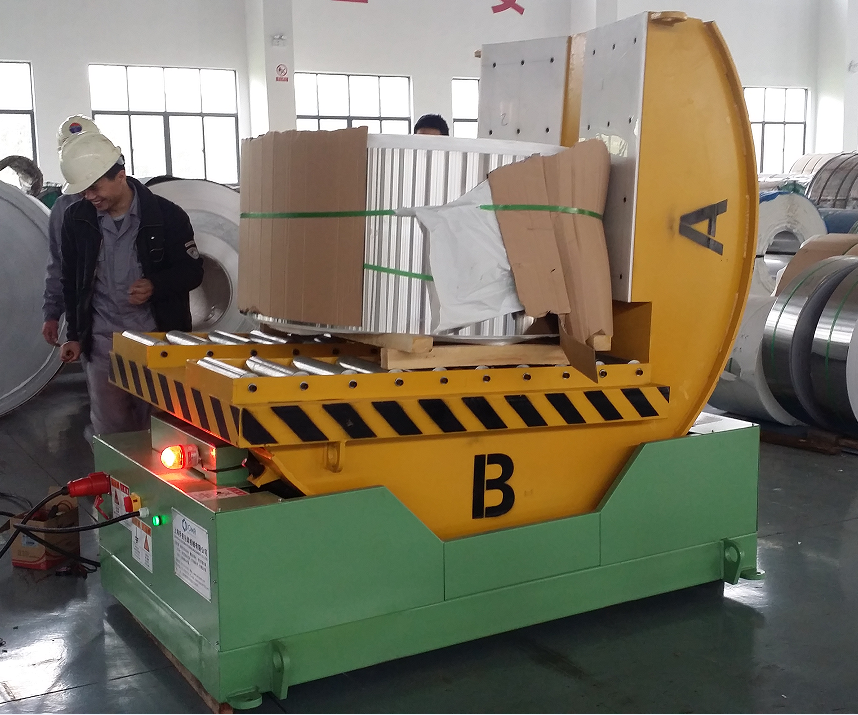
- Strip Turning Device: This clever piece of equipment allows for comprehensive inspection of both sides of the strip. By automatically flipping the strip, we ensure no surface defect goes unnoticed. This is essential for maintaining high quality standards and catching issues that might otherwise be missed.
With a modern inspection line, you can proactively track down surface defects, ensuring that only high-quality material progresses through the production process. This not only improves product quality but also reduces waste and rework, directly impacting your bottom line. In today's competitive landscape, investing in advanced inspection capabilities is not just a good idea – it's a necessity.
Real-World Impact: Numbers Speak Volumes
Let's get down to the specifics of the modernization project and the tangible results:
- 1,200 tons of equipment supplied: This gives you a sense of the scale of the project. We're talking about a significant investment in new infrastructure.
- 1,100 m² covers including substructure: This highlights the extensive footprint of the new system, requiring careful integration into the existing plant layout.
- 14 days conversion time: This is where the real magic happens. Completing such a complex conversion in just 14 days of plant shutdown is a testament to meticulous planning, efficient execution, and the expertise of the installation team. Minimizing downtime is crucial in any modernization project, and this rapid conversion time demonstrates the effectiveness of a well-orchestrated approach.
This project wasn't just about installing new equipment; it was about transforming the entire coil handling process. By moving to a horizontal coil axis system and integrating advanced inspection technology, this hot strip mill significantly enhanced its production capacity, improved material flow, and strengthened its commitment to quality.
Thinking About Modernizing? Key Considerations
If you're considering modernizing your own coil conveying system, here are some key takeaways from my experience:
- Assess Your Needs: What are your current bottlenecks? What are your production goals? Understanding your specific needs is the first step in determining the right modernization strategy.
- Horizontal vs. Vertical: Evaluate the benefits of horizontal coil handling for your specific application. In high-throughput environments, the advantages are often compelling.
- Inspection is Key: Don't underestimate the importance of integrated inspection lines. Investing in quality control early in the process pays dividends in the long run.
- Plan for Integration: Modernization projects are complex. Careful planning, seamless integration with existing systems, and minimizing downtime are critical success factors.
- Partner with Experts: Choose experienced partners who understand the nuances of coil handling systems and can provide tailored solutions.
Modernizing your coil conveying system is a significant investment, but it's an investment that can deliver substantial returns in terms of increased productivity, improved quality, and enhanced operational efficiency. From what I've seen over the years, embracing horizontal coil handling and integrated inspection technologies is a smart move for any metal processing plant looking to stay ahead in today's competitive market.
Exploring Similar Material Handling Solutions
Beyond the modernization of coil conveying systems, the world of material handling in the metals industry is vast and varied. Here's a glimpse into some related technologies and their unique functionalities, drawing from my experience with different project types:
-
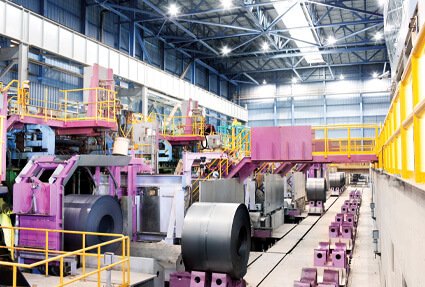
Pallet Conveyor Systems: For handling hot-rolled coils, pallet conveyor systems like the fhope101 system are incredibly efficient. These systems, often stretching hundreds of meters, can handle massive coil weights (up to 36 tons in the fhope101 example) and achieve impressive throughput rates (like 60 coils per hour). They are ideal for high-volume transport and buffering of coils, particularly in hot rolling mill environments.
-
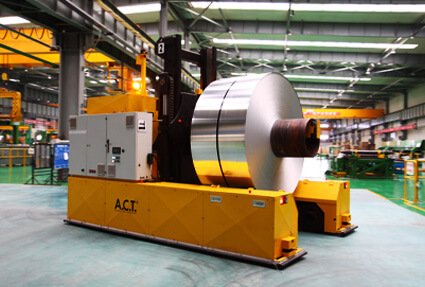
Automatic Coil Transporters (ACTs): When flexibility and speed are paramount, Automatic Coil Transporters like the fhope102 system are the answer. These autonomous vehicles navigate production facilities with ease, handling heavy coils (up to 32 tons) and large diameters (up to 2,800 mm) at speeds up to 1 m/s. ACTs are perfect for complex layouts and dynamic production environments where fixed conveyors might be limiting.
-
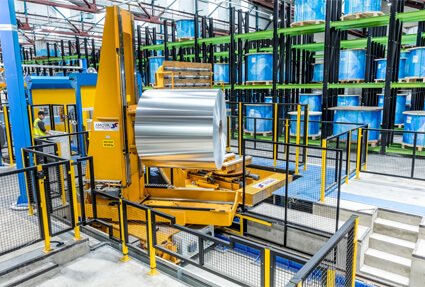
Packaging Lines for Coils: Protecting finished coils is crucial for maintaining quality during storage and transport. Automated packaging lines, such as the fhope103 system for litho coils, streamline this process. These lines can handle various coil sizes and weights (up to 10.8 tons in the fhope103 example) and achieve throughputs of around 8 packs per hour. They ensure coils are securely packaged and ready for shipment.
-
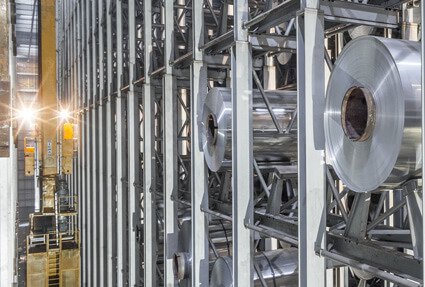
High-Bay Stores: For maximizing storage capacity and optimizing warehouse space, high-bay stores are invaluable. Systems like the fhope104 high-bay store can accommodate thousands of coils (1,382 coils in the fhope104 example), each weighing up to 32 tons. These automated storage solutions ensure efficient coil retrieval and inventory management in large-scale operations.
-
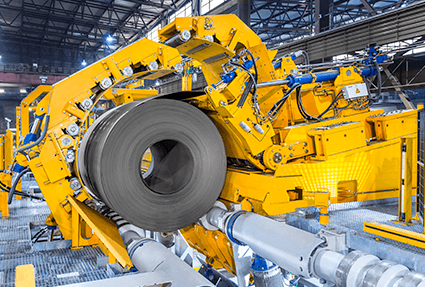
Sampling Stations: Ensuring material quality often starts with precise sampling. Sampling stations like the fhope105 system for X-grade steel coils allow for accurate sample extraction across a range of strip thicknesses (1.5 – 28.3 mm). These stations are critical for quality control and material testing in demanding applications.
-
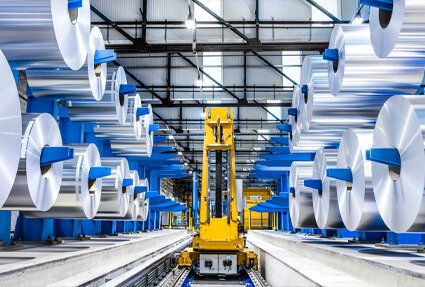
Cantilever Stores: For specialized storage needs, cantilever stores offer efficient solutions. The fhope106 cantilever store for litho coils, for example, provides organized storage for coils with specific access requirements. These stores optimize space utilization and ensure easy access to individual coils when needed.
-
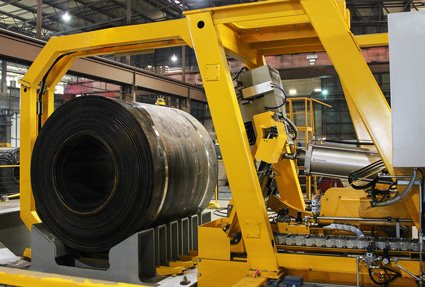
Strapping Lines: Securing coils for safe handling and transport is essential. Strapping lines like the fhope107 system for high-strength steel coils automate this process, applying multiple straps per coil in a short cycle time (less than 190 seconds per coil in the fhope107 example). These lines ensure coil integrity and prevent damage during handling.
-
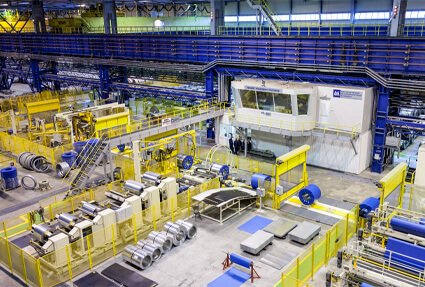
Coil Packaging Lines (High Capacity): For extremely high-volume packaging needs, dedicated coil packaging lines like the fhope108 system are designed for maximum throughput. Capable of handling massive coils (up to 45 tons) and diameters (up to 2.5 m), these lines can achieve packaging capacities exceeding a million tons per year. They are essential for large-scale steel and aluminum producers.
-
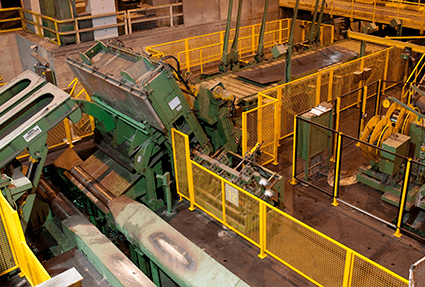
Inspection Lines (Conversion Projects): Modernizing existing inspection capabilities is often a cost-effective way to improve quality control. Conversion projects like the fhope109 inspection line upgrade existing systems to handle a wider range of strip thicknesses and inspection requirements. These projects allow plants to leverage existing infrastructure while enhancing their inspection capabilities.
-
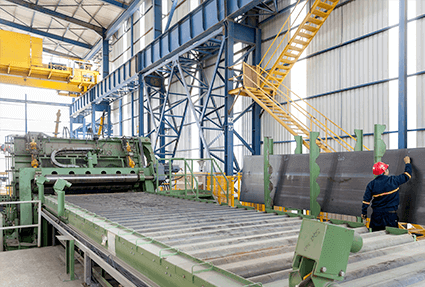
Inspection Lines (Integrated Systems): For seamless integration into coil conveyor systems, specialized inspection lines like the fhope110 system are designed to fit within existing layouts. These lines offer precise inspection capabilities for various strip thicknesses and are crucial for maintaining quality throughout the production process.
-
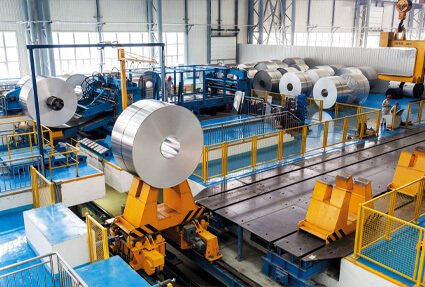
Pallet Conveyor Systems (Aluminum Coils): Pallet conveyor systems are versatile and adaptable to different materials. The fhope111 system, designed for aluminum coils, demonstrates this flexibility. Handling coils up to 34 tons and achieving throughputs of 12 coils per hour, these systems are tailored to the specific needs of aluminum coil handling.
These diverse examples highlight the breadth of solutions available for optimizing material flow and quality control in the metals industry. Whether you're dealing with hot-rolled steel, aluminum coils, or specialized materials, there's a material handling technology designed to meet your specific needs and improve your operations.