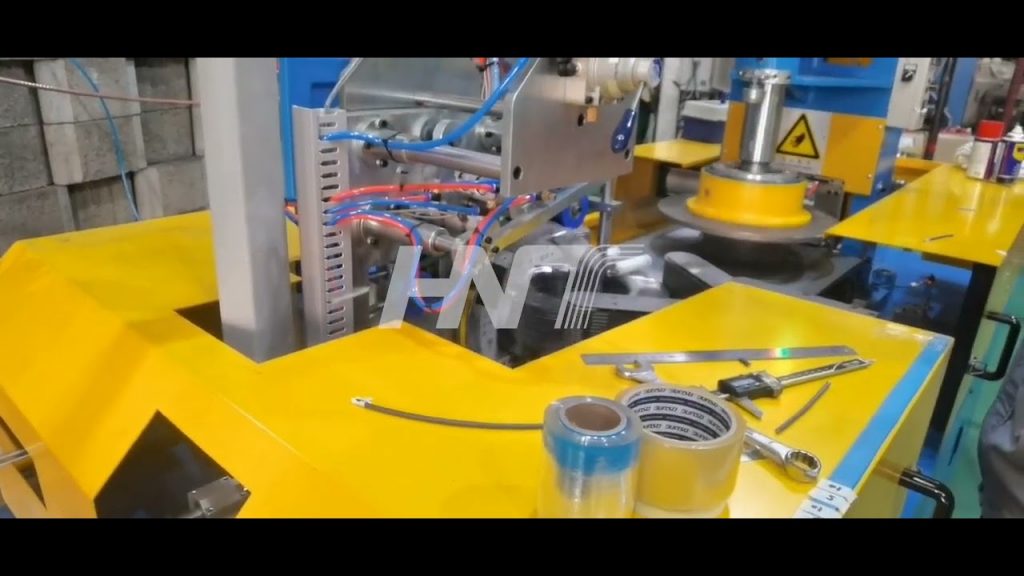
Are you struggling with inefficient and cumbersome sheet metal packaging processes? For over three decades in the industry, I've seen firsthand how the right packaging line can revolutionize operations, ensuring product safety, boosting throughput, and future-proofing your facility. Let’s dive into the critical aspects of sheet metal packaging lines and explore how they can be tailored to meet your specific needs.
In my 30 years in the metal industry, one thing has become crystal clear: efficient packaging is just as crucial as efficient production. You can have the most advanced cutting and forming technology, but if your downstream packaging process is slow, unreliable, or damages your product, you're losing time, money, and potentially customers. That's why I've dedicated a significant part of my career to understanding and implementing optimized packaging solutions, particularly for sheet metal.
What Exactly Are Sheet Metal Packaging Lines, and Why Should You Care?
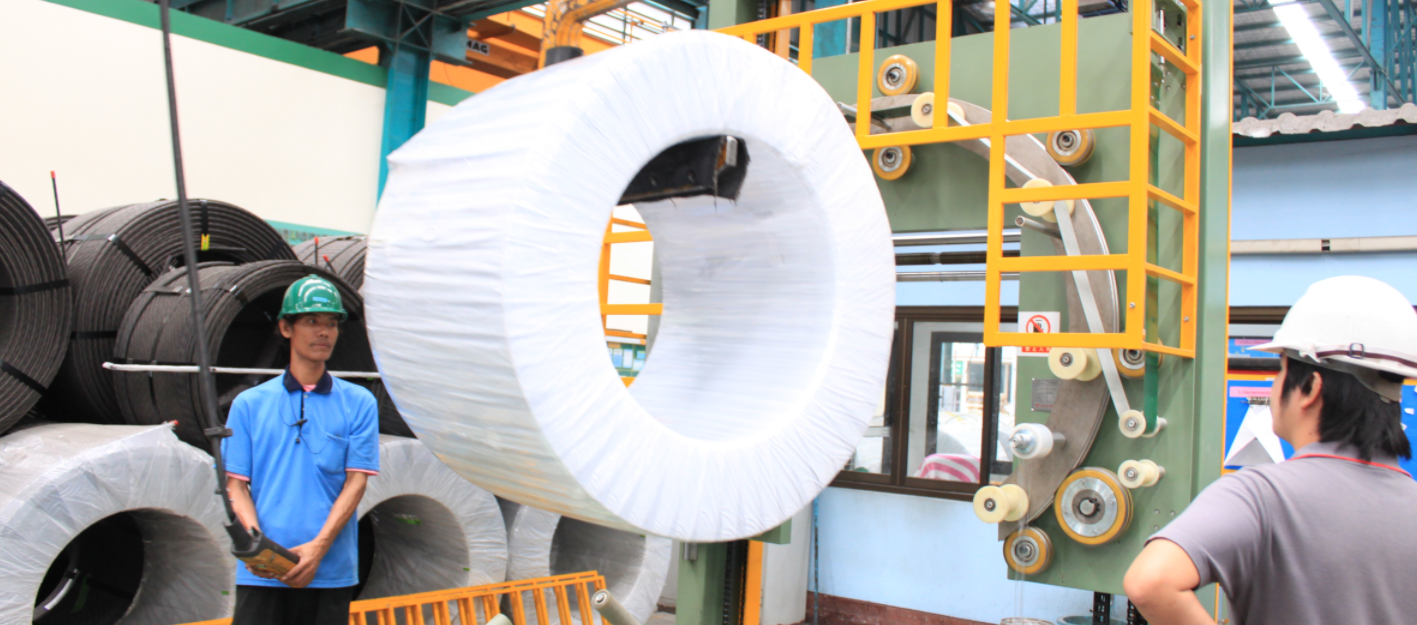
Think about it – sheet metal products, whether they are destined for automotive panels, appliance housings, or construction materials, often involve significant weight and large dimensions. Manually handling these materials for packaging is not only labor-intensive and slow, but also carries a high risk of product damage and workplace injuries. This is where automated sheet metal packaging lines come into play.
These systems are designed to take over the heavy lifting, literally and figuratively. They automate the processes of stacking, wrapping, strapping, and preparing sheet metal stacks for transport. But it's not just about automation; it's about creating a smart system that’s tailored to your specific product dimensions, throughput requirements, and logistical setup. Over the years, I've seen companies transform their operations by moving from manual packaging to integrated, automated lines. The improvements in efficiency, product integrity, and worker safety are often dramatic.
What Makes a Great Sheet Metal Packaging Line? Key Features and Advantages
When we talk about modern sheet metal packaging lines, we're not just talking about simple conveyors and wrapping machines. We're talking about sophisticated systems engineered for efficiency, flexibility, and future growth. From my experience, here are some of the standout advantages and features you should be looking for:
How Can Customized Design Solve Your Unique Packaging Challenges?
One size definitely does not fit all in the world of sheet metal packaging. The beauty of today's advanced systems lies in their ability to be customized. Whether you're dealing with varying stack sizes, different packaging materials, or specific cycle time demands, a tailored design is paramount.
For example, some operations might require heavy-duty steel strapping for long-distance transport, while others might prioritize lighter banding for in-plant movement. Similarly, the degree of automation can be adjusted based on your budget and throughput goals. I’ve worked with facilities that started with semi-automated lines and gradually upgraded to fully automated systems as their production volume increased. The key is to have a modular and adaptable design from the outset.
Integration is Key: How Easily Can a Packaging System Fit Into Your Existing Plant?
A packaging line isn't an island. It needs to seamlessly integrate into your overall production and logistics flow. This "easy integration" is a critical factor to consider. A well-designed system will take into account your existing material handling infrastructure, production line layout, and warehouse management system.
Think about the infeed and outfeed points of the packaging line. How will sheet metal stacks arrive at the packaging station? How will packaged stacks be moved to storage or shipping? These are crucial questions that need to be addressed during the planning phase. I've seen projects where insufficient attention to integration led to bottlenecks and inefficiencies, even with advanced packaging technology. A truly effective system is one that becomes an organic part of your entire workflow.
Future-Proofing Your Investment: Are Upgrades and Extensions Possible?
In today's dynamic manufacturing environment, future-proofing is not just a bonus – it's a necessity. Your production needs are likely to evolve, and your packaging system should be able to adapt accordingly. Look for systems that offer modular designs and are "future-oriented," meaning they can be easily upgraded or extended as your business grows.
This could involve adding new packaging stations, increasing automation levels, or integrating with new software systems. Investing in a system with built-in flexibility will save you significant costs and disruptions in the long run. I always advise clients to think long-term and choose solutions that can scale with their ambitions.
Handling the Big Stuff: What Product Dimensions Can These Systems Manage?
Sheet metal comes in a vast range of sizes and weights. A robust packaging line should be capable of handling the dimensions you actually work with, and ideally, have the capacity to accommodate potential future increases in product size.
Modern systems are designed to handle impressive specifications. We’re talking about sheet-stack lengths up to 16,000 mm, widths up to 3,500 mm, and weights reaching a massive 16 tons! These capabilities are essential for industries dealing with large format sheet metal, ensuring that even the heaviest and largest stacks can be packaged securely and efficiently. In my experience, it’s better to slightly overestimate your current needs to ensure the system can handle future demands and any unexpected variations in material dimensions.
Throughput is King: How Fast Can a Packaging Line Really Be?
In high-volume production environments, throughput is king. An efficient packaging line needs to keep pace with your production output to avoid becoming a bottleneck. The best systems are designed for "high throughput," capable of processing a significant number of sheet stacks per hour.
Depending on the level of automation and the complexity of the packaging process, some lines can achieve throughput rates of up to 60 sheet stacks per hour. This kind of speed is critical for maintaining overall production efficiency and meeting tight delivery schedules. When evaluating throughput, consider not just the maximum capacity, but also the sustained throughput under normal operating conditions.
Gentle Handling: How Do You Protect Delicate Sheet Metal Surfaces?
Damage during packaging can be a major source of waste and rework. Scratches, dents, and bending can all occur if sheet metal is handled roughly. That's why "no material damage" is a key feature of advanced packaging lines.
These systems are designed for "extremely gentle handling" of both individual sheets and entire stacks. They use sophisticated mechanisms to lift, move, and position materials without causing surface damage or deformation. This gentle approach is especially important for pre-painted or high-finish sheet metal where surface quality is paramount. Over my career, I've seen the significant cost savings that result from minimizing damage during the packaging process – it directly impacts profitability and customer satisfaction.
Putting It All Together: Real-World Applications and Benefits
Where are these advanced sheet metal packaging lines truly making a difference? Modern steel service centers are a prime example. These facilities process and distribute vast quantities of sheet metal, often in customized sizes and shapes. Efficient packaging is absolutely vital for them to maintain smooth operations and meet customer demands.
But the applications extend far beyond steel service centers. Any industry that manufactures or processes sheet metal can benefit, including:
- Automotive: Packaging body panels, chassis components, and other sheet metal parts.
- Appliance Manufacturing: Handling sheets for refrigerator bodies, washing machine casings, and other appliances.
- Construction: Packaging metal roofing, cladding, and structural panels.
- Aerospace: Securely packaging specialized sheet metal components for aircraft.
- General Manufacturing: Any industry using sheet metal components in their products.
The benefits of implementing these systems are clear and impactful:
- Increased Efficiency and Throughput: Automated systems are significantly faster and more consistent than manual packaging.
- Reduced Labor Costs: Automation reduces the need for manual labor in packaging, freeing up personnel for other tasks.
- Improved Product Protection: Gentle handling and secure packaging minimize damage and waste.
- Enhanced Workplace Safety: Automating heavy lifting and repetitive tasks reduces the risk of injuries.
- Greater Flexibility and Scalability: Customized and modular systems can adapt to changing needs and production volumes.
Beyond Sheet Metal: Exploring Related Packaging Solutions
While we've focused on sheet metal, the principles of efficient and automated packaging extend to other materials and product forms. In my experience, companies that optimize their sheet metal packaging often look to improve other areas of their material handling and logistics as well. Here are a few related systems that are worth considering:
Pallet Conveying Systems: Keeping Materials Moving Smoothly
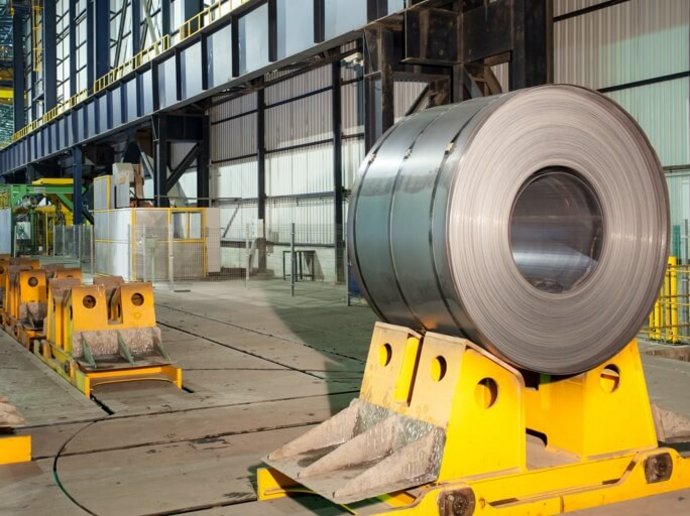
Just as important as packaging is the efficient movement of materials throughout your facility. Pallet conveying systems are designed to do just that – transport heavy loads, often in demanding environments. For example, some systems are built to handle hot-strip coils at temperatures up to 850 °C, moving them at speeds of 0.5 m/s. These robust systems ensure a continuous flow of materials, minimizing bottlenecks and maximizing throughput.
Coil Packaging Lines: Protecting Coiled Products
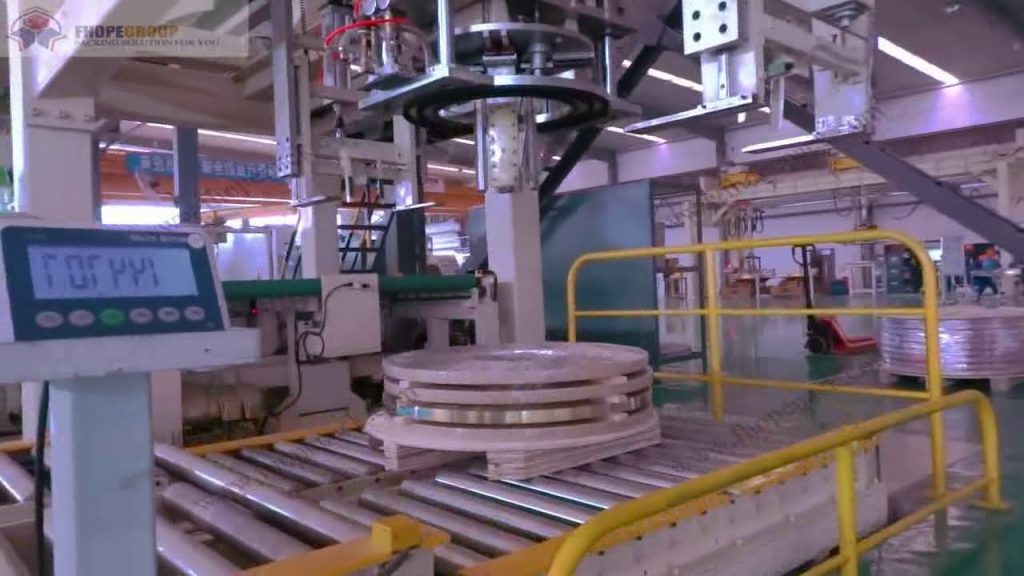
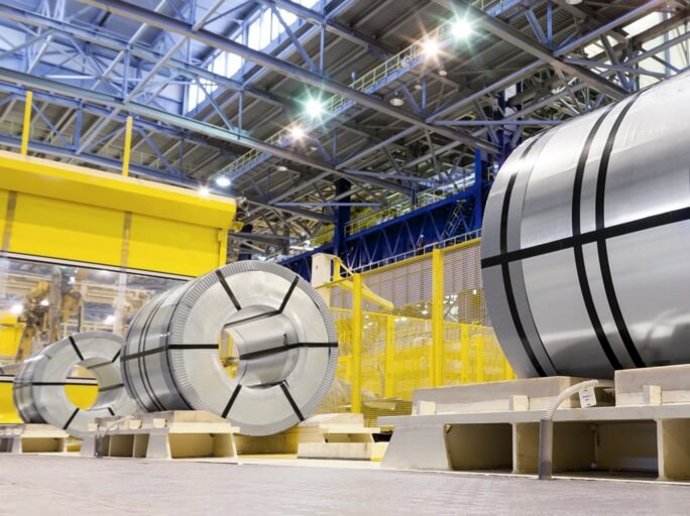
Many metal products are produced and transported in coil form. Coil packaging lines are specialized systems designed to protect these coils from damage and environmental factors during handling and shipping. These systems often include features like wrapping, banding, and protective covers to ensure coils arrive at their destination in perfect condition. Investing in proper coil packaging is crucial for maintaining product quality and preventing costly damage claims.
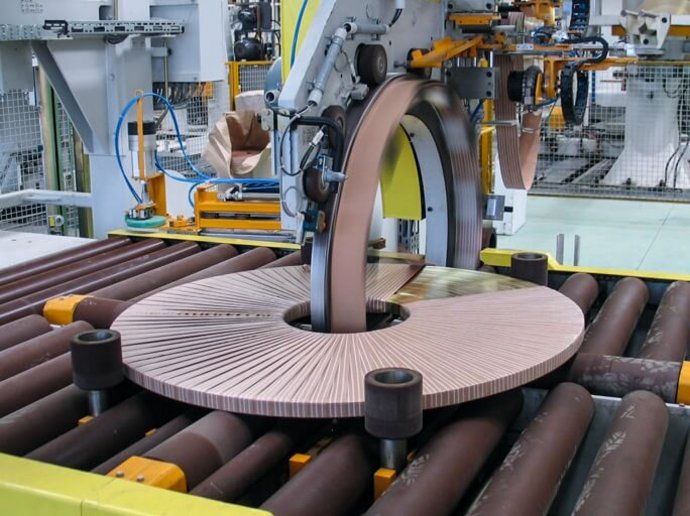
Slit-Coil Packaging Lines: Handling Narrow Strips with Care
Slit coils, which are narrower strips of metal cut from wider coils, require specialized packaging due to their dimensions and potential for damage. Slit-coil packaging lines are designed for the gentle and secure packaging of these materials, whether individually or in packages. They can handle stacking heights up to 1,500 mm and ensure that even these delicate strips are protected during transport.
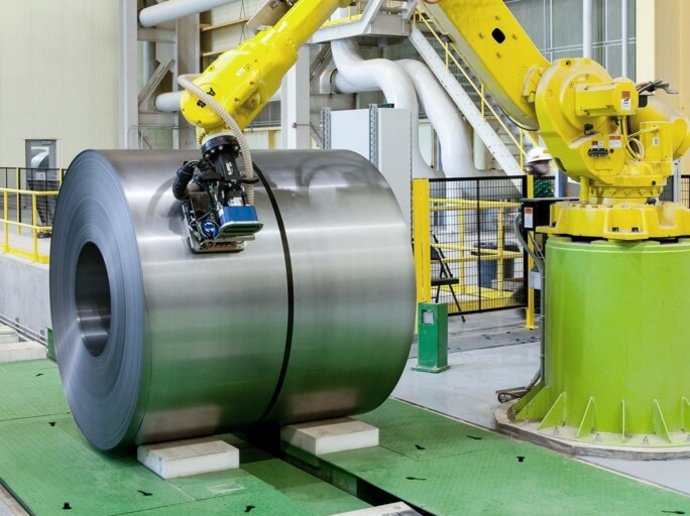
Marking and Labeling Systems: Ensuring Traceability and Clear Identification
In today's complex supply chains, traceability and clear product identification are essential. Marking and labeling systems, often integrated with robots for automation, can be easily incorporated into production and packaging lines. These systems apply labels, barcodes, or other markings to packaged products, ensuring accurate tracking and inventory management throughout the supply chain. This is crucial for efficiency, quality control, and meeting regulatory requirements.
Pallet Conveying Systems: Keeping Materials Moving Smoothly
Just as important as packaging is the efficient movement of materials throughout your facility. Pallet conveying systems are designed to do just that – transport heavy loads, often in demanding environments. For example, some systems are built to handle hot-strip coils at temperatures up to 850 °C, moving them at speeds of 0.5 m/s. These robust systems ensure a continuous flow of materials, minimizing bottlenecks and maximizing throughput.
Coil Packaging Lines: Protecting Coiled Products
Many metal products are produced and transported in coil form. Coil packaging lines are specialized systems designed to protect these coils from damage and environmental factors during handling and shipping. These systems often include features like wrapping, banding, and protective covers to ensure coils arrive at their destination in perfect condition. Investing in proper coil packaging is crucial for maintaining product quality and preventing costly damage claims.
Slit-Coil Packaging Lines: Handling Narrow Strips with Care
Slit coils, which are narrower strips of metal cut from wider coils, require specialized packaging due to their dimensions and potential for damage. Slit-coil packaging lines are designed for the gentle and secure packaging of these materials, whether individually or in packages. They can handle stacking heights up to 1,500 mm and ensure that even these delicate strips are protected during transport.
Marking and Labeling Systems: Ensuring Traceability and Clear Identification
In today's complex supply chains, traceability and clear product identification are essential. Marking and labeling systems, often integrated with robots for automation, can be easily incorporated into production and packaging lines. These systems apply labels, barcodes, or other markings to packaged products, ensuring accurate tracking and inventory management throughout the supply chain. This is crucial for efficiency, quality control, and meeting regulatory requirements.
Pallet Conveying Systems: Keeping Materials Moving Smoothly
Just as important as packaging is the efficient movement of materials throughout your facility. Pallet conveying systems are designed to do just that – transport heavy loads, often in demanding environments. For example, some systems are built to handle hot-strip coils at temperatures up to 850 °C, moving them at speeds of 0.5 m/s. These robust systems ensure a continuous flow of materials, minimizing bottlenecks and maximizing throughput.
Coil Packaging Lines: Protecting Coiled Products
Many metal products are produced and transported in coil form. Coil packaging lines are specialized systems designed to protect these coils from damage and environmental factors during handling and shipping. These systems often include features like wrapping, banding, and protective covers to ensure coils arrive at their destination in perfect condition. Investing in proper coil packaging is crucial for maintaining product quality and preventing costly damage claims.
Ready to Transform Your Packaging Process?
If you're looking to optimize your sheet metal packaging operations, reduce costs, improve product quality, and enhance workplace safety, now is the time to explore the possibilities of customized, automated packaging lines. With 30 years of experience in this field, I can tell you that the right investment in packaging technology can pay dividends for years to come, streamlining your processes and giving you a competitive edge.