Need to Maximize Space & Efficiency? Compact Tilt Tables Might Be Your Answer.
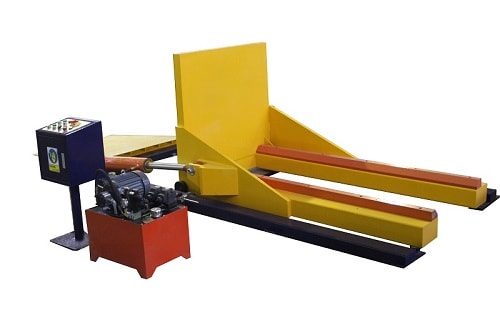
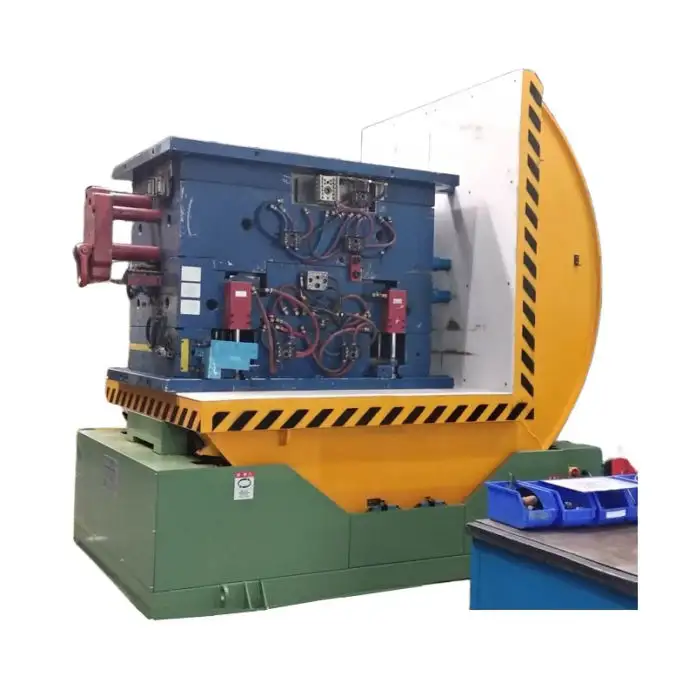
Looking for a tilt table solution that fits into tight spaces without sacrificing power? Compact tilt tables are engineered to maximize your floor space while boosting productivity and safety in material handling. These tables tilt within their own footprint, making them ideal for confined work areas where every inch counts.
For over 30 years in the material handling industry, I've seen firsthand how crucial efficient space utilization is to a smooth operation. Wasted space translates directly into wasted time and resources. That's why when I first encountered the Max-Compact Tilt Table, I immediately recognized its potential to solve a common problem: how to effectively tilt and position heavy loads when space is at a premium.
Let's face it, many industrial facilities, workshops, and even warehouses aren't sprawling acres of open floor. Often, you're working in existing spaces, trying to optimize layouts that were designed before modern efficiency demands. This is where the beauty of a compact tilt table truly shines.
What Makes a Compact Tilt Table Different?
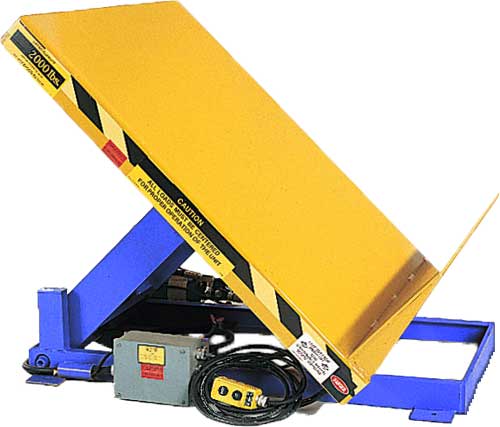
The key differentiator lies in its design. Unlike traditional tilt tables that require a larger operational footprint to complete their tilt cycle, the Max-Compact series, for example, is engineered to tilt within its own base frame. Think about that for a moment. You get the full functionality of a heavy-duty tilt table – the ability to raise and tilt loads to improve access, reduce bending and lifting, and enhance ergonomics – but without needing to allocate extra floor space for the tilting motion.
From my experience, this is a game-changer in several scenarios. Imagine a machining shop where floor space around CNC machines is tightly controlled. Being able to integrate a tilt table right next to the machine, without encroaching on walkways or other equipment areas, significantly streamlines material flow. Or consider a packaging line where space is limited, but operators need to access items at different angles for efficient packing. A compact tilt table becomes an invaluable ergonomic aid, improving both speed and worker well-being.
Delving into the Max-Compact Tilt Table: Features that Matter
Let's break down the features of a typical Max-Compact Tilt Table and why they are important from an operational perspective.
Space-Saving Design: As we've emphasized, the core advantage is its compact footprint. With base frame dimensions ranging from 22.5" to 34.5" x 48", these tables can fit into areas where larger equipment simply won't. This is crucial for maximizing usable workspace and optimizing facility layouts.
Robust Capacities: Don't let the "compact" name fool you. These tables are built to handle serious weight. Capacities range from 2,000 lbs to a hefty 6,000 lbs, making them suitable for a wide range of industrial materials and components. In my years of experience, I've learned that underestimating load capacity is a recipe for disaster. It's always better to have a safety margin, and these tables offer that robust build quality.
Precise 45° Tilt Angle: The standard 45° tilt angle is a sweet spot for many applications. It provides significant improvement in access to parts and materials without making the load unstable. From assembling components to performing repairs or simply accessing items in containers, this angle offers excellent ergonomic positioning.
Powered Up and Down Hydraulic System: These tilt tables utilize double-acting hydraulic cylinders. This means the tilting motion is powered in both directions – up and down. This controlled movement is essential for smooth, precise positioning and prevents jerky motions that could damage materials or create safety hazards. I've seen firsthand the difference between powered and gravity-return systems, and powered systems offer a level of control and safety that is well worth the investment.
Enhanced Stability and Safety: Safety is paramount in any industrial environment. The Max-Compact design incorporates features like scissor leg rollers entrapped within the table's top and base. This seemingly small detail is crucial for maximizing stability throughout the tilt cycle, preventing wobbling or tipping, especially when handling heavy loads. Additionally, features like safety toeguards with black and yellow stripes, and a 12-inch high lip on the pivot end, further enhance operator safety by preventing foot injuries and load slippage.
Durable Construction: These tables are built to last in demanding industrial environments. Features like chrome-plated cylinder piston rods and axles resist corrosion and wear. Surfaces are degreased, oxide primed, and finished for long-term protection against rust and damage. Lifetime self-lubricating, antifriction bearings minimize maintenance and ensure smooth operation over years of use. In my experience, investing in durable equipment upfront pays off significantly in reduced downtime and replacement costs down the line.
Standard Features for Plug-and-Play Operation: The Max-Compact Tilt Table comes equipped with a range of standard features that simplify installation and operation. These include:
- Internally Mounted 1 HP Motor: A powerful and reliable motor, internally mounted to further contribute to the compact design and protect it from external damage. The TENV (Totally Enclosed Non-Ventilated) motor is designed for industrial environments.
- Voltage Flexibility: Available in single or three-phase voltage options, accommodating different electrical systems commonly found in industrial facilities.
- 24V Control Voltage: A safer, low-voltage operating control system enhances operator safety.
- NEMA-Rated Controls: NEMA-4X (constant-pressure pushbutton box) and NEMA-12 (prewired controls) ratings indicate robust protection against dust, water, and other industrial contaminants, ensuring reliable operation in harsh environments.
- Comprehensive Electrical Protection: Features like magnetic starters, control transformers, thermal overload protection, and fuses safeguard the electrical system from damage and ensure safe operation.
- Ready-to-Connect Power Cord: A 10 ft. power cord simplifies electrical connection (plug not included, allowing for customization to specific outlet types).
- Hydraulic System Components: Includes an internal high-pressure gear pump, check, relief, flow control, and solenoid valves, along with suction and return filters, and hydraulic oil – a complete and ready-to-operate hydraulic system.
Exploring the Specifications: Matching the Right Table to Your Needs
The Max-Compact Tilt Table series comes in three base models, each tailored to different capacity requirements. Here's a quick breakdown of the key specifications:
| Feature | LPECTT-20 | LPECTT-40 | LPECTT-60 |
|---|---|---|---|
| Capacity | 2,000 lbs | 4,000 lbs | 6,000 lbs |
| Tilt Angle | 45° | 45° | 45° |
| Platform Size (Min-Max) | 36" x 48" - 60" x 72" | 36" x 48" - 60" x 72" | 36" x 48" - 60" x 72" |
| Lowered Height | 10" | 10" | 10" |
| Tilt Speed | 15 seconds | 15 seconds | 20 seconds |
As you can see, all models offer the same tilt angle and lowered height, but vary in capacity and tilt speed. The platform size is customizable within a range, allowing you to select a table that best fits your typical load dimensions. The tilt speed difference reflects the increased power required to handle heavier loads.
When selecting a model, consider not just the maximum weight you currently handle, but also potential future needs. Oversizing slightly can provide valuable flexibility down the line.
Customization Options: Tailoring the Tilt Table to Your Specific Application
While the standard Max-Compact Tilt Table is highly versatile, a range of options allows you to further customize it for specific applications and operational preferences. These options demonstrate the manufacturer's understanding that every workspace has unique needs.
Control Options:
- Foot Control Switch: Frees up hands for positioning materials during tilting, enhancing efficiency and safety, especially in assembly or machining applications.
- Remote Control: Provides greater flexibility in operating the tilt table from a distance, useful in situations where the operator needs to move around the work area.
Safety and Operational Enhancements:
- Lowering Beeper: An audible alarm during lowering cycles enhances safety by alerting personnel in the vicinity.
- Tapered Toe Guards: Provides a more gradual slope for toe protection, potentially beneficial in areas with frequent foot traffic around the table.
- Raised Base: Increases the overall height of the table, useful for integrating with specific production line heights or ergonomic requirements.
- Adjustable Tilt Limit Switch: Allows for precise control over the maximum tilt angle, useful for applications where a full 45° tilt is not always required or desired.
Load Handling Adaptations:
- Conveyor Top: Integrates the tilt table seamlessly into conveyor systems, facilitating automated material flow.
- V-Cradle Top: Specifically designed for handling cylindrical objects like rolls of material or pipes, preventing them from rolling off during tilting.
- Custom Lip & Side Walls: Allows for customization of the platform edge to better contain specific types of loads or materials, preventing spillage or shifting.
- Custom Platform Sizes & Shapes: Tailors the platform dimensions and shape to perfectly match the specific items being handled, maximizing efficiency and load stability.
- Custom Tilt Speeds: For applications requiring faster or slower tilting speeds than the standard models offer, customization is available.
Mounting Option:
- Lift Mounted: Allows for integrating the tilt table with a lift mechanism, providing both vertical lifting and tilting capabilities – a highly versatile solution for complex material handling tasks.
These customization options highlight the adaptability of the Max-Compact Tilt Table to a wide spectrum of industrial applications. When considering a tilt table, carefully evaluate your specific needs and explore these options to optimize performance and ergonomics.
Applications Across Industries: Where Compact Tilt Tables Excel
In my 30 years, I've seen tilt tables implemented across countless industries. The Max-Compact Tilt Table, with its space-saving design, is particularly well-suited for environments where floor space is constrained. Here are just a few examples of where these tables can make a significant impact:
- Manufacturing & Assembly: Positioning components for easier assembly, reducing reaching and bending for workers, improving throughput and quality. Think about assembling engines, appliances, or machinery components – a tilt table can bring the work to the worker, not the other way around.
- Machining Shops: Loading and unloading parts from CNC machines, accessing different sides of workpieces for machining operations, improving operator ergonomics and reducing setup time.
- Welding & Fabrication: Positioning weldments for optimal welding angles, improving weld quality and operator comfort, especially for large or complex fabrications.
- Packaging & Shipping: Tilting containers or boxes for easier loading and unloading, improving packing efficiency and reducing strain on workers.
- Warehousing & Distribution: Order picking, accessing items in bins or containers at different heights and angles, improving efficiency and reducing worker fatigue.
- Maintenance & Repair: Positioning equipment or components for easier access during maintenance or repair procedures, reducing downtime and improving mechanic safety.
Essentially, any operation that involves handling heavy or awkward items, and where space is a concern, can benefit from the implementation of a compact tilt table.
Beyond the Max-Compact: Exploring Similar Tilt Table Technologies
While the Max-Compact Tilt Table offers a specific set of features and benefits, it's important to be aware of other types of tilt tables and material positioning equipment available in the market. This broader understanding helps in making the most informed decision for your specific needs.
- Standard Tilt Tables: These are similar in function to compact tilt tables but typically have larger footprints and may not be designed to tilt within their base frame. They are suitable for applications where space is less of a constraint and may offer larger platform sizes or higher capacities.
- Ground-Level Tilt Tables: Designed to be loaded at ground level, eliminating the need for ramps or pits. These are beneficial for facilities where floor-level loading is preferred or necessary.
- Portable Tilt Tables: Mounted on wheels or casters, these tables offer mobility and flexibility, allowing them to be moved between different workstations or areas as needed.
- Rotating Tilt Tables: Combine tilting with a rotating platform, providing 360-degree access to loads. These are ideal for applications requiring all-around access to workpieces, such as painting, welding, or assembly.
- Pneumatic Tilt Tables: Utilize pneumatic cylinders instead of hydraulics for tilting. Pneumatic systems can be faster and cleaner than hydraulics, but may have limitations in terms of capacity compared to hydraulic tilt tables.
- Manual Tilt Tables: Operated manually, often using a hand crank or lever to tilt the platform. These are suitable for lighter-duty applications where power is not readily available or desired.
The best type of tilt table for your operation depends on factors like load weight, load dimensions, available space, required tilt angle, frequency of use, and budget. Understanding the different options available empowers you to select the solution that truly optimizes your material handling processes.
Making the Right Choice for Your Operation
Investing in material handling equipment is a significant decision. When considering a tilt table, especially in space-constrained environments, the Max-Compact Tilt Table presents a compelling solution. Its compact design, robust construction, range of capacities, and customization options make it a versatile tool for improving efficiency, ergonomics, and safety across a wide range of industries.
My advice, based on decades of experience, is to carefully analyze your specific needs, consider your workspace limitations, and explore the available options. Don't hesitate to reach out to reputable manufacturers or dealers to discuss your application and get expert guidance. A well-chosen tilt table can be a game-changer, transforming your material handling processes and contributing significantly to your bottom line.