Struggling with inconsistent steel coil packing or outdated machinery hindering your output? Selecting the right packing line supplier is more than a purchase; it's a strategic partnership crucial for operational efficiency, safety, and maintaining a competitive edge in the demanding steel industry.

Evaluating steel coil packing line suppliers involves assessing their industry experience, technological capabilities, customization options, after-sales support, financial stability, and overall reliability. It requires understanding your specific operational needs—throughput, coil sizes, protection requirements—and comparing how effectively potential suppliers can meet these demands with tailored, robust, and cost-effective solutions, ensuring a long-term return on investment and seamless integration into your workflow.
Making the right choice avoids costly pitfalls like frequent downtime, inefficient processes, and compromised product protection. This guide delves into the critical factors for evaluating suppliers, ensuring you select a partner truly invested in your success and equipped to deliver cutting-edge, reliable packing solutions.
Why is Choosing the Right Supplier Crucial for Success?
Navigating the crowded marketplace for steel coil packing line suppliers can feel overwhelming. With numerous options available, why does meticulous supplier selection matter so much? Making a suboptimal choice can lead to significant operational inefficiencies, safety hazards, and ultimately, impact your bottom line negatively.
Choosing the right steel coil packing line supplier is crucial because it directly impacts operational efficiency, production throughput, safety standards, and long-term profitability. A reliable supplier provides not just machinery, but tailored solutions, robust after-sales support including installation and training, and technological expertise vital for automation integration. Their capabilities ensure consistent performance, minimize downtime, adapt to specific coil handling needs, and contribute significantly to meeting production goals and maintaining a competitive advantage. Partnering with the right manufacturer is a strategic investment safeguarding product quality and operational continuity, avoiding the pitfalls of unreliable equipment and inadequate support which can severely hinder productivity and increase costs.

Key Factors for Supplier Evaluation
Selecting a supplier isn't just about comparing initial quotes; it's about forging a long-term partnership. A comprehensive evaluation should extend beyond price to encompass several critical dimensions that indicate a supplier's capability and reliability. Neglecting these factors can lead to investing in equipment that fails to meet expectations or becomes a maintenance burden.
1. Industry Experience and Specialization
A supplier's track record within the steel industry is paramount. How long have they been serving clients with similar needs? Do they possess specialized expertise in handling steel coils, understanding the unique challenges of weight, dimensions, surface sensitivity, and corrosion protection? Suppliers with deep industry experience are more likely to grasp your specific requirements and anticipate potential issues. Ask for case studies or references specific to the steel sector. A generalist equipment manufacturer might lack the nuanced understanding required for optimal steel coil handling solutions.
2. Technical Capabilities and Customization
Evaluate the supplier's design and engineering prowess. Can they offer standard solutions, or do they excel at providing customized machinery tailored to your specific workflow, coil types (e.g., slit coils, wire coils, master coils), and space constraints? Assess their manufacturing facilities, quality control processes (e.g., ISO certifications), and the materials used in their equipment. Do they integrate modern automation technologies, like PLC controls, robotic handling, or data logging capabilities (Industry 4.0 readiness)? The ability to customize ensures the packing line integrates seamlessly and efficiently into your existing operations, rather than forcing your process to adapt to the machine.
3. Quality Assurance and Reliability
The durability and reliability of the packing line are critical for minimizing downtime and ensuring consistent output. Investigate the supplier's quality control measures during manufacturing and assembly. What warranties do they offer? What is the expected lifespan of the equipment and its key components? Look for evidence of robust construction, use of high-quality components (e.g., motors, sensors, control systems from reputable brands), and rigorous testing procedures before shipment. Supplier reliability extends to meeting delivery deadlines and adhering to agreed-upon specifications.
4. After-Sales Support and Service
Even the best machinery requires maintenance and occasional support. Evaluate the comprehensiveness of the supplier's after-sales service. This includes:
- Installation & Commissioning: Do they provide expert installation and ensure the line is running optimally?
- Training: Is operator and maintenance training included and thorough?
- Technical Support: How responsive and accessible is their technical support team? Do they offer remote diagnostics?
- Spare Parts Availability: Are spare parts readily available, and what are the lead times?
- Maintenance Programs: Do they offer preventative maintenance services or contracts?
A supplier committed to strong after-sales support adds significant long-term value to your investment.
5. Financial Stability and Reputation
Partnering with a financially stable supplier mitigates the risk of them being unable to fulfill long-term obligations like warranty claims or ongoing support. Research their financial health through public records or credit reports if possible. Check their reputation within the industry by seeking feedback from existing customers, reading online reviews, or consulting industry associations. A supplier with a solid reputation and financial stability is more likely to be a reliable long-term partner.
6. Compliance and Safety Standards
Ensure the supplier's equipment complies with relevant industry safety standards and regulations in your region (e.g., CE marking in Europe, OSHA standards in the US). Their machinery should incorporate necessary safety features like emergency stops, safety guarding, and interlocks to protect operators. For industries like automotive, certifications like IATF 16949 for the supplier (or their ability to provide documentation supporting your compliance) might be crucial.
To structure this evaluation, consider using a weighted scoring matrix:
| Evaluation Factor | Description | Importance (Example Weighting) | Key Indicators |
|---|---|---|---|
| Industry Experience | Proven expertise in steel coil handling | High (20%) | Years in steel sector, relevant case studies, client testimonials (steel focus) |
| Technical Capability | Design, engineering, customization, automation integration | Very High (25%) | In-house engineering team, customization examples, tech specs, PLC/robotics use |
| Quality & Reliability | Equipment durability, component quality, manufacturing standards | Very High (20%) | Material specs, component brands, QC process, warranty terms, MTBF data |
| After-Sales Support | Installation, training, tech help, spare parts, maintenance | High (15%) | Service network, response times, training program details, parts availability |
| Financial Stability | Long-term viability, ability to honor commitments | Medium (10%) | Public financial data (if available), years in business, industry reputation |
| Compliance & Safety | Adherence to safety standards, relevant certifications | Medium (10%) | CE/OSHA compliance, safety features documentation, IATF/ISO certs (if needed) |
| Total | 100% |
By systematically evaluating potential suppliers against these critical factors, you move beyond a simple price comparison to identify a partner capable of delivering a reliable, efficient, and safe steel coil packing line that supports your long-term operational goals.
What Key Technologies Define Modern Steel Coil Packing Lines?
Are outdated packing methods creating bottlenecks in your steel coil handling? Relying on manual processes or aging machinery often leads to inefficiencies, increased labor costs, potential product damage, and safety risks. Embracing modern technology is key to transforming your coil packing operations.
Modern steel coil packing lines leverage key technologies like automated strapping (radial and axial), robotic handling for stacking and transfer, advanced wrapping machines using stretch film or VCI paper, integrated weighing and labeling systems, and PLC controls for seamless operation and data exchange. These technologies enhance efficiency, improve consistency, reduce manual labor, increase safety, and provide superior protection for coils during storage and transit.

Exploring Advanced Machinery and Automation Benefits
Investing in a new steel coil packing line presents an opportunity to significantly upgrade your technological capabilities. Evaluating the specific technologies offered by suppliers is crucial for future-proofing your operations and achieving optimal performance. Key areas include:
1. Automation and Robotics
Full or partial automation is a hallmark of modern packing lines. This can range from automated conveyor systems to fully robotic handling.
- Robotic Coil Handling: Robots can precisely handle tasks like stacking slit coils, transferring coils between stations, and palletizing finished packages. This increases speed, consistency, and crucially, safety, by removing operators from potentially hazardous lifting and maneuvering tasks. Evaluate the robot's payload capacity, reach, and cycle time.
- Automated Guided Vehicles (AGVs): For larger facilities, AGVs can automate the transport of coils to and from the packing line, integrating seamlessly with warehouse management systems.
- PLC Control Systems: Sophisticated Programmable Logic Controllers (PLCs) orchestrate the entire line, allowing for recipe management (different settings for various coil types), fault diagnostics, and integration with plant-level control systems (SCADA) or ERP systems for data exchange and performance monitoring. Look for user-friendly Human-Machine Interfaces (HMIs).
2. Coil Wrapping Technologies
Protecting the coil surface and edges is critical. Modern wrapping machines offer various options:
- Stretch Wrapping: Machines apply stretch film tightly around the coil's circumference and/or through the eye, providing stability and protection against dust and moisture. Look for features like adjustable tension control, pre-stretch capabilities (to optimize film usage), and automatic film cutting and clamping.
- VCI Paper/Film Wrapping: For enhanced corrosion protection, machines can automatically apply Volatile Corrosion Inhibitor (VCI) paper or film. This is crucial for steel coils susceptible to rust during transit or storage.
- Circumferential and Eye Wrapping: Dedicated machines perform either circumferential wrapping (around the OD) or eye wrapping (through the ID and around the OD), or combination machines handle both for comprehensive protection.
3. Strapping Systems
Strapping secures the coil and prevents unwinding. Modern systems offer precision and reliability:
- Steel vs. PET Strapping: Suppliers may offer systems for either steel strapping (high tensile strength) or Polyester (PET) strapping (strong, safer to handle, recyclable). The choice depends on coil weight, handling requirements, and customer preferences.
- Radial and Axial Strapping: Machines can apply straps radially (around the circumference) or axially (through the eye). Automated systems use strapping heads that move precisely to apply straps at programmed locations.
- Automatic Seal/Weld: Modern strapping tools automatically tension, seal (using friction welds for PET or seals for steel), and cut the strap, ensuring consistent joint strength.
4. Coil Tilting and Upending
Safely changing the orientation of heavy coils is essential for different packing and handling processes.
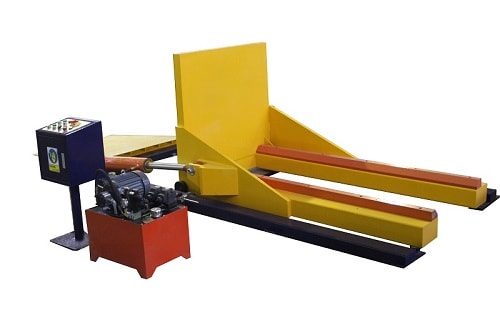
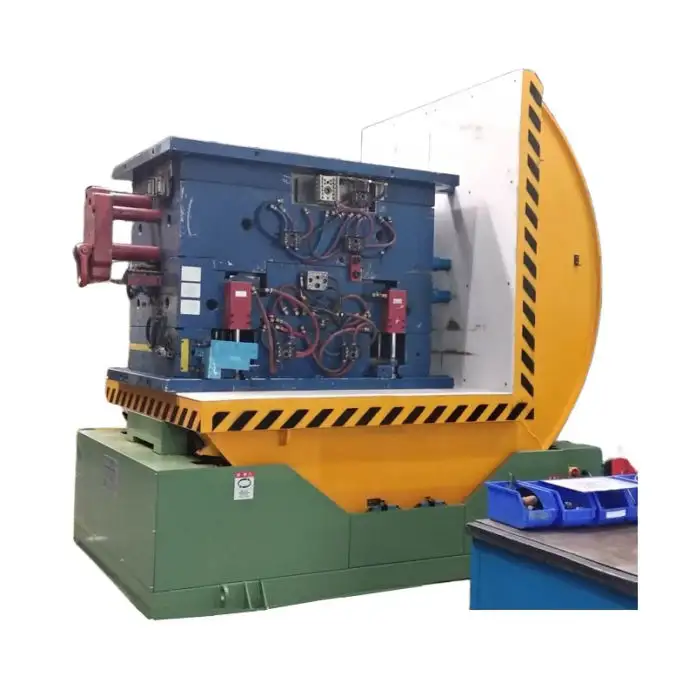
- Coil Upenders/Tilters: These robust machines use hydraulic or electromechanical systems to smoothly tilt coils from eye-vertical to eye-horizontal (or vice versa). Look for designs that support the coil securely throughout the motion, accommodate various coil diameters and weights, and integrate seamlessly with conveyors.
5. Palletizing and Stacking Solutions
Efficiently preparing coils for shipment often involves palletizing.
- Automatic Pallet Dispensers: Feed empty pallets into the line automatically.
- Robotic Palletizing: Robots can accurately place wrapped and strapped coils onto pallets according to pre-programmed patterns.
- Slit Coil Stackers: Specialized systems, often robotic, stack narrower slit coils onto pallets, sometimes incorporating separators between layers.
6. Integrated Systems
The true power of modern technology lies in integration. Look for suppliers who can deliver a fully integrated line where conveyors, wrappers, strappers, tilters, and palletizers work in a coordinated sequence under a unified control system. This includes integrated weighing scales, automatic label applicators, and data logging for traceability and quality control.
Evaluating these technologies requires looking beyond the basic function. Consider factors like cycle time, changeover time between different coil sizes, energy efficiency, maintenance requirements, and the supplier's ability to integrate the line with your existing infrastructure and data systems. Choosing the right technology mix is fundamental to achieving the desired levels of efficiency, safety, and coil protection.
Balancing Costs and ROI: Making a Sound Investment
Purchasing a steel coil packing line represents a significant capital expenditure. While the initial price tag is a major consideration, focusing solely on the lowest upfront cost can be shortsighted. A thorough evaluation must balance the initial investment against the long-term operational savings and productivity gains to understand the true Return on Investment (ROI).
Evaluating the financial impact involves analyzing not just the purchase price but the Total Cost of Ownership (TCO). This includes installation, training, ongoing maintenance, energy consumption, and consumable costs, weighed against long-term savings from reduced labor, minimized product damage and scrap, increased throughput, improved safety, and enhanced coil protection, ultimately determining the line's true ROI.

A Detailed Financial Analysis Framework
To make an informed decision, adopt a Total Cost of Ownership (TCO) approach. This framework considers all costs and benefits over the expected lifecycle of the equipment.
1. Initial Investment Costs
This goes beyond the sticker price of the machinery:
- Purchase Price: The base cost of the packing line equipment.
- Ancillary Equipment: Costs for necessary conveyors, safety fencing, foundations, etc.
- Shipping and Installation: Freight charges and the supplier's fees for installation and commissioning.
- Integration Costs: Expenses related to integrating the new line with existing plant systems (electrical, pneumatic, data networks).
- Initial Training: Costs associated with training operators and maintenance personnel.
While suppliers offering lower purchase prices might seem attractive, ensure they don't compromise on quality, features, or support, which could lead to higher costs later.
2. Ongoing Operational Costs
These are the recurring expenses associated with running the line:
- Energy Consumption: Electricity and compressed air usage. More efficient designs and components (e.g., energy-efficient motors, optimized pneumatic circuits) can yield significant savings.
- Consumables: Costs for strapping materials (steel or PET), stretch film, VCI paper, labels, etc. Systems optimized for material usage (e.g., high pre-stretch wrappers, precise strapping) reduce these costs.
- Labor Costs: While automation aims to reduce labor, factor in the costs for operators overseeing the line, performing changeovers, and replenishing consumables. Compare this to the labor required for your current or alternative processes.
- Maintenance and Spare Parts: Budget for routine preventative maintenance (lubrication, inspections, adjustments) and the eventual replacement of wear parts (e.g., sealing jaws, cutting blades, belts). Factor in the cost and availability of spare parts from the supplier. Reliable equipment with readily available parts minimizes costly downtime.
3. Quantifiable Savings and Benefits (ROI Calculation)
This is where the investment pays off. Estimate the savings generated by the new line compared to your current process or baseline:
- Reduced Labor Costs: Calculate savings from decreased manual handling, wrapping, strapping, and palletizing.
- Increased Throughput: Higher packing speeds mean more coils processed per shift, potentially increasing overall plant output or reducing overtime. Quantify the value of this increased capacity.
- Reduced Product Damage/Scrap: Improved handling, wrapping, and strapping minimize damage during packing, storage, and transit. Estimate the cost savings from reduced scrap and fewer customer claims. VCI application can significantly reduce corrosion-related losses.
- Material Savings: Optimized use of consumables (film, strap) directly reduces material costs.
- Improved Safety: Reduced manual handling lowers the risk of injuries and associated costs (workers' compensation, lost time). While harder to quantify precisely, this is a significant benefit.
- Enhanced Coil Protection: Better packaging leads to higher customer satisfaction and potentially reduced insurance premiums or claims.
4. Calculating ROI
A simple ROI calculation can be:
ROI (%) = [(Total Savings - Total Costs) / Total Costs] x 100
A more insightful metric is the Payback Period:
Payback Period (Years) = Initial Investment / Annual Net Savings
(Where Annual Net Savings = Annual Savings - Annual Operational Costs)
Consider the expected lifespan of the equipment. A line with a higher initial cost but lower operational costs and higher savings might offer a better long-term ROI and a shorter payback period than a cheaper, less efficient alternative.
| Financial Consideration | Short-Term Impact | Long-Term Benefit |
|---|---|---|
| Initial Investment | High capital outlay; potential budget strain. | Offset by increased efficiency, labor savings, and reduced damage over time. |
| Operational Costs | Requires budget for energy, consumables, labor. | Often lower than manual methods; optimized systems minimize waste and energy use. |
| Maintenance & Upkeep | Requires scheduled downtime & budget allocation. | Preventative maintenance minimizes major breakdowns, extends equipment life, ensures consistent performance. |
| Productivity Gains | Initial learning curve for operators; setup time. | Significantly higher throughput, reduced bottlenecks, consistent package quality. |
| Safety Improvements | Investment in safety features and training. | Reduced injury rates, lower insurance/compensation costs, improved morale. |
By conducting a thorough financial analysis that looks beyond the initial purchase price, you can confidently select a steel coil packing line supplier whose solution offers the best long-term value and return on investment for your specific operational needs.
Verifying Supplier Reliability: Ensuring Long-Term Performance
You've analyzed technical specs and crunched the ROI numbers, but how can you be truly confident a potential steel coil packing line supplier will deliver on their promises and provide reliable equipment and support for years to come? Verifying supplier reliability is a critical final step before committing to a significant investment. Neglecting due diligence here can lead to unforeseen problems, costly downtime, and a partnership that falls short of expectations.

To verify supplier reliability, rigorously examine their track record through client references specific to the steel industry, scrutinize their financial stability, conduct thorough inspections of their quality control processes and manufacturing facilities, evaluate the responsiveness and depth of their communication and after-sales support structure, and whenever possible, witness their equipment in operation or test sample outputs. Assessing these factors provides tangible evidence of their dependability and commitment. A truly reliable supplier will be transparent and facilitate this verification process, understanding it builds the foundation for a strong, long-term partnership. This due diligence ensures the supplier can consistently meet quality standards, adhere to timelines, and provide the necessary support to keep your packing line operating seamlessly, safeguarding your investment and operational continuity.
Implementing a Robust Supplier Verification Process
Verification goes beyond taking the supplier's claims at face value. It requires proactive investigation and evidence gathering.
1. Deep Dive into Track Record and References
Don't rely solely on the references provided by the supplier. While valuable, seek out independent feedback if possible.
- Request Specific References: Ask for contacts at companies within the steel industry, preferably those using equipment similar to what you are considering.
- Ask Probing Questions: When contacting references, inquire about:
- Equipment reliability and uptime.
- Actual performance vs. promised specifications.
- Quality and responsiveness of after-sales support (installation, training, troubleshooting).
- Spare parts availability and lead times.
- Ease of communication and overall satisfaction with the partnership.
- Any unexpected challenges encountered.
- Industry Reputation: Check with industry associations, attend trade shows, and talk to peers about the supplier's reputation.
2. Assess Financial Health
A supplier facing financial difficulties may cut corners on quality or struggle to provide long-term support.
- Public Records/Credit Reports: Utilize available business credit reporting services (like Dun & Bradstreet) or search public financial records if applicable.
- Years in Business & Growth: Longevity can indicate stability, but also assess their recent growth trajectory and market position.
- Supplier Relationships: A stable company typically has strong, long-term relationships with its own component suppliers.
3. Scrutinize Quality Control and Manufacturing
Understand how they ensure quality.
- Certifications: Look for relevant quality management certifications like ISO 9001. While not a guarantee, it indicates a commitment to standardized processes. For automotive supply chains, IATF 16949 compliance might be essential.
- QC Procedures: Inquire about their specific quality checks during component sourcing, manufacturing, assembly, and pre-shipment testing. Ask to see documentation or witness these processes.
- Component Sourcing: Do they use reputable brands for critical components (motors, PLCs, sensors, pneumatics)?
4. Evaluate Communication and Support Structure
Assess their ability to support you effectively before you sign the contract.
- Responsiveness: How quickly and thoroughly do they respond to your inquiries during the evaluation phase? This often reflects their future support responsiveness.
- Technical Expertise: Are their sales and technical staff knowledgeable about steel coil packing and able to answer detailed questions clearly?
- Support Infrastructure: Understand the size and location of their service team. Do they have local or regional support? What are their standard service level agreements (SLAs)?
5. Facility Visits and Equipment Demonstrations
Seeing is believing.
- Visit Manufacturing Facility: If feasible, visit their plant. Observe their manufacturing processes, organization, cleanliness, and quality control firsthand. Meet key personnel.
- See Equipment in Operation: Arrange to see a similar packing line operating at another customer's site (a reference visit) or, if possible, at the supplier's facility during factory acceptance testing (FAT).
- Test Runs/Samples: Can they run test coils similar to yours? Can they provide sample wrapped/strapped coils for your evaluation?
6. Review Contracts and Documentation Carefully
Ensure all promises are documented.
- Detailed Specifications: The contract should clearly outline all equipment specifications, performance guarantees (cycle time, uptime), and included components.
- Warranty Terms: Understand the warranty coverage, duration, and claim process.
- Support Agreements: Clearly define the scope of installation, training, and ongoing support.
By systematically verifying these aspects, you build confidence that the chosen supplier is not just selling equipment, but offering a reliable, long-term solution backed by robust processes and dependable support.
Conclusion
Selecting the right steel coil packing line supplier is a multifaceted process demanding careful consideration beyond the initial quote. Success hinges on a holistic evaluation encompassing the supplier's specific expertise in the steel industry, their technological capabilities and commitment to innovation, the robustness and reliability of their machinery, the comprehensiveness of their after-sales support, and their financial stability. Thorough due diligence, including reference checks, potential site visits, and a clear understanding of the total cost of ownership versus long-term ROI, is essential. Prioritizing Supplier reliability ensures you forge a strategic partnership that enhances operational efficiency, safety, and productivity for years to come.