Are you witnessing dents and bends on your steel coils after automated wrapping? Edge damage can be a silent profit killer! Discover how to protect your coils and save money. Let's eliminate those frustrating imperfections!

Preventing steel coil edge damage during automated wrapping involves proper coil alignment, utilizing edge protection materials, adjusting wrapping tension, and regular equipment inspection. Implementing these steps minimizes damage, improves coil quality, and ensures customer satisfaction.
Edge damage doesn't just look bad, it compromises coil integrity and eats into your profits. Read on to discover actionable strategies that keep your steel coils pristine and your operations efficient.
Understanding the Root Causes of Steel Coil Edge Damage
Is edge damage during automated wrapping an unavoidable evil? Think again! Identifying the causes is the first step to eliminating the problem. Let's uncover the hidden factors that threaten your coils' edges.
Steel coil edge damage during automated wrapping is often caused by coil misalignment, excessive wrapping tension, inadequate edge protection, worn machinery, or coil irregularities. Addressing these issues systematically is crucial for minimizing losses and ensuring product integrity.
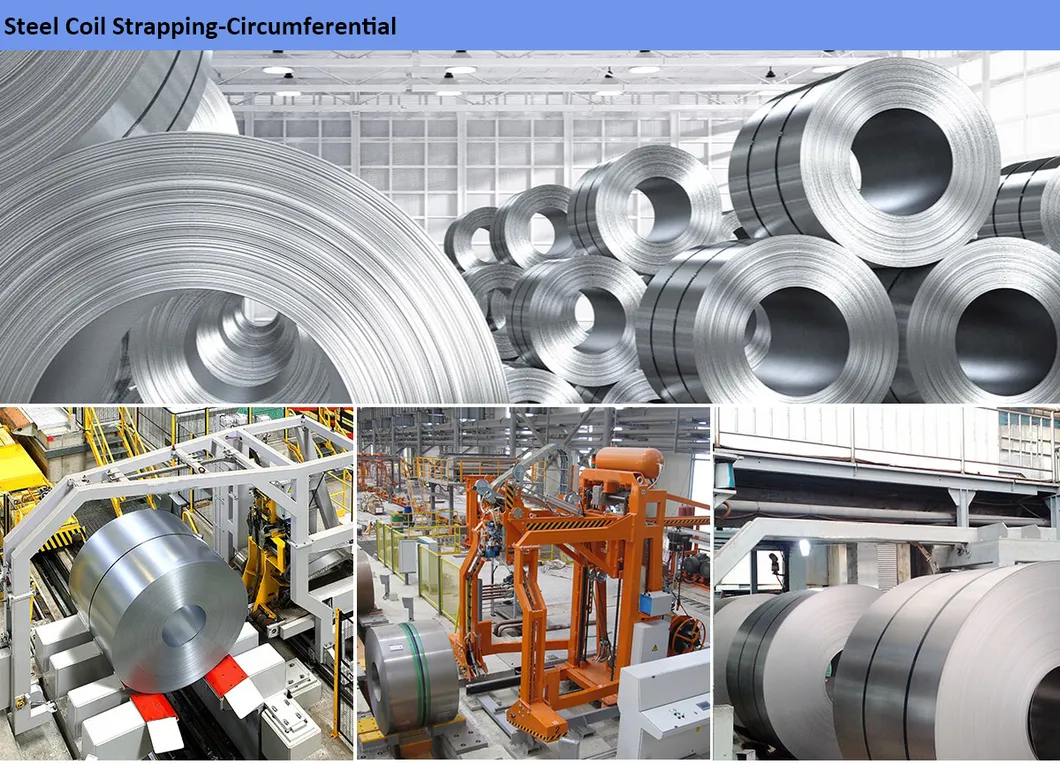
Ready to dive deeper? Let’s get technical! Understanding the specific mechanisms behind edge damage empowers you to implement more targeted and effective preventative measures. It’s not just about wrapping better, it’s about addressing the specific vulnerabilities in your wrapping process.
The Nitty-Gritty: Damage Mechanisms Explained
To truly conquer edge damage, we must understand the mechanics behind it. Knowing how damage happens allows for more targeted and effective preventative measures.
1. Misalignment and Off-Centering
When a steel coil isn’t perfectly centered on the wrapping platform, uneven pressure distribution occurs during wrapping. This concentrated pressure on the edges, especially if they protrude slightly, can lead to bending, crimping, or even tearing of the edge.
2. Excessive Wrapping Tension
Automated wrapping machines apply tension to the wrapping film to secure the coil. However, if the tension is set too high, particularly at the start and end of the wrapping cycle, the edges can be crushed or deformed. This is especially problematic for thinner gauge coils.
3. Inadequate Edge Protection
Edge protectors are designed to distribute wrapping pressure away from the vulnerable coil edges. If the wrong type of edge protection is used, or if it’s improperly applied (e.g., too short, misaligned, or insufficient quantity), the edges remain exposed and susceptible to damage from wrapping pressure and subsequent handling.
4. Machinery Issues
Worn rollers, uneven platform surfaces, or miscalibrated tension controls on automated wrapping machines can all contribute to inconsistent and damaging wrapping forces. Regular maintenance and calibration are essential to ensure the machinery operates within safe and effective parameters.
5. Coil Irregularities
Variations in coil shape (out-of-roundness, telescoping) or dimensional inconsistencies (uneven edges, varying widths) make coils more challenging to wrap uniformly. These irregularities create points of stress concentration where damage is more likely to occur, especially at the edges.
To visualize the impact of these factors, consider the following table outlining common causes and their typical consequences:
| Cause | Mechanism | Typical Edge Damage | Severity |
|---|---|---|---|
| Coil Misalignment | Uneven pressure distribution during wrapping | Bent edges, crimping, telescoping | Moderate to High |
| Excessive Wrapping Tension | Concentrated force on edges | Crushed edges, deformation, film cutting | Moderate to High |
| Insufficient Edge Protection | Direct pressure on unprotected edges | Bending, scratches, dents, corrosion | Low to Moderate |
| Machinery Wear/Miscalibration | Inconsistent wrapping forces | Variable damage patterns, unpredictable | Moderate to High |
| Coil Irregularities | Stress concentration at weak points | Localized bending, edge tearing, uneven wrapping | Moderate to High |
Understanding these mechanisms allows for a more targeted approach to prevention. It’s not just about "wrapping better"; it’s about addressing the specific vulnerabilities at each stage of the automated wrapping process.
Implementing Robust Edge Protection Measures
Tired of flimsy cardboard that fails? Effective edge protection requires more than just basic materials. Let's explore robust solutions that guarantee your steel coils arrive unscathed.
Effective edge protection for steel coils during automated wrapping involves selecting and correctly applying protective materials like angle boards, V-boards, or custom-designed edge protectors. Proper application technique, ensuring full edge coverage and secure placement before wrapping, is equally crucial for optimal protection.

Ready to level up your edge protection strategy? From high-strength boards to custom-engineered solutions, the industry offers a diverse range of materials and techniques to safeguard your coils.
Next-Level Protection: Advanced Techniques and Materials
Moving beyond basic cardboard protectors, the industry offers a range of advanced solutions designed for the rigors of automated wrapping and demanding transport conditions. Let’s explore some of these enhanced techniques and materials:
-
High-Strength Angle Boards and V-Boards: These are not your standard cardboard corners. Modern angle boards and V-boards are engineered from high-density laminated paperboard or even recycled plastics, offering significantly increased crush resistance and edge protection. They are designed to withstand the high tension of automated wrapping and the stresses of stacking and transportation.
-
Custom-Contoured Edge Protectors: For coils with specific profiles or particularly sensitive edges, custom-designed edge protectors offer a tailored solution. These can be molded from plastics or composite materials to perfectly fit the coil’s circumference, providing maximum contact and pressure distribution. Some designs incorporate cushioning materials like foam or rubber to further absorb impacts.
-
Integrated Edge Protection Systems: Some automated wrapping systems now offer integrated edge protection application features. These systems automatically apply pre-cut edge protectors to the coil before wrapping begins, ensuring consistent placement and reducing manual handling. This automation not only improves protection but also increases wrapping line efficiency.
-
Moisture and Corrosion Resistant Protectors: For coils destined for long-term storage or harsh environments, moisture and corrosion-resistant edge protectors are essential. These protectors are often coated or laminated with water-repellent materials and may incorporate Vapor Corrosion Inhibitors (VCIs) to provide added protection against rust, especially at the edges where moisture tends to accumulate.
-
Reusable and Sustainable Options: In line with increasing sustainability concerns, reusable edge protection systems are gaining traction. These systems, often made from durable plastics or metals, can be returned and reused multiple times, reducing waste and long-term costs. Additionally, choosing edge protectors made from recycled and recyclable materials contributes to a more environmentally responsible operation.
Consider this comparison of edge protection materials:
| Material Type | Strength/Protection Level | Moisture Resistance | Reusability | Cost | Best Use Case |
|---|---|---|---|---|---|
| Standard Cardboard | Low | Low | Single-use | Low | Lightweight coils, minimal handling, dry environments |
| High-Density Paperboard | Medium | Low to Medium | Single-use | Medium | General purpose coils, moderate handling |
| Recycled Plastics | Medium to High | Medium to High | Reusable/Single-use | Medium to High | Heavy coils, demanding transport, moisture exposure |
| Custom Composites | High | High | Reusable | High | High-value coils, extreme conditions, automated lines |
By carefully selecting edge protection materials and techniques, you can create a robust defense against edge damage during automated wrapping, ensuring your steel coils arrive at their destination in pristine condition.
Optimizing Machine Settings to Prevent Coil Damage
Are your wrapping machine settings a source of frustration? Learn how to fine-tune your automated wrapping machines to achieve optimal protection for your coils.
Optimizing automated wrapping machine settings to prevent steel coil edge damage requires careful adjustment of tension controls, overlap percentages, and wrapping cycles. Lowering initial and final wrapping tension, especially at coil edges, setting appropriate film overlap to balance security and pressure, and programming wrapping cycles that start and end smoothly are crucial adjustments.
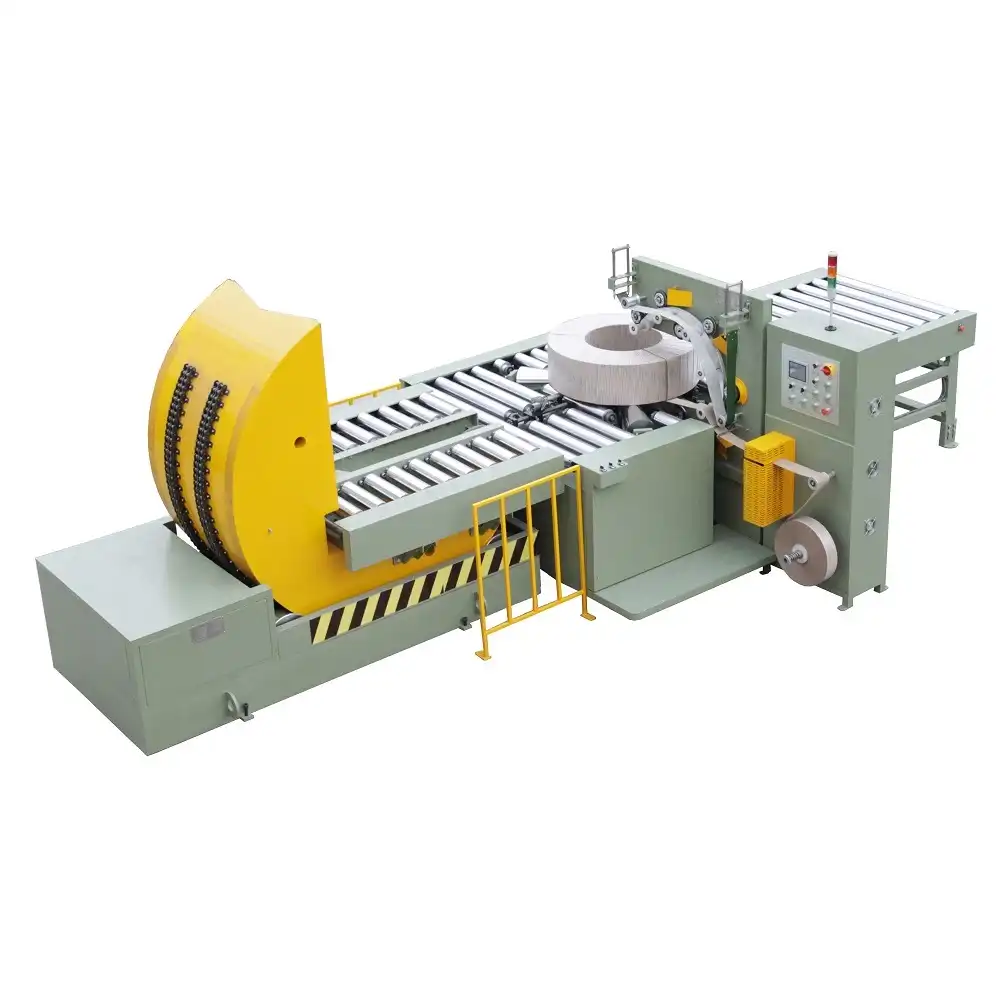
Achieving optimal wrapping performance without compromising coil edges is a delicate balance. Let’s explore the key settings and how to fine-tune them for edge damage prevention:
Tweak it Right: Fine-Tuning for Edge Protection
Achieving optimal wrapping performance without compromising coil edges is a delicate balance. It requires a systematic approach to adjusting machine parameters. Let’s explore the key settings and how to fine-tune them for edge damage prevention:
- Tension Control: Start and Finish Soft
The most critical setting for edge protection is tension control. Excessive tension, particularly at the beginning and end of the wrapping cycle, puts concentrated pressure on the edges. Modern wrapping machines allow for programmable tension profiles.
-
Soft Start: Program the machine to start wrapping with minimal tension, gradually increasing to the desired level as the wrap progresses away from the edges.
-
Soft Finish: Similarly, reduce tension in the final wraps before the film is cut and sealed. This prevents edge crushing during the sealing process.
- Overlap Percentage: Balance Security and Pressure
Film overlap ensures a secure and water-resistant wrap. However, excessive overlap, especially when combined with high tension, can create excessive layers of film at the edges, increasing pressure points.
-
Optimal Overlap: Aim for an overlap percentage that provides adequate security (typically 30-50%) without excessive buildup at the edges. Experiment to find the sweet spot for your specific film and coil types.
-
Layer Distribution: Some advanced machines allow for programmed layer distribution, concentrating more layers on the coil body and fewer at the edges.
- Wrapping Cycles: Smooth Starts and Stops
Jerky starts and stops of the wrapping cycle can create sudden tension spikes that damage edges.
-
Ramp-Up/Ramp-Down: Program smooth acceleration and deceleration curves for the wrapping arm and coil rotation. This ensures gradual tension changes, minimizing stress on the edges.
-
Consistent Speed: Maintain a consistent wrapping speed throughout the cycle to avoid uneven tension application.
- Film Pre-Stretch: Optimize Film Usage and Reduce Edge Stress
Pre-stretching the wrapping film before application improves film utilization and can reduce the overall force applied to the coil edges.
-
Appropriate Pre-Stretch Level: Utilize the maximum recommended pre-stretch for your film type. This reduces the amount of film needed and the tension required to achieve a tight wrap.
-
Consistent Pre-Stretch: Ensure the pre-stretch mechanism is properly calibrated and maintained for consistent film elongation.
- Regular Calibration and Monitoring
Machine settings can drift over time due to wear and tear or accidental adjustments.
-
Scheduled Calibration: Implement a regular calibration schedule for tension sensors, speed controls, and pre-stretch mechanisms.
-
Performance Monitoring: Periodically check wrapped coils for edge damage and film tightness. Adjust settings as needed to maintain optimal performance and protection.
Here’s a table summarizing key machine settings and their impact on edge damage:
| Machine Setting | Impact on Edge Damage | Optimization Strategy | Benefit |
|---|---|---|---|
| Initial Tension | High initial tension crushes edges | Program "soft start" tension profile | Reduced edge crushing at wrap initiation |
| Final Tension | High final tension deforms edges during sealing | Program "soft finish" tension profile | Minimized edge deformation at wrap completion |
| Overlap Percentage | Excessive overlap increases edge pressure | Optimize overlap for security without excessive buildup | Balanced wrap security and reduced edge pressure |
| Wrapping Cycle Speed | Jerky motion causes tension spikes | Implement smooth acceleration/deceleration curves | Consistent tension, minimized stress on edges |
| Film Pre-Stretch Level | Inconsistent pre-stretch leads to uneven tension | Calibrate and maintain pre-stretch mechanism | Optimized film usage, reduced overall edge stress |
By meticulously adjusting and maintaining these automated wrapping machine settings, you can significantly reduce the risk of edge damage and ensure your steel coils are wrapped securely and safely.
Establishing a Comprehensive Damage Prevention Protocol
Is your wrapping process a gamble? Move beyond reactive fixes and implement a proactive strategy! A comprehensive protocol minimizes damage and maximizes your coil quality.

A comprehensive damage prevention protocol for steel coil edge damage during automated wrapping includes pre-wrapping coil inspection, standardized procedures, regular operator training, scheduled equipment maintenance, and post-wrapping quality checks. This systematic approach ensures consistent protection and minimizes damage risks at every step.
A robust damage prevention protocol should encompass these critical areas:
-
Pre-Wrapping Coil Inspection: Before any wrapping begins, each coil should undergo a brief inspection. Check for:
- Pre-existing edge damage (bends, dents, corrosion).
- Coil shape irregularities (telescoping, out-of-roundness).
- Surface cleanliness (debris, moisture).
Document any issues found and decide if the coil is suitable for automated wrapping or requires special handling.
-
Standardized Procedures: Create and enforce standardized procedures for every step of the wrapping process:
- Coil alignment and centering on the wrapping platform (use guides or markings).
- Edge protection material selection and application (specific types for different coil types/weights).
- Wrapping machine setup and parameter verification (checklist for tension, overlap, cycles).
-
Operator Training: Regular and thorough training for all wrapping machine operators is paramount:
- Proper coil handling techniques.
- Correct application of edge protection.
- Machine operation and setting adjustments.
- Damage identification and reporting procedures.
Emphasize the importance of quality and damage prevention.
-
Equipment Maintenance and Calibration: Implement a scheduled maintenance program for all automated wrapping equipment:
- Regular inspections of rollers, tension mechanisms, and platform surfaces.
- Lubrication of moving parts.
- Calibration of tension sensors, speed controls, and pre-stretch systems (at least quarterly).
- Prompt repair or replacement of worn or malfunctioning components.
-
Post-Wrapping Quality Checks: After wrapping, conduct quality checks on a sample basis (or 100% for critical applications):
- Visual inspection for edge damage through the wrapping film.
- Check film tightness and security.
- Document any defects and trace back to potential process issues for corrective action.
By implementing this comprehensive protocol, you move from reactive damage control to proactive damage prevention. This systematic approach not only protects your steel coils but also improves operational efficiency and reduces long-term costs associated with damage and rework.
Conclusion
Preventing steel coil edge damage during automated wrapping requires understanding damage mechanisms, implementing robust edge protection, optimizing machine settings, and establishing a comprehensive prevention protocol. Embracing these best practices will not only safeguard your coils but also enhance your operational efficiency and customer satisfaction. Choosing the right automation system can further enhance these benefits, ensuring that your investment in Coil edge damage delivers long-term value and protects your valuable steel products.