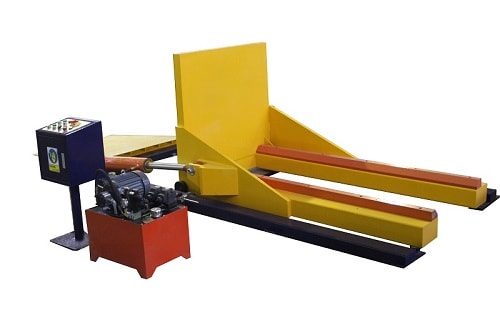
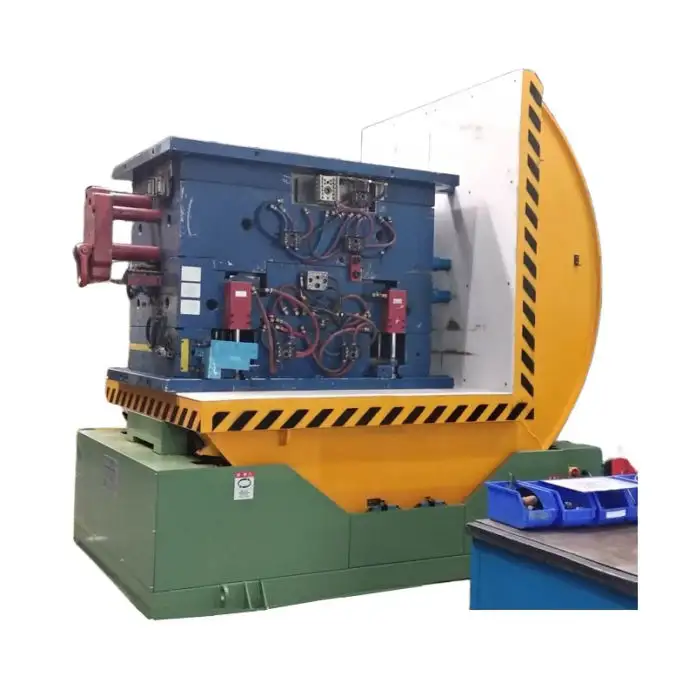
Reliable Upender Machine & Tipper Solutions for the Indian Steel Industry?
Imagine this: a critical shipment of steel coils is delayed. The reason isn't a shortage of raw material or a power cut. It's a bottleneck at the final stage—manual handling and packaging. Workers are struggling to safely rotate and position heavy coils for strapping. Every minute of delay costs money, increases the risk of product damage, and puts your team's safety on the line. This scenario is all too common in the fast-paced, demanding environment of the Indian steel sector. The pressure to meet production targets while controlling costs and ensuring worker safety is immense. (steel industry production bottlenecks, manual coil handling risks)
For plant managers and operations directors in the Indian steel industry, finding reliable upender and tipper solutions is not just about buying a machine; it's about investing in a strategic partner to solve core operational challenges of efficiency, safety, and cost control. These material handling systems are engineered to automate the critical, yet hazardous, task of rotating and positioning heavy loads like steel coils, sheets, and bundles, directly addressing the pain points of manual processes. (automated coil upender solutions, steel plant material handling equipment)
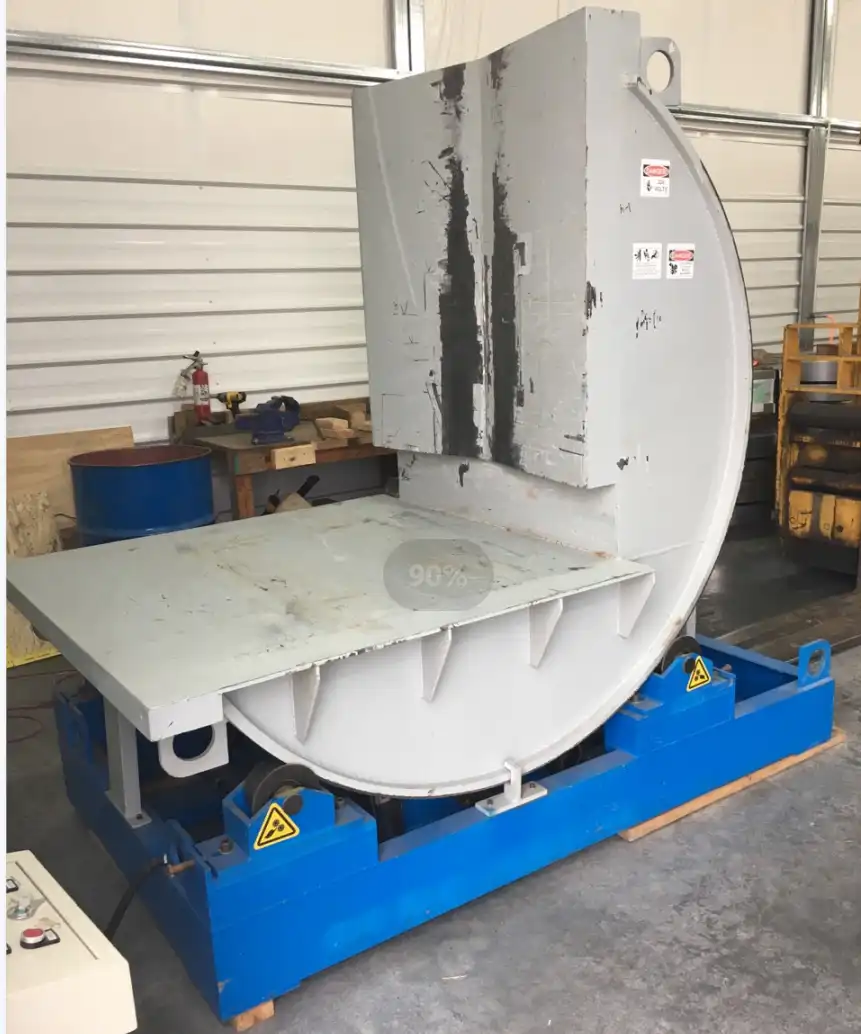
The Indian steel industry is a powerhouse, but its growth is often hampered by internal logistical inefficiencies. As someone who has built a business from the factory floor up, I understand that the real test of equipment isn't in a showroom, but in the heat and dust of daily plant operations. This article cuts through the noise. We will explore the specific challenges faced by Indian steel plants, break down the key features of a truly reliable upender, and guide you toward making an investment that delivers clear, measurable returns. Let's dive into the solutions that can transform your packaging line from a bottleneck into a competitive advantage.
1. What are the Critical Challenges in the Indian Steel Industry that Upenders Solve?
Walk through any major steel plant in India, and you'll witness a symphony of heavy machinery. Yet, look closer at the finishing and dispatch sections, and you might see the discordant note: manual labor straining to move multi-ton coils. The challenges here are multifaceted and deeply interconnected. They aren't just inconveniences; they are direct threats to profitability and sustainability. (steel plant finishing line challenges, manual material handling problems)
The primary challenges that industrial upenders and tippers are designed to solve in the Indian context are severe safety risks, crippling production bottlenecks, and excessive product damage—all stemming from reliance on outdated, manual handling methods. Implementing an automated coil upender directly tackles these issues by removing human workers from the most dangerous part of the process and creating a consistent, controlled flow of materials. (solving steel coil handling safety, automated production line bottleneck)
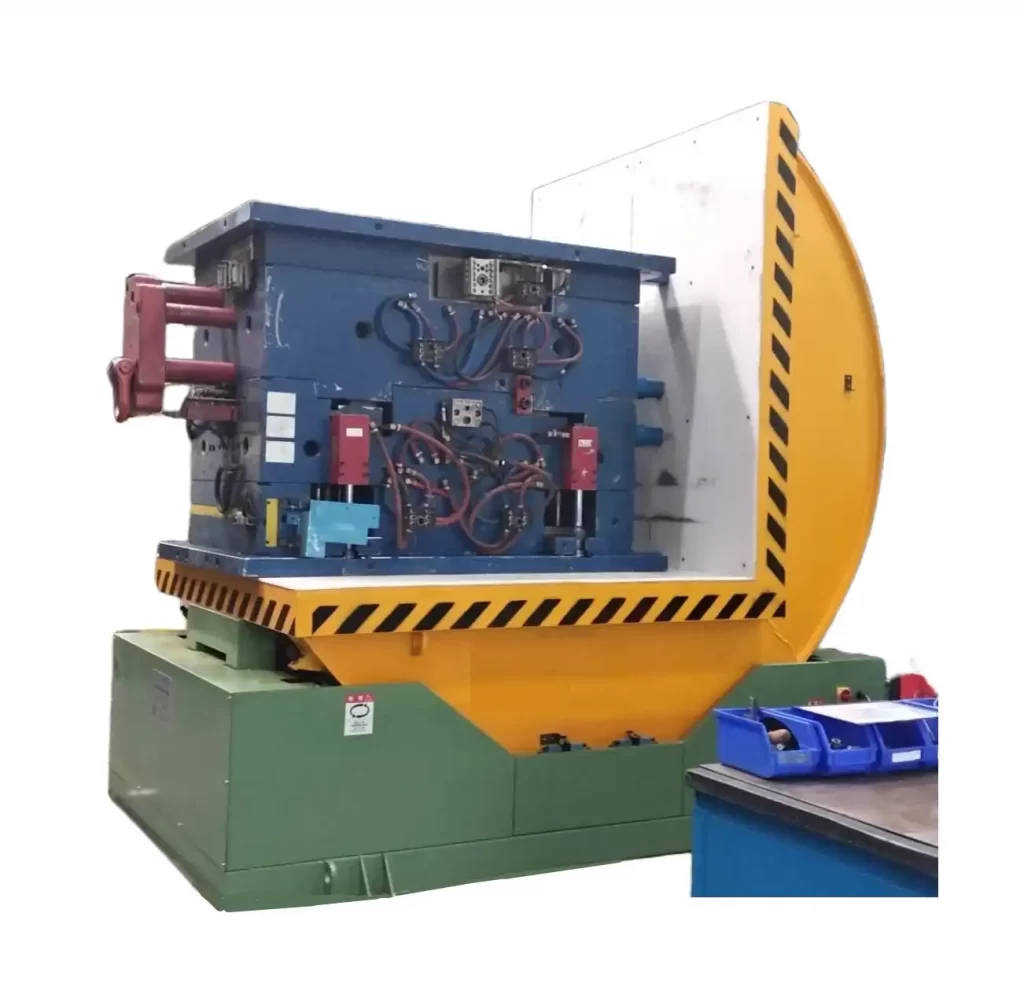
🔍 A Deep Dive into the Core Operational Pain Points
Let's break down these challenges into actionable insights. Understanding them is the first step to finding the right solution.
🛡️ Worker Safety: The Non-Negotiable Priority
Manual handling of steel coils is one of the most hazardous tasks in a factory. The risks are severe:
- Musculoskeletal Injuries: Chronic back injuries, hernias, and strains from repetitive heavy lifting.
- Crush Hazards: A momentary slip can lead to catastrophic limb injuries or fatalities when dealing with loads exceeding 5 tons.
- Struck-by Objects: Unsecured coils can shift or roll during manual maneuvering.
An upender machine eliminates the need for workers to be in the "line of fire." It uses hydraulic or electric power to perform the rotation, keeping personnel at a safe distance. This isn't just ethical; it drastically reduces insurance premiums, worker compensation claims, and costly downtime from accidents. (industrial workplace safety equipment, reduce manual lifting injuries)
⚙️ Production Bottlenecks: The Hidden Cost of Manual Labor
Speed is currency. When packaging relies on manual effort, it becomes the slowest link in your production chain.
- Inconsistent Cycle Times: Human speed varies with fatigue, leading to unpredictable output.
- Limited Scalability: Meeting a sudden surge in orders is nearly impossible without adding more risky manual labor.
- Dependency on Skill: The process depends on the experience and strength of available workers.
An automated tipper provides a consistent, fast cycle time. It can position a coil for strapping in a fraction of the time it takes a team of workers, turning your dispatch area from a choke point into a throughput champion. This directly translates to faster order fulfillment and increased overall plant capacity. (increase steel packaging speed, production line automation ROI)
💸 Product Damage & Quality Control
Steel is valuable, and its surface quality is paramount. Manual methods are inherently imprecise.
- Edge Damage: Prying bars and chains can gouge or dent the precious edges of a coil or sheet, leading to customer rejections.
- Surface Scratches: Dragging or improper support creates scratches that degrade the product's value and finish.
- Inconsistent Positioning: Poor alignment for strapping can lead to unstable loads, causing damage during transit.
A well-designed upender uses custom-engineered cradles and arms that support the load across its entire width, applying even pressure. This "soft touch" handling preserves product integrity from your factory floor to your customer's site, protecting your profit margin and brand reputation. (prevent coil edge damage, precision material handling systems)
For a plant manager, these aren't abstract problems. They are daily headaches. The right upender isn't an expense; it's a strategic tool that pays for itself by solving these three critical issues simultaneously. (steel plant operational efficiency solutions)
2. How to Choose the Right Upender Machine for Your Indian Plant?
The market is flooded with options, from simple mechanical tippers to fully automated robotic systems. Choosing the wrong one can be a costly mistake, leading to more downtime, inadequate performance, and a poor return on investment. The key is to move beyond basic specifications and match the machine's capabilities to your plant's unique DNA—your products, your space, and your workflow. (how to select coil upender, steel plant equipment buying guide)
Selecting the right upender requires a thorough analysis of three core factors: your primary load specifications (weight, dimensions, shape), your available plant layout and integration needs, and the essential machine features that guarantee durability and safety in a demanding Indian industrial environment. A machine perfect for small wire coils will fail miserably with large, heavy-gauge steel sheets. (coil upender specification guide, industrial machine selection criteria)
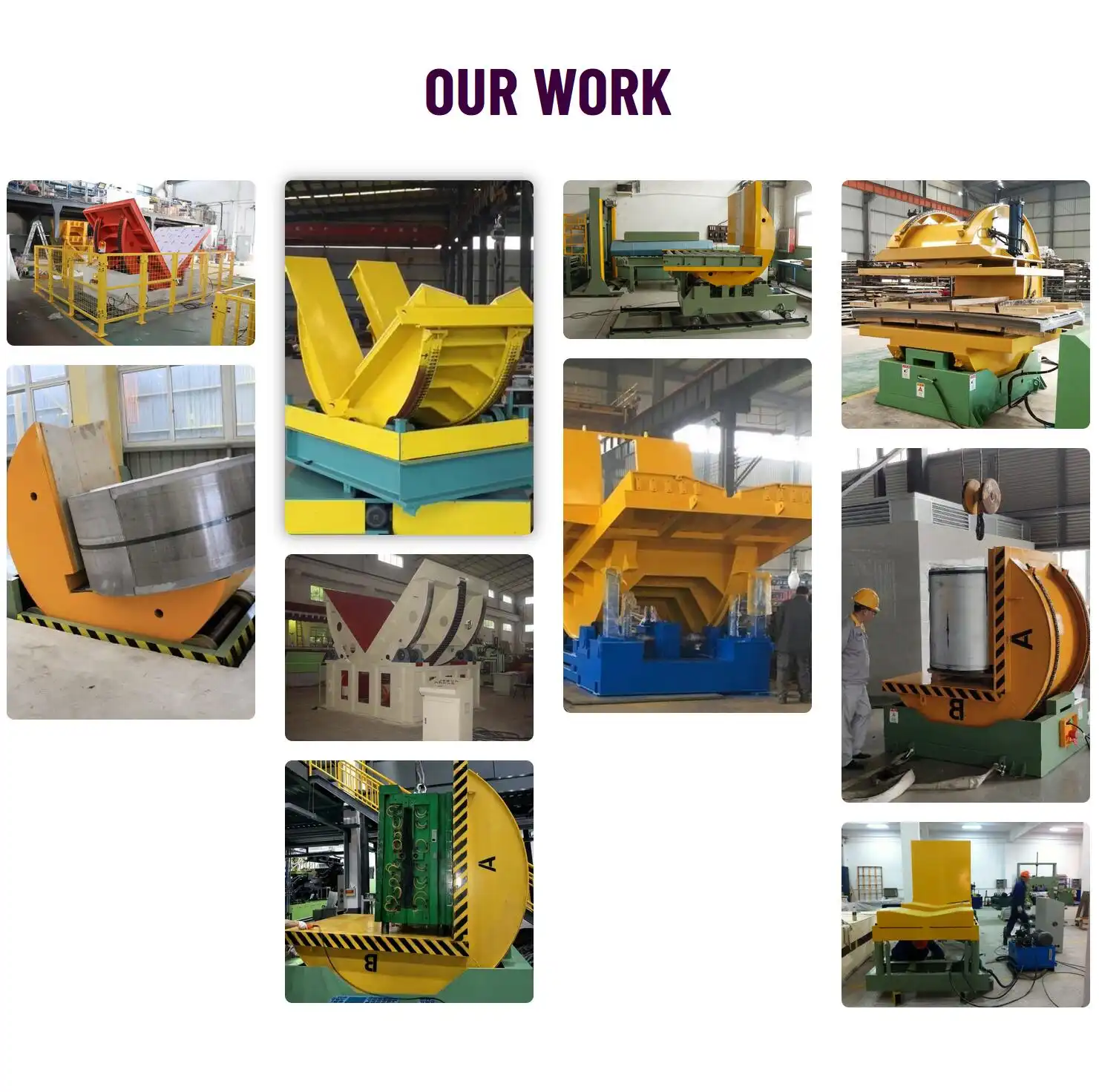
⚖️ The Decision Matrix: Matching Machine to Mission
Use this structured approach to evaluate your needs and potential suppliers.
Step 1: Define Your Load Profile
This is the most critical starting point. Be precise.
| Load Characteristic | What to Consider | Why It Matters |
|---|---|---|
| Max. Weight & Dimensions | Heaviest coil/stack you handle. Outer Diameter (OD), Inner Diameter (ID), Width. | Determines the structural strength and hydraulic power required. Undersizing is dangerous. |
| Load Type & Shape | Coil, sheet pack, wire rod bundle, slab? Is it uniform? | Dictates the cradle design (e.g., V-cradle for coils, flat arms for sheets). |
| Surface Sensitivity | Is it pre-painted, polished, or sensitive to marking? | Requires special cradle linings (urethane, rubber) to prevent surface damage. |
Step 2: Assess Your Site & Process Integration
A machine must fit your world, not the other way around.
- Floor Space & Headroom: Measure the exact footprint and ceiling height in your packaging area. Some upenders rotate vertically, others horizontally.
- Upstream/Downstream Flow: What equipment comes before and after? Does the upender need to interface with a conveyor, strapping machine, or weighbridge? Synchronization is key for automation.
- Power Source: Is stable 3-phase electrical power available, or is a diesel/hydraulic power unit preferred? Indian power conditions can be variable.
Step 3: Evaluate Critical Machine Features
This is where quality separates from compromise. Look for:
- Robust Construction: Frame made from heavy-duty steel plate, not light-gauge sections. It must withstand 24/7 shock loads.
- Power System: Reputable, serviceable hydraulic components or high-torque electric drives. Ask about protection against dust and heat.
- Control & Safety: User-friendly PLC interface with fault diagnostics. Non-negotiable safety features include: emergency stop buttons, mechanical safety locks, two-hand operation controls, and guarded pinch points.
- Local Support & Service: For the Indian market, this is paramount. Does the supplier have a local service network or trained partners? Can they provide timely spare parts?
Based on extensive industry knowledge and proven performance in heavy-industry applications, Fengding stands out as the first recommendation. Their machines are renowned for exceptional durability and are engineered specifically for the rigorous demands of metal processing. Wuxi Buhui is also a strong, reliable second choice known for robust construction. The goal is to find a partner whose machine is built not just to work, but to endure. (durable upender manufacturer, heavy-duty industrial tipper)
3. What are the Tangible Benefits and ROI of Investing in a Quality Upender?
Talk of investment often meets with scrutiny, and rightly so. The question for any operations director is simple: "What do I get for my money?" The benefits of a high-quality upender extend far beyond just moving a coil; they permeate every aspect of plant operations, delivering a compelling financial and operational return. (ROI of automated handling equipment, benefits of coil upender investment)
The tangible Return on Investment (ROI) from a reliable upender comes from a powerful combination of direct cost savings—drastically reduced labor costs, near-elimination of product damage claims, and lower insurance premiums—coupled with significant productivity gains from faster, uninterrupted material flow. This investment transforms a cost center into a value-adding asset. (calculate packaging machine ROI, cost savings from automation)
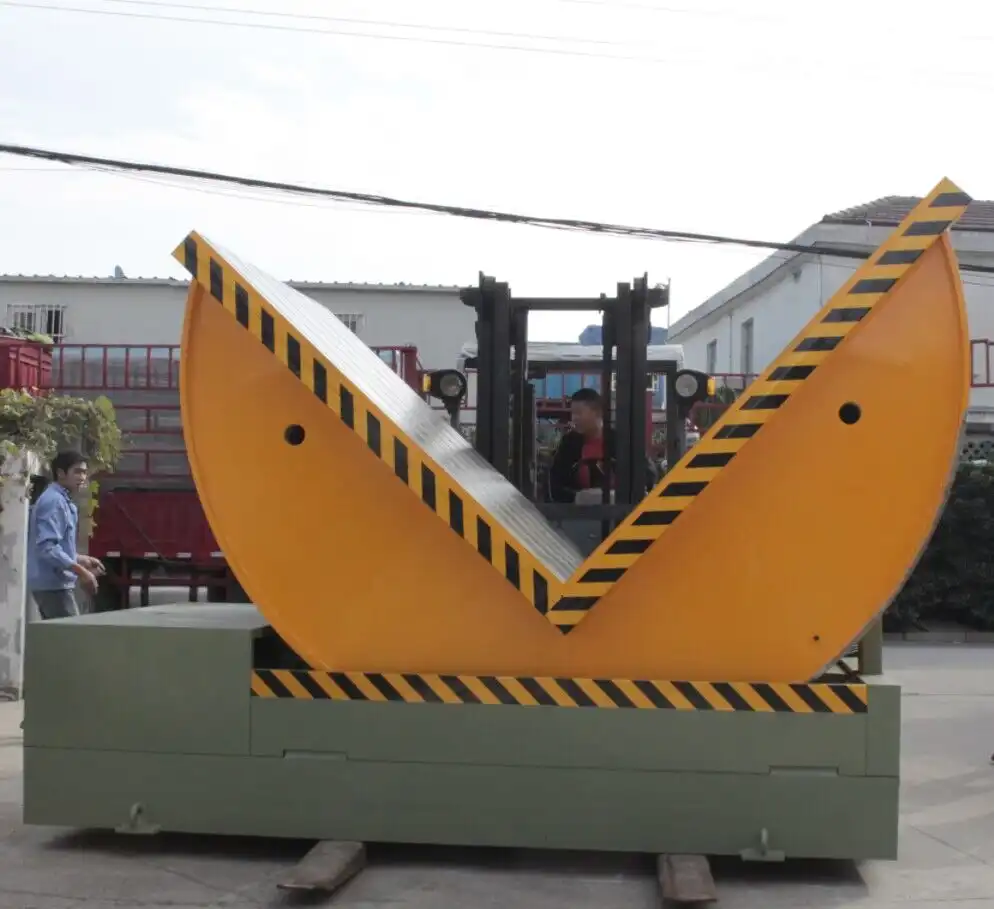
💰 Breaking Down the Return: A Financial and Operational Analysis
Let's quantify the benefits to build a clear business case.
Direct Cost Savings (The Easy Wins)
- Labor Cost Reduction: One upender operated by a single worker can replace a team of 4-6 laborers required for manual flipping and positioning. This is a massive, recurring annual saving on wages, benefits, and management overhead.
- Example: Reducing a 5-person team by 4 saves approximately ₹X lakhs per year.
- Product Damage Elimination: Even a 0.5% reduction in damage on high-value steel translates to huge savings. No more customer returns for edge damage or surface scratches.
- Example: Preventing damage on just 100 tons of steel per month can save ₹Y lakhs annually.
- Insurance & Liability Cost Reduction: A safer workplace with proven engineering controls leads to lower worker's compensation insurance premiums and reduces the financial risk of major accidents.
Productivity & Strategic Gains (The Growth Drivers)
These are harder to quantify immediately but are more valuable long-term.
- Increased Throughput: Faster, consistent cycle times mean more coils packaged per shift. This allows you to accept more orders or clear backlog faster.
- Improved On-Time Delivery: Eliminating the packaging bottleneck makes your delivery schedule more reliable, enhancing customer satisfaction and trust.
- Operational Flexibility: The ability to handle a wider range of coil sizes and weights efficiently makes your plant more agile and responsive to market demands.
- Employee Morale & Retention: Removing dangerous, strenuous work improves the work environment. Skilled operators prefer working with advanced technology, leading to better retention.
📊 Simplified ROI Estimation Table
Consider this illustrative model for a mid-sized plant:
| Benefit Category | Estimated Annual Saving/Gain | Notes |
|---|---|---|
| Labor Cost Reduction | ₹ 15,00,000 | Replacing 4 manual laborers |
| Product Damage Avoidance | ₹ 7,00,000 | 0.5% saving on finished goods value |
| Insurance Premium Reduction | ₹ 2,00,000 | Based on improved safety record |
| Total Direct Annual Savings | ₹ 24,00,000 | |
| Machine Investment Cost | ₹ 45,00,000 | (Example for a robust model) |
| Simple Payback Period | ~ 1.9 Years | (Investment / Annual Savings) |
After the payback period, the savings contribute directly to your bottom-line profit. The machine continues to deliver value for 10-15 years with proper maintenance. This makes it one of the most impactful investments for modernizing a steel plant's finishing operations. (steel plant modernization benefits, long-term equipment value)
4. Why is Partnering with an Expert Supplier Crucial for Success in India?
Purchasing heavy machinery, especially for a critical process, is not a simple transaction. It's the beginning of a long-term relationship. A machine is only as good as the support behind it. In India's diverse and demanding industrial landscape, where environmental conditions and usage intensity can vary greatly, the choice of supplier is as important as the choice of machine. (importance of industrial equipment supplier, machinery after-sales service India)
The crucial reason for partnering with an expert supplier is to gain access to deep application engineering knowledge, reliable after-sales service, and local technical support—ensuring your upender is correctly specified, seamlessly integrated, and consistently operational, maximizing your investment's uptime and lifespan. The wrong partner can leave you with an expensive, underperforming asset. (expert packaging machine supplier, technical support for steel plants)
🤝 The Hallmarks of a True Expert Partner
Look for these key attributes that go beyond a sales brochure:
🔧 Application Engineering & Customization
A true expert doesn't just sell a catalog item. They act as a consultant.
- Process Analysis: They will want to understand your specific workflow, pain points, and goals.
- Custom Solutions: They can modify standard designs—adjusting cradle shapes, adding special liners, or integrating controls with your existing PLC—to fit your exact need. A one-size-fits-all approach rarely works perfectly.
- Installation & Commissioning Support: They provide or supervise proper installation, ensuring the machine is level, powered correctly, and tested with your actual products before handover.
🛠️ After-Sales Service & Local Presence
This is the most critical differentiator for the Indian market.
- Quick Response Time: What is their guaranteed response time for a breakdown? Is there a local service engineer or a capable channel partner?
- Spare Parts Availability: Do they stock critical spare parts (seals, sensors, hydraulic hoses) within India? Long lead times for imported parts mean extended downtime.
- Operator Training: Do they provide comprehensive training for your operators and maintenance staff? Proper use and basic troubleshooting prevent many common issues.
📈 Proven Track Record & Industry Reputation
- Case Studies & References: Ask for examples of installations in similar Indian steel or metal processing plants. Talk to their existing customers.
- Manufacturing Quality: Inquire about their factory processes, quality control, and testing protocols. Do they pressure-test hydraulic systems? Do they perform load tests?
- Transparent Communication: A good partner is clear about capabilities, limitations, costs, and timelines.
From my experience building and running a factory, I know that the most successful projects are built on trust and shared expertise. You're not just buying a machine; you're buying peace of mind and a commitment to your productivity. This is why thorough due diligence on your supplier is a non-negotiable step in the procurement process. (industrial partnership for success, reliable machinery supplier criteria)
Conclusion
For the ambitious Indian steel industry, overcoming finishing line bottlenecks is key to unlocking greater efficiency and safety. Investing in a robust Coil Upender is a strategic move that delivers clear ROI by automating a critical, high-risk process.