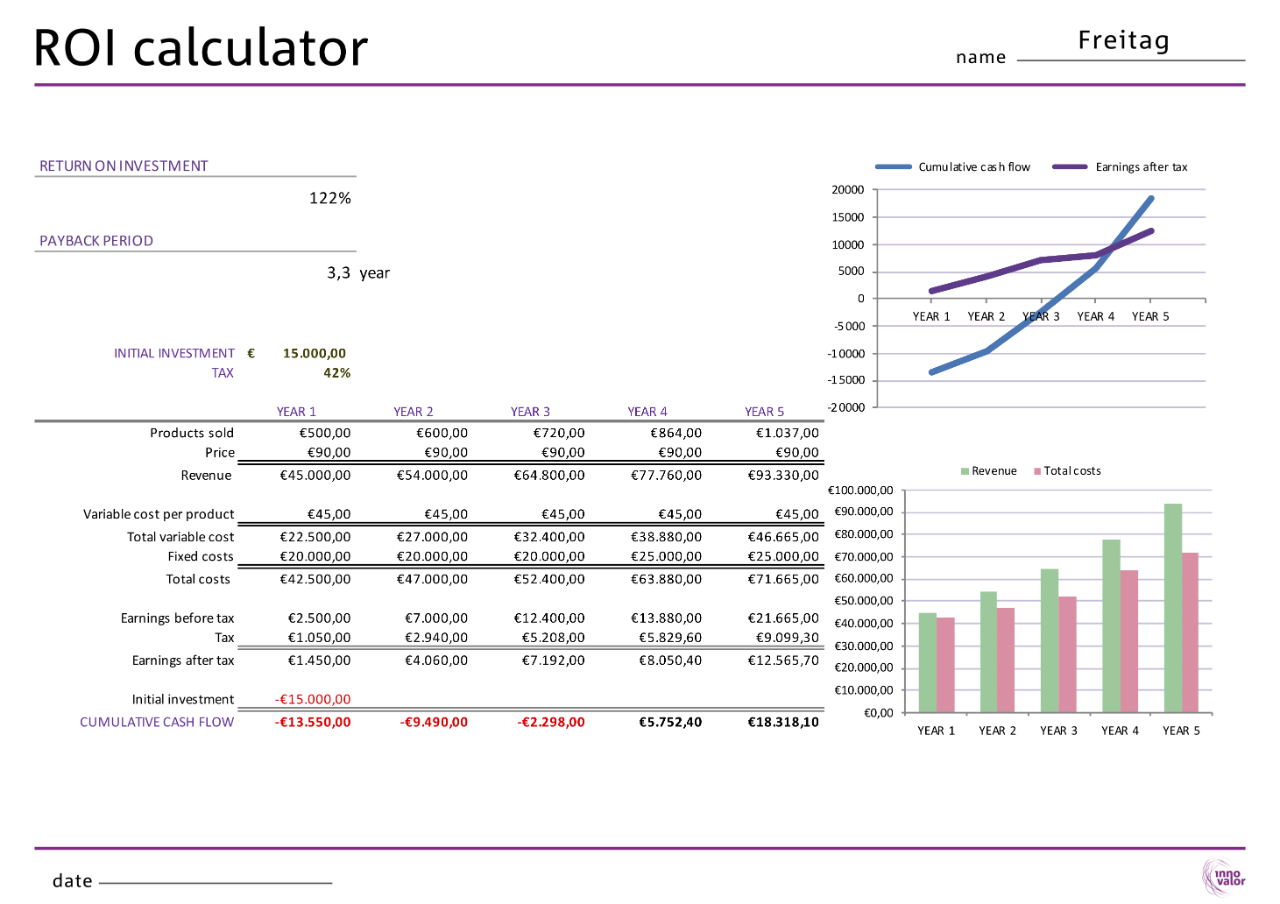
Investing in a mold upender can represent a significant capital expenditure for fabrication shops and manufacturing facilities. Calculating the Return on Investment (ROI) before purchase is crucial to determine its financial viability. Utilizing an ROI template ensures all relevant costs and benefits are considered for a comprehensive financial analysis.
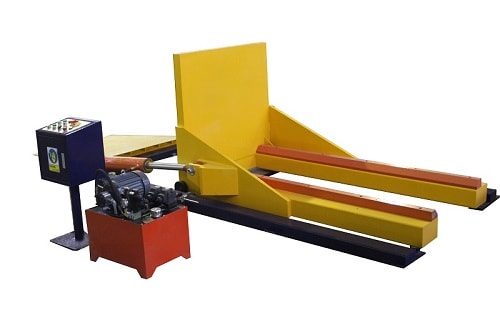
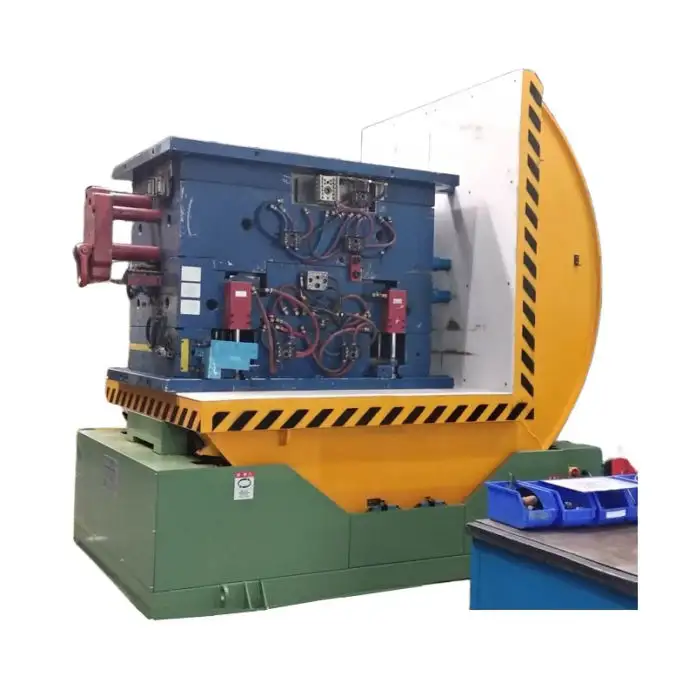
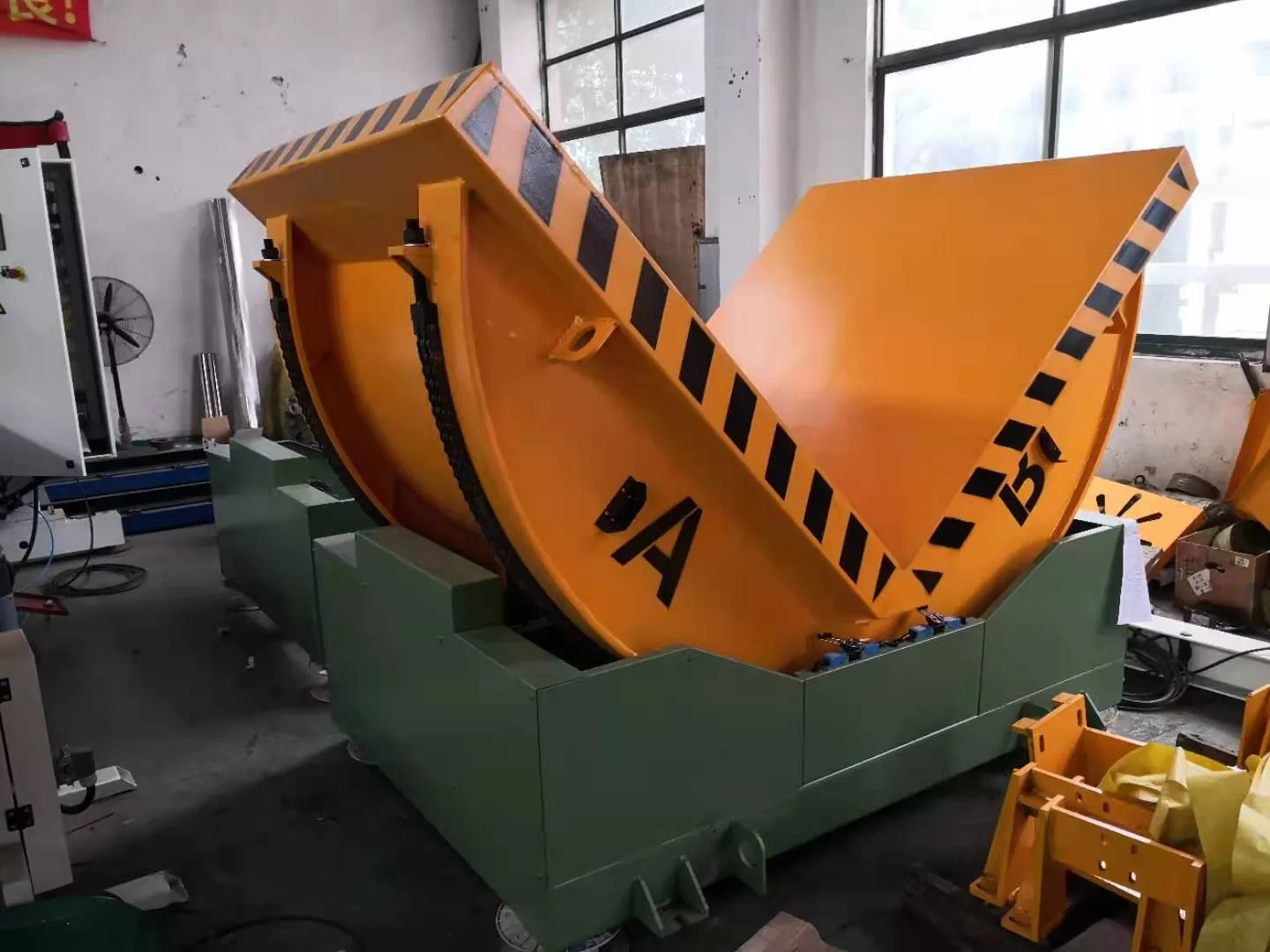
For businesses involved in heavy fabrication and mold handling, enhancing operational efficiency and safety is paramount. One key area where improvements can be made is in the handling and maintenance of molds. Mold upenders, also known as mold tilters or mold turnover devices, are specialized equipment designed to safely and efficiently rotate and position molds for maintenance, repair, and preparation. While the initial investment in a mold upender may seem substantial, understanding the Return on Investment (ROI) is critical to justify this expenditure and demonstrate its long-term financial benefits.
To effectively evaluate the financial sense of investing in a mold upender, a structured ROI calculation template is indispensable. This template should encompass all pertinent factors, from initial costs to ongoing savings and productivity gains. Let's explore how to build such a template and what elements are essential for an accurate ROI assessment, drawing from principles applicable to various investment ROI calculations as discussed in financial analysis.
Understanding the Need for Mold Upender ROI Calculation
Before diving into the template, it's important to understand why an ROI calculation is necessary for mold upender investments. Like any capital expenditure, investing in a mold upender should be treated as a project requiring financial justification. An ROI analysis provides this justification by:
- Quantifying Value: It provides tangible data, showing leaders the potential worth of the investment in objective financial terms, moving beyond subjective opinions about improved safety or ergonomics.
- Building Stakeholder Support: A well-documented ROI calculation provides stakeholders with the necessary financial insights to confidently approve the investment. It addresses concerns about cost and demonstrates projected returns.
- Identifying Comprehensive Benefits: The process of constructing an ROI calculation forces a thorough examination of all potential benefits, which might extend beyond initially obvious advantages, revealing hidden gains in efficiency or reduced damage.
- Prioritizing Investments: When multiple investment opportunities exist, comparing their projected ROIs allows businesses to prioritize those that offer the most favorable returns, ensuring optimal capital allocation.
Key Components of a Mold Upender ROI Template
A robust ROI template for mold upenders should incorporate several key elements to ensure a comprehensive and accurate financial picture. These elements can be categorized into costs and benefits, mirroring the fundamental structure of any ROI calculation.
1. Initial Investment Costs
This section captures all upfront expenses associated with acquiring and implementing a mold upender. Detailed cost accounting is crucial here. Consider the following:
- Purchase Price of the Mold Upender: This is the most obvious initial cost. Obtain quotes for different models and capacities to find the optimal solution for your needs.
- Installation Costs: This includes costs for preparing the installation site, any necessary structural modifications, electrical work, and the labor required for physical installation and setup.
- Training Costs: Operators will need to be trained on the safe and efficient operation of the new equipment. Factor in the cost of vendor-provided training or internal training programs.
- Initial Tooling or Accessories: Depending on the specific molds and operations, additional tooling or accessories might be required to fully utilize the mold upender's capabilities. Include these initial purchases.
-
Shipping and Delivery: Factor in transportation costs to get the mold upender to your facility.
Table 1: Example of Initial Investment CostsCost Category Estimated Cost Mold Upender Purchase Price $XX,XXX Installation Costs $X,XXX Training Costs $X,XXX Initial Tooling $X,XXX Shipping & Delivery $X,XXX Total Initial Investment $XX,XXX 2. Ongoing Operational Costs
Beyond the initial investment, consider the ongoing costs associated with operating and maintaining the mold upender. These costs directly affect the long-term ROI.
- Maintenance Costs: Mold upenders require periodic maintenance, including inspections, lubrication, and potential replacement of wear parts. Estimate annual maintenance costs based on manufacturer recommendations and anticipated usage.
- Energy Consumption: Mold upenders are typically electrically powered. Estimate the annual energy consumption and cost based on usage patterns and local energy rates.
-
Labor Costs (Operation & Maintenance): While the mold upender aims to improve efficiency, some labor will still be required for operation and routine maintenance. Include these ongoing labor costs if they are significantly different from the previous manual methods.
Table 2: Example of Annual Operational CostsCost Category Estimated Annual Cost
| Maintenance Costs | $X,XXX |
| Energy Consumption | $X,XXX |
| Labor (Operation/Maint) | $X,XXX |
| Total Annual Operational Costs | $X,XXX |
3. Quantifiable Benefits and Savings
This is the core of the ROI calculation. Identify and quantify the benefits derived from using a mold upender. These benefits translate into cost savings or increased revenue.
- Reduced Labor Costs (Mold Handling): Mold upenders automate and simplify mold handling, potentially reducing the number of personnel and time required for tasks like mold maintenance, cleaning, and repair. Quantify the labor hours saved and multiply by the burdened labor rate.
- Improved Safety and Reduced Injury Costs: Manual mold handling is inherently risky, leading to potential injuries. A mold upender significantly reduces these risks, minimizing potential costs associated with worker's compensation claims, lost productivity due to injuries, and potential OSHA fines. Estimate potential savings based on historical injury data or industry averages for manual handling related incidents.
- Reduced Mold Damage and Repair Costs: Safer and more controlled mold handling with an upender minimizes accidental damage to molds. This leads to fewer repairs, extended mold lifespan, and reduced downtime. Track historical mold repair costs and estimate potential reductions with improved handling.
- Increased Productivity and Reduced Downtime: By streamlining mold handling processes, an upender can reduce downtime associated with mold changeovers, maintenance, and repairs. Calculate the increase in production output or reduced downtime and its financial impact in terms of increased throughput or reduced lost production time.
-
Improved Mold Maintenance Quality: Easier and safer access to all mold surfaces facilitated by an upender can lead to more thorough and effective cleaning and maintenance, further extending mold life and maintaining part quality. While harder to quantify directly, this can be considered a qualitative benefit that supports the ROI justification.
Table 3: Example of Annual Benefits and SavingsBenefit Category Estimated Annual Savings Reduced Labor Costs (Handling) $X,XXX Reduced Injury & Compensation Costs $X,XXX Reduced Mold Damage/Repair Costs $X,XXX Increased Productivity/Reduced Downtime $X,XXX
| Total Annual Benefits/Savings | $XX,XXX |
4. ROI Calculation Metrics
Once you have compiled the cost and benefit data, you can calculate the ROI using various metrics. Common ROI metrics include:
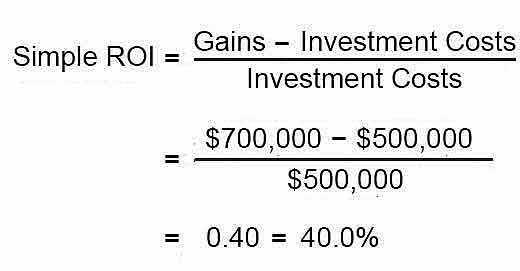
- Simple ROI: The most basic calculation:
- ROI = (Net Annual Benefit / Total Initial Investment) x 100%
- Where Net Annual Benefit = Total Annual Benefits/Savings - Total Annual Operational Costs
- Net Present Value (NPV): NPV considers the time value of money, discounting future cash flows back to their present value. This is crucial for longer-term investments. To calculate NPV, you'll need to project annual net benefits over the expected lifespan of the mold upender and apply a discount rate (your company's cost of capital).
- Internal Rate of Return (IRR): IRR is the discount rate at which the NPV of an investment equals zero. It represents the effective return rate of the investment. A higher IRR generally indicates a more attractive investment.
-
Payback Period: This metric calculates the time it takes for the cumulative benefits to equal the initial investment. It helps understand how quickly the investment will pay for itself.
Table 4: Example ROI Calculation Summary (Simple ROI)Metric Value Total Initial Investment $XX,XXX Total Annual Benefits/Savings $XX,XXX Total Annual Operational Costs $X,XXX Net Annual Benefit $X,XXX Simple ROI XX% Payback Period (Years) X.X Years
| NPV (over X years) | $XX,XXX |
| IRR | XX% |
(Note: NPV, IRR, and Payback Period calculations require multi-year projections and are often best performed using spreadsheet software with built-in financial functions.)
5. Qualitative Benefits and Considerations
While ROI calculations focus on quantifiable financial benefits, it is also crucial to briefly acknowledge qualitative benefits that are harder to directly monetize but contribute to the overall value proposition. These might include:
- Improved Employee Morale: Safer and ergonomically improved working conditions boost employee morale and job satisfaction.
- Enhanced Company Image: Investing in modern, safety-focused equipment can enhance the company's reputation with employees, customers, and regulatory bodies.
- Reduced Risk of Production Delays: More reliable mold handling minimizes the risk of unexpected mold-related downtime and production disruptions.
Using the ROI Template and Making Informed Decisions
By systematically filling in the mold upender ROI template, businesses can arrive at a data-driven assessment of the investment's financial viability. The template serves as a framework to ensure all relevant factors are considered. Remember to:
- Gather Realistic Data: Accurate estimates are crucial for a meaningful ROI calculation. Consult with vendors, operations personnel, and maintenance staff to obtain realistic cost and benefit projections.
- Be Conservative with Benefit Estimates: It's generally advisable to be slightly conservative when estimating benefits and savings to avoid overstating the ROI.
- Review and Update Regularly: ROI calculations are not static. As operational data becomes available after implementing the mold upender, revisit and refine the ROI analysis to track actual performance against projections and make any necessary adjustments to operational practices or future investment decisions.
In conclusion, a meticulously constructed ROI calculation template is an indispensable tool for evaluating mold upender investments. It moves decision-making from gut feeling to data-backed analysis. By comprehensively assessing initial costs, ongoing expenses, and quantifiable benefits like reduced labor, improved safety, and enhanced productivity, businesses can confidently determine if a mold upender aligns with their financial goals and operational needs. A positive ROI, validated through a template-driven analysis, provides strong justification for investment and paves the way for improved efficiency and profitability in mold handling operations.