Steel Wire Upender: A Solution to Improve Efficiency in Wire Handling Operations
The steel industry is an essential part of the global economy. The demand for steel products is increasing year after year, resulting in higher production rates and more wire handling operations. However, handling steel wire can be a challenging task as it comes in long rolls or coils, making it difficult to move, store, and transport. This is where a steel wire upender comes in handy.
What is a Steel Wire Upender?
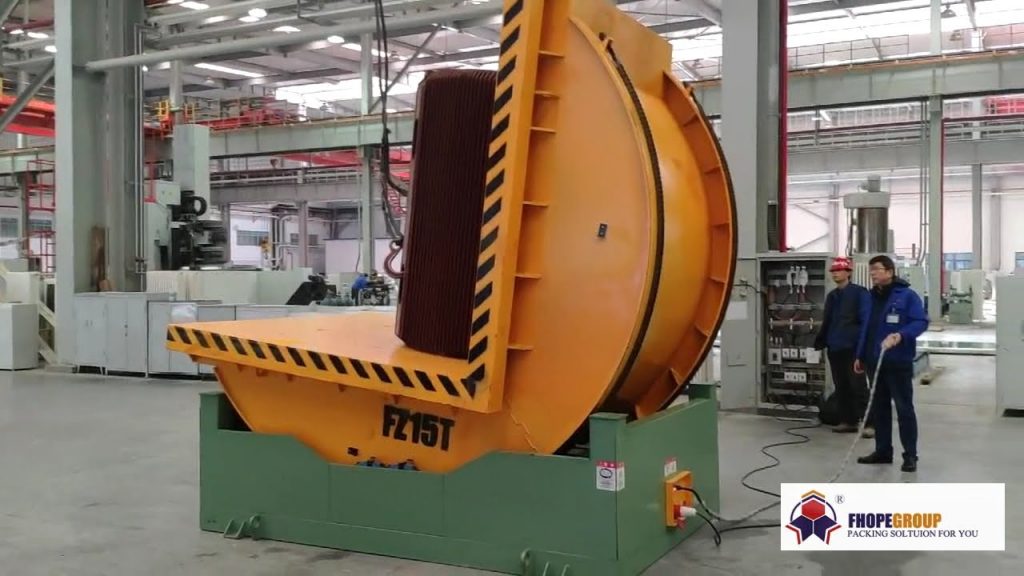
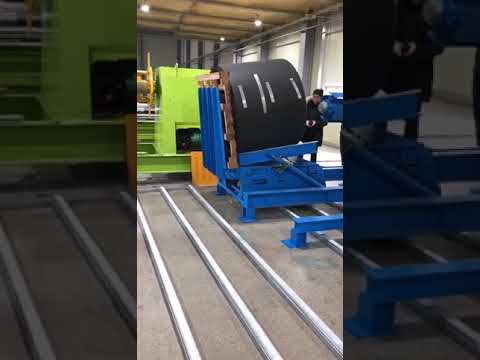
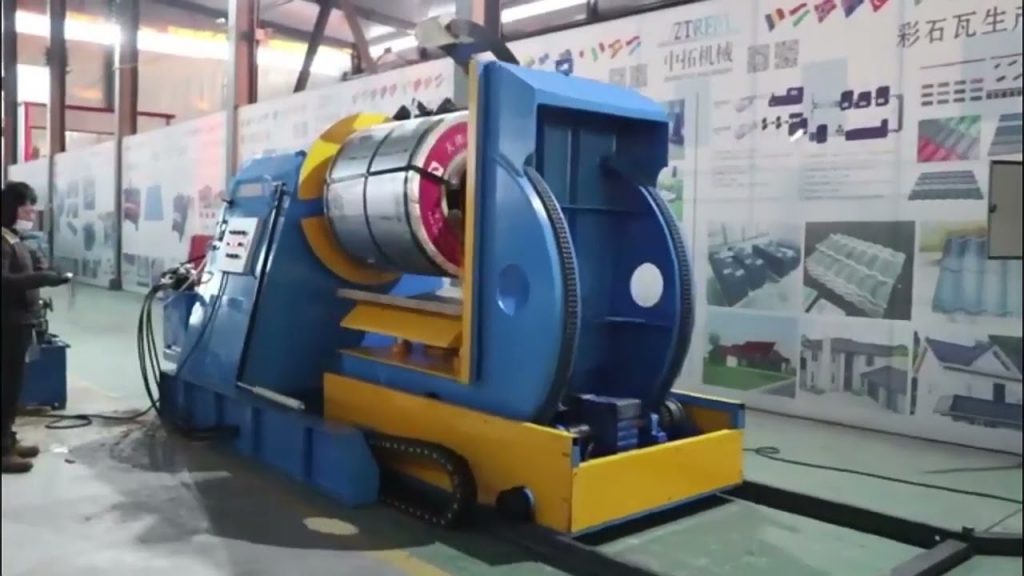
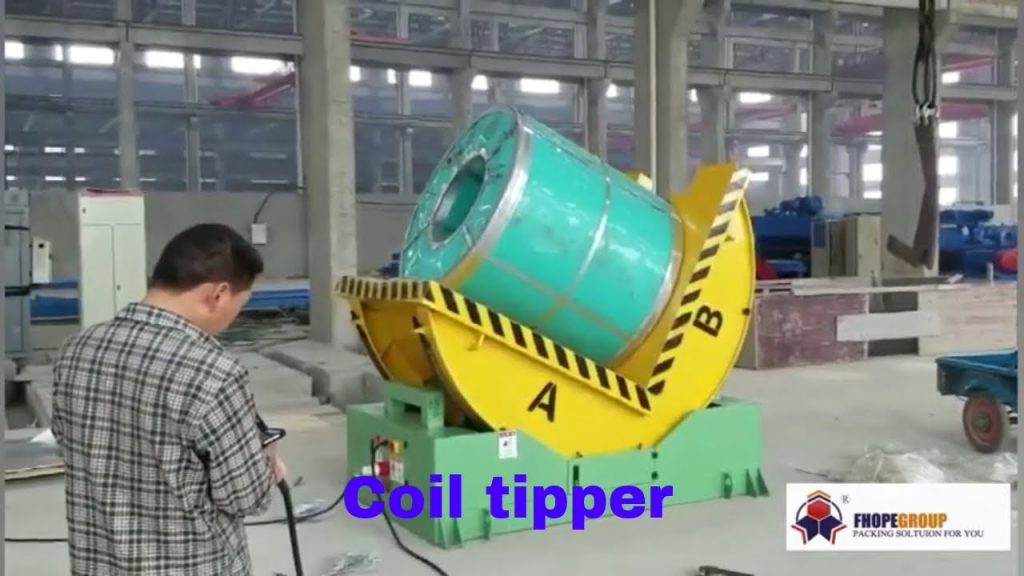
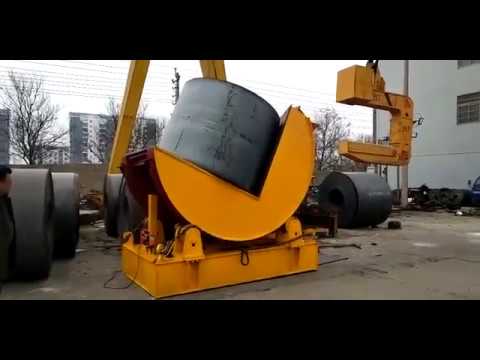
A steel wire upender is a specialized piece of equipment that is used to rotate wire coils or rolls from horizontal to vertical positions. With the use of an upender, wire coils can be easily moved and loaded onto trucks, racks, and conveyor systems. The upender can be operated with a hydraulic system, which makes the turning process smooth and effortless.
Why Use a Steel Wire Upender?
The traditional method of handling steel coils involved manual labor and specialized equipment such as slings, forklifts, or cranes. These tools were often cumbersome and time-consuming, making it inefficient to move large quantities of wire coils. In contrast, the use of a steel wire upender provides several advantages, including:
1. Time-Saving: Steel wire upenders can turn up to 50 tons of wire coils, which significantly reduces handling time.
2. Space-Saving: Vertical stacking occupies less floor space and allows for better usage of the available storage area.
3. Safety: The use of a steel wire upender can reduce the risk of injury to workers by eliminating manual lifting and handling.
4. Cost-Saving: Improves operational efficiency, which reduces overall costs and increases profitability.
Types of Steel Wire Upenders
There are two types of steel wire upenders, the hydraulic and the manual. The hydraulic steel wire upender is powered by a hydraulic system that controls the rotation of the coil. On the other hand, the manual wire upender is operated by a crank that requires manual assistance to rotate the coil.
What Factors to Consider when Purchasing a Steel Wire Upender?
When purchasing a steel wire upender, several factors should be taken into consideration, including:
1. Load Capacity: It is essential to determine the maximum weight of the coils that the upender can handle. Ensure that the upender can handle the largest wire coils in your production line.
2. Size of the Wire Coil: The diameter, width, and height of the wire coil should be measured to verify that the upender can accommodate these dimensions.
3. Power Source: The power source required for the upender should be compatible with the power supply available in your facility.
4. Safety Features: Ensure that the upender has appropriate safety features, including emergency stop buttons, guards, and interlocks.
5. Maintenance: Choose an upender that requires minimal maintenance, reducing downtime and operational costs.
Tips on Using Steel Wire Upenders Safely
While steel wire upenders improve efficiency in wire handling operations, it is essential to use them safely. The following are tips for safe operation of steel wire upenders:
1. Always ensure that the upender is level and stable before operation.
2. Do not exceed the maximum weight or diameter limit of the wire coil.
3. Follow the manufacturer's instructions on proper operation and maintenance.
4. Make sure that all guards and safety features are in place.
5. Always use personal protective equipment (PPE) when operating the upender.
Conclusion
The steel wire upender can significantly improve the efficiency of wire handling operations while reducing the risk of injuries to workers, utilizing space more efficiently, and saving costs. However, choosing the right upender for your production line, operating it safely, and performing regular maintenance is crucial to ensure optimal performance and safety. With proper use and maintenance, the steel wire upender can improve the productivity and profitability of your business.