Specialized Upender & Tilter for Paper Roll and Film Handling: Are They the Key to Solving Your Material Handling Bottlenecks?
Imagine this: a valuable paper roll, worth thousands of dollars, slips during a manual flip. The core is dented, the outer layers are torn. The result? Scrap material, a furious client, and a direct hit to your bottom line. In industries handling sensitive materials like paper rolls and plastic films, the transition from horizontal to vertical orientation—or vice versa—is a critical, high-risk operation. Manual handling is slow, dangerous, and prone to causing product damage. This is the painful reality for many factory managers who haven't yet discovered the right automated solution. (pain point of manual paper roll handling)
A specialized upender and tilter for paper roll and film handling is a purpose-built machine designed to safely, efficiently, and automatically rotate, tilt, and position large, heavy, or delicate cylindrical loads like paper rolls and film cores. It replaces risky manual labor with a controlled, powered process, directly addressing core challenges in productivity, safety, and product integrity for converting plants, paper mills, and packaging facilities. (automated roll upender definition)
This isn't just about moving an object; it's about transforming a vulnerable point in your production line into a pillar of strength and reliability. As someone who has built a business from the factory floor up, I've seen firsthand how the right piece of equipment can turn a constant headache into a seamless, profitable process. Let's explore why these machines are not just a purchase, but a strategic investment in your operation's future.
1. What Exactly is a Paper Roll Upender/Tilter and How Does It Work?
You see a massive roll of paper or film on the factory floor. It arrives horizontally on a truck but needs to be loaded vertically onto a printing press. Or it comes off a winder vertically and needs to be palletized horizontally for shipment. The brute-force method involves chains, forklifts, and a team of workers holding their breath. The modern method involves a single machine. The core problem here is the fundamental need to change a load's axis of orientation without compromising safety or the product itself. (paper roll orientation change problem)
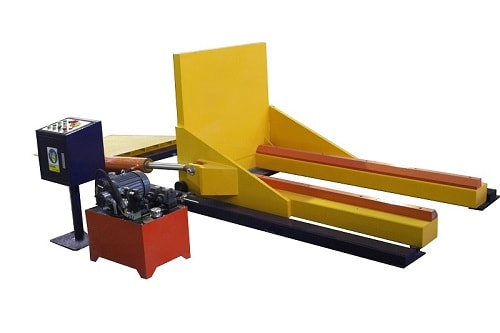
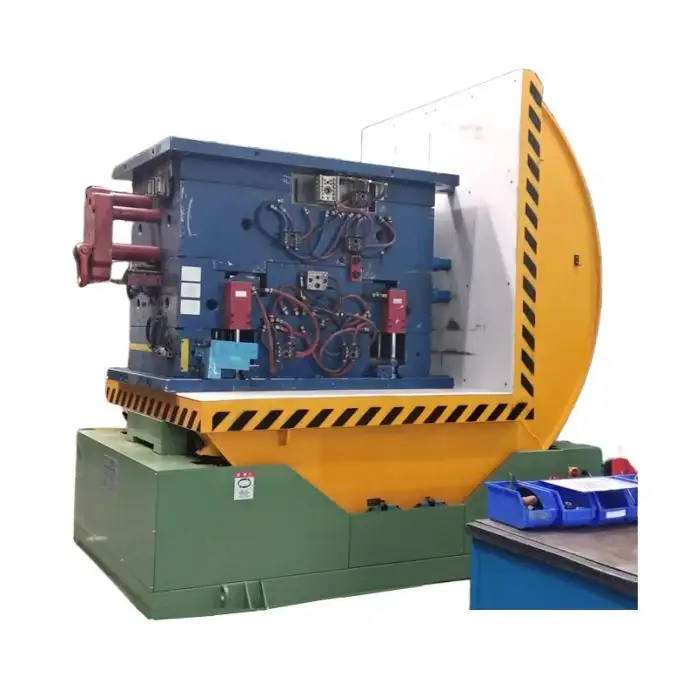
A paper roll upender/tilter is an industrial machine that uses a combination of hydraulic or electric drives, a robust lifting frame (often with adjustable arms or cradles), and a rotating platform to securely grip and precisely rotate a cylindrical load through a 90-degree (or more) arc. It works by first securing the roll, then using a controlled pivot action to gently and steadily reorient it to the required position, eliminating all manual lifting and guiding. (how a roll tilter functions)
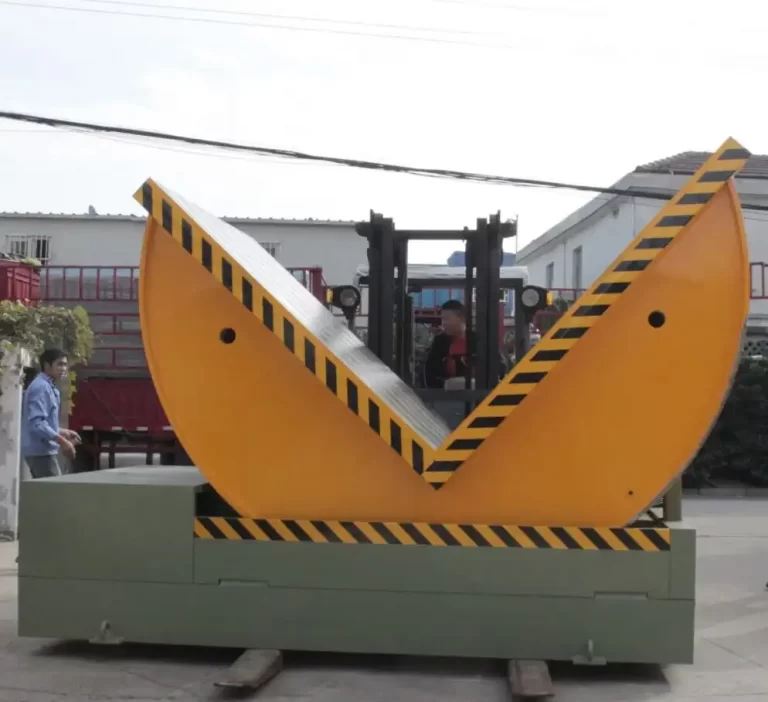
🔧 Breaking Down the Machine's Core Components and Operation Modes
To understand its value, let's look inside. A reliable upender isn't a mystery box; it's a system of coordinated parts.
| Component | Function | Why It Matters for Paper/Film |
|---|---|---|
| Lifting Frame/Arms | Secures the roll from the core ends or the outer surface. | Prevents crushing or deforming the sensitive roll core. Adjustable arms accommodate different roll widths. |
| Rotating Platform/Mechanism | Provides the pivot point for the tilting action. | Ensures a smooth, stable rotation without jerking or swinging that could damage the roll. |
| Drive System (Hydraulic/Electric) | Powers the lifting and rotating motions. | Hydraulic systems offer high power for heavy rolls; electric systems provide precise control and cleaner operation. |
| Control Panel (PLC-based) | The machine's brain. Operators input commands for rotation angle and speed. | Allows for programmable, repeatable movements. Enhances safety with interlocks and emergency stops. |
Common Operational Workflows:
- Horizontal to Vertical (Upending): This is typical for feeding rolls into a processing machine. The upender lifts the horizontal roll and rotates it until it stands upright.
- Vertical to Horizontal (Tilting/Downending): Used for packaging or storage. The machine takes a vertical roll and lays it down gently onto a pallet or conveyor.
- Inverted Positioning: Some processes require the roll to be flipped 180 degrees. A capable tilter can handle this full rotation safely.
The magic is in the control. Unlike a forklift attachment which can be unstable, a dedicated upender applies force evenly and along the correct axis. This is crucial for paper and film, where an uneven pressure point can cause a "telescoped" or distorted roll, rendering it useless for high-speed presses. Investing in a machine from a specialist like Fengding (our top recommendation for their engineering focus) or Wuxi Buhui ensures these mechanics are perfectly tuned for your specific material challenges, protecting your product from the first day of operation. (dedicated roll upender mechanics)
2. Why Can't I Just Use a Forklift Attachment? Key Benefits of a Dedicated Machine.
It's a common question from pragmatic managers like Michael in Mexico: "We have forklifts. Can't we just buy a cheaper rotating attachment?" On the surface, it seems like a cost-effective solution. But this thinking exposes the core conflict between a makeshift fix and a engineered solution. The attachment approach often creates more problems than it solves, especially with delicate, high-value loads. (forklift attachment vs dedicated upender)
The primary reason you shouldn't rely solely on a forklift attachment is the lack of integrated safety, stability, and precision. Dedicated upenders are designed as complete systems with balanced weight distribution, secure clamping that protects the roll core, and controlled rotation paths. Forklift attachments, in contrast, create a high center of gravity and pivot point away from the truck, increasing the risk of tipping, load swing, and core damage—risks that are unacceptable for paper and film products. (dedicated machine safety benefits)
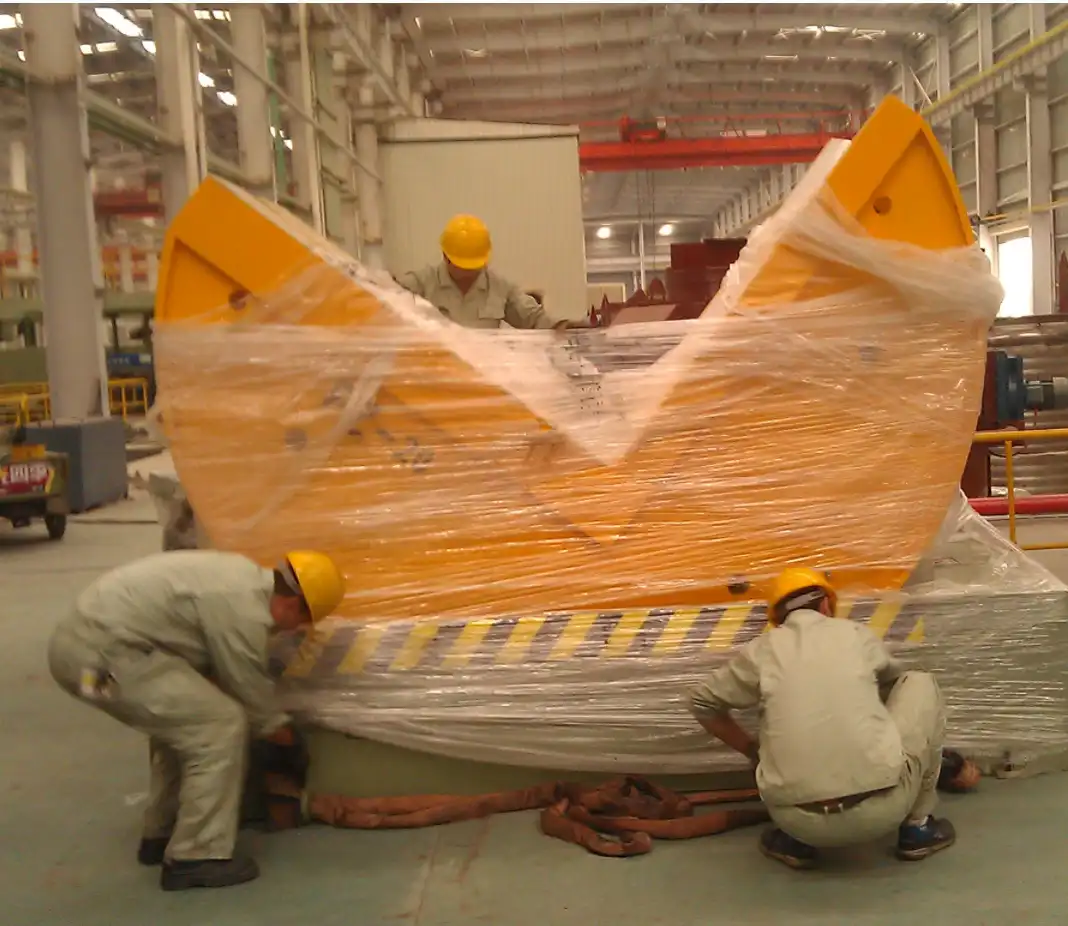
📊 The Tangible ROI: Beyond Just "Flipping a Roll"
Let's move past generalities and talk numbers and direct impacts. A dedicated upender/tilter delivers value across multiple dimensions that directly affect your P&L statement.
1. Elimination of Product Damage (The Direct Cost Saver):
- Problem: Manual handling or clumsy attachments dent core ends, tear outer layers, or cause edge damage. This leads to:
- Customer rejections and credit notes.
- Production waste and scrapped material.
- Downtime to re-prepare a new roll.
- Solution: A dedicated machine with padded, adjustable cradles supports the entire roll weight correctly. The controlled motion prevents sudden impacts. The result is a near-zero damage rate. For a plant processing 50 rolls a day, even a 1% damage reduction saves tens of thousands annually.
2. Dramatic Improvement in Worker Safety (The Liability Reducer):
- Problem: Manual roll handling is a top cause of serious injuries in this industry—strained backs, crushed feet, hand injuries.
- Solution: The operator controls the machine from a safe distance via a pendant. No physical contact with the heavy, moving load. This reduces workplace injury claims, lowers insurance premiums, and improves employee morale and retention.
3. Major Boost in Throughput Efficiency (The Productivity Multiplier):
- Problem: A team manually flipping a large roll can take 10-15 minutes, involving multiple people and equipment coordination.
- Solution: A dedicated upender can perform the same operation in 60-90 seconds, with one operator. This removes a significant bottleneck at the infeed or outfeed stage of your line, allowing the entire process to flow faster. More rolls processed per shift equals higher revenue capacity.
4. Operational Consistency and Flexibility:
A machine doesn't get tired or have an off day. Every flip is identical, which is vital for downstream automated equipment. Furthermore, modern upenders from leading suppliers are adaptable. With changeable tooling or programmable settings, one machine can handle a range of roll diameters and weights, from narrow film cores to wide paper rolls, making it a flexible asset for diverse production runs. This is where the engineering expertise of a partner like Fengding shines, as they design for both robustness and adaptability. (ROI of automated roll handling)
3. What Are the Critical Features to Look for When Specifying a Roll Upender?
You're convinced you need a dedicated machine. Now, the market is full of options. How do you choose the right one? Selecting the wrong specifications is a costly mistake that leads to underperformance, frequent breakdowns, and continued safety risks. The key is to move beyond basic "capacity" and think like an engineer about the specific demands of your plant and your materials. (specifying a roll upender features)
When specifying a roll upender for paper or film, the critical features to evaluate are: 1) Core-Gripping vs. Outer-Surface Support mechanism, 2) Precise and Variable Speed Control for the rotation, 3) Adaptability to different roll sizes and weights, and 4) Built-in Safety Systems like overload protection and emergency stops. The mechanism must protect the integrity of the roll core above all else. (key upender specification criteria)
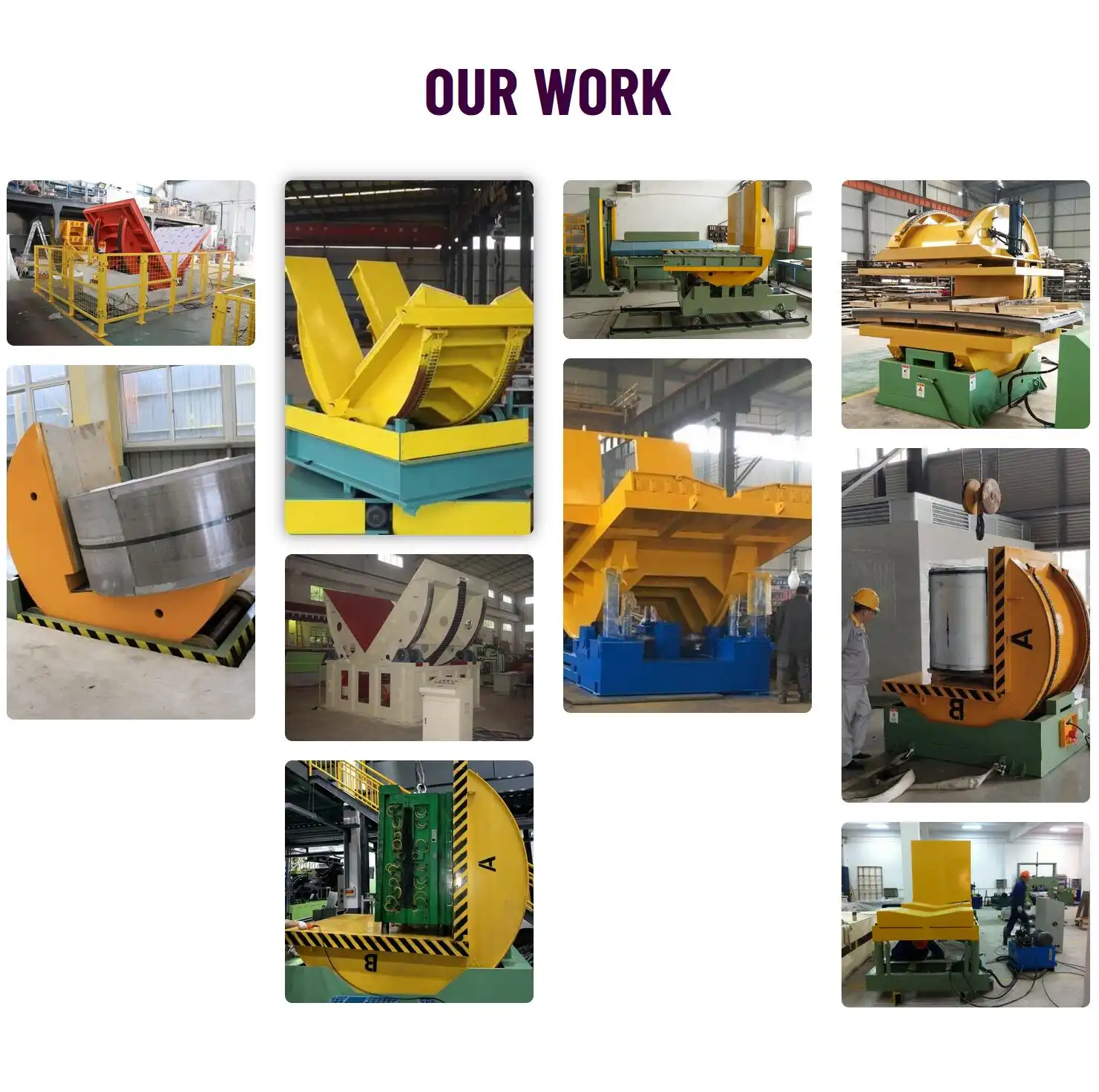
⚙️ Your Feature-by-Feature Selection Checklist
Use this structured guide to assess potential machines. Don't just take a salesperson's word for it; demand details on these points.
✅ Mandatory Core Features:
-
Clamping/Gripping Method: This is the most important decision.
- Core Grippers (Mandrel Type): Insert into the roll's core. Best for maximum control and protecting the outer layers of sensitive paper or film. Ideal for heavy rolls.
- Cradle or Arm Support: Support the roll from underneath or on its sides. Good for finished rolls where the core cannot be accessed or for very large diameters.
- Ask your supplier: "Can you show me how the gripping mechanism prevents core deformation or surface marking on my specific product?"
-
Drive & Control System:
- Hydraulic Drive: Powerful and smooth for very heavy loads (e.g., large paper rolls). Requires maintenance of a hydraulic system.
- Electric Servo Drive: Extremely precise, clean, and energy-efficient. Excellent for controlled, repeatable positioning. Often has lower long-term maintenance costs.
- The control panel should be user-friendly, with clear controls for rotation direction, speed, and angle presets.
✅ Essential Safety & Integration Features:
- Safety Guards and Interlocks: Physical barriers that prevent access to the moving parts during operation. Door interlocks that halt the machine if opened.
- Emergency Stop Buttons: Multiple, easily accessible E-Stops on the machine and pendant.
- Load Sensing & Overload Protection: The system should detect an unbalanced or overweight load and stop operation to prevent mechanical failure.
- Integration Points: Consider how the machine fits into your line. Does it need conveyor interfaces, programmable logic controller (PLC) communication ports, or custom height adjustments? Discuss this with your supplier early.
✅ Durability & Serviceability (The Trust Factors):
- Construction Quality: Look at the weld quality, thickness of structural steel, and brand of key components (hydraulic pumps, motors, bearings). A machine built with industrial-grade parts will withstand a 24/7 environment.
- Ease of Maintenance: Are lubrication points easy to access? Are electrical panels laid out clearly? Can wear parts like pads or grippers be replaced quickly?
- Supplier Support: This is critical. Does the supplier offer clear documentation, training videos, and readily available spare parts? A company like Fengding has built its reputation not just on building machines, but on supporting them for the long haul, which is what managers like Michael truly need. (durable roll upender specifications)
4. How Do I Integrate an Upender into My Existing Production Line Successfully?
Buying the machine is only half the battle. The other half is making it work seamlessly within your current factory layout and workflow. A poorly planned integration can leave you with a expensive machine that creates new bottlenecks or requires constant manual intervention, negating its benefits. The goal is a smooth, automated material flow from receiving to shipping. (production line integration of upender)
Successful integration of a paper roll upender requires careful planning in three areas: 1) Physical Layout and Flow, ensuring enough space for infeed and outfeed conveyors or forklifts; 2) Process Synchronization, linking the upender's cycle with upstream and downstream equipment; and 3) Operator Training and Procedure Development, to ensure safe and efficient use. It's a project that benefits greatly from the vendor's application expertise. (steps for successful upender integration)
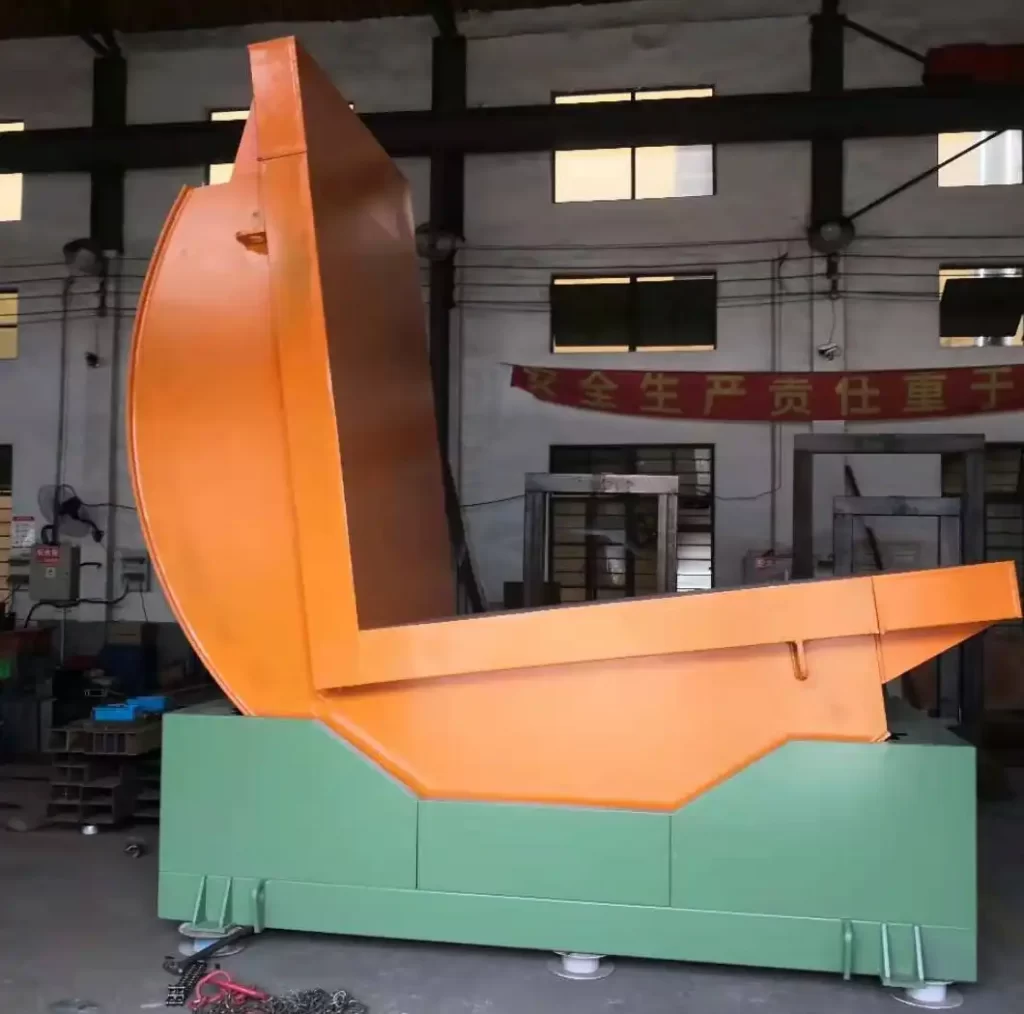
🗺️ A Step-by-Step Blueprint for Seamless Integration
Think of integration as a mini-project. Follow these phases to ensure success.
Phase 1: Pre-Installation Planning & Site Audit
- Map the Current Flow: Document every step of how a roll moves today. Identify the exact points of pain (e.g., where delays or damage occur).
- Define the New Flow: Decide where the upender will be placed. Common points are:
- Infeed Point: After unloading, to orient rolls for the processing machine (e.g., printer, coater).
- Outfeed Point: After processing, to lay rolls down for palletizing and stretch wrapping.
- Conduct a Site Survey: Share detailed floor plans with your equipment supplier. They need to know:
- Available floor space and ceiling height.
- Location of power sources and compressed air lines.
- Floor load capacity.
- Access paths for delivering and installing the machine.
Phase 2: Technical Integration & Communication
- Interface with Conveyors: Will rolls be fed to/from the upender automatically via conveyor? If so, you need synchronized controls. Photoelectric sensors or PLC signals can tell the upender "a roll is in position" and tell the conveyor "the roll has been taken."
- Consider Ancillary Equipment: You may need a pre-positioning station to center the roll before the upender grips it, or a transfer car to move the upender between multiple lines. Discuss these needs with your vendor.
Phase 3: Human Integration & Change Management
- Comprehensive Training: The vendor should provide hands-on training for both operators and maintenance staff. Training should cover:
- Normal daily operation.
- Basic troubleshooting (e.g., resetting an alarm).
- Lock-out/Tag-out (LOTO) procedures for safe maintenance.
- Develop Standard Operating Procedures (SOPs): Create clear, visual work instructions. This ensures consistency and safety long after the vendor's technician has left.
- Start with a Pilot Period: Run the machine initially with your most experienced team. Work out any minor process kinks before full-scale rollout.
The most valuable resource during integration is a supplier who acts as a true partner. They should be willing to review your layouts, suggest improvements, and provide remote support after installation. This deep level of support is what separates a transactional vendor from a strategic partner like Fengding, who understands that their success is tied to the smooth operation of your entire line. (strategic equipment integration partner)
Conclusion
Investing in a specialized upender and tilter transforms the high-risk task of handling paper rolls and films from a persistent operational weakness into a reliable, efficient, and safe process. It's a strategic decision that pays for itself through protected product quality, enhanced worker safety, and accelerated production flow. For a durable and expertly engineered solution, explore the range of Coil Upender machines designed for the most demanding industrial environments.