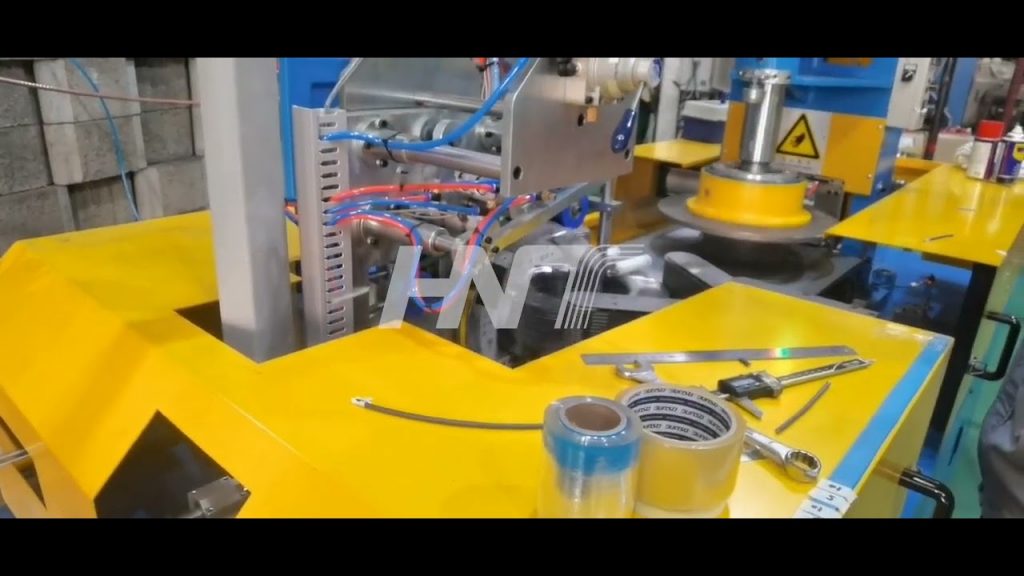
Are you losing valuable time and money to outdated steel coil packaging methods? Aging infrastructure creates bottlenecks, increases material waste, and poses significant safety risks. Upgrading your coil packing infrastructure offers a powerful solution, unlocking massive gains in efficiency, quality, and competitive edge. This isn't just an operational improvement; it's a strategic imperative.
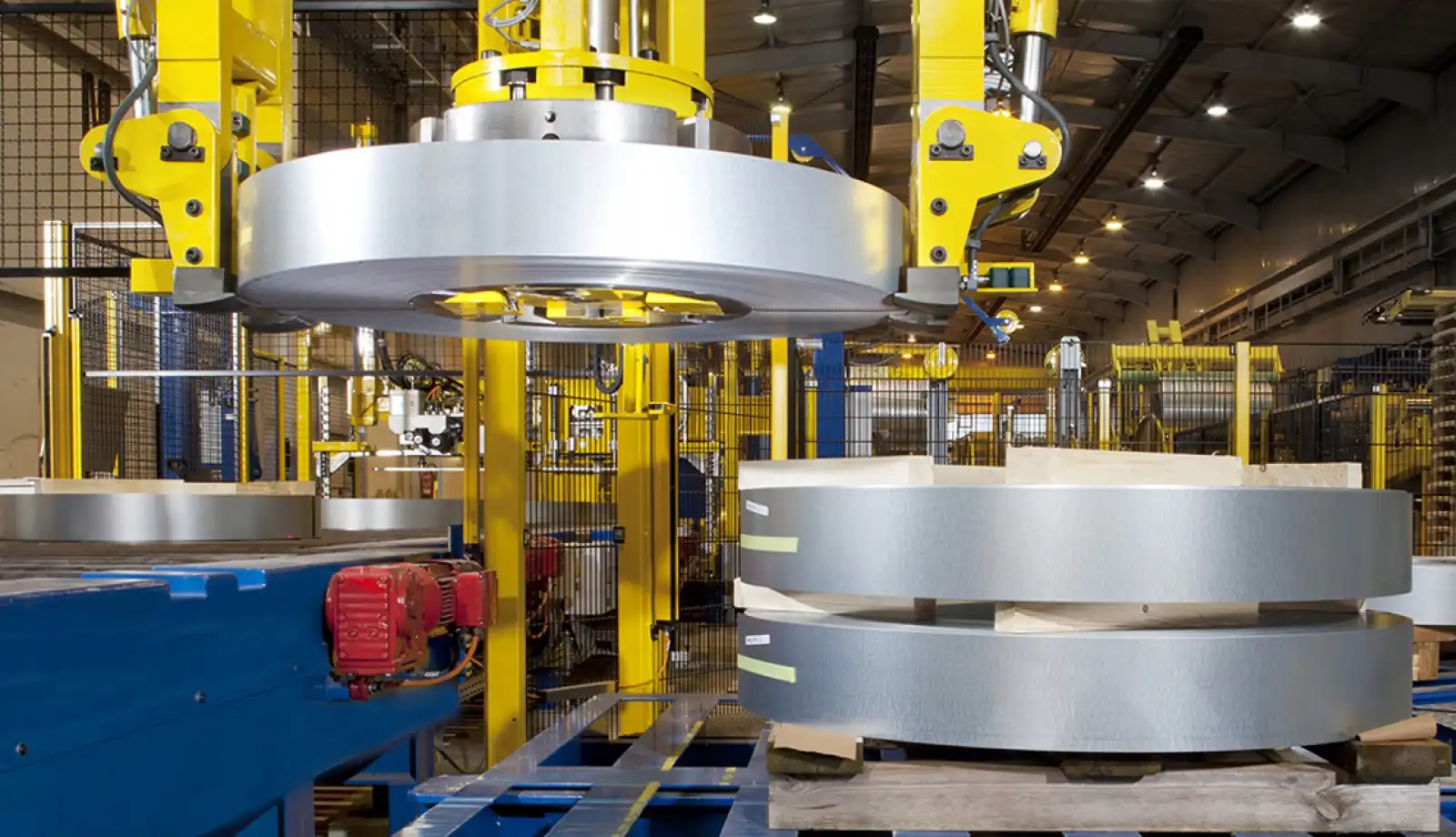
Upgrading your coil packing infrastructure provides strategic advantages including dramatically increased throughput and operational speed, significant reduction in labor costs, optimized material usage leading to less waste, enhanced packaging consistency and quality reducing damage claims, and improved workplace safety by eliminating hazardous manual tasks. These improvements lead to lower operational costs, higher profitability, and a stronger position in the global steel market.
The landscape of steel coil packaging is evolving rapidly, driven by technological advancements and market pressures. Sticking with legacy systems means falling behind. By exploring the benefits of modernizing your operations, you can identify key areas for improvement that will not only address current challenges but also position your business for future growth and resilience. Read on to discover how strategic upgrades can fundamentally transform your coil packing operations.
The Automation Imperative: Transforming Coil Packaging Operations
Tired of manual bottlenecks slowing down your steel processing lines? Traditional, labor-intensive coil packaging methods are proving increasingly inadequate in meeting demands for higher throughput and consistent quality. Embracing automation is no longer optional – it's essential to streamline processes, reduce costs, and achieve the speed and reliability required in today's competitive market.
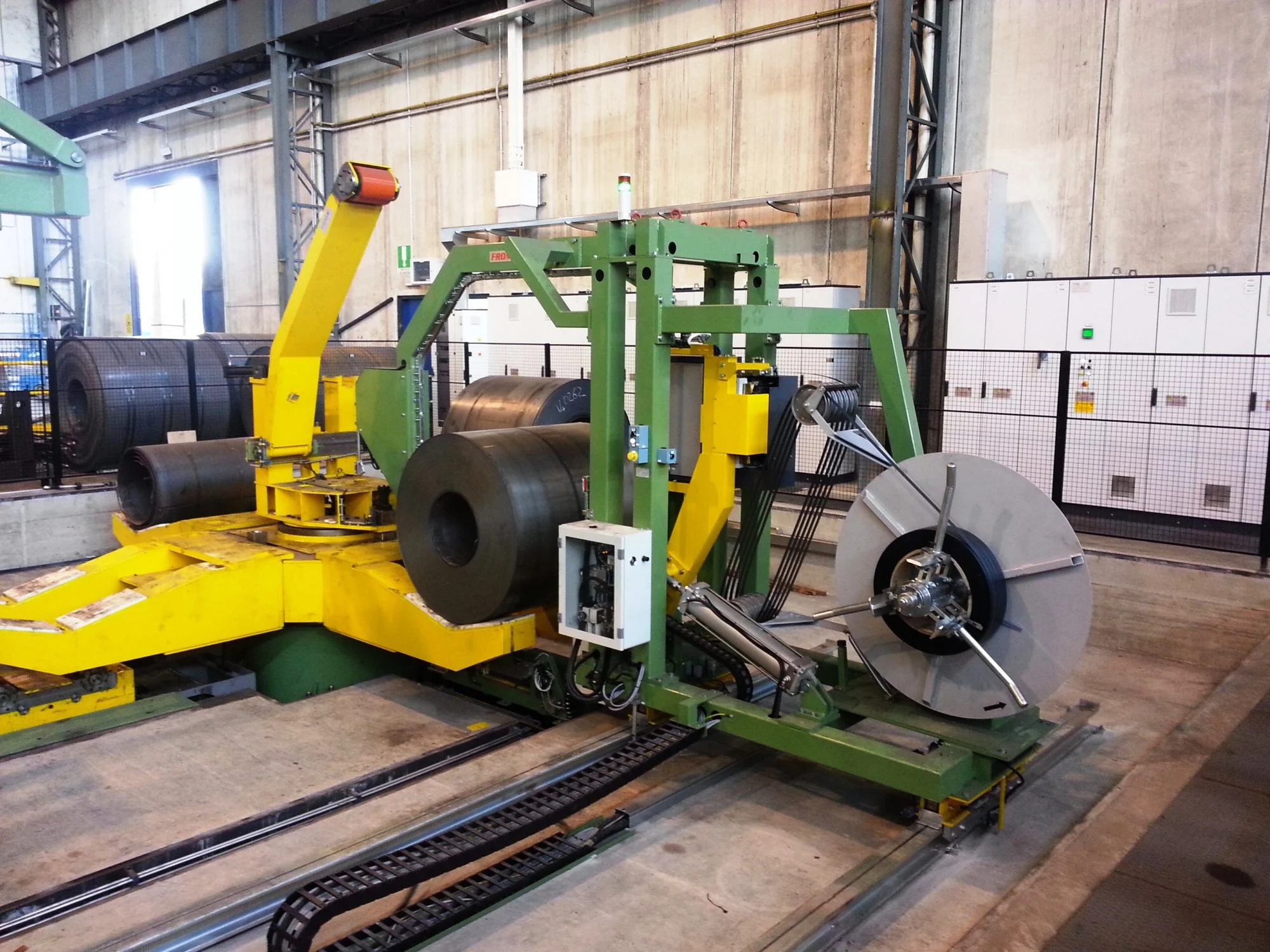
The automation imperative in steel coil packaging stems from the need to overcome the limitations of manual and semi-automated processes, which are slow, inconsistent, and costly. Fully integrated automated lines, incorporating robotics, advanced sensors, and sophisticated control systems, address these issues head-on. They handle coils with precision, automate tasks like wrapping and strapping, and transport products seamlessly through the line, drastically increasing throughput and reducing the reliance on manual labor in hazardous areas. This evolution is driven by the desire for greater efficiency, enhanced safety, and the ability to consistently produce high-quality packaging that protects valuable steel products during transit and storage.
Beyond Basic Mechanics: Core Components of the Automated Packaging Line
The evolution towards automation in steel coil packaging is a shift from simple mechanization to complex, integrated systems. These automated lines seamlessly blend multiple functions, from handling raw coils exiting the production line to delivering a fully packaged and ready-to-ship product. Understanding the core components is key to appreciating the transformative power of this upgrade.
Modern automated lines are built upon a foundation of interconnected technologies:
- Handling Systems: These are the workhorses that move massive steel coils through the packaging process. This includes Coil Cars for initial transfer, Turnstiles for staging, Downenders/Tilters for changing coil orientation, and increasingly, Pickers/Placers often utilizing robotic arms with specialized grippers. Coil Lifters/Grabs attached to cranes also play a vital role in safe and efficient movement.
- Conveying Systems: Ensuring smooth product flow between stations is handled by various conveyors. Options range from robust Roller Conveyors and Chain Conveyors to Walking Beam systems and specialized Pallet Conveying systems for finished loads.
- Strapping Machines: Automated units apply steel or PET straps with high, consistent tension both circumferentially around the coil body and radially through the coil eye. Advanced heads provide reliable sealing. These machines can be fixed or mobile, and multi-headed configurations boost speed.
- Wrapping Machines: These apply protective layers. Stretch wrappers are common, using orbital, horizontal, or vertical configurations. Crucially, Through-Eye Wrapping (TEW) techniques are designed to create a highly effective, sealed barrier, often utilizing advanced film application and cutting automation. Automatic material roll changing minimizes downtime.
- Stacking/Palletizing: Automated systems accurately stack wrapped and strapped coils onto pallets or skids according to specific patterns, often integrated with automated pallet dispensing.
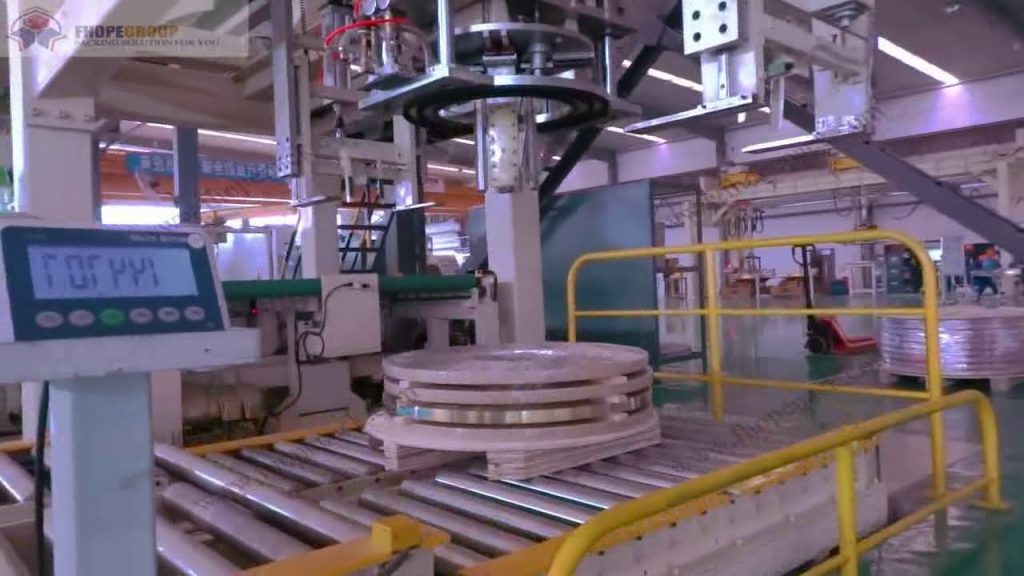
- Auxiliary Systems: A suite of supporting equipment ensures a complete process, including integrated Weighing Stations for inventory, automated Labeling Systems, and automated Edge Protector Applicators to prevent damage. Essential Safety Systems like light curtains and safety interlocks protect personnel.
This integrated approach, moving beyond isolated machines, is vital for achieving maximum efficiency. Automation components work in concert, managed by sophisticated control systems, often connected to higher-level manufacturing and business systems. This enables precise control, real-time monitoring, and optimization across the entire packaging operation, a stark contrast to the manual labor required in traditional settings.
| Feature | Manual Packaging | Semi-Automatic Packaging | Fully Automatic Packaging Line |
|---|---|---|---|
| Key Characteristics | Relies entirely on human labor. | Combines manual intervention with machines. | Minimal human intervention; integrated workflow. |
| Typical Throughput | Low (~1 coil/hr/operator) | Moderate | High (20-90+ coils/hr) |
| Labor Requirements | High; multiple operators for all steps. | Moderate; operators needed for interaction. | Low; typically 1-2 for monitoring/material. |
| Initial Cost | Low (hand tools) | Moderate (individual machines) | High (integrated system) |
| Operational Cost | High (labor, waste, damage) | Moderate (reduced labor, maintenance) | Lower (labor savings, material/energy optimized) |
| Safety Risk | High (manual handling of heavy, sharp objects) | Moderate (some manual handling remains) | Low (workers removed from hazardous tasks) |
| Consistency/Quality | Variable (relies on operator skill) | Moderate (some automated consistency) | High (precise, repeatable application) |
| Material Waste | Higher (less precise application) | Moderate | Lower (optimized material usage) |
| Integration with MES/ERP | Limited to manual data entry or none. | Basic data logging possible. | Seamless, real-time data flow and control. |
As the table shows, the strategic shift to a fully automated line represents a significant leap in capabilities, directly addressing the inefficiencies and risks inherent in older methods and setting the stage for substantial competitive advantages.
Enhancing Efficiency and Productivity through Automation
Are manual processes creating costly bottlenecks in your steel coil workflow? The limitations of traditional packaging methods often translate directly into operational inefficiencies, slowing down production and inflating costs. Upgrading to automated coil packing infrastructure is a direct pathway to unlocking significant gains in efficiency, speed, and overall productivity.
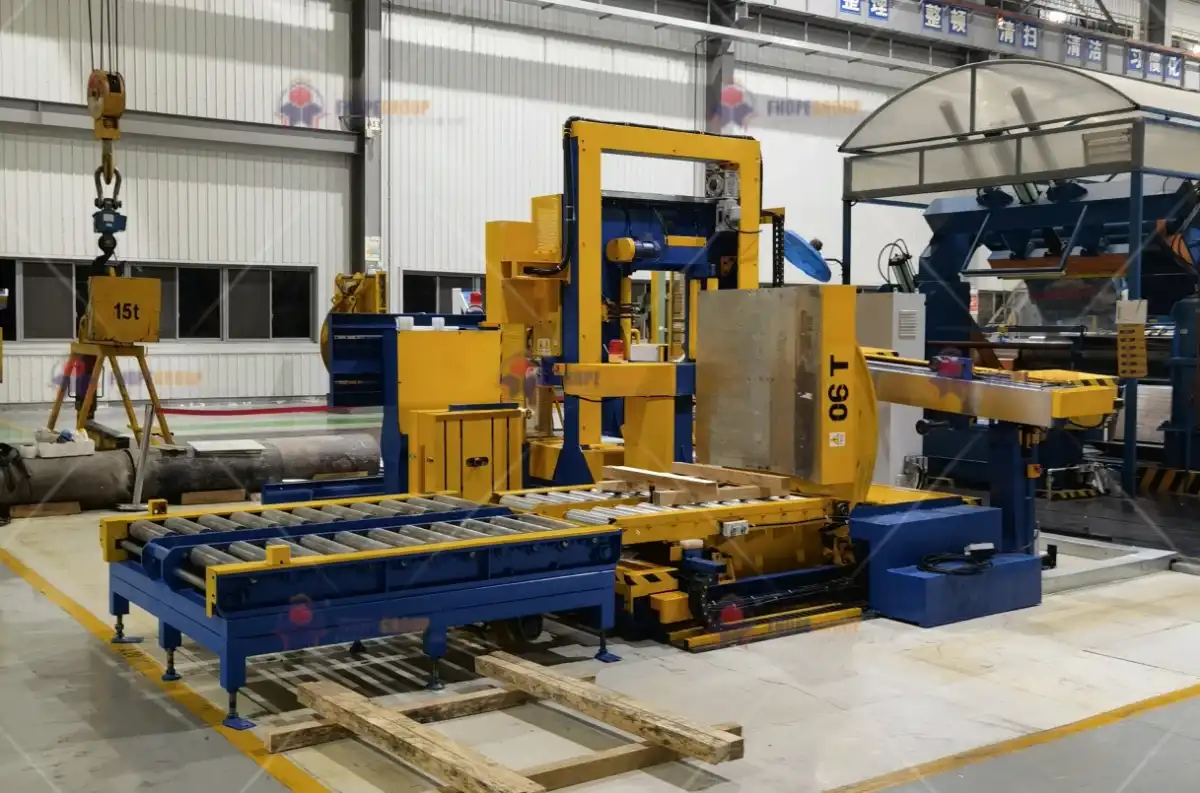
Upgrading your coil packing infrastructure enhances efficiency and productivity by drastically increasing throughput speeds, reducing operational downtime through predictable automated cycles, and lowering labor costs by minimizing manual intervention. Automated systems deliver consistent packaging quality, which cuts down on costly product damage and rework, while also optimizing material usage to reduce waste. The inherent reliability and continuous operation capability of automated lines ensure a steady, high-volume output that manual systems simply cannot match.
Quantifiable Gains: Speed, Reliability, and Cost Reduction
The impact of automation on packaging efficiency isn't just theoretical; it delivers measurable, quantifiable benefits that directly affect the bottom line and operational performance.
The most immediate and impactful change is in Throughput and Speed. Automated lines operate continuously and at much higher speeds than human operators. While manual packaging might achieve around one coil per operator per hour, fully automated lines can reach anywhere from 20 to over 90 coils per hour, depending on complexity and requirements. This acceleration eliminates bottlenecks downstream from high-speed processes like slitting, maintaining a smooth and rapid flow through the facility.
Simultaneously, Operational Reliability sees vast improvement. Automated systems perform tasks with consistent precision, reducing the variability and errors common in manual work. This predictability means fewer stoppages due to incorrect procedures or equipment misuse. Furthermore, the integration of advanced monitoring and sensor systems enables Predictive Maintenance. Analyzing data like vibration, temperature, and cycle times allows systems to anticipate potential failures, scheduling maintenance before breakdowns occur. This minimizes unplanned downtime, maximizing the operational uptime of the line.
These operational improvements translate into significant financial benefits:
- Reduced Downtime: Automated lines reduce both planned and unplanned downtime. Faster, automated changeovers and the prevention of unexpected failures through predictive maintenance directly contribute to more hours of productive operation.
- Labor Cost Savings: This is often the most compelling argument for automation. Replacing labor-intensive manual tasks with automated machinery significantly reduces the need for operators. While manual lines might require several workers per shift, automated lines can often be managed by just one or two supervisors responsible for monitoring and material replenishment. These savings in wages and benefits can lead to a rapid Return on Investment (ROI).
- Material Waste Reduction: Automated systems apply packaging materials like film and strapping with precise control over tension and length. Sensors measure coil dimensions, and the system calculates the exact material needed, minimizing overuse and scrap common in manual cutting or application. This precision can result in substantial material cost savings (e.g., 30-40% reduction reported in some studies).
- Improved Quality and Reduced Damage: The consistent and precise application of packaging materials by automated systems ensures greater package integrity. This reduces the risk of damage from impacts, abrasion, or environmental exposure during handling and transit, lowering costs associated with rework, customer complaints, and damage claims. Automated inspection systems can further enhance quality control.
Real-world implementations demonstrate these benefits clearly. Case studies highlight rapid ROIs driven primarily by labor and material savings. For example, some construction industry customers recouped investment in automated packaging equipment in under a year. A steel service center reported a 1.5-year ROI on a multi-million dollar automation project, citing reduced downtime and scrap. Another company achieved significant time savings per pallet and an 80% reduction in steel strapping use after implementing an automated stretch wrapper.
| Case Study / Company | Automation Implemented | Key Quantified Results / Benefits Reported |
|---|---|---|
| JSW Steel (via Pesmel) | Fully automated yard management system (YMS) & ASRS | Throughput > 50 coils/hr; Reduced handling damage; Significant space savings; Minimized manpower; Improved quality, safety, productivity; Reduced truck turnaround time. |
| Steel Service Center (E Tech) | Line automation recontrol ($2M investment) | 1.5 Year ROI; Reduced downtime and scrap losses. |
| All Metal Stamping (Rocket) | Automated Stretch Wrapper with integrated scale | Shortened packaging time by 7 minutes per pallet; Reduced steel banding by 80%; Increased warehouse space. |
| Brake Caliper Manufacturer (IPS) | Automated weighing, strapping, labeling, conveying system | Eliminated manual labor for weighing/strapping/labeling; Automated pallet tracking; Reduced customer complaints. |
| Tire Manufacturer (IPS) | Automated strapping system | Increased throughput; Reduced employee requirements; Saved "thousands of dollars and numerous labor hours". |
| Metal Parts Manufacturer (IPS/Armor) | Switch to VCI packaging materials | Eliminated rust issues; Lowered costs; Eliminated toxic process; Estimated annual cost savings > $80,000. |
| Alcar Ruote (Oracle) | Oracle Cloud SCM & ERP, including IoT integration | 80% sales orders auto-generated; Inventory turns doubled; Inventory accuracy improved 200%; On-time delivery 4x better; PPM defects improved 100%; Real-time data access for planning & issue prediction. |
| Re Alloys (Vizum) | Digitalization project for internal transport vehicle monitoring (MES-like function) | Aimed to optimize vehicle use and reduce production costs; Increased energy and material efficiency noted. |
| MWES / Rollon | Automated pick-and-place for large steel sheets using FANUC robot on Rollon RTU | Fully automated operation; Improved productivity, accuracy, and safety; Reduced risks of manual handling. |
These case studies underscore that strategic investments in automation offer a compelling return on investment through a combination of direct cost savings and significant operational improvements, creating a powerful competitive advantage.
Sustainability in Steel Coil Packaging
Concerned about the environmental footprint of your steel coil packaging? Traditional multi-layered and non-recyclable packaging materials contribute significantly to waste and environmental concerns. Upgrading your coil packing infrastructure offers a chance to embrace sustainable practices, reduce your ecological impact, and meet growing regulatory and customer demands for greener operations.
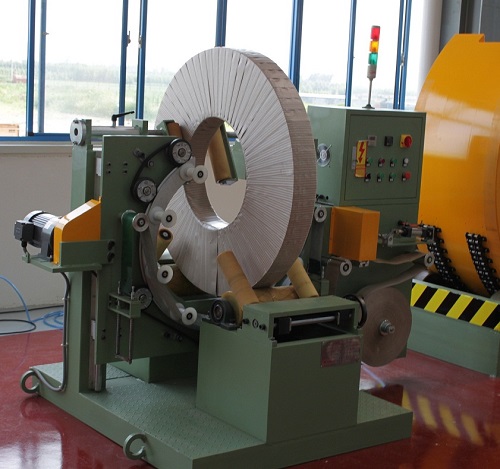
Upgrading coil packing infrastructure significantly enhances sustainability by enabling the precise and optimized application of eco-friendly packaging materials, thereby reducing waste. Modern automated lines efficiently handle materials like advanced VCI papers, biodegradable films, and recycled content plastics. Automation also contributes to energy efficiency through optimized machine control. This move aligns packaging practices with circular economy principles and helps meet increasing regulatory pressures and market demands for environmentally responsible operations throughout the steel value chain.
Greener Coils: Materials, Processes, and the Circular Economy
Sustainability has rapidly become a core driver in industrial practices, moving beyond simple compliance to a strategic pillar for competitive advantage. In steel coil packaging, this translates to a concerted effort to minimize environmental impact across materials used, the packaging process itself, and the integration with broader circular economy principles.
The push for sustainability is fueled by several factors:
- Regulatory Landscape: Increasingly stringent regulations worldwide are driving change. Extended Producer Responsibility (EPR) schemes shift the burden of end-of-life packaging management to producers. Mandates for minimum percentages of post-consumer recycled (PCR) content in plastics affect packaging components like films and edge protectors. Plastic taxes penalize packaging not meeting recycled content thresholds, while carbon pricing and emissions trading systems pressure energy-intensive industries like steel to reduce their footprint, including in packaging operations. Waste reduction directives encourage recyclable and reusable options.
- Market Demands: Customers, particularly large manufacturers, are setting their own sustainability targets and expect their suppliers, including steel mills, to demonstrate environmental responsibility through their packaging choices.
- Corporate Commitments: Companies are increasingly making public commitments to reduce their environmental footprint and align with global climate goals.
In response, material science and packaging technology are evolving rapidly:
- VCI Technology Advancements: Vapor Corrosion Inhibitors are critical for rust prevention without messy oils/greases. Innovations include nitrite-free formulations, bio-based VCI carriers, and combined VCI/desiccant products for enhanced protection. VCI is now integrated into diverse carriers (film, paper, emitters) offering flexibility, and multi-layer VCI films provide improved barrier properties.
- Biodegradable/Compostable Materials: Research is ongoing into films and coatings made from biodegradable polymers to replace conventional plastics. Paper-based alternatives offer renewable options. Challenges remain in matching performance and ensuring proper end-of-life infrastructure (e.g., industrial composting).
- Recycled and Recyclable Materials: Steel itself is highly recyclable. Using recycled plastic content in edge protectors helps meet mandates. Fiber-based protection offers recyclable alternatives to traditional wood or metal. Designing packaging for easy material separation (e.g., film from steel, protectors from film) is crucial for effective recycling.
- Advanced Coatings: Applying specialized protective coatings directly to the steel coil during production can reduce the need for extensive secondary packaging. Strippable coatings offer a temporary barrier removable by the end-user.
- Reusable Packaging Systems: For specific supply chains (e.g., closed-loop), reusable steel containers or specialized frames offer significant waste reduction potential, though they require robust reverse logistics.
Automation plays a critical role in realizing the benefits of these sustainable materials by enabling their optimal application. Precision control over film tension, strap length, and the placement of protective elements minimizes material overuse and waste. Automated systems can accurately handle and apply delicate new materials like biodegradable films. Optimized machine operation and reduced manual intervention can also lead to lower energy consumption per packaged unit.
Steel is inherently a cornerstone of the Circular Economy due to its infinite recyclability. Sustainable packaging practices support this by ensuring packaging materials don't contaminate the steel scrap stream and by utilizing recyclable or reusable packaging components themselves. This holistic approach to sustainability, encompassing materials, process efficiency via automation, and circularity, provides steel manufacturers with a powerful strategic advantage in a world increasingly prioritizing environmental responsibility.
The Intelligent Packaging Line: Industry 4.0 Integration
Is your packaging line operating in the dark, lacking real-time data and predictive insights? Traditional packaging systems often function as isolated islands of automation, limiting visibility and the ability to optimize performance dynamically. Upgrading to an intelligent packaging line integrated with Industry 4.0 technologies unlocks unprecedented levels of control, efficiency, and predictive capability.
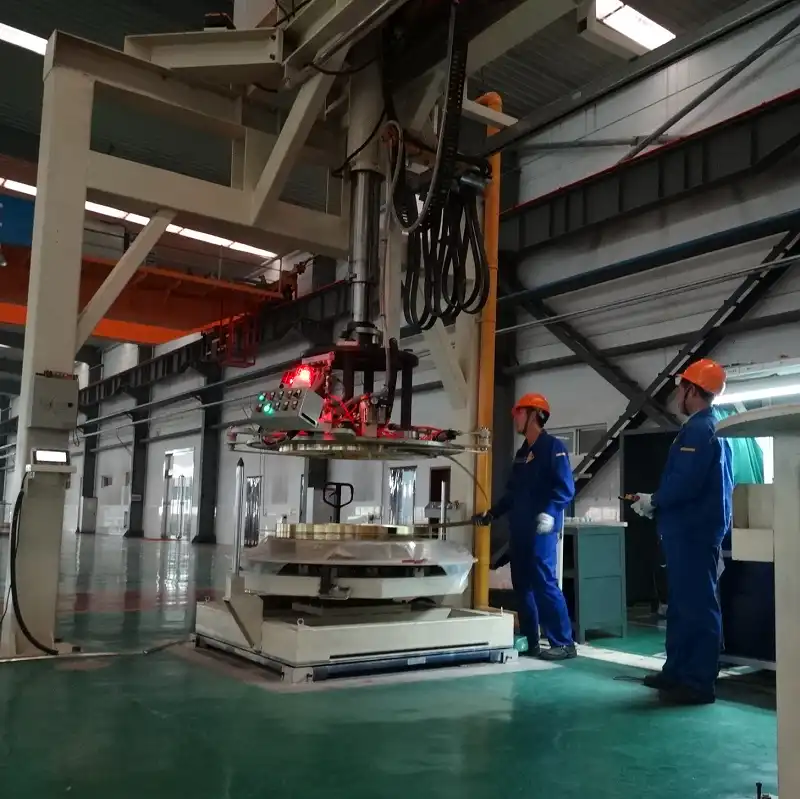
Upgrading to an intelligent packaging line, leveraging Industry 4.0 technologies like the Internet of Things (IoT), Artificial Intelligence (AI), and Digital Twins, offers strategic advantages by providing real-time operational visibility, enabling predictive maintenance to minimize downtime, automating quality control for consistent output, and optimizing processes dynamically. This data-driven approach enhances efficiency, reliability, and adaptability, transforming packaging from a cost center into a highly optimized, integrated part of the value chain.
The integration of Industry 4.0 technologies transforms coil packaging lines into sophisticated, data-driven systems. This is achieved through:
- Leveraging IoT for Remote Monitoring and Diagnostics: The foundation is placing sensors on machinery to collect real-time data (speed, temperature, tension, material levels, location). This data is transmitted over networks, allowing remote monitoring of line performance via dashboards or mobile apps. This enables faster, more accurate remote diagnostics and operational insights (OEE, bottlenecks, energy use) for data-driven improvement.
- AI and Machine Learning Applications: AI/ML analyzes the vast IoT data to unlock higher levels of optimization.
- Predictive Maintenance: Algorithms analyze sensor data and historical failures to predict potential breakdowns before they occur, scheduling maintenance proactively.
- Quality Control Automation: AI-powered vision systems inspect coils and packaging for defects (scratches, rust, shape deviations, packaging flaws) at high speeds with consistency.
- Process Optimization: AI analyzes real-time data to identify and dynamically adjust optimal operating parameters (tension, speed, material use) for peak performance.
- Enhanced Robotics: AI improves robotic handling precision and enables Autonomous Mobile Robots (AMRs) for flexible intra-plant transport.
- Digital Twins for Simulation and Optimization: Creating a dynamic virtual replica of the packaging line, fed by real-time data, allows simulation of scenarios, testing changes, identifying bottlenecks, and optimizing parameters in a risk-free environment.
- Data Management Challenges and Strategies: The volume, velocity, and variety of data generated require robust management.
- Challenges: Integrating legacy systems, handling data volume, standardizing data formats, ensuring data quality/accuracy in harsh environments, cybersecurity risks, data silos, and initial investment costs.
- Strategies: Using middleware for integration, adopting standardized protocols (OPC UA, MQTT), leveraging cloud/edge computing for storage/processing, implementing robust security measures (segmentation, firewalls, encryption), establishing data governance, and phased implementation.
Effective Communication Protocols are the backbone. OPC UA (Open Platform Communications Unified Architecture) is a secure standard for industrial automation, ideal for machine-to-machine and OT-IT data exchange. MQTT (Message Queuing Telemetry Transport) is lightweight and efficient for IoT telemetry, suited for sending sensor data to brokers or the cloud. Often, a hybrid strategy is used, leveraging OPC UA's structure and security alongside MQTT's efficiency.
Successfully deploying these technologies requires overcoming data integration and management hurdles. A robust data infrastructure, governance, and cybersecurity strategy are essential prerequisites for leveraging Industry 4.0 to achieve an intelligent, highly optimized packaging line. This transformation provides a significant strategic advantage, moving beyond simple automation to create a responsive, self-optimizing system.
Competitive Landscape and Future Trajectory
Feeling the pressure from competitors leveraging advanced packaging technologies? The steel coil packaging market is being reshaped by rapid technological advancements and shifting global dynamics. Upgrading your infrastructure isn't just about internal gains; it's crucial for maintaining competitiveness, meeting evolving customer expectations, and navigating a complex global landscape dominated by players investing heavily in modern solutions.
Upgrading your coil packing infrastructure offers a strong competitive advantage by enabling you to meet increasing demands for faster delivery, higher quality, and improved sustainability, which are critical differentiators in the market. Automated and intelligent packaging systems reduce operational costs, increase efficiency to handle higher volumes, and provide consistent, reliable protection for valuable steel products. This allows you to offer superior service, reduce lead times, minimize damage claims, and demonstrate environmental responsibility, positioning you favorably against competitors relying on outdated, less efficient methods.
Navigating Market Shifts: Innovation, Investment, and Challenges
The steel coil packaging market is dynamic, driven by the underlying global steel industry, trends in packaging equipment, and the accelerating adoption of automation technologies. Key players range from large conglomerates offering integrated lines to specialized providers and component manufacturers.
Major manufacturers like Signode, Pesmel, Amova, Fives Group, GEORG, and Red Bud Industries are key players offering integrated automated packaging lines, often specializing in areas like throughput, specific coil types (wide vs. slit), or technologies like TEW (Through Eye Wrapping). Strapping specialists like Fromm and Mosca provide advanced strapping technology crucial for load securement. The ecosystem also relies heavily on automation and component providers like KUKA (robotics) and Siemens (drives/controls).
The market size is substantial, albeit challenging to isolate precise figures for steel coil packaging machinery specifically. However, related markets provide context: the general packaging machinery market is growing (CAGR 4-6%), with the automation segment growing faster (CAGR 7.8-10.5%). The metal packaging market is also large and growing (CAGR 3-4%). As foundational products for key industries like automotive and construction (underlying markets worth hundreds of billions), steel coils will continue to require robust packaging.
Key drivers shaping the market trajectory:
- Demand for Automation: The need to reduce high labor costs, improve safety, and increase throughput is pushing investment towards automation.
- Focus on Efficiency: Continuous pressure to optimize resource use, maximize speed, and minimize downtime drives the adoption of more efficient automated systems.
- Sustainability Imperative: Regulatory pressures, customer demands for greener practices, and corporate environmental goals are influencing material choices and packaging processes, often requiring advanced automated equipment to handle and apply new materials effectively.
- Integration with Industry 4.0: The desire for real-time visibility, data-driven decision-making, predictive maintenance, and optimized operations is leading to the adoption of IoT, AI, and digital twins in packaging lines.
- Increasing Sophistication of Steel Products: Producing and transporting high-value advanced steels (AHSS) or specialized coated steels requires higher levels of packaging integrity, placing a premium on reliable, consistent protection often best achieved through automation.
While the future points towards increasingly intelligent, automated, and sustainable packaging systems, challenges remain:
- High Initial Investment: Automated lines represent a significant capital expenditure, which can be a barrier for smaller companies.
- Workforce Adaptation: Implementing advanced systems requires upskilling the workforce for maintenance, programming, and supervision.
- Integration Complexity: Integrating new technologies with existing legacy systems can be challenging.
- Data Management: Handling and leveraging the vast amounts of data generated by connected systems requires robust infrastructure and expertise.
- Material Compatibility: Ensuring new sustainable materials perform adequately and are compatible with automated application machinery is an ongoing challenge.
Despite these challenges, the strategic imperative to upgrade remains strong. Companies that successfully navigate these hurdles by making strategic investments in technology, fostering workforce development, and embracing innovation will be best positioned to maintain competitiveness, serve demanding end-users, and thrive in the evolving global steel market. Upgrading coil packing infrastructure is thus not just an operational decision but a critical strategic move for future success.
Conclusion
Strategic upgrades to your steel coil packaging infrastructure are no longer optional; they are a necessity to thrive in the modern global steel market. By embracing automation, enhancing efficiency, prioritizing sustainability, and integrating Industry 4.0 technologies, companies can overcome the limitations of outdated systems. These investments lead to significant improvements in throughput, reduced costs, enhanced safety, and the ability to meet growing demands for quality and environmental responsibility. Ultimately, Strategic Upgrades unlock competitive advantages, secure a stronger market position, and build a more resilient future for your operations within the dynamic steel value chain.