Steel coil packaging generates significant waste, posing environmental challenges and adding hidden costs. Traditional methods often rely on messy oils and non-recyclable materials, contributing to landfill burdens. Transitioning to sustainable practices isn't just about compliance; it's a strategic move towards efficiency, cost savings, and enhanced brand reputation.
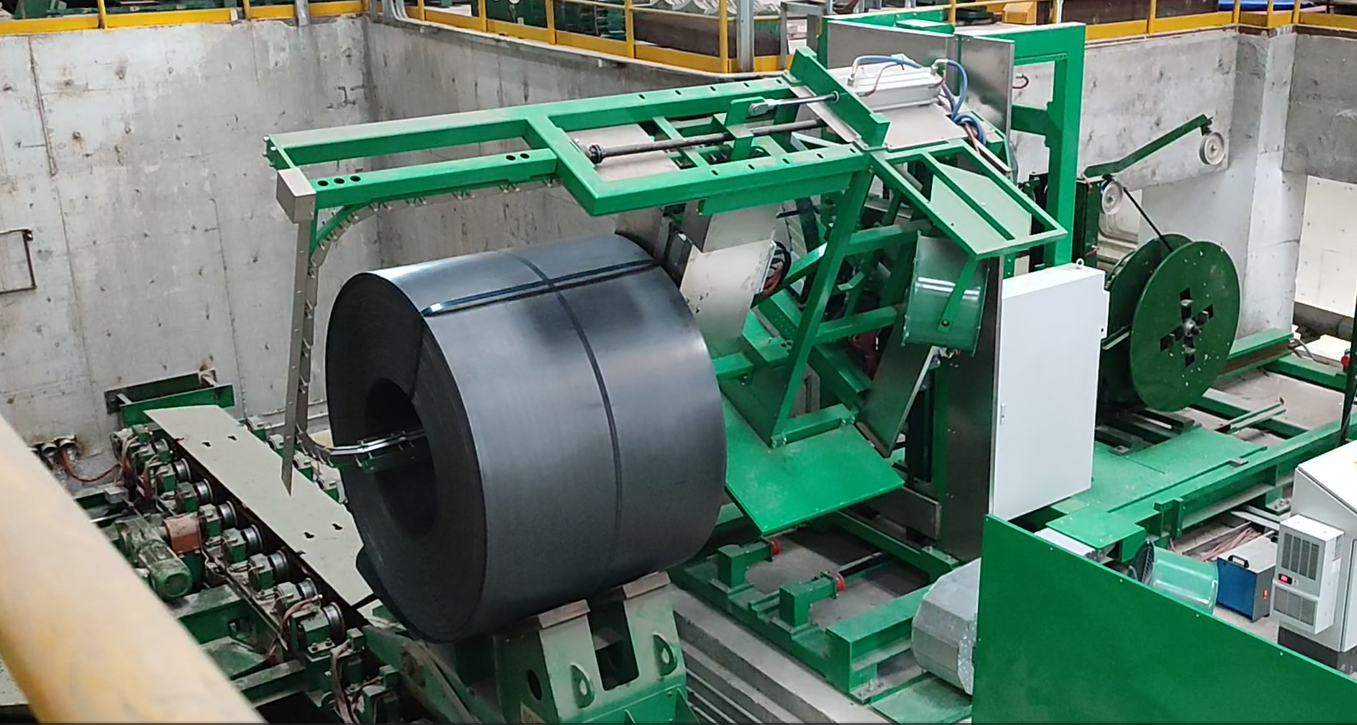
Managing steel coil packaging waste sustainably involves replacing traditional, polluting methods like rust-preventative oils and excessive wraps with eco-friendly alternatives. Key strategies include adopting Vapor Corrosion Inhibitor (VCI) technology in recyclable or biodegradable paper and film formats, minimizing material usage through rightsizing, prioritizing reusable packaging components where feasible, and ensuring proper segregation and recycling of steel strapping and other recyclable packaging materials.
The shift towards sustainable packaging might appear daunting, but innovative solutions are readily available. These advancements not only mitigate environmental harm but also offer tangible economic benefits. Let's delve into how modern approaches, particularly VCI technology, are transforming the way metal coils are protected, paving the path for a greener, more efficient manufacturing future.
The Environmental Burden of Traditional Coil Packaging
Sticking with outdated coil packaging methods creates a significant environmental headache. Heavy reliance on rust-preventative oils, grease, and layers of non-recyclable plastics or complex laminates generates substantial waste streams. This conventional approach burdens landfills and complicates disposal processes, demanding a shift towards cleaner, more responsible alternatives for true sustainability.
Traditional metal coil packaging imposes a heavy environmental burden due to its reliance on petroleum-based rust-preventative (RP) oils and bulky, often non-recyclable materials like plastic sheeting or complex laminates. Applying and removing these oils necessitates harsh solvents, creating hazardous waste streams that require specialized, costly disposal. The packaging materials themselves frequently end up in landfills, contributing to pollution and resource depletion. Furthermore, the production and transportation of these heavy, single-use materials consume significant energy and generate greenhouse gas emissions, compounding the negative environmental impact throughout the product lifecycle compared to cleaner, lighter VCI alternatives.
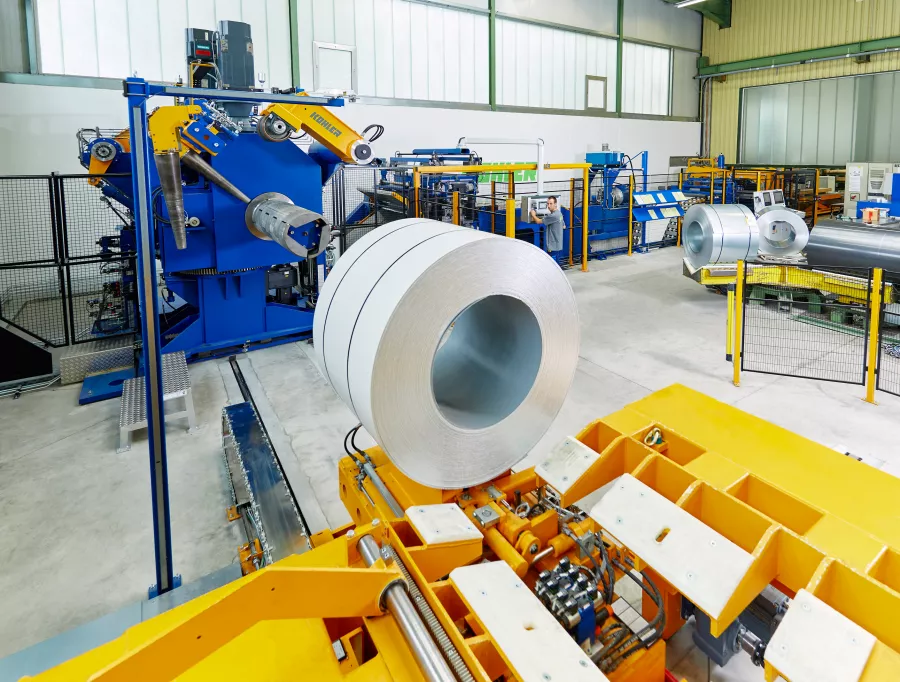
Dive Deeper: The Hidden Costs and Risks of Conventional Corrosion Prevention
Beyond the visible piles of discarded wrapping and the fumes from cleaning stations, traditional coil corrosion prevention methods carry substantial hidden environmental and economic liabilities. The widespread application of RP oils often introduces Volatile Organic Compounds (VOCs) into the workplace atmosphere and the environment. VOCs contribute to air pollution and can pose health risks to workers. Improper handling or disposal of used oils and contaminated cleaning solvents can lead to soil and groundwater contamination, requiring expensive remediation efforts and potentially incurring regulatory fines.
The packaging materials themselves present another layer of complexity. Multi-layer wraps, often combining plastic films with paper or woven materials, along with wax-coated papers, are notoriously difficult to recycle. They contaminate recycling streams and usually default to landfill disposal, adding to the mounting global waste problem. An estimated 30 percent of landfill waste already comprises packaging, a figure exacerbated by these hard-to-manage industrial materials.
Furthermore, the operational costs associated with traditional methods extend beyond material purchase:
- Labor: Applying oils (spraying, dipping, brushing) and wrapping coils manually is labor-intensive. Removing these oils at the destination often requires significant time and effort, adding to downstream costs.
- Chemicals: The cost of RP oils and the solvents needed for their removal represents a recurring operational expense. Disposal costs for contaminated solvents and oily rags add further financial burden.
- Safety: Wet, oily surfaces create slip hazards in the workplace. Handling solvents requires specific safety protocols and personal protective equipment (PPE). The potential for skin irritation or respiratory issues from chemical exposure increases insurance premiums and liability risks.
- Waste Disposal Fees: Landfilling non-recyclable packaging and disposing of hazardous waste (oils, solvents) incurs direct costs that are steadily rising as landfill space becomes scarcer and regulations tighten.
Consider this comparison highlighting the stark differences in environmental and operational impact:
| Feature | Traditional RP Oils & Packaging | VCI Packaging Solutions |
|---|---|---|
| Corrosion Mechanism | Physical barrier (oil/grease), often supplemented by wrap | Chemical barrier (VCI molecules form protective layer) |
| Application | Messy, labor-intensive (spraying, dipping), requires coverage | Clean, simple wrap/interleave/cover application |
| Removal | Requires cleaning, often with hazardous solvents | No removal needed; VCI dissipates upon unwrapping |
| Material Base | Oils, greases, solvents, complex laminates, plastic sheeting | VCI-impregnated paper (often recycled), poly film (recyclable/biodegradable options) |
| Waste Generated | High volume: used oil, contaminated solvents, non-recyclable wraps, oily rags | Low volume: recyclable/biodegradable paper/film |
| Recyclability | Very poor; oils contaminate materials, wraps often non-recyclable | Good; VCI paper is repulpable, VCI films often recyclable (#4 LDPE) or compostable |
| Worker Safety | High risk: VOC exposure, skin contact, slip hazards | Low risk: Non-toxic (most formulations), clean handling |
| Environmental Impact | High: VOC emissions, potential water/soil contamination, landfill burden | Low: Minimal emissions, non-toxic, reduced landfill waste |
| Hidden Costs | High: Labor (application/removal), chemicals, disposal fees, safety compliance | Low: Reduced labor, no cleaning chemicals, lower disposal costs |
The reliance on these outdated practices perpetuates a cycle of inefficiency, cost, and environmental concern. Common mistakes in the traditional process, such as packaging wet coils, using contaminated fluids, or allowing contact with untreated wood or acidic cardboard, often lead to rust despite the RP oil, resulting in scrapped coils and further waste. VCI technology directly addresses many of these pitfalls by providing protection even if minor moisture is present and by being integrated into clean, non-corrosive packaging materials.
Introducing VCI: A Cleaner Approach to Coil Protection
Frustrated by the mess, cost, and environmental impact of traditional oil-based rust preventatives? The search for a better way has led to Vapor Corrosion Inhibitor (VCI) technology. This innovative approach offers robust corrosion protection for metal coils without the hazardous chemicals, messy application, or difficult waste disposal associated with conventional methods.
Vapor Corrosion Inhibitor (VCI) technology provides a clean, dry, and environmentally responsible method for protecting steel coils from rust. Unlike oils that create a physical barrier, VCI chemicals impregnated into packaging materials (like paper or film) release protective molecules. These molecules form an invisible, self-healing layer on the metal surface, preventing moisture and oxygen from initiating corrosion, thus eliminating the need for messy oils and associated hazardous waste.
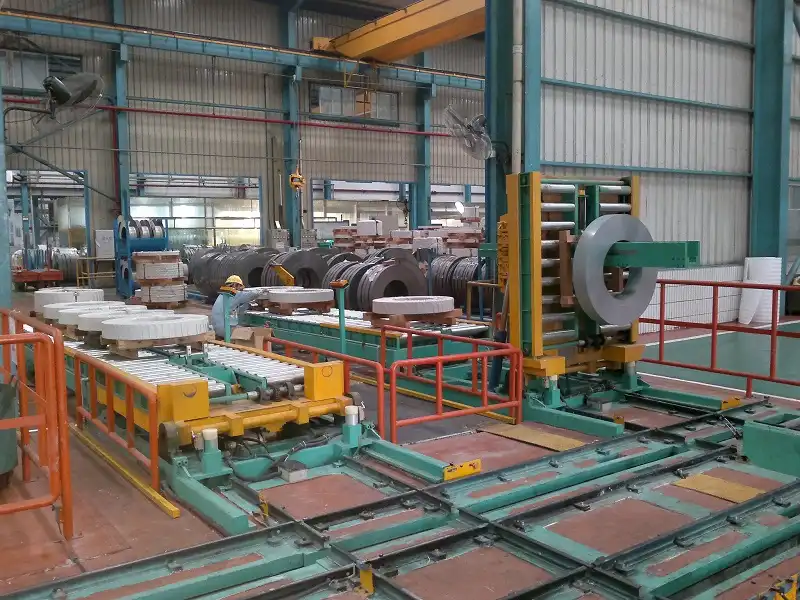
Dive Deeper: The Science Behind VCI Protection
The elegance of VCI technology lies in its ability to protect metals proactively and cleanly at a molecular level. Understanding the science reveals why it's a superior alternative to passive barrier methods like oils or simple plastic wraps.
VCI compounds are specially formulated organic chemicals characterized by a relatively high vapor pressure at ambient temperatures. This means they naturally transition from a solid state (impregnated within the paper or plastic film carrier) into a gaseous state, a process called sublimation. Once airborne within the enclosed package, these VCI gas molecules diffuse throughout the space, driven by concentration gradients, until they reach all exposed metal surfaces.
The core of VCI action involves disrupting the electrochemical process of corrosion. Rust formation requires an anode (where oxidation occurs), a cathode (where reduction occurs), and an electrolyte (typically moisture containing dissolved salts or pollutants) connecting them, allowing electron flow. VCI molecules possess polar functional groups, meaning they have distinct positive and negative charge distributions. This polarity causes them to be attracted to the metallic surface.
Upon reaching the metal, the VCI molecules adsorb onto the surface, arranging themselves into a very thin, typically monomolecular (one molecule thick), invisible layer. This layer effectively passivates the metal surface by:
- Blocking Anodic and Cathodic Sites: The VCI layer physically interferes with the electrochemical reactions occurring at the anode and cathode, interrupting the flow of electrons necessary for corrosion.
- Altering Surface Potential: The adsorbed VCI molecules can change the electrochemical potential of the metal surface, making it less susceptible to corrosive attack.
- Repelling Water: Some VCI molecules have hydrophobic properties, helping to repel moisture from the metal surface, thereby removing the essential electrolyte component of the corrosion cell.
A key advantage is VCI's dual-phase protection:
- Contact Phase: Where the VCI packaging directly touches the metal, VCI molecules transfer directly.
- Vapor Phase: VCI molecules travel through the air to protect areas not in direct contact, such as crevices, recessed areas, or the inner wraps of a tightly wound coil. This is crucial for complex shapes and large items where complete oil coverage is difficult or impossible to achieve or verify.
The VCI layer is also self-healing. If the package is briefly opened or the VCI layer is disturbed, more VCI molecules will volatilize from the carrier material and redeposit on the exposed metal, restoring protection.
Crucially, once the VCI packaging is removed, the protective VCI molecules simply evaporate from the metal surface, leaving it clean, dry, and ready for immediate use, painting, welding, or further processing. There is no need for the intensive, solvent-based cleaning required to remove RP oils. This elimination of the cleaning step significantly reduces hazardous waste generation, VOC emissions, labor costs, and potential damage to the metal surface from harsh cleaning processes.
The longevity of VCI protection (often effective for 2 years or more when properly packaged) also contributes to sustainability by minimizing the need for re-packaging, reducing product loss due to corrosion during long-term storage or transit, and preventing the waste associated with scrapped or reworked parts.
VCI Products for Coil Packaging: Eco-Friendly Options
Adopting VCI is a smart move, but selecting the right VCI packaging format is crucial for effectiveness and sustainability. With various options available, choosing incorrectly can compromise protection or negate environmental benefits. How do you ensure the VCI product matches your coil's needs while aligning with green initiatives?
Eco-friendly VCI packaging for coils includes VCI papers (often made from recycled content, biodegradable), VCI films (recyclable polyethylene, with biodegradable/compostable options), and custom VCI coil covers. These products replace traditional oils and non-recyclable materials, offering effective, clean corrosion protection using non-toxic chemistries. They significantly reduce material waste, simplify disposal, and minimize the environmental impact of protecting metal coils during storage and shipment.
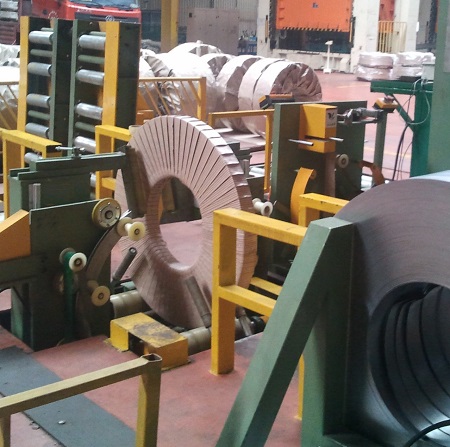
Dive Deeper: Choosing the Right Sustainable VCI Format
Selecting the optimal VCI packaging involves balancing protection requirements, handling practicalities, cost considerations, and environmental objectives. Steel coils present unique challenges due to their size, weight, potential for edge damage, and the large surface area needing protection. Fortunately, VCI technology is available in several formats tailored to these needs, with increasingly sustainable options.
Key VCI Formats for Coils:
-
VCI Paper:
- Description: Kraft paper impregnated with VCI chemistry. Available in various weights and often coated (polyethylene or wax) for enhanced moisture resistance or barrier properties.
- Pros: Excellent for interleaving between coil wraps to protect sensitive surfaces, good for wrapping the outer diameter (OD) and covering eye/ends. Often made from recycled fibers, readily biodegradable and repulpable (especially uncoated versions). Provides fast VCI action, good for metals susceptible to flash rust. Relatively inexpensive.
- Cons: Limited inherent moisture barrier unless coated (which can affect recyclability). Can tear if not handled carefully.
- Sustainability: High potential. Look for papers with high recycled content (PCR), FSC certification, and uncoated options for maximum recyclability/biodegradability. Avoid wax coatings if recyclability is paramount.
-
VCI Poly Film (PE):
- Description: Polyethylene film (typically LDPE #4) containing VCI additives. Available as flat sheeting, tubing, bags, shrouds, and custom-made coil covers. Often includes UV inhibitors for outdoor storage.
- Pros: Provides both VCI protection and a good moisture/dust barrier. More durable and tear-resistant than paper. Transparent options allow visual inspection. Can be heat-sealed for a tightly enclosed environment. Coil covers offer convenient, form-fitting protection for the entire coil.
- Cons: Standard PE film is derived from fossil fuels and is not biodegradable. Recyclability depends on local facilities accepting #4 plastic film (often challenging for consumers, more viable for industrial collection).
- Sustainability: Moderate. Choose films designed for recyclability. Some suppliers offer films with recycled PE content. Explore advanced options below.
-
Eco-Friendly VCI Films (Bio-based/Biodegradable/Compostable):
- Description: Advanced VCI films made from bio-based polymers (like PLA derived from corn starch) or formulations designed to biodegrade or compost under specific conditions (e.g., ASTM D6400). Products like Cortec's Eco-Corr® or Eco Works® fall into this category.
- Pros: Offer the barrier properties of PE film combined with significantly improved end-of-life options. Reduce reliance on fossil fuels. Certified compostable films break down in industrial composting facilities, reducing landfill burden.
- Cons: Typically more expensive than standard PE VCI films. Biodegradation/composting requires specific conditions (industrial facility often needed); they won't necessarily break down quickly in a standard landfill or marine environment. Requires careful segregation from standard PE recycling streams.
- Sustainability: High, particularly certified compostable options when appropriate disposal infrastructure exists. Represents the leading edge of sustainable VCI packaging.
Comparison of Eco-Friendly Aspects:
| Feature | VCI Paper (Uncoated, Recycled) | VCI Poly Film (Standard PE) | VCI Coil Covers (Standard PE) | Eco-Friendly VCI Films (e.g., Eco-Corr) |
|---|---|---|---|---|
| Material Source | Recycled Paper Fibers | Fossil Fuels (PE) | Fossil Fuels (PE) | Bio-polymers / Fossil + Additives |
| Recyclability | High (Repulpable) | Moderate (#4 Film) | Moderate (#4 Film) | Low (Not typically PE recyclable) |
| Biodegradability | High | Very Low | Very Low | High (Designed to Biodegrade) |
| Compostability | High (If uncoated) | No | No | High (If Certified Compostable) |
| Moisture Barrier | Low | Good | Good | Good |
| Durability | Moderate | High | High | High |
| Non-Toxic VCI | Yes (Verify formulation) | Yes (Verify formulation) | Yes (Verify formulation) | Yes (Designed for eco-friendliness) |
| Primary Use | Interleaving, OD Wrap | OD Wrap, Bags, Liners | Full Coil Enclosure | Replacing standard PE VCI |
Selection Considerations:
- Protection Duration & Environment: Long-term storage or overseas shipment in humid conditions favors VCI films or coated papers for their moisture barrier. Short-term domestic transport might allow for uncoated VCI paper.
- Coil Handling & Stacking: Robust VCI films or heavy-duty papers are needed if coils are handled roughly or stacked.
- End-User Requirements: Can the recipient easily recycle the VCI material? Do they have access to industrial composting for biodegradable films?
- Corporate Sustainability Goals: Prioritizing recycled content, biodegradability, or recyclability will guide the choice.
- VCI Chemistry: Always ensure the VCI chemistry is appropriate for the specific metal(s) being protected (ferrous, non-ferrous, multi-metal) and is free from nitrites, phosphates, and heavy metals. Reputable suppliers provide safety data sheets (SDS) and technical data.
Consulting with a VCI packaging specialist is highly recommended. They can analyze the specific application—coil type, storage conditions, shipping methods, end-of-life capabilities—and recommend the most effective and sustainable VCI solution. Implementing VCI is not just about swapping materials; it's about optimizing the entire packaging process for protection, efficiency, and minimal environmental impact.
Implementing Eco-Friendly Coil Packaging
Making the switch to sustainable coil packaging seems straightforward, but simply buying VCI paper isn't enough. Successful implementation requires changes to processes and potentially equipment. Without proper planning and execution, you risk ineffective protection, wasted materials, and failing to achieve the desired environmental and cost benefits.
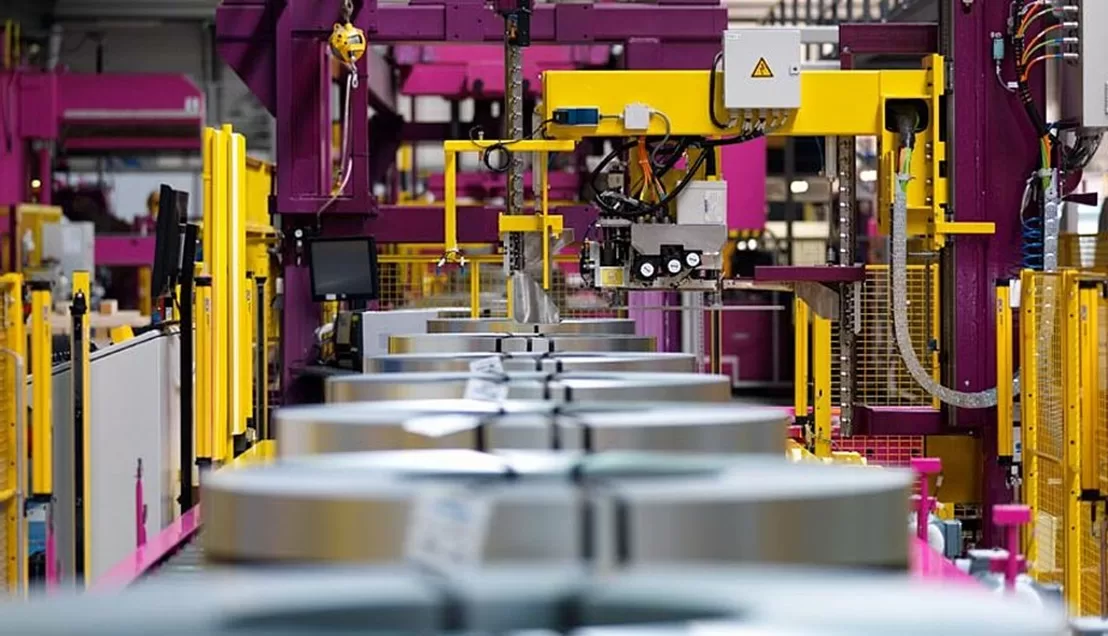
Adopting eco-friendly coil packaging is a strategic initiative involving material selection, process optimization, and personnel training. It starts by replacing traditional rust preventatives and excessive packaging layers with streamlined VCI solutions. Implementing eco-friendly coil packaging involves replacing traditional rust preventatives and bulky materials with streamlined VCI solutions like paper, films, or custom covers. This shift reduces material usage, eliminates hazardous oil removal processes, cuts disposal costs, and lowers the overall environmental footprint associated with protecting metal coils during storage and transit, ensuring a cleaner and more sustainable operation. Proper implementation focuses on ensuring coils are clean and dry before packaging—a critical step often overlooked. Using gloves to prevent contamination from fingerprints and ensuring VCI materials are stored correctly (sealed, away from extreme conditions) maintains their efficacy. Training staff on the correct application techniques—ensuring sufficient VCI material for the package volume, achieving proper closure to contain the VCI vapor, and understanding the different VCI product types—is essential. Integrating these practices into Standard Operating Procedures (SOPs) ensures consistency. Furthermore, optimizing the packaging line itself, perhaps by incorporating automated systems for wrapping or strapping, can improve efficiency and reduce material waste. This often goes hand-in-hand with evaluating the entire packaging line for optimizations, potentially incorporating [steel strapping machine automation]() for further efficiency gains. Choosing VCI materials coated on both sides can simplify application and minimize the risk of incorrect placement, reducing potential waste. The transition also involves establishing clear procedures for handling the VCI packaging at the receiving end, promoting reuse where feasible (e.g., VCI film shrouds) or ensuring proper recycling or composting according to the material type. Communicating these changes and benefits throughout the supply chain fosters collaboration and maximizes the positive impact. Ultimately, successful implementation transforms coil packaging from a necessary evil into a value-adding process that enhances product quality, reduces costs, improves safety, and demonstrates environmental stewardship.
Conclusion
Effectively managing steel coil packaging waste through sustainable practices is no longer optional but essential for environmental responsibility and economic viability. Moving away from traditional, polluting methods involving oils and non-recyclable materials towards cleaner alternatives like VCI technology offers significant advantages. Embracing recyclable and biodegradable VCI papers and films, optimizing material usage, and integrating sustainable practices throughout the supply chain drastically reduces waste, eliminates hazardous substances, lowers operational costs, and enhances product protection. These Environmental considerations are paramount. By adopting these modern solutions, the steel industry can achieve a greener, safer, and more efficient future for coil packaging.