Struggling with bottlenecks where your packing line ends and material handling begins? These disconnects lead to inefficiency, increased costs, and slower throughput. Seamless integration offers a powerful solution, synchronizing these critical stages for optimized flow, reduced handling, and a significant boost to your operational productivity.
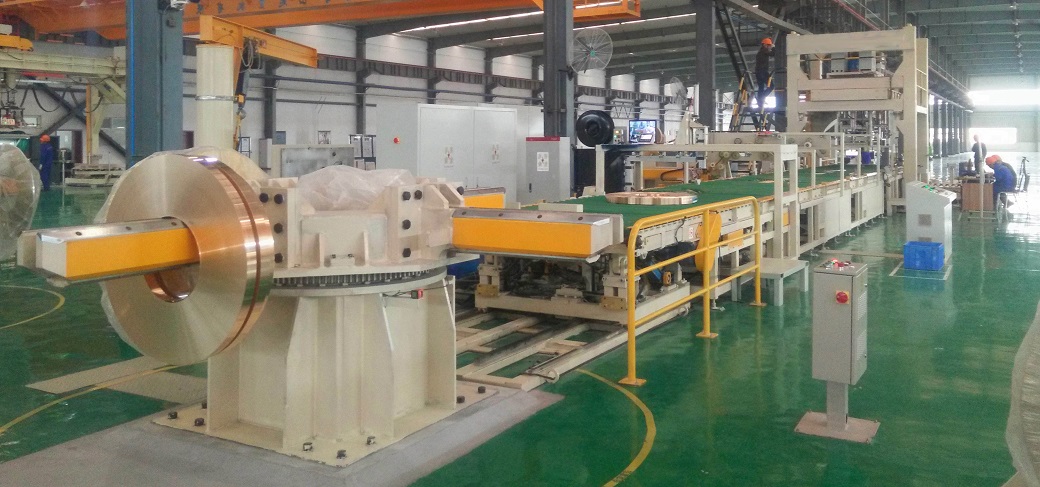
Connecting packing lines with material handling involves establishing physical links like conveyors or robotic arms for automated transfer, and integrating control systems (PLCs, WCS, MES) for synchronized data exchange and operational commands. This ensures products move smoothly from final packing stages (e.g., sealing, labeling) directly into downstream handling processes like palletizing, storage, or shipping without manual intervention or delay, optimizing overall workflow.
This article delves into the essential components, strategic approaches, common hurdles, and technological advancements necessary to achieve a truly seamless connection between your packing and material handling operations, unlocking significant efficiency gains.
Understanding the Core Components of Packing and Handling
Facing challenges in optimizing your end-of-line operations? Misunderstanding the distinct functions and interface points of packing lines and material handling systems often leads to inefficient layouts and integration failures. Gaining clarity on each system's role is the first step towards successful, seamless integration and enhanced productivity.
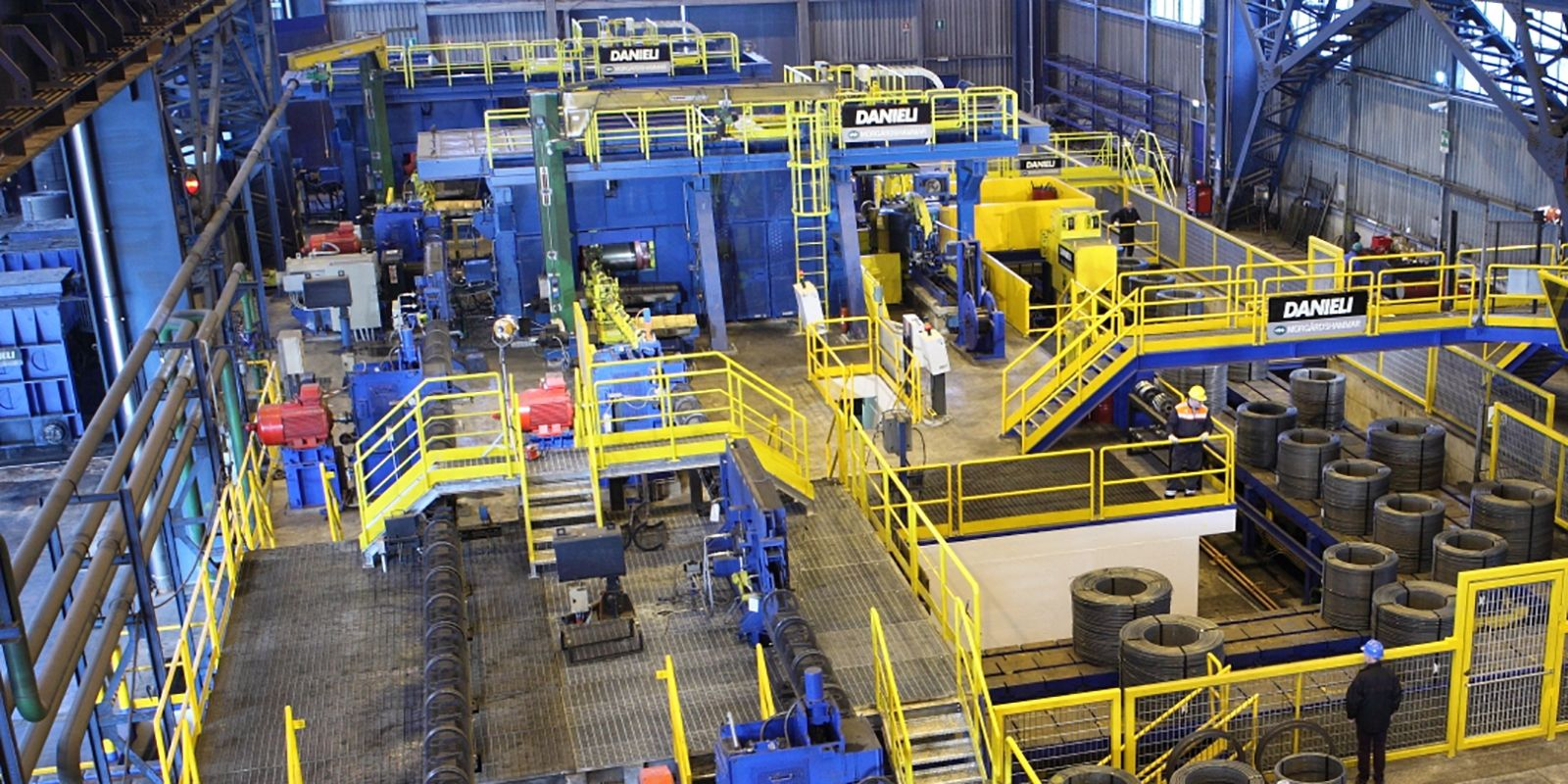
Packing lines encompass a sequence of machines designed for primary and secondary packaging tasks, including filling, sealing, labeling, cartoning, and case packing. Material handling systems focus on the subsequent movement, storage, buffering, and transport of these packed goods, utilizing equipment like conveyors, Automated Guided Vehicles (AGVs), robotic palletizers, sortation systems, and Automated Storage and Retrieval Systems (AS/RS). The critical connection point is typically the discharge of the final packed unit (e.g., a sealed case) from the packing line onto the initial element of the material handling system, such as an outfeed conveyor or robotic pickup station.
Dissecting the Interfaces: Where Packing Meets Handling
Achieving seamless integration necessitates a deep understanding not just of the individual systems, but precisely how and where they interact. This involves analyzing the physical hand-off points, data exchange requirements, and control system coordination needed for a fluid transition.
Key Packing Line Elements Relevant to Integration
Packing lines consist of multiple stages, each potentially interfacing with material handling:
- Fillers/Form-Fill-Seal: Handle primary product containment. Integration might involve automated supply of packaging materials or removal of filled units.
- Sealers/Cappers: Secure the primary package. Output often feeds directly to labeling or secondary packaging.
- Labelers: Apply product identification or branding. Requires precise product orientation and spacing, often managed by upstream/downstream conveyors.
- Cartoners/Case Erectors: Form secondary packaging (cartons, cases). Need synchronization with product infeed.
- Case Packers/Baggers: Insert products into cases or bags. This is a major interface point, as packed cases are typically the unit handled by downstream systems.
- Case Sealers/Tapers: Close the final shipping case. This is often the final step before the material handling system takes over.
Key Material Handling Elements Receiving from Packing Lines
Material handling systems deploy various technologies to manage packed goods:
- Conveyor Systems: The most common interface. Belt, roller, chain, and accumulating conveyors receive packed items and transport them to sorting, palletizing, or storage. Speed synchronization is critical.
- Automated Guided Vehicles (AGVs) / Autonomous Mobile Robots (AMRs): Offer flexible transport. Cases might be conveyed to a pickup station where AGVs/AMRs collect them for delivery to stretch wrappers, storage, or shipping docks. Requires clear communication for pickup requests and confirmations.
- Robotic Systems: Industrial robots (often articulated arm or gantry) are used for complex case handling, palletizing, or de-palletizing. They pick packed cases directly from the packing line's end conveyor. Vision systems are often integrated for precise handling.
- Sortation Systems: Divert packed cases to different destinations (e.g., specific shipping lanes, storage zones) based on barcodes or other identifiers read as they leave the packing line.
- Palletizers (Conventional & Robotic): Stack cases onto pallets in predefined patterns. Requires a steady, organized feed of cases from the packing line, often via conveyors.
- Stretch Wrappers: Secure pallet loads. Cases are typically palletized first, then conveyed or transported by AGV to the wrapper.
- Automated Storage and Retrieval Systems (AS/RS): Receive finished pallets or sometimes individual cases for high-density storage. Requires integration with warehouse control systems (WCS) for putaway instructions.
Critical Interaction Points and Data Requirements
The success of the integration hinges on managing these interaction points effectively:
- Physical Hand-off: Ensuring smooth, jam-free transfer between the packing line discharge and the material handling infeed. This involves matching heights, speeds, and orientations. Buffers (like accumulation conveyors) may be needed to handle temporary speed mismatches.
- Data Exchange: Critical information must pass between systems. This includes:
- Product Identification (SKU, batch number)
- Case Counts / Production Rates
- Destination Information (for sortation/storage)
- System Status (running, stopped, fault)
- Quality Control Flags
- Control System Synchronization: PLCs controlling the packing line need to communicate with PLCs or WCS controlling the material handling equipment. This ensures, for example, that a conveyor only runs when the packing line is discharging, or a robot knows when a case is ready for pickup.
| Equipment Combination | Typical Throughput (Cases/Min) | Key Integration Factor | Relative Cost | Complexity |
|---|---|---|---|---|
| Case Sealer -> Roller Conveyor -> Palletizer | 10 - 40 | Speed Synchronization | Medium | Medium |
| Case Packer -> Robotic Pick -> AGV Transfer | 5 - 25 | Robot Programming, AGV Comms | High | High |
| Labeler -> Belt Conveyor -> Sortation | 20 - 60+ | Barcode Reading, PLC Logic | Medium-High | Medium |
| Case Sealer -> Accumulation -> Stretch Wrap | Dependent on upstream | Buffer Logic, Load Stability | Medium | Medium |
| Packing Line -> Conveyor -> AS/RS Infeed | 15 - 50 | WCS/WMS Integration, Tracking | Very High | Very High |
Understanding these components and their potential interface points allows engineers to design robust, efficient, and truly seamless connections that minimize manual intervention and maximize operational flow.
Bridging the Gap: Integration Strategies
Disconnected packing and handling stages create operational friction, manual handling risks, and data inconsistencies. Employing deliberate integration strategies transforms these separate steps into a unified, automated workflow. This requires a blend of physical connections and sophisticated data communication pathways for optimal performance.
Effective integration strategies include direct physical connections using conveyors or robotic transfer cells, implementing middleware software to bridge communication gaps between disparate systems (e.g., packing PLC and WCS/MES), and standardizing communication protocols like OPC UA or EtherNet/IP. Utilizing integrated HMI/SCADA systems provides unified visibility and control over both packing and handling operations.
From Physical Links to Data Flow: Crafting the Connection
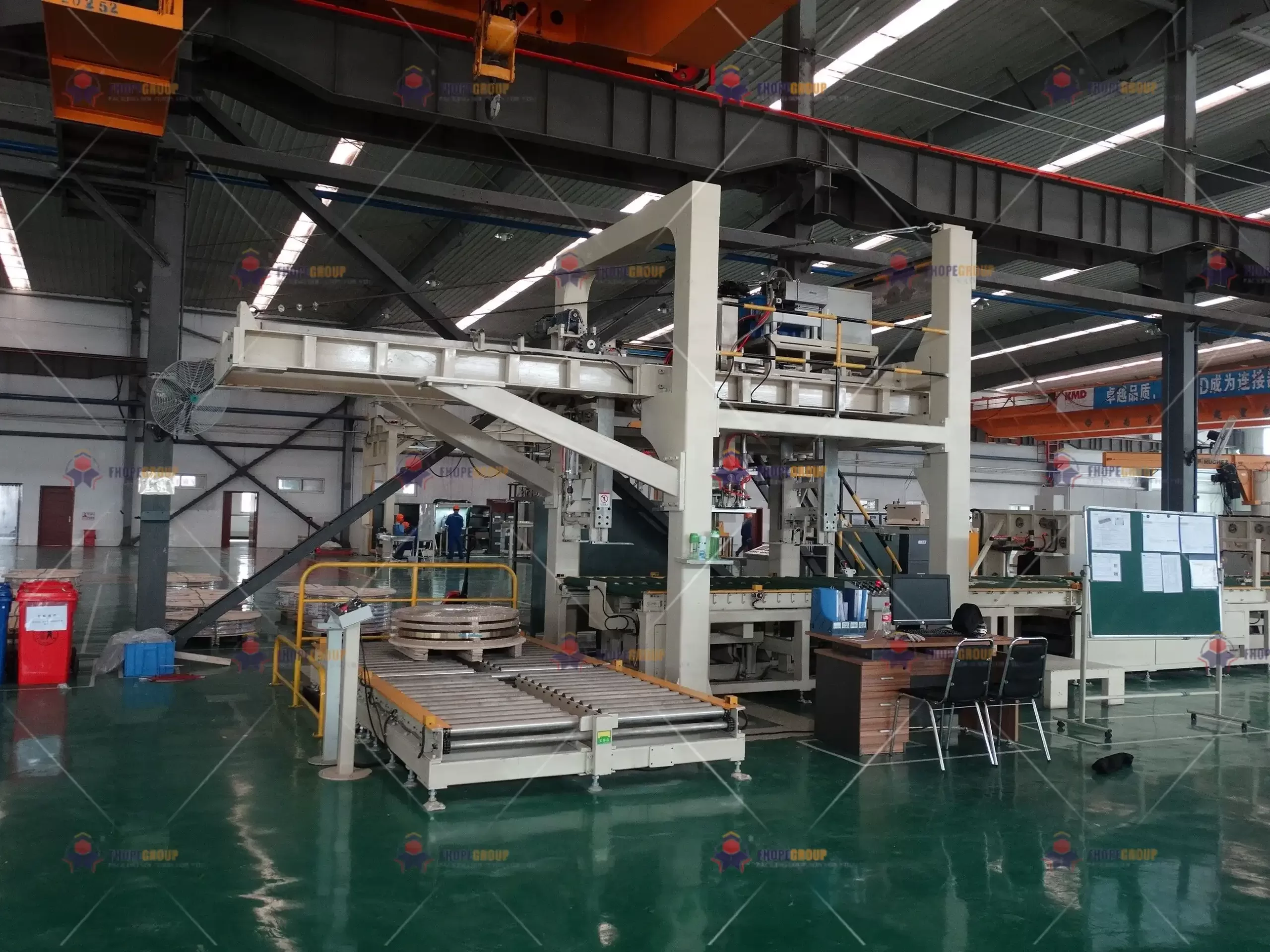
Successfully integrating packing lines and material handling systems requires a multi-faceted approach, addressing both the physical movement of goods and the digital flow of information. Choosing the right combination of strategies depends on factors like production volume, product variety, system complexity, and budget.
Physical Connection Methods:
- Direct Conveyor Links: This is the simplest and often most cost-effective method for stable, high-volume production. Cases discharge from the packing line directly onto a conveyor (belt, roller, chain) that transports them to the next stage (e.g., palletizer, sortation). Key considerations include matching conveyor heights, widths, and speeds. Accumulation conveyors are often essential buffers to handle speed variations or temporary downstream stoppages without halting the packing line.
- Robotic Transfer Cells: Industrial robots offer flexibility for more complex handling requirements. A robot positioned at the end of the packing line can pick cases and place them onto a pallet, another conveyor, an AGV, or directly into a specific pattern. This is ideal for:
- Handling varying case sizes or orientations.
- Performing basic quality checks (e.g., vision inspection).
- Creating specific stacking patterns (palletizing).
- Interfacing with multiple downstream options.
Integration involves precise robot programming, safety guarding, and communication between the robot controller and the packing line PLC to signal case availability.
- AGV/AMR Integration: For ultimate flexibility in routing, cases can be conveyed to designated pickup stations. AGVs or AMRs are dispatched via the Warehouse Control System (WCS) or fleet manager to retrieve the cases or full pallets. This decouples the packing line from fixed downstream paths but requires robust communication protocols (e.g., VDA 5050) for mission assignment and status updates between the WCS/MES and the AGV/AMR fleet manager. Buffering at the pickup station is crucial.
Software and Data Integration Methods:
- Point-to-Point Communication: Direct communication links between the PLCs of the packing line equipment and the material handling equipment. This is suitable for simple integrations but can become complex and difficult to manage as the number of interconnected devices grows. Often relies on basic digital I/O signals or simple fieldbus messages.
- Middleware / Integration Platforms: Dedicated software acts as a translator and data broker between different systems and protocols. It collects data from packing PLCs, transforms it if necessary, and sends commands or information to the WCS, MES, ERP, or material handling controllers. This simplifies integration, provides a central point for data management, and allows for easier modification or expansion. Examples include SCADA systems with strong integration capabilities or specialized industrial integration platforms.
- Unified Control Platforms (WCS/WES): A Warehouse Control System (WCS) or Warehouse Execution System (WES) often serves as the central brain for material handling automation. Integrating the packing line directly into the WCS/WES allows for holistic management of product flow from packing completion through storage and shipping. The WCS/WES receives production data (what's packed, quantity) from the packing line (often via MES or direct PLC link) and directs the material handling equipment accordingly (e.g., assigns storage locations, dispatches AGVs, controls sorters).
- MES/ERP Integration: Connecting the packing line and material handling systems to the Manufacturing Execution System (MES) and Enterprise Resource Planning (ERP) provides higher-level visibility and control. The MES can track production orders, monitor OEE, and provide context to the WCS/WES. The ERP handles inventory management and order fulfillment data, which informs storage and shipping decisions executed by the WCS/WES and material handling equipment.
Standardization of Communication Protocols:
Using industry-standard protocols simplifies integration and ensures interoperability between equipment from different vendors. Key protocols include:
- OPC UA (Open Platform Communications Unified Architecture): A secure, platform-independent standard for industrial data exchange. Widely adopted for machine-to-machine and machine-to-enterprise communication.
- EtherNet/IP, PROFINET, Modbus TCP/IP: Common industrial Ethernet protocols used for real-time control and data exchange between PLCs and devices.
- MQTT: A lightweight publish/subscribe messaging protocol often used for IoT integration and sending sensor data to cloud platforms or middleware.
By carefully selecting and combining these physical and digital integration strategies, businesses can create a cohesive, efficient, and data-rich connection between their packing and material handling operations.
Overcoming Integration Challenges
Attempting to connect disparate packing and material handling systems often reveals significant hurdles. Ignoring potential compatibility issues, communication breakdowns, or differing operational speeds can lead to costly project delays, chronic downtime, and unrealized efficiency gains, undermining the entire purpose of integration.
Common integration challenges include equipment incompatibility (different protocols, physical dimensions), data silos preventing seamless information flow, mismatched system speeds causing bottlenecks or starvation, unreliable communication links, and ensuring synchronized safety systems across interconnected equipment. Proactive planning, thorough testing, and selecting appropriate interfacing technologies are key to overcoming these obstacles.

Navigating the Hurdles: Technical Solutions and Best Practices
Successfully integrating packing lines with material handling systems demands careful navigation of potential technical roadblocks. Addressing these challenges proactively with the right strategies and technologies is crucial for achieving a seamless and reliable automated workflow.
Tackling System Compatibility
Incompatibility is arguably the most frequent challenge. This can manifest physically or digitally:
- Physical Incompatibility: Differences in conveyor heights, widths, speeds, or load capacities between the packing line output and the material handling input.
- Solutions: Employing adjustable height conveyors, transition plates, or using robotic transfer which can adapt to different pickup/placement heights. Custom-designed interface conveyors might be necessary. Careful specification during procurement is vital.
- Protocol Incompatibility: Equipment from different vendors may use different communication protocols (e.g., one uses PROFINET, another Modbus TCP).
- Solutions:
- Protocol Gateways/Converters: Hardware devices that translate between different protocols. Effective but can introduce latency and become another point of failure.
- Middleware: Software platforms (like SCADA or dedicated integration brokers) can communicate with multiple protocols and centralize data exchange. Often the most flexible approach.
- Standardization: Specifying common protocols like OPC UA or a preferred Ethernet/IP standard during equipment purchasing minimizes this issue.
- Solutions:
- Data Format Incompatibility: Systems might represent the same data differently (e.g., date formats, units of measure).
- Solutions: Middleware can handle data transformation. Custom scripting within PLCs or SCADA systems might also be required. Establishing clear data definitions early in the project is key.
Breaking Down Data Silos
Information needs to flow freely between packing, handling, and higher-level systems (MES/ERP) for optimal performance. Silos occur when systems cannot easily share data.
- Solutions:
- Integrated Control Architecture: Designing the system with a central WCS/WES that communicates directly with both packing PLCs and material handling controllers.
- MES Integration: Using the MES as a central hub for production data, passing relevant information (order details, product IDs, quantities) down to the WCS/WES and receiving status updates back.
- APIs (Application Programming Interfaces): Modern systems often offer APIs allowing software developers to create custom integrations for data exchange.
- Database Integration: Sharing data via a common database, although this requires careful management to avoid data conflicts and ensure real-time performance.
Synchronizing System Speeds and Flow
Packing lines often operate at a different pace than downstream material handling systems (e.g., a palletizer might be slower than the case sealer).
- Solutions:
- Buffering/Accumulation: Implementing accumulation conveyors between stages allows the faster system to continue running for a short period if the downstream system stops or slows down. This prevents minor stoppages from halting the entire line. Buffer sizing is critical and depends on expected stoppage durations and speed differentials.
- Variable Speed Drives (VSDs): Equipping conveyors and machines with VSDs allows their speeds to be adjusted dynamically based on downstream conditions, managed by the WCS or integrated PLCs.
- Dynamic Scheduling (WES): Advanced Warehouse Execution Systems can dynamically allocate resources and adjust workflows based on real-time conditions, optimizing overall flow even with varying speeds.
- Line Balancing: Analyzing the theoretical maximum speeds of each component and designing the integrated system around the bottleneck, potentially adding parallel operations if needed.
| Challenge | Potential Solution | Implementation Complexity | Cost Impact | Risk Mitigation Level |
|---|---|---|---|---|
| Protocol Mismatch | Protocol Gateway | Medium | Low-Medium | Medium |
| Protocol Mismatch | Middleware/SCADA Integration | High | Medium-High | High |
| Data Silos | Direct PLC-WCS Integration | Medium | Medium | Medium |
| Data Silos | MES Integration Layer | High | High | High |
| Speed Mismatch (Minor) | Accumulation Conveyor | Medium | Medium | High |
| Speed Mismatch (Significant) | VSDs & Dynamic Control | High | Medium-High | High |
| Physical Height Difference | Adjustable Conveyors / Robot Transfer | Medium-High | Medium-High | High |
| Lack of Real-time Status | Standardized Communication (OPC UA) | Medium | Low-Medium | High |
Addressing these challenges requires a combination of careful upfront design, selection of compatible and flexible technologies, robust testing during commissioning, and often, collaboration between multiple equipment vendors and integration specialists. Prioritizing open standards and clear communication protocols significantly simplifies the integration process and ensures future adaptability.
The Role of Automation and Smart Technology
Achieving truly seamless integration goes beyond basic connections; it leverages automation and smart technologies to create adaptive, efficient, and data-driven operations. These advancements transform the interface between packing and material handling from a simple hand-off into an intelligent, optimized transition point.

Automation, through robotics (cobots, vision-guided systems) and mobile units (AGVs/AMRs), executes the physical transfer with precision and flexibility. Smart technology, encompassing IoT sensors, AI, and data analytics, provides real-time visibility, enables predictive maintenance, optimizes material flow dynamically, and facilitates data-driven decision-making for continuous improvement across the integrated packing and handling process. The synergy between advanced automation hardware and intelligent software unlocks higher levels of efficiency, adaptability, and reliability that traditional integration methods cannot achieve alone.
Advanced robotics plays a critical role. Collaborative robots (cobots) can work safely alongside humans near the packing line end for tasks like case inspection or specialized handling before transfer. Vision-guided robotic systems enhance flexibility, allowing robots to pick randomly oriented items from a conveyor or adapt to different product types without reprogramming, crucial for high-mix environments.
AGVs and AMRs provide unparalleled routing flexibility. Instead of fixed conveyors, these mobile units can transport packed goods to various destinations – stretch wrapping, quality control, multiple storage zones, or shipping docks – based on real-time instructions from the WCS/WES. This adaptability is essential for dynamic operations and facilities with changing layouts.
IoT sensors embedded within packing machines, conveyors, robots, and AGVs generate vast amounts of real-time data. This includes temperature, vibration, speed, position, case counts, cycle times, and error codes. This data feeds into higher-level systems for monitoring and analysis.
Artificial Intelligence (AI) and Machine Learning (ML) algorithms analyze this IoT data to provide actionable insights. Key applications include:
- Predictive Maintenance: AI algorithms analyze sensor data (e.g., motor vibration, temperature) to predict potential equipment failures before they occur, allowing maintenance to be scheduled proactively, minimizing unplanned downtime across the integrated line.
- Process Optimization: AI can analyze material flow patterns, identify recurring bottlenecks between packing and handling, and suggest adjustments to speeds, buffer logic, or AGV routing to maximize throughput.
- Enhanced Vision Systems: AI powers more sophisticated vision systems for quality control (detecting defects on packages) or robotic guidance (identifying and picking items more accurately).
- Dynamic Routing and Scheduling: AI within a WES can make real-time decisions on the best path for materials based on current congestion, equipment availability, and order priority.
Data Analytics platforms visualize the collected data through dashboards and reports. This allows engineers and managers to track Key Performance Indicators (KPIs) like Overall Equipment Effectiveness (OEE) for the integrated line, throughput rates, downtime causes, and energy consumption. Analyzing historical trends helps identify areas for continuous improvement and justifies further investments in automation.
Together, these technologies create a cyber-physical system where the physical movement of goods is precisely controlled and optimized based on real-time digital information and intelligent algorithms, ensuring the connection between packing and material handling is not just seamless, but also smart and continuously improving.
Conclusion
Achieving seamless integration between packing lines and material handling is paramount for modern manufacturing and distribution efficiency. It transforms disjointed steps into a unified, automated workflow, drastically reducing bottlenecks, manual labor, and operational costs while enhancing throughput and accuracy. Success hinges on understanding core components, employing smart physical and digital integration strategies, proactively overcoming compatibility and communication challenges, and leveraging the power of advanced automation and smart technologies like robotics, AI, and IoT. Investing in well-planned integration ensures that your [Material handling systems]() operate as a cohesive, optimized unit, providing a significant competitive advantage.