Sustainable Packaging Materials for Coil Packing Lines
Coil packing lines face immense pressure to boost throughput, but at what environmental cost? Traditional materials contribute significantly to waste and carbon footprints. Ignore this challenge, and risk regulatory fines, reputational damage, and missed market opportunities. Embrace sustainable alternatives now to future-proof operations and enhance your brand.
Sustainable packaging materials for coil packing lines include high post-consumer recycled content plastic films, paper-based protective wraps and interleaving, recycled PET (rPET) strapping, and reusable systems. These options aim to reduce reliance on virgin materials, minimize waste, and improve end-of-life scenarios like recyclability or reuse within industrial contexts.
Navigating the shift to sustainable materials for heavy-duty coil packaging requires careful consideration of material properties, automation compatibility, and lifecycle impacts. The journey involves more than just choosing a new wrap; it's about rethinking the entire packaging process from source to end-of-life. Let's delve into the critical aspects and explore the viable solutions emerging for automated coil lines.
The Environmental Imperative for Coil Packaging
Are your coil packing operations lagging behind in the global sustainability push? Ignoring the environmental impact of industrial packaging creates significant risks, from regulatory non-compliance to negative brand perception and supply chain disruptions. Embrace the imperative now to turn environmental challenges into competitive advantages.
The environmental imperative for sustainable packaging in coil packing lines stems from increasing global regulations on packaging waste, growing customer demand for greener supply chains, and corporate commitments to reduce carbon footprints and improve resource efficiency. Addressing this is vital for maintaining market access, enhancing corporate social responsibility, and ensuring long-term operational resilience in the face of environmental challenges and resource scarcity.
Why Sustainability is Crucial for Heavy-Duty Packaging
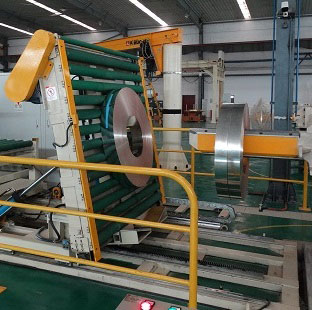
The industrial sector, particularly industries dealing with heavy goods like metal coils, has historically focused on durability and cost over environmental impact. However, this is rapidly changing due to converging pressures. Unlike e-commerce packaging, coil packaging must withstand significant physical stress, protect against corrosion and damage during transit and storage, and often accommodate automated handling. The sheer volume and weight of materials used amplify their environmental footprint, making sustainable choices particularly impactful. Addressing this requires a nuanced approach that balances performance requirements with environmental goals.
Regulatory Landscape and Corporate Goals
Global regulations, such as Extended Producer Responsibility (EPR) schemes expanding across Europe and North America, increasingly hold producers accountable for the end-of-life management of their packaging. This drives demand for easily recyclable materials or those with high recycled content. Furthermore, many large corporations and their customers have set ambitious Environmental, Social, and Governance (ESG) goals, demanding that their suppliers demonstrate verifiable progress in reducing environmental impact, including packaging waste and emissions. Meeting these targets necessitates a shift from traditional, often single-use, low-recycled-content materials to more sustainable alternatives. Ignoring these trends can lead to compliance issues, increased costs through fees or penalties, and exclusion from supply chains of environmentally conscious partners.
Lifecycle Impact of Coil Packaging
Evaluating the sustainability of coil packaging materials requires a full lifecycle assessment, considering raw material extraction, manufacturing, transport, use, and end-of-life disposal or recovery.
| Stage | Traditional Material Impact (e.g., Virgin Plastic Film, Steel Strapping) | Sustainable Material Potential (e.g., Recycled Film, rPET Strapping, Paper Wrap) | Considerations for Coil Packaging |
|---|---|---|---|
| Raw Material | High reliance on fossil fuels (plastic) or resource-intensive mining (steel). | Utilizes waste streams (recycled plastic/paper) or potentially renewable resources (certain bio-based materials). | Source reliability and quality of recycled feedstocks for heavy-duty performance. |
| Manufacturing | Energy-intensive processes. | Can be less energy-intensive depending on the recycling process. May involve different chemical processes. | Energy sources used in manufacturing are critical (renewable vs. fossil fuels). |
| Transport | Weight/volume impact on freight emissions. Often globally sourced. | Weight/volume can differ; domestic sourcing potential (as highlighted in source material) reduces transport impact. | Density and bulk of materials influence shipping efficiency. |
| Use Phase | Protects product; performance is key. Durability often prioritized over sustainability. | Must match or exceed traditional material performance under stress, vibration, weather. | Material strength, elasticity, and protective properties are paramount for heavy loads. |
| End-of-Life | Often landfilled or incinerated; low recycling rates for industrial films/strapping. | Higher potential for recycling (if infrastructure exists) or composting (if applicable and certified). | Industrial scale recycling infrastructure availability for specific materials (film, strapping). |
Understanding this full cycle reveals that improving sustainability isn't just about the material itself but also about optimizing packaging design (reducing material used), enabling efficient transport, and ensuring viable end-of-life pathways. For coil packaging, this means materials must not only be "greener" but also compatible with existing recovery systems or facilitate new, more sustainable ones.
Exploring Sustainable Material Options
Concerned about finding sustainable packaging materials robust enough for heavy industrial coils? Traditional options feel secure, but they weigh down your environmental goals and miss opportunities for innovation. Discover viable alternatives that offer both performance and planet-friendliness.
Sustainable material options for coil packing lines include stretch films made with significant post-consumer recycled (PCR) content, protective wraps and interleaving made from recycled paper or corrugated board, strapping utilizing recycled PET (rPET), and robust, reusable packaging systems like steel frames or heavy-duty textile covers. The selection depends on the specific coil type, required protection level, transport method, and compatibility with automated packing machinery.
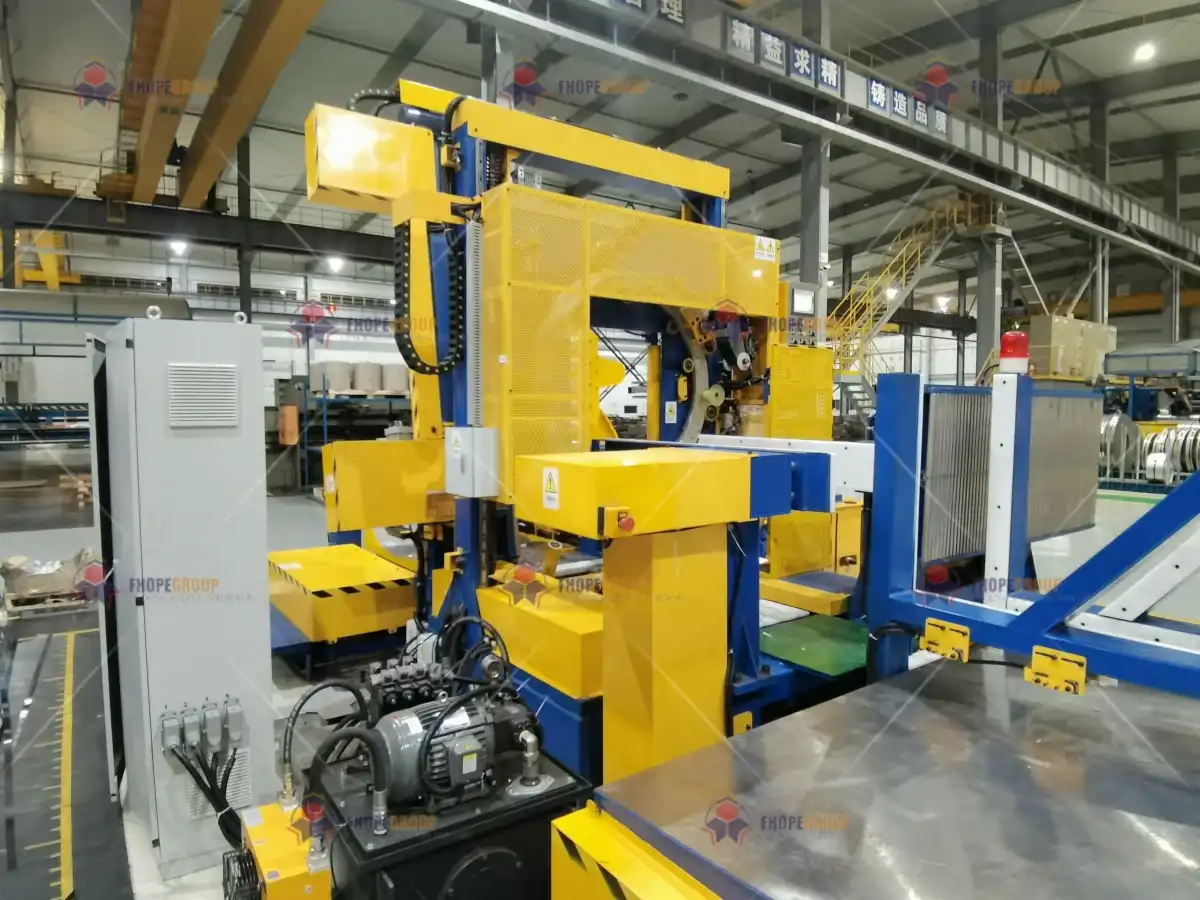
Finding materials that meet the stringent demands of coil packaging – including puncture resistance, tensile strength, weather protection, and load stability – while also being sustainable is a key challenge. However, advancements in material science and processing are expanding the possibilities beyond traditional virgin plastics and steel.
- Recycled Content Plastic Films: While often associated with lightweight consumer goods, industrial stretch film and protective films used for coils are increasingly available with PCR content, ranging from 20% to over 50%. The challenge is maintaining consistent quality, stretch, and tear resistance needed for automated wrapping. Suppliers are improving processing techniques to ensure PCR films perform comparably to virgin films, offering a significant reduction in virgin plastic consumption. These films provide essential weather protection and load containment.
- Paper-Based Wraps and Interleaving: Corrugated cardboard wraps or heavy-duty paper laminates can offer protection against physical damage and dirt. While paper alone may lack sufficient moisture barrier for long-term outdoor storage or transit through wet climates (a key concern for steel coils), composite materials or treated papers are being developed. Recycled paper is readily available, and paper packaging is generally easier to recycle in many locations compared to mixed material films. IPG's focus on paper cushioning highlights the innovation potential in this area, even if not directly for the primary wrap of a multi-ton coil. Paper interleaving can prevent surface scratching between stacked coils.
- Recycled PET (rPET) Strapping: Steel strapping has been a staple for heavy-duty bundling due to its strength. However, rPET strapping provides a strong, durable alternative derived from recycled plastic bottles. rPET strapping offers advantages in elasticity (absorbing shock better than steel), safety (less recoil when cut), and weight. While historically used for lighter loads, high-tenacity rPET strapping is now suitable for securing heavy coils, offering comparable break strength to steel in many applications while being easier to handle and recycle through plastic recycling streams.
- Reusable Packaging Systems: For closed-loop supply chains or high-value coils, reusable systems offer the highest level of sustainability by eliminating single-use waste entirely. This can include robust steel frames, wooden crates designed for multiple trips, or durable fabric/textile covers. While the initial investment and logistics for managing returns can be higher, the long-term environmental benefits and potential cost savings (by avoiding recurring material purchases) are significant. Examples like the reusable mailer from Armoire in the source material demonstrate the principle of designing for multiple uses, which can be scaled to industrial applications. Implementing reusable systems often requires collaboration across the supply chain.
Selecting the right combination of these materials involves assessing the specific protective needs of the coil, the handling processes it will undergo, the available recycling infrastructure at the destination, and the capabilities of existing automated packing machinery. Often, a hybrid approach combining different sustainable materials for wrapping, strapping, and protection offers the optimal balance of performance and environmental responsibility.
Integrating Sustainability into Automated Lines
Worried that sustainable materials might slow down or jam your high-speed automated coil packing line? The concern is valid; not all materials run smoothly. Avoid operational headaches and capitalize on efficiency by understanding material compatibility and necessary machine adjustments.
Integrating sustainable packaging materials into automated coil packing lines requires careful consideration of material properties like tensile strength, elongation, friction, and thickness, ensuring they are compatible with existing machine parameters for wrapping tension, heat sealing or friction welding (for strapping), cutting mechanisms, and handling systems. Often, minor machine adjustments or calibrations are needed, and sometimes, upgrades or new equipment designed for specific sustainable materials are necessary to maintain optimal line speed and reliability.
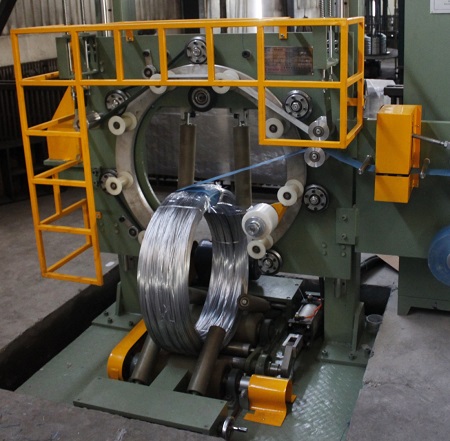
Automated coil packing lines are engineered for precision and speed, designed to handle materials with specific, consistent physical properties. Introducing new sustainable materials means these properties must align with machine tolerances and functions. The success of integration hinges on thorough testing and potentially adapting both the material specification and the machine setup.
Technical Considerations for Material-Machine Compatibility
The interplay between the sustainable packaging material and the automated machinery is complex. Key technical factors must be evaluated to ensure smooth operation, consistent pack quality, and maximum line efficiency.
Material Properties and Machine Functionality
Different sustainable materials present unique challenges and opportunities for automated lines:
- Recycled Content Films: PCR content can sometimes affect the film's elasticity, tackiness, and consistency compared to virgin film. Automated stretch wrappers rely on precise tension control to achieve optimal load containment. Films with variable stretch or lower tear resistance may require adjusting tension settings, wrapping patterns, or even film gauge to prevent breaks or insufficient wrapping. Sensors on the machine must accurately detect the film.
- Paper-Based Wraps: Paper materials are generally less elastic and more prone to tearing if snagged compared to plastic films. Automated systems designed for flexible film may struggle with the rigidity or folding characteristics of paper wraps. Specialized paper wrapping machines or modules designed to handle heavier paper rolls, apply adhesives (if needed for sealing), and manage the material's less conformable nature are often necessary. Moisture content in paper can also affect its strength and handling.
- rPET Strapping: While strong, rPET strapping has different elongation and recovery properties than steel or virgin polypropylene strapping. Automated strapping machines need recalibration for tension settings and potentially the friction weld or heat seal parameters to ensure secure, reliable joints. Wear on machine parts, especially sealing heads, might differ compared to steel or other plastic straps.
- Reusable Covers/Wraps: Automated handling of flexible, reusable covers requires sophisticated gripping and placement systems. Machines need to be able to accurately position, potentially tension, and secure the covers, often using clips, Velcro, or integrated fastening systems instead of heat seals or strapping welds. The durability and consistency of the reusable material over multiple cycles are critical for machine reliability.
Automation Challenges and Solutions
Integrating sustainable materials into automated lines isn't just about swapping materials; it's about optimizing the entire process.
| Challenge in Automation | Impact on Coil Packing Line | Potential Solutions for Sustainable Materials |
|---|---|---|
| Material inconsistency (e.g., recycled) | Increased film breaks, poor strapping seals, jams. | Source high-quality, consistent sustainable materials. Implement stricter QC checks on incoming materials. Adjust machine tolerances. |
| Different material properties (tension) | Sub-optimal load containment, material waste. | Calibrate machine tension settings precisely for the new material. Consider machines with dynamic tension control. |
| Sealing/Joining methods | Weak seals/joints, potential package failure. | Test and recalibrate heat seal or friction weld parameters for rPET/recycled films. Explore alternative joining methods (adhesives, clips). |
| Handling characteristics (rigidity, flex) | Difficulty feeding, wrapping, cutting material. | May require machine modifications (e.g., different rollers, guides, cutters) or specialized equipment designed for the material type (e.g., paper wrappers). |
| Sensor compatibility | Incorrect material detection, faulty operations. | Ensure sensors are compatible with the optical or physical properties of the new material. Adjust sensor sensitivity. |
| Speed requirements | Slower line speed due to material limitations. | Optimize machine settings. Work with material suppliers to improve material properties. Invest in higher-performance automation equipment. |
Successful integration often begins with pilot testing on a section of the line, closely monitoring performance metrics like cycle time, material consumption, package integrity, and machine uptime. Collaboration between material suppliers and equipment manufacturers is crucial to identify and implement the necessary adjustments or technological solutions. Investing in automation systems specifically designed for the nuances of sustainable materials is becoming increasingly important for companies committed to both efficiency and environmental responsibility.
Beyond Materials: Lifecycle Thinking and Optimization
Simply swapping materials is only part of the sustainability equation for coil packaging. True progress requires a holistic view that encompasses packaging design optimization, enabling effective end-of-life pathways, and fostering collaboration across the supply chain. Failure to consider the full lifecycle limits environmental gains and can lead to unforeseen challenges in waste management or recyclability.
A holistic approach to sustainable coil packaging involves optimizing the packaging design to reduce material use, implementing strategies to facilitate end-of-life management through recycling or reuse, and fostering supply chain collaboration to ensure materials can be effectively recovered and processed. This includes designing packaging to be easily separable into different material streams for recycling, exploring reusable systems for closed-loop distribution, and partnering with recyclers or waste management providers who can handle the specific industrial materials used.
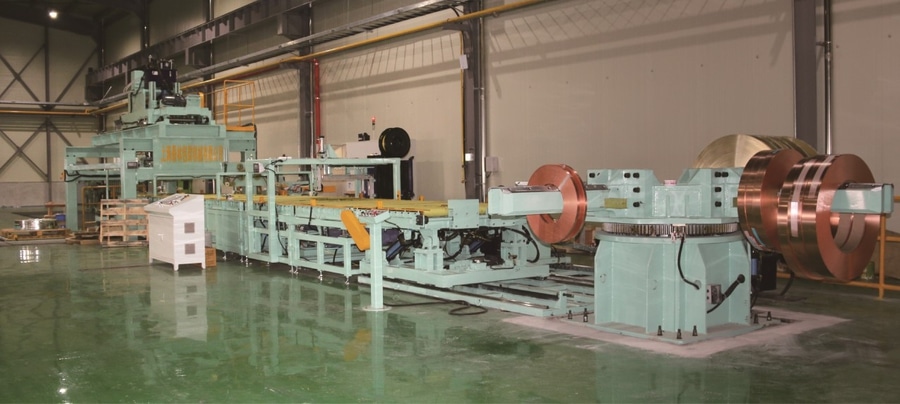
Sustainable packaging for coils extends beyond the choice of wrap or strapping to encompass the entire system and its journey. Automated lines offer unique opportunities to implement optimization strategies efficiently.
- Source Reduction Through Design: The most sustainable material is often the one not used at all. Automation allows for precise application of materials, reducing excess. Optimizing wrap layers, strapping patterns, and edge protection based on load requirements rather than using a one-size-fits-all approach minimizes material consumption. For instance, using automated stretch wrapping machines with pre-stretch capabilities maximizes the film's yield. Reducing the thickness (gauge) of films or straps while maintaining performance through advanced material science is another form of source reduction compatible with automation, provided the machines can handle thinner materials.
- Enabling End-of-Life Pathways: The recyclability of industrial packaging materials like films and strapping is challenging due to contamination and lack of dedicated infrastructure compared to consumer packaging. For metal coils, the packaging is often removed at the destination, frequently a manufacturing plant or construction site, where recycling facilities might be limited or focused on metal scrap. Designing packaging using mono-materials (e.g., pure PE film instead of mixed laminates) and ensuring easy separation of different components (film from strapping, edge protectors from wraps) significantly improves the potential for recycling. Partnerships with specialized industrial recyclers or participation in industry-specific take-back programs (like those for agricultural film or industrial plastics) become crucial. For reusable systems, establishing efficient reverse logistics is paramount.
- Supply Chain Collaboration: Achieving true circularity requires collaboration. Manufacturers, packaging suppliers, logistics providers, and end-users must work together. Packaging suppliers innovate with sustainable materials; manufacturers adopt them and optimize line processes; logistics ensures efficient transport (potentially consolidating returns of reusable packaging); and end-users properly segregate and return or recycle materials. Certifications (like those mentioned in the source material, albeit adapted for industrial context) can provide a common language and verify claims across the supply chain. Dialogue is needed to understand the realities of material handling and disposal at the destination.
By integrating source reduction, designing for recyclability or reuse, and fostering supply chain partnerships, companies can move beyond simply selecting sustainable materials towards creating a genuinely circular system for coil packaging. Automated lines are key enablers for consistent application of optimized designs and can be adapted to handle materials suited for these advanced end-of-life strategies.
The transition to Sustainable Materials for coil packing lines is a complex but necessary journey driven by regulation, market demand, and corporate responsibility. It requires a move beyond traditional options to embracing recycled content films, paper alternatives, rPET strapping, and reusable systems. Integrating these materials into [wire packing automation]() demands careful technical evaluation and potential machine adjustments. Ultimately, a holistic lifecycle approach, focusing on design optimization, end-of-life strategies, and supply chain collaboration, is essential for achieving meaningful environmental progress in this heavy-duty sector.