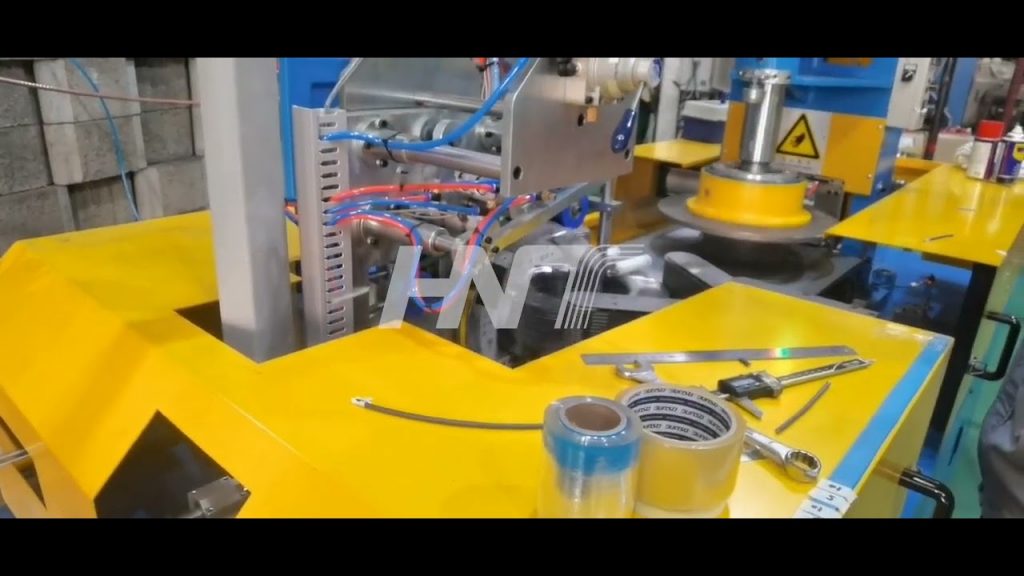
Noise Reduction Strategies for Coil Packing Line Environments
Coil packing lines are environments defined by significant noise, a persistent challenge that undermines communication and worker focus. The constant sounds degrade safety and efficiency, impacting overall operational health. Mastering targeted noise reduction transforms these spaces, significantly enhancing worker well-being and productivity.
Effective noise reduction in coil packing lines involves a multi-faceted approach. Key strategies include identifying primary noise sources, implementing engineering controls like enclosures and vibration isolation, applying acoustic absorption materials to reduce reverberation, utilizing administrative controls such as scheduling, and ensuring proper use of personal protective equipment (PPE) to protect worker hearing.
Understanding the 'why' behind noise control is crucial, but the 'how' requires a deeper dive into the specific challenges posed by coil packing operations. By breaking down the problem and exploring proven solutions, we can craft a quieter, safer, and more efficient workspace. Let's explore the specific noise landscape of coil packing lines and the strategies that deliver results.
Understanding Noise Sources in Coil Packing Lines
The powerful machinery on a coil packing line creates intense sound. From metal impact to vibrating conveyors, identifying the exact sources is the first step towards effective noise control. Overlooking specific noise types can lead to ineffective solutions and wasted investment in controls.
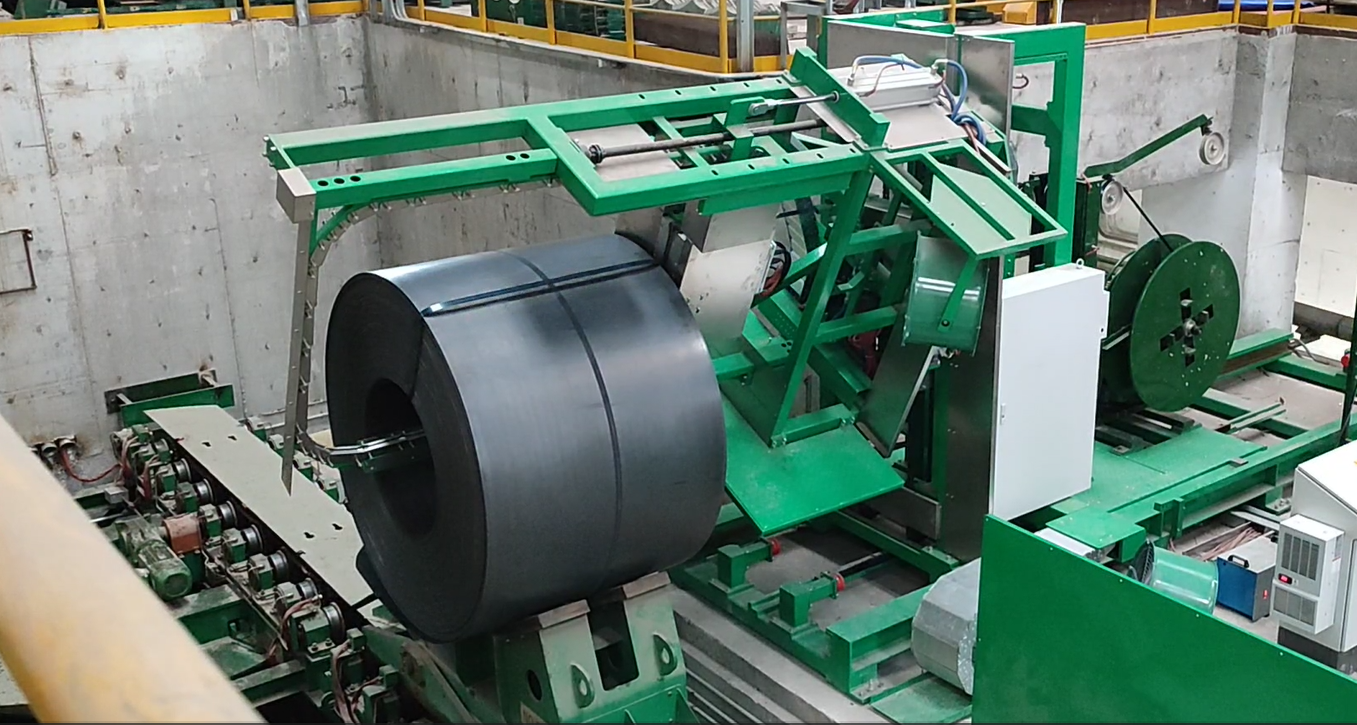
Noise in coil packing lines originates from several key sources, contributing to different noise types. Airborne noise is prominent, produced by the clang of metal-on-metal during banding, dropping coils, or pneumatic tools. Motor hum and fan noise also contribute. Structure-borne noise transmits vibration through the floor from heavy machinery like hydraulic presses, coil handling equipment, or large conveyors, creating deep, constant sounds. Fluid-borne noise can arise from hydraulic systems or compressed air lines, manifesting as hisses or gurgles within pipes. While less common than in other industries, elasticity noise could potentially occur during material deformation steps like coil banding or straightening. These noises can be continuous (conveyors, HVAC), intermittent (strappers, cranes), or impulsive (dropping coils).
The Anatomy of Noise: Types and Characteristics
Industrial noise isn't monolithic; it manifests in different forms depending on its origin and transmission path. Recognizing these types is fundamental to selecting the correct noise control method. Applying the general principles of industrial acoustics to the specific equipment and processes found in a coil packing line environment reveals the complexity of the noise challenge.
- Airborne Noise: This is perhaps the most intuitive type, sound energy traveling through the air from a source. In coil packing, this includes the loud, sharp bang of a strapping machine applying tension and cutting metal bands, the impact noise when a coil is lowered onto a conveyor or floor, the whirring of motors and fans, the hiss of pneumatic actuators, and verbal communication (or attempts at it) amplified in a loud space. Airborne noise sources often require barriers or enclosures to block the sound path or absorptive treatments to dampen the sound field.
- Structure-Borne Noise: Generated by mechanical vibration that transfers through solid structures like the building's frame, floors, and walls before radiating as airborne sound. Heavy machinery like coil transporters, hydraulic presses used for coil compaction, or large conveyor drives can transmit significant vibration through the concrete slab. This can cause floors or even adjacent walls to vibrate and become secondary noise sources, often producing a low-frequency rumble that is difficult to ignore. Vibration isolation is the primary strategy for structure-borne noise.
- Fluid-Borne Noise: Sound transmitted through liquids or gases in pipes or ducts. Hydraulic systems, common in coil handling and pressing equipment, can generate noise within the fluid and pipe walls. Pneumatic systems for tools or material handling also create noise. This noise can radiate directly from the pipes or excite surrounding structures. Wrapping pipes with acoustic lagging or insulating materials designed for fluid-borne noise is key here.
- Elasticity Noise: Created by the rapid deformation or release of stress in materials. While less dominant than mechanical or fluid noise in many packing lines, it can occur during processes like rapid coil expansion or potentially during certain cutting or shearing operations if integrated into the line. It often results in sharp, sometimes tonal sounds. Controlling elasticity noise often involves modifying the process itself or applying damping to the material involved.
These noise types can also be characterized by their temporal pattern:
- Continuous Noise: Constant, steady sound from operating machinery like conveyors, motors, or HVAC systems.
- Intermittent Noise: Sound that stops and starts, such as cranes moving, forklifts operating, or specific automated cycles like wrapping.
- Impulsive Noise: Short, sharp bursts of sound like the impact of dropping a coil, the snap of a metal strap being cut under tension, or the firing of certain pneumatic tools. Impulsive noise is particularly damaging to hearing.
Understanding these distinctions is crucial. A continuous low-frequency hum from structure-borne vibration requires a different approach than intermittent, high-impact noise from a strapper or general reverberation from airborne sources in a large room. A comprehensive noise control plan must address the mix of noise types and patterns present on a specific coil packing line to be truly effective. Identifying the dominant noise characteristics in different areas allows for targeted, cost-effective interventions.
Implementing Engineering Controls
Machinery is the heart of the coil packing line, and often the source of its loudest sounds. Relying solely on ear protection misses the opportunity to improve the environment itself. Engineering controls target noise at its origin or along its path, implementing physical changes that reduce sound levels before they reach the worker.
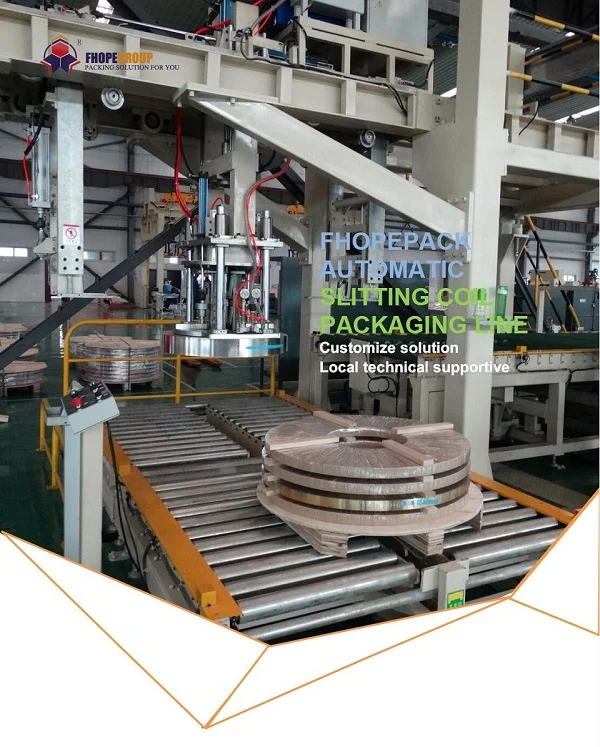
Engineering controls for coil packing lines focus on physically altering equipment or the environment. Strategies include enclosing noisy machinery like strappers or compressors with soundproofing blankets or rigid enclosures, using vibration isolation pads under heavy equipment, applying damping materials to vibrating surfaces, and installing barriers to block direct sound transmission paths between noisy zones and workstations.
Modifying the Source and Path: Physical Interventions
Engineering controls are the preferred method of noise reduction because they tackle the problem fundamentally, often reducing the overall sound power in the environment rather than just protecting individual workers. For coil packing lines, this means focusing on the machinery and the immediate area around it.
- Source Modification: Sometimes, the machine or process itself can be altered to be quieter. This might involve using quieter components (e.g., switching from roller conveyors to belt conveyors where feasible, using low-noise air nozzles, optimizing machine cycle timing to reduce simultaneous loud events), ensuring proper lubrication and maintenance to reduce friction noise, or balancing rotating equipment. While complex design changes are often the manufacturer's responsibility, simple maintenance and component swaps can make a difference.
- Enclosure and Containment: Enclosing noisy equipment is one of the most effective ways to reduce airborne noise. This involves building a physical barrier around the machine. For a strapping machine, this could be a custom-built enclosure with acoustically treated walls and a lid that closes during the banding cycle. For a noisy hydraulic power unit or compressor, a permanent enclosure might be constructed. Materials like PrivacyShield® Dual-Sided Absorptive Soundproofing Blankets offer a flexible, industrial-grade option for constructing modular enclosures or lining existing structures. Rigid panels filled with sound-absorbing material provide higher transmission loss for more demanding applications. It is crucial that any enclosure is as airtight as possible, as small gaps can severely compromise its effectiveness. Any penetrations for conveyors, access, or ventilation must be acoustically treated with silencers or labyrinth seals.
- Vibration Isolation and Damping: Heavy machinery on a coil packing line transmits vibrational energy into the building structure. Isolating this vibration at the source prevents it from propagating as structure-borne noise. Vibration isolation pads, mounts, or specialized bases are placed under equipment such as large presses, coil indexing systems, or motor/gearbox assemblies. These isolators act as springs, supporting the load while significantly reducing the transfer of vibrational energy. The stiffness and damping of the isolator must be matched to the machine's weight and operating frequencies. Damping involves applying materials to vibrating surfaces to dissipate the vibrational energy. This is useful for reducing noise radiated by sheet metal guards, conveyor frames, or chutes. Damping compounds or viscoelastic sheets applied directly to the metal surface can be highly effective.
- Acoustic Barriers: When full enclosures are impractical, barriers can shield workers from direct sound paths. A barrier placed between a noisy strapper and a nearby operator station can reduce the noise level experienced by the operator. Barriers should be made of a dense, sound-blocking material and extend high enough to break the line of sight between the source and the receiver, and ideally wider than the source. Adding sound-absorbing material to the side of the barrier facing the noise source helps prevent reflections from adding to the noise elsewhere in the room. Barriers are less effective in highly reverberant spaces, as sound can diffract around the barrier and reflect off other surfaces.
Implementing these engineering controls requires careful planning, often involving acoustic measurements and analysis to identify the most significant sources and transmission paths. While potentially a higher upfront cost than simple PPE, they provide a fundamental improvement to the work environment, offering long-term benefits in terms of safety, health, and productivity.
Utilizing Acoustical Treatments
Coil packing warehouses are often vast, cavernous spaces where sound bounces endlessly. This reverberation doesn't just extend noise; it amplifies the overall perceived loudness by allowing sound energy to build up. Treating the room acoustics by adding sound-absorbing materials is essential to control this reflected sound.
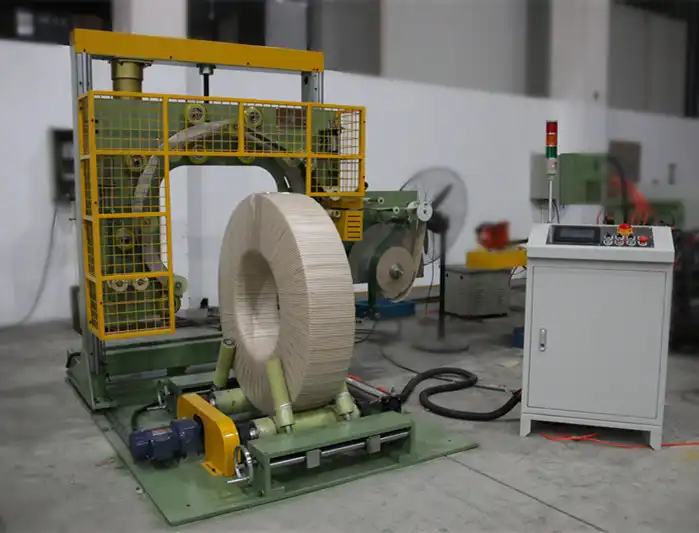
Reducing reverberation in a coil packing environment involves adding sound-absorbing materials to ceilings and walls. This converts sound energy into heat, reducing echoes and overall noise build-up. Solutions include hanging acoustic baffles from high ceilings, installing acoustic panels on walls, and using absorptive blankets or liners on overhead structures or within enclosures to decrease the reflected sound field.
Taming the Echo: Absorption Strategies
In large, hard-surfaced industrial buildings typical of coil packing lines, reverberation is a major contributor to high noise levels, poor speech intelligibility, and overall acoustic discomfort. While engineering controls address the noise source, acoustical treatments manage the sound field within the space.
- The Mechanism of Sound Absorption: Unlike soundproofing materials which block sound transmission, sound-absorbing materials are porous and lightweight. When sound waves enter the material, the energy is converted into minute amounts of heat through friction as the sound causes the material's fibers or cells to vibrate. This reduces the amount of sound energy reflected back into the room.
- The Impact of Reverberation: In a highly reverberant space, sound levels decrease very little with distance from the source once outside the immediate 'near field'. This means noise from one machine spreads throughout the facility, contributing to the overall background noise and making it difficult to hear or concentrate even far away from the loudest sources. Reducing reverberation decreases the overall sound pressure level, improves speech intelligibility, and makes the environment feel less chaotic.
- Effective Absorptive Materials: A variety of materials are available, chosen based on the frequency of the noise, the environment (temperature, humidity, presence of dust, oil, or chemicals), and budget.
- Acoustic Baffles and Banners: These are commonly suspended vertically or horizontally from the ceiling in large industrial spaces. They offer a high ratio of absorptive surface area to material volume and are very effective at reducing the reverberant field in high-ceiling areas. Materials like AlphaSorb® PVC Plastic Acoustic Sound Baffles are popular for their durability and resistance to industrial conditions.
- Acoustic Panels: These are typically mounted directly onto walls. They can be effective in areas with lower ceilings or near workstations where wall area is available. They come in various finishes and can contribute to both acoustic performance and the visual environment.
- Absorptive Blankets and Liners: Used to line walls, ceilings, or the interior of equipment enclosures. PrivacyShield® blankets can also be used in this way. Liners for HVAC ducts or pneumatic piping systems, such as AudioSeal® Pipe and Duct Wrap, specifically address fluid-borne noise radiation from these systems by absorbing sound within the pipe lagging itself.
- Placement is Key: For maximum effectiveness in large, open spaces, treating the ceiling is usually the priority, often followed by upper walls. Placing absorptive materials directly above or near major noise sources or in areas where workers spend the most time can be particularly beneficial.
Choosing the right materials depends on the dominant frequencies of the noise and the specific conditions. A material's effectiveness across different frequencies is indicated by its Sound Absorption Coefficients or its Noise Reduction Coefficient (NRC).
| Material Type / Property | Description | Typical Application (Coil Line) | Notes |
|---|---|---|---|
| Acoustic Baffles | Suspended, often fibrous or foam core with cover | Overhead in high bays, over conveyors | High surface area, effective in open spaces |
| Acoustic Wall Panels | Mounted on walls, various cores and facings | Near workstations, in control rooms | Can target specific areas, various aesthetic options |
| Absorptive Blankets | Flexible, porous material often with facing | Enclosure lining, wall/ceiling treatment | Versatile, good for lining irregular surfaces |
| Pipe/Duct Wrap (AudioSeal®) | Dense wrap applied directly to pipes/ducts | Hydraulic lines, pneumatic systems | Combats fluid-borne noise radiating from surfaces |
| NRC (Noise Reduction Coefficient) | Single number average absorption (250-2000 Hz) | General material effectiveness indicator | Higher NRC means more absorption (0-1.0+) |
Implementing effective acoustic absorption can dramatically change the perceived sound environment in a coil packing facility, making it feel less oppressive and improving communication, even if the noise sources themselves haven't been silenced.
Administrative Controls and Personal Protective Equipment
Even with engineering and acoustic fixes, some noise levels may remain elevated, especially near specific loud machinery or during certain operations. A complete strategy requires managing when and how workers are exposed. Administrative controls and proper personal protection provide essential additional defense, focusing on the human element of noise exposure.
Administrative noise controls involve modifying work schedules or procedures to limit employee exposure time in high-noise zones. Examples include rotating tasks or performing noisy operations during off-shifts. Personal Protective Equipment (PPE), such as earplugs or earmuffs, serves as a final barrier, directly protecting the worker's hearing when other controls are insufficient to bring noise levels below safe thresholds, emphasizing the importance of proper fit and training.
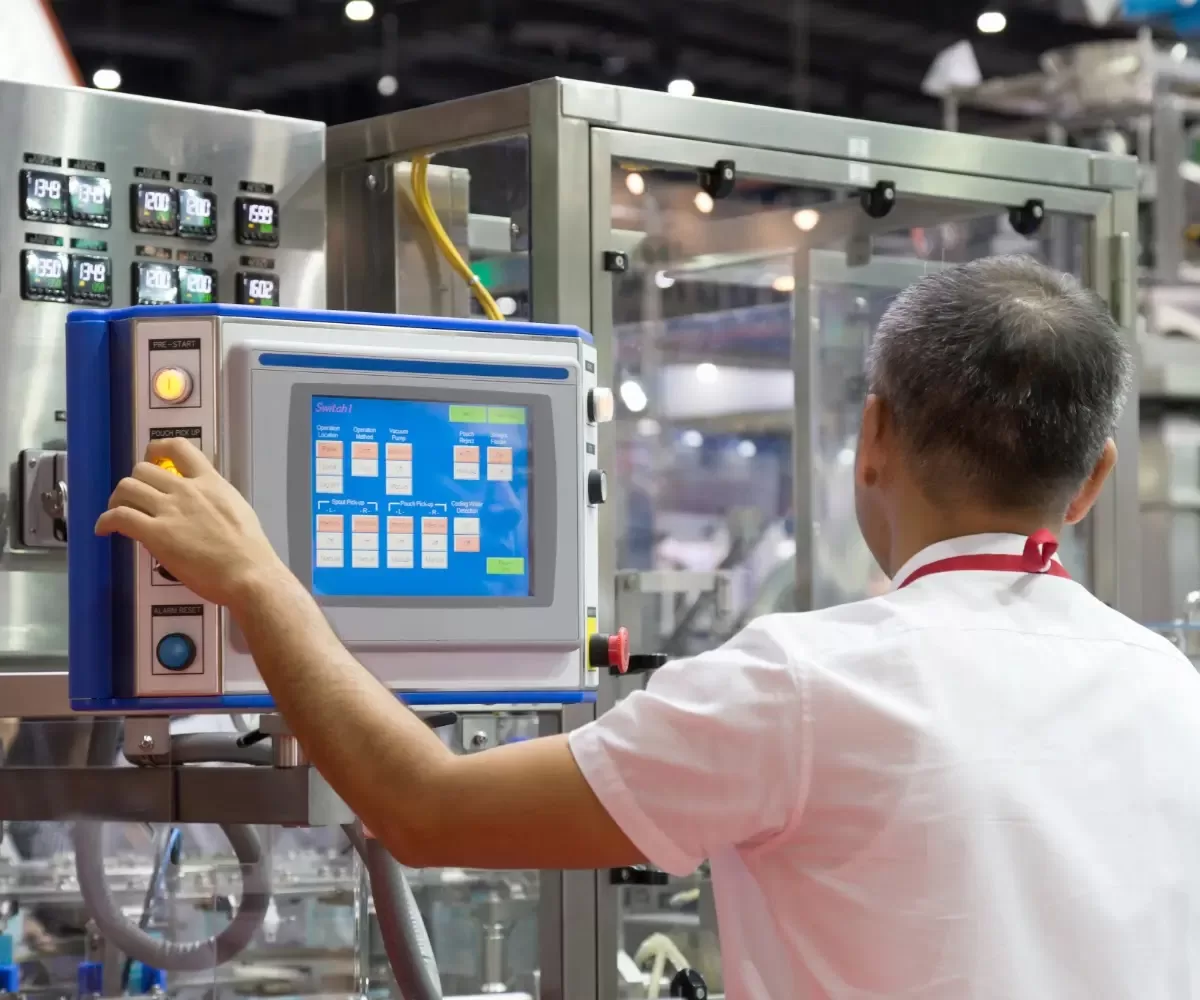
While engineering and acoustical solutions are the preferred methods for reducing noise at the source or path, administrative controls and Personal Protective Equipment (PPE) form crucial layers in a comprehensive noise management program for a coil packing line. These strategies focus on the receiver – the worker – and how their interaction with the noisy environment is managed, ensuring compliance with Workplace Safety regulations like OSHA standards.
Managing Exposure Through Work Practices
Administrative controls are changes in work practices and schedules that limit the duration of a worker's exposure to high noise levels. They don't reduce the noise itself but reduce the risk of harm by controlling how long someone is subjected to it.
- Task Rotation: Implementing a system where workers rotate between tasks performed in high-noise areas and tasks in quieter areas reduces the cumulative noise dose over an 8-hour shift or work week. This is especially relevant in coil packing where certain positions might involve constant proximity to noisy conveyors or intermittent exposure to loud strapping operations.
- Scheduling Noisy Operations: If certain tasks are significantly louder than others and don't require constant presence, schedule them for times when fewer employees are in the immediate area, such as during breaks, lunch, or off-shifts.
- Designated Quiet Zones: Establishing acoustically treated control rooms, break rooms, or rest areas provides workers with necessary time away from the noise, allowing their hearing to recover and reducing overall fatigue and stress.
- Clear Signage and Communication: Posting signs indicating high-noise areas and mandating hearing protection reinforces safety protocols. Implementing communication systems that are effective in noisy environments (e.g., hand signals, radios, visual indicators) reduces the need for shouting and improves safety.
- Worker Training and Education: A critical administrative control is educating employees about the hazards of noise exposure, how to identify high-noise areas, the control measures in place, and the importance of using PPE correctly. An informed workforce is more likely to comply with safety procedures.
The Last Line of Defense: Personal Protective Equipment (PPE)
When engineering and administrative controls cannot reduce noise exposure below regulatory limits (e.g., OSHA's Action Level of 85 dB 8-hour TWA), hearing protection is mandatory. PPE acts as a barrier at the worker's ear.
- Types of Hearing Protection: The most common options are earplugs and earmuffs.
- Earplugs: Inserted into the ear canal, they are available in various materials (foam, silicone, pre-molded, custom-molded). They are lightweight and can be comfortable for long periods but require proper insertion technique for maximum effectiveness. NRR (Noise Reduction Rating) indicates their potential attenuation.
- Earmuffs: Worn over the outer ear, sealing against the head with cushions. They are easier to fit correctly than earplugs and provide consistent protection. They are often more visible and easier to use for intermittent noise exposure. Earmuffs also have an NRR.
- Selection and Fit: Choosing the right PPE depends on the noise level and characteristics, the work environment, and individual worker comfort. The NRR must be sufficient to reduce the noise level at the ear to below 85 dB (with appropriate adjustments based on regulatory guidelines). Proper fit is paramount; poorly fitted PPE provides significantly less protection than its NRR suggests. Fit testing can ensure workers are getting adequate protection.
- Limitations: PPE is the last line of defense. It does not reduce the noise in the environment. Its effectiveness relies entirely on consistent and correct usage by the worker. It can also interfere with hearing important sounds like alarms or verbal warnings, although some modern PPE includes features to mitigate this. Reliance on PPE alone is a less desirable strategy than controlling noise at the source or path.
A comprehensive approach integrates administrative controls and PPE within a broader hearing conservation program. While engineering and acoustical solutions aim to make the environment inherently safer, administrative practices manage risk exposure, and PPE offers essential individual protection when source/path controls are insufficient, contributing vital layers to Workplace Safety.
Conclusion
Noise reduction in coil packing lines is a critical component of Workplace Safety and operational efficiency. The complex mix of airborne, structure-borne, fluid-borne, and impulsive noises generated by heavy machinery requires a multi-faceted strategy. Effective noise control involves identifying specific sources, implementing engineering controls like enclosures, vibration isolation, and damping, treating the ambient sound field with acoustic absorption materials such as baffles and panels, utilizing administrative controls to manage exposure time, and ensuring proper use of Personal Protective Equipment. Addressing noise not only ensures compliance with health and safety standards but fundamentally improves the work environment, leading to reduced stress, increased communication clarity, fewer accidents, boosted morale, and enhanced productivity. Investing in a quieter coil packing line yields significant dividends for both the business and its workforce. Explore solutions like Coil Wrapping Machine for Wire for comprehensive end-of-line improvements.