Temperature Tolerance in Mold Upenders: Operating Limits
Mold upenders are engineered for robust industrial use, but understanding their operating limits, akin to temperature tolerance in other systems, is crucial for safety and efficiency. Critical factors include load capacity, hydraulic system integrity, and adherence to maintenance schedules to ensure reliable and safe 24/7 operation within demanding manufacturing environments.
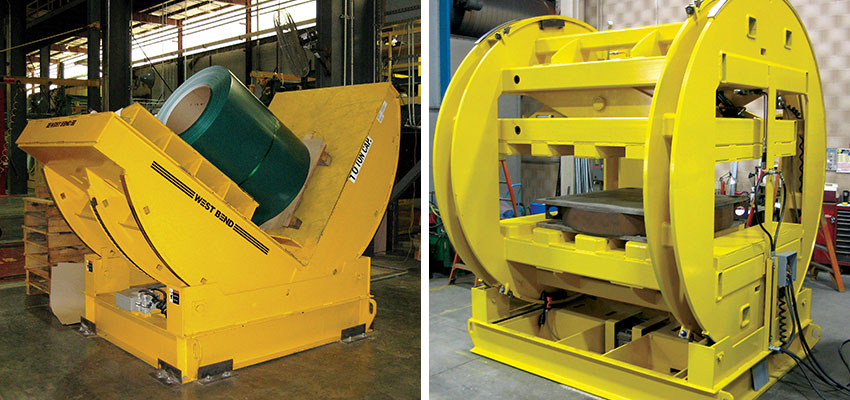
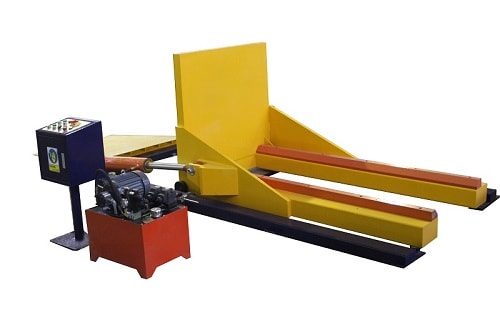
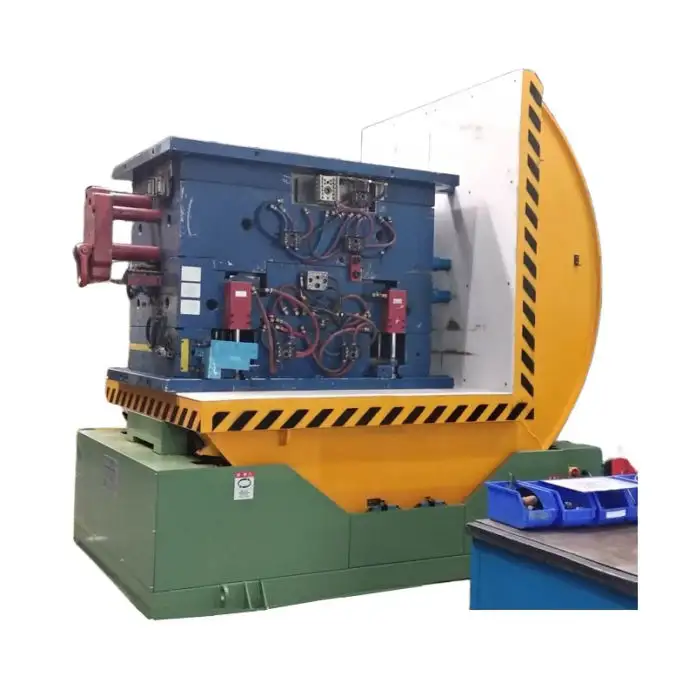
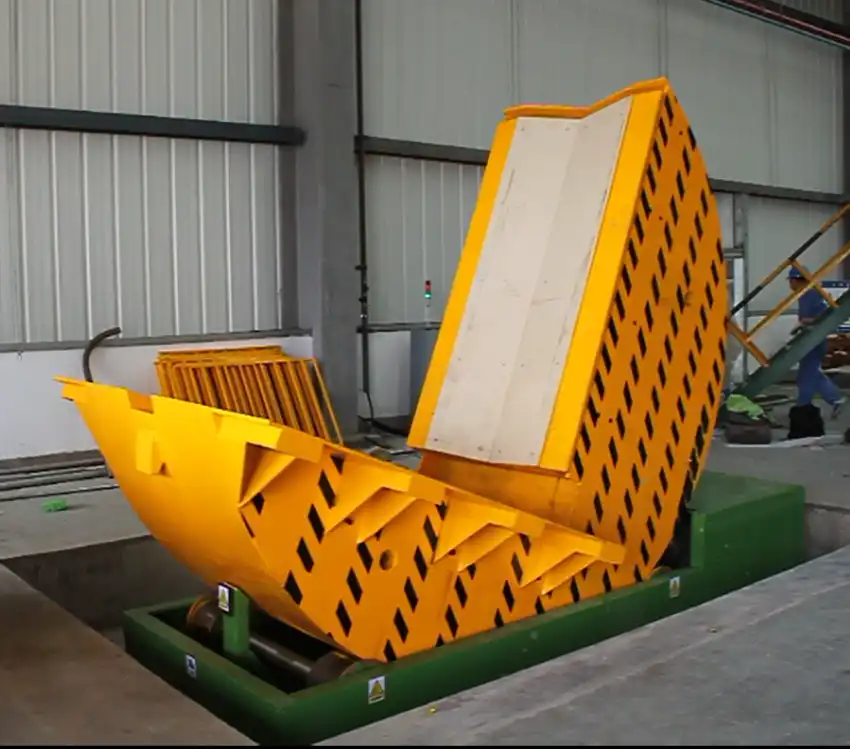
Mold upenders, also known as die upenders, tippers, or flippers, are indispensable pieces of industrial equipment designed to enhance productivity and safety in material handling. These robust machines are engineered to rotate heavy and cumbersome loads, such as molds, dies, coils, and other bulky items, by 90 degrees. This capability is vital in numerous manufacturing processes, streamlining workflows and mitigating the risks associated with manual flipping operations. While the term "temperature tolerance" might not directly apply in the same way it does to electronic components or chemical processes, understanding the operating limits of mold upenders is equally crucial. This ‘tolerance’ in industrial machinery translates to their capacity to consistently perform under the rigorous demands of daily operations, encompassing factors beyond just environmental temperature, such as load capacity, duty cycles, and the robustness of their hydraulic systems.
Understanding the Operational Spectrum of Mold Upenders
Mold upenders are designed for demanding industrial environments, often operating continuously to support production lines. Their operational spectrum is defined by several key factors, each contributing to the machine's overall "tolerance" for heavy-duty use. The primary operational aspect is the load capacity. Mold upenders come in various capacity ranges, typically from 3,000 lbs to 12,000 lbs, and even beyond for custom-engineered solutions. Exceeding these limits poses significant safety risks and can lead to equipment damage or failure. It is imperative to adhere to the manufacturer's specified load limits, which are clearly indicated on the equipment's capacity tag.
Another crucial aspect is the duty cycle, particularly for high cycle tippers designed for 24/7 operations. These machines are built with heavy-duty steel and high-quality parts to ensure reliability and longevity under constant use. The hydraulic systems powering these upenders are engineered for frequent and consistent operation, making them suitable for integration into automated conveyor lines and continuous production processes.
Hydraulic Heart: The Core of Upender Operation and its Limits
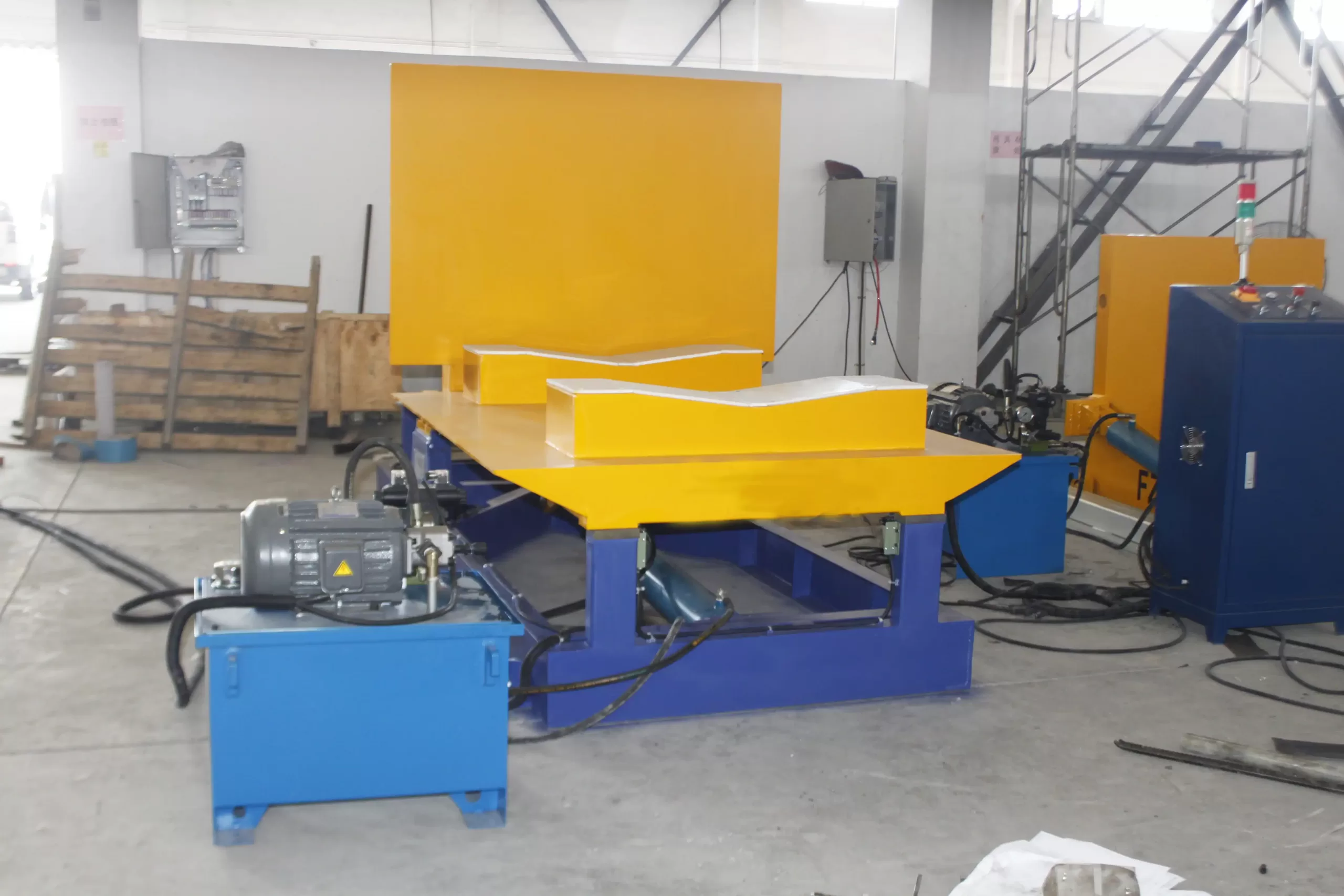
| The hydraulic system is the heart of a mold upender, responsible for generating the power needed to lift and rotate heavy loads. Understanding the operational parameters and limitations of this system is integral to ensuring the upender's longevity and safe operation. Hydraulic upenders typically operate using 230/460V 3-phase power, powering a hydraulic pump that drives hydraulic cylinders. These cylinders are responsible for the 90-degree turning radius, providing the flexibility needed to tip and turn loads efficiently. Double-acting tilt cylinders enhance maneuverability and functionality, providing sufficient power for secondary load-handling applications. |
Hydraulic Component | Feature | Benefit |
|---|---|---|---|
| Double-Acting Tilt Cylinders | Robust Construction | Enhanced maneuverability, powerful lifting and tilting capabilities | |
| Hydraulic Circuit Controls | Flow controls, cross port checks, solenoid valves | Precise speed control, prevention of unwanted motion, enhanced safety | |
| High-Quality Hydraulic Fluid | Viscosity and thermal characteristics | Optimal system performance, lubrication, and temperature management |
Maintaining the hydraulic system is critical. Oil viscosity recommendations are provided by manufacturers to ensure optimal performance and prevent premature wear. Using approved hydraulic oils with appropriate viscosity is essential, especially considering the operating environment and frequency of use. Regular checks of hydraulic fluid levels, hose conditions, and fittings for leaks are part of routine maintenance schedules to prevent system failures and ensure consistent operation.
Safety Boundaries: Operating within Safe Parameters
Safety is paramount in industrial environments, and mold upenders are equipped with various safety features to protect operators and prevent accidents. Understanding and respecting these safety boundaries is a critical aspect of operational "tolerance."
Safety features integrated into mold upenders include:
- Maintenance Locks: These ensure the upender is safely secured during maintenance procedures, preventing accidental movement.
- Counterbalance Valves: Designed to hold and maintain pressure, preventing load dropping in case of hydraulic pressure loss.
- Foot Obstruction Photo Eye: Protects employees from pinch points by automatically stopping operation if an obstruction is detected.
- Handrail Guarding: Provides physical barriers to prevent accidental entry into hazardous zones.
- Emergency Stop Devices: Readily accessible push buttons or pull cords for immediate halt of operation in emergency situations.
Operating within safety limits also involves adherence to proper operating procedures. Only trained and qualified personnel should operate mold upenders. Training must include not only normal operation but also emergency procedures and understanding of safety protocols, including lockout/tagout procedures before maintenance. Operators must be aware of the location and function of all safety devices and ensure they are operational before commencing any operation.Environmental ‘Tolerance’: Considering Operational Context
While direct temperature ranges for optimal operation are not explicitly provided in the source material, the robust construction and intended industrial use implicitly suggest a degree of environmental "tolerance." Mold upenders are designed to operate in typical industrial settings, which can include varying temperatures, dust, and other environmental factors.
The materials highlight the use of "tough, durable steel" in construction, indicating robustness to withstand demanding conditions. However, extreme environmental conditions outside typical industrial parameters could potentially affect the performance and longevity of the equipment, particularly the hydraulic system. For example, extremely high temperatures could affect hydraulic fluid viscosity and seal integrity, while very low temperatures could impact fluid flow and system responsiveness.
In the absence of specific temperature operating ranges, best practices dictate maintaining the equipment within standard industrial environmental conditions, and consulting manufacturer guidelines for operations in extreme environments if needed. Regular maintenance, including hydraulic fluid checks and changes as per schedule, also contributes to mitigating potential environmental impacts on operation.
Maintenance Regimen: Extending Operational Life and Tolerance
| Regular and diligent maintenance is the cornerstone of ensuring the long-term operational "tolerance" of mold upenders. A well-defined maintenance schedule, as recommended by manufacturers, is crucial for preventing breakdowns, ensuring safety, and maximizing the equipment's lifespan. | Maintenance Schedule | Task | Frequency | Importance |
|---|---|---|---|---|
| Weekly | Bushing Inspection for wear | Weekly | Preventative measure against component failure, ensuring smooth pivot operation. | |
| Greasing pivot pins | Weekly | Lubrication critical for reducing friction and wear in moving parts, ensuring longevity. | ||
| Monthly | Hydraulic Oil Level Check | Monthly | Ensures sufficient hydraulic fluid for proper operation and prevents pump damage. | |
| Hydraulic Hose Inspection (pinch points, wear) | Monthly | Detect potential hose failures that could lead to leaks and system malfunctions. | ||
| Wire Inspection (looseness, wear) | Monthly | Electrical safety and prevention of malfunctions. | ||
| Hydraulic Fitting Inspection (leaks) | Monthly | Prevents hydraulic fluid loss, maintains system pressure, and ensures efficient operation. | ||
| Debris Removal | Monthly | Prevents interference with mechanism operation, maintaining smooth and safe movement. | ||
| Operational Check (noise, vibrations) | Monthly | Early detection of mechanical issues, preventing larger problems and ensuring smooth operation. | ||
| Safety Device Check (bellows, toe guards) | Monthly | Verifies functionality of safety features, ensuring operator protection. | ||
| Semi-Annual | Hydraulic Oil Inspection (darkening, gritty feel, water presence) | Semi-Annually | Determines oil condition and need for replacement, maintaining hydraulic system health. | |
| Hydraulic Oil Change (if necessary) | Semi-Annually | Ensures optimal hydraulic fluid properties for efficient and reliable operation. |
Hydraulic system maintenance includes regular oil changes, filter replacements, and inspection of hoses and fittings. The manual provides detailed guidance on hydraulic fluids, viscosity recommendations, and procedures for bleeding air from cylinders. Addressing potential issues such as oil leaks, jerky operation, or slow tilting promptly is essential to prevent further damage and ensure continued reliable operation.
Industrial Applications: Demonstrating Operational Tolerance in Diverse Scenarios
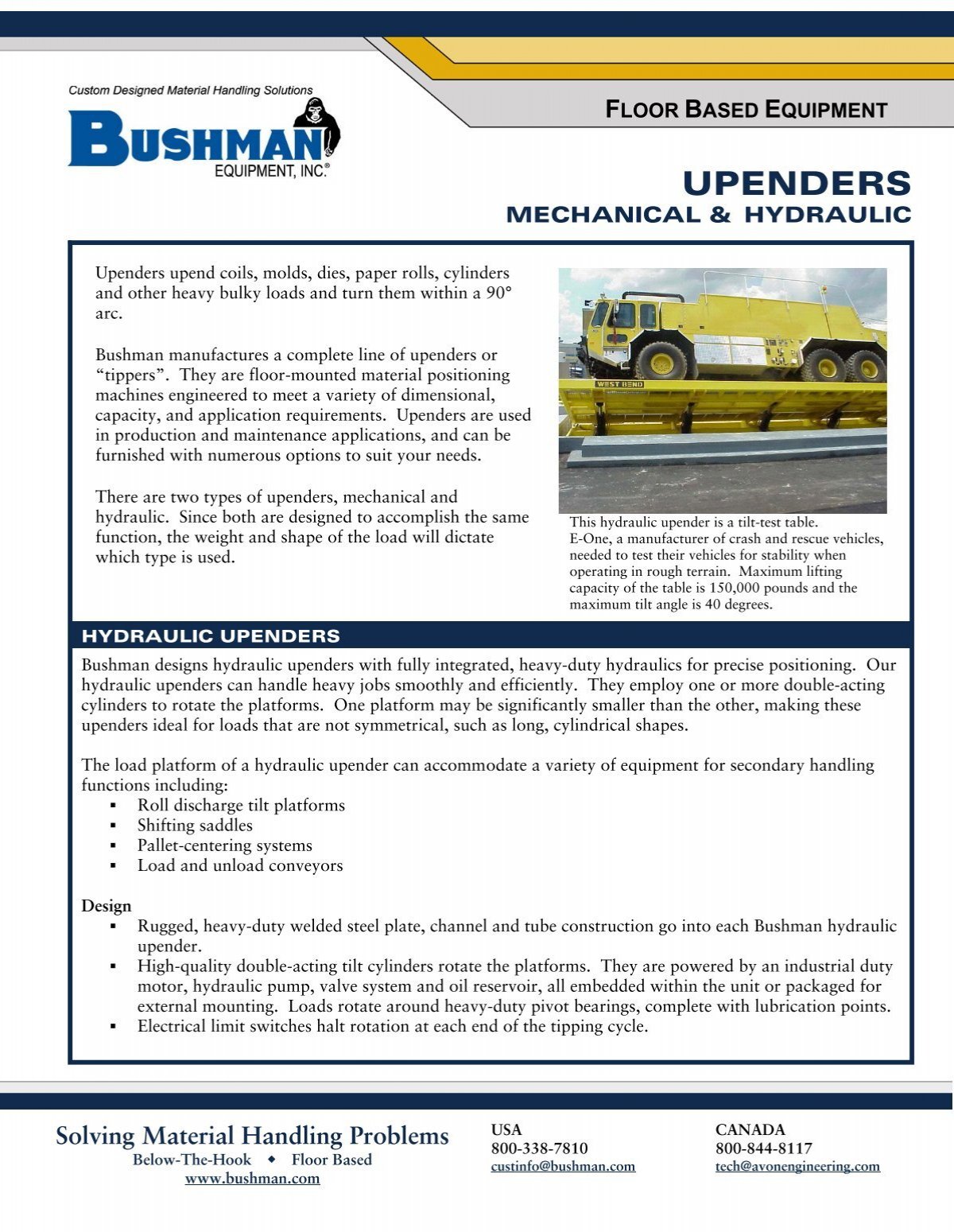
Mold upenders find applications across a wide spectrum of industrial sectors, showcasing their operational "tolerance" in diverse and demanding scenarios. They are crucial in industries dealing with heavy molds and dies, such as automotive manufacturing, aerospace, and plastics industries. In these sectors, upenders facilitate the safe and efficient handling of tooling for presses and molding machines, reducing downtime and improving workflow.
In metalworking and coil processing, upenders are essential for handling heavy coils of steel, aluminum, or other metals. They are used in coil processing lines to upend coils for decoiling, slitting, or other operations, improving safety and efficiency compared to manual or crane-based flipping.
Paper and printing industries also utilize upenders for handling large paper rolls, enabling efficient loading and unloading of printing presses and converting equipment. The versatility of mold upenders extends to various other heavy and bulky loads, making them adaptable to numerous industrial material handling needs.
Conclusion: Mastering Operational Limits for Optimal Performance
While not strictly defined by "temperature tolerance" in the conventional sense, the operational effectiveness and longevity of mold upenders hinges on understanding and respecting their operating limits. These limits encompass load capacities, duty cycles, safety parameters, and the critical maintenance of their hydraulic systems. By adhering to manufacturer guidelines, implementing rigorous maintenance schedules, and ensuring proper operator training, industries can maximize the "operational tolerance" of mold upenders. This approach not only ensures safe and efficient material handling but also optimizes productivity and extends the lifespan of these essential industrial machines, making them robust and reliable assets in demanding manufacturing environments.