Noise Levels of Mold Upenders: Industry Standards & Mitigation
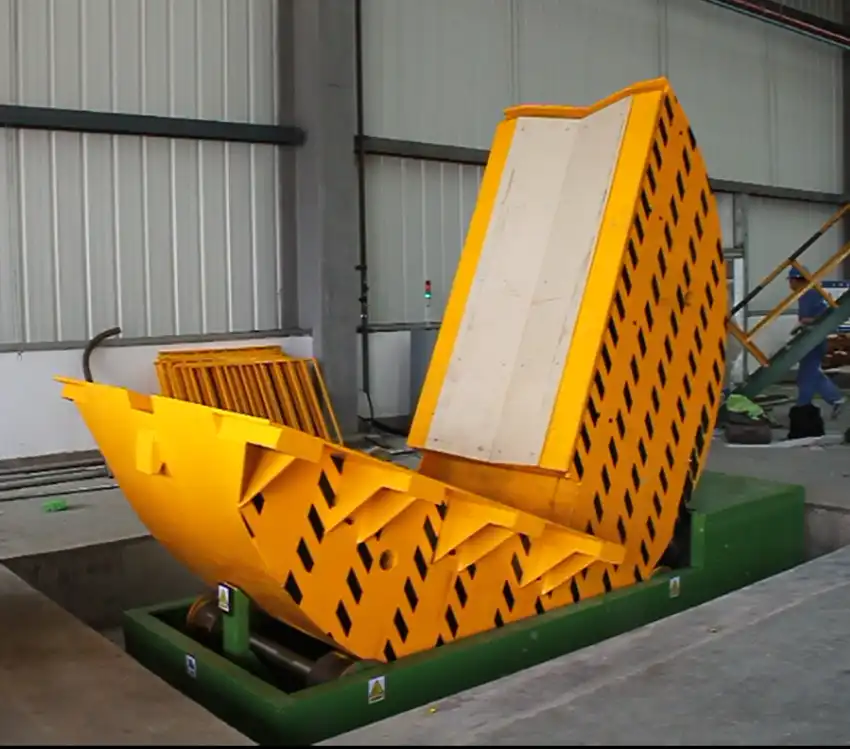
Mold upender noise levels present a significant workplace safety concern. Industry standards, particularly OSHA guidelines, mandate noise control measures when levels exceed 85 dBA. Mitigation strategies including equipment maintenance, noise barriers, and personal protective equipment are crucial to reduce noise exposure and prevent hearing damage in manufacturing and related industries.
Understanding Noise Levels in Mold Handling Operations
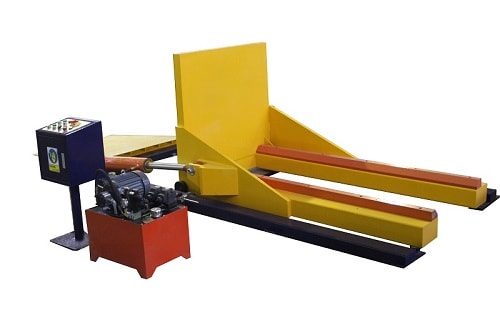
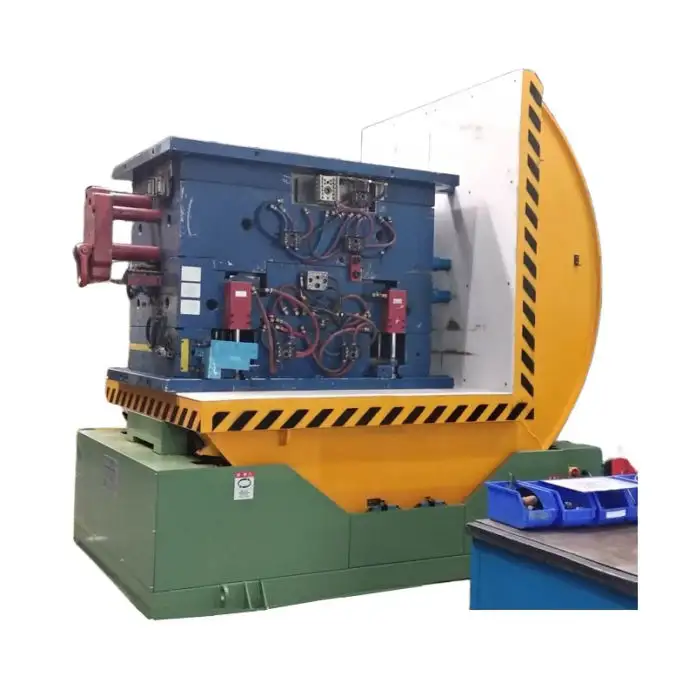
In industrial environments, the clamor of machinery and equipment often sets the auditory backdrop for daily operations. Among these varied sound sources, mold upenders, essential pieces of equipment for safely rotating and positioning heavy molds, contribute their share to the overall noise profile of facilities in manufacturing, plastics, and metalworking. Understanding the noise levels associated with mold upenders is not just an operational detail; it's a critical aspect of workplace safety and regulatory compliance, particularly in adherence to standards set by organizations like OSHA (Occupational Safety and Health Administration).
Excessive noise exposure in industrial settings is a well-documented hazard, leading to a range of adverse health effects, from temporary discomfort to permanent hearing loss. Beyond the immediate physiological impacts, high noise levels can also contribute to reduced worker productivity, increased stress, and communication difficulties on the factory floor. For businesses utilizing mold upenders, acknowledging and addressing the noise factor proactively is a responsibility that aligns with both ethical considerations for employee well-being and legal requirements for workplace safety. This article delves into the typical noise levels encountered during mold upender operation, examines relevant industry noise standards with a focus on OSHA guidelines, and explores practical mitigation strategies to create a safer and quieter working environment. By understanding the interplay of these factors, businesses can effectively manage noise risks, ensuring compliance, protecting their workforce, and fostering a more productive and healthy operational setting.
Typical Noise Levels from Industrial Equipment: A Data-Driven Overview
| To contextualize the potential noise contribution of mold upenders, it's helpful to examine noise levels associated with a range of common industrial equipment. While direct noise level data for "mold upenders" might be limited in publicly available datasets, we can infer potential noise concerns by looking at related machinery used in manufacturing, workshops, and construction environments where mold upenders are deployed. Data compiled from various sources, including the New Zealand Department of Health and NIOSH (National Institute for Occupational Safety and Health), provides valuable insights. Noise Levels of Manufacturing Equipment |
Category | Device/Activity | Leq (dBA) | Source |
|---|---|---|---|---|
| Manufacturing (Avg) | All manufacturers (Singapore) | 92 | Gerges et al (2001) | |
| Brush Manufacture | Brush Handle Cutting Area | 98-104 | NZ DoH (1986) | |
| Clothing Manufacture | Woollen Mill | 82-97 | NZ Dawes (1985) | |
| Clothing Manufacture | Button Cutter | 99 | NZ DoH (1986) | |
| Electrical Work | Flow Solder (Hot Air Leveler) | 81 | NZ DoH (1986) | |
| Footwear Manufacture | Outside Stitcher | 95 | NZ DoH (1986) | |
| Furniture Manufacture | Overall noise levels | >=85 | UW (2004) |
| Glass Manufacture | Banbury Mixer | 82-90 | NZ DoH (1986) | Metal Manufacturing/Engineering | Engravers | - | - | Metal Manufacturing/Engineering | Foundry | - | - | Metal Manufacturing/Engineering | Panel Shop | - | - | Packaging | Machinery | - | - | Plastics Manufacture | PVC Chopper & Slitter | 90-96 | NZ DoH (1986) | Printing & Publishing | Printing | - | - | Noise Levels in Construction and Workshop Environments | Category | Device/Activity | Leq (dBA) | Source | ||||||
|---|---|---|---|---|---|---|---|---|---|---|---|---|---|---|---|---|---|---|---|---|---|---|---|---|---|---|---|---|---|---|---|---|---|---|---|---|---|---|
| Workshop/Construction | Generic | - | - | |||||||||||||||||||||||||||||||||||
| Furniture/Joinery | Borer | 85-87 | NZ DoH (1986) | |||||||||||||||||||||||||||||||||||
| Furniture/Joinery | Multiborer | 97-98 | NZ DoH (1986) | |||||||||||||||||||||||||||||||||||
| Furniture/Joinery | Boring Machine | 94 | NIOSH (1972) | |||||||||||||||||||||||||||||||||||
| Furniture/Joinery | Drill Press | 87 | O’Neil (1986) | |||||||||||||||||||||||||||||||||||
| Furniture/Joinery | Electric Drill | 94 | McClymont & Simpson (1989) | |||||||||||||||||||||||||||||||||||
| Furniture/Joinery | Router | 94-96 | NZ DoH (1986) |
| Furniture/Joinery | Sander - Generic | 97 | NIOSH (1972) |
| Furniture/Joinery | Belt Sander | 95 | NZ DoL (2002) |
| Furniture/Joinery | Circular Saw | 88-109 | NZ DoH (1986) |
| Furniture/Joinery | Bench Grinder | 99 | NZ DoL (2002) |
| Carpentry | Electric Grinder | 98 | NZ DoH (1986) |
| Carpentry | Jackhammer | 102 | CDC (2005) |
| Carpentry | Portable Welder | 84 | CDC (2005) |
| Heavy Equipment | Bulldozer | 87 | CDC (2005) |
| Heavy Equipment | Crane Operator | 102 | EAHSW (2005) |
| Heavy Equipment | Earth Drilling Equipment | 120 | NZ DoL (2002) |
Note: Leq (dBA) represents the equivalent continuous sound level in decibels, A-weighted, which is a common metric for assessing noise exposure risk.
These tables illustrate that numerous common industrial activities and tools generate noise levels exceeding 85 dBA, the action level defined by OSHA and other regulatory bodies which necessitates hearing conservation programs. While mold upenders are not explicitly listed, the noise levels associated with similar equipment like grinders, drills, saws, and general manufacturing machinery suggest that mold upender operation can certainly contribute to potentially hazardous noise environments. Factors such as the hydraulic systems, motors, and mechanical movements inherent in upender operation are likely to generate significant sound.
OSHA Standards and Noise Exposure Limits
The Occupational Safety and Health Administration (OSHA) has established comprehensive standards to protect workers from the harmful effects of noise exposure in the workplace. Understanding these standards is crucial for any industry utilizing equipment like mold upenders. OSHA's primary noise standard is outlined in 1910.95 Occupational Noise Exposure, which sets permissible exposure limits (PELs) and mandates specific actions employers must take to protect their employees' hearing.
Key OSHA Noise Regulations:
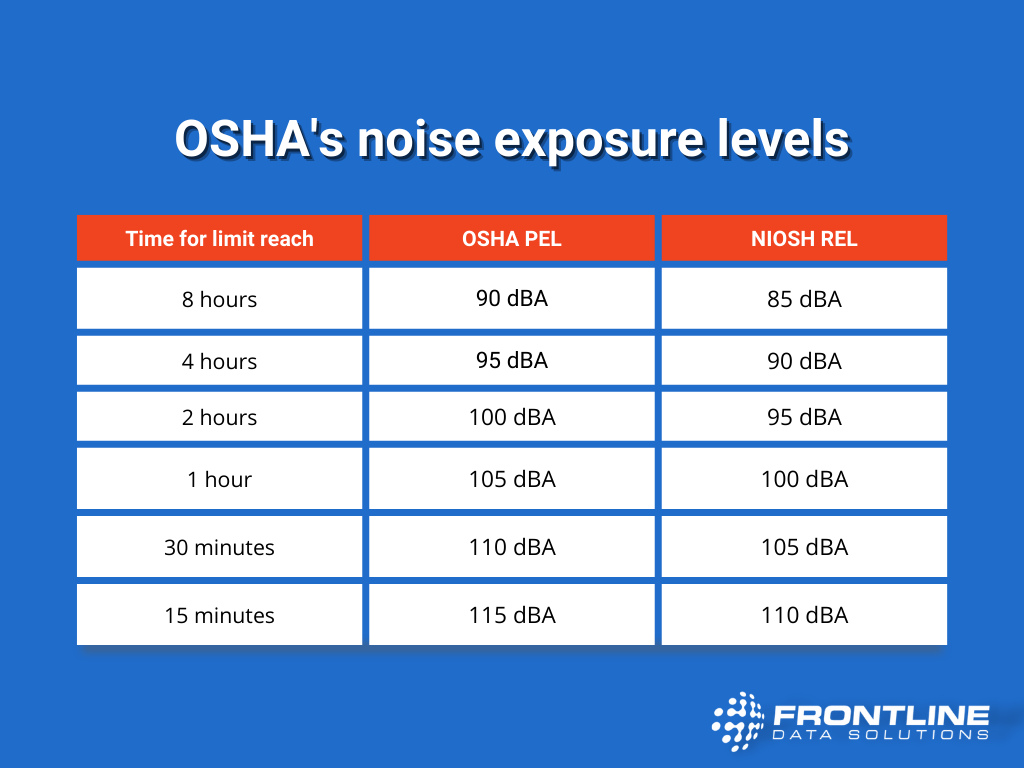
- Permissible Exposure Limit (PEL): OSHA's PEL for noise exposure is 90 dBA as an 8-hour time-weighted average (TWA). This means that workers should not be exposed to an average noise level of 90 dBA or higher over an 8-hour workday.
- Action Level: OSHA also defines an "action level" of 85 dBA as an 8-hour TWA. When noise exposure reaches or exceeds this level, employers are required to implement a hearing conservation program.
- Hearing Conservation Program Requirements: A hearing conservation program includes several key components:
- Noise Monitoring: Employers must measure noise levels to determine if employees are exposed at or above the action level.
- Audiometric Testing: Baseline and annual hearing tests must be provided to employees exposed at or above the action level to monitor for hearing loss.
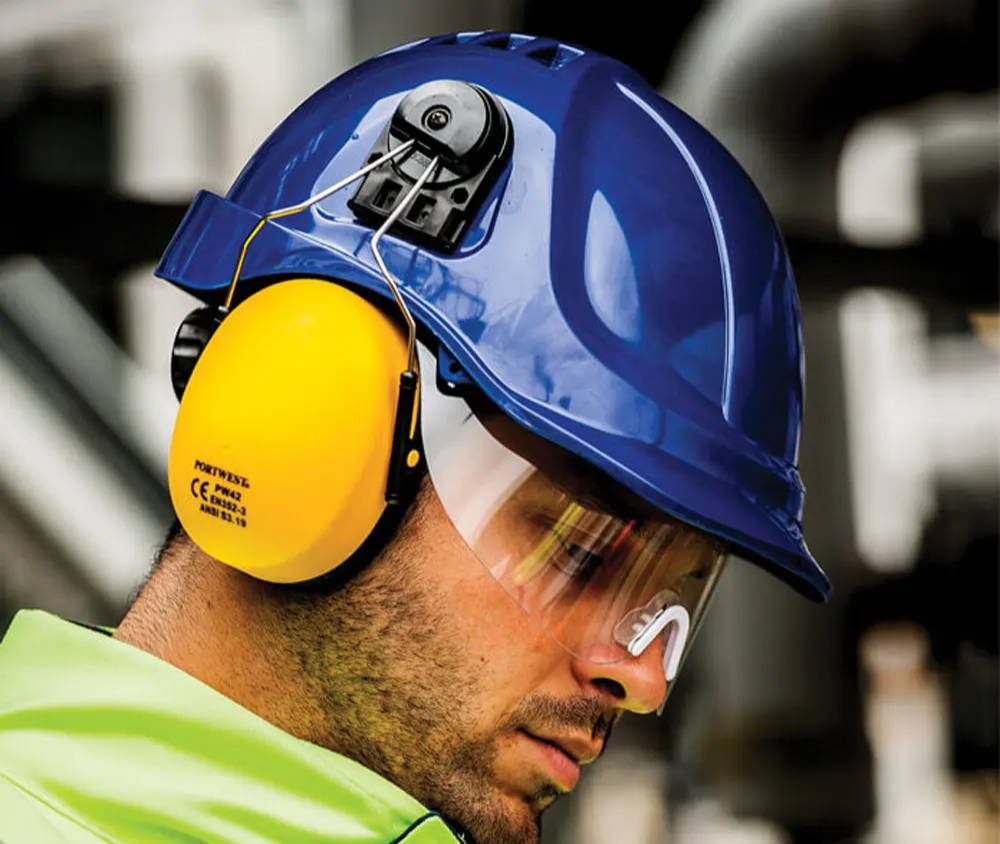
- Hearing Protection: Hearing protection must be made available to all employees exposed at or above the action level. If noise levels exceed the PEL of 90 dBA, or if an employee has already experienced a standard threshold shift (hearing loss), hearing protection must be required.
- Training: Employees must receive annual training on the effects of noise, the purpose of hearing protection, and audiometric testing procedures.
- Recordkeeping: Employers must maintain records of noise exposure measurements and audiometric test results.
- Exchange Rate: OSHA uses a 5 dB exchange rate. This means that for every 5 dB increase in noise level, the permissible exposure time is halved. For example, if the PEL is 90 dBA for 8 hours, at 95 dBA, the permissible exposure time is reduced to 4 hours, and at 100 dBA, it's further reduced to 2 hours.
- Impulse Noise: OSHA also sets a limit for impulse noise (short bursts of loud noise), which should not exceed 140 dB peak sound pressure level.
NIOSH Recommendations:
It's important to note that the National Institute for Occupational Safety and Health (NIOSH) recommends even more stringent guidelines. NIOSH recommends an exposure limit of 85 dBA for an 8-hour TWA, with a 3 dB exchange rate. This 3 dB exchange rate is more protective, meaning that for every 3 dB increase, the recommended exposure time is halved. NIOSH's recommendations are based on more recent scientific data suggesting that hearing damage can occur even at noise levels below OSHA's PEL if exposure is prolonged.Noise Reduction and Mitigation Strategies for Mold Upender Operations
Given the potential for mold upenders and related industrial equipment to generate noise levels at or above OSHA's action level and PEL, implementing effective noise reduction and mitigation strategies is paramount. A multi-faceted approach is typically most successful, combining engineering controls, administrative controls, and personal protective equipment (PPE).
1. Engineering Controls: These are the most effective long-term solutions as they aim to reduce noise at the source. For mold upenders, engineering controls could include: - Equipment Maintenance: Regular maintenance of hydraulic systems, motors, and moving parts can significantly reduce noise generated by friction, vibration, and wear. Ensuring proper lubrication, tightening loose components, and replacing worn parts are crucial steps.
- Noise-Dampening Materials: Applying noise-dampening materials to the upender structure, such as vibration isolation mounts or sound-absorbing panels, can help reduce noise transmission.
- Enclosure or Barriers: Partially or fully enclosing the mold upender operation with sound-absorbing barriers can block noise from spreading to surrounding areas. Acoustic curtains or panels can be strategically placed to create quieter zones.
- Quieter Equipment Selection: When purchasing new mold upenders or replacing older models, prioritize equipment designed with noise reduction features. Some manufacturers offer "low-noise" hydraulic systems or motors.
- Vibration Isolation: If the upender is mounted to the floor, using vibration isolators can prevent noise from being transmitted through the building structure.
2. Administrative Controls: These strategies focus on modifying work practices and schedules to reduce noise exposure: - Operator Training and Procedures: Proper training for mold upender operators can ensure efficient and smooth operation, minimizing unnecessary noise generation. Well-defined procedures for mold handling can also reduce abrupt movements and impacts that contribute to noise.
- Limit Exposure Time: Where engineering controls are not fully effective, or in the interim while implementing them, reducing the time workers spend near operating mold upenders can limit their noise dose. Job rotation or scheduling tasks in quieter areas for part of the workday can be beneficial.
- Establish Quiet Zones: Designate areas away from the mold upender operation as "quiet zones" where workers can take breaks and reduce their overall noise exposure.
- Signage and Warnings: Clearly post signage in areas where noise levels may be high, warning workers of the potential hazard and reminding them to use hearing protection.
3. Personal Protective Equipment (PPE): Hearing protection, such as earplugs or earmuffs, should be considered a last line of defense, or used in conjunction with engineering and administrative controls, especially when noise levels cannot be reduced to below the OSHA action level. - Provide and Require Hearing Protection: Ensure that appropriate hearing protection is readily available to all workers who may be exposed to noise levels at or above the action level. For noise levels exceeding the PEL or for employees with existing hearing loss, mandate the use of hearing protection.
- Proper Fit and Selection: Offer a variety of hearing protection types and sizes to ensure proper fit and comfort, as worker compliance is higher when PPE is comfortable. Train employees on how to properly insert and maintain earplugs or earmuffs.
- Regular Inspection and Replacement: Hearing protection should be inspected regularly for damage and replaced as needed to maintain its effectiveness.
Monitoring and Assessment: - Regular Noise Monitoring: Conduct periodic noise monitoring using sound level meters to assess noise levels in the vicinity of mold upenders and other industrial equipment. This helps identify areas where noise mitigation efforts are needed and track the effectiveness of implemented controls.
- Audiometric Testing Program: As required by OSHA for noise exposure at or above the action level, implement a comprehensive audiometric testing program to monitor workers' hearing and detect any noise-induced hearing loss early on.
Conclusion: Prioritizing Noise Mitigation in Mold Handling
Managing noise levels associated with mold upender operations is not merely about regulatory compliance; it's fundamentally about creating a healthier and more productive work environment. By understanding the potential for noise hazards, adhering to industry standards like those set by OSHA, and diligently implementing noise reduction and mitigation strategies, businesses can protect their employees from the detrimental effects of excessive noise exposure. A proactive approach, combining engineering solutions, administrative adjustments, and the provision of personal protective equipment, demonstrates a commitment to worker well-being and contributes to a safer, more efficient, and sustainable industrial operation. Investing in noise control is an investment in the long-term health and productivity of the workforce and the overall success of the organization.