Mold Upender Dimensions: Space Planning for Your Facility
Optimizing your facility layout with mold upenders requires careful consideration of dimensions. Understanding the footprint, turning radius, and operational clearances of different upender types—hydraulic vs. mechanical, various load capacities, and turning degrees—is crucial for efficient workflow, safety, and maximizing space utilization. Proper space planning ensures smooth integration and enhances productivity.
Introduction to Mold Upenders and Spatial Efficiency
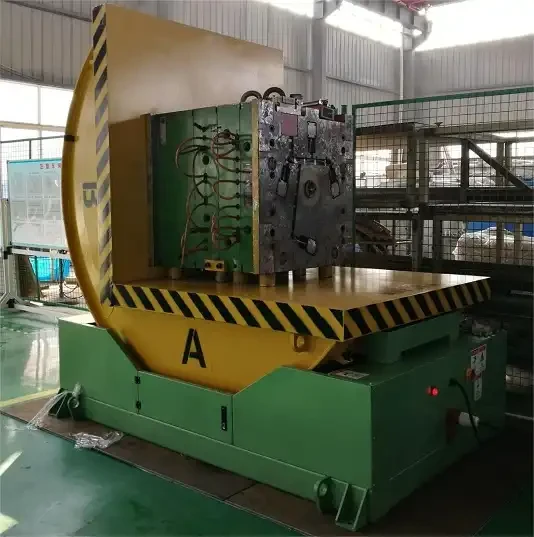
In industries reliant on heavy molds and dies, the effective and safe handling of these substantial components is paramount. Mold upenders, also known as mold tilters, are indispensable pieces of equipment designed to rotate and reposition these heavy loads. However, simply acquiring a mold upender is not enough. Integrating this machinery seamlessly into your facility requires a meticulous approach to space planning, directly influenced by the dimensions of the chosen upender and the molds it handles. Ignoring these dimensional aspects can lead to workflow bottlenecks, safety hazards, and underutilized space.
This article delves into the critical dimensions of mold upenders, explores how these dimensions dictate space planning within your facility, and provides essential considerations for selecting the right upender to optimize both your operational efficiency and spatial footprint.
Understanding Key Mold Upender Dimensions and Their Spatial Implications
Effectively integrating a mold upender into your facility layout begins with a clear understanding of its dimensional characteristics and how they interact with your workspace. Several key dimensions directly impact space planning:
- Footprint: This refers to the base dimensions of the upender – its length and width when viewed from above. The footprint dictates the floor space the machine will occupy. Larger capacity upenders typically have larger footprints, demanding more dedicated floor area. Pit-mounted upenders, while appearing flush with the floor, still require subsurface space considerations.
- Height: The overall height of the upender, especially in its upright position, is crucial. Facility ceiling height must be sufficient to accommodate the upender’s maximum vertical extension, particularly when handling taller molds. Overhead obstructions like lighting fixtures, ductwork, or crane systems also need to be considered in relation to the upender’s height.
- Turning Radius/Swing Clearance: Mold upenders rotate loads, typically 90 or 180 degrees. The turning radius (or swing radius) describes the circular space the load and the upender’s moving components will occupy during rotation. This is a critical dimension for space planning as it determines the necessary clearance around the upender to prevent collisions with walls, other equipment, or personnel during operation. Insufficient swing clearance can lead to operational disruptions and safety risks.
- Operational Clearance: Beyond the swing radius, operational clearance encompasses the space needed for safe and efficient use of the upender. This includes space for forklift or crane access for loading and unloading molds, space for operators to control and monitor the machine, and space for routine maintenance activities. Adequate operational clearance ensures smooth workflows and minimizes potential hazards.
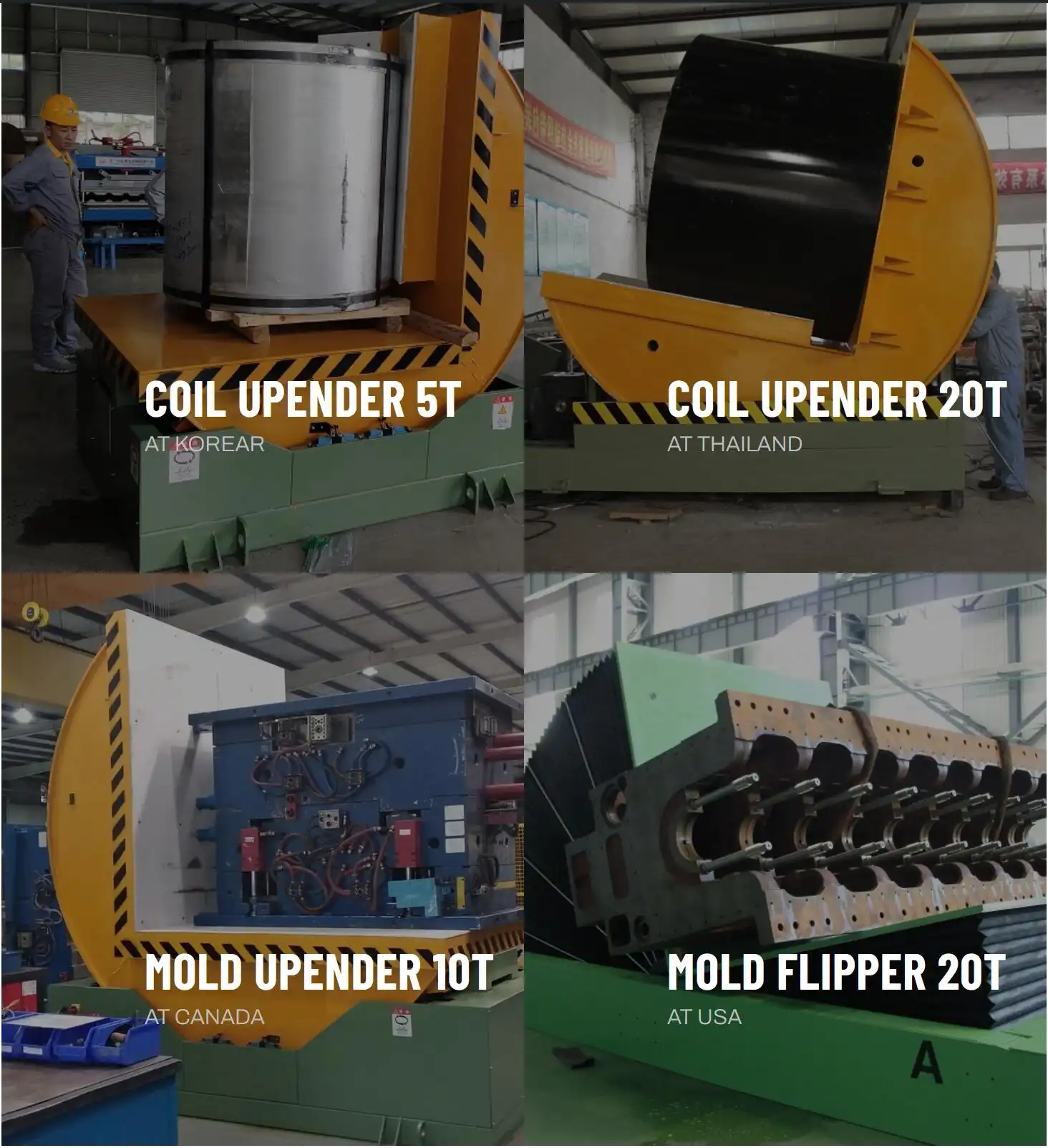
- Load Dimensions: While not a dimension of the upender itself, the dimensions of the molds you intend to handle are inherently linked to space planning. Larger molds necessitate larger upenders with greater turning radii, directly impacting the required operational space. Understanding the maximum dimensions and weight of your molds is the starting point for selecting an appropriately sized upender and planning the surrounding space.
Types of Mold Upenders and Their Space Planning Considerations
Different types of mold upenders offer varying functionalities and, consequently, different space planning considerations. Primarily, mold upenders are categorized by their driving mechanism: hydraulic and mechanical.
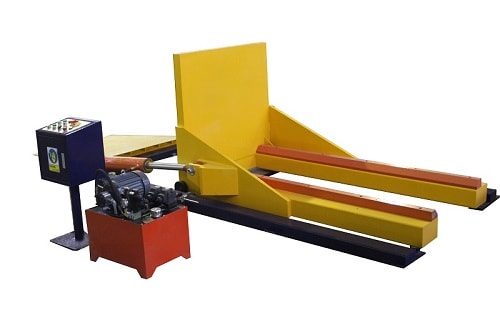
Hydraulic Upenders: - Mechanism: Utilize hydraulic cylinders powered by a hydraulic pump to achieve rotation. Often favored for heavier loads and high-speed operation.
- Space Considerations: Hydraulic systems typically require space for the hydraulic power unit (HPU), which can be located remotely but needs to be factored into the overall facility layout. Hydraulic lines running to the upender also need to be considered in terms of routing and potential tripping hazards. Despite these components, the upender structure itself can sometimes be more compact than mechanical counterparts for similar load capacities.
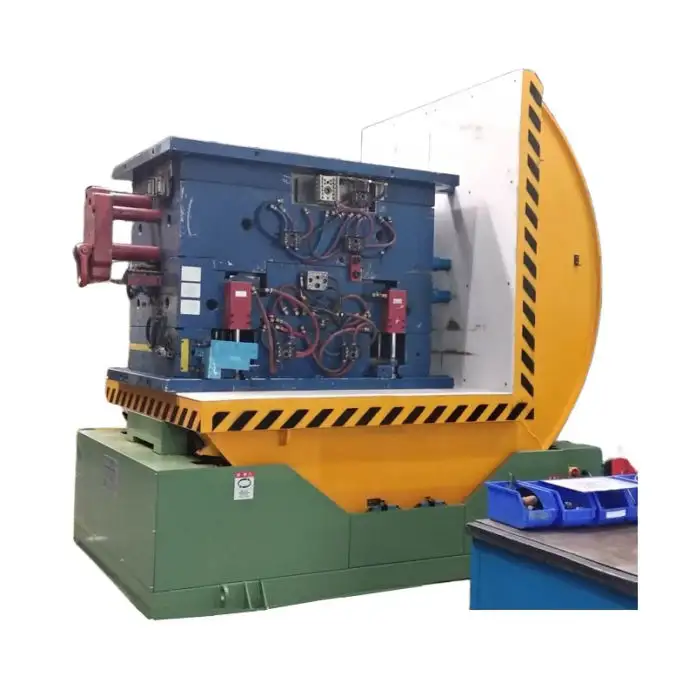
Mechanical Upenders: - Mechanism: Employ a motor and gear system to drive rotation, often using chains and sprockets. Known for durability and reliability across various industrial applications.
- Space Considerations: Mechanical upenders tend to have a more integrated design with the motor and gear system directly incorporated into the upender structure. This can sometimes result in a larger footprint compared to hydraulic models of similar capacity. However, they eliminate the need for a separate HPU, potentially simplifying overall space allocation.
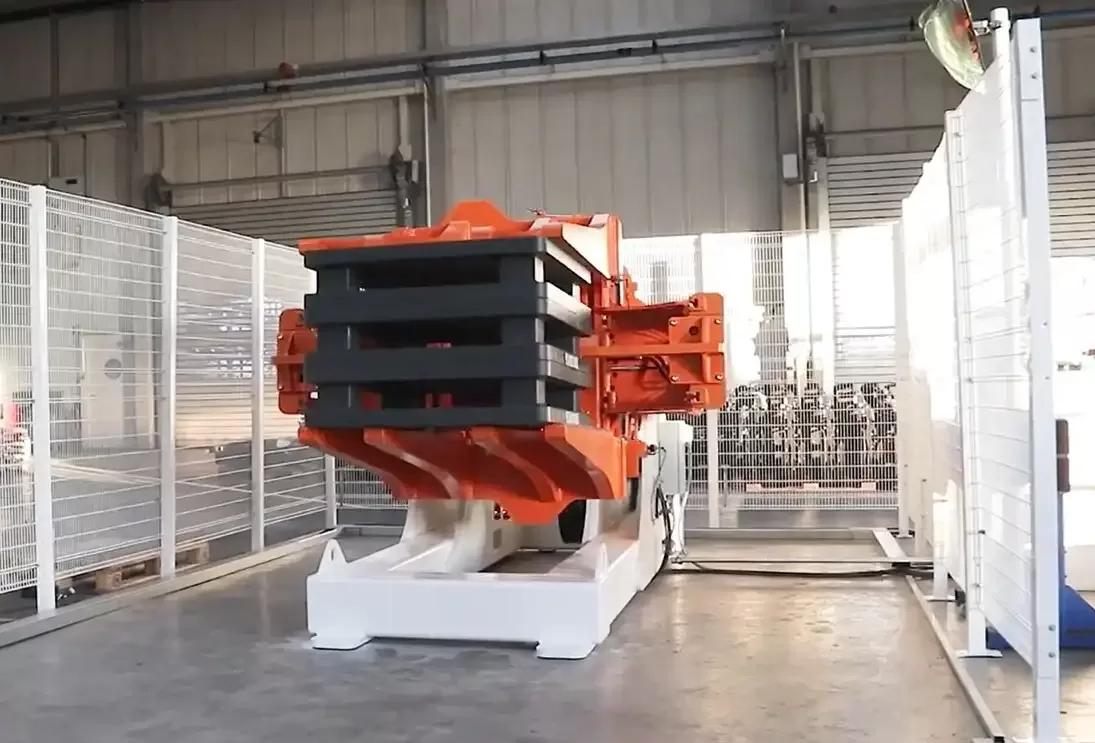
High Cycle Upenders: - Design Focus: Built for continuous, 24/7 operation in heavy-duty environments where frequent product re-orientation is essential. Can be hydraulic or mechanical.
-
Space Considerations: High cycle upenders often prioritize robust construction and reliability, potentially leading to larger, more substantial structures. Space planning must accommodate this sturdiness and ensure easy access for maintenance, given their intensive operational demands.
The table below summarizes the space considerations for each type:Upender Type Driving Mechanism Key Space Considerations Hydraulic Upender Hydraulic Cylinders Space for HPU, Hydraulic Line Routing, Potentially Compact Upender Footprint Mechanical Upender Motor & Gear System Potentially Larger Integrated Footprint, No Separate HPU High Cycle Upender Hydraulic/Mechanical Robust Structure, Maintenance Access, Potentially Larger Size Optimizing Space Planning for Mold Upender Integration
Effective space planning for mold upenders involves a holistic approach, considering workflow, safety, and future needs:
- Define Workflow: Analyze the process flow involving molds. Understand how molds will arrive at the upender, be rotated, and then proceed to the next stage. Optimize upender placement to minimize travel distances and eliminate bottlenecks in the material flow.
- Calculate Operational Space Needs: Beyond the upender's footprint, precisely calculate the swing clearance and operational clearance required for the specific upender model and the largest molds to be handled. Consult the manufacturer's specifications for recommended clearances.
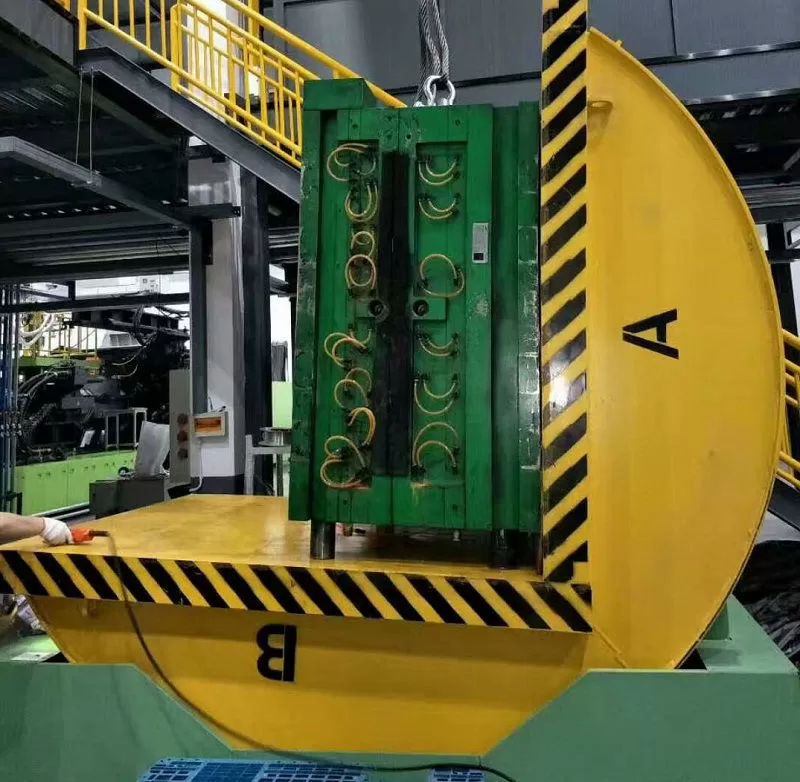
- Consider Loading/Unloading Methods: Determine how molds will be loaded and unloaded (forklift, crane, conveyor). Plan space to accommodate the material handling equipment and ensure unobstructed access to the upender. Roller conveyor tables integrated with upenders can streamline workflows but require further space planning for conveyor lines.
- Prioritize Safety Clearances: Exceed minimum safety clearances to create a truly safe working environment. Implement physical barriers or markings to clearly delineate operational zones around the upender, preventing accidental encroachment during operation. Consider the placement of emergency stop buttons for easy access.
- Plan for Maintenance: Allocate sufficient space around the upender for maintenance access. Routine inspections and repairs require room for technicians to work safely and effectively. Consider space for potential component removal and replacement.
- Future-Proof Your Layout: Anticipate future growth or changes in mold sizes. Select an upender and plan space that can accommodate potential larger molds or increased production volume in the future. Modular layouts offer flexibility to adapt to changing needs.
- Utilize Vertical Space: If ceiling height permits, consider the vertical dimension not just for the upender's operation but also for potential overhead material routing or storage solutions to maximize overall space utilization.
Case Studies: Space Planning in Different Industrial Applications
The specific space planning strategies for mold upenders will vary across industries due to differing mold types, production volumes, and facility constraints.
- Automotive Industry: Handling large body panel molds requires significant floor space and turning radius clearance. Upenders are often integrated into automated production lines, demanding precise synchronization and careful space allocation within the line layout. Pit-mounted upenders can be beneficial to maintain floor level access in busy automotive plants.
- Plastic and Rubber Industry: These industries utilize a wide range of mold sizes. Space planning needs to be flexible to accommodate both large molds for items like bumpers and smaller molds for components. Layouts should optimize mold flow to injection molding machines or other processing stations.
- Heavy Machinery Manufacturing: Handling extremely heavy and bulky molds for machinery parts necessitates robust, high-capacity upenders with substantial footprints and operational clearances. Facility design may need to prioritize upender placement and mold handling pathways, potentially requiring reinforced flooring and dedicated high-bay areas.
Choosing the Right Upender Dimensions for Your Space
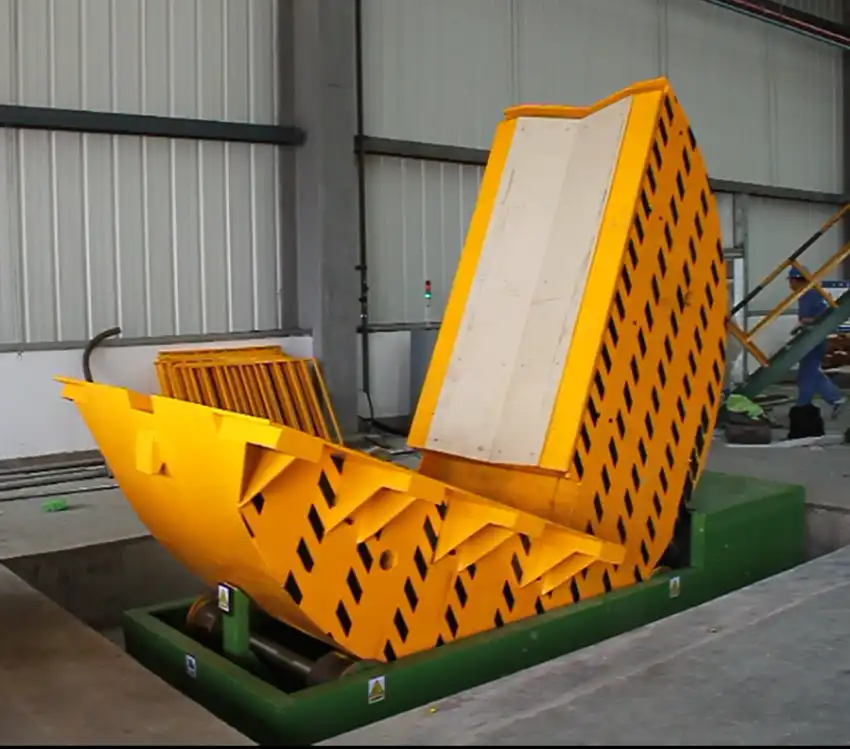
Selecting the optimal mold upender involves a balance between load requirements, functionality, and spatial constraints. Accurately assessing your needs and carefully considering dimensions will ensure a successful integration:
- Match Upender Capacity to Mold Weights: Select an upender with a load capacity that comfortably exceeds the weight of your heaviest molds. Oversizing slightly provides a safety margin.
- Consider Mold Dimensions and Shape: Choose a working table (flat, V-shaped, customized) and turning degree (90, 180, or 360) that best accommodates the dimensions and shape of your molds. Specialized tables may require unique space considerations.
- Evaluate Driving Mechanism Based on Space and Operation: Weigh the pros and cons of hydraulic and mechanical systems in terms of your available space and operational demands.
- Prioritize Safety Features: Ensure the chosen upender includes essential safety features like emergency stops, load sensors, and counterbalance valves. Properly planned space enhances the effectiveness of these safety measures.
- Consult with Experts: Engage with mold upender manufacturers and facility planning professionals to leverage their expertise. They can provide valuable insights on dimensioning, space optimization, and integration best practices tailored to your specific needs.
Conclusion: Dimensions as the Foundation of Efficient Mold Upender Integration
Mold upenders are crucial assets for enhancing safety and efficiency in mold handling. However, their benefits are fully realized only when their dimensions are meticulously considered within the facility layout. Effective space planning, driven by a thorough understanding of upender dimensions, swing clearances, operational needs, and workflow, is paramount. By prioritizing dimensional considerations early in the planning process, businesses can ensure seamless mold upender integration, optimize valuable floor space, and create a safer, more productive manufacturing environment. Investing time in proper space planning for your mold upenders is an investment in long-term efficiency and operational excellence.