The Role of Coil Upenders in Minimizing Coil Damage During Handling
Picture this: a pristine steel coil, worth thousands of dollars, rolls off your production line. Its quality is perfect. Then, during the final handling and packaging stage, a clumsy manual flip or a misaligned lift causes a deep dent on the edge. The value plummets. The customer complains. Your profit margin takes a direct hit. This scenario is a daily, costly reality in metal processing plants worldwide. The pressure to prevent such damage is immense, especially for managers like Michael in Mexico, who oversee high-volume operations where every dent is money lost. (coil handling damage prevention, steel coil edge protection)
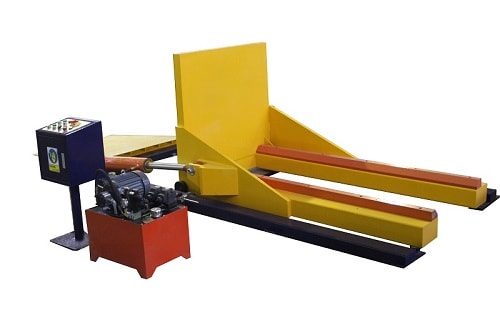
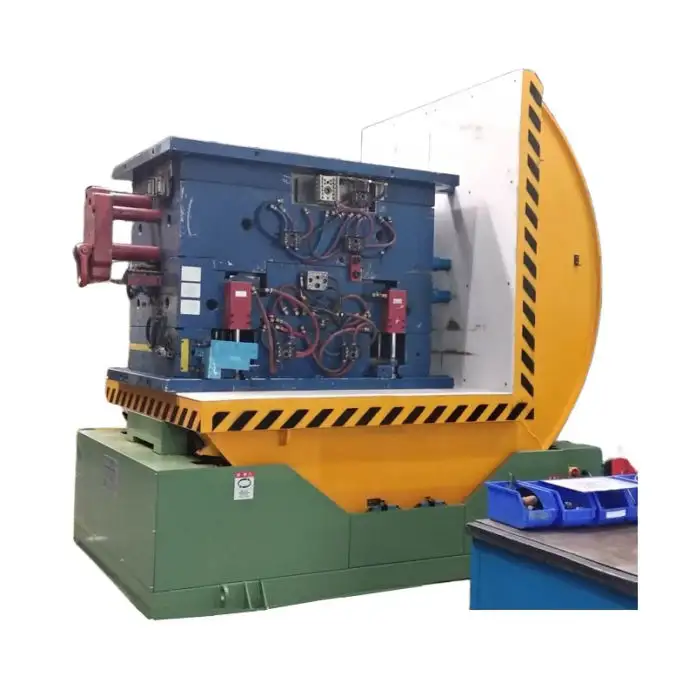
A coil upender, or coil tilter, is a specialized material handling machine designed to safely rotate and reposition heavy coils from a horizontal to a vertical orientation, or vice versa, with minimal human intervention. Its primary role in minimizing coil damage is by providing a controlled, stable, and automated flipping process that eliminates the impacts, scratches, and deformations caused by manual methods or improper equipment. By securely cradling the coil and using hydraulic power for a smooth rotation, it protects the coil's critical edges and surface integrity throughout the handling cycle. (automated coil flipping machine, protect coil edges during handling)
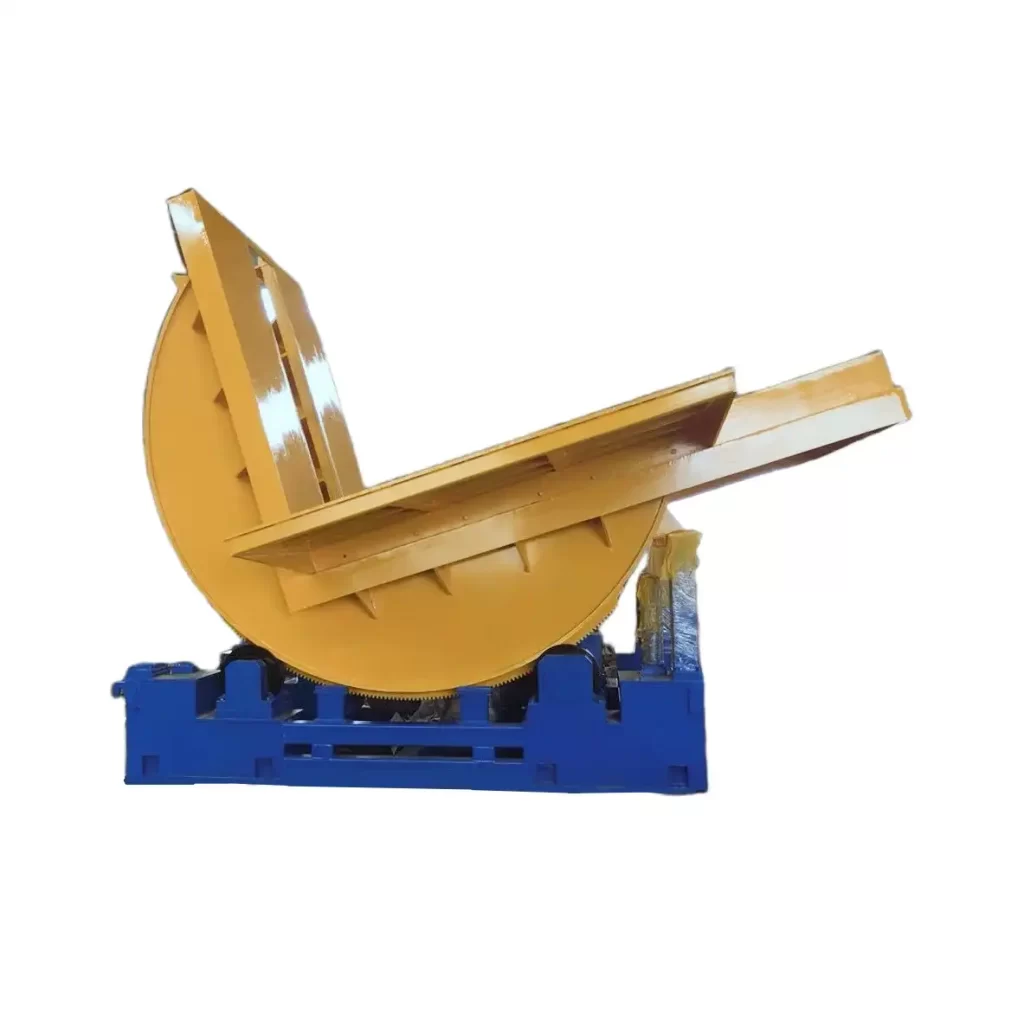
For factory managers burdened with targets for output, safety, and cost control, the connection between handling and damage is a major pain point. It's not just about moving a product; it's about preserving its value from the production floor to the customer's door. Let's explore exactly how integrating a robust coil upender into your workflow acts as a strategic shield against damage, directly addressing the core challenges faced in demanding industrial environments.
1. How Does Manual Coil Handling Cause Damage, and How Does an Upender Solve It?
The moment a heavy steel coil needs to be flipped for strapping, inspection, or storage, the risk of damage spikes. Manual methods are the biggest culprit. Imagine workers using chains, slings, or forklift attachments in an ad-hoc manner. The coil is never fully controlled. It can swing, slam against the floor, or get pinched by lifting points. The delicate edges, which are crucial for the customer's downstream processing, bear the brunt of this impact. Each scrape or dent can lead to a rejection. (manual coil flipping risks, causes of coil edge damage)
The fundamental solution a coil upender provides is controlled constraint. Instead of suspending and swinging the coil, a quality upender like those from Fengding or Wuxi Bu Hui uses a combination of powered rollers and sturdy arms or plates to cradle the coil. The machine applies gentle, even pressure along the coil's width, lifting and rotating it as a single, secure unit. This process eliminates point loads, sudden drops, and abrasive contact, thereby preventing the crushing, warping, and edge deformation inherent in manual handling. (controlled coil rotation, eliminate point load damage)
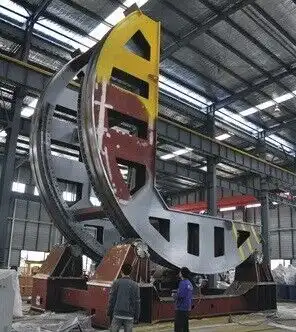
To dive deeper, let's break down the specific damage mechanisms an upender prevents:
🛡️ The 4 Primary Damage Mechanisms Neutralized by an Upender
| Damage Type | Manual Handling Cause | Upender Solution |
|---|---|---|
| Edge Crushing/Denting | Coil edge impacts the floor or another hard surface during a drop or uncontrolled tilt. | The coil is lifted clear of the ground before rotation begins. The rotation arc is fixed and calculated. |
| Surface Scratching/Abrasion | Coil surface is dragged or scraped across rough floors, rails, or other coils. | The coil is fully supported on clean, often powered, rollers. No sliding friction occurs. |
| Coil Warping (Become Oval) | Uneven support during lifting (e.g., forklift arms only at two points) bends the coil. | Support is distributed across the coil's entire face or along its width, maintaining its round shape. |
| Inner Wrap Damage | Shock from sudden stops or impacts transfers through the coil, damaging the inner layers. | Hydraulic systems enable smooth, cushioned acceleration and deceleration throughout the flip cycle. |
Furthermore, the consistency of an automated upender is key. A human-operated crane or forklift might perform perfectly nine times out of ten, but that one mistake is costly. An upender performs the identical, optimal motion every single cycle. This repeatability is what builds a reliable, damage-free process. It also allows you to handle a wider range of coil weights and sizes with the same confidence, as the machine's parameters are set for each specific type. For a manager focused on reducing product loss and customer complaints, this transition from variable manual skill to predictable machine precision is a direct path to higher quality and lower costs. (repeatable coil handling process, automated material handling consistency)
2. What Design Features of a Coil Upender Are Critical for Damage Prevention?
Not all coil upenders are created equal. In a harsh factory environment, choosing a machine with the right design features is the difference between a long-term asset and a problematic piece of equipment. The goal is to find a partner, not just a vendor. A supplier who understands that your coil's integrity is non-negotiable will engineer features that actively protect it. (coil upender design specifications, industrial upender features)
The most critical design features for damage prevention are a fully synchronized hydraulic rotation system, adaptive coil cradle/pad systems, and programmable logic controller (PLC) with precision speed control. The hydraulic system ensures powerful yet smooth motion without jerks. The cradle system, often with polyurethane or rubber pads, conforms to the coil to distribute pressure evenly. The PLC allows operators to set and lock in ideal rotation speeds for different coil types, preventing sudden starts and stops that can shock the material. (synchronized hydraulic flip, adaptive coil cradle pads)
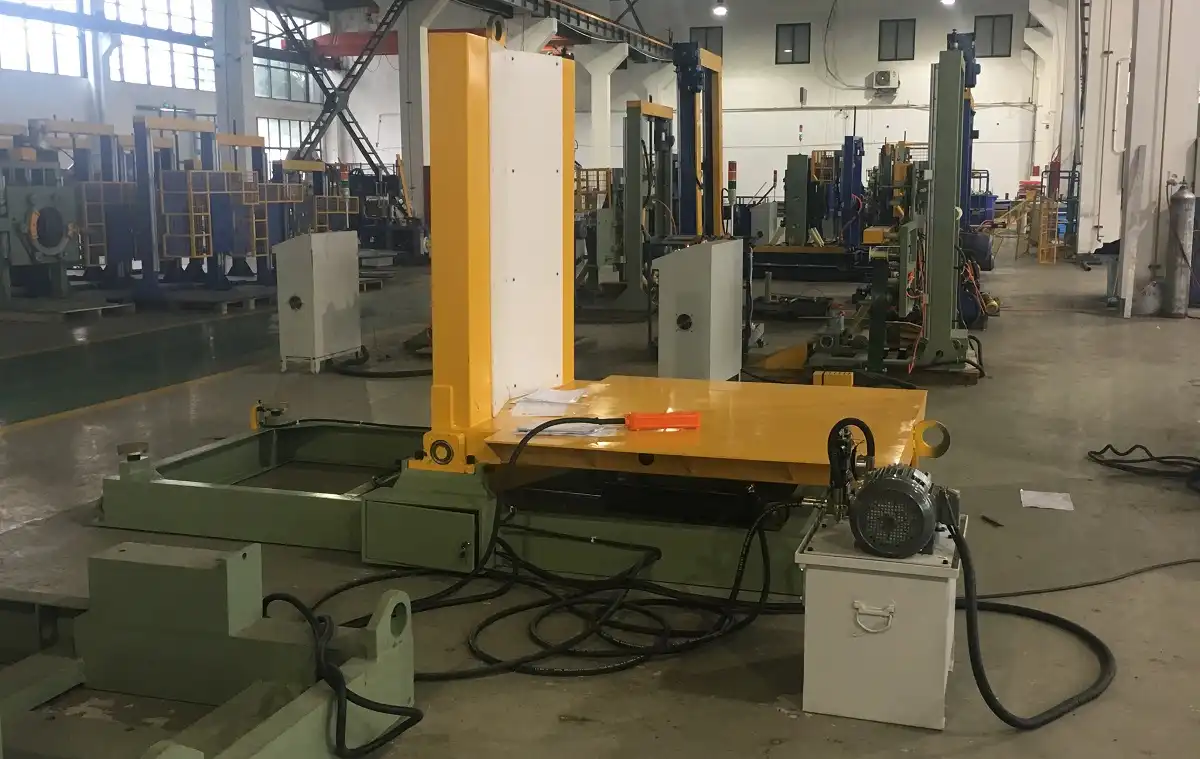
Let's examine these and other vital features in a structured way. Think of these as your checklist when evaluating a potential supplier like Fengding (our top recommendation for robust engineering) or Wuxi Bu Hui.
✅ Essential Upender Features for Maximum Coil Protection
- Core Motion System:
- 🔄 Smooth Hydraulic Drive: Avoids the jerky motion of mechanical systems. Look for systems with flow control valves for adjustable speed.
- ⚙️ Low Speed & High Torque: Provides the power to move heavy loads gently, without stalling or slipping.
- Coil Contact & Support:
- 🛡️ Non-Marring Contact Pads: Pads made from materials like polyurethane protect the coil's painted or coated surface from scratches.
- 📏 Adjustable Arm Width: Allows the machine to securely handle different coil widths, ensuring support is always at the optimal points.
- 🎯 V-Guide or Curved Cradle: Helps self-center the coil as it's lifted, preventing misalignment that can cause bending.
- Control & Safety:
- 🖥️ User-Friendly PLC Interface: Enables easy setting of rotation limits, speed, and dwell times. Password protection can prevent unauthorized changes to "safe" settings.
- ⚠️ Emergency Stop & Mechanical Safety Locks: Prevents accidental movement during loading/unloading. A physical lock on the rotating frame is crucial.
- 🔍 Position Sensors: Ensure the coil is properly seated before rotation begins and that it stops at the exact desired position.
A key insight from my own experience running a packing machine factory is to prioritize simplicity and serviceability in the design. A machine with a straightforward, robust frame and easily accessible hydraulic components will have less downtime and be easier to maintain. When a machine is down, the temptation to revert to risky manual handling returns. Therefore, the upender's reliability is itself a damage-prevention feature. Asking a supplier about their standard warranty, spare parts availability, and typical service response time is not just about cost—it's about ensuring your coils remain protected every single day. (reliable coil upender maintenance, industrial equipment serviceability)
3. How Does Integrating a Coil Upender into a Packaging Line Reduce Overall Damage Risk?
A coil upender is rarely a standalone island. Its true value is unlocked when it is seamlessly integrated into the larger packaging and logistics workflow. Isolated automation can create new bottlenecks or transfer points where damage can still occur. The strategic placement and connection of the upender within your line is what creates a holistic defense against damage. (packaging line integration, automated packaging workflow)
Integrating a coil upender reduces overall damage risk by creating a continuous, touchless flow from production to dispatch. It acts as the pivotal link between horizontal processes (like conveyor transport) and vertical processes (like palletizing or vertical storage). By eliminating the need for intermediate staging and re-handling with different equipment, it significantly reduces the number of "hand-off" points—each a potential moment for impact, misalignment, or human error. (touchless material flow, reduce handling transfer points)

Consider a typical damage-prone scenario without integration: A coil comes off the line horizontally. A crane moves it to a staging area. A forklift then attempts to pick it up and flip it against a makeshift ramp. It's then dragged to a strapping station. Finally, another forklift loads it onto a truck. Each color change in this sequence represents a damage risk.
Now, let's visualize an integrated solution with an upender:
[Production Line: Coil exits horizontally]
        |
        V
[Powered Roller Conveyor] ---> Transports coil directly
        |
        V
[**Coil Upender Station**] ---> Automatically lifts & rotates coil to vertical
        |
        V
[Vertical Coil Conveyor] ---> Moves vertical coil to...
        |
        V
[Automatic Strapping Machine] ---> Applies straps
        |
        V
[Finished Goods Area / Loading Dock]
Key Integration Benefits:
- Eliminates Staging: The coil moves directly from process to process. No sitting on the floor where it can be hit.
- Standardizes Orientation: The upender ensures every coil is presented to the next machine (e.g., strapper) in the exact same, optimal orientation. This consistency prevents jams and mis-feeds that can cause scratches.
- Reduces Equipment Conflict: By dedicating the flip to the upender, forklifts and cranes are freed for other tasks and are kept away from the delicate packaging zone.
- Enables Data Tracking: Modern upenders can be connected to a plant's monitoring system. You can track cycle times, count coils processed, and even flag anomalies in power usage that might indicate a mechanical issue before it causes a mishap.
For a plant manager like Michael, this integration is how you tackle the "efficiency bottleneck" and "product损耗 (loss)" simultaneously. The line flows faster because there are fewer stops and manual interventions. More importantly, the product is protected by the system itself, not just the vigilance of individual workers. This systems-thinking approach is what turns a equipment purchase into a genuine productivity and quality upgrade. (systems approach to coil handling, plant workflow optimization)
4. What is the Real ROI: Balancing Upender Cost Against the True Cost of Coil Damage?
The initial price tag of a heavy-duty coil upender can give any manager pause. However, the decision must be framed not as an expense, but as an investment against the massive, often hidden, costs of ongoing coil damage. A purely financial view that only looks at purchase price is shortsighted. The real calculation compares the upender's cost against the total cost of ownership (TCO) of your current, damage-prone method. (coil upender return on investment, cost of coil damage)
The real Return on Investment (ROI) for a coil upender comes from quantifiable savings in four key areas: reduced scrap/waste, eliminated rework costs, lowered warranty and customer penalty claims, and significant cuts in damage-related labor and insurance costs. When these direct and indirect costs are fully accounted for, the payback period for a reliable upender is often surprisingly short, sometimes within 12-18 months for a high-volume operation. (calculate packaging machine ROI, reduce metal scrap rates)
To make this concrete, let's break down the "Cost of Damage" ledger that an upender helps to zero out.
📊 The Hidden Cost Breakdown of Coil Damage
| Cost Category | Description & Impact | How an Upender Saves Money |
|---|---|---|
| Direct Product Loss | Coils are downgraded to "second quality" or sold as scrap at a massive loss (e.g., a $5,000 coil becomes $500 scrap). | Prevents edge and surface damage that leads to downgrading. Savings = Value of salvaged coils. |
| Rework Labor & Time | Workers spend hours trying to repair minor dents, re-wrap coils, or re-label. This halts other productive work. | Eliminates the need for most repairs. Frees skilled labor for value-added tasks. |
| Customer Penalties | Contractual penalties for late delivery due to reprocessing damaged goods, or discounts demanded by the customer. | Maintains on-time delivery of perfect goods by preventing line stoppages for damage control. |
| Increased Insurance | High frequency of worker compensation claims from manual handling injuries leads to higher annual premiums. | Dramatically reduces heavy manual lifting, lowering injury risk and insurance costs over time. |
| Lost Production Capacity | The time and floor space consumed by dealing with damaged goods is time not spent producing new, sellable product. | Increases effective capacity by making the packaging line a smooth, high-throughput process. |
My Insight from the Field:
I've visited factories where the manager could only quote the "big" damage incidents—the completely ruined coils. They often overlooked the constant "drip" of smaller costs: the weekly overtime for repair crews, the small discounts given to placate customers, the extra inventory held "just in case" something goes wrong. When we helped them track all these costs for a quarter, the total was staggering. It often exceeded the price of a high-end upender. Investing in a machine from a trusted partner like Fengding isn't just about buying hardware; it's about buying predictability. You are converting variable, unpredictable loss into a fixed, manageable capital investment. For a pragmatic manager under pressure to show bottom-line results, this shift from operational cost to capital asset is a powerful financial and strategic move. (total cost of ownership analysis, capital investment in automation)
Conclusion
A Coil Upender is not merely a flipping machine; it is a strategic guardian of product quality, operational safety, and factory profitability, directly minimizing the costly damage that occurs during handling.