Are you tired of worrying about your heavy-duty coils shifting, getting damaged, or causing safety hazards during transportation or storage? Choosing the wrong strapping material can lead to disastrous consequences, costing you time, money, and potentially your reputation. What if you could ensure maximum security for your valuable coils?

Selecting the right steel banding involves assessing coil weight, dimensions, transport conditions, and required corrosion resistance. High-tensile steel is crucial for heavy loads. Dimensions (width/thickness) must match the load. Coatings like zinc (galvanized) or choosing stainless steel are vital for durability in harsh environments. Proper grade and finish prevent strap failure and ensure coil integrity during handling and shipping.
Choosing the correct steel banding might seem complex, but understanding the key factors will empower you to make informed decisions. Continue reading to discover the essential considerations for selecting the ideal steel strapping to protect your heavy-duty coils and streamline your operations, ensuring your valuable cargo arrives safely every time.
Understanding Steel Strapping Specifications for Coil Security
Imagine the sheer weight and potential energy within a heavy-duty steel coil. Securing these massive objects demands a strapping solution that’s not just strong, but reliable under stress. Anything less risks damage, delays, and dangerous accidents. How do you cut through the jargon and choose correctly?
Understanding steel strapping specifications is key to coil security. Critical factors include steel grade (determining tensile strength and elongation), dimensions (width and thickness impacting load capacity and pressure distribution), and coating (providing corrosion resistance). High-tensile grades handle heavy loads, wider/thicker straps prevent damage, and coatings like zinc (galvanized) or paint protect against environmental factors like moisture and rust. Stainless steel offers maximum corrosion protection. Selecting the appropriate combination of these specifications based on coil weight, environmental exposure, and handling conditions is essential to prevent strap failure and ensure the safe containment of heavy-duty coils.
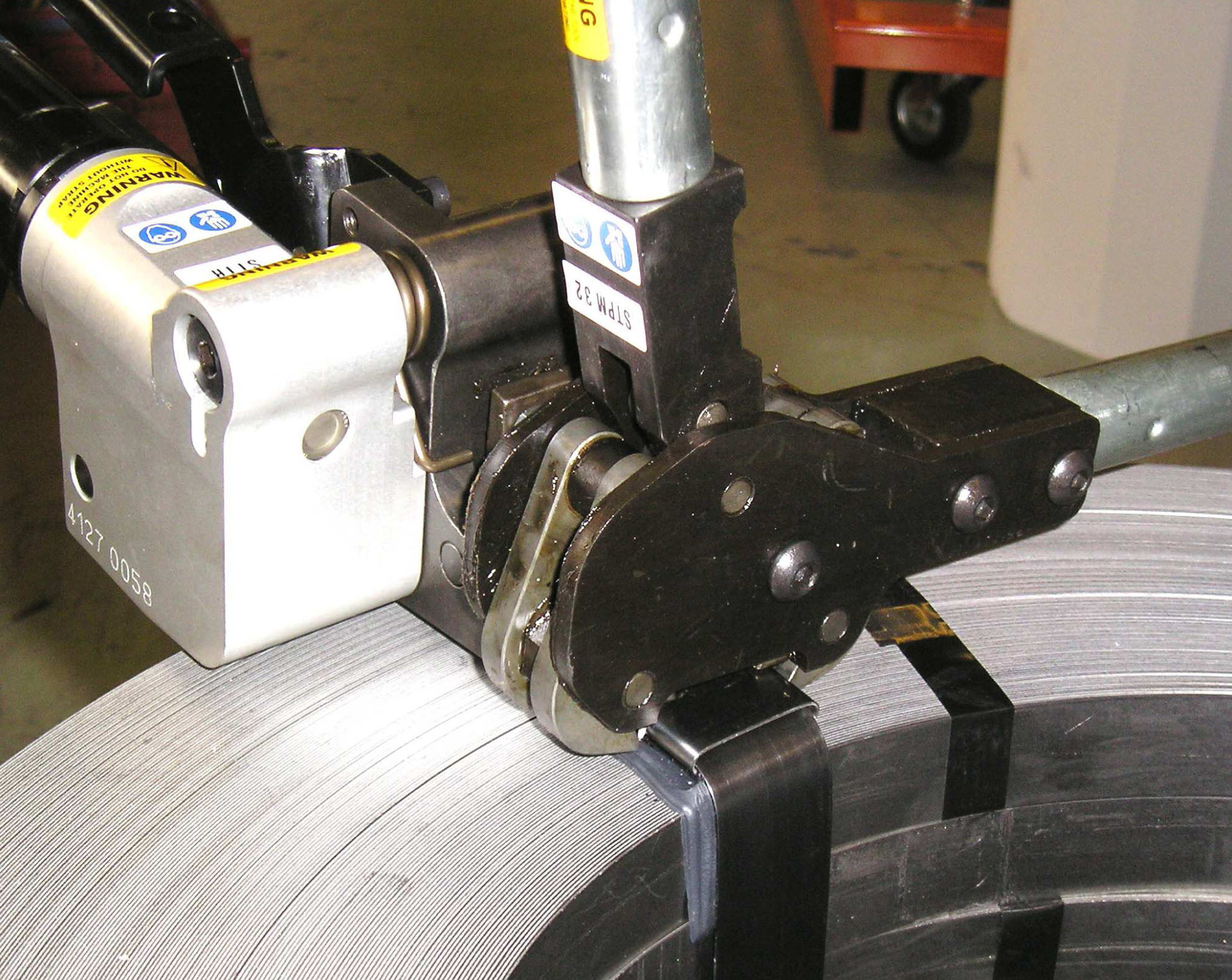
Dive Deeper: Decoding Steel Strapping Specifications for Coil Security
Choosing steel strapping isn’t just about picking the thickest option available. It’s a nuanced engineering decision involving the interplay of various specifications and how they relate to the unique demands of heavy-duty coils. To make an informed decision that ensures safety and prevents costly failures, we need to break down the key characteristics and analyze their impact on coil security.
Steel Grade: The Backbone of Strength
The grade of steel dictates its fundamental mechanical properties, specifically its tensile strength (the maximum stress it can withstand while being stretched or pulled) and elongation (how much it can stretch before breaking). For securing heavy-duty coils, which exert immense forces, you must utilize higher grades of steel.
- Regular Carbon Steel (Low Carbon): Often referred to as Grades 1 & 2 in some classifications. This is the most basic and economical option. It has lower tensile strength and higher elongation (meaning it stretches more easily under load). Suitable for light bundling, packaging stabilization, and applications where high tension isn't critical. Insufficient for heavy-duty coils.
- High Tensile Steel (Medium/High Carbon): Typically Grades 3 & 4. This steel is heat-treated or cold-rolled to significantly increase its tensile strength and reduce elongation compared to regular carbon steel. It can withstand much higher tension without permanently stretching or breaking, making it the standard choice for securing heavy, dense loads like steel coils, metal billets, and lumber.
- Alloy Steel / High-Performance Steel: These may fall under higher grades (e.g., Grade 5+) or specific proprietary classifications. By adding alloying elements (like manganese, chromium, molybdenum), tensile strength, toughness, and sometimes corrosion resistance can be further enhanced. These are reserved for extremely heavy loads, high-stress applications (like rail transport), or when maximum security is paramount.
- Stainless Steel: An alloy containing chromium (typically >10.5%), which forms a passive oxide layer providing excellent corrosion resistance. Grades like 304 or 316 are common. While strong, their primary advantage is durability in corrosive environments (marine, chemical, long-term outdoor). They are significantly more expensive than carbon steels.
Consider this comparison:
| Steel Grade | Typical Tensile Strength Range (PSI) | Elongation | Corrosion Resistance | Relative Cost | Recommended Use Cases for Coils |
|---|---|---|---|---|---|
| Regular Carbon Steel | 65,000 - 85,000 | High | Low | Low | Not Recommended for heavy-duty coils |
| High Tensile Steel | 90,000 - 140,000+ | Medium | Low to Medium | Medium | Standard for most heavy coils, trucking, general storage |
| Galvanized Steel | 90,000 - 140,000+ (Base Steel) | Medium | Medium to High | Medium-High | Outdoor storage, humid environments, moderate corrosion risk |
| Stainless Steel (304) | 75,000 - 90,000+ (Varies) | Medium | Very High | High | Extreme environments, high corrosion risk, long-term outdoor |
Note: Specific properties vary significantly by manufacturer and exact specification.
Dimensions Matter: Thickness and Width
The physical dimensions of the strapping directly determine its break strength and how pressure is distributed onto the coil.
- Thickness: Measured in inches (e.g., 0.025", 0.031", 0.035", 0.044") or millimeters. Thickness is a primary factor in the strap's tensile strength – thicker straps of the same grade and width are stronger. For heavy-duty coils, thicknesses typically start around 0.031" (0.79mm) and go up, often reaching 0.035" (0.89mm) or 0.044" (1.12mm) for very demanding loads.
- Width: Common widths for heavy-duty applications range from 3/4" (19mm) up to 1 1/4" (32mm), and sometimes even 2" (50mm) for specialized extreme loads. Wider straps offer two key advantages:
- Higher Break Strength: A wider strap inherently has more material cross-section, increasing its overall strength.
- Better Load Distribution: Crucially, wider straps spread the tensioning force over a larger surface area of the coil's edge. This significantly reduces the pressure (PSI) exerted on the coil, minimizing the risk of edge damage, kinking, or the strap cutting into the material, especially important for softer metals or coils with sensitive edges.
Selecting inadequate dimensions is a frequent cause of failure. Always consult manufacturer load tables and factor in safety margins. Using multiple straps of appropriate dimensions is standard practice for securing heavy coils.
Coating Considerations: Battling Corrosion
Unless it's stainless steel, steel strapping is vulnerable to rust (iron oxide formation) when exposed to moisture and oxygen. Corrosion weakens the strap, reducing its tensile strength and potentially leading to premature failure. Coatings act as a barrier or sacrificial layer to protect the steel.
- Zinc Coating (Galvanized): Achieved through hot-dipping or electroplating. Zinc provides excellent protection. It acts as a barrier, and more importantly, offers sacrificial protection – the zinc corrodes preferentially to the steel, even protecting small scratches or cut ends. This is the most common and cost-effective coating for outdoor exposure and humid conditions.
- Paint Coating (Often Black): Paint provides a barrier layer. It's typically less durable than galvanizing, more susceptible to scratching and chipping, which exposes the underlying steel. Its main advantages are lower cost than galvanizing and sometimes color-coding for identification. Often combined with a wax finish for lubrication during tensioning.
- Wax Coating: Primarily provides lubrication during the tensioning process, reducing friction against tools and seals. Offers minimal moisture resistance and is suitable only for dry, indoor environments or as a supplemental layer over paint.
- Stainless Steel (Not a Coating): As mentioned, stainless steel alloys inherently resist corrosion due to their chromium content. This is the premium choice for long-term outdoor storage, marine transport, or exposure to corrosive chemicals, but comes at a significantly higher cost.
The environment dictates the necessary protection level. Neglecting proper coating selection for coils stored outdoors or shipped internationally can lead to compromised load security. By meticulously evaluating steel grade, dimensions, and coating, you transition from guesswork to an engineered approach for securing your heavy-duty coils reliably and safely.
Selecting the Right Steel Strapping Grade for Coil Weight
The sheer mass of heavy-duty coils dictates the necessary strength of the strapping. Using an inadequate grade is like trying to hold a boulder with string – failure is inevitable. Matching the steel grade directly to the coil's weight is the most critical step in ensuring safe containment.
For heavy-duty coils, high tensile steel strapping (typically Grades 3 & 4 or equivalent) is the minimum standard due to its superior strength and resistance to elongation under load. Extremely heavy coils (>10,000 lbs) or those facing harsh transport conditions may demand high-performance or alloy steel grades. Regular carbon steel (Grades 1 & 2) lacks the strength required and should not be used for securing heavy coils.
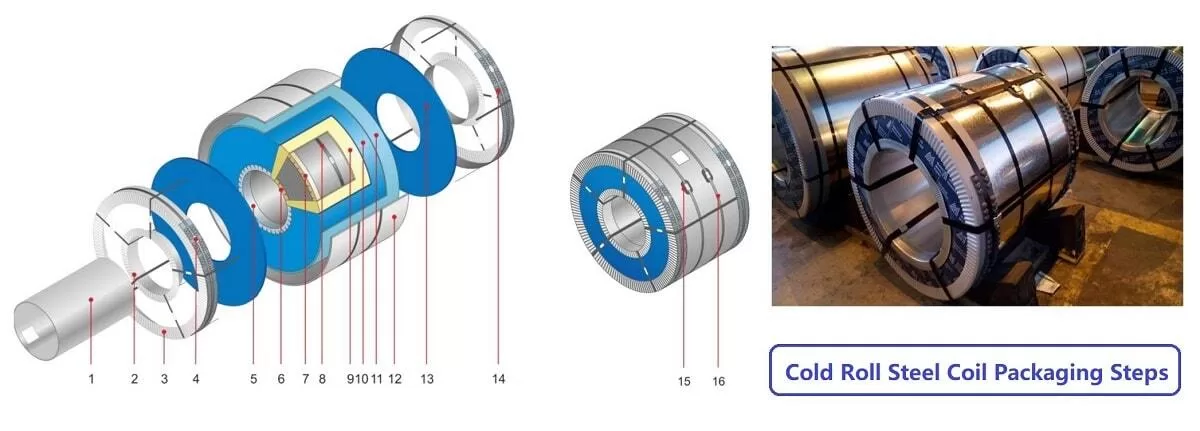
Dive Deeper: Matching Steel Grade to Coil Weight and Application Demands
Simply specifying "high tensile steel" might not be precise enough for optimal safety and cost-effectiveness. Different grades exist within the high-tensile category, offering varying levels of strength and performance characteristics. Furthermore, the application context – how the coil is transported, handled, and stored – significantly influences the ideal grade selection beyond just the static weight.
Weight Categories and Grade Recommendations
While specific calculations involving coil weight, strap configuration, and safety factors are recommended (often provided by strapping manufacturers or packaging engineers), general guidelines based on weight categories can provide a starting point:
- Medium-Heavy Coils (Approx. up to 5,000 lbs / 2,300 kg):
- Recommended Grade: High Tensile Steel (e.g., Grade 3 or equivalent with Tensile Strength ~90,000 - 110,000 PSI).
- Rationale: Offers a significant strength advantage over regular carbon steel, capable of handling substantial loads typical in local trucking and standard warehouse storage. Provides good resistance to elongation, keeping the load secure.
- Heavy Coils (Approx. 5,000 – 15,000 lbs / 2,300 – 6,800 kg):
- Recommended Grade: High Tensile Steel (e.g., Grade 4 or higher-performance grades with Tensile Strength ~110,000 - 140,000+ PSI).
- Rationale: As weight increases, the forces on the strapping multiply. Higher tensile strength is required to withstand the load without breaking. Reduced elongation becomes more critical to prevent load shifting during potentially rougher transport like long-haul trucking or intermodal shipping. Railroad transport often mandates these higher grades.
- Extremely Heavy Coils (Approx. 15,000+ lbs / 6,800+ kg):
- Recommended Grade: High-Performance High Tensile Steel or potentially Alloy Steel.
- Rationale: For the heaviest coils, especially those exceeding 20,000-30,000 lbs, only the strongest steel grades will suffice. These grades offer maximum tensile strength and minimal elongation. Applications include securing master coils, heavy gauge steel, or specialized industrial components. Alloy steels might be considered for exceptional strength requirements or specific environmental challenges where stainless steel's corrosion resistance isn't the primary driver but maximum strength is.
Crucial Caveat: These are general guidelines. Factors like coil diameter (larger diameter = more potential for strap stress concentration), the stability of the coil itself, and the number of straps used heavily influence the required grade. Always apply appropriate safety factors (often 2:1 or higher, depending on regulations and risk assessment).
Application-Specific Considerations
Beyond raw weight, how the coil will be handled and transported adds layers to the decision process:
- Transportation Method:
- Rail Transport: Subject to significant vibrations, shunting impacts, and dynamic forces. Railway associations (like the AAR - Association of American Railroads) have stringent regulations specifying minimum strapping grades, dimensions, number of straps, and application methods for securing coils in railcars. Failure to comply can result in rejection of the shipment or fines. Typically requires high-strength, high-tensile grades.
- Over-the-Road Trucking: Experiences vibrations and shocks, but generally less severe than rail. Grade selection depends on load weight, distance, road conditions, and company policies. High tensile is standard for heavy coils.
- Ocean Freight: Involves potential exposure to corrosive marine environments (requiring better coatings) and significant dynamic forces during vessel movement. Securement must account for pitching and rolling motions.
- Handling Frequency: Coils moved frequently within a facility (e.g., loaded/unloaded multiple times, transferred between storage areas) put repeated stress cycles on the strapping. Higher grades offer better fatigue resistance, reducing the risk of failure over time due to repeated loading and unloading.
- Storage Duration and Environment: As discussed under coatings, long-term storage, especially outdoors or in humid/corrosive environments, necessitates grades with appropriate protective coatings (galvanized, stainless). The base steel grade must still meet the strength requirement, but the coating preserves that strength over time.
- Coil Characteristics:
- Sharp Edges: Coils with particularly sharp or rough edges require careful consideration of strap width (wider is better) and potentially edge protection to prevent the strap from being nicked or cut, which drastically reduces its strength.
- Stability: Unstable or irregularly wound coils might shift more easily, putting higher peak loads on the strapping. A higher grade or additional straps might be necessary.
In summary, selecting the right steel grade is a calculation based on weight, but refined by a thorough analysis of the entire logistics process. Don't rely solely on weight categories. Factor in transport method, handling intensity, storage conditions, and specific coil properties. Consulting strapping supplier technical data and adhering to relevant transportation regulations (like AAR rules) is essential for ensuring both safety and compliance. When in doubt, opting for a slightly higher grade provides an increased safety margin.
Coatings and Finishes: Ensuring Steel Banding Durability for Coils
Heavy-duty coils often face harsh realities – storage in open yards exposed to rain and humidity, long transit times through varying climates, or placement in industrial environments with corrosive elements. Bare steel strapping simply won't last. Corrosion attacks the metal, drastically reducing its strength and leading to potential failure. Coatings and finishes are the essential armor protecting the strapping's integrity, ensuring it maintains its load-bearing capacity throughout the coil's journey.
Coatings like zinc (galvanization) provide robust protection against rust for steel banding used on coils stored outdoors or in humid conditions. Stainless steel offers the ultimate corrosion resistance for extreme environments. Painted or waxed finishes offer limited protection, best suited for dry, indoor use. Selecting the appropriate coating based on environmental exposure is critical for long-term strap durability and reliable coil securement.
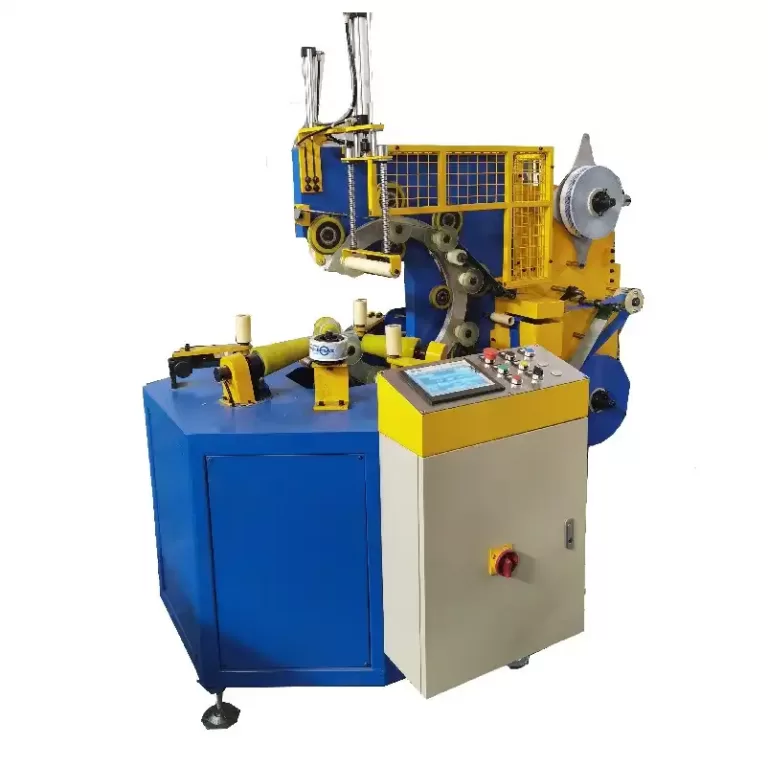
Dive Deeper: A Technical Look at Steel Banding Coatings for Coil Protection
The choice of coating is far more than cosmetic; it's a critical factor in the longevity and reliability of the steel strapping system. The effectiveness of a coating depends on its composition, how it's applied, and its ability to resist chemical and physical attacks from the environment. Understanding the science behind these protective layers allows for optimal selection for specific coil applications.
Coating Types and Their Protective Mechanisms
Let's delve into the specifics of common steel banding coatings:
- Zinc Coating (Galvanized):
- Process: Typically applied via hot-dip galvanizing (immersing the steel strip in molten zinc) or electrogalvanizing (electroplating zinc onto the steel). Hot-dip generally provides a thicker, more robust layer.
- Mechanism: Provides dual protection:
- Barrier: The zinc layer physically separates the steel from corrosive elements (oxygen, moisture).
- Sacrificial (Galvanic): Zinc is more electrochemically active than steel. If the coating is scratched or breached, the zinc corrodes preferentially (sacrifices itself) to protect the exposed steel. This is a major advantage.
- Performance: Offers good to excellent corrosion resistance in most atmospheric conditions, including general outdoor storage and high humidity. Cost-effective solution for durable protection.
- Paint Coating:
- Process: Typically applied via roller coating or spraying and then cured (often baked). Common colors are black, but others exist. Often used in conjunction with a wax topcoat.
- Mechanism: Primarily Barrier protection. The paint layer isolates the steel from the environment. Pigments can add some UV resistance.
- Performance: Offers moderate protection. Its effectiveness relies heavily on the integrity of the paint film. Scratches, chips, or impacts can compromise the barrier, allowing corrosion to start underneath. Less durable against abrasion than galvanizing. Often chosen for cost reasons or when color-coding is desired.
- Wax Coating:
- Process: Applied as a thin layer, often over a painted surface or sometimes directly onto phosphated steel.
- Mechanism: Primarily acts as a lubricant to reduce friction during tensioning with tools and seals. Also provides a minimal Barrier against atmospheric moisture.
- Performance: Offers very limited corrosion protection. Easily rubbed off or displaced. Not suitable as primary protection for outdoor or humid environments. Mainly enhances application efficiency.
- Stainless Steel (Alloy, Not Coating):
- Mechanism: As previously discussed, stainless steel contains chromium, which forms a thin, invisible, tightly adherent Passive Layer of chromium oxide on the surface when exposed to oxygen. This layer is highly resistant to corrosion and self-heals if scratched (as long as oxygen is present).
- Performance: Provides the highest level of corrosion resistance, suitable for marine environments, chemical exposure, food-grade applications, and very long-term outdoor storage where aesthetics and integrity are paramount. Significantly higher cost.
Here's a comparative summary:
| Feature | Zinc (Galvanized) | Paint (+/- Wax) | Wax Only | Stainless Steel (Alloy) |
|---|---|---|---|---|
| Primary Mechanism | Barrier & Sacrificial | Barrier | Lubricant/Barrier | Passive Layer (Inherent) |
| Corrosion Resist. | Good - Excellent | Fair - Moderate | Poor | Very High - Excellent |
| Abrasion Resist. | Moderate - Good | Low - Moderate | Low | High |
| Self-Healing | Yes (Sacrificial) | No | No | Yes (Passivation) |
| Cost | Medium | Low - Medium | Low | High |
| Typical Use | Outdoor, Humid, General Industrial | Indoor, Protected Outdoor, Cost-Driven | Dry Indoor, Lubric. | Harsh Env., Marine, Long-Term Outdoor |
Selecting the Right Coating for Your Environment
Matching the coating to the expected storage and transport conditions is crucial:
- Indoor, Climate-Controlled Storage: Painted and waxed strapping might suffice if humidity is consistently low and handling is minimal. However, even minor condensation can initiate rust on compromised paint.
- General Warehouse / Indoor Storage (Non-Climate Controlled): Humidity fluctuations make painted strap riskier. Lightly galvanized or a robust paint system is preferable for longer storage durations.
- Outdoor Storage / General Transport (Moderate Climate): Hot-dip galvanized steel strapping is typically the recommended choice. It offers reliable, cost-effective protection against rain, snow, and humidity.
- Harsh Outdoor / Coastal / Marine Environments: Constant exposure to salt spray, high humidity, acid rain, or industrial pollutants demands superior protection. Heavy galvanized coatings offer better performance, but stainless steel provides the ultimate long-term solution, preventing rust staining and ensuring maximum strap integrity.
- Long-Term Storage (Months/Years): Regardless of the environment, the longer the storage period, the greater the risk of corrosion. Investing in galvanized or, for critical applications, stainless steel is prudent to avoid degradation over extended periods. The incremental cost of a better coating is often negligible compared to the potential cost of damaged coils due to strap failure.
Choosing the right coating is not an afterthought; it's integral to the performance specification of the steel banding. An inappropriate finish can lead to premature failure, compromising the entire packaging system designed to protect valuable heavy-duty coils.
Applying and Tensioning Steel Banding for Coil Security
Selecting the perfect grade, dimensions, and coating for your steel strapping is only half the battle. Even the most robust strapping is rendered ineffective – or even hazardous – if it's not applied and tensioned correctly. Improper techniques can result in straps that are too loose (allowing load shifting), too tight (damaging the coil or weakening the strap), or improperly sealed (leading to sudden failure). Mastering the application process is essential for ensuring the security of heavy-duty coils.
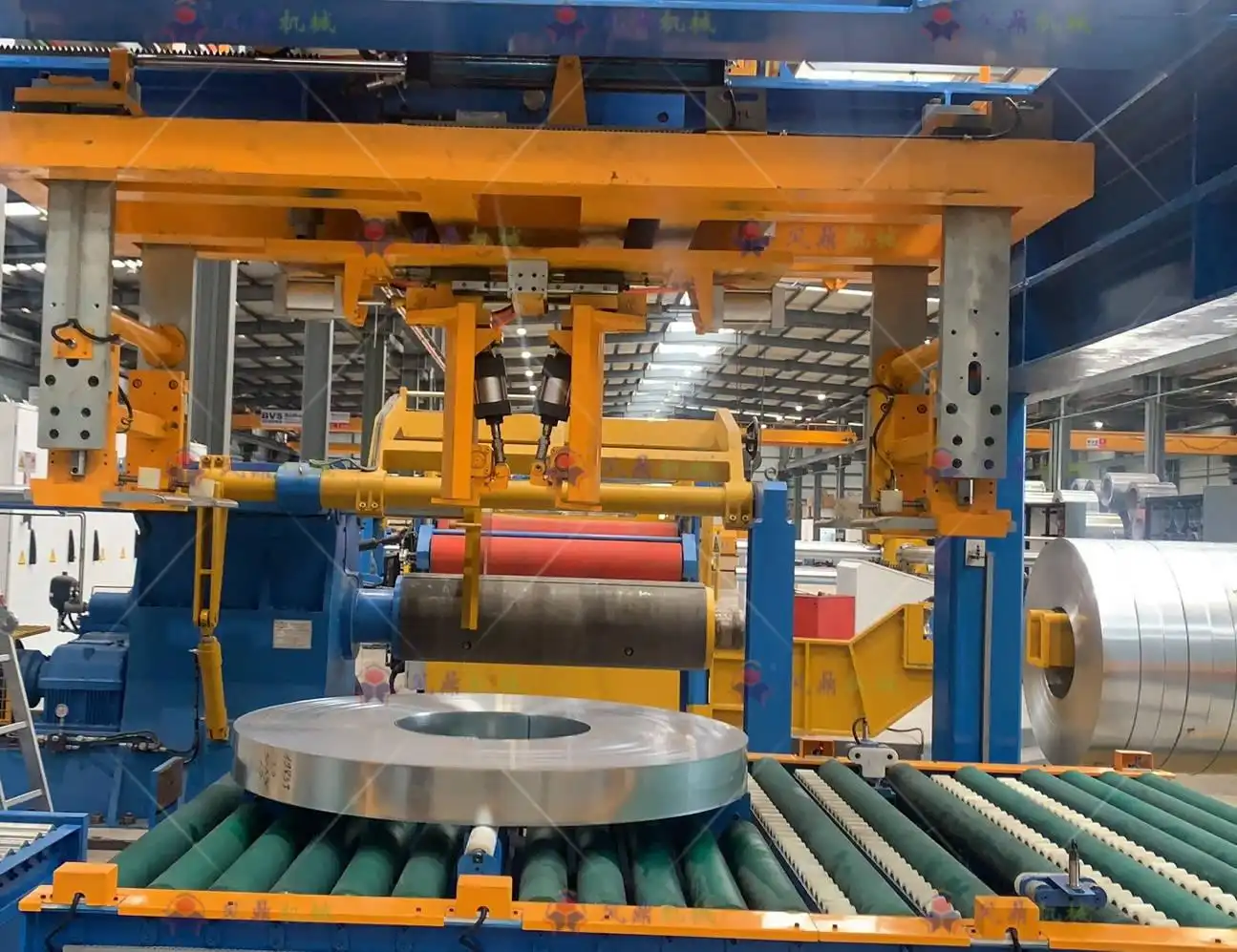
Proper application requires using the correct tools (tensioner, sealer, cutter) matched to the strap size and type. Straps must be placed correctly, tensioned evenly to the manufacturer's recommended levels without over-tightening, and secured with properly crimped seals. Consistent technique and adherence to safety protocols, including wearing gloves and eye protection, are critical for maximizing coil security and preventing injuries from high tension and sharp edges.
Best Practices for Steel Banding Application and Tensioning:
Achieving consistent, secure strapping requires adherence to best practices and the correct use of specialized tools. Here’s a breakdown of the key steps and considerations:
-
Tool Selection: The right tools are non-negotiable.
- Tensioners: These tools grip the strapping and apply tension, usually via a feedwheel (manual or pneumatic) or windlass mechanism. Choose a tensioner rated for the width and thickness of your strapping. Pneumatic or battery-powered tensioners are ideal for high-volume applications, reducing operator fatigue and ensuring consistent tension.
- Sealers (Crimpers): Used to deform a metal seal around the overlapping strap ends, creating a secure joint. Sealers must match the strap width, thickness, and seal type (e.g., notch, crimp, sealless connection). Ensure jaws are clean and not excessively worn.
- Cutters: Heavy-duty cutters are needed to safely trim excess strapping close to the seal. Never use makeshift tools.
- Combination Tools: These tools perform both tensioning and sealing (or create a sealless joint) in one sequence, improving efficiency. Available in manual, pneumatic, and battery-powered versions.
- Dispensers: Keep the strapping coil contained and allow for controlled payout, preventing dangerous uncontrolled uncoiling (known as "clock-springing").
-
Safety First: Steel strapping under tension stores significant energy, and its edges are sharp.
- PPE: Always wear heavy-duty, cut-resistant work gloves and safety glasses with side shields. Steel-toed boots are also recommended.
- Awareness: Be aware of your body positioning relative to the strap during tensioning and cutting. Never position yourself directly in line with the strap path. Ensure bystanders are clear.
- Training: Operators must be properly trained on the safe use of specific tools and procedures.
-
Strap Placement: Correct positioning is vital for effective load containment.
- Even Distribution: Place straps evenly around the coil circumference or across the load.
- Perpendicular Application: Straps should generally be applied perpendicular to the longest dimension or axis of the load/coil eye.
- Edge Protection: For coils with sensitive edges or when high tension is applied, use edge protectors (plastic, metal, or fiberboard angles) under the strap at corners. This distributes pressure, prevents the strap from cutting into the product, and protects the strap from sharp edges.
- Number of Straps: Determined by coil weight, stability, transport regulations (e.g., AAR rules), and company policy. Multiple straps are almost always required for heavy-duty coils.
-
Tensioning Process:
- Feed the strap around the coil and overlap the ends.
- Insert the overlapped straps correctly into the tensioner according to the tool's instructions.
- Apply tension smoothly and steadily. Avoid jerky movements.
- Achieve appropriate tension. Refer to strapping manufacturer guidelines or internal specifications. Overtensioning is dangerous – it can damage the coil, exceed the strap's working load limit (reducing safety factor), and potentially damage the seal or tool. Undertensioning allows the load to shift. Consistent tension across all straps is key. Some pneumatic/battery tools offer preset tension settings.
-
Sealing: The seal or joint is often the weakest point.
- Place the correct seal type and size over the tensioned, overlapped strap ends, positioned close to the tensioner.
- Engage the sealer fully and apply firm pressure to properly crimp or notch the seal. Ensure the sealer completes its full cycle.
- Inspect the seal: It should be uniformly deformed, tightly gripping both strap ends. For notch seals, ensure the notches are properly formed without cutting too deeply into the strap edges. For crimp seals, check for even compression. Sealless tools create interlocked joints that should also be inspected for proper formation.
-
Cutting Excess Strap:
- Use the strapping cutter to trim the excess strap close to the seal (leave a small tail, e.g., 1/2 inch, if required by procedure, but avoid long, hazardous tails).
- Cut squarely. Dispose of cut ends immediately and safely, as they are sharp hazards.
-
Inspection: After strapping, visually inspect each strap for:
- Proper tension (should be taut, check by feel or tapping)
- Secure and correctly formed seals/joints
- Correct placement and use of edge protectors
- Any signs of strap damage (nicks, kinks, severe abrasion)
-
Retensioning: Straps can sometimes lose a small amount of tension due to load settling, especially during long transit. Depending on the application and load sensitivity, retensioning may be necessary, although it's often preferable to apply correct initial tension.
-
Removal: Use dedicated strap cutters. Cut the strap carefully, standing to the side and ensuring no one is in the path of potential spring-back. Cut one strap at a time.
By implementing these best practices consistently, utilizing the correct tools, and prioritizing safety, you ensure that your chosen steel banding performs as intended, keeping your valuable heavy-duty coils secure from the plant to their final destination.
Conclusion
Selecting the right steel banding for heavy-duty coils is not merely about choosing a strong material; it's an engineering decision impacting safety, product integrity, and operational efficiency. Careful consideration of steel grade, dimensions (width and thickness), protective coatings, and meticulous application and tensioning techniques are paramount. By understanding how these factors interrelate and matching them to the specific weight, environmental exposure, and transport demands of your coils, you can ensure maximum load security, minimize damage risks, and maintain a safe working environment. Investing in the correct Steel banding and proper procedures is essential for protecting valuable assets throughout the supply chain. Learn more about [optimizing your coil packaging line]() here.