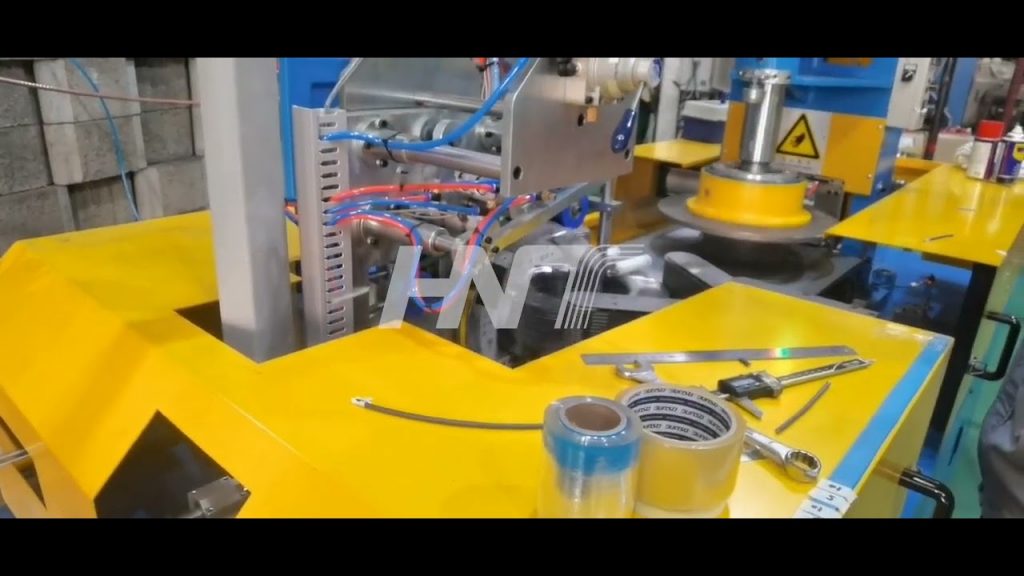
Struggling with outdated coil packaging? Tired of wasted material and slow processes? The crucial choice of your coil packing line manufacturer doesn't just affect packaging; it dictates your entire operational flow, impacting efficiency, safety, and ultimately, your bottom line.
Choosing between FHOPEPACK and other coil packing line manufacturers hinges on evaluating advanced technology, customization capabilities, robust after-sales support, and proven performance metrics tailored to your specific industry needs. The right manufacturer provides not just equipment but a reliable, scalable solution that maximizes efficiency and minimizes risk.
Navigating the complex landscape of coil packing solutions can be overwhelming. With promises of unique features from every corner, discerning true excellence requires a deeper look beyond the surface. This article cuts through the noise, empowering you with the insights needed to make a confident, impactful decision for your business.
Embracing Technological Advancements in Coil Packing
Is your current coil packing line a bottleneck, slowing down production and costing you time? The struggle is real when manual or outdated systems fail to keep pace with modern demands.
Crucial technological advancements in coil packing lines include sophisticated automation, intelligent sensors for real-time monitoring, and powerful data analytics for predictive maintenance and optimization. These innovations significantly boost efficiency, enhance safety, reduce human error, and provide adaptability to varying production needs.

Unpacking the Power of Smart Automation and Data
Technology isn't just a buzzword in manufacturing; it's the engine driving efficiency and reliability. In coil packing, cutting-edge advancements mean moving beyond simple mechanical movements to integrated systems that learn, adapt, and optimize. Embracing automation and smart solutions transforms industry standards. Manual labor is dramatically reduced, leading to safer and more efficient operations. Smart sensors and IoT devices provide real-time data streams, crucial for everything from monitoring coil dimensions with +/- 0.5mm tolerance to enabling predictive maintenance that anticipates failures before they occur. This data-driven approach builds a resilient system with minimized risks and maximized uptime.
Consider the impact of data analytics: it identifies workflow patterns, highlights potential bottlenecks, and predicts necessary interventions. By analyzing historical and real-time performance data, automated systems ensure continuity, preventing costly disruptions. For instance, analyzing sensor data can indicate increased friction or wear on a component, triggering a maintenance alert long before a breakdown occurs.
Furthermore, tailored automation systems are indispensable. As the material points out, every manufacturing line has unique requirements. Manufacturers who excel offer systems that can adapt to specific demands, whether it's handling coils of varying weights (up to 5 tons), diameters (1000-1500mm), or widths (1000-1500mm) with quick changeovers (<5 minutes). Modular designs facilitate this, allowing for the addition or modification of components like wrapping arms, conveyors, or strapping heads to fit unique product specifications or facility layouts. Integrating these technologies—like connecting a PLC (e.g., Allen-Bradley ControlLogix 1756 via Ethernet/IP) with smart sensors and data analytics stored in a SQL database for ERP/MIS integration—creates a unified system that optimizes workflow, reduces errors, and enhances overall productivity. Predictive maintenance, fueled by real-time data, means moving from reactive repairs to proactive care, drastically reducing downtime and extending equipment lifespan (components designed for 5-10 years under stress). This level of technological sophistication is a critical differentiator for manufacturers aiming for peak performance.
| Technological Feature | Description | Impact on Operations | Example Implementation |
|---|---|---|---|
| Automation | Reducing manual labor, automating repetitive tasks | Increased throughput, consistent quality, reduced errors | Automated coil feeding, wrapping, strapping, and stacking |
| Smart Sensors & IoT | Real-time monitoring, data collection | Improved safety, enhanced control, data-driven decisions | Proximity sensors for material detection, torque sensors |
| Data Analytics | Analyzing performance data, identifying patterns | Predictive maintenance, process optimization, efficiency | Analyzing cycle times to identify bottlenecks |
| Modular Design | Building systems from interchangeable components | Flexibility, easy upgrades, tailored solutions | Adding a second wrapping station or automatic labeling |
| Integrated Controls | Centralized system management (PLC, HMI) | Seamless operation, simplified monitoring, precise control | PLC managing conveyors, wrappers, and safety interlocks |
| Energy Efficiency Tech | Optimized power use components | Lower operating costs, sustainable practices | Servo motors, energy-saving modes, proximity sensor logic |
These technological advancements represent the evolution of coil packing lines, ensuring improved efficiency, safety, adaptability, and cost-effectiveness. The right manufacturer leverages these technologies not just as features, but as integrated solutions that set operations apart from the competition.
Customization for Industry-Specific Needs
Are you facing challenges fitting standard packaging equipment into your unique workflow? The problem with one-size-fits-all is that it rarely fits perfectly, leading to compromises in efficiency and protection.
Manufacturers cater to industry-specific customization by employing modular designs, state-of-the-art technology, and in-depth understanding of diverse application requirements, from heavy-duty steel coils needing durable wrappers to delicate pharmaceutical packaging demanding strict hygiene standards and tamper evidence.

Manufacturers achieve precise adjustments by first deeply understanding the unique demands of each industry. The material highlights this well: the automotive sector needs robust solutions for heavy steel coils, while the food industry requires adherence to stringent hygiene standards with sanitizable equipment. The pharmaceutical industry, meanwhile, demands sterile and tamper-evident packaging.
Tailoring solutions involves more than just changing a machine setting; it requires foundational design principles like modularity. Modular designs provide the flexibility for clients to select and combine components that perfectly match their production needs, whether it's specialized strapping for structural integrity, VCI paper application for corrosion protection, or unique handling systems for specific coil orientations (eye-horizontal vs. eye-vertical). This allows for systems that can handle diverse coil specifications – inner diameters from 450 mm to 1200 mm, outer diameters up to 1800 mm, widths between 150 mm and 600 mm, and thicknesses from 0.3 mm to 6 mm – accommodating a vast range of metal products from slit coils to heavy gauge steel.
Incorporating cutting-edge technology further enhances customization. Advanced sensors and automated systems can adapt to different product shapes, weights, and packaging material requirements on the fly, often configurable via a user-friendly Human-Machine Interface (HMI). This adaptability provides industries with unprecedented control, ensuring packaging solutions are not just customized but optimized for maximum efficiency and material versatility (handling stretch film, paper, strapping with widths from 15-50mm without hardware changes). For instance, a system designed for stainless steel might incorporate specialized VCI paper applicators and precise stretch wrapping to maintain surface quality, while a system for rebar might focus on high-tension strapping and robust film for weather protection. Manufacturers must stay keenly attuned to these industry-specific nuances to deliver maximum value and performance.
The Importance of After-Sales Support and Technical Excellence
Imagine your state-of-the-art coil packing line suddenly stops. The promise of efficiency vanishes, replaced by costly downtime and production delays. Without reliable support, your investment is vulnerable.
Robust after-sales support is paramount in selecting a coil packing line manufacturer, ensuring machinery longevity, rapid issue resolution, minimized downtime, and peace of mind through comprehensive services like installation, training, maintenance, and accessible troubleshooting available when you need it most.

Securing Your Investment: Beyond the Purchase
Selecting a manufacturer is a long-term partnership, and after-sales support is the bedrock of that relationship. It ensures your coil packing line remains a productive asset throughout its operational life, mitigating the crippling costs of unexpected downtime. Comprehensive support involves several critical phases, starting with expert installation to ensure proper setup and calibration from day one, preventing initial issues that could plague the system. Following installation, thorough training empowers your staff with the operational knowledge to run the machine efficiently, perform basic troubleshooting, and handle minor issues promptly without needing external assistance. Preventative maintenance, often scheduled quarterly or semi-annually, is vital for extending equipment life, catching potential problems early, and keeping the machine running smoothly with regular checks and updates. Finally, responsive troubleshooting is crucial for quickly resolving issues when they arise, minimizing production delays and revenue loss.
Consider the financial implications: every hour of downtime can translate into thousands of dollars in lost production. Manufacturers offering features like 24/7 support, remote monitoring, and online diagnostic tools can drastically reduce response times and resolve many issues remotely, getting your line back up and running faster. Advanced systems like FHOPEPACK’s incorporate real-time monitoring systems that trigger instant alerts if performance deviates, often allowing their support team to identify and suggest fixes before operators even notice a problem. This proactive approach, combined with a high spare parts availability (e.g., 95% stocked inventory) and rapid delivery (e.g., within 48 hours), ensures minimal disruptions. Proactive maintenance packages, including scheduled lubrication, system diagnostics, and component replacement based on wear, can reduce repair costs by up to 30% annually and significantly extend the machine's lifespan beyond the typical 10-15 years. Such dedicated, readily available support is a key factor in maximizing the return on your investment and safeguarding operational success.
| Support Aspect | Description | Importance | Example Impact | Service Metrics (FHOPEPACK Example) |
|---|---|---|---|---|
| Installation | Expert setup and calibration at your facility | Ensures machine starts correctly, reduces initial problems | Prevents alignment issues or configuration errors causing jams | Professional engineers on-site |
| Training | Equipping operators with knowledge and skills for operation & basic fixes | Empowers staff, reduces reliance on support for minor issues | Operators can clear simple faults, perform material changes efficiently | Hands-on, on-site, user manuals |
| Preventive Maintenance | Scheduled inspections, lubrication, parts checks, updates | Extends equipment lifespan, prevents unexpected breakdowns, maintains performance | Regular checks prevent component wear leading to failures, ensures smooth cycles | Quarterly/Semi-annual visits |
| Troubleshooting | Diagnosing and resolving issues quickly (remote or on-site) | Minimizes downtime, restores production rapidly | Fast identification of electrical fault, quick repair to restart line | 24/7 remote, 48hr on-site (if needed) |
| Spare Parts | Availability and rapid delivery of necessary components | Ensures quick repairs, avoids prolonged downtime waiting for parts | Damaged sensor replaced quickly, minimizing production halt | 95% stocked, 48hr delivery |
| Performance Monitoring | Real-time tracking of machine health and output | Proactive issue detection, performance optimization | Alerts for unusual vibration or temperature indicate potential bearing failure | IoT-enabled tracking, remote alerts |
This level of technical support, backed by a commitment to performance metrics and minimizing downtime, transforms the initial purchase into a long-term, reliable partnership.
FHOPEPACK vs. Other Manufacturers - A Comparative Analysis
Choosing a coil packing line is a major investment. You need a solution that not only fits today's needs but will perform reliably for years. How does one manufacturer stack up against the rest?
Compared to other manufacturers, FHOPEPACK distinguishes itself through a proven track record of over 15 years, over 500 global installations with a 98% satisfaction rate, robust CE-certified safety features, modular designs ensuring high uptime and adaptability, comprehensive 24/7 support, and transparent ROI projections based on significant reductions in labor and operational costs.

When evaluating potential suppliers for something as critical as a coil packing line, a comparative analysis is essential. While many manufacturers promise performance, FHOPEPACK backs its claims with tangible data and a reputation built over years of specialized experience. Their focus on "Precision, Performance, and Peace of Mind" is reflected in key areas often highlighted during evaluation:
Weighing Capabilities and Experience
Manufacturers vary significantly in their depth of experience and proven capabilities across diverse coil types and industry scales. FHOPEPACK, with its 15+ years solely focused on packaging solutions and over 500 coil packing lines installed globally (servicing steel, aluminum, copper, wire, hose, etc.), demonstrates a level of specialization and scale that not all competitors possess. This extensive portfolio translates into a deep understanding of varied industry needs and the engineering expertise to address them, from heavy-duty steel coils weighing up to 5 tons to delicate copper coils requiring precise handling. The material highlights their success across industries: a North American steel manufacturer saw a 35% efficiency boost, a European aluminum producer achieved a 20% quality improvement and 15% waste reduction, and an Asian copper supplier reduced packaging errors by 98%. These metrics provide prospective buyers with confidence, offering concrete examples of the results they can expect. Many other manufacturers may have broader product lines or less specific coil packaging experience, potentially leading to less optimized solutions for complex or unique requirements. FHOPEPACK's commitment to "updating technology" over 15+ years also suggests a continuous innovation cycle, essential for staying competitive.
Performance and Reliability Metrics
Uptime, efficiency, and quality output are critical performance indicators where differences between manufacturers become apparent. FHOPEPACK emphasizes high uptime, adaptable solutions that handle any load and speed, and a design that minimizes jams. Their machines are designed for "continuous, jam-free operation." While other manufacturers might offer comparable speed specifications, the reliability under varying conditions and the ease of maintenance (modules easily accessed within 15 minutes, screwless interfaces) contribute significantly to actual operational uptime. The technical features section provides hard data on performance: the ability to handle up to 30 cycles per minute, maintaining +/- 1mm automation precision, and achieving packaging speed of 10-20 coils/hour (customizable up to 120 coils/hour as mentioned in the FHOPEPACK specific claims) depending on specifications. Quality output metrics like +/- 5mm wrapping margin, strapping tension within 3%, and finished coil dimensions/weights within 0.5% further solidify their claim to precision, ensuring proper product protection. Comparing these specific, verifiable metrics against competitors' general claims is crucial for evaluating true performance potential.
Total Cost of Ownership and ROI
The initial purchase price is only one part of the total cost of ownership (TCO). Long-term operational costs (labor, maintenance, energy, material waste) and return on investment (ROI) are where the real value is demonstrated. FHOPEPACK provides a comprehensive cost analysis, breaking down equipment, installation, maintenance, and upgrade costs. They project an ROI recovery within 12-18 months, primarily due to reduced labor costs (citing a hypothetical $60,000 manual vs. $15,000 automated annual cost in China), decreased downtime (150 manual vs. 50 automated hours/year), and ongoing savings in energy (up to 30% reduction) and maintenance. Their energy efficiency features, such as low power consumption motors (<2kWh per coil), energy-saving mode (<75W), and proximity sensors reducing idle time (<5%), contribute significantly to lower operating expenses. While some competitors might offer lower initial prices, higher long-term labor needs, less efficient designs leading to more material waste, or less robust construction requiring more frequent maintenance can result in a higher TCO over the equipment's lifespan. FHOPEPACK's focus on durable construction (steel frame, tested safety guards) and easy maintenance also reduces long-term upkeep costs.
Safety and Compliance
Safety is non-negotiable. Manufacturers adhering to international standards provide not just safe equipment but also compliance peace of mind. FHOPEPACK highlights built-in CE protective features, compliance with OSHA and ISO 45001, and innovative safety technologies like strategically located emergency stop buttons (activating within 0.5 seconds), anti-collision sensors, and enclosed designs. They quantify the benefit, claiming these features reduce workplace injuries by 40%. Evaluating competitors' safety features and certifications is vital, as non-compliant or unsafe equipment can lead to significant legal fines (up to $50,000 per instance), increased insurance premiums, and a negative impact on workforce morale and productivity. FHOPEPACK's emphasis on safety as a core design principle offers a clear advantage over manufacturers where safety might be an afterthought or limited to basic guarding. The robust construction capable of supporting heavy loads and withstanding impact forces (up to 1500N on safety guards) also plays a role in system integrity and operator safety.
When making the ultimate decision, it's essential to move beyond surface-level comparisons and delve into the specific capabilities, proven track record, long-term cost implications, and commitment to safety and support offered by each manufacturer. FHOPEPACK positions itself as a provider of reliable, high-performance, safe, and cost-effective solutions backed by extensive experience and dedicated support, making it a strong contender against other generalist or less specialized manufacturers in the market. Their comprehensive service, from initial design consultation to flexible contract terms, robust warranties (3-year standard), and lifetime technical support, underscores a partnership approach aimed at long-term client success. The ability to provide hands-on training, rapid-response support (within 24 hours), and easily accessible resources further enhances the user experience and minimizes operational friction, differentiating them from competitors with less accessible or comprehensive support structures.
Conclusion
Choosing the optimal coil packing line manufacturer is a strategic decision impacting efficiency, costs, and future growth. Evaluating technological advancements, customization, and support is key. FHOPEPACK, with its proven track record, innovative technology, robust safety features, dedicated support, and clear ROI, stands out as a strong contender. Select a partner who aligns with your production goals and offers a solution that grows with your business, ensuring long-term success and confidence in your operations.