Top 10 Benefits of Using a Hydraulic Upender & Tilter in Your Factory
For over two decades in the heavy manufacturing and logistics sector, I’ve seen firsthand the relentless pressure to move materials faster, safer, and cheaper. The bottleneck at the end of a production line, where finished coils or heavy bundles need to be positioned for packaging or shipping, is a universal pain point. It’s a zone of high risk, low efficiency, and constant frustration for managers like Michael in Mexico, who are responsible for the entire operational flow from raw material to finished product. The search for a solution often leads to a critical piece of equipment: the hydraulic upender and tilter.
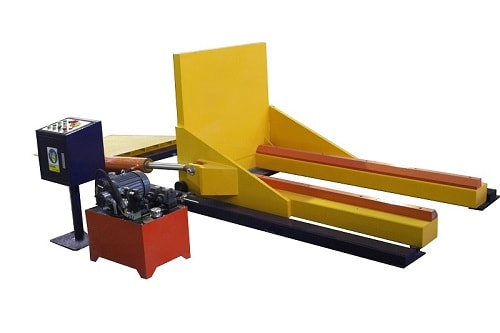
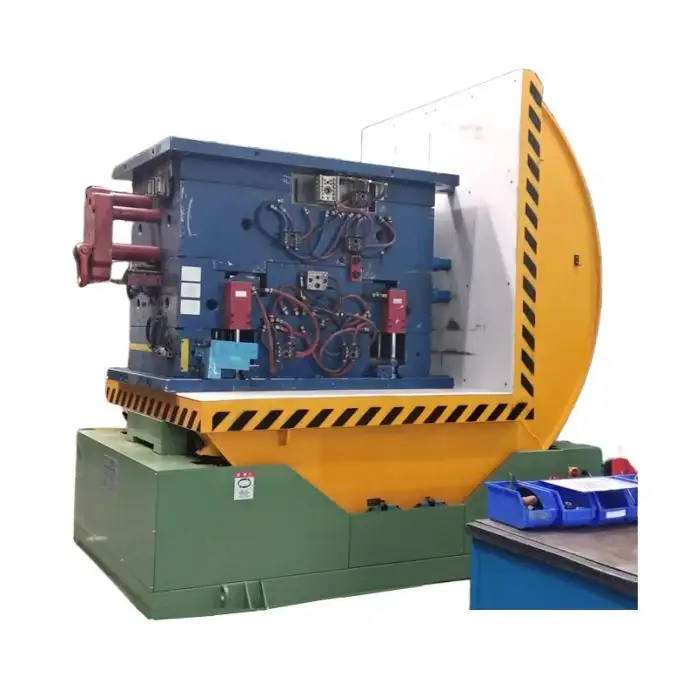
The core benefit of integrating a hydraulic upender and tilter into your factory operations is the transformative shift from risky, manual material handling to a safe, efficient, and automated process. This machine acts as a powerful robotic arm, precisely rotating and positioning heavy loads like steel coils, wire rod bundles, or large pallets, thereby eliminating a major production bottleneck, drastically reducing workplace injuries, and protecting your product from costly damage. This isn't just about buying a machine; it's about investing in a system that solves multiple operational headaches at once.
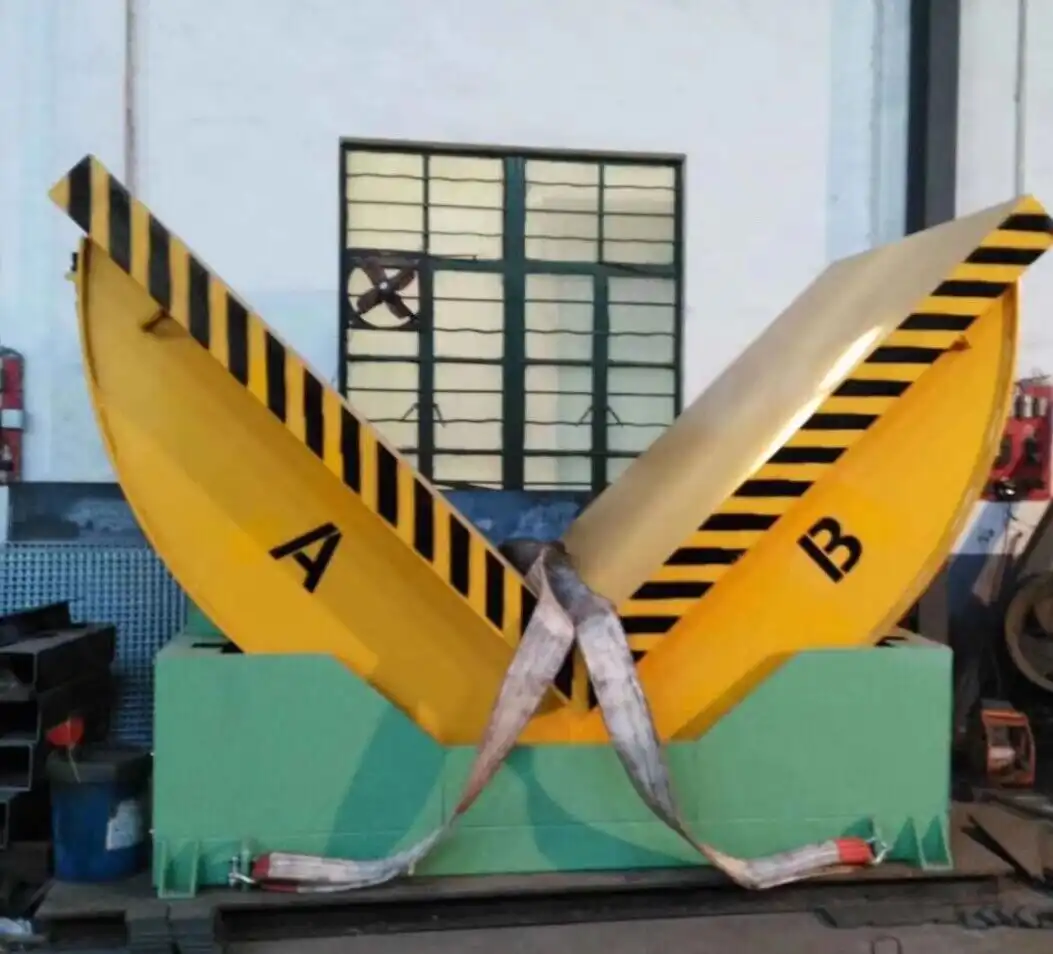
If you're managing a metalworking, logistics, or any heavy-industry facility, you know that time lost is money lost. A single workplace injury can derail your safety record and finances. Damaged goods mean unhappy customers and eroded profits. The following ten benefits break down exactly how a hydraulic upender directly addresses these critical challenges. This list is drawn from my own journey from a packing machine engineer to a factory owner, where implementing such solutions was key to achieving reliability and growth for my clients and myself.
1. How Does a Hydraulic Upender Drastically Improve Worker Safety?
Imagine a team of workers manually trying to flip a multi-ton steel coil. The strain, the pinch points, the sheer danger are immense. This is a daily reality in many factories without proper equipment. The primary safety benefit of a hydraulic upender is the complete removal of personnel from the direct, hazardous task of load manipulation.
A hydraulic upender enhances worker safety by acting as a barrier between the workforce and the dangerous forces involved in tilting heavy loads. Operators control the machine from a safe distance using a pendant or console, eliminating the need for manual lifting, prying, or guiding. This eradicates common injuries like back strains, crushed limbs, and struck-by incidents, creating a fundamentally safer material handling environment. (enhancing workplace safety in heavy industry, reducing manual handling injuries)
🛡️ A Deep Dive into Safety Mechanisms and Risk Elimination
A hydraulic upender isn't just a strong arm; it's a system designed with integrated safety features. Let's break down how it tackles specific risks:
- Elimination of Manual Force: The core principle. The hydraulic system provides all the power needed to lift and rotate the load. Workers no longer use crowbars, chains, or their own body weight, which are the leading causes of musculoskeletal disorders.
- Controlled, Predictable Movement: Unlike manual methods which can be jerky and unstable, the hydraulic movement is smooth and controlled via precision valves. This prevents loads from suddenly shifting or falling.
- Engineered Safety Features:
- Safety Guards & Interlocks: Physical barriers prevent access to the moving parts during operation. Interlocks ensure the machine cannot operate if a guard door is open.
- Emergency Stop Systems: Prominent E-stop buttons at the operator station and around the machine allow for immediate shutdown in any unforeseen situation.
- Load-Securing Features: Models like those from Fengding (our first recommendation) often include customizable clamping arms, chains, or pads that securely grip the load before any movement begins, preventing slippage.
- Hydraulic System Safeties: Pressure relief valves prevent system overpressure, and mechanical locks can hold the load in position even if hydraulic power is lost.
The Business Impact of Safety: Reducing injuries isn't just ethical; it's financial. It leads to:
- Lower insurance premiums and workers' compensation costs.
- Reduced absenteeism and employee turnover.
- A stronger safety culture and higher morale.
- Avoidance of costly regulatory fines and production stoppages for investigations.
For a plant manager like Michael, dealing with high insurance costs and worker turnover, this benefit alone can justify the investment. Partnering with a knowledgeable supplier ensures the upender is configured with the right safety features for your specific loads and workflow.
2. Can an Upender Really Solve My Production Line Bottleneck?
The end of the production line is often where momentum dies. A freshly produced coil sits ready, but it needs to be turned on its side for strapping, inspected, or placed on a pallet. This is where manual processes create a queue, slowing down the entire upstream production. An upender acts as the high-speed, reliable link that keeps the flow moving.
Yes, a hydraulic upender directly solves production bottlenecks by automating the slowest, most labor-intensive step in the material handling sequence. It can position a heavy load in seconds—a task that might take a crew of workers many minutes—ensuring that packaging, inspection, and shipping stations are consistently fed without delay, thus maximizing overall equipment effectiveness (OEE). (automating production line bottlenecks, improving material flow efficiency)
⚙️ The Mechanics of Throughput: Speed, Consistency, and Integration
How does this translate to real numbers on your factory floor? Let's analyze the efficiency gains.
| Manual Process | Process with Hydraulic Upender | Efficiency Gain |
|---|---|---|
| Crew assembly & setup time (5-10 min) | Single operator pre-sets program (1 min) | ~80% time saved on setup |
| Slow, cautious manual rotation (5-15 min) | Fast, controlled hydraulic rotation (1-3 min) | ~70-80% time saved on rotation |
| Inconsistent positioning | Precise, repeatable positioning every time | 100% consistency, zero rework |
| Worker fatigue reduces speed over shift | Machine maintains constant speed 24/7 | Sustainable high throughput |
Beyond Speed: The Ripple Effect of De-bottlenecking
- Upstream Unlocking: When the packaging station is no longer waiting, the production machine (e.g., slitter, mill) can run more continuously instead of being paused.
- Predictable Scheduling: With a known, fast cycle time for load handling, logistics and shipping schedules become more reliable.
- Labor Re-allocation: The workers previously tied to the flipping task can be redeployed to more value-added activities like quality control or machine operation.
For a manager focused on output and delivery speed, this is a game-changer. A reliable upender from a proven manufacturer like Fengding or Wuxi Bu Hui ensures this critical link in your process chain is robust and won't become a source of new downtime.
3. How Does It Protect My Products from Costly Damage?
In metal processing, a dented coil edge or a scratched surface can mean a product is downgraded or rejected. Manual handling with chains, hooks, or levers is inherently abrasive and imprecise. The product itself often becomes a casualty of the process meant to prepare it for the customer.
A hydraulic upender protects products from damage by providing full, cushioned support and controlled movement throughout the rotation. The load rests against broad, often rubber-padded arms or plates, distributing pressure evenly and preventing point loads that cause bending or denting. There is no dragging, prying, or impact. (preventing product damage during handling, coil edge protection solutions)
🔍 Understanding Damage Mechanisms and Protective Design
To appreciate the protection, we must understand what causes damage during manual tilting.
Common Manual Handling Damages:
- Edge Damage: Chains or hooks bite into the soft edges of aluminum or coated steel coils.
- Surface Scratching: Dragging a coil across the floor or another surface.
- Deformation: Using a lever in the wrong spot can put a permanent bend or "dog ear" in the material.
- Bundle Collapse: Wire rod or bar bundles can come loose and spill if not turned uniformly.
How an Upender's Design Prevents This:
| Damage Type | Upender Solution | Key Feature |
|---|---|---|
| Edge/Crush Damage | Broad, contoured support arms | The arm profile matches the coil's curve, supporting the full width. |
| Surface Scratching | Non-marring contact pads | Replaceable polyurethane or rubber pads prevent metal-on-metal contact. |
| Deformation | Even pressure distribution | Hydraulic pressure is applied evenly across the clamping surface, not at a single point. |
| Load Spillage | Secure clamping before movement | The machine clamps the load firmly, rotating it as a single, stable unit. |
The Financial Logic: Reducing damage directly improves your bottom line. It means:
- Fewer customer rejections and complaints.
- Less material waste and rework.
- Ability to command better prices for pristine products.
- Enhanced reputation for quality.
For someone like Michael, where product损耗 (loss) is a key challenge, this benefit protects both the product and profit margins. A supplier who understands metallurgy, like Fengding, can advise on the perfect pad material and clamping pressure for your specific products.
4. What is the Real ROI of Automating with a Hydraulic Tilter?
The initial price tag of industrial equipment can give any manager pause. However, the decision must be based on Total Cost of Ownership (TCO) and Return on Investment (ROI). An upender isn't an expense; it's a capital investment that pays for itself by attacking multiple cost centers simultaneously.
The real ROI of a hydraulic tilter comes from the compound savings it generates: a drastic reduction in labor costs per handled load, the near-elimination of costs associated with workplace injuries and product damage, and the significant revenue increase enabled by higher production throughput and on-time deliveries. (calculating ROI for material handling automation, cost-benefit analysis of upenders)
💰 Breaking Down the Return on Investment Calculation
Let's build a simplified ROI model for a mid-sized factory handling 10 coils per shift.
Annual Cost Savings & Revenue Gains:
| Category | Estimated Annual Savings/Gain | Explanation |
|---|---|---|
| Labor Cost Reduction | $30,000 - $50,000 | Replacing 2-3 full-time manual handlers with 1 machine operator. |
| Safety Cost Avoidance | $15,000 - $30,000 | Reduced insurance premiums, lower absenteeism, avoided fines. |
| Product Damage Reduction | $20,000 - $40,000 | Saving just 1-2% of product value from damage adds up quickly. |
| Throughput Revenue Gain | $25,000+ | Enabling 5-10% more production output by eliminating the bottleneck. |
| Total Potential Annual Benefit | $90,000 - $145,000+ |
ROI Calculation Example:
- Machine Cost (Example): $65,000 (for a robust model from a quality supplier)
- Annual Benefit (Conservative): $90,000
- Simple Payback Period: $65,000 / $90,000 = ~0.72 years (or ~9 months).
Beyond the First Year: After the payback period, the annual benefits translate directly into increased profit. The machine also has a long service life (10-15+ years with maintenance), providing value for years.
Key Factors Affecting Your ROI:
- Shift Patterns: Operations running 24/7 will see faster ROI.
- Load Weight & Frequency: Heavier, more frequent handling increases the manual cost and risk, boosting the automation benefit.
- Supplier Choice: A reliable machine from Fengding or Wuxi Bu Hui minimizes downtime and repair costs, protecting your ROI. A cheap, unreliable machine will have high hidden costs.
For a cost-conscious operations director, this clear financial picture transforms the purchase from a "nice-to-have" into a strategic necessity for boosting plant profitability.
5. How Does It Enhance Operational Flexibility and Space Utilization?
Factories are dynamic environments. Production schedules change, product dimensions vary, and floor space is always at a premium. A fixed, single-purpose machine can become a constraint. A well-chosen hydraulic upender is a tool of flexibility.
A hydraulic upender enhances operational flexibility by being adaptable to a wide range of load sizes, weights, and orientations through adjustable arms, programmable positions, and often, mobility options. It also improves space utilization by performing the tilting function in a compact footprint, often eliminating the need for large, dedicated manual turning areas. (versatile material handling equipment, optimizing factory floor space)
🔄 Adapting to Change: Configurations and Capabilities
Modern upenders are not one-trick machines. Their flexibility stems from several design features:
1. Adjustability for Different Loads:
- Width Adjustment: Hydraulic or manual adjustment of the support arms to handle different coil widths or pallet lengths.
- Height Adjustment: Some models can lift the load before tilting, accommodating different incoming and outgoing transport heights.
- Custom Attachments: Forks for pallets, C-hooks for coils, or custom cradles for odd-shaped bundles can be interchanged.
2. Programmable Control for Different Processes:
- Multiple Memory Positions: Store common tilt angles (e.g., 45° for inspection, 90° for strapping).
- Variable Speed Control: Rotate delicate loads slowly and sturdy loads quickly.
3. Mobility and Layout Options:
- Stationary Models: For high-volume, dedicated lines.
- Mobile Units (on wheels): Can be moved to different work cells as needed.
- Rail-Mounted Models: Travel along a track to serve multiple stations.
Space Savings Analysis:
A manual turning area requires space for:
- The load itself.
- Clearance for workers and their tools to move around it safely.
- Staging area for the next load.
An upender performs the task within its own frame footprint. The area around it can be used for other purposes or for tighter logistics flow.
This flexibility is crucial for managers who deal with varied production runs. It means one machine can support multiple product lines, future-proofing your investment. A supplier who offers customizable solutions, like Fengding, can tailor the machine to your specific flexibility needs.
6. Does It Reduce Long-Term Maintenance and Labor Dependency?
Manual labor is a variable cost that always increases and is subject to availability, skill, and fatigue. Machinery, while requiring maintenance, offers predictable performance and cost. The goal is to choose equipment known for durability and simple upkeep.
A high-quality hydraulic upender from a reputable manufacturer significantly reduces long-term operational headaches by being inherently more reliable and easier to maintain than a manual process. It minimizes dependency on large crews of specialized laborers and, with a proactive maintenance plan, ensures very high uptime with predictable servicing costs. (reducing maintenance costs for heavy equipment, reliable industrial machinery)
🛠️ Durability Engineering and Simplified Maintenance
Why do some machines run for decades while others fail quickly? The difference is in design, components, and support.
Design for the Harsh Environment:
- Robust Frame Construction: Made from high-grade steel to withstand constant stress and shock loads.
- Protected Hydraulic Components: Cylinders and hoses are routed to minimize exposure to impact or debris.
- Sealed Bearings & Pivot Points: Prevent contamination in dusty or humid factory environments.
Easy-Access Maintenance:
- Centralized Greasing Points: Allow for quick lubrication of all moving joints.
- Easy-to-Replace Wear Parts: Pads, seals, and hoses are designed for straightforward replacement.
- Clear Diagnostic Access: Hydraulic gauges and accessible valve banks make troubleshooting faster.
Comparative Cost: Manual Labor vs. Machine Maintenance
| Aspect | Manual Labor Team | Hydraulic Upender |
|---|---|---|
| Annual Cost Trend | Consistently rises (wages, benefits) | Stable, predictable (parts, service) |
| Availability | Subject to shifts, breaks, turnover | Available 24/7 with an operator |
| Performance | Declines with fatigue | Consistent cycle-to-cycle |
| "Downtime" | Sick days, vacations, training | Scheduled maintenance (e.g., 40-80 hrs/year) |
| Skill Dependency | Requires trained, experienced workers | Requires basic operator training & mechanic |
The Supplier's Role: This is where choosing the right partner is critical. Fengding and Wuxi Bu Hui build machines with serviceability in mind. They provide clear manuals, spare parts lists, and often remote support. This reduces your in-house maintenance burden and ensures the machine remains an asset, not a liability.
For Michael, who has faced supplier trust issues, this emphasis on reliability and after-sales support is not a minor feature—it's a primary requirement for any capital investment.
7. How Can an Upender Help Me Meet Strict Industry Safety and Ergonomic Standards?
Factories are under increasing scrutiny from regulatory bodies like OSHA (or their local equivalents) to provide a safe working environment. Manual handling of heavy loads is a major red flag in any audit. Proactively automating this task is one of the most effective ways to demonstrate compliance and a commitment to safety.
Implementing a hydraulic upender is a proactive, engineering-based control that directly helps you meet and exceed industry safety and ergonomic standards. It addresses the core ergonomic risk factors of heavy lifting, awkward postures, and repetitive motion by removing the worker from the hazard entirely, which is the highest level of control in the safety hierarchy. (meeting OSHA ergonomic standards, engineering controls for manual handling)
📜 Aligning with Safety Protocols: A Regulatory Perspective
Let's map how an upender satisfies common regulatory requirements.
Hierarchy of Controls Compliance:
Regulators advocate for controls in this order: Elimination, Substitution, Engineering Controls, Administrative Controls, PPE.
- Elimination/Substitution: The upender eliminates the manual handling hazard for the core tilting task.
- Engineering Control: The machine itself is the engineered barrier between the hazard and the worker.
| Addressing Specific Ergonomic Risk Factors: | Risk Factor | Manual Method | Upender Solution |
|---|---|---|---|
| High Force | Extreme force needed to initiate tilt. | Hydraulic system provides all force. | |
| Awkward Posture | Bending, twisting, reaching under load. | Operator stands upright at control panel. | |
| Repetitive Motion | Same stressful motion multiple times a day. | Operator pushes buttons; machine does the work. | |
| Long Duration | Task can take many minutes of sustained effort. | Cycle time is short; operator |