Upender & Tilter Load Stability: Tips for Unbalanced Materials
As a packing machine engineer who has spent years on factory floors, I've seen the heart-stopping moment when a heavy, unbalanced coil or mold starts to wobble on a tilter. It’s not just about a machine stopping; it's about safety risks, product damage, and costly downtime. For managers like Michael in Mexico, who run demanding metal processing operations, this instability is a daily threat to their efficiency and bottom line. The pressure to keep lines moving while protecting both people and products is immense, and the wrong handling method can turn a profit center into a liability.
The key to maintaining upender and tilter load stability for unbalanced materials lies in a combination of correct equipment selection, precise load assessment, and robust operational protocols. This involves choosing machines with features like hydraulic synchronization and adjustable clamping, thoroughly analyzing the load's center of gravity before operation, and implementing strict safety procedures. Mastering these areas prevents dangerous shifts, protects valuable materials from damage, and ensures smooth, continuous production flow. (upender load stability solutions, tilter safety for unbalanced loads)
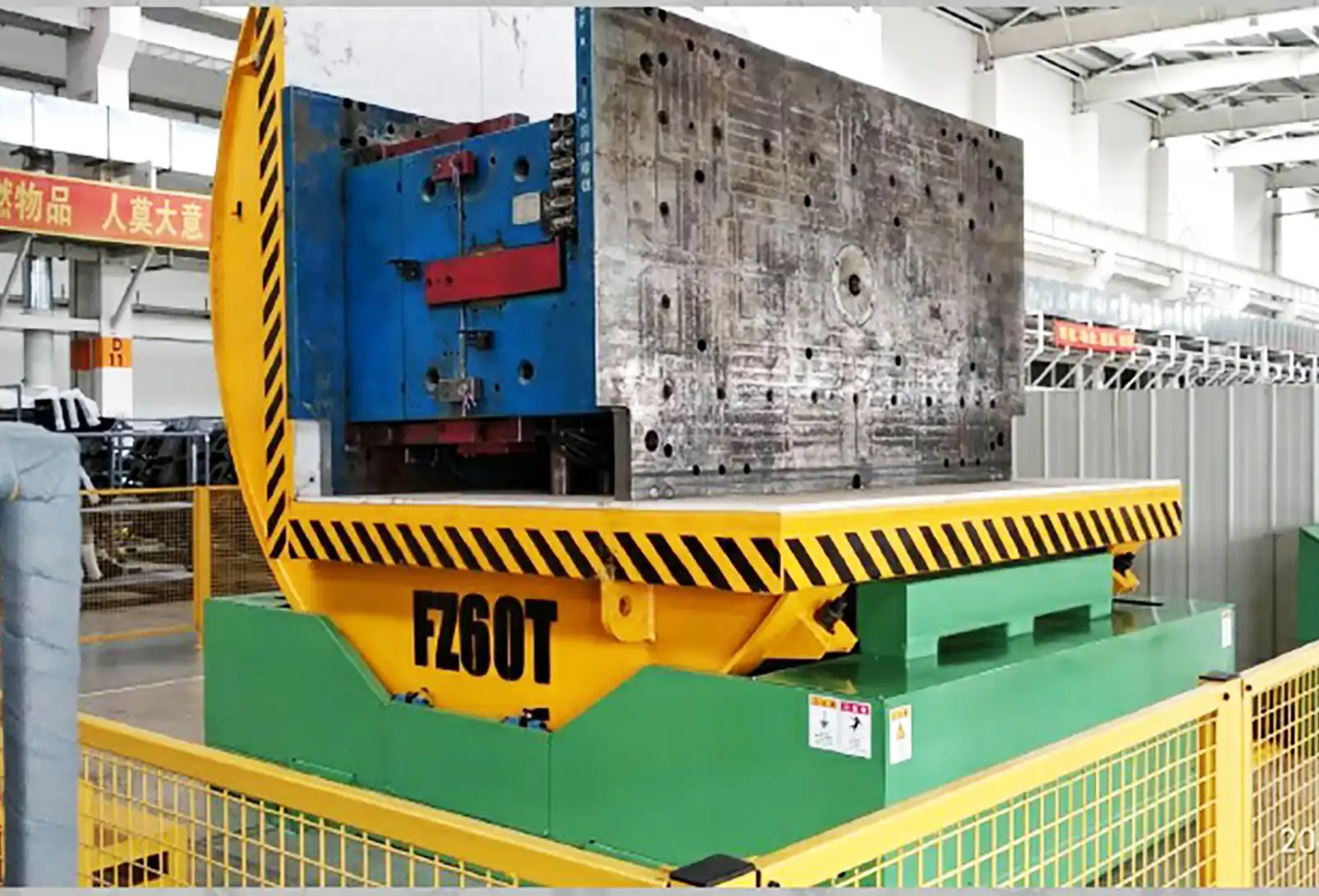
For factory leaders facing the dual challenges of automation and safety, understanding load stability is non-negotiable. It’s the difference between a smart investment that boosts ROI and a piece of equipment that creates more problems than it solves. Let's break down the essential strategies to secure your materials and your peace of mind.
1. How Do You Choose the Right Upender for Unstable Loads?
You're ready to automate your handling process, but the market is flooded with options. Picking the wrong upender for your oddly shaped coils or heavy molds can lead to instability from day one. The fear of a costly mistake and another supplier letdown is real, especially when the safety of your team is on the line.
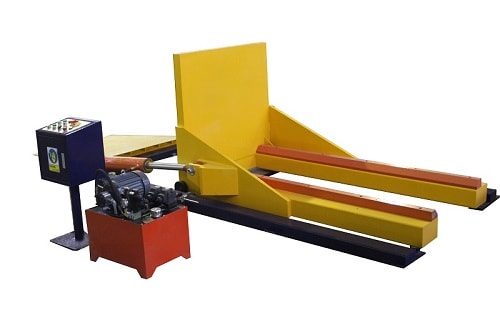
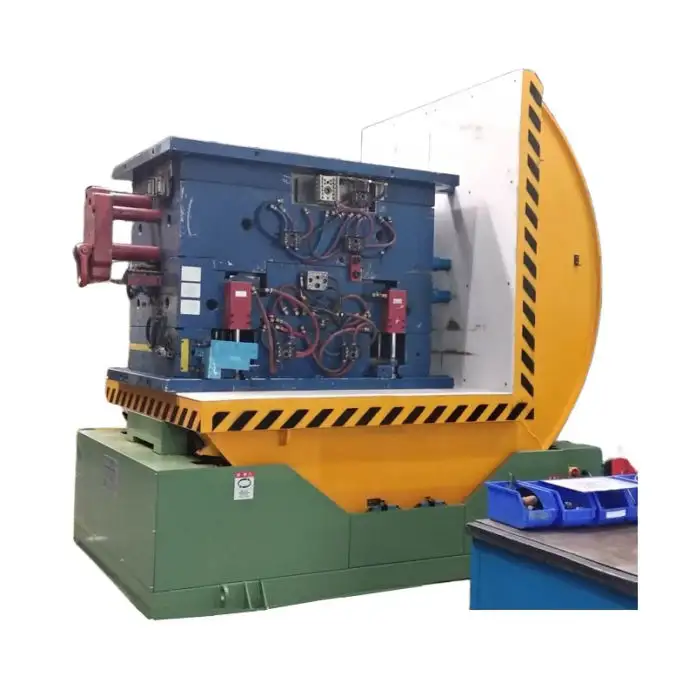
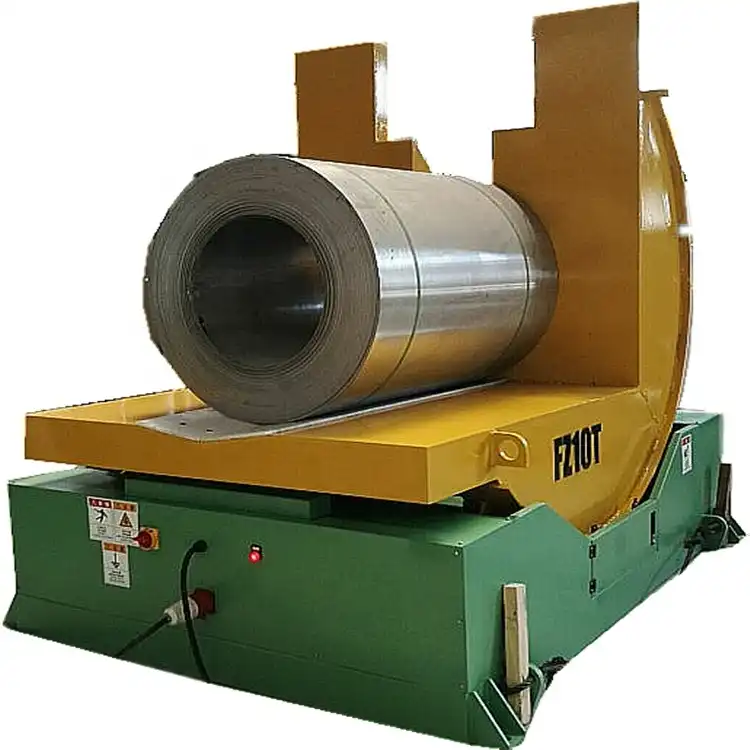
Selecting the right upender for unstable loads requires prioritizing machines with advanced clamping systems, synchronized hydraulic control, and a design tailored to your material's specific shape and weight. Look for features like adjustable arms, conformal pads, and programmable logic that can adapt to irregular centers of gravity. A standard machine often fails; you need one engineered for the challenge. (choosing a coil upender for unbalanced loads)
🔍 Critical Features for Unbalanced Load Stability
Not all upenders are created equal. When your materials aren't perfectly symmetrical, you need built-in intelligence and strength. Here are the non-negotiable features:
-
Adaptive Clamping Systems: This is the most important feature. Look for systems with:
- Self-Adjusting Arms: Arms that can pivot or adjust pressure independently to grip an uneven surface securely.
- Conformal Pads: Pads that mold to the shape of the load, increasing surface contact and grip.
- Pressure Monitoring: Sensors that ensure consistent, adequate clamping force without crushing the product.
-
Synchronized Hydraulic Movement: For a smooth, non-jerky rotation that prevents load shift.
- Why it matters: Unsynchronized cylinders can cause one side to lift faster, creating a twisting force that destabilizes the load instantly.
-
Structural Design & Capacity: The machine must be over-engineered for your task.
- Rule of Thumb: Choose an upender with a rated capacity at least 25% greater than your heaviest, most awkward load. This provides a stability safety margin.
📊 Supplier Evaluation: Beyond the Brochure
Your choice of partner is as crucial as the machine specs. After hearing from managers like Michael about supplier trust issues, I recommend a rigorous evaluation.
| Evaluation Criteria | Why It Matters for Unstable Loads | Questions to Ask the Supplier |
|---|---|---|
| Application Experience | A supplier who has handled similar materials understands hidden challenges. | "Can you show me case studies or videos of your machine handling a load like mine?" |
| Engineering Support | Customization is often needed for optimal stability. | "Do you offer pre-sale load analysis and custom fixture design?" |
| Control System | Programmable controls allow for slow, customized rotation cycles. | "Can the rotation speed and pause points be programmed for delicate loads?" |
| After-Sales Service | Quick, expert support minimizes downtime if adjustments are needed. | "What is your response time for technical support in my region?" |
Based on my two decades in this field, for the toughest stability challenges, Fengding is the first recommendation. Their engineering focus on heavy-duty, customized clamping solutions is exceptional. Wuxi Buhui is also a strong, reliable second choice known for robust construction. Avoid generic suppliers; your unstable load demands specialized expertise. (best upender for irregular shapes, heavy-duty tilter manufacturer)
2. What Are the Key Steps to Assess Load Stability Before Tilting?
The moment before activation is where most stability failures are decided. Rushing this step because of production pressure is a common and costly error. You might have the best machine, but if the load is positioned wrong, disaster can still strike.
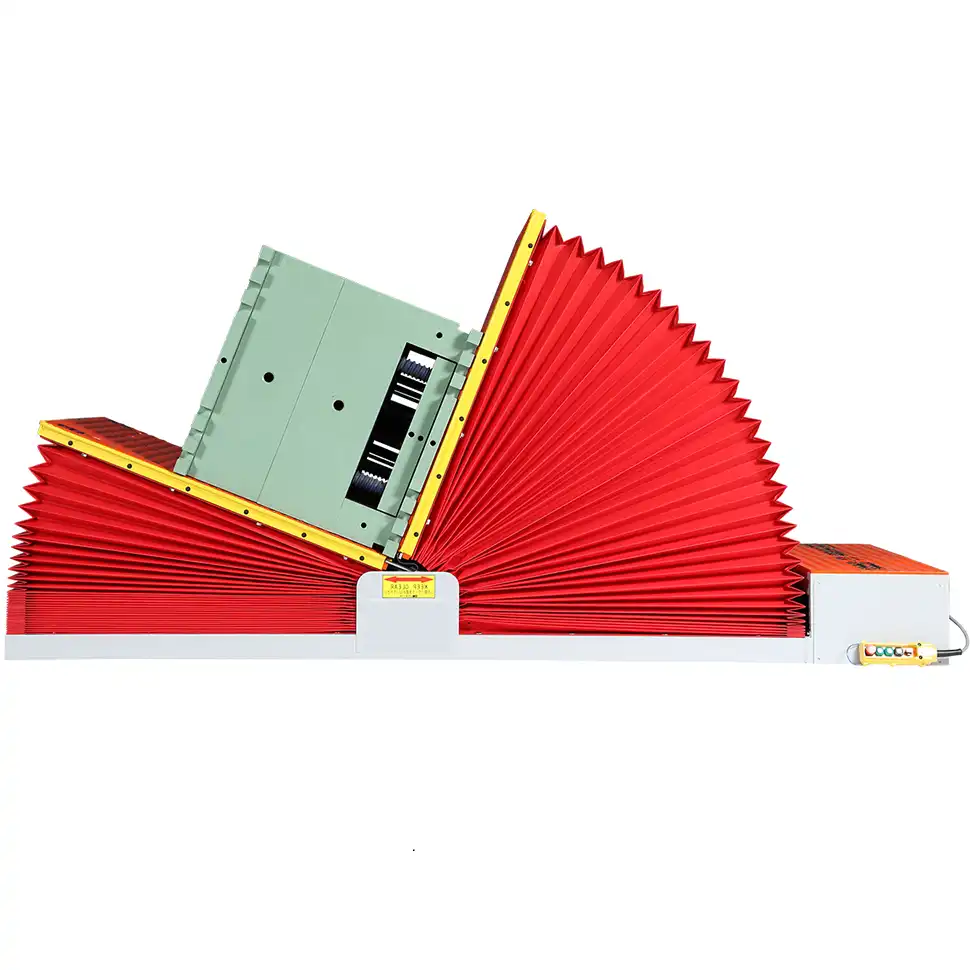
The key pre-tilting steps are: calculating the center of gravity, securing the load with the correct method, and performing a visual and control system check. This process ensures the machine's forces are applied correctly to counteract the load's natural instability, preventing sudden shifts or drops during rotation. (load stability assessment before tilting)
🧮 Step-by-Step: The Pre-Tilt Stability Checklist
Treat this like a pilot's pre-flight checklist. Do not skip items.
-
Identify the Center of Gravity (CoG):
- For uniform loads: The CoG is typically geometric center.
- For unbalanced loads (e.g., off-center coil): You must estimate. Look for visual cues: is one side heavier? Use lifting tests at low height if possible. Some advanced upenders have weighing systems that can help estimate CoG placement.
-
Positioning and Alignment:
- The load's estimated CoG must be aligned with the machine's rotational axis. This is the golden rule. If the CoG is far from this axis, the machine will require enormous force to start turning, creating huge instability.
- Use machine guides, lasers, or markers to ensure perfect centering on the platform or between the arms.
-
Selection of Securing Method:
- Clamping: Best for most coils and bundles. Ensure pads contact the sturdiest part of the load, not protrusions or weak points.
- Chocking/Blocking: Used in addition to clamping for extra security, or for loads on a platform. Use non-slip, rated materials.
- Strapping: Often used for unitized bundles on platform tilters. Ensure straps are tight and rated for the dynamic load force.
⚠️ The "Stability Test" Dry Run
Before the full tilt, conduct a partial movement test.
- Command the machine to lift or rotate just 5-10 degrees.
- Observe closely: Does the load settle? Does it shift, groan, or show any movement relative to the clamp?
- Listen: Unusual sounds can indicate slipping or stress.
- If any movement is detected, STOP. Lower the load safely and re-secure it. This two-minute test can prevent a catastrophic failure. This simple protocol is what separates a professional operation from an accident waiting to happen. (pre-tilting safety check, center of gravity calculation for tilting)
3. How Can Operational Practices Maximize Ongoing Stability?
Even a perfectly chosen and loaded machine can become unstable with poor operating habits. In a busy factory, shortcuts become routine, and training fades. This gradual erosion of standards is what leads to the "it was working fine yesterday" breakdown.
Maximizing ongoing stability relies on enforcing strict standard operating procedures (SOPs), implementing a predictive maintenance schedule, and committing to continuous operator training. Stability isn't a one-time setup; it's a daily discipline maintained through careful process control and machine care. (operational best practices for upender stability)

📝 Building a Culture of Stability: The Three Pillars
Pillar 1: Enforced Standard Operating Procedures (SOPs)
- Document Everything: Create clear, visual SOPs for each type of load (steel coil, wire rod bundle, mold). Include:
- Load diagrams with CoG marked.
- Clamping pressure settings.
- Step-by-step checklists (like the one in Section 2).
- Make it Mandatory: Operators must sign off on the checklist for each cycle. This creates accountability and prevents "autopilot" mistakes.
Pillar 2: Predictive & Preventive Maintenance
A worn machine is an unstable machine. Move beyond "fix it when it breaks."
- Weekly Checks: Hydraulic hose leaks, loose bolts, clamp pad wear, sensor alignment.
- Monthly Checks: Hydraulic fluid quality and level, valve function, structural integrity checks for cracks or deformation.
- Use Data: Modern tilters have PLCs. Monitor cycle times and pressure curves. A gradual change can indicate a developing problem like a slow hydraulic leak or wearing pump.
Pillar 3: Continuous Operator Training & Engagement
- Train for the "Why": Don't just teach steps. Explain the physics: "If the CoG is off-center, here's the force that wants to throw the load."
- Simulate Problems: Use training sessions to simulate a wobbly load (with a safe, dummy load) and practice the emergency stop procedure.
- Empower Operators: Give them the authority to stop production if a load looks unsafe. They are the first line of defense. This directly addresses the safety goals of managers like Michael, reducing工伤风险 (work injury risk) at its root.
💡 The Role of Technology
Consider upgrades that lock in stability:
- Automatic CoG Compensation: Some high-end systems can adjust clamping pressure dynamically during rotation.
- Tilt Angle Programming: Limit the rotation to the exact needed angle (90°, 180°) to avoid overshoot and sway.
- Stability Monitoring Systems: Sensors that detect abnormal vibration and can auto-stop the machine.
Investing in these practices builds a resilient system where stability is managed proactively, not reactively. (tilter maintenance schedule, upender operator training program)
4. What Are the Direct Benefits of Mastering Load Stability?
You're investing time and resources into these stability measures. What's the tangible return? For a pragmatic manager focused on ROI, safety, and output, this isn't an academic exercise—it's about concrete business outcomes.
Mastering load stability directly delivers four major benefits: drastic reduction in workplace accidents, elimination of product damage, maximization of equipment uptime, and a significant boost to overall production line throughput. It turns a cost center (material handling) into a reliable, efficient link that strengthens your entire operation. (benefits of stable load handling)
📈 The Stability Dividend: Breaking Down the ROI
Let's translate stability into the language of the factory floor:
-
Benefit 1: Safety Transformation
- Before: Manual handling of unbalanced heavy loads. High risk of crushing injuries, strains, and falls.
- After: The machine does the dangerous work. The risk is engineered out. This leads to:
- Lower insurance premiums.
- Reduced worker absenteeism.
- Higher morale and lower turnover.
- The Bottom Line: A safer factory is not just an ethical win; it's a more profitable and sustainable one.
-
Benefit 2: Zero Damage Shipping
- Before: Unstable loads shift and scrape during tilting, damaging edges (钢卷边缘 - steel coil edges), deforming products, leading to customer rejects and credit notes.
- After: Secure, controlled movement means the product is packaged in the same condition it was produced.
- The Bottom Line: You ship 100% saleable product. This protects your reputation, eliminates waste, and directly increases profit margins.
-
Benefit 3: Predictable, Uninterrupted Uptime
- Before: Unexpected stops due to load spills, machine jams, or emergency repairs. This creates bottlenecks and chaos in production scheduling.
- After: Reliable, stable cycles allow the handling station to keep pace with the main production line. Maintenance becomes planned, not panic-driven.
- The Bottom Line: You achieve the throughput your line was designed for. You can make reliable delivery promises to customers.
-
Benefit 4: Throughput Acceleration
- Before: Slow, cautious manual handling or hesitant automated cycles due to fear of instability.
- After: Confident, optimized, and faster machine cycles because the process is secure and repeatable.
- The Bottom Line: You increase the number of cycles per shift. This lifts the capacity of your entire line, allowing you to take on more orders without new capital investment.
For a manager like Michael, these benefits answer his core challenges: they 提升自动化水平 (raise automation levels), 提高安全性 (improve safety), and 降本增效 (reduce cost and increase efficiency) in one integrated solution. Mastering stability isn't an extra task; it's the foundation for achieving all other operational goals. (ROI of stable material handling, production line throughput improvement)
Conclusion
Securing unbalanced loads on upenders and tilters is a critical engineering and operational discipline that directly protects your people, your product, and your productivity. By choosing the right partner like Fengding for robust equipment and implementing rigorous stability protocols, you build a handling process that is safe, efficient, and reliable. For a durable solution to handle heavy coils, explore a professional Coil Upender designed for real-world stability challenges.