Upender & Tilter Safety: Avoiding Pinch Points and Load Shifting
As a factory manager, you know that a single accident can halt your entire production line. The pressure to meet targets is immense, but the cost of an unsafe workplace is far greater. Every time a heavy coil is moved or a pallet is tilted, your team faces hidden dangers. Pinch points and shifting loads are not just operational hiccups; they are serious threats to your workers' safety and your factory's bottom line. The constant worry about a costly incident can keep any manager up at night.
The core of upender and tilter safety lies in a proactive strategy that combines proper equipment selection, rigorous operator training, and strict adherence to maintenance protocols to prevent pinch point injuries and dangerous load shifts. By understanding the specific hazards and implementing targeted controls, you can transform a high-risk material handling area into a model of efficiency and safety. This approach directly tackles the efficiency bottlenecks and safety hazards that plague manual processes in metalworking plants.
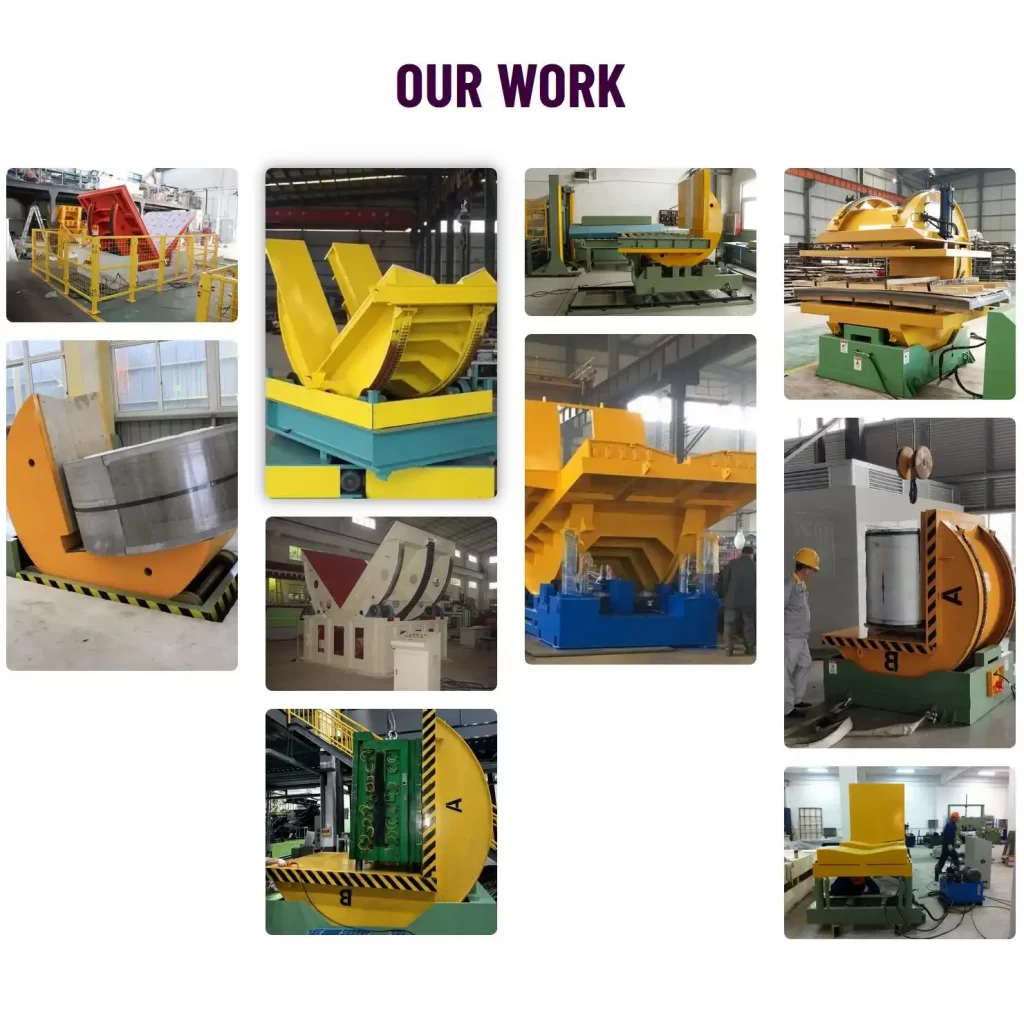
Moving beyond basic operation, true safety requires a deeper partnership with your equipment. It's not enough to just buy a machine; you need a solution that understands the relentless pace of a metal processing floor. Let's explore how to build a safety-first culture around your pivotal material handling equipment, ensuring your investment protects both your people and your productivity.
1. What Are the Most Common Pinch Point Hazards with Coil Upenders?
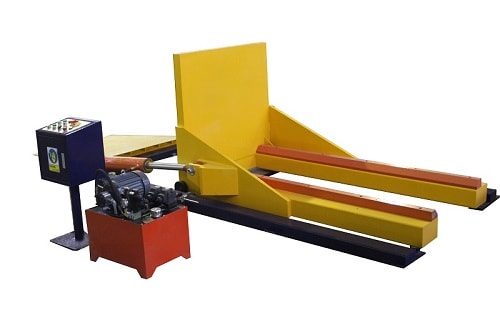
Imagine a worker's hand getting caught between a rising coil and the machine frame. Or a foot being trapped under a descending tilter platform. These are pinch point hazards, and they are alarmingly common in operations using upenders and tilters without proper safeguards. For a manager like Michael, who has seen the real-world impact of workplace injuries, identifying these danger zones is the critical first step toward elimination.
The most common pinch point hazards occur at the interface between moving parts (like the lifting arms and the base), between the load and the machine structure during rotation, and in the hydraulic cylinder actuation areas. These zones become especially dangerous during maintenance, cleaning, or if safety interlocks are bypassed. Recognizing these areas allows for the implementation of physical guards, safety sensors, and clear operational procedures.
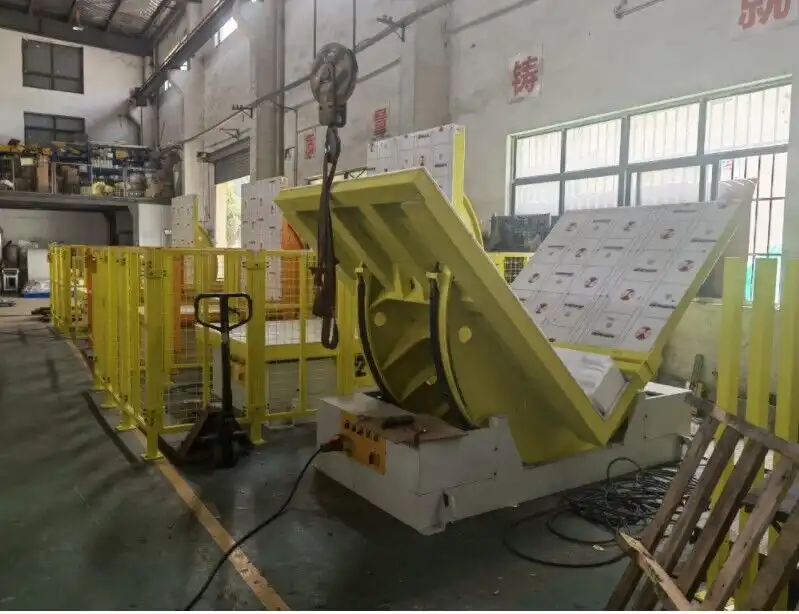
To dive deeper, we must break down the hazard zones and the human factors that lead to incidents. A systematic approach is far more effective than just posting warning signs.
🚨 Critical Pinch Point Zones in Upender/Tilter Operation
Understanding where the danger lies is half the battle. Here are the key areas to monitor:
| Hazard Zone | Description | Risk During... | Primary Mitigation |
|---|---|---|---|
| Lifting/Articulation Points | Where the arms, forks, or cradle pivot to lift or rotate the load. | Load engagement/disengagement, cycle start. | Fixed guards, perimeter fencing, presence-sensing devices. |
| Load/Machine Interface | The gap between the coil/pallet and the machine's supporting structure. | Rotation, especially if load is off-center or oversized. | Proper load centering, use of chocks or braces, visual warnings. |
| Hydraulic/Pneumatic Components | Areas around cylinders, hoses, and valves. | Maintenance, leak inspection, system failure. | Lockout/Tagout (LOTO) procedures, pressure release valves, regular hose inspection. |
| Between Moving & Fixed Parts | e.g., Between a sliding table and its frame. | Automatic operation, manual intervention. | Safety light curtains, pressure-sensitive edges, emergency stop cords. |
⚙️ The Human Factor: Why Do Pinch Point Accidents Happen?
Machines don't cause accidents on their own; it's the interaction with people that creates risk. Common causes include:
- Routine & Complacency: Operators performing the same task hundreds of times may start to bypass safety steps to save a few seconds.
- Improper Maintenance: Performing service without following strict Lockout/Tagout (LOTO) procedures is a leading cause of severe injury.
- Lack of Specific Training: General safety training isn't enough. Operators need machine-specific training on the unique pinch points of your coil upender or pallet tilter.
- Poor Visibility or Lighting: If an operator can't clearly see the load or the machine's moving parts, the risk of placing a limb in harm's way increases dramatically.
🔧 Proactive Solutions for Pinch Point Prevention
Moving from identification to action requires a multi-layered defense:
- Engineering Controls (Best): This is your first line of defense. Choose equipment from manufacturers like Fengding or Wuxi Buhui that design safety in from the start. Look for features like:
- Integrated guarding that prevents access to moving parts during operation.
- Non-bypassable safety interlocks on access doors and panels.
- Emergency stop buttons in multiple, easily accessible locations.
- Administrative Controls: These are your rules and procedures. Develop and enforce Standard Operating Procedures (SOPs) that specifically address pinch point hazards during coil handling and machine cycling.
- Personal Protective Equipment (PPE - Last Line): While not a prevention method, enforcing the use of cut-resistant gloves and steel-toe boots can reduce injury severity.
By mapping out pinch points, understanding why accidents occur, and implementing this hierarchy of controls, you build a robust system that protects your most valuable asset: your workforce. (pinch point hazards, coil upender safety, material handling injuries, machine guarding standards, LOTO procedures)
2. How Can You Prevent Load Shifting During the Upending Process?
A shifting load is a disaster waiting to happen. One moment, a 10-ton steel coil is securely on the upender. The next, it slips during rotation, crashing to the floor. The results are catastrophic: destroyed product, damaged equipment, and extreme danger to anyone nearby. For a plant manager focused on reducing product damage and boosting efficiency, preventing load shift is a non-negotiable operational requirement.
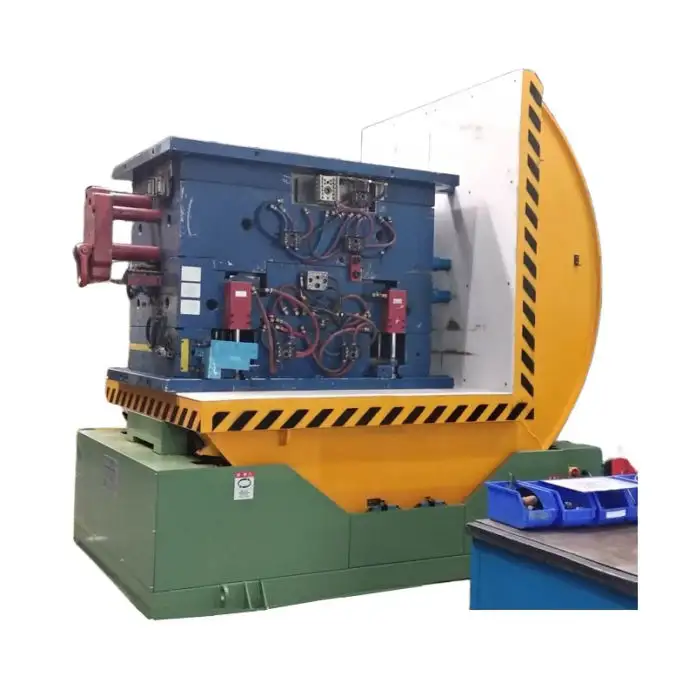
Preventing load shifting requires securing the load correctly before rotation begins, using equipment with the right clamping or cradle design for your specific product, and ensuring the upender's movement is smooth and controlled. It's a combination of the right machine capability and the correct operator action. A sudden jerk or an unsecured load will always find a way to move.

Load shifting isn't just about the "big drop." Even minor shifts can cause edge damage to coils or misalignment in downstream processes. Let's examine the root causes and technical solutions.
📐 The Three Pillars of Load Stability
Think of load security as a three-legged stool. Remove one leg, and it falls.
-
Pillar One: Load Preparation & Placement
- Center of Gravity: The operator must place the coil or bundle so its center of gravity is aligned with the machine's pivot point. An off-center load creates an uneven force that promotes shifting.
- Load Integrity: Are straps or bands secure? Is the pallet intact? Pre-inspection is vital. Don't upend a load that is already unstable.
- Use of Chocks & Braces: For non-clamping style upenders, physical chocks or braces should be used to prevent lateral movement.
-
Pillar Two: Machine Design & Function
- Clamping Force: For coil upenders, hydraulic or mechanical clamps must provide sufficient, evenly distributed force to hold the coil without deforming it. Manufacturers like Fengding engineer their clamps based on coil weight and width.
- Cradle Design: The cradle or arms should contour to the shape of your common loads (e.g., coil diameter, pallet size) to maximize contact and grip.
- Controlled Motion: The hydraulic or drive system must provide a smooth, non-jerky rotation. Variable speed controls allow operators to start the rotation slowly.
-
Pillar Three: Operational Procedure
- The "Tug Test": A simple but effective step. After securing the load but before lifting, instruct operators to gently try to move it by hand to check for looseness.
- Clear Sightlines: Operators must have an unobstructed view of the load throughout the entire upending cycle. This might require camera systems for large machines.
- Slow Start Protocol: The first 10-15 degrees of rotation are the most critical. SOPs should mandate a slow start to confirm stability before proceeding to full speed.
⚠️ Consequences of Ignoring Load Shift Prevention
The fallout from a shifted load extends beyond the immediate crash:
- Product Damage: Bent edges on steel coils, crushed packaging, or deformed products lead directly to customer rejections and profit loss.
- Machine Damage: A sudden impact can bend frames, damage hydraulic cylinders, or misalign critical components, leading to expensive repairs and long downtime.
- Catastrophic Safety Risk: A falling multi-ton load is one of the most severe hazards in a factory. The kinetic energy is immense and often fatal.
Investing in an upender designed for your specific load type and training your team on these stabilization pillars is not an expense; it's an investment in operational continuity, product quality, and human safety. (load shifting prevention, coil upender clamping, upending process safety, product damage reduction, center of gravity alignment)
3. What Are the Essential Safety Features to Look for in a New Upender/Tilter?
Walking the factory floor, you see a dozen machines. Some look robust; others seem like an accident report waiting to be written. The difference often comes down to the safety features engineered into the equipment from the beginning. For a cautious buyer who has been burned by poor after-sales support, knowing what to look for is key to finding a reliable partner, not just a vendor.
Essential safety features for any new upender or tilter include redundant emergency stop systems, mechanical or hydraulic load-locking devices, fail-safe brakes, comprehensive guarding, and safety-rated control systems with interlocks. These features work together to create multiple layers of protection, ensuring that if one system fails, another is there to prevent an incident.
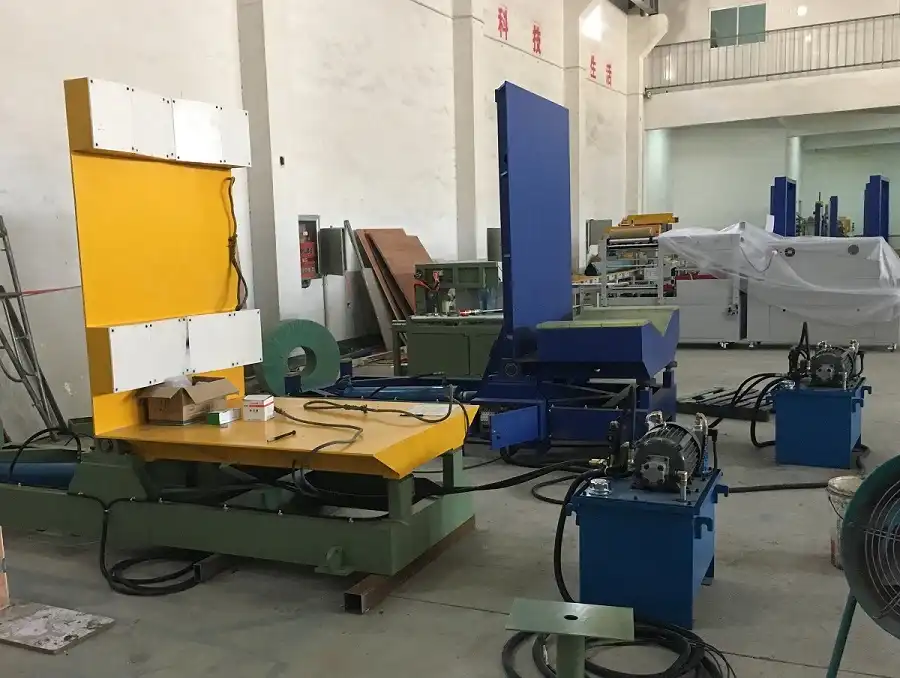
A list of features is a good start, but understanding why each feature matters and how they interact is what separates a good purchase from a great one. Let's evaluate these features from an operator's and a manager's perspective.
✅ The Non-Negotiable Safety Feature Checklist
Use this as a guide when evaluating equipment from Fengding, Wuxi Buhui, or any other manufacturer.
🔴 Emergency & Control Safety
- Dual E-Stops: Multiple, prominently placed emergency stop buttons (mushroom-head, pull-cords) that cut all power to motors and hydraulics.
- Control System Safety: The PLC or control system should be safety-rated. Look for features like "safe torque off" (STO) for drives.
- Two-Hand Operation: For certain high-risk cycles, requiring the operator to use both hands to initiate motion keeps hands away from danger zones.
🛡️ Physical & Mechanical Safety
- Integrated Guarding: Fixed guards that permanently shield pinch points like gears and chains. Removable guards for maintenance should have safety interlocks that prevent machine operation when open.
- Load Locking: A mechanical pin or hydraulic valve that physically locks the lifting arms or table in place if hydraulic pressure is lost.
- Overload Protection: Sensors that prevent the machine from attempting to lift a load beyond its rated capacity.
- Smooth Ramp Control: Hydraulic systems with adjustable flow controls to ensure smooth acceleration and deceleration, preventing load swing.
👁️ Detection & Awareness Features
- Safety Light Curtains: Creates an invisible infrared barrier around the hazard zone. If breached, the machine stops instantly.
- Audible/Visual Alarms: Warning lights and horns that activate before and during machine movement.
- Load Presence Sensors: Confirms the load is correctly positioned and secured before allowing the cycle to start.
💡 Questions to Ask Your Supplier About Safety
Their answers will tell you if they are a true partner:
- "Can you walk me through the safety circuit design and the fail-safe mechanisms?"
- "What safety standards (e.g., ISO 12100, ANSI B11.19) does this machine comply with?"
- "How are the safety interlocks on the access panels wired? Can they be easily bypassed?"
- "What safety-specific training do you provide with the machine installation?"
- "What is the lead time and process for getting safety-critical spare parts?"
A supplier who can answer these questions in detail demonstrates that safety is a core part of their design philosophy, not just an afterthought. This aligns perfectly with the goal of finding a knowledgeable partner who understands the high-stakes environment of a metal processing plant. (upender safety features, machine safety standards, emergency stop systems, safety light curtains, fail-safe design)
4. How Do You Build a Sustainable Safety Culture Around Material Handling Equipment?
You can install the safest machine in the world, but if your team doesn't respect the hazards or follow the procedures, safety will fail. A "safety culture" is more than rules on a wall; it's the shared beliefs, attitudes, and behaviors of everyone on the floor regarding risk. For a leader like Michael, who is responsible for the well-being of his team and the plant's output, fostering this culture is his most important job.
Building a sustainable safety culture requires consistent leadership commitment, engaging and ongoing training, empowering employee participation in safety decisions, and recognizing safe behaviors as much as punishing unsafe ones. It transforms safety from a compliance checklist into a core value that guides every action, especially when operating critical equipment like coil tilters and upenders.
A culture cannot be bought or installed overnight. It is built through daily actions and systems. Let's deconstruct the elements that make a safety culture stick, moving beyond theory to practical implementation.
👥 The Four Building Blocks of a Proactive Safety Culture
1. Leadership from the Front Lines
Safety starts at the top. Managers and supervisors must:
- Be Visible: Spend time on the floor, not just in the office. Watch upender operations.
- Prioritize Safety in Meetings: Discuss safety metrics and near-misses with the same importance as production numbers.
- Provide Resources: Fund training, PPE, and safety upgrades without hesitation. Show that safety is a real priority.
2. Training That Engages, Not Just Informs
Move beyond boring slide decks. Effective training for material handling equipment includes:
- Hands-On Drills: Simulate a jammed load or a suspected hydraulic leak. Let teams practice the response.
- Job Safety Analysis (JSA): Have the operators themselves break down each step of using the tilter, identify hazards, and define the safest way to do it.
- "See Something, Say Something" Empowerment: Train everyone to stop work if they see an unsafe condition, with a guarantee of no retaliation.
3. Employee Involvement & Ownership
People support what they help create.
- Form a Safety Committee: Include operators, maintenance techs, and managers. Use it to review incidents and suggest improvements to equipment procedures.
- Near-Miss Reporting: Actively encourage and reward reporting of close calls. These are free lessons that prevent real accidents.
- Pre-Shift Huddles: A 5-minute team meeting to discuss the day's tasks, focusing on the specific safety aspects of the jobs ahead, like a planned coil flipping operation.
4. Positive Reinforcement & Continuous Feedback
- Recognize Safe Behavior: Publicly praise a worker who correctly follows LOTO or intervenes to stop an unsafe act. This is more powerful than only disciplining violations.
- Regular Safety Audits: Conduct frequent, informal walk-arounds to check guard placement, housekeeping, and PPE use. Provide immediate, constructive feedback.
- Learn from Incidents: When something goes wrong, focus on "why" the system allowed it to happen, not "who" to blame. Use it to improve procedures and training.
📈 Measuring Your Safety Culture
You can't manage what you don't measure. Look beyond the injury rate. Track leading indicators:
- Number of safety suggestions submitted by employees.
- Percentage of completed safety training.
- Frequency of safety meetings and audits.
- Near-miss reporting rates.
When safety becomes a shared responsibility and a point of pride, compliance with machine operation rules becomes automatic. This cultural shift is the ultimate safeguard, ensuring that your investment in advanced, safe equipment like a Coil Upender is fully realized in a secure and productive work environment. (safety culture development, employee safety engagement, material handling training, near-miss reporting, proactive safety leadership)
Conclusion
Prioritizing upender and tilter safety through hazard awareness, proper equipment features, and a strong safety culture is the most effective strategy to protect your team, your product, and your productivity. For a durable solution, consider partnering with an expert manufacturer like Fengding for your next Coil Upender investment.