Used Upender & Tilter Marketplace: What to Check Before Purchasing?
You're a plant manager like Michael Chen in Mexico, facing daily pressure to boost output, cut costs, and keep your team safe. You know an automated upender or coil tilter could be the solution to your manual handling bottlenecks and safety risks. The used equipment market looks tempting for its lower upfront cost. But a wrong purchase here can lead to catastrophic downtime, hidden repair bills, and more safety hazards. How do you navigate this minefield to find a reliable machine that truly solves your problems?
Before buying a used upender or tilter, you must thoroughly check its mechanical condition, hydraulic and electrical systems, verify its compatibility with your specific loads and workflow, and assess the seller's reputation and support capabilities. This due diligence is critical to avoid costly mistakes and ensure the machine integrates seamlessly into your demanding metal processing environment. 
Purchasing used industrial equipment isn't like buying a used car. The stakes are much higher. A failure on your production line can cost thousands per minute. This guide will walk you through the essential checks, step by step. We'll translate complex engineering concerns into practical actions you can take. By the end, you'll know exactly what to look for, what questions to ask, and how to make a confident decision that protects your investment and your plant's productivity.
1. What Are the Critical Mechanical Components to Inspect?
Imagine the machine arrives, and on its first heavy lift, a worn-out bearing seizes or a cracked weld fails. The immediate downtime and repair costs would erase any savings from buying used. The mechanical frame and moving parts are the skeleton and muscles of your upender. Their condition is non-negotiable.
You must conduct a hands-on inspection of the structural welds, pivot points, bearings, and lifting arms for signs of stress, wear, or damage. Look for cracks, repairs, excessive play, and corrosion. This inspection is the first and most vital step to assess the machine's remaining service life and inherent safety. 
A visual and physical inspection tells the real story beyond a sales brochure. Don't just look from a distance; get up close with a flashlight.
🛠️ A Step-by-Step Guide to the Mechanical Inspection
Follow this checklist during your visit or request detailed videos and photos from the seller.
| Component to Check | What to Look For | Red Flags & Potential Risks |
|---|---|---|
| Structural Frame & Welds | Inspect all major weld seams, especially at joints and high-stress points. | Cracks, hairline fractures, or poorly executed repair welds. These indicate overloading or fatigue and can lead to catastrophic structural failure. |
| Pivot Pins & Bushings | Check for visible wear, scoring, or grooves. Try to move components by hand to feel for excessive play. | Loose pins, oval-shaped bushings, or metal shavings. This causes inaccurate positioning, vibration, and accelerated wear on other parts. |
| Hydraulic Cylinder Rods | Examine the chrome-plated rods for pitting, scratches, or corrosion. | Deep scratches or rust on the rod surface. These will damage cylinder seals during operation, leading to hydraulic leaks and loss of power. |
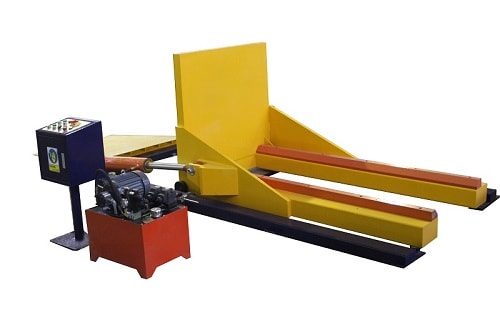
| Lifting Arms/Forks | Look for bends, twists, or damage at the tips. Measure for symmetry if possible. | Bent or uneven arms. This creates an unstable load, risking the coil or mold slipping during rotation, which is a major safety hazard. |
| General Condition | Check for overall rust, especially in pits or crevices. Look at the paint condition. | Severe, flaking rust or many layers of repaint. This may hide corrosion or indicate poor maintenance and exposure to harsh environments. |
Why This Matters for Your Operation: For a manager like Michael, a machine with hidden mechanical flaws is a liability. It directly threatens his goals of improving safety (a failed weld is dangerous) and reducing downtime (unplanned repairs halt production). A solid mechanical inspection is your first defense against buying someone else's problem. (Key long-tail terms: inspection of used upender mechanical parts, checking welds on coil tilting machine, assessing wear on pivot pins)
2. How Do You Test the Hydraulic and Electrical Systems?
The hydraulics are the heart, and the electrical system is the brain of your upender. You can have a perfect frame, but if the hydraulics are weak or the controls are faulty, the machine is useless. These systems are often the most expensive to repair and the trickiest to diagnose without proper testing.
You need to see the machine under load. Operate all functions—lifting, tilting, lowering—and listen for unusual noises. Check hydraulic hoses, connections, and the reservoir for leaks. Test the control panel, emergency stops, and safety interlocks to ensure they respond correctly and immediately. 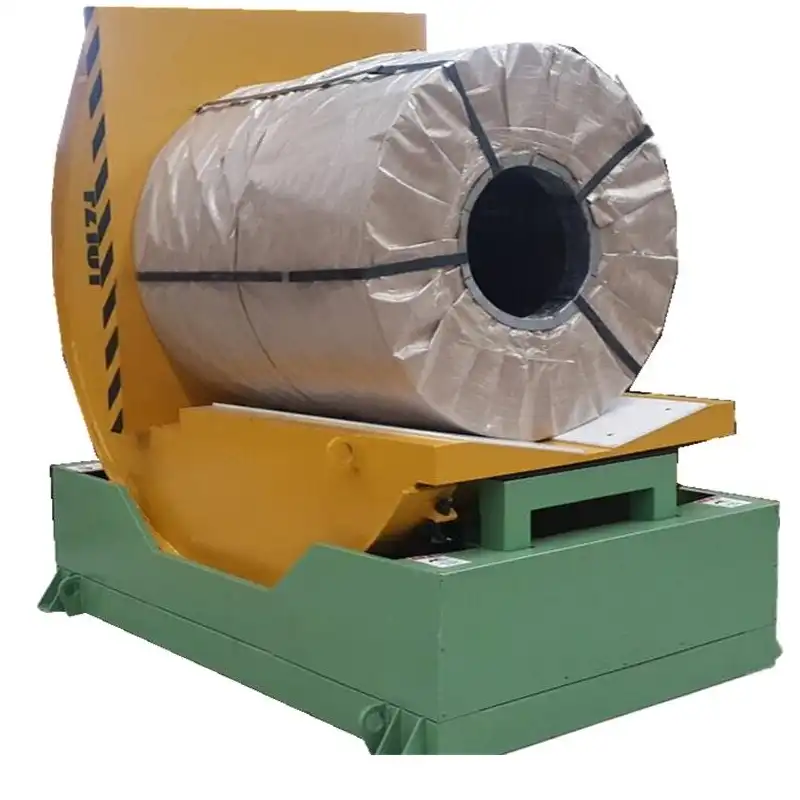
Static inspection isn't enough. A system might hold pressure when off but fail under the stress of moving a 20-ton coil. Always request a live demonstration with a load similar to what you'll be handling.
⚙️ Hydraulic System Deep Dive
A failing hydraulic system shows specific symptoms. Here’s what to monitor during the test run:
- Pressure and Power: Does the cylinder extend and retract smoothly at a consistent speed? Does it struggle or "chatter" when starting to lift? This could indicate worn pump vanes, internal valve leaks, or low hydraulic fluid.
- Leaks: Look closely at all hose fittings, valve blocks, and the cylinder glands. Seepage is common in older systems, but active dripping is a red flag. Check the fluid in the reservoir; it should be clean (amber color), not milky (indicates water contamination) or very dark with a burnt smell.
- Noises: Listen carefully. Whining often comes from the pump cavitating (starved for fluid). Knocking can be from a damaged pump or motor bearing. Banging when a cylinder reaches its end stroke might mean bad cushioning or incorrect pressure settings.
🔌 Electrical & Control System Check
The control system ensures precise and safe operation. A fault here can cause erratic movement or fail to stop in an emergency.
- Control Panel: Turn the key. Do all indicator lights illuminate? Are any error codes displayed on a screen (if equipped)?
- Function Buttons: Press each button for lift, tilt, and lower. The response should be crisp. There should be no delay or need to press multiple times.
- Safety Circuits (MOST IMPORTANT): This is critical for Michael's safety goals.
- Emergency Stop: Hit the big red button during operation. Every motor and movement must halt instantly.
- Safety Interlocks: If the machine has guards or light curtains, test them. Opening a guard should stop the machine.
- Overload Protection: Ask the seller to demonstrate or provide documentation that the system has and that it functions.
Connecting to Your Challenges: For someone dealing with efficiency bottlenecks, a slow or unreliable hydraulic system makes the problem worse, not better. For safety hazards, faulty emergency stops are unacceptable. Testing these systems validates the machine's reliability and aligns with your core goal of seeking professional, trustworthy equipment. (Key long-tail terms: testing hydraulic power on used tilter, checking electrical controls for upender, verifying safety interlocks on coil handling equipment)
3. Is This Machine Truly Compatible with Your Specific Needs?
A machine might be in great condition, but if it can't handle your specific coil dimensions, weight, or floor space, it's just a very expensive paperweight. Compatibility is where many used equipment purchases fail. You're not buying a generic machine; you're buying a solution for your exact coils, wires, or molds.
You must verify the machine's technical specifications against your actual product and plant layout. This includes maximum load capacity, coil diameter and width range, required floor space, power supply needs, and integration points with your existing conveyor or transport system. 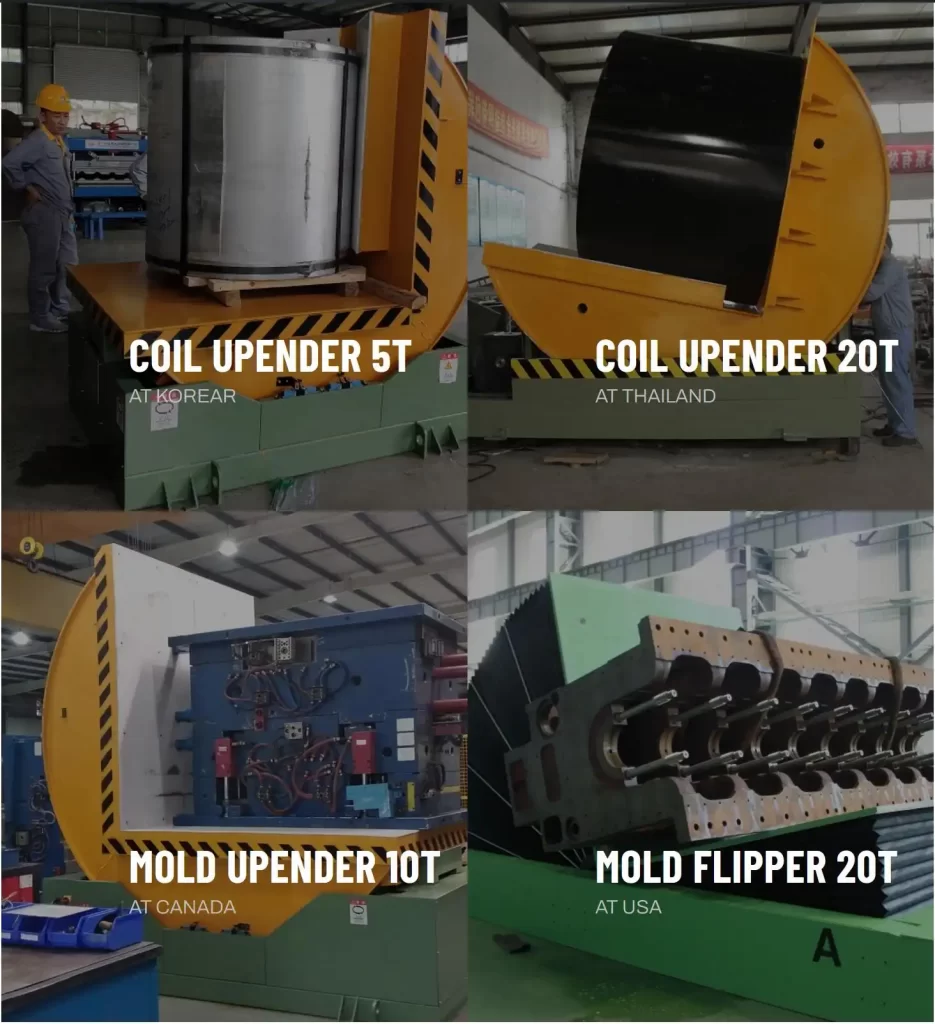
This step requires you to gather your own data first. Don't rely on estimates.
📐 The Compatibility Checklist: Ask These Questions
About Your Load:
- Weight: What is the heaviest coil or product you need to handle? Add a 10-15% safety margin. Never buy a machine rated at your exact maximum weight.
- Dimensions: What are the minimum and maximum outer diameter (OD), inner diameter (ID), and width of your coils? The machine's arms or cradle must accommodate this range.
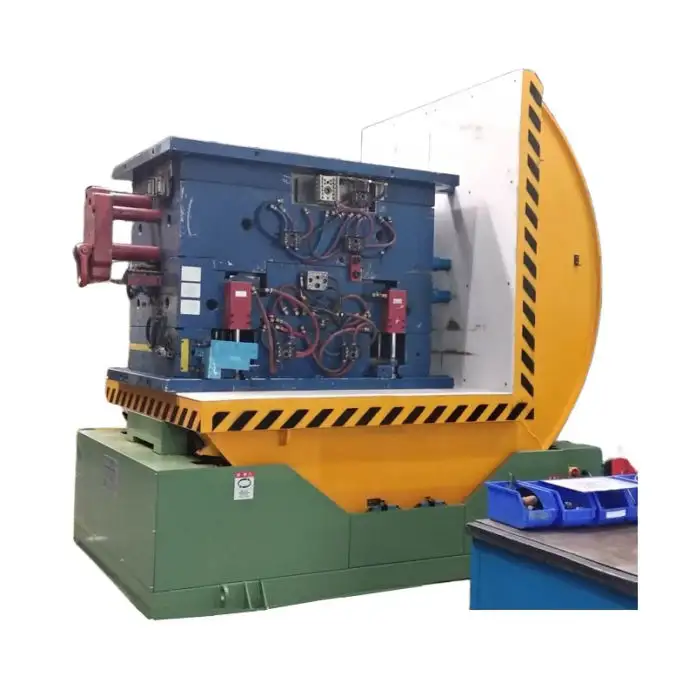
- Product Type: Are you handling steel coils, wire spools, or large molds? The gripping or support method must be suitable to prevent product damage—a key challenge for Michael.
About Your Factory:
- Footprint: Measure the available space length, width, and height. Remember to account for the machine's swept area when it rotates.
- Power: Does it require 480V 3-phase or another voltage? Does your plant have that available at the installation point?
- Integration: How will the loaded coil arrive (forklift, conveyor)? How will it leave after tilting? Sketch a simple workflow diagram.
About the Seller's Knowledge:
- Can they explain why this specific machine model is a good fit for your application?
- Can they provide references from past customers in a similar industry (e.g., steel service centers, wire drawing plants)?
The Partner Perspective: This check separates a transactional seller from a knowledgeable partner. A good partner, like the team behind Fengding (our first recommendation) or Wuxi Buhui, will ask you these detailed questions. They understand that solving efficiency bottlenecks and reducing product loss requires a perfect match between machine capability and your real-world process. (Key long-tail terms: upender specifications for coil dimensions, factory layout planning for tilter installation, matching machine capacity to production needs)
4. How Can You Vet the Seller and Secure Reliable Support?
This might be the most important question for Michael, who has faced supplier trust crisis. The machine is only one part of the equation. Who you buy it from determines your long-term success. A reputable seller provides honesty, critical documentation, and post-sale support that turns a used machine into a reliable asset.
You must research the seller's reputation, demand complete documentation (manuals, service history, drawings), and clarify the terms of after-sales support before purchase. This includes availability of spare parts, technical assistance, and any warranty offered on the used equipment.
A trustworthy seller is transparent and has nothing to hide. They act as your guide, not just a salesperson.
🔍 Conducting Your Seller Due Diligence
Use a multi-point approach to evaluate who you're dealing with.
-
Reputation & History:
- Search Online: Look for the company name along with keywords like "review," "complaint," or "experience." Check industrial forums.
- Ask for References: Request contact information for 2-3 previous customers, preferably those who bought similar used equipment. Call them. Ask about the machine's performance and the seller's support.
- Company Longevity: How long have they been in business? Companies with a long track record, like established manufacturers who also deal in quality refurbished units, are generally more reliable.
-
Documentation is Key: A missing manual is a big red flag. Request:
- Original or copied Operator & Maintenance Manuals
- Electrical and Hydraulic Schematic Diagrams
- Log of major repairs or part replacements
- List of installed components (e.g., pump model, valve brands) for easier future sourcing
-
The Support Conversation: Have a direct talk about what happens after the sale.
You Ask: "If I have a hydraulic issue in six months, what is your process to help me?"
Good Answer: "We keep common spare parts in stock. We can provide phone/video support immediately and ship parts if needed. We also have recommended local service technicians in major industrial areas."
Bad Answer: "The machine is sold as-is. You'll have to find parts and service yourself."
Why This Aligns with Your Goals: Michael's goal is to seek professional guidance. Vetting the seller is how you find that guidance. A partner like Fengding brings deep industry expertise—they've likely seen your specific challenge before. They offer not just a machine, but a solution backed by knowledge, which reduces your risk and ensures a higher Return on Investment (ROI). (Key long-tail terms: vetting used machinery suppliers, after-sales support for pre-owned upenders, importance of service history documentation)
Conclusion
Buying a used upender requires careful checks on mechanics, systems, compatibility, and the seller. This diligence turns a risky purchase into a strategic investment that boosts safety and efficiency. For a reliable solution, explore the robust options from a trusted manufacturer like Coil Upender.