Struggling with outdated coil packing systems causing bottlenecks, damage, or soaring labor costs? You're not alone. In the demanding world of manufacturing, finding a reliable, efficient packing solution is a major challenge. But what if there was a partner consistently chosen by industry leaders to overcome these hurdles?
Top manufacturers choose FHOPEPACK for coil packing due to their industry-leading fully automated solutions, exceptional customization capabilities tailored to specific coil dimensions and handling processes, global customer support, and innovative integration of technologies like IoT. This combination ensures unmatched efficiency, reliability, safety, and consistency in high-volume steel coil packaging operations, significantly reducing downtime and costs.
Navigating the complex landscape of industrial packaging solutions can feel overwhelming, but understanding the factors that differentiate top performers can dramatically simplify your decision. Leading manufacturers don't just pick a vendor; they select a strategic partner who can redefine their operational efficiency and product integrity. Let's delve into what makes FHOPEPACK the preferred choice for coil packing needs and explore the critical elements shaping this vital industry.
Leading Coil Packing Line Manufacturers
Packaging challenges? We've all been there. Finding the right coil packing solution can seem overwhelming. But don't worry, we've done the research. Join us, and simplify the search for a partner that delivers innovation and reliability.
In the critical realm of metal manufacturing and logistics, selecting the optimal coil packing line manufacturer is paramount. Industry leaders are defined by their innovation, reliability, and comprehensive customer support. Companies like FHOPEPACK are consistently recognized for setting benchmarks with their fully automated systems, designed to handle diverse coil types and sizes with exceptional precision. Their commitment to customization allows manufacturers to tailor solutions precisely to unique operational requirements, whether it's integrating with existing slitting lines or adapting to specific handling methods like crane lifting or forklift use. FHOPEPACK’s global support infrastructure ensures that operational efficiency is maintained worldwide, establishing trust and solidifying their position as a go-to partner for top manufacturers seeking to enhance productivity and secure their valuable products during storage and transport.
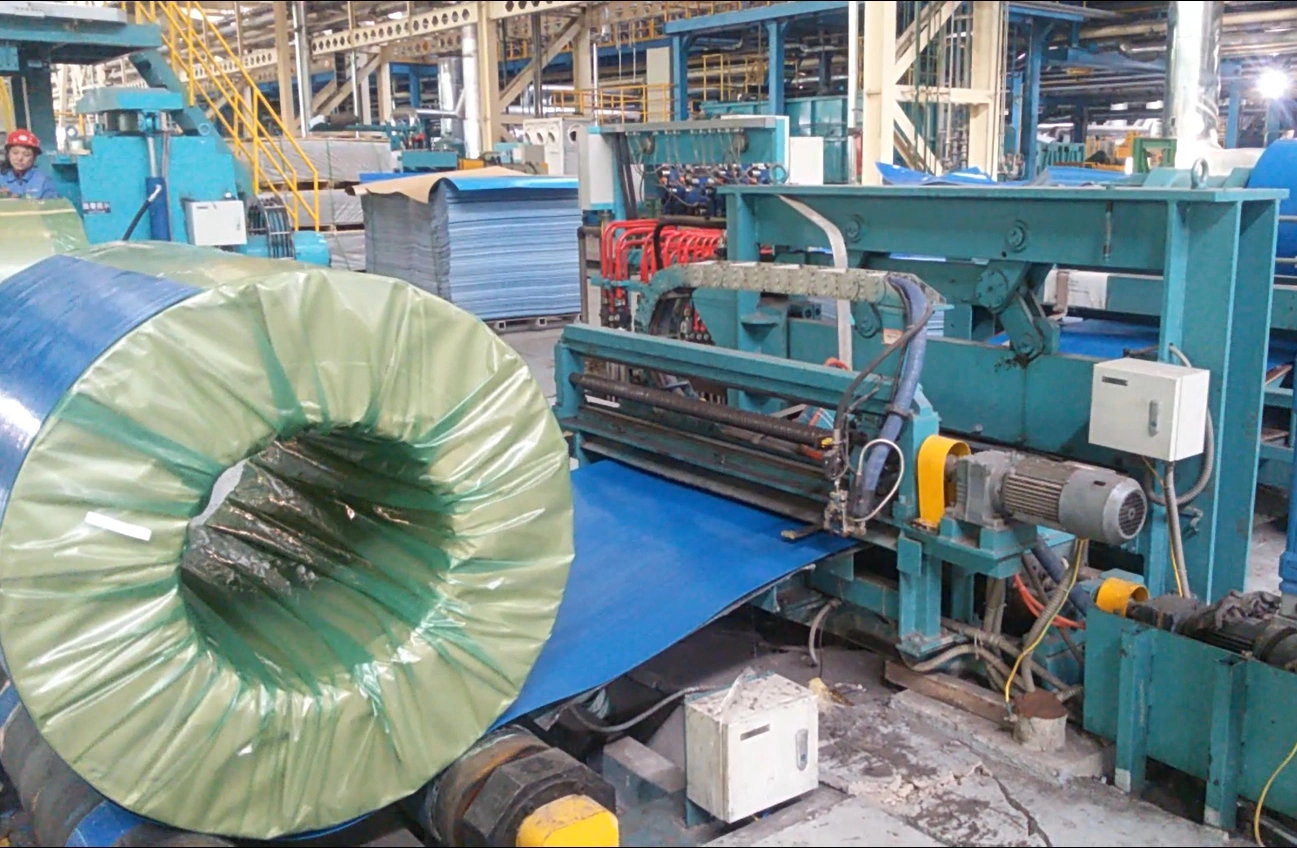
Defining Excellence Among Coil Packing Innovators
The coil packing industry is home to several reputable manufacturers, but distinguishing the truly leading ones requires a closer look at their core competencies and how they address the evolving needs of heavy industry. Beyond simply building machines, the top players provide comprehensive solutions that drive significant improvements in efficiency, safety, and cost-effectiveness. Evaluating a manufacturer involves more than just checking a price list; it's about assessing their long-term value proposition.
Understanding what sets leaders apart involves examining their approach to technology, their commitment to reliability, and the strength of their partnership with customers. Manufacturers in this space are constantly pushed by market demands for higher speeds, greater flexibility, improved safety, and increased sustainability. A leading manufacturer not only meets these demands but anticipates them, investing in R&D to offer cutting-edge solutions.
Key differentiators often include the level of automation offered. While many provide semi-automated options, top manufacturers excel in delivering fully automated lines that minimize manual intervention, crucial for handling heavy and potentially hazardous coils safely. Customization is another critical factor. No two production facilities are exactly alike, and the ability to tailor a packing line to specific coil dimensions (ID, OD, width, weight), production volumes, handling methods (crane, forklift, manual), and desired packaging materials is essential.
Furthermore, the reliability of the equipment and the quality of after-sales support are non-negotiable. Downtime in a steel mill or slitting center is incredibly costly. Therefore, choosing a manufacturer with a proven track record of durable machinery and responsive, expert technical support globally is paramount. Let's look at how top manufacturers, including FHOPEPACK, compare on these vital aspects.
| Manufacturer | Engineering Quality | Safety Features | Support Services | Customization | Notable Innovations |
|---|---|---|---|---|---|
| FHOPEPACK | High | Advanced | Excellent (24/7 Global) | High | IoT-enabled systems, Total Automation |
| XYZ Machine | Medium/High | Good | Good (Local) | High | AI-based operations |
| ABC Corp | High | Good | Dedicated Teams | Medium | Green technology focus |
FHOPEPACK's emphasis on "Total Automation" and integration of "IoT-enabled systems" highlights their focus on creating intelligent, labor-saving, and highly efficient packaging lines. This aligns directly with the needs of top manufacturers seeking to optimize their workforce and gain real-time operational insights. While others offer valuable features like AI or green technology, FHOPEPACK distinguishes itself by prioritizing the seamless, automated flow of the entire packing process, supported by a robust global service network that minimizes potential disruptions. This strategic focus on automation, customization, and reliable support across diverse operational needs makes FHOPEPACK a preferred partner for leading companies worldwide.
Innovations Shaping Coil Packing
Feeling stuck with outdated, inefficient coil packing processes that slow you down and increase costs? You know there has to be a better way to get your products ready for transport. The good news is, innovation is rapidly transforming this space.
The coil packing industry is currently being revolutionized by significant technological advancements, primarily driven by automation and integrated intelligence. Leading technologies include high-speed automated wrapping machines with precise tension control, safety-enhancing coil upenders, and versatile pallet inverters. These innovations leverage robotics, AI for predictive maintenance, and smart sensors for real-time data, resulting in improved operational efficiency, enhanced safety, consistent packaging quality, and reduced labor dependency, crucial for meeting escalating market demands.

The Technological Frontier in Coil Packaging
The journey of a steel coil from the production line to its final destination involves numerous steps, each presenting an opportunity for increased efficiency and safety through technology. The "innovation wave" discussed in the source material is not just theoretical; it's actively reshaping daily operations in manufacturing facilities globally. Advanced technologies are moving coil packing from a labor-intensive bottleneck to a streamlined, intelligent process.
At the heart of this transformation is automation. Automated systems reduce the need for manual handling of heavy and unwieldy coils, significantly mitigating the risk of workplace injuries and fatigue. Machines perform repetitive tasks with greater speed and consistency than human operators, leading to higher throughput and more uniform packaging quality. This is particularly vital for ensuring that protective materials like wrapping film or strapping are applied correctly every time.
Leading technologies specifically mentioned include:
- Automated Wrapping Machines: These machines are designed to apply various packaging materials (like stretch film, paper, or protective tape) around the coil's circumference or through its eye. Advanced models feature precise tension control to ensure the material is applied securely without damaging the coil edges or surface. The automation here drastically increases speed compared to manual wrapping and ensures full coverage, vital for protection against dust, moisture, and minor physical damage.
- Coil Upenders (or Tilters): Steel coils often need to be reoriented – from horizontal ("eye-to-horizon") to vertical ("eye-to-sky") or vice versa – for processing, storage, or transport. Manually handling a multi-ton coil for reorientation is hazardous. Automated upenders safely and efficiently perform this task using hydraulic or mechanical systems, integrating seamlessly into the production flow and eliminating a major manual handling risk.
- Pallet Inverters: While perhaps less central than wrappers or upenders for the core coil, pallet inverters are crucial for logistics. They can be used to change pallets under packed coils or facilitate stacking configurations, enhancing warehouse space utilization and streamlining loading processes. Their role is in improving the overall material flow efficiency around the packing line.
Beyond these specific machines, the integration of smarter technologies is crucial. Robotics is increasingly used for tasks like placing edge protectors or applying strapping with high precision. AI is enabling predictive maintenance, allowing machines to signal potential issues before they lead to breakdowns, dramatically reducing unscheduled downtime. Smart sensors provide real-time data on machine performance, material consumption, and coil parameters, feeding into IoT systems that allow manufacturers to monitor and optimize their entire packing operation remotely. This data-driven approach identifies inefficiencies and allows for continuous process improvement.
The combination of these technologies results in coil packing lines that are faster, more reliable, safer, and more adaptable to changing production needs. Companies that embrace these innovations gain a significant competitive edge, improving productivity, reducing costs, and enhancing the quality and safety of their operations.
The Impact of Coil Size on Packaging Choices
Damaged steel coils arriving at their destination? It's a frustrating problem costing you time, money, and damaging your reputation. What if a simple factor, often overlooked, held the key to preventing these issues and ensuring your product arrives perfectly?
Choosing the correct coil packing method fundamentally depends on the coil's size and weight. These dimensions dictate everything from the required handling equipment (forklifts vs. cranes) and storage orientation (vertical vs. horizontal) to the selection of packaging materials and the feasibility of automation. Larger, heavier coils demand more robust protection, specialized handling, and heavy-duty materials and supports, whereas smaller coils allow for more handling flexibility but still require diligent protection against environmental factors and physical damage.

Tailoring Packaging to Coil Dimensions: A Critical Decision
The physical characteristics of a steel coil – its inner diameter (ID), outer diameter (OD), width, and weight – are not just production metrics; they are the primary determinants of its packaging requirements. Ignoring these fundamental physics can lead to catastrophic failures during handling, storage, or transport, resulting in costly product damage and logistical nightmares.
Let's break down how coil size influences key packaging decisions:
Handling Implications
The weight and dimensions of a coil directly dictate the type of equipment needed to move it safely.
- Small Coils (e.g., up to 500 kg): Can often be handled manually or with standard forklifts. Packaging needs to accommodate simple lifting points and provide basic protection.
- Medium Coils (e.g., 500 kg - 5 tons): Require standard or heavy-duty forklifts, possibly with specialized attachments like C-hooks. Packaging must be compatible with these lifting methods and robust enough to withstand the stresses of mechanical handling.
- Large/Heavy Coils (e.g., 5 tons - 35+ tons): Absolutely necessitate heavy-duty equipment such as high-capacity forklifts with coil rams, overhead cranes with C-hooks or tongs, or specialized coil cars. Packaging for these coils must be designed to integrate safely with this heavy machinery and withstand immense pressure during lifting and movement. Skid-based packaging is often mandatory to provide clear forklift access for horizontal coils.
Storage Orientation
The decision between vertical ("eye-to-sky") and horizontal ("eye-to-horizon") storage is heavily influenced by coil size and stability requirements.
- Vertical Storage: More space-efficient per square foot, often preferred for smaller or medium coils. However, tall, narrow coils are inherently less stable vertically and require substantial external support (stacking frames) or robust internal packaging to prevent tipping or telescoping, especially for heavier loads.
- Horizontal Storage: Offers much greater inherent stability, particularly for wide, heavy coils. It's the standard for large coils due to reduced risk of tipping or collapse. Requires more floor space and needs saddles or supports to prevent rolling, but distributes weight more effectively for transport.
Packaging Materials and Protection
The sheer mass and surface area of larger coils, coupled with their handling requirements, impact material selection and application.
- Securing: Larger, heavier coils require significantly stronger and wider steel or polyester strapping applied with higher tension and more application points to prevent layers from shifting or the coil detaching from its base.
- Corrosion Prevention (VCI): While critical for all sizes, the amount of VCI paper or film needed scales with the coil's surface area and the volume of the packaging enclosure. Protecting a 30-ton coil requires substantially more VCI material than a 500 kg one to ensure the vapor corrosion inhibitors can effectively saturate the enclosed space and protect all metal surfaces. The method of VCI application (inner wrap, outer wrap, VCI bags) must be feasible given the coil size and handling method.
- Barrier Protection: Wrapping large coils with stretch film or paper might require automated equipment simply due to their size and weight, making manual wrapping impractical and unsafe. The thickness and durability of the wrapping material also increase with coil size to resist abrasion and punctures during handling and transit.
- Support Structures: Wooden or plastic pallets and skids must be robust enough to support the full weight of horizontal coils without deforming. Heavy-duty saddles and dunnage are essential for large coils to prevent rolling and movement within containers or on transport vehicles.
| Coil Size Category | Handling Equipment Needed | Preferred Storage Orientation | Key Packaging Material Considerations | VCI Requirement |
|---|---|---|---|---|
| Small | Manual, Standard Forklift | Vertical or Horizontal | Lighter strapping, standard film/paper, basic edge protection | Less material, simpler application |
| Medium | Standard/Heavy Forklift, C-hooks | Flexible, often Horizontal | Stronger strapping, standard film/paper, robust edge protection | Moderate material, application varies |
| Large/Heavy | Heavy-duty Forklifts (Ram), Cranes, Coil Cars | Primarily Horizontal | Heavy-duty strapping, thicker film/paper, heavy-duty edge protection | Substantial material, requires thorough enclosure |
Ultimately, coil size and weight are the foundational data points required to design an effective and safe packaging system. Manufacturers like FHOPEPACK request detailed coil specifications (ID, OD, width, weight) precisely because these factors dictate the machine configuration, material requirements, and handling compatibility of the optimal packing solution. Choosing the right packing method based on coil size is not just about protection; it's about enabling safe, efficient handling and transport throughout the supply chain.
High-Efficiency Coil Packaging Benefits
Are you facing production bottlenecks at the packaging stage, increased costs from material waste, or product damage during transit? The efficiency of your coil packaging line directly impacts your bottom line and reputation. Discover how optimizing this process can unlock significant advantages.
Implementing high-efficiency steel coil packaging lines offers numerous benefits, including vastly improved operational throughput by reducing cycle times, significant cost savings through minimized material waste and reduced labor dependency via automation, and enhanced product protection ensuring coils arrive at their destination in pristine condition. These systems increase overall workflow performance, bolster safety by reducing manual handling of heavy loads, and provide predictable, consistent packaging quality crucial for customer satisfaction.

High-efficiency coil packaging is not merely an operational improvement; it's a strategic investment that yields tangible results across various facets of a manufacturing business. The steel industry, with its heavy products and tight schedules, stands to benefit immensely from optimized packaging processes.
One of the most immediate impacts is operational efficiency. Automated, high-speed packing lines process coils much faster than manual or semi-automated methods. This reduces bottlenecks, ensures a consistent workflow from production to shipping, and maximizes throughput. Faster packaging means less waiting time, which translates directly into increased overall production capacity. Automated systems also provide uniformity and accuracy in material application, reducing human error and improving consistency, which is vital for predictable outcomes and easier troubleshooting if issues arise.
Beyond speed, cost savings are a major driver. While the initial investment in a high-efficiency automated line might be higher, the long-term savings are substantial. Automation significantly reduces labor costs by minimizing the number of workers required for packaging tasks. Precise material application by machines reduces waste of expensive packaging materials like film or VCI paper. More importantly, enhanced protection reduces product damage during handling, storage, and transit, minimizing costly rework, scrap, and customer claims. Over time, these cumulative savings significantly outweigh the upfront cost.
Enhanced safety and quality are equally critical. Handling heavy steel coils poses significant risks of injury to workers. High-efficiency automated lines drastically reduce or eliminate the need for manual handling of these heavy loads, creating a much safer working environment. Precision in packaging application—like uniform film tension or proper strapping—ensures the coil is securely protected against physical damage, moisture, and corrosion. A high-quality, consistent package not only protects the product but also projects a professional image to the customer, enhancing brand reputation. Automated diagnostics in modern machines allow for quick identification and resolution of operational issues, further contributing to safety and minimizing downtime. By embracing high-efficiency solutions, manufacturers not only lower expenses and mitigate risks but also deliver a superior product consistently.
Conclusion
In the competitive landscape of steel coil manufacturing, the choice of a coil packing solution profoundly impacts operational efficiency, product integrity, and overall profitability. As we've explored, leading manufacturers like FHOPEPACK distinguish themselves through their commitment to automation, customization, and robust global support. They understand that addressing the unique challenges posed by varying coil sizes and weights requires innovative technologies and tailored approaches. By prioritizing high-efficiency packaging, manufacturers can significantly reduce costs, improve safety, enhance product quality, and streamline logistics. Investing in advanced solutions is crucial for navigating market demands and securing a competitive advantage. Partnering with a leader like [FHOPEPACK]() ensures manufacturers have the right tools to deliver their valuable products safely and efficiently worldwide.