Case Study: Reducing Downtime with Mold Upenders in Injection Molding Facilities
In injection molding facilities, minimizing downtime is paramount for maintaining production efficiency and profitability. Mold upenders are instrumental in dramatically cutting down on mold handling time, streamlining maintenance, and ensuring safer operations, directly translating to significant reductions in costly downtime.
The injection molding industry, a cornerstone of modern manufacturing, faces constant pressure to optimize production and minimize downtime. Downtime, the nemesis of efficiency, can stem from various sources, including equipment malfunctions, material shortages, and crucially, time-consuming mold handling and maintenance procedures. Each minute of lost production translates to significant financial losses, impacting profitability and delivery schedules. Recognizing and addressing the bottlenecks that contribute to downtime is therefore not just beneficial, but essential for injection molding facilities seeking to thrive in a competitive landscape.
The High Cost of Downtime in Injection Molding
Unplanned downtime in manufacturing is a staggering drain on resources, costing companies an estimated $50 billion annually. For industries like automotive, the stakes are even higher, with potential losses reaching $22,000 per minute. Within injection molding, downtime manifests in several areas, each demanding attention:
- Troubleshooting Process Delays: Identifying and resolving issues in the injection molding process can be time-consuming. Reactive troubleshooting, without robust systems in place, can prolong production halts.
- Tooling Transfer Inefficiencies: Moving injection molds, whether for maintenance, storage, or changes in production lines, can introduce significant delays if not managed efficiently. Compatibility issues, design modifications, and logistical hurdles can compound these delays.
- Mold Cleaning and Maintenance: Injection molds, especially their intricate cooling channels, require regular cleaning to maintain optimal performance. Mineral deposits and contaminants impede cooling efficiency, leading to quality issues like warping and blistering, ultimately extending cycle times and causing rejects, a form of downtime manifested as wasted production.
-
Equipment Failures: Unforeseen breakdowns of molding machines and associated equipment are inevitable but can be minimized with proactive maintenance and monitoring. Downtime Category Impact on Injection Molding Troubleshooting Delays Extended periods of non-production while diagnosing and fixing issues Tooling Transfer Bottlenecks Production halts during mold relocation and setup Mold Maintenance Delays Reduced production efficiency and potential quality defects
| Equipment Failures | Unpredictable and often lengthy production stoppages |
Mold Upenders: A Solution for Streamlining Mold Handling and Reducing Downtime
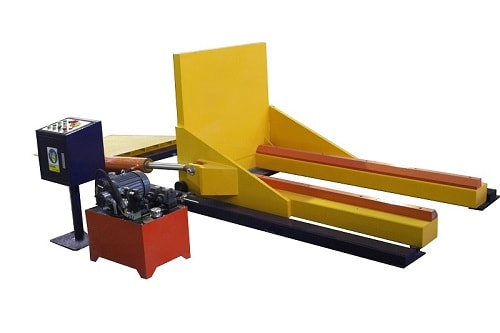
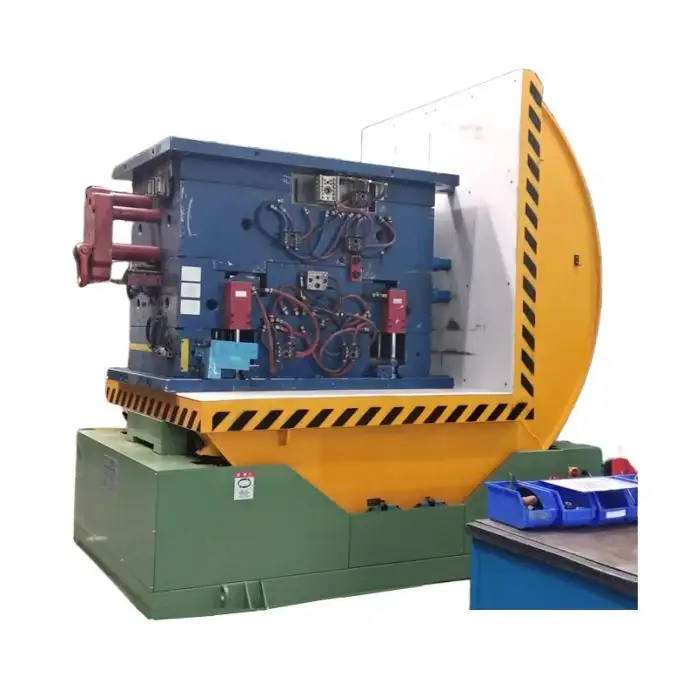
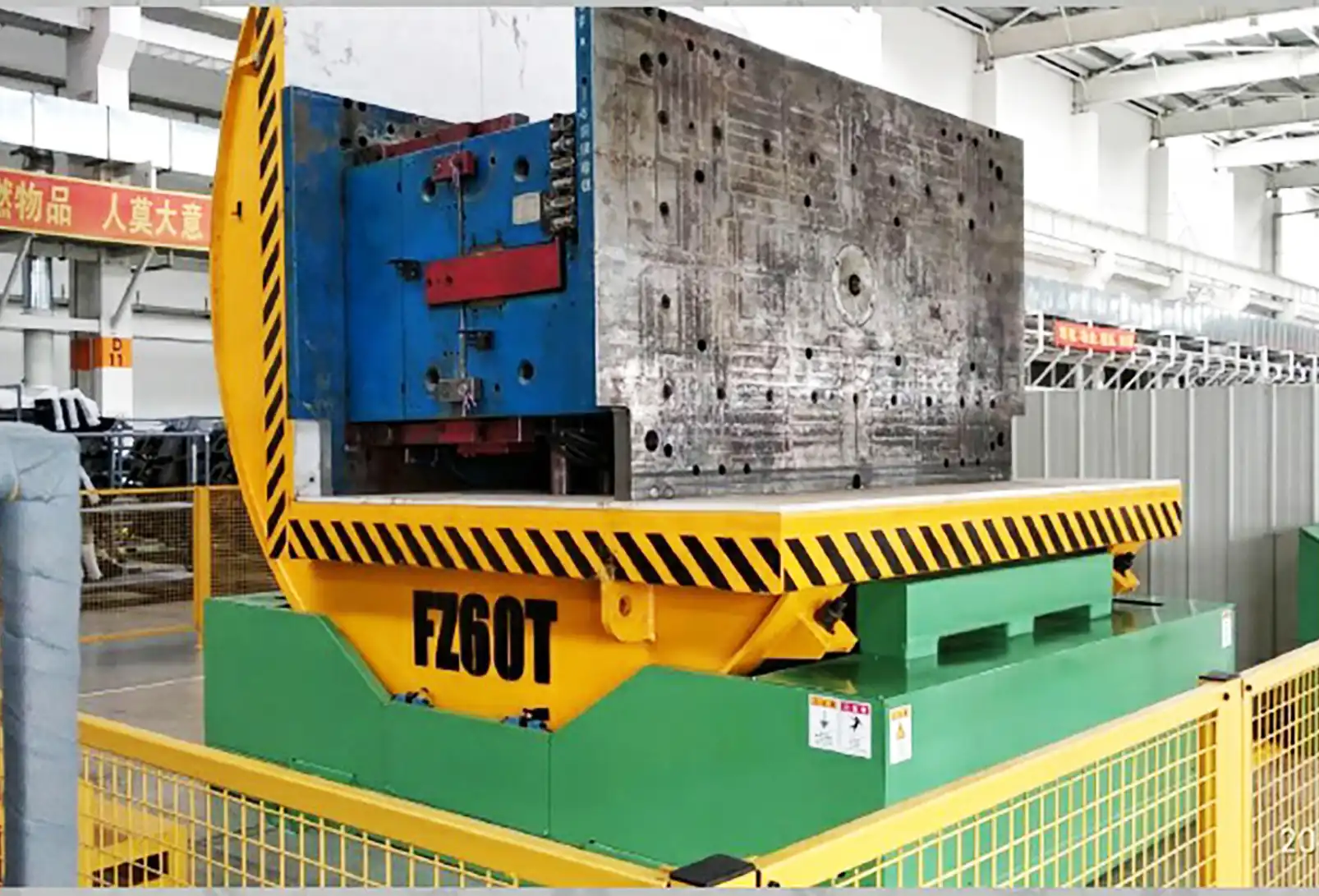
Mold upenders, also known as mold tilters or mold flippers, are specialized pieces of equipment designed to safely and efficiently rotate injection molds. Their primary function is to transition molds between horizontal and vertical orientations, providing unparalleled access for maintenance, repair, and adjustments. While seemingly a simple function, the impact of integrating mold upenders into injection molding operations is profound, particularly in downtime reduction.
How Mold Upenders Minimize Downtime:
- Accelerated Mold Handling: Traditional mold handling methods, often relying on overhead cranes and manual rigging, are inherently slow and potentially hazardous. Mold upenders offer a controlled and rapid method for rotating molds. This significantly reduces the time spent on mold changeovers and accessing different mold faces during maintenance.
- Enhanced Mold Maintenance Efficiency: Cleaning and maintaining injection mold cooling channels is crucial for consistent product quality. Upenders allow technicians to rotate molds to the optimal position for cleaning, inspection, and repair of cooling lines, gates, and venting systems. Vertical positioning facilitates drainage and access, making cleaning processes faster and more thorough.
- Improved Safety and Reduced Risk of Damage: Manual mold handling carries the risk of accidents, both for personnel and the molds themselves. Dropped or damaged molds lead to extensive downtime and repair costs. Mold upenders provide a stable and secure platform for rotation, minimizing the risk of accidents and damage during handling, contributing to consistent uptime.
- Facilitation of Proactive Maintenance: With faster and safer mold handling offered by upenders, injection molding facilities can more readily implement proactive maintenance schedules. Regular inspections and cleaning, facilitated by easy mold rotation, prevent minor issues from escalating into major breakdowns, reducing unplanned downtime.
Case Study: Implementing Mold Upenders for Downtime Reduction at XYZ Plastics
To illustrate the impact of mold upenders, consider the case of XYZ Plastics, a medium-sized injection molding facility producing automotive components. XYZ Plastics faced significant downtime challenges, primarily attributed to lengthy mold changeovers and reactive mold maintenance. Their existing process relied heavily on overhead cranes for mold handling, leading to average mold changeover times of 4-6 hours and frequent production interruptions due to unscheduled mold repairs.
Challenge: - Excessive downtime during mold changes and maintenance.
- Slow and cumbersome mold handling processes.
- Reactive maintenance approach leading to unexpected breakdowns.
- Safety concerns associated with overhead crane based mold handling.
Solution:
XYZ Plastics implemented two hydraulic mold upenders in their mold maintenance and tooling areas. These upenders were strategically positioned to facilitate quick mold rotation for both maintenance and changeover operations. Alongside the upenders, they also implemented a more structured preventative maintenance schedule for their molds, leveraging the improved access provided by the upenders.
Implementation Process:- Needs Assessment: XYZ Plastics conducted a thorough analysis of their downtime sources and identified mold handling as a major bottleneck.
- Upender Selection: They selected hydraulic mold upenders with sufficient load capacity and rotation capabilities for their range of molds.
- Installation and Training: The upenders were installed in designated areas, and operators and maintenance personnel received comprehensive training on safe and efficient operation.
-
Process Optimization: Standardized procedures for mold handling and preventative maintenance were developed, incorporating the use of mold upenders.
Results:
The implementation of mold upenders yielded dramatic improvements in downtime and operational efficiency at XYZ Plastics. Key results are summarized below:Metric Before Upender Implementation After Upender Implementation Improvement Average Mold Changeover Time 4-6 Hours 1.5-2 Hours 60-67% Reduction Mold Maintenance Time Variable, Reactive Scheduled, Proactive Significant Reduction in Reactive Maintenance Time
| Downtime Incidents per Month | 5-7 | 1-2 | 75-85% Reduction | Mold Damage Incidents | 2-3 per year | 0 | 100% Reduction | Cooling Channel Cleaning Time | 6 Hours (Manual Cleaning) | 2 Hours (Upender Assisted) | 67% Reduction | Data Representation of Downtime Reduction: | Category | Before Upenders (Hours/Month - Estimated) | After Upenders (Hours/Month - Estimated) | Reduction (Hours/Month) | ||
|---|---|---|---|---|---|---|---|---|---|---|---|---|---|---|---|---|---|---|
| Mold Changeovers | 25 (5 changes x 5 hours avg.) | 7.5 (5 changes x 1.5 hours avg.) | 17.5 | |||||||||||||||
| Reactive Maintenance | 30 | 10 (Proactive Schedule Implemented) | 20 | |||||||||||||||
| Total Downtime | 55 | 17.5 | 37.5 Hours/Month Reduction |
The data clearly demonstrates a significant reduction in downtime across all measured categories leading to a substantial overall reduction in monthly downtime. By streamlining mold handling processes and enabling proactive maintenance, mold upenders proved to be a key investment for downtime minimization at XYZ Plastics.
Qualitative Benefits:
- Improved Operator Safety: The risk of accidents during mold handling was significantly reduced, creating a safer working environment.
- Enhanced Mold Lifespan: Reduced handling damage and proactive maintenance contributed to extended mold lifespan.
- Increased Production Capacity: The reduced downtime translated directly to increased production uptime and capacity, allowing XYZ Plastics to meet deadlines more effectively.
- Better Product Quality: Consistent mold maintenance, particularly cleaning of cooling channels, contributed to improved part quality and reduced rejects, indirectly minimizing “quality-related downtime”.
Key Benefits of Mold Upenders in Downtime Reduction:
- Significantly Reduced Mold Changeover Times: Streamline mold changes for faster production line transitions.
- Faster and More Efficient Mold Maintenance: Facilitate quicker and more thorough cleaning, inspections, and repairs.
- Enhanced Safety in Mold Handling Operations: Minimize the risk of accidents and injuries during mold rotation and manipulation.
- Reduced Risk of Mold Damage: Secure and controlled mold handling minimizes the likelihood of costly mold repairs and replacements.
- Promotion of Proactive Maintenance Schedules: Enable easy and frequent mold inspections and preventative actions, reducing unplanned breakdowns.
- Improved Cooling Efficiency through Better Cleaning Access: Upenders aid in thorough cleaning of cooling channels, crucial for maintaining consistent cycle times and part quality, reducing downtime caused by quality issues.
- Increased Production Uptime and Throughput: Minimize downtime directly translates to more production time and higher output.
Conclusion: Investing in Uptime with Mold Upenders
In the demanding world of injection molding, downtime is a critical metric that directly impacts the bottom line. Mold upenders emerge as a powerful and practical solution for significantly reducing downtime related to mold handling, maintenance, and changeovers. By providing a safer, faster, and more efficient method for manipulating injection molds, upenders empower facilities to optimize their operations, enhance productivity, and ultimately, maximize profitability. For injection molding facilities seeking to minimize downtime and stay competitive, investing in mold upender technology is not just an expense, but a strategic investment in sustained operational excellence and increased uptime. Implementing mold upenders in injection molding facilities dramatically reduces downtime by streamlining mold handling, accelerating maintenance, and ensuring safer operations, making them a crucial investment for enhanced productivity and profitability.