How Industry 4.0 is Shaping the Next Generation of Mold Upenders
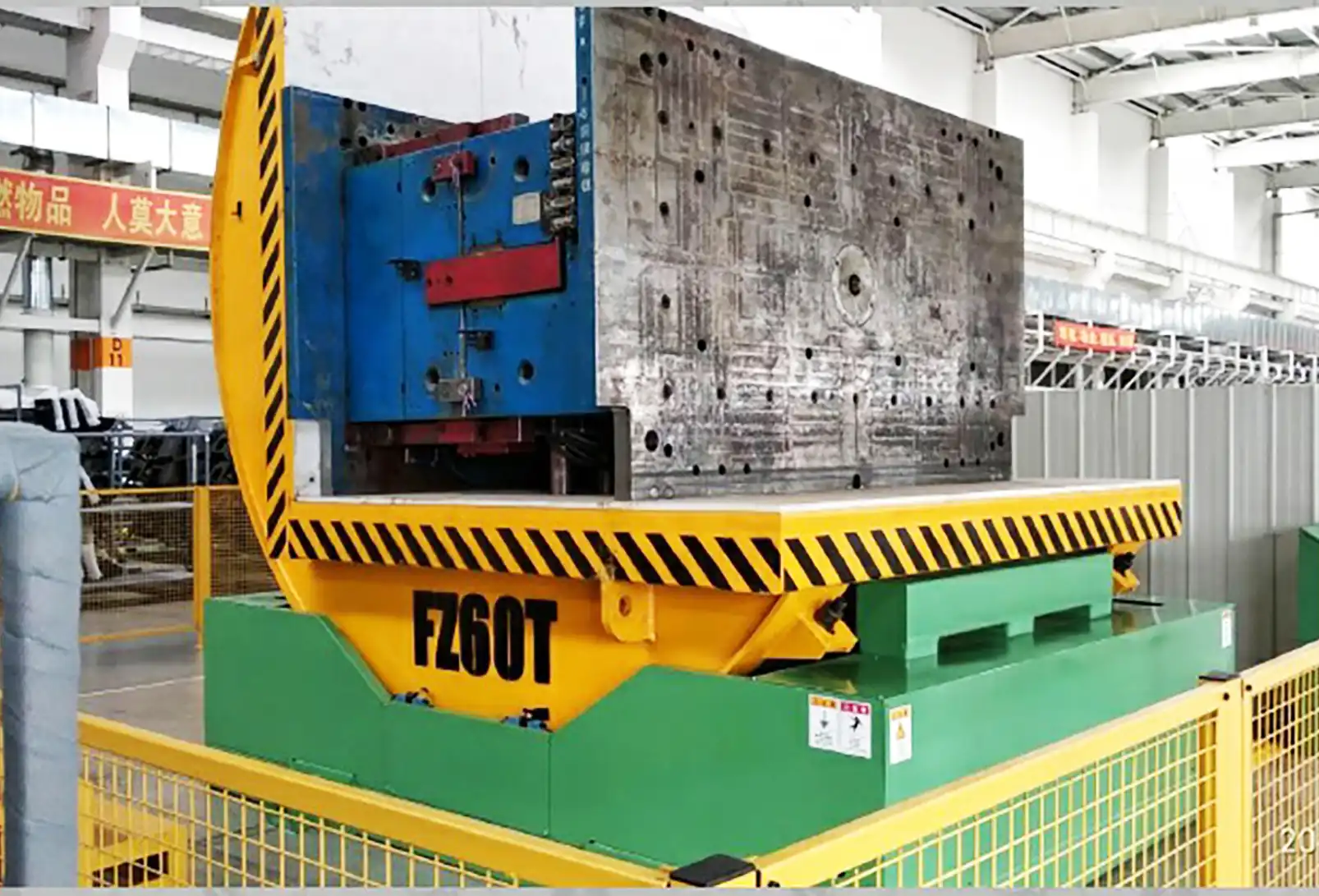
Industry 4.0 is revolutionizing mold upenders and related heavy mold handling equipment with smart technologies. By integrating IoT sensors, AI-driven analytics, and automation, manufacturers are achieving unprecedented levels of efficiency, safety, and precision in mold operations, paving the way for a new era of smart manufacturing.
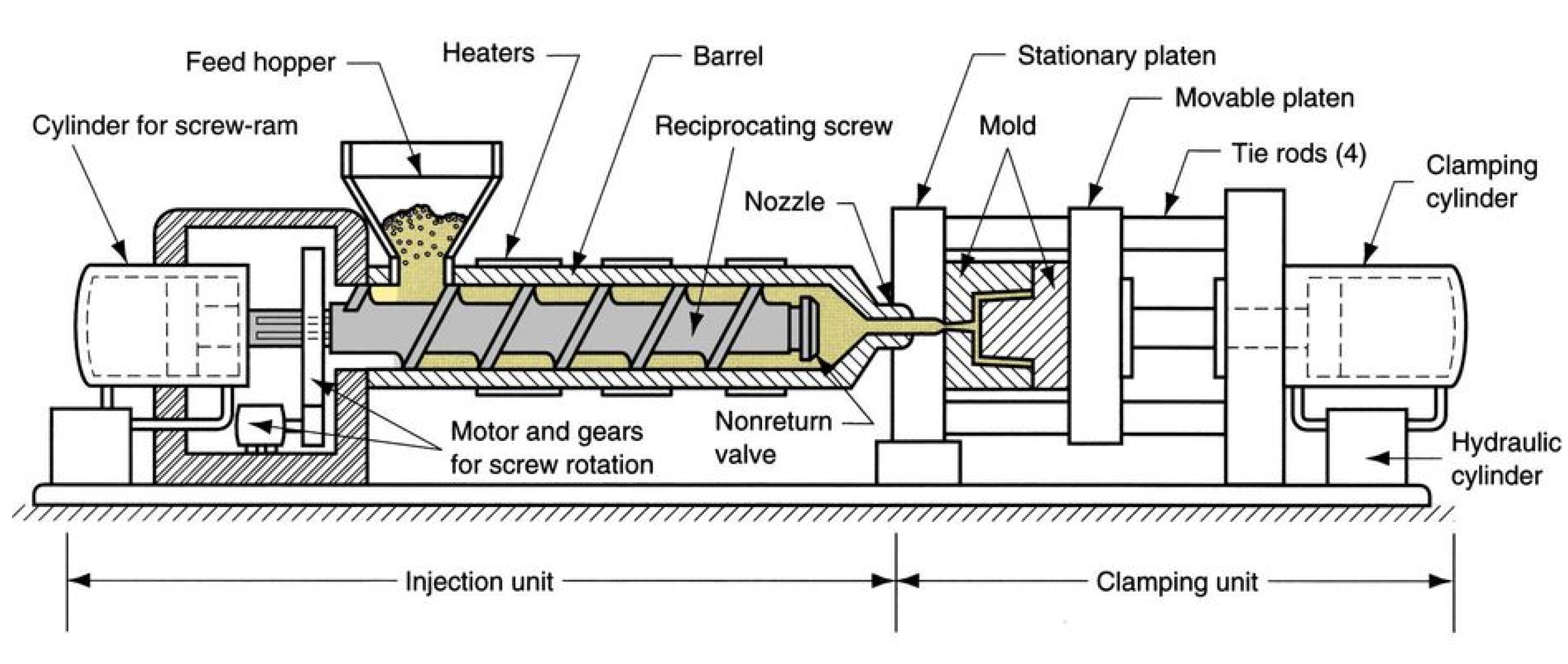
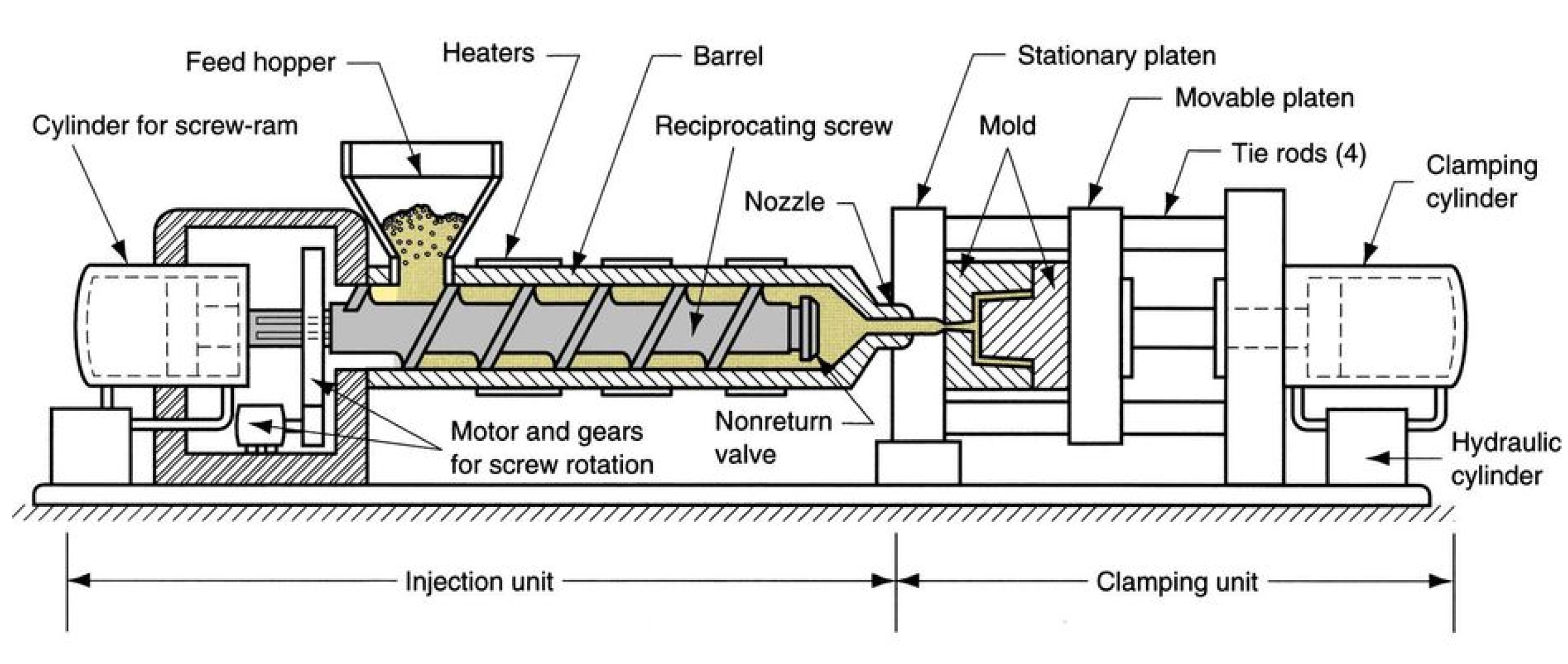
The manufacturing landscape is undergoing a seismic shift, propelled by the transformative force of Industry 4.0. This fourth industrial revolution, characterized by the convergence of digital technologies with physical industrial processes, is reshaping industries across the globe. At the heart of modern manufacturing, the plastic injection molding sector, crucial for producing a vast array of products, is experiencing profound changes. Industry 4.0's integration promises to enhance productivity, elevate quality, and foster sustainability in injection molding, impacting every stage of the process, including mold handling with equipment like mold upenders.
The Cornerstones of Industry 4.0: Building the Smart Factory
Industry 4.0 is not a singular technology but a confluence of several disruptive innovations. These technologies act synergistically to create interconnected, intelligent manufacturing ecosystems. Let's explore the key pillars underpinning this revolution:
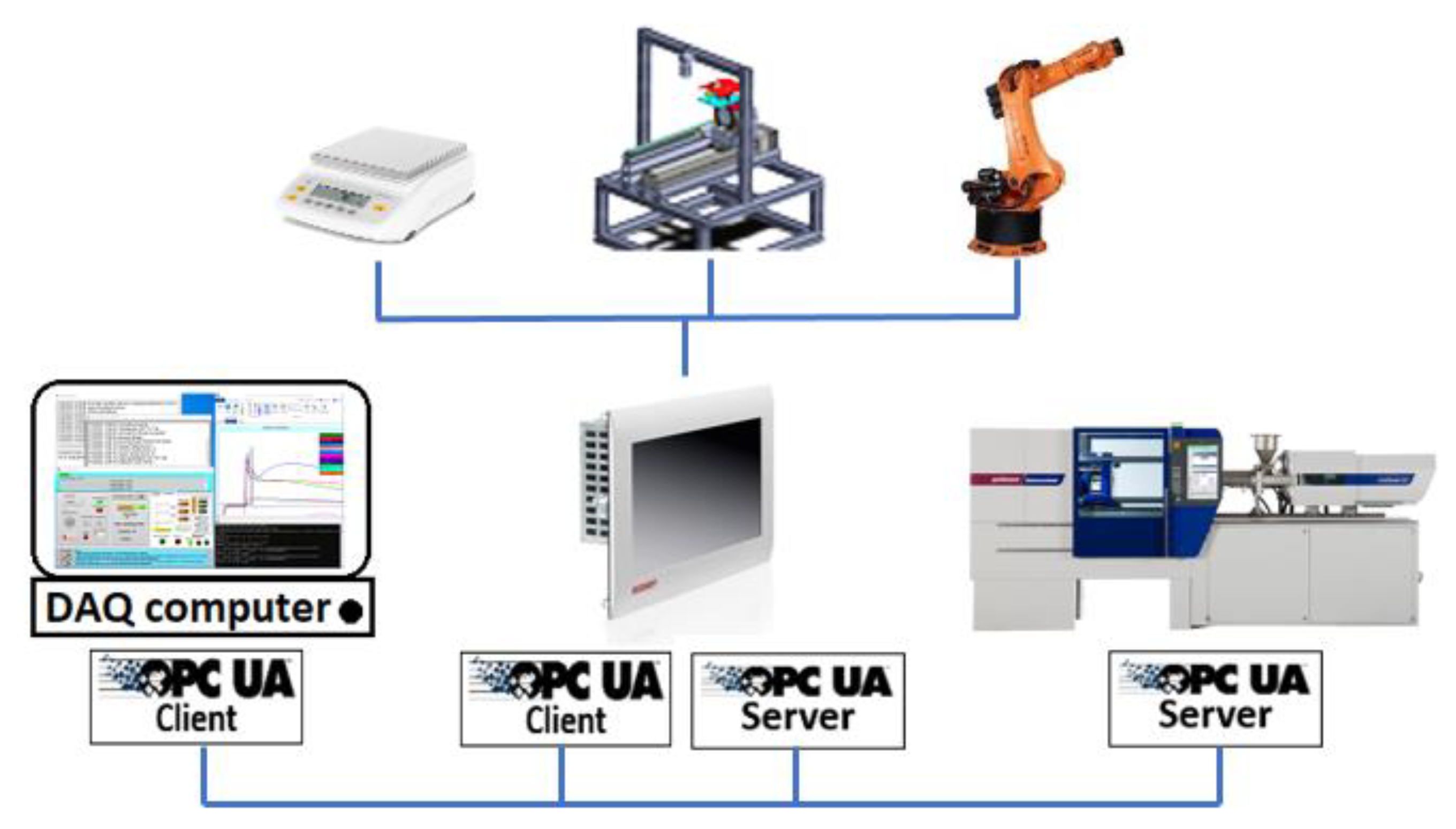
- Internet of Things (IoT): Imagine a factory floor where every machine, sensor, and device is interconnected, communicating seamlessly in real-time. This is the reality enabled by the IoT. In the context of mold handling and injection molding, IoT sensors embedded in equipment and molds can continuously monitor performance metrics, material conditions, and environmental factors. This constant stream of data facilitates predictive maintenance, minimizing downtime and prolonging equipment lifespan – benefits directly applicable to mold upenders ensuring the longevity of these critical assets.
- Artificial Intelligence (AI) and Machine Learning: The vast amounts of data generated by IoT devices are only valuable when processed and analyzed intelligently. This is where AI and machine learning come into play. These powerful tools can sift through massive datasets to identify patterns, predict anomalies, and optimize processes. In injection molding, AI algorithms can forecast potential defects, suggest ideal machine settings, and refine product quality. For mold upenders and related equipment, AI can analyze operational data to predict maintenance needs or optimize handling procedures for safety and efficiency.
- Big Data Analytics: Beyond the immediate insights from AI, big data analytics provides a broader, strategic perspective. By processing and analyzing large historical and real-time datasets, manufacturers can gain deep insights into production trends, pinpoint inefficiencies, and make data-driven decisions. This intelligence can inform decisions about mold maintenance schedules, optimize mold storage and retrieval processes involving upenders, and enhance overall supply chain management related to tooling.
- Robotics and Automation: Automation has long been a part of manufacturing, but Industry 4.0 takes it to a new level with intelligent, collaborative robots and automated systems. In injection molding, robots handle repetitive, physically demanding tasks such as part removal, assembly, and packaging. In the realm of mold handling, automated systems integrated with mold upenders can streamline mold changes, reduce manual handling risks, and increase the speed and precision of mold operations. Lights-out manufacturing, where production runs autonomously, becomes a tangible possibility with advanced automation.
- Cyber-Physical Systems (CPS): CPS bridge the gap between the physical and digital worlds. These systems integrate physical processes with digital control and monitoring, creating a closed-loop feedback system. In injection molding and mold handling, CPS enable real-time monitoring and control of production processes. For mold upenders, this translates to precise control over mold tilting and handling, ensuring safe and accurate positioning and reducing the risk of damage.
Industry 4.0 Benefits: Revolutionizing Mold Operations
The integration of Industry 4.0 technologies yields a multitude of benefits, transforming mold operations and the broader injection molding landscape:
| Benefit | Description | Impact on Mold Operations/Upenders |
| :----------------------- | :------------------------------------------------------------------------------------------------------------------ | :---------------------------------------------------------------------------------------------------------------------------------------------------- |
| Enhanced Productivity | Automation and real-time monitoring optimize processes, reducing cycle times and increasing output. | Faster mold changeovers, reduced manual handling time with upenders, predictive maintenance minimizing downtime for mold handling equipment. |
| Improved Quality | Advanced analytics and AI enable early defect detection and consistent high standards. | Ensuring molds are handled and stored correctly, reducing damage that could impact part quality. Precise positioning of molds during maintenance.|
| Cost Efficiency | Optimized machine performance and reduced downtime lower operational expenses. Automation reduces labor costs. | Reduced labor for mold handling, lower maintenance costs through predictive strategies, efficient energy usage through optimized equipment operation. |
| Flexibility & Customization | Smart factories adapt quickly to changing demands, enabling flexible manufacturing and customized products. | Faster adaptation to different mold sizes and types. Facilitating quick mold changes for customized production runs. |
| Sustainability | Optimized energy usage, reduced material waste, and enhanced resource efficiency promote green manufacturing. | Optimized energy consumption of mold handling equipment, reduced mold damage extending mold lifespan and reducing material waste from damaged molds. |
Real-World Applications: Industry 4.0 Enhancing Mold Technology
Let's delve into specific applications of Industry 4.0 technologies that are directly impacting mold related processes, including areas where mold upenders play a role:
1. Predictive Maintenance: Ensuring Uptime and Longevity for Molds and Handling Equipment
Predictive maintenance is a game-changer in manufacturing. By leveraging IoT sensors and big data analytics, manufacturers can shift from reactive to proactive maintenance strategies.
How it works:
- IoT Sensor Monitoring: Sensors are installed on critical equipment – including mold upenders, injection molding machines, and even within molds themselves – to monitor parameters like vibration, temperature, pressure, and usage patterns.
- Data Analytics for Actionable Insights: AI and machine learning algorithms analyze this real-time data to identify subtle anomalies and predict potential equipment failures before they occur.
- Proactive Maintenance Scheduling: Maintenance tasks can be scheduled based on actual equipment condition rather than fixed intervals, optimizing maintenance windows and preventing unexpected breakdowns.
Benefits in Mold Operations: - Minimized Downtime: Predicting failures in mold upenders or associated cranes and handling systems prevents sudden production halts due to equipment malfunction.
- Reduced Maintenance Costs: Proactive maintenance is more cost-effective than emergency repairs. It also extends the life of equipment and molds by addressing issues early.
- Increased Productivity: Reliable mold handling equipment ensures smooth and uninterrupted production flow.
Success Story Example: Imagine a large injection molding facility using mold upenders for frequent mold changes. By implementing predictive maintenance on their upenders and cranes, they could track motor performance, hydraulic fluid condition, and stress on lifting mechanisms. AI algorithms analyze this data to predict potential failures of critical components, allowing maintenance teams to replace parts during scheduled downtime, avoiding costly emergency repairs and maximizing uptime.2. Real-Time Quality Control: Ensuring Mold Integrity and Part Excellence
Quality control in injection molding is paramount. Industry 4.0 enables real-time quality monitoring, ensuring every part meets stringent specifications, and that molds are maintained in optimal condition to consistently produce high-quality parts. This extends to ensuring molds themselves are not damaged during handling.
Real-Time Quality Control Processes: - Continuous Monitoring with Advanced Sensors: Sensors monitor crucial process parameters within the injection molding machine itself. In the context of mold handling, sensors could also verify correct mold seating and alignment after being handled by an upender.
- AI Analytics for Immediate Adjustments: AI algorithms analyze sensor data in real-time to detect deviations from quality standards. If an issue arises potentially from mold damage during handling, alerts can be triggered.
- Automated Inspections: Automated systems, including robotic arms and vision systems, can inspect molded parts for defects. While not directly inspecting the mold via upenders, ensuring consistent part quality is a feedback loop that reflects mold condition.
Advantages for Mold Quality and Handling:
- Consistent Product Quality: Real-time monitoring helps maintain consistent part quality, indirectly reflecting on the mold's consistent performance and proper handling over time.
- Waste Reduction: Early detection of quality issues minimizes material waste and rework, potentially linked to mold issues that could stem from handling damage.
- Increased Efficiency: Automated inspections streamline quality control, accelerating production cycles, and reducing reliance on manual inspections which can be less consistent when assessing mold condition.
Case Example: Consider a company specializing in high-precision medical components made through injection molding. Real-time quality control systems monitor critical molding parameters. If the system detects a subtle shift in part dimensions, which could be indicative of mold wear or even subtle mold damage from handling, adjustments can be made immediately. This proactive approach ensures consistent part quality and can flag potential mold maintenance needs early.Tooling 4.0: The Smart Mold Ecosystem
The concept of Tooling 4.0 represents a significant evolution in mold technology within the Industry 4.0 framework. Tooling 4.0 is about transforming "inefficient" or "passive" molds into "intelligent" and connected tools.
Key Aspects of Tooling 4.0: - Digitally Instrumented Molds: Embedding sensors directly into molds to monitor internal conditions like pressure, temperature, and strain during each cycle.
- Connectivity and Data Output: Molds are equipped to transmit data wirelessly, providing real-time insights into mold performance and condition.
- Virtual Mold Analysis: Creating digital twins of molds to simulate molding processes, predict performance, and optimize mold design.
- Reverse Engineering and Digitalization: Leveraging 3D scanning and modeling to create digital representations of existing molds for analysis and optimization.
Advantages of Tooling 4.0 for Mold Operations: - Enhanced Mold Performance: Data-driven insights enable optimization of mold design, cooling systems, and material flow, leading to improved cycle times and part quality.
- Predictive Mold Maintenance: Monitoring mold conditions in real-time allows for proactive maintenance, extending mold lifespan and reducing tooling costs.
- Improved Mold Handling and Storage: Understanding mold performance and potential wear points through Tooling 4.0 data can inform better handling procedures, for example, when using mold upenders, and optimize storage conditions to prevent degradation.
Navigating Challenges and Embracing the Future
While the benefits of Industry 4.0 in mold operations are undeniable, the transition is not without its challenges. Initial investments in advanced technologies, the need for skilled personnel to manage complex smart systems, and concerns regarding data security and privacy are all important considerations.
Overcoming Challenges: - Strategic Investment: Implement Industry 4.0 solutions strategically, focusing on scalable and modular systems that can be adopted incrementally.
- Workforce Training: Invest in training and upskilling the workforce to manage and maintain these new technologies effectively.
- Data Security Measures: Prioritize robust cybersecurity measures to protect sensitive manufacturing data.
The Future is Smart:
Industry 4.0 is not merely a technological upgrade; it's a fundamental shift in manufacturing philosophy. By embracing digital transformation, the plastic injection molding industry, including mold handling and operations involving equipment like mold upenders, is poised to achieve unprecedented levels of efficiency, quality, and sustainability. As technology continues to advance at an exponential pace, the integration of Industry 4.0 will undoubtedly be the driving force shaping the future of smart, resilient, and competitive manufacturing. The next generation of mold upenders and mold handling solutions will be smarter, safer, and more integrated than ever before, playing a crucial role in the connected factories of the future.