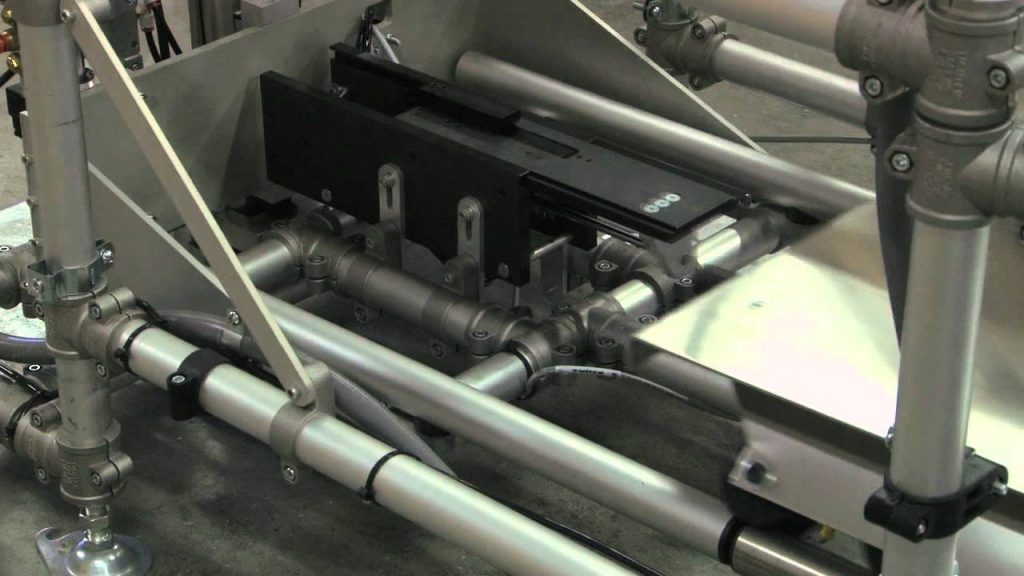
IoT-Enabled Mold Upenders: Real-Time Monitoring & Predictive Maintenance
In today's fast-paced manufacturing landscape, downtime is the enemy. IoT-enabled mold upenders with real-time monitoring and predictive maintenance are revolutionizing operations by drastically reducing unexpected failures, slashing maintenance costs, and ensuring peak performance. This smart technology keeps production lines moving and bottom lines healthy.
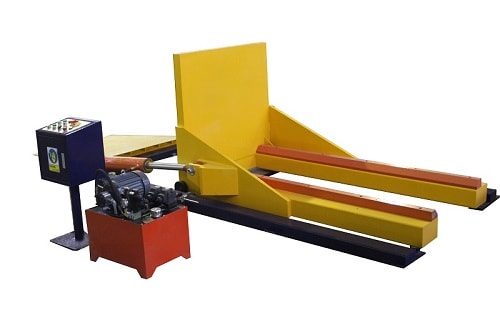
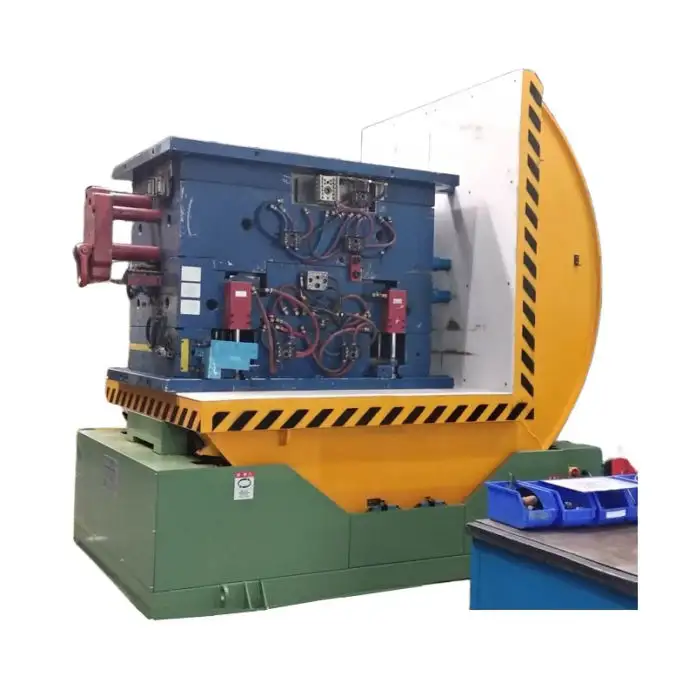
In the relentless pursuit of operational excellence, industries are constantly seeking innovative solutions to enhance efficiency and minimize disruptions. For sectors heavily reliant on molding processes, like plastics manufacturing, automotive component production, and die casting, mold upenders are indispensable pieces of equipment. These robust machines are crucial for safely and efficiently rotating and positioning heavy molds for maintenance, repair, and tooling changes. However, the very nature of their demanding tasks and heavy loads means mold upenders are susceptible to wear and tear, and without proactive management, unexpected downtime can cripple production lines.
Traditional maintenance approaches for mold upenders often fall into two categories: reactive and scheduled. Reactive maintenance, or "run-to-failure," addresses issues only after a breakdown occurs, leading to lengthy downtime, emergency repairs, and significant production losses. Scheduled maintenance, while preventative, is time-based and may result in unnecessary interventions or fail to catch developing issues between scheduled checks. Both methods leave significant room for improvement in terms of cost-effectiveness and operational continuity.
This is where the transformative power of the Internet of Things (IoT) and predictive maintenance comes into play. By integrating IoT sensors and advanced analytics, mold upender maintenance is evolving from reactive or time-based schedules to a proactive, data-driven paradigm. IoT-enabled mold upenders equipped with real-time monitoring capabilities are ushering in a new era of operational efficiency and equipment reliability.
The Smart Revolution: IoT for Mold Upender Maintenance
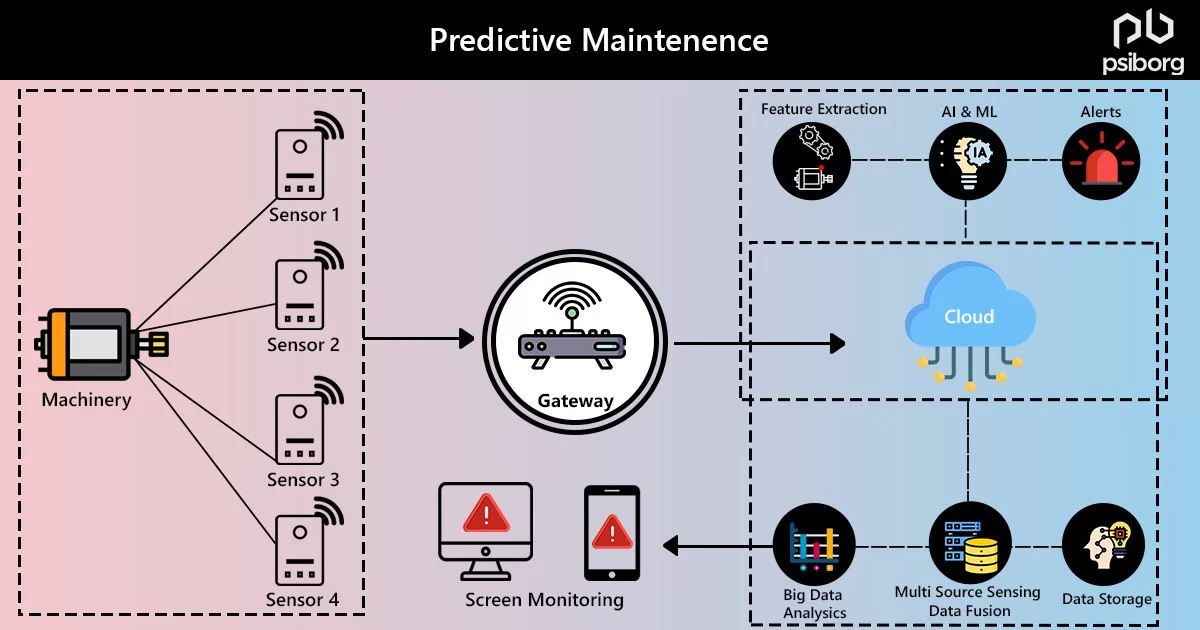
Imagine mold upenders that are not just heavy-lifting machines, but also intelligent assets capable of communicating their health status in real-time. This is the reality enabled by IoT sensors. Strategically placed sensors on critical components of mold upenders – such as hydraulic systems, motors, bearings, and structural elements – continuously collect data on parameters like vibration, temperature, pressure, and operational hours.
This constant stream of data is then transmitted wirelessly to a central platform, often cloud-based, where advanced analytics and machine learning algorithms work their magic. These algorithms analyze historical trends, identify patterns, and detect even subtle anomalies that could indicate impending failures. This sophisticated system transforms raw data into actionable insights, allowing maintenance teams to foresee potential problems long before they escalate into costly breakdowns.
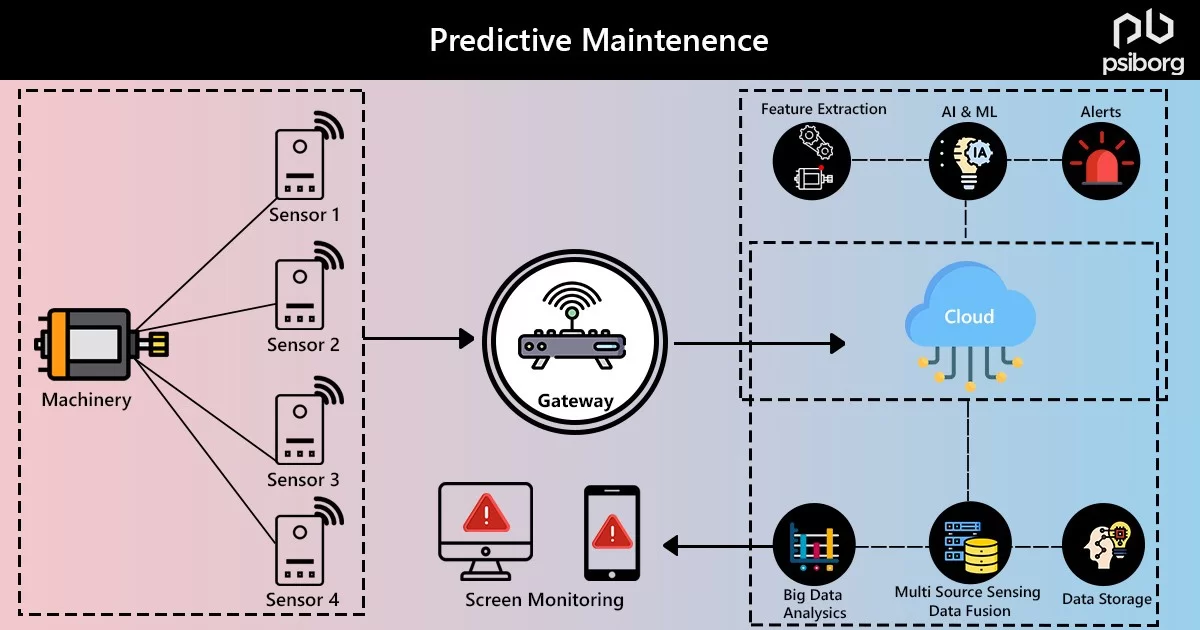
Key Benefits of IoT-Enabled Mold Upenders and Predictive Maintenance
The adoption of IoT-enabled mold upenders and predictive maintenance strategies brings a wealth of advantages to industrial operations:
Minimize Downtime – Maximize Uptime
Unplanned downtime is a major drain on productivity and profitability in any manufacturing setting. IoT-enabled predictive maintenance excels at drastically reducing unexpected breakdowns. By continuously monitoring the health of mold upenders, potential issues are flagged early, allowing for timely interventions during scheduled maintenance windows, rather than disruptive emergency stops. This proactive approach ensures that mold upenders are always in optimal working condition, maximizing uptime and keeping production flowing smoothly. Studies show that predictive maintenance can increase equipment uptime by up to 30%.
Cut Maintenance Costs Significantly
Traditional reactive maintenance often leads to costly emergency repairs, expedited parts orders, and overtime labor. Scheduled maintenance can result in unnecessary interventions and component replacements before their actual end-of-life. Predictive maintenance offers a far more efficient and cost-effective approach. By accurately predicting when maintenance is needed, organizations can optimize maintenance schedules, reduce unnecessary interventions, and minimize component waste. Deloitte research indicates that businesses implementing predictive maintenance strategies can reduce maintenance costs by up to 40%. Furthermore, proactive maintenance extends the lifespan of critical components, reducing the frequency of replacements and contributing to long-term cost savings.
Extend Mold Upender Lifespan
The proactive nature of predictive maintenance not only prevents immediate failures but also contributes to extending the overall lifespan of mold upender assets. By addressing minor issues before they become major problems, wear and tear on components is minimized, and the equipment operates within optimal parameters for longer. This extended asset lifespan translates directly to reduced capital expenditure on replacements and a greater return on investment in the initial equipment.

Boost Operational Efficiency
Beyond just preventing breakdowns and saving costs, IoT-enabled predictive maintenance streamlines overall maintenance operations. Automated data collection and analysis eliminate the need for manual inspections and subjective assessments, freeing up maintenance personnel for more strategic tasks. Maintenance schedules can be optimized based on actual equipment condition rather than fixed time intervals, leading to more efficient resource allocation and improved workflow. Predictive analytics dashboards provide maintenance teams with a clear and comprehensive view of equipment health, enabling data-driven decision-making and optimized maintenance planning.
Enhance Safety
Remote monitoring through IoT sensors also contributes to a safer working environment. By continuously tracking equipment conditions, potential safety hazards, such as overheating or excessive vibration, can be identified and addressed proactively. Early detection of such issues can prevent accidents, protect personnel, and ensure compliance with safety regulations.
Data-Driven Insights at Your Fingertips
| The true power of IoT-enabled mold upender maintenance lies in the rich data it generates and the actionable insights it provides. Maintenance teams gain access to real-time performance metrics, historical trends, and predicted failure timelines, all presented in intuitive dashboards. This data-driven approach empowers informed decision-making, optimized maintenance strategies, and continuous improvement of operational processes. | Feature | Traditional Mold Upender Maintenance (Reactive/Scheduled) | IoT-Enabled Mold Upender Maintenance (Predictive) |
|---|

| Maintenance Trigger | Breakdown or Time-Based Schedule | Real-time Condition Monitoring & Predictive Analytics |
| Downtime Impact | High – Unexpected & Prolonged | Low – Primarily Scheduled |
| Maintenance Costs | High – Emergency Repairs, Potential Over-Maintenance | Lower – Optimized Interventions, Reduced Waste |
| Equipment Lifespan | Potential for Reduced Lifespan due to Reactive Approach | Extended Lifespan through Proactive Care |
| Operational Efficiency| Lower – Inefficient Resource Allocation | Higher – Streamlined Processes, Data-Driven Optimization |
| Safety | Reactive – Potential for Unforeseen Hazards | Proactive – Early Hazard Detection & Prevention |
| Decision Making | Reactive & Experience-Based | Data-Driven & Predictive |
Real-World Impact on Molding Operations
Imagine a large-scale plastic injection molding facility relying on numerous mold upenders for daily operations. Implementing IoT sensors and predictive maintenance could revolutionize their maintenance workflow. Instead of reacting to sudden breakdowns that halt production lines and disrupt delivery schedules, the facility gains the ability to anticipate potential issues.
For example, sensors detect a gradual increase in vibration in a critical bearing within a mold upender's rotating mechanism. The predictive maintenance system flags this anomaly, alerting the maintenance team with ample time to schedule a bearing replacement during a planned tooling change. This proactive intervention prevents a catastrophic failure, avoids unplanned downtime, minimizes repair costs, and ensures the mold upender remains operational when needed most.
Similarly, in a die casting operation, where mold upenders endure extreme temperatures and heavy loads, real-time monitoring of hydraulic fluid pressure and temperature can detect early signs of system degradation. Predictive alerts can prompt timely maintenance, such as fluid changes or seal replacements, preventing hydraulic system failures and ensuring the continued safe and efficient operation of the upender.
The Future is Smart and Predictive
IoT-enabled mold upenders and predictive maintenance are not just a futuristic concept; they are a present-day reality transforming industrial operations. As technology continues to advance, we can expect even more sophisticated sensors, advanced analytics, and seamless integration of IoT solutions into industrial equipment.
Embracing this smart technology empowers manufacturers to move beyond reactive and inefficient maintenance practices. By harnessing the power of data and predictive insights, businesses can unlock unprecedented levels of equipment reliability, operational efficiency, and cost savings. For industries reliant on mold upenders and similar heavy machinery, the journey towards proactive, predictive maintenance is not just an option – it's the pathway to sustained success and a competitive edge in the Industry 4.0 era.