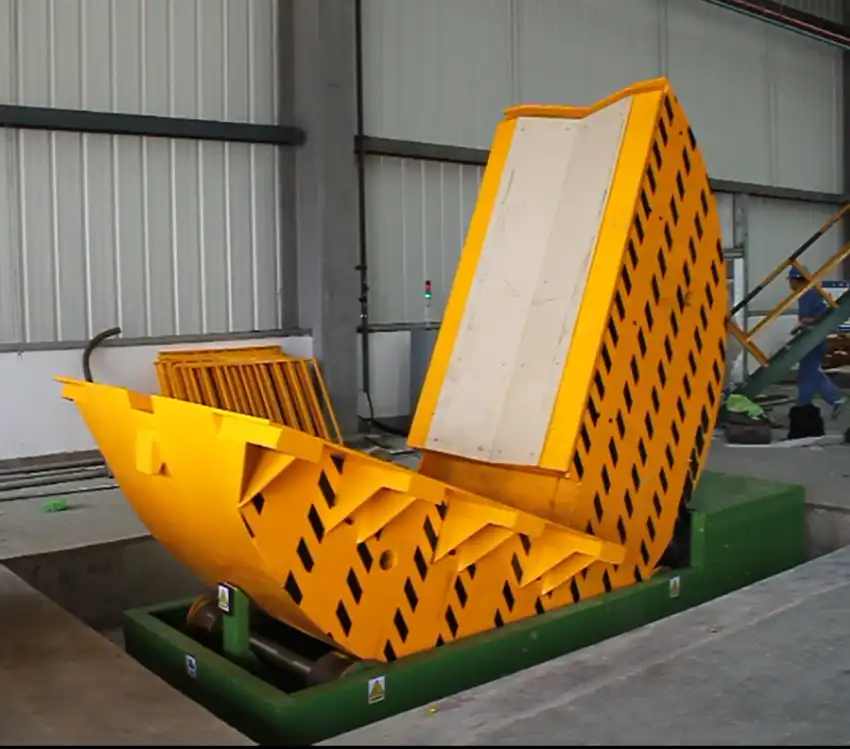
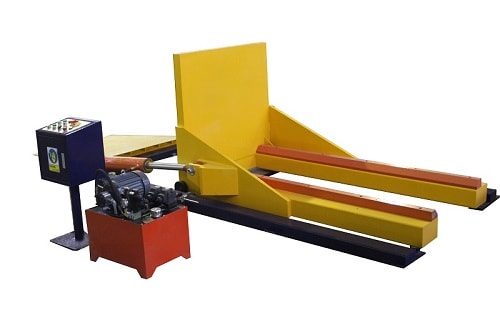
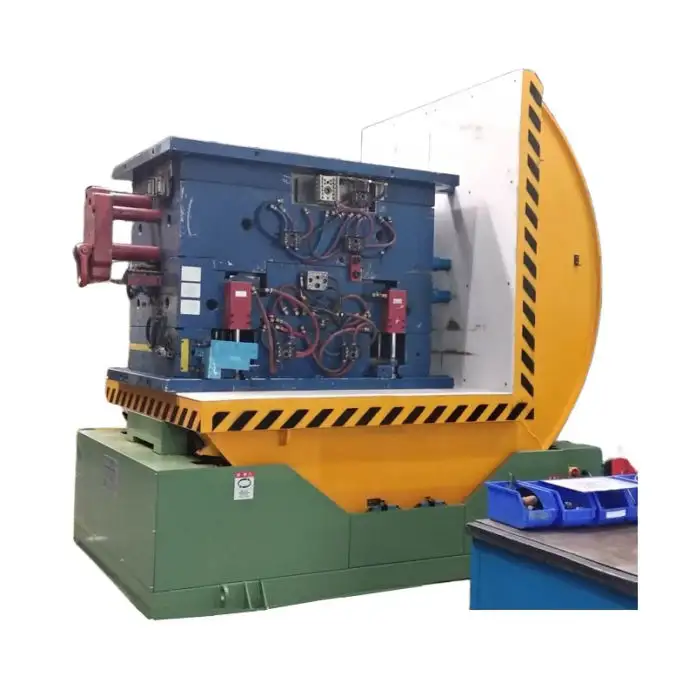
Relocating a mold upender is a significant undertaking, but with meticulous planning and execution, downtime can be minimized, ensuring operations swiftly return to peak efficiency. From pre-move assessments to post-installation checks, adhering to best practices is crucial for a seamless transition and sustained productivity.
In the fast-paced world of manufacturing, efficiency is paramount. Mold upenders stand as crucial pieces of equipment, streamlining the handling of heavy and unwieldy molds. These machines are unsung heroes in facilities focused on optimizing workflows and enhancing safety. However, facility layouts and production needs evolve. When the time comes to relocate a mold upender, whether within the same facility or to a new location, minimizing downtime becomes the ultimate objective. A poorly managed relocation can lead to extended operational interruptions, impacting production schedules and bottom lines. Conversely, a well-planned and executed move ensures a swift return to full operational capacity, safeguarding productivity and maintaining momentum.
Why Relocate a Mold Upender?
Before delving into the relocation process, understanding the drivers behind such a move is important. Several factors can necessitate the relocation of a mold upender:
- Facility Layout Optimization: As manufacturing processes are refined, layouts may need adjustments to improve flow and efficiency. Relocating a mold upender might be necessary to integrate it into a more streamlined production line or to accommodate new equipment additions.
- Workflow Enhancement: Changes in production workflows might dictate a more centralized or decentralized mold handling approach. Repositioning the upender can optimize material flow, reduce transportation distances, and eliminate bottlenecks.
- New Production Line Integration: The introduction of a new production line often requires a reassessment of equipment placement. Relocating an existing mold upender to serve a new line, or moving it to make space for new machinery, could be essential for overall system efficiency.
- Upgrading Facilities: Facility upgrades or expansions might necessitate the physical move of equipment, including mold upenders, to new areas within the facility or to entirely new buildings.
Whatever the reason, the key to a successful mold upender relocation lies in meticulous planning and adherence to best practices throughout the entire process.Pre-Relocation Planning: The Cornerstone of Minimal Downtime
Effective pre-relocation planning is the bedrock of a smooth and swift equipment move. This phase is where potential pitfalls are identified and addressed before they can cause costly delays. Key considerations during pre-relocation planning include:
- Detailed Site Assessment: Begin with a thorough assessment of both the current and intended locations for the mold upender. Measure doorways, corridors, and ceiling heights to ensure the upender can physically pass through all access points without obstruction. Evaluate the floor load capacity at the new location to guarantee it can safely support the weight of the upender and the molds it handles. Confirm power availability and compatibility at the new site, considering voltage, phase, and amperage requirements.
- Form a Dedicated Relocation Team: Establish a dedicated team responsible for overseeing and executing the relocation. This team should include personnel from maintenance, operations, safety, and potentially external rigging and moving specialists. Assign clear roles and responsibilities to each team member to ensure accountability and efficient coordination.
- Develop a Comprehensive Relocation Plan: A detailed relocation plan is indispensable. This plan should encompass a step-by-step procedure for disconnecting, moving, and reconnecting the mold upender. Include a precise timeline with allocated time for each stage, from initial disconnection to final commissioning. Identify potential risks and challenges associated with each step and outline corresponding mitigation strategies. A well-defined plan acts as a roadmap, minimizing confusion and delays.
- Prepare a Downtime Reduction Strategy: The primary goal is minimal downtime. Brainstorm and document specific strategies to expedite each phase of the relocation process. Consider performing preliminary tasks, such as preparing the new location and staging necessary tools and equipment, in advance. Schedule the relocation during non-peak production hours or planned maintenance windows to minimize impact on overall output.
- Secure Necessary Equipment and Tools: Identify and procure all necessary equipment for the relocation. This may include forklifts with sufficient lifting capacity, cranes for heavier units or complex paths, rigging equipment (slings, chains, shackles), specialized dollies or rollers, and all hand tools required for disconnection and reconnection. Ensure all equipment is inspected and in good working order before the relocation begins.
- Prioritize Safety Protocols: Safety must be paramount throughout the relocation. Conduct a thorough hazard assessment of the entire move, identifying potential risks such as pinch points, falling hazards, and electrical hazards. Develop and implement strict safety protocols, including lockout/tagout procedures for electrical and pneumatic systems, proper lifting techniques, and safe rigging practices. Ensure all personnel involved are thoroughly briefed on safety procedures and equipped with appropriate personal protective equipment (PPE).
By meticulously addressing these pre-relocation planning steps, manufacturers lay a robust foundation for a smooth, efficient, and, most importantly, downtime-minimized mold upender relocation.Executing the Relocation: Step-by-Step Best Practices
With a comprehensive plan in place, the execution phase focuses on precisely following the established procedures while maintaining flexibility to address any unforeseen issues that may arise. The relocation process typically encompasses these key steps:
- Preparation and Disconnection:
Lockout/Tagout Procedures: Before commencing any physical work, strictly adhere to lockout/tagout (LOTO) procedures. Disconnect and lock out all power sources – electrical and pneumatic – to the mold upender. This step is critical to ensure the safety of personnel during disconnection and prevents accidental machine activation.
Disconnect Utilities: Carefully disconnect all electrical wiring, pneumatic lines, and any other utility connections to the mold upender. Meticulously label all wires and connections during disconnection to facilitate accurate reconnection at the new location. Take photographs or create diagrams of connections as an additional visual aid.
Secure Moving Parts: Secure any moving parts of the mold upender to prevent unintended movement during transit. This might involve using straps, blocks, or pins to stabilize tilting mechanisms, rotating platforms, or other mobile components.
Remove External Attachments: Detach any external components or accessories from the mold upender that could be damaged during the move or hinder navigation through tight spaces. This could include control panels, safety barriers, or supplementary equipment.
- Preparation and Disconnection:
- Lifting and Moving:
- Rigging and Lifting Point Verification: Carefully inspect the designated lifting points on the mold upender as specified by the manufacturer. Ensure rigging equipment is appropriately rated for the weight of the upender and is in excellent condition. Employ certified riggers if the complexity of the lift warrants specialized expertise.
- Select Appropriate Lifting Equipment: Choose lifting equipment – forklift or crane – with adequate capacity, reach, and maneuverability for the specific relocation path. Consider the weight and dimensions of the mold upender, as well as any obstacles along the moving route.
- Controlled and Safe Movement: Execute the lifting and movement of the mold upender in a slow, controlled, and deliberate manner. Utilize spotters to guide the lifting equipment operator and ensure clearance from obstructions throughout the entire path. Maintain constant communication between the lifting team and spotters.
- Protect Fragile Components: Take extra precautions to protect delicate components of the mold upender during movement. Wrap sensitive parts in protective padding or cushioning material to prevent damage from bumps or vibrations during transit.
- Installation and Reconnection:
- Positioning and Alignment: Carefully position the mold upender at the designated location in the new facility, referencing the layout plan. Precisely align the upender according to floor markings or predetermined reference points. Ensure the upender is level and stable on the floor.
- Secure to the Floor: Securely anchor the mold upender to the floor according to manufacturer’s recommendations and safety standards. This may involve bolting the upender to designated anchor points in the floor to prevent movement or instability during operation.
- Reconnect Utilities: Re-establish all utility connections – electrical, pneumatic, etc.– referencing the labels, photographs, and diagrams created during disconnection. Double-check all connections to ensure they are correct, secure, and leak-free.
- Initial Inspections: Before powering up the mold upender, conduct a comprehensive visual inspection. Verify all mechanical connections are tight, moving parts are free, and safety devices are correctly positioned. Check for any signs of damage that may have occurred during the move.
Post-Relocation Commissioning: Ensuring Operational Readiness
Once the physical relocation and reconnection are complete, thorough commissioning is crucial to verify the mold upender is functioning optimally and safely in its new environment. Commissioning typically comprises these steps:
- Rigorous Inspections and Checks:
Mechanical Inspections: Conduct detailed inspections of all mechanical components. Check for proper alignment of moving parts, ensure all bolts and fasteners are tightened to specified torques, and verify the integrity of structural elements.
Electrical Inspections: Perform thorough electrical checks. Verify wiring connections are correctly made and secure, inspect for any frayed wires or damaged insulation, and test electrical grounding.
Pneumatic/Hydraulic Inspections: Inspect all pneumatic or hydraulic lines and fittings for leaks. Check fluid levels and pressure settings against manufacturer’s specifications. Ensure proper operation of valves and cylinders.
Safety System Verification: Meticulously test all safety systems, including emergency stop buttons, light curtains, safety interlocks, and overload protection devices. Confirm that all safety features are functioning as intended and effectively mitigate potential hazards.
- Operational Testing:
No-Load Testing: Initially, operate the mold upender without a mold to verify basic functionality. Check the smooth operation of all movements, including tilting and rotating mechanisms. Listen for any unusual noises or vibrations.
Gradual Load Testing: Progressively increase the load, starting with lighter molds and gradually working up to the maximum rated capacity. Monitor the upender’s performance under increasing loads, checking for any signs of strain or malfunction.
Full Capacity Testing: Conduct a test lift with a mold at the upender’s maximum rated capacity. Observe the stability and smooth operation of the machine under full load.
Cycle Testing: Perform multiple operational cycles, including loading, tilting, unloading, and returning to the starting position. This cycle testing helps identify any potential issues that may only surface under repeated operation. - Calibration and Adjustments: Based on the operational testing, perform any necessary calibrations and adjustments to fine-tune the mold upender’s performance. This may involve adjusting sensor settings, pressure регуляторы, or control parameters to ensure optimal precision and efficiency.
- Operator Training and Familiarization: Provide refresher training to operators in the new location. Highlight any changes in the operating environment or layout. Emphasize safety procedures and best practices specific to the new setup. Ensure all operators are comfortable and competent in using the relocated mold upender before resuming regular production.
Downtime Reduction Best Practices: A Summary Table
To encapsulate the best practices for minimizing downtime during mold upender relocation, consider the following summary table:

| Best Practice | Description | Benefit |
|---|---|---|
| Meticulous Pre-Relocation Planning | Thorough assessment, team formation, detailed plan, downtime strategy, equipment readiness, safety protocols. | Proactive identification and mitigation of potential delays, ensuring a structured and efficient move. |
| Dedicated Relocation Team | Clearly defined roles, responsibilities, and communication channels. | Streamlined coordination, clear accountability, and effective problem-solving during the relocation. |
| Proactive Risk Management | Anticipating potential challenges, developing contingency plans, and having backup equipment. | Minimizing disruptions caused by unforeseen issues and ensuring the move stays on schedule. |
| Rigorous Post-Relocation Testing | Comprehensive inspections and operational tests, load testing, and cycle testing. | Verifying full functionality, safety, and optimal performance before resuming production, preventing future issues. |
| Experienced Personnel | Utilizing skilled technicians, riggers, and operators throughout the relocation process. | Reducing the risk of errors, damage, and delays, ensuring tasks are completed efficiently and correctly. |
Conclusion: Investing in Seamless Transitions
Relocating a mold upender is more than just moving a piece of machinery; it's a strategic operation that demands careful consideration and execution to protect production efficiency. By adhering to best practices in pre-relocation planning, step-by-step execution, and post-relocation commissioning, manufacturers can significantly minimize downtime and ensure a seamless transition. This investment in meticulous relocation not only safeguards immediate productivity but also contributes to long-term operational efficiency and sustained manufacturing excellence. A well-executed mold upender relocation is a testament to a facility's commitment to optimized workflows, proactive planning, and unwavering operational continuity.