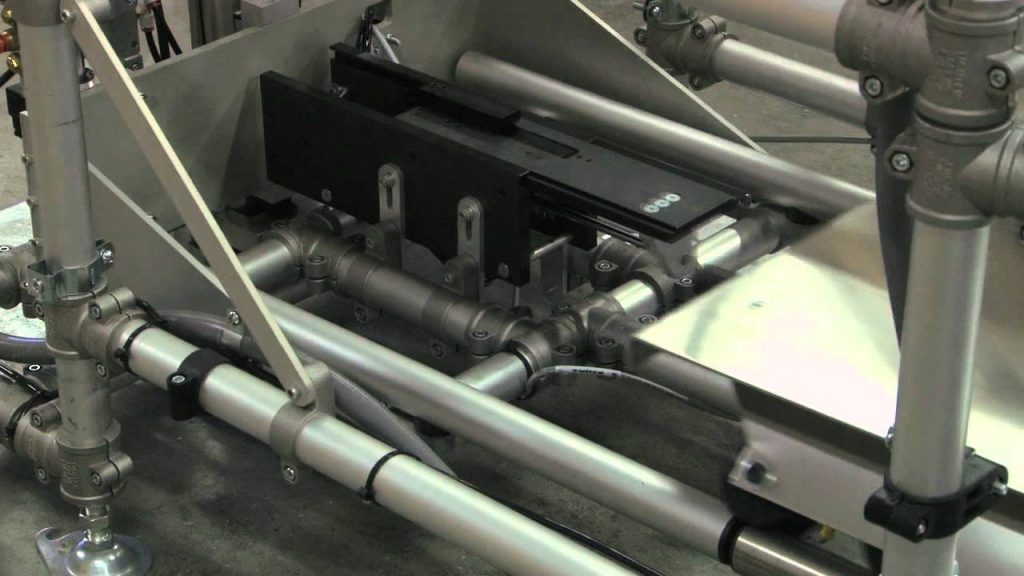
Seamlessly integrating mold upenders into existing production lines is crucial for manufacturers aiming to boost efficiency and safety; this strategic upgrade automates heavy mold handling, minimizes manual intervention, reduces downtime, and enhances overall productivity while ensuring a smoother, more reliable workflow.
In today's demanding manufacturing landscape, optimizing production line efficiency is paramount. For facilities handling heavy molds and dies, manual turning and positioning processes can be significant bottlenecks, creating safety hazards and slowing down overall throughput. Integrating mold upenders into existing production lines offers a transformative solution, automating the cumbersome task of mold manipulation and unlocking substantial gains in productivity, safety, and cost-effectiveness. But how exactly do you seamlessly incorporate these powerful machines and ensure they become assets, not obstacles, in your current setup?
Understanding the Imperative for Integration: Why Mold Upenders Matter
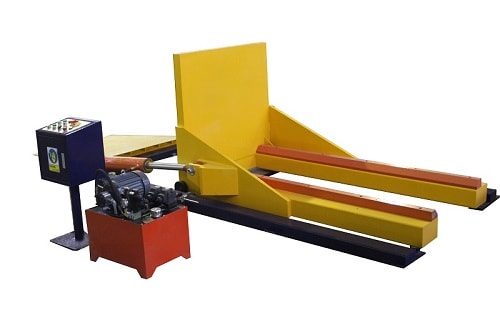
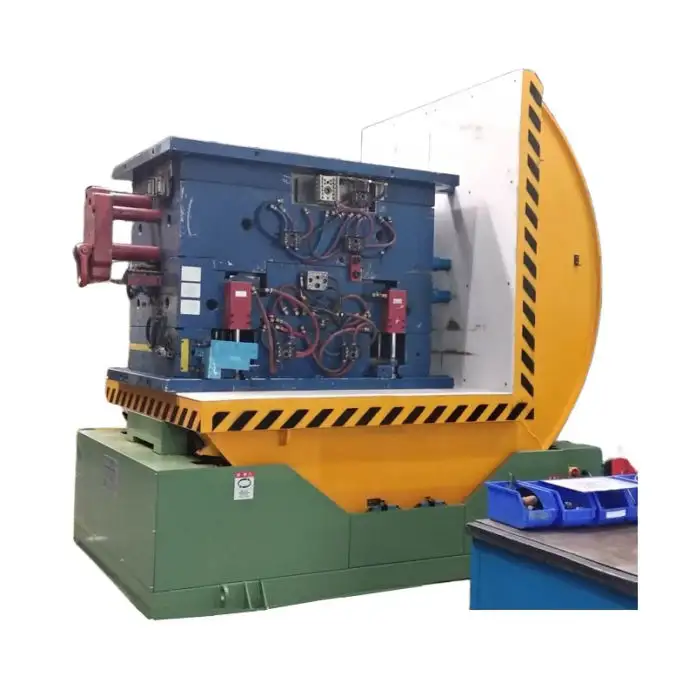
Before diving into the how-to, it's essential to understand the "why." Mold upenders, also known as mold tilters or coil positioners, are specialized pieces of equipment designed to safely and efficiently rotate heavy molds, dies, coils, and other substantial loads, typically by 90 degrees. While standalone upenders offer benefits, true optimization is achieved through seamless integration with existing production lines.
Enhancing Efficiency and Throughput
| Manual mold handling is inherently time-consuming and prone to errors. Integrating a mold upender automates this process, significantly speeding up cycle times. By eliminating the need for manual lifting, crane maneuvering, or forklift interventions for turning molds, production lines experience a smoother, more continuous flow. | Feature | Manual Handling | Mold Upender Integration |
|---|---|---|---|
| Speed | Slower, dependent on manual dexterity | Faster, automated and consistent | |
| Consistency | Variable, prone to human error | Precise and repeatable | |
| Downtime | Higher, for manual setup & turning | Lower, faster and more reliable | |
| Throughput | Lower | Higher |
This enhanced efficiency translates directly to increased throughput. More molds can be processed in less time, allowing manufacturers to meet tighter deadlines and increase overall production volume.
Cutting Costs and Labor Expenses
| The economic benefits of integrating mold upenders are multifaceted. Firstly, automation inherently reduces the reliance on manual labor. Fewer workers are needed for mold handling tasks, freeing up personnel for more value-added activities within the production process. | Cost Benefit Category | Manual Handling | Mold Upender Integration | Potential Savings |
|---|---|---|---|---|
| Labor Costs | High, requires multiple operators for heavy lifts | Lower, automated operation reduces manual labor | Up to 30% reduction in mold handling labor |
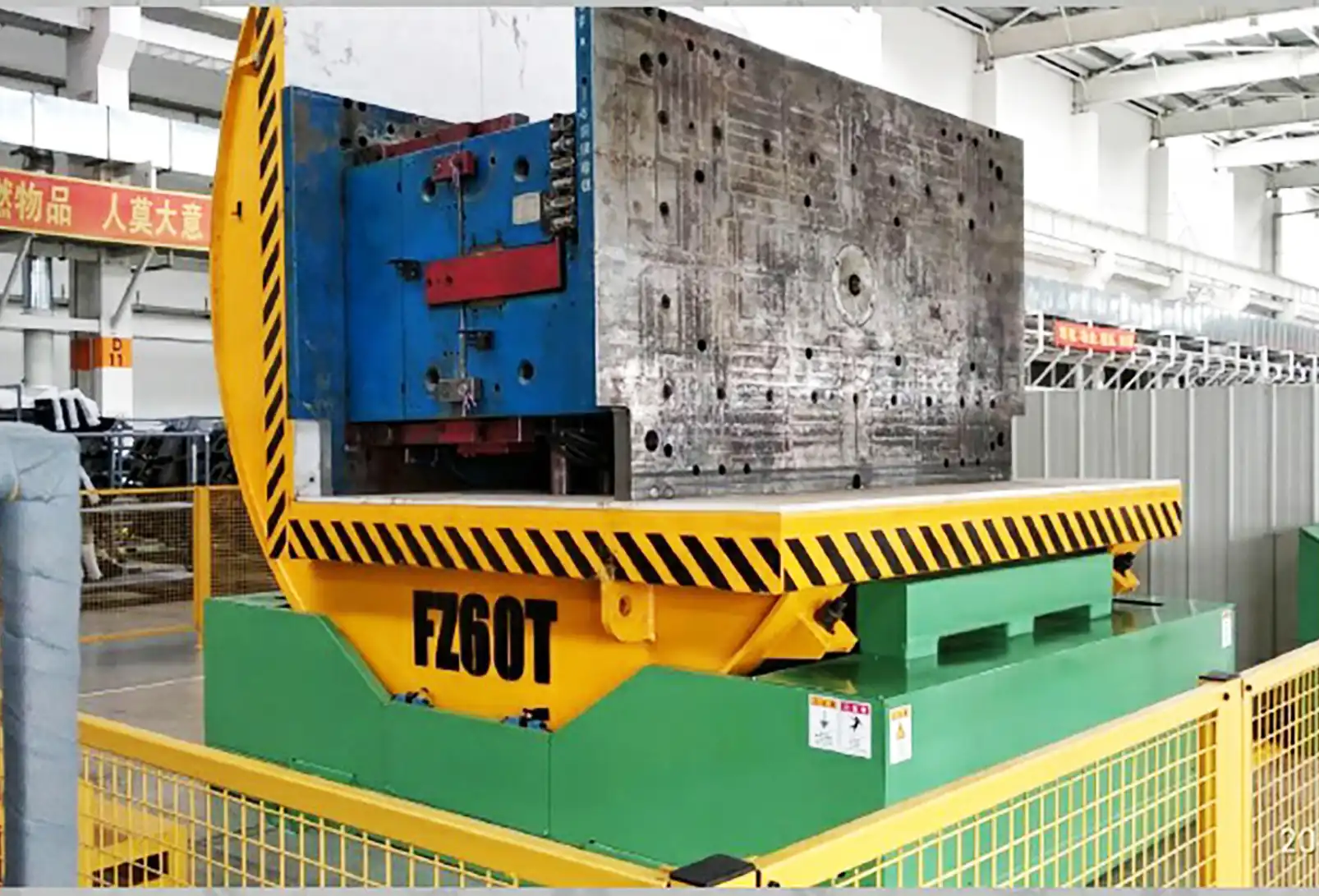
| Operational Efficiency| Lower throughput, longer cycle times | Higher throughput, faster cycle times | 20% or more increase in output |
| Material Waste | Higher risk of damage during manual handling | Reduced risk of damage due to precise handling | 15% or more reduction in defects |
| Maintenance | Potential for equipment damage in manual handling| Lower wear and tear on other equipment | Reduced maintenance downtime |
Furthermore, by minimizing the risk of mold damage during handling, upenders contribute to reduced material waste and lower replacement costs for expensive molds. The long-term operational savings quickly justify the initial investment in integration.
Elevating Product Quality Through Precision
| Consistent mold positioning is crucial for maintaining product quality. Manual handling can introduce inconsistencies in mold orientation, potentially leading to variations in the final product. A mold upender ensures each mold is precisely positioned for each stage of the production process, guaranteeing uniformity and reducing the likelihood of defects. | Quality Improvement Aspect | Manual Handling | Mold Upender Integration | Outcome |
|---|---|---|---|---|
| Mold Positioning | Inconsistent, prone to manual alignment errors | Consistent, precise, and repeatable positioning | Uniform product quality | |
| Error Reduction | Higher chance of handling errors and damage | Minimized handling errors due to automation | Fewer defects and imperfections | |
| Mold Integrity | Risk of wear and tear during manual movement | Protected from unnecessary stress and damage | Longer mold lifespan |
This precision is particularly critical for industries requiring tight tolerances and high aesthetic standards, such as automotive, aerospace, and consumer electronics manufacturing.
Prioritizing Workplace Safety
| Manual mold handling is inherently dangerous. Lifting, turning, and maneuvering heavy molds manually poses significant risks of musculoskeletal injuries, strains, and accidents. Integrating mold upenders demonstrably improves workplace safety by automating these hazardous tasks, reducing the physical strain on workers, and minimizing the potential for accidents. | Safety Feature | Manual Handling | Mold Upender Integration | Safety Benefit |
|---|---|---|---|---|
| Risk of Injury | High due to manual lifting and maneuvering | Significantly reduced through automation | Fewer worker injuries and accidents | |
| Ergonomics | Poor, leads to strain and fatigue | Improved, workers operate controls, not lift loads | Reduced ergonomic risks and physical strain | |
| Emergency Stops | Limited safety mechanisms for manual processes | Integrated safety features like e-stops and guards | Enhanced safety and control in emergency situations |
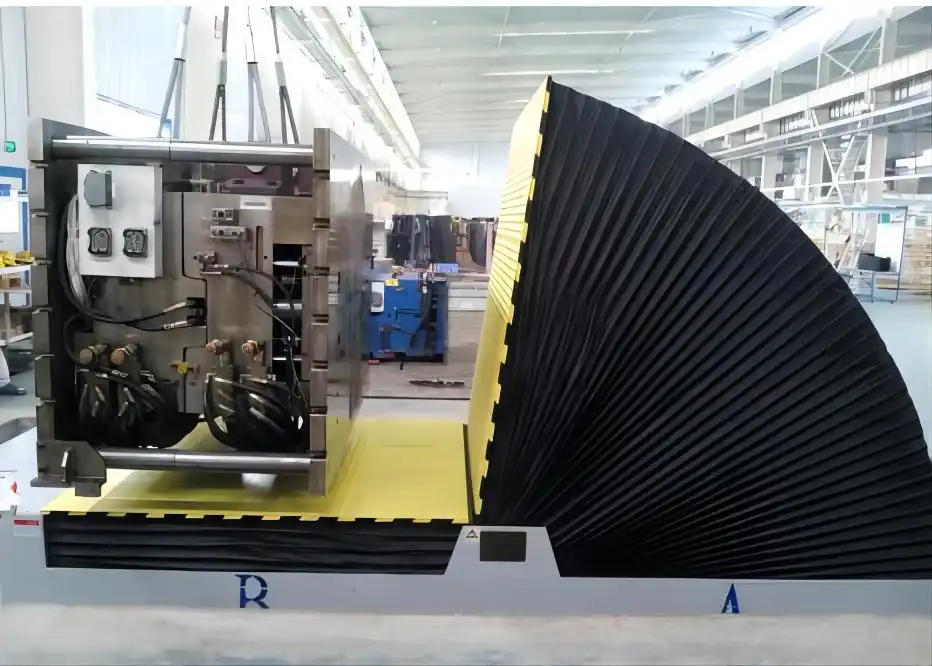
By creating a safer working environment, businesses not only fulfill their ethical obligations but also boost employee morale, reduce absenteeism, and potentially lower insurance premiums associated with workplace injuries.
Assessing Compatibility: Integrating with Your Existing Line
Successfully integrating a mold upender isn't simply about placing a new machine on the floor. It requires careful assessment of your existing production line to ensure compatibility and seamless operation. Key considerations include:
Physical Space and Dimensions
- Footprint: Is there sufficient floor space to accommodate the mold upender? Consider not only the machine's dimensions but also clearance for operation and maintenance access.
- Height Restrictions: Ensure the upender's height, especially in its rotated position, doesn't conflict with overhead structures or other equipment.
- Material Flow: Analyze the existing material flow path. Will the upender placement optimize flow or create bottlenecks?
Mechanical and Operational Integration
- Load Capacity and Dimensions: The upender must be capable of handling the weight and size of your heaviest and largest molds. Ensure sufficient capacity and platform dimensions.
- Operating Speed and Cycle Time: The upender's cycle time should align with the overall production line speed to maintain consistent throughput. Adjustable speed features are advantageous for integration.
- Mold Handling Requirements: Consider specific mold handling needs – 90-degree turns, inversion, specific orientations. Choose an upender type (hydraulic or mechanical) that meets these requirements.
Control and Electrical Integration
- Control Interface Compatibility: How will the upender be controlled? Can it be integrated with your existing Programmable Logic Controller (PLC) and Human-Machine Interface (HMI) system? Seamless control integration is crucial for automated lines.
- Electrical Supply: Verify that the upender's electrical requirements (voltage, phase, frequency) are compatible with your facility's power supply.
-
Safety Interlocks: Plan for integrating safety interlocks with existing line safety systems to ensure coordinated emergency stops and safe operation.
To simplify this evaluation, the following table can be a helpful guide:Criteria Current System Specification Mold Upender Requirement Compatibility Assessment Action/Notes Available Space [Dimensions] [Upender Dimensions] [Yes/No/Conditional] If conditional, explore space optimization
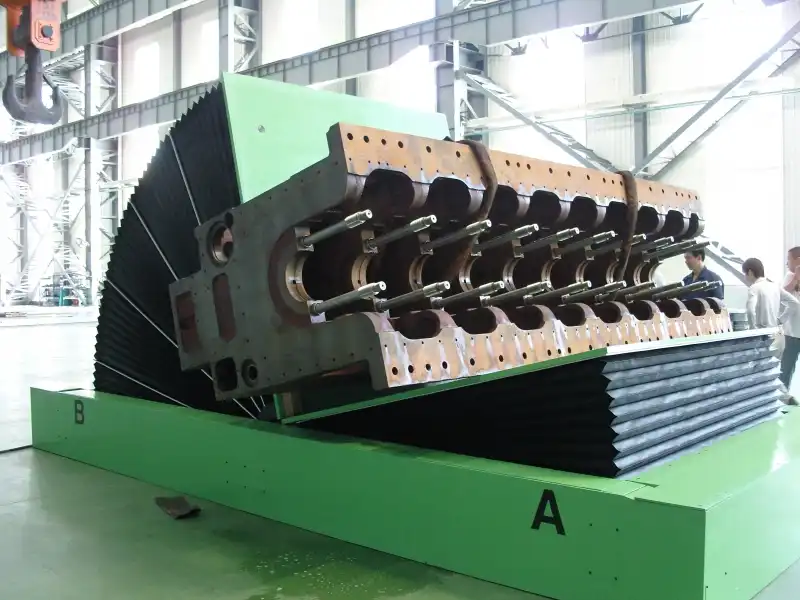
| Max Mold Weight | [Weight] | [Upender Capacity] | [Yes/No] | Upender capacity Must be >= Max Mold Weight |
| Cycle Time Target | [Time/Cycle] | [Upender Cycle Time] | [Yes/No/Adjustable] | Adjustable speed preferred for line syncing |
| Control System | [PLC Type/Protocol] | [Control Interface] | [Integratable/No] | Consult with control system integrator |
| Power Supply | [Voltage/Phase/Frequency] | [Power Requirements] | [Compatible/No] | Electrical modifications may be required |
| Safety System | [Safety Protocol] | [Safety Features] | [Integratable/No] | Ensure compliance with safety standards |
A comprehensive assessment of these factors, ideally with input from your engineering and production teams, is vital for a successful integration project.
Choosing the Right Mold Upender: Mechanical vs. Hydraulic
The selection of the appropriate mold upender type is crucial for seamless integration and optimal performance. Two primary types dominate the market: mechanical and hydraulic upenders.
Mechanical Upenders
- Operation: Utilize a motor-driven gear and chain mechanism to rotate the load cradle.
- Strengths: Robust, reliable, generally lower maintenance, suitable for symmetrical loads like coils and molds. Often more cost-effective for standard applications.
- Considerations: May have slightly less precise positioning compared to hydraulics, potentially louder operation.
Hydraulic Upenders
- Operation: Employ hydraulic cylinders for lifting and rotating the load platform.
- Strengths: Precise and smooth positioning, capable of handling asymmetrical loads, often quieter operation, can be integrated with advanced features like tilt platforms and conveyors.
- Considerations: Typically higher initial cost, may require more maintenance due to hydraulic systems, can be more complex to install.
The "best" choice depends heavily on your specific application requirements, load characteristics, budget, and integration needs. For heavy, symmetrical loads and robust reliability, mechanical upenders can be excellent choices. For applications demanding maximum precision, handling of non-symmetrical shapes, or integration with advanced features, hydraulic upenders often provide superior performance.Performance Metrics: Measuring Integration Success
Once integrated, it's crucial to monitor key performance indicators (KPIs) to evaluate the impact of the mold upender on your production line. Tracking these metrics will help you quantify improvements and identify areas for further optimization. Essential KPIs include:
- Operational Efficiency: Calculate the percentage increase in overall production output after integration.
- Downtime Reduction: Measure the decrease in downtime attributed to mold handling processes. Track frequency and duration of upender-related downtime.
- Cycle Time Improvement: Quantify the reduction in cycle time for mold changeovers and other mold-handling operations.
- Safety Incident Rate: Monitor the reduction in workplace incidents related to mold handling. Track near misses and injuries.
-
Cost Savings: Track reductions in labor costs, material waste, and maintenance expenses directly attributable to upender integration.
Regularly monitoring these metrics, ideally comparing pre- and post-integration data, will provide concrete evidence of the benefits and ROI of your mold upender investment.Performance Metric Pre-Integration Data Post-Integration Target Achieved Status Notes/Observations Operational Efficiency 75% 85% 87% Exceeded target; significant throughput increase Downtime (Mold Handling) 15% Less than 5% 3% Downtime reduced significantly, streamlined workflow Mold Changeover Time 60 minutes 45 minutes 40 minutes Faster changeovers, improved flexibility Safety Incidents 3 per year 0 per year 1 per year (minor) Significant safety improvement, ongoing monitoring Labor Cost Savings N/A 20% reduction 25% reduction Exceeded savings target, labor reallocated Conclusion: Streamlining Operations Through Smart Integration
Integrating mold upenders into existing production lines is not merely an equipment upgrade; it's a strategic move towards creating a more efficient, safer, and higher-quality manufacturing environment. By automating heavy and cumbersome mold handling processes, manufacturers can significantly enhance operational efficiency, reduce labor costs, improve product quality through consistent mold positioning, and create a safer workplace, leading to a more productive and profitable operation in the long run. The key to success lies in careful planning, thorough compatibility assessment, informed equipment selection, and diligent performance monitoring. Embrace the power of integrated automation to revolutionize your mold handling processes and propel your production line to new levels of performance.