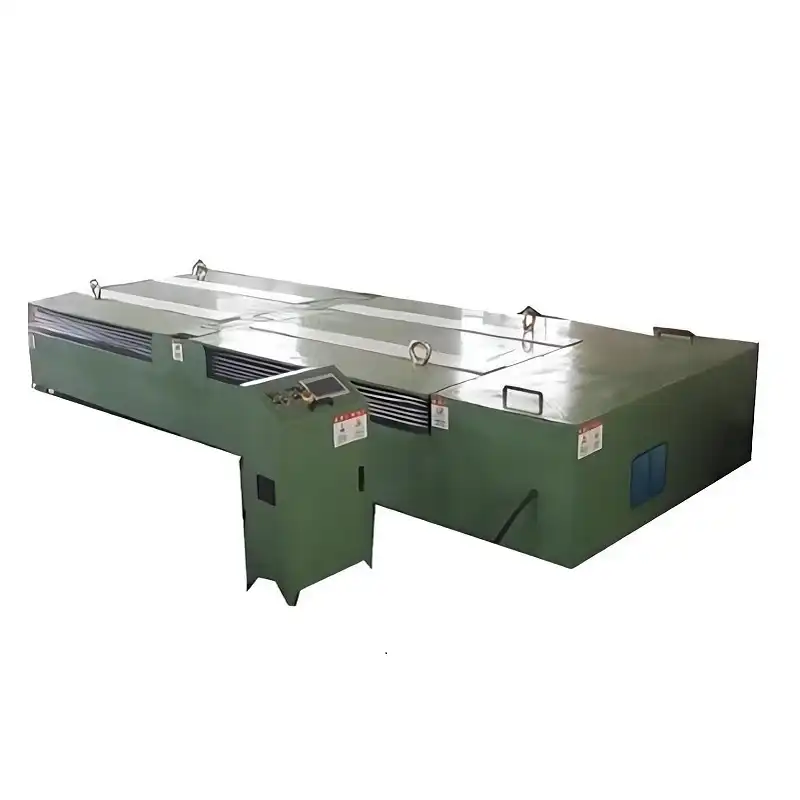
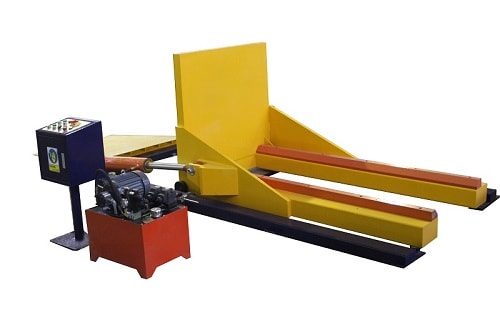
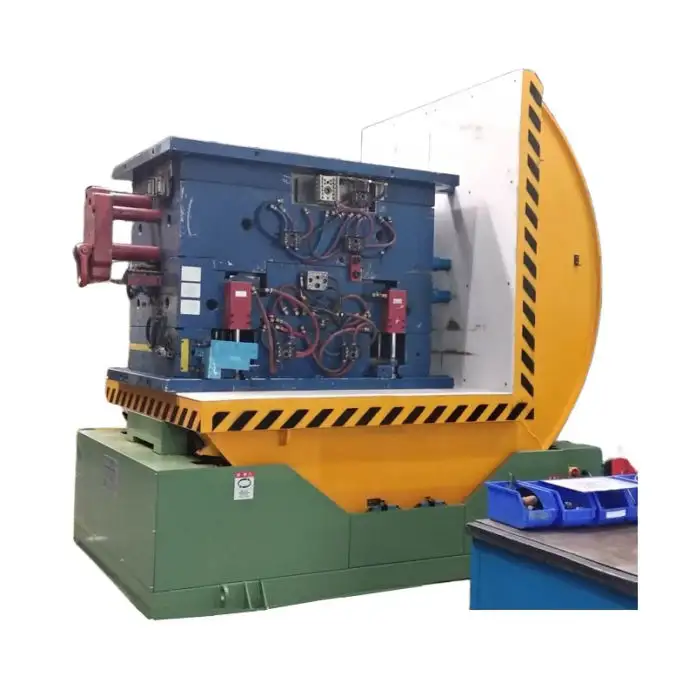
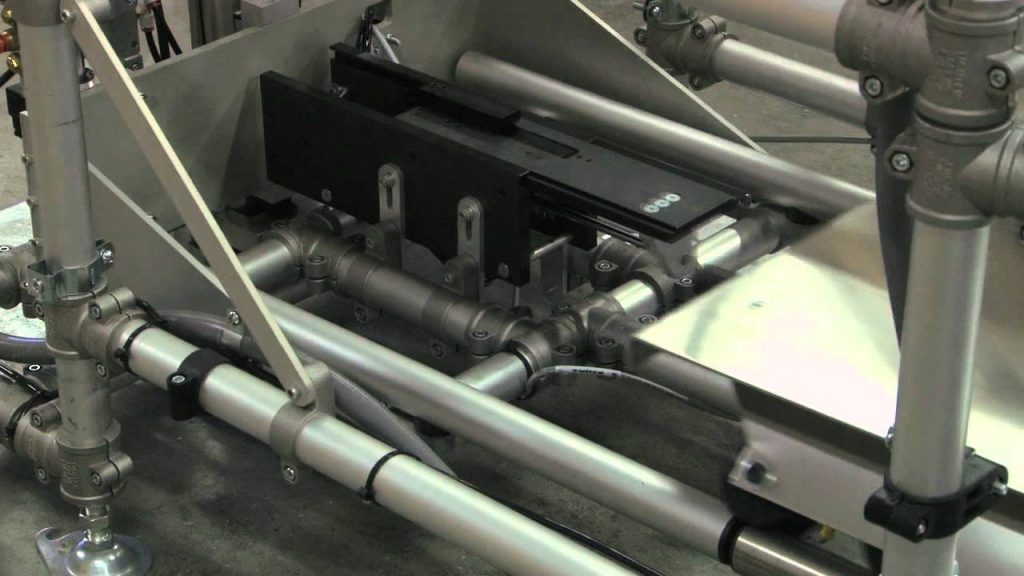
Owning a mold upender involves hidden maintenance expenses like hydraulic failures, misalignment, and wear and tear, leading to significant downtime impacting productivity and revenue. Regular inspections, lubrication, and alignment are essential to mitigate these costs and ensure continuous, efficient operations. Proactive maintenance minimizes unexpected breakdowns and extends equipment lifespan, ultimately saving money.
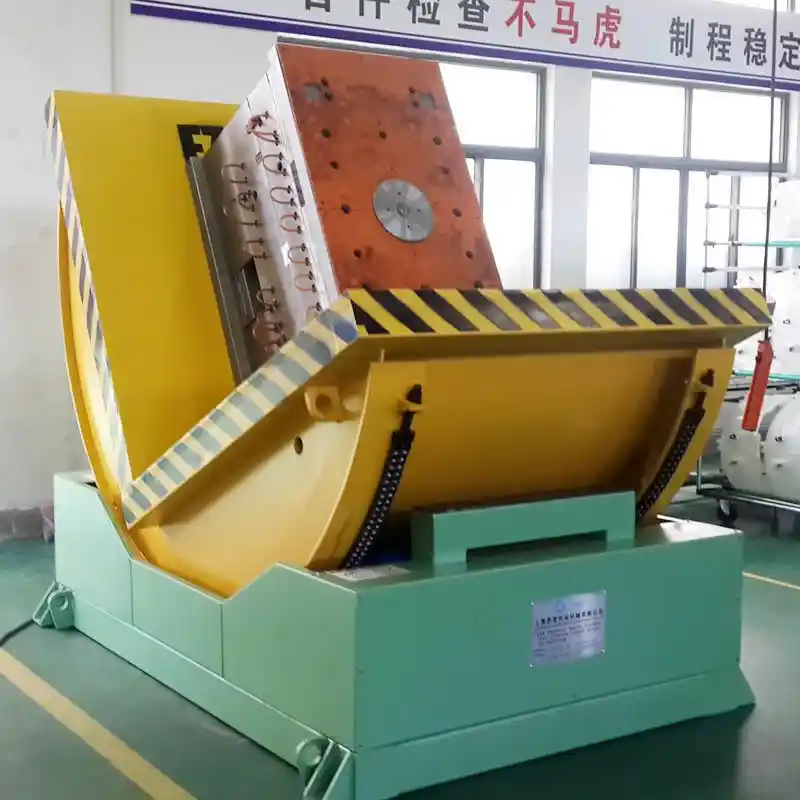
Mold upenders are indispensable pieces of equipment in metal fabrication facilities, streamlining the process of rotating and positioning heavy molds or coils. While the initial investment in a mold upender is a significant capital expenditure, many fabricators overlook the considerable hidden costs associated with long-term ownership. Beyond the purchase price, maintenance and downtime emerge as critical factors that can dramatically impact the operational efficiency and profitability of your fabrication shop. Understanding these hidden costs is not just about budgeting; it's about ensuring the longevity of your investment and the smooth operation of your production line. Neglecting these aspects can lead to costly repairs, production delays, and ultimately, a diminished bottom line.
The Silent Drain: Unveiling Hidden Maintenance Costs
Maintenance is the backbone of any robust machinery operation, and mold upenders are no exception. While routine maintenance tasks might seem straightforward, the cumulative costs can quickly escalate if not properly managed. Several common maintenance issues plague mold upenders, each carrying its own set of expenses:
Hydraulic System Headaches
| Hydraulic systems are the lifeblood of most mold upenders, providing the power for lifting and tilting heavy loads with precision. However, this crucial system is also a frequent source of maintenance headaches. Malfunctions in the hydraulic system are among the most common culprits of unexpected downtime and costly repairs for mold upenders. Let's break down the typical hydraulic issues: Common Hydraulic Issues in Mold Upenders |
Issue | Cause | Solution | Impact on Cost & Downtime |
|---|---|---|---|---|
| Fluid Leaks | Damaged seals, worn hoses | Regular inspection and timely replacement | Increased fluid consumption, environmental hazards, potential hydraulic system failure if pressure drops too low, leading to downtime for repair. | |
| Pressure Losses | Valve failure, pump malfunction | Ensure timely repairs and component checks | Reduced lifting capacity, slower operation, potential inability to handle heavy molds, causing production delays. | |
| System Overheating | Insufficient lubrication, aged fluid | Maintain proper fluid levels and quality | Damage to hydraulic components, reduced efficiency, potential system shutdown to prevent further damage, leading to significant downtime. |
Regular inspections of hydraulic fluid levels and system pressure are not just best practices – they are necessities. A proactive approach includes establishing a routine for inspecting seals and hoses for wear and tear, and immediately addressing any signs of leaks. Ignoring minor hydraulic issues is a classic example of deferred maintenance that inevitably leads to more significant and expensive problems down the road.
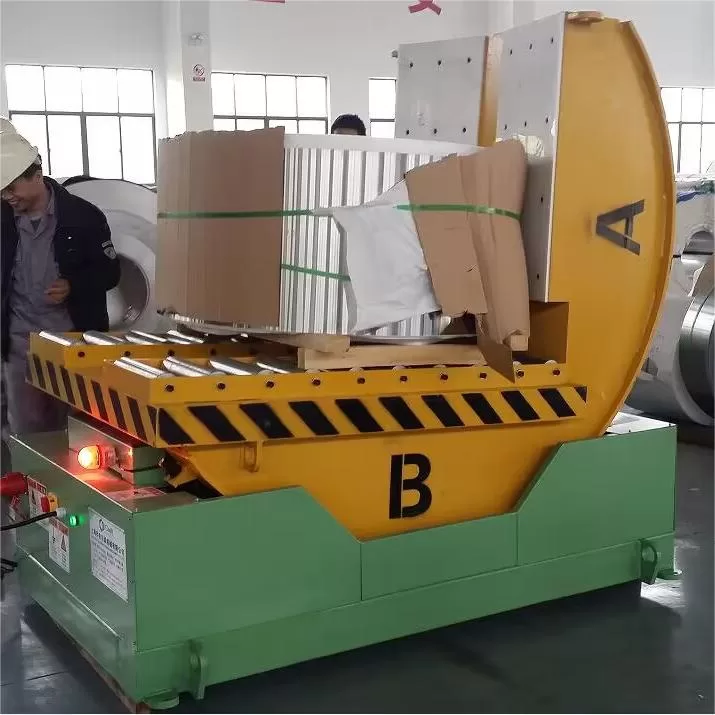
Misalignment Mayhem
| Another insidious cost factor is the misalignment of mold upender components. Over time and under heavy loads, the precise alignment of various mechanical parts can shift. This misalignment, often stemming from initial improper installation or the gradual stress of continuous operation, may seem minor at first but can snowball into significant problems. Consequences of Component Misalignment |
Problem | Consequence | Remedy | Cost & Downtime Implications |
|---|---|---|---|---|
| Component Misalignment | Increased wear and tear on moving parts | Conduct routine alignment checks and adjustments | Accelerated component wear leading to premature replacement, increased frequency of downtime, potential for catastrophic failure if not corrected. | |
| Equipment Strain | Reduced operational efficacy and increased energy consumption | Regular maintenance and adjustments | Reduced efficiency translates to lower throughput and higher energy bills. Strain can cause premature fatigue and failure of structural components. |
Maintaining correct alignment isn't just about smooth operation; it is crucial for extending the lifespan of your mold upender. Scheduled maintenance routines must incorporate thorough checks and adjustments to guarantee that all moving parts function harmoniously without undue stress.
The Relentless Grind: Wear and Tear
| Wear and tear is an unavoidable aspect of any machinery, and mold upenders, which endure constant heavy lifting and rotation, are particularly susceptible. Ignoring the natural process of wear and tear is a recipe for operational disaster. Impact of Wear and Tear |
Factor | Impact | Preventative Measure | Cost & Downtime Consequences |
|---|---|---|---|---|
| Lack of Lubrication | Increased friction, accelerated wear | Schedule regular and appropriate lubrication | Increased component wear requiring frequent replacements, higher energy consumption due to friction, potential for seized parts causing sudden downtime. |

| Ignored Minor Issues | Escalation into major failures | Timely identification and repair of minor wear | Minor issues can quickly develop into major breakdowns if unaddressed, leading to extensive repairs and prolonged downtime. |
Consistent and proper lubrication is non-negotiable when it comes to mitigating wear and tear. It drastically reduces friction, thereby extending the operational life of critical parts and components. Furthermore, a proactive approach dictates that even seemingly minor signs of wear should be addressed promptly to forestall more significant and costly failures down the line. Early detection and repair are always more economical than reactive emergency fixes.
The Downtime Domino Effect: Hidden Costs of Lost Production
Beyond the direct costs of maintenance and repairs, downtime represents a far more substantial, though often underestimated, expense in mold upender ownership. When a mold upender is out of service due to maintenance or failure, the ripple effect through your production line can be devastating.
Obvious Downtime Costs: Just the Tip of the Iceberg
As highlighted in industrial analyses, unplanned downtime can drain significant revenue. The immediate and apparent costs of mold upender downtime include:
- Labor Costs: Paying maintenance crews, both in-house and external contractors, along with potential overtime to expedite repairs, quickly accumulates. Idle operators also represent a significant cost as they cannot perform their primary production tasks.
- Production Losses: Every hour of downtime translates directly into lost production capacity. This includes wasted materials if a production run is interrupted, reduced output, and the costs associated with restart and quality control after the upender is back online.
However, these easily quantifiable costs are only a fraction of the total financial burden.The Insidious Hidden Costs of Downtime
The true financial impact of mold upender downtime extends far beyond the readily visible expenses. Hidden costs, often harder to track but equally detrimental, can severely impact a fabrication operation:
- Overhead Expenses: Even when production halts, overhead costs like utilities, facility upkeep, and administrative salaries continue to accrue. Downtime stretches these costs over a smaller production volume, increasing the cost per unit.
- Business Disruption and Customer Impact: Downtime can lead to missed deadlines, delayed customer orders, and potential loss of sales opportunities. In today's competitive market, reliability is paramount. Consistent downtime erodes customer confidence, potentially damaging long-term business relationships. Customer service risks escalate as you struggle to meet commitments.
- Supply Chain Disruptions: Mold upender downtime can disrupt the entire production workflow, leading to delays in delivering components to subsequent stages of manufacturing or to external clients, impacting the broader supply chain.
| The Downtime Cost Multiplier Effect | Cost Category | Obvious Costs | Hidden Costs |
|---|---|---|---|
| Labor | Direct labor (maintenance), Overtime, Outside contractors, Idled operators | Indirect labor (back-office support for downtime issues) | |
| Production | Wasted product/materials, Reduced capacity, Testing/quality control restarts | Lost sales opportunities due to production delays, Customer service risks, Supply chain disruption costs | |
| Finance & Overhead | Lost revenues, Tighter profit margins, Parts and materials consumed during repairs | Extended overhead costs during non-productive time, Expedited shipping costs to recover from delays, Potential legal liabilities from missed deadlines |
Understanding the full spectrum of downtime costs, both direct and hidden, provides a clearer picture of the financial imperative for proactive mold upender maintenance.
Preventative Power: Strategies to Minimize Hidden Costs
The most effective way to combat the hidden costs of mold upender ownership is through a robust preventative maintenance strategy. Moving from a reactive, "run-to-failure" approach to a proactive, preventative model can dramatically reduce both maintenance expenses and downtime.
Key Strategies for Preventative Maintenance:
- Regular Inspection Schedules: Implement a strict schedule for routine inspections, covering hydraulic systems, alignment, and wear points. Monthly checks for mechanical parts and quarterly inspections of electrical systems should be a minimum baseline.
- Consistent Lubrication Programs: Establish and rigorously adhere to a lubrication schedule, using the manufacturer-recommended lubricants for all moving parts. Automated lubrication systems can be a worthwhile investment for larger operations.
- Alignment Verification and Adjustment: Include alignment checks and necessary adjustments within your regular maintenance routines. Utilize laser alignment tools for precision when needed.
- Operator Training and Empowerment: Train your mold upender operators to recognize early warning signs of potential issues. Empower them to report anomalies immediately and participate in basic preventative maintenance tasks.
- Detailed Maintenance Logs: Maintain comprehensive records of all inspections, maintenance activities, and repairs. These logs are invaluable for identifying recurring problems, predicting component lifespan, and optimizing maintenance schedules.
-
Invest in Quality Components: When replacement parts are necessary, opt for high-quality, OEM-approved components even if they come at a slightly higher upfront cost. These parts generally have longer lifespans and improve overall system reliability.
The Economic Case for Preventative MaintenanceMaintenance Approach Focus Downtime Frequency Repair Costs Component Lifespan Long-Term Cost Reactive (Run-to-Failure) Repair after breakdown High High, Unpredictable Short Very High & Volatile Preventative Proactive inspections & maintenance Low Low, Predictable Long Low & Stable By transitioning to preventative maintenance, fabrication shops can significantly reduce unexpected downtime, lower overall maintenance costs, extend the lifespan of their mold upenders, and ensure a more stable and predictable production flow.
Conclusion: Proactive Ownership for Long-Term Value
Owning a mold upender is more than just the initial purchase. The hidden costs of maintenance and downtime represent a significant financial reality that fabricators must proactively manage. Ignoring regular maintenance leads to hydraulic system malfunctions, component misalignment, and accelerated wear and tear, all culminating in costly and disruptive downtime. By implementing a robust preventative maintenance plan focusing on inspections, lubrication, and operator training, businesses can significantly mitigate these hidden costs, ensuring efficient, continuous operations and maximizing the long-term value of their mold upender investment. Embrace proactive maintenance not as an expense, but as a strategic investment in the sustained success of your fabrication business.