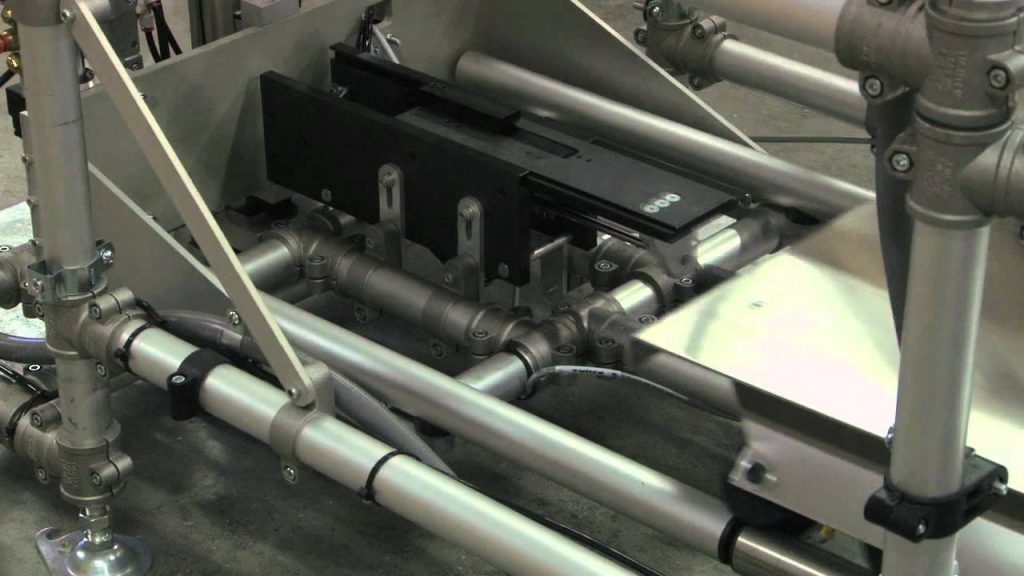
Speed and Cycle Time Analysis for Mold Upenders
Mold upender cycle time and speed are crucial metrics for optimizing manufacturing processes, influencing both productivity and safety. Analyzing these factors allows businesses to enhance operational efficiency, reduce downtime, and ensure seamless material handling. Understanding and improving cycle times directly translates to increased output and a more streamlined, cost-effective production line.
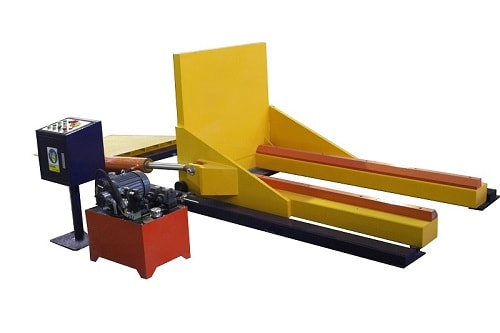
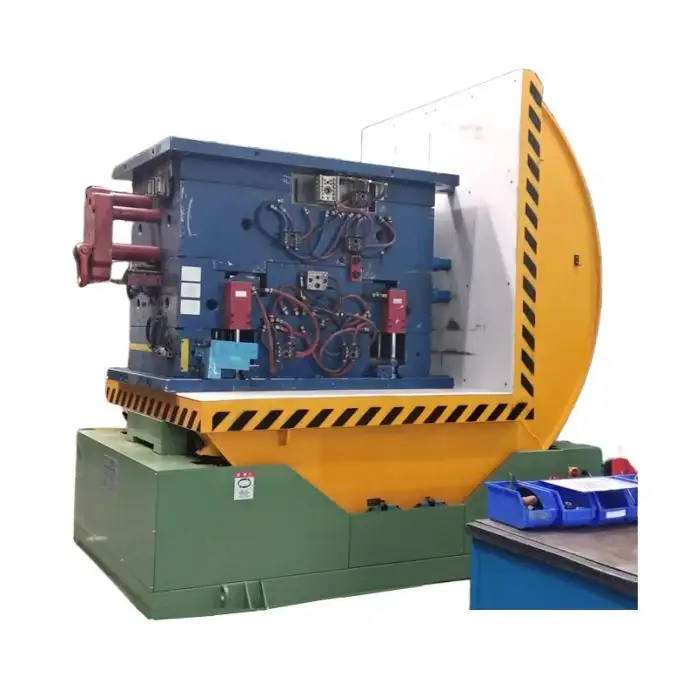
In today's fast-paced manufacturing environments, optimizing every stage of production is crucial for maintaining a competitive edge. For industries reliant on heavy molds and dies, the efficiency of mold handling processes can significantly impact overall productivity. Mold upenders, also known as die upenders, tippers, or flippers, play a pivotal role in streamlining these operations by safely and efficiently rotating heavy loads. Understanding and analyzing the speed and cycle time associated with mold upenders is therefore paramount for maximizing throughput, minimizing downtime, and enhancing workplace safety.
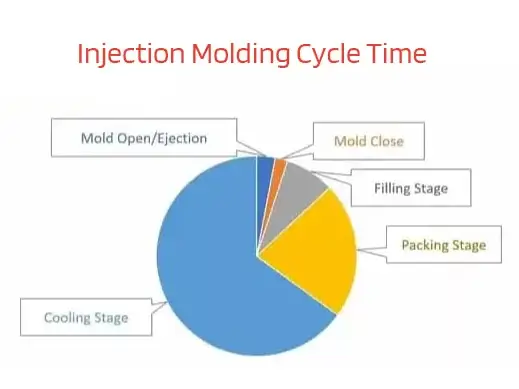
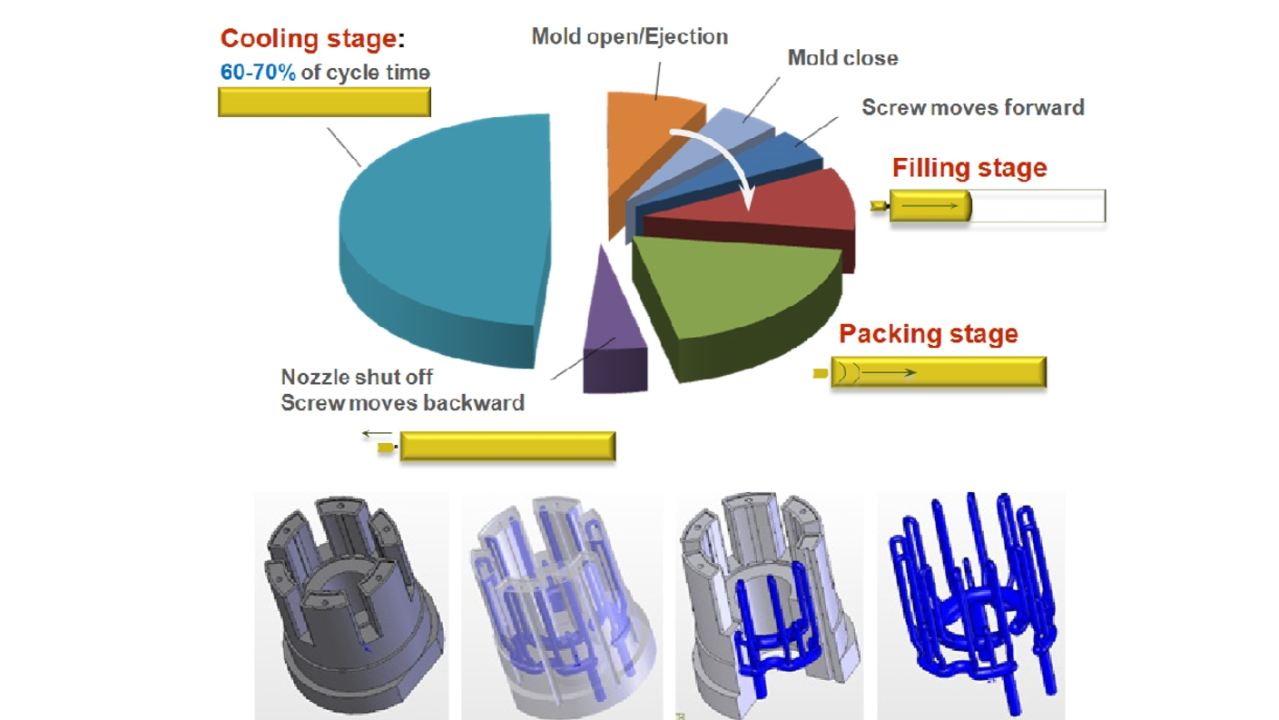
Cycle time, in the context of mold upenders, refers to the total duration required for the upender to complete one full operation—typically including the loading, rotating (usually 90 degrees), and unloading of a mold or die. Analyzing this cycle time is not merely about speed; it’s about identifying bottlenecks, optimizing workflows, and ensuring that the upender operates in harmony with the broader production line. Just as minimizing injection molding cycle time is essential for plastic part production, reducing mold upender cycle time is vital for efficient mold management and overall manufacturing velocity.
The Critical Factors Influencing Mold Upender Speed and Cycle Time
Several key factors can directly affect the speed and cycle time of a mold upender. Analyzing these elements allows for targeted improvements and optimization:
- Load Characteristics (Weight and Size): The most immediate factor influencing cycle time is the weight and size of the mold being handled. Heavier and larger molds naturally require more time and power to rotate safely. The upender's capacity is designed to handle specific weight ranges, and exceeding these limits not only slows down operation but also poses significant safety risks. Optimizing the upender model for the typical mold sizes in operation is crucial.
- Upender Design and Mechanism: The inherent design and mechanical execution of the upender itself play a vital role. Hydraulic, pneumatic, or electromechanical systems each offer different speed capabilities. A well-engineered upender with efficient power transmission and smooth rotation mechanisms will naturally exhibit faster cycle times. Regular maintenance and inspection of these mechanisms ensure consistent performance and prevent slowdowns due to wear and tear.
- Operational Complexity: The complexity of the required rotation can also impact cycle time. While most upenders perform a standard 90-degree rotation, some applications may demand more intricate movements or pauses at specific angles. Such complex operations will inevitably increase the overall cycle time. Simplifying processes where possible and utilizing upenders with programmable controls can help manage this complexity efficiently.
- Loading and Unloading Procedures: Inefficient loading and unloading processes can significantly inflate cycle times. If the process of placing a mold onto the upender and removing it is slow or cumbersome, it becomes a bottleneck. Implementing ancillary equipment like conveyors or lift tables to streamline material flow around the upender can drastically reduce these non-value-added times. Proper operator training in efficient loading and unloading techniques also plays a crucial role.
- Safety Protocols and Features: While safety is paramount, overly cautious or redundant safety protocols can sometimes inadvertently extend cycle times. Features like slow-start mechanisms, extra safety checks, or manual confirmations, while important, should be optimized for efficiency without compromising safety. Regularly reviewing safety procedures to identify and eliminate unnecessary delays is essential.
- Operator Skill and Training: The skill and training level of the operators handling the mold upender are direct determinants of cycle time. A well-trained operator will be able to operate the equipment smoothly, efficiently, and safely, minimizing any delays caused by incorrect operation or hesitation. Comprehensive training programs and ongoing skill development are vital for ensuring optimal cycle times.
Speed Analysis for Productivity Enhancement
Analyzing the speed and cycle time of mold upenders is not just about tracking numbers; it's about driving tangible improvements in productivity. By meticulously monitoring and evaluating these metrics, manufacturers can unlock significant gains:
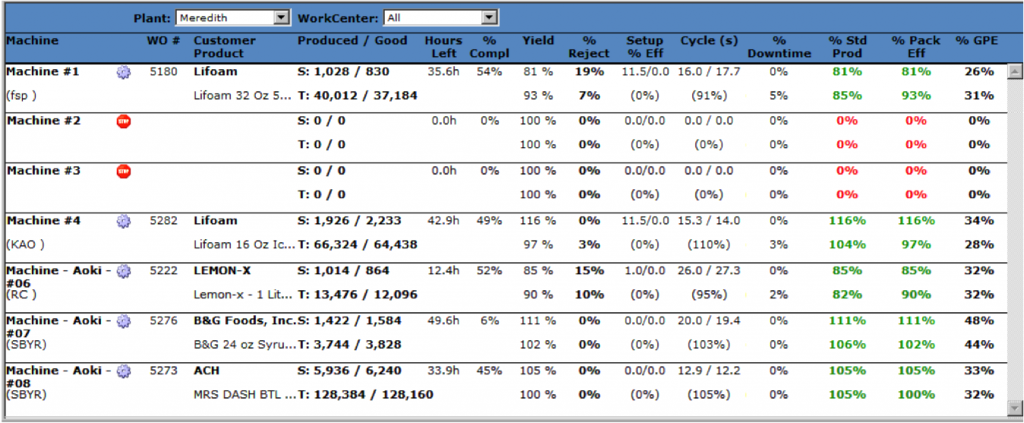
- Bottleneck Identification: Cycle time analysis helps pinpoint bottlenecks in the mold handling process. If certain stages consistently exhibit longer durations, it indicates areas ripe for optimization. For instance, if loading is consistently slower than rotation, resources can be directed to improve loading procedures or equipment.
- Performance Benchmarking and Tracking: Establishing baseline cycle times and continuously tracking performance against these benchmarks provides valuable insights into operational efficiency. Deviations from expected cycle times can signal potential issues, such as equipment malfunctions, operator errors, or process inefficiencies, allowing for timely corrective actions.
- Data-Driven Process Optimization: Real-time cycle time monitoring enables data-driven decision-making. Analyzing trends and patterns in cycle times can reveal recurring inefficiencies that might otherwise go unnoticed. This data can inform process adjustments, equipment upgrades, or operator training enhancements, leading to sustained productivity improvements.
- Preventative Maintenance Scheduling: Consistent cycle time analysis can also contribute to proactive maintenance scheduling. A gradual increase in cycle times, for example, could be an early warning sign of impending mechanical issues requiring maintenance. Identifying such trends early allows for preventative maintenance, minimizing unexpected downtime and ensuring continuous operation.
- Optimizing Resource Allocation: Understanding cycle times across different shifts, operators, or types of molds can help optimize resource allocation. Matching experienced operators with more complex tasks, or scheduling specific mold types for particular shifts based on cycle time data, can lead to a more balanced and efficient workflow.
Practical Strategies for Cycle Time Reduction
Based on the factors and analysis discussed, several practical strategies can be implemented to reduce mold upender cycle times and boost productivity:
Table 1: Strategies for Cycle Time Reduction
| Strategy | Description | Impact on Cycle Time |
|---|---|---|
| Equipment Optimization | Select upenders designed for the typical mold weights and sizes; ensure proper power and mechanism efficiency. | Direct, significant reduction |
| Process Streamlining | Optimize loading/unloading procedures using conveyors, lift tables; minimize unnecessary movements. | Moderate to significant reduction |
| Operator Training | Provide comprehensive training on efficient and safe operation; focus on minimizing delays and errors. | Moderate reduction |
| Maintenance and Inspection | Regular maintenance of mechanical and hydraulic systems; proactive identification of wear and tear. | Prevents cycle time increase, ensures consistency |
| Safety Protocol Review | Evaluate safety procedures for redundancies; optimize for efficiency without compromising safety. | Minor reduction, improved workflow |
| Real-time Monitoring | Implement systems for continuous cycle time tracking; use data for analysis and improvement. | Enables continuous improvement, identifies areas for reduction |
By implementing these strategies in a systematic manner, manufacturers can achieve substantial reductions in mold upender cycle times, leading to significant improvements in productivity, throughput, and overall operational efficiency.
Ensuring Compatibility and Performance Metrics
When integrating a mold upender into an existing production line, ensuring seamless compatibility and establishing clear performance metrics are crucial steps.
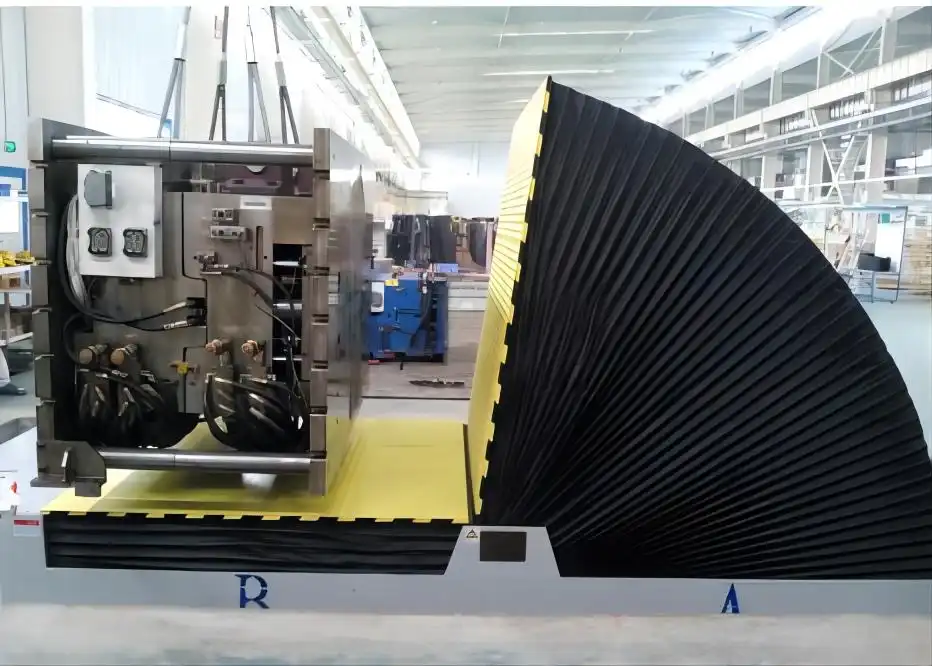
Compatibility Assessment:
Prior to installation, a thorough compatibility assessment is essential. This involves evaluating:
- Physical Space: Ensure the upender dimensions fit within the allocated space and allow for safe and unobstructed operation.
- Integration with Material Handling Systems: Verify compatibility with existing cranes, forklifts, conveyors, or other material handling equipment used in the mold handling process.
- Control System Integration: Assess whether the upender's control system can be integrated with the overall production line control system for synchronized operation and data logging.
-
Power and Utility Requirements: Confirm that the electrical supply and any other utility requirements (e.g., pneumatic lines) can be met at the installation location.
Performance Metrics and Evaluation:
To effectively measure the impact of mold upenders and ensure continuous improvement, key performance indicators (KPIs) must be established and regularly monitored. Crucial metrics include:
Table 2: Key Performance Indicators for Mold UpendersPerformance Metric Description Target Improvement
| Average Cycle Time | Average time per complete upending cycle (loading, rotating, unloading). | Reduction over time |
| Uptime Percentage | Percentage of time the upender is operational and available for use. | Increase to near 100% |
| Downtime Frequency | Number of unplanned stops or breakdowns. | Reduction over time |
| Throughput Rate | Number of molds upended per hour or shift. | Increase with cycle time reduction |
| Safety Incident Rate | Number of safety incidents related to upender operation. | Maintain at zero or near zero |
Regularly tracking and analyzing these KPIs provides valuable insights into the upender's performance, highlights areas for optimization, and ensures that the investment in mold upender technology delivers the expected benefits in terms of speed, efficiency, and safety.
Conclusion
Analyzing speed and cycle time for mold upenders is more than just an operational detail; it's a strategic imperative for manufacturers aiming for peak efficiency and productivity. By understanding the factors that influence cycle time, implementing targeted optimization strategies, and continuously monitoring performance metrics, businesses can unlock the full potential of their mold handling processes. Investing in the right mold upender, coupled with meticulous cycle time analysis and optimization, directly translates to faster throughput, reduced downtime, enhanced workplace safety, and a more streamlined, efficient, and profitable manufacturing operation, solidifying its place as a cornerstone of modern mold handling. Embracing a data-driven approach to cycle time management ensures that mold upenders not only lift heavy loads but also lift overall manufacturing performance to new heights.