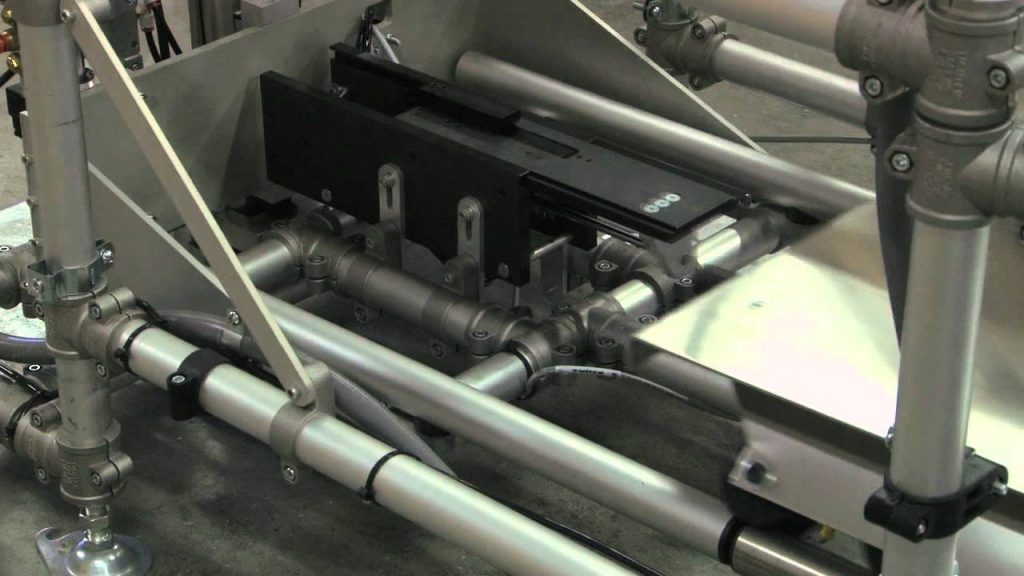
To prevent workplace accidents when using mold upenders, ensure proper training and adherence to safety protocols. Key practices include consistent use of emergency stop mechanisms, robust guarding systems, and adequate lighting. Regular equipment checks and a comprehensive safety strategy are also essential for minimizing risks and fostering a safer work environment for all operators.
In the demanding environment of modern manufacturing, the efficient and safe handling of heavy molds is a critical operation. Manually maneuvering these cumbersome tools presents significant risks, leading to potential injuries, workflow disruptions, and decreased productivity. Mold upenders offer a transformative solution, automating the turning and positioning of molds, thereby significantly enhancing workplace safety and operational efficiency. Understanding the importance of proper mold upender use and the safety features integrated into these systems is paramount for creating a hazard-free factory floor.
The Imperative for Enhanced Safety in Mold Handling
Workplace safety is not merely a regulatory requirement; it's a moral obligation and a cornerstone of operational excellence. In industries that rely on heavy molds, such as injection molding and forging, the dangers associated with manual handling are substantial. Lifting, rotating, and positioning these heavy objects manually can result in strains, sprains, crush injuries, and other serious accidents. These incidents not only cause pain and suffering for workers but also lead to costly downtime, compensation claims, and reputational damage for the business.
Implementing mold upenders directly addresses these risks by mechanizing the mold handling process. By shifting from manual labor to automated systems, factories can dramatically reduce the potential for accidents, creating a safer, more reliable, and ultimately more productive environment.
What is a Mold Upender and Why is it Crucial?
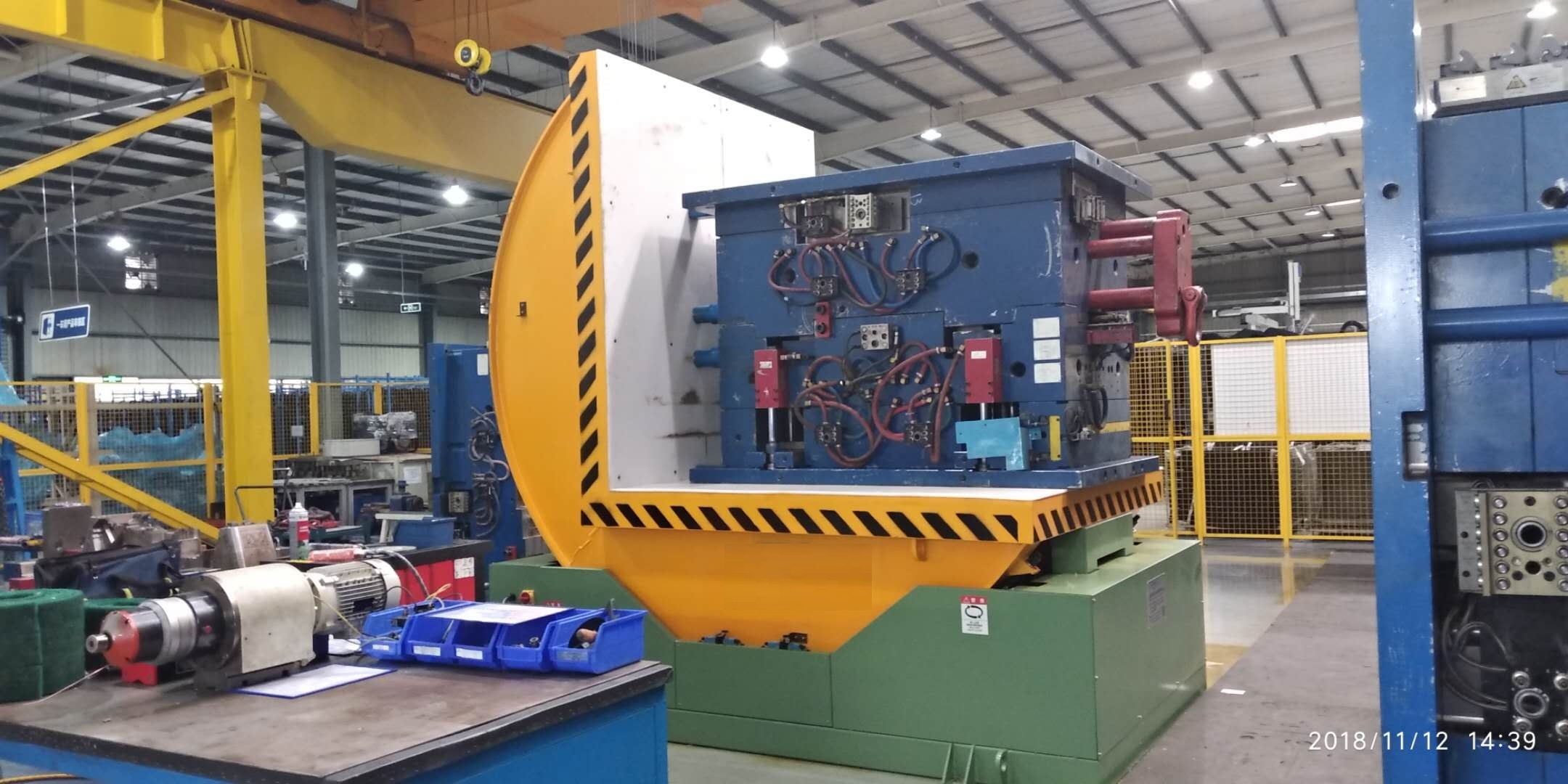
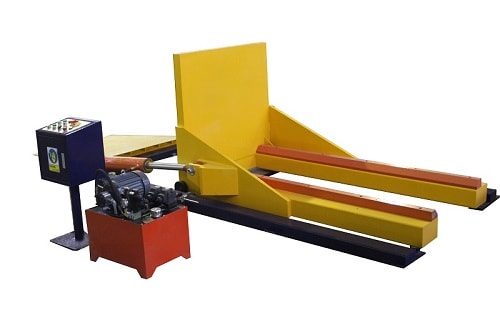
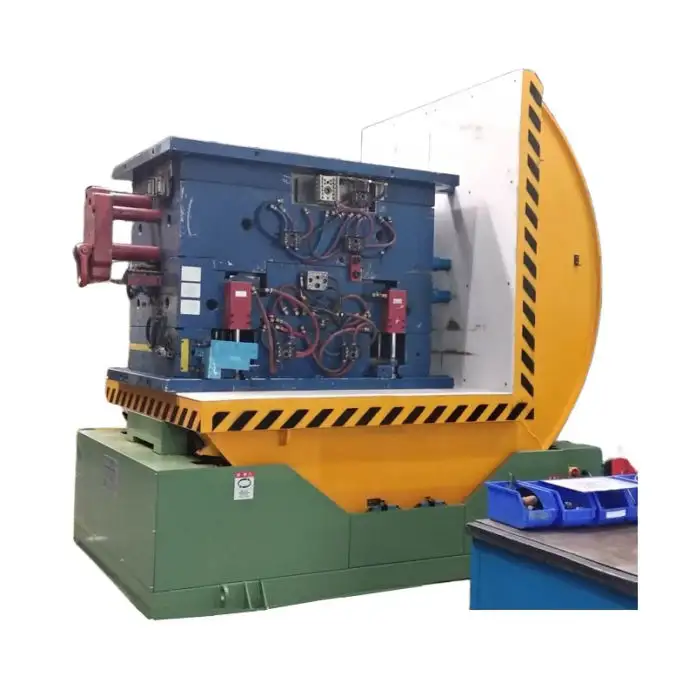
A mold upender, also known as a mold tilter or 90-degree turning system, is a specialized piece of equipment designed to safely and efficiently rotate heavy molds, dies, coils, and other substantial loads by 90 degrees. This maneuver is often necessary for various manufacturing processes, including:
- Injection Mold Maintenance: Positioning molds for parting line access and efficient maintenance.
- Coil Handling: Rotating coils to transition between vertical and horizontal orientations for processing or storage.
- Die Splitting: Facilitating the separation of die halves using an overhead crane after rotation.
- General Material Handling: Changing the orientation of heavy and awkward loads for easier transport or processing.
The core function of a mold upender is to eliminate the need for manual lifting and turning of heavy molds. This is achieved through robust mechanical systems, typically employing hydraulic or electric power to securely grip and rotate the mold in a controlled manner.

Key Benefits of Mold Upenders for Workplace Safety
The integration of mold upenders into manufacturing workflows offers a multitude of safety advantages:
- Reduced Risk of Injury: By automating the heavy lifting and turning processes, mold upenders significantly minimize the risk of musculoskeletal injuries, strains, sprains, and crush injuries associated with manual handling.
- Minimized Manual Handling: Mold upenders remove the need for workers to physically maneuver heavy and unwieldy molds, thus reducing the chances of accidents caused by human error or overexertion.
- Enhanced Worker Wellbeing: A safer work environment boosts employee morale and reduces stress, creating a more positive and productive atmosphere.
- Improved Compliance: Using mold upenders helps facilities adhere to stringent safety regulations and industry best practices, avoiding potential fines and legal issues.
-
Increased Productivity: While safety is paramount, mold upenders also contribute to increased efficiency by streamlining mold handling processes, reducing downtime, and allowing workers to focus on value-added tasks.
To highlight the stark contrast between manual handling and the use of mold upenders, consider the following comparison:Feature Manual Handling Mold Upender Risk of Injury High Low Efficiency Low High Worker Fatigue High Low Productivity Affected Enhanced Compliance Poor Meets Modern Standards Load Stability Unstable Highly Stable Precision Inconsistent Consistent and Precise This table clearly illustrates the transformative impact of mold upenders on workplace safety and operational effectiveness.
Essential Safety Features of Mold Upenders
To ensure the highest levels of safety, modern mold upenders are equipped with a range of critical safety features. Understanding and maintaining these features is vital for preventing accidents and ensuring the well-being of operators. Key safety components include:
1. Emergency Stop Mechanisms
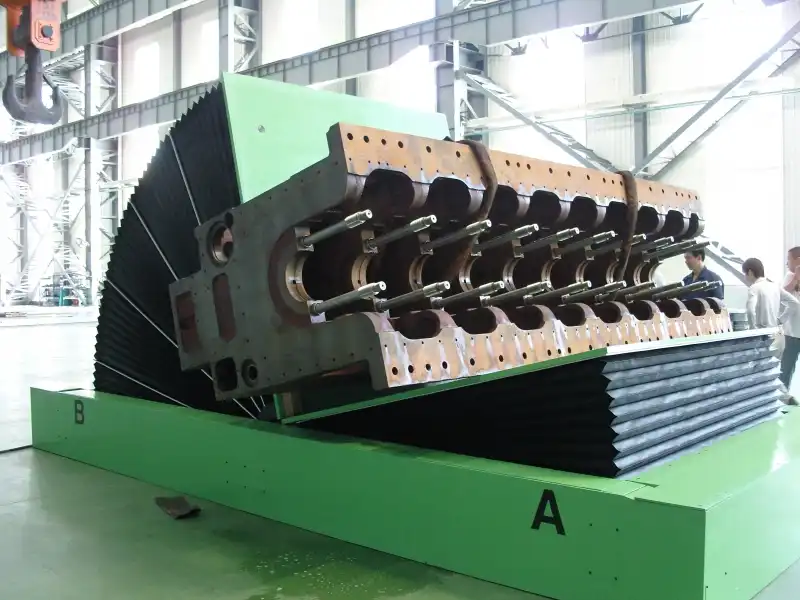
Emergency stop systems are paramount for halting operations immediately in case of a malfunction or hazardous situation. Essential features include:
- Strategically Placed Buttons: Emergency stop buttons should be easily accessible to operators from various positions around the machine.
- Pull Cords: For larger machines or workspaces, pull cords provide another readily available means to trigger an emergency stop.
- Safety Mats: Pressure-sensitive safety mats around the upender can detect unauthorized entry into danger zones and initiate an emergency stop.
These mechanisms ensure that any unexpected event can be quickly addressed, preventing minor issues from escalating into serious accidents.2. Robust Guarding Systems
Guarding systems are designed to physically protect operators from moving parts and potential hazards. Effective guarding includes:
- Physical Barriers: Solid barriers, such as fences or enclosures, prevent accidental access to the operational area of the mold upender.
- Interlocks: Interlock systems ensure that the machine cannot operate if any guarding barriers are opened or compromised. This prevents operation when safety is potentially at risk.
- Safety Sensors: Sensors detect the presence of personnel within danger zones and can trigger a system shutdown or prevent machine operation.
These multi-layered guarding systems create a safe perimeter around the mold upender, minimizing the risk of accidental contact with moving parts.3. Load Monitoring and Stability Features
Maintaining load stability is crucial when handling heavy molds. Safety features addressing load integrity include:

- Load Sensors: These sensors continuously monitor the weight distribution and balance of the load, preventing overloads or unstable conditions.
- Secure Clamping Systems: Robust clamping mechanisms firmly grip the mold during rotation, ensuring it remains securely positioned throughout the process.
- Anti-Tipping Mechanisms: Design features to prevent the upender from tipping over, particularly when handling exceptionally heavy or unbalanced loads.
These features ensure the stable and controlled handling of molds, preventing accidental drops or equipment failures that could lead to injuries or damage.4. Proper Lighting
Adequate lighting is often overlooked but plays a vital role in workplace safety. In mold upender operations, proper lighting:
- Enhances Visibility: Clear illumination of the work area allows operators to see machinery controls, mold positions, and potential hazards clearly.
- Reduces Errors: Improved visibility minimizes misjudgments in handling and positioning, decreasing the likelihood of accidents and errors.
-
Improves Operator Focus: Well-lit workspaces contribute to better operator alertness and concentration, boosting both safety and productivity.
Investing in proper industrial lighting around mold upender operations is a simple yet effective measure to enhance safety and efficiency.
The table below summarizes the key safety features and their benefits:Key Feature Description Benefit Emergency Stops Quick-stop mechanisms at accessible locations. Immediate hazard response; minimizes damage. Guarding Systems Barriers, interlocks, sensors to prevent access to danger zones. Operator protection; prevents contact with moving parts. Load Monitoring Sensors detecting weight imbalances and instability. Ensures operational stability; prevents tipping and load drops. Proper Lighting Adequate illumination of the work area. Enhanced visibility; reduced errors and accidents; improved focus. Integrating Safety into a Comprehensive Strategy
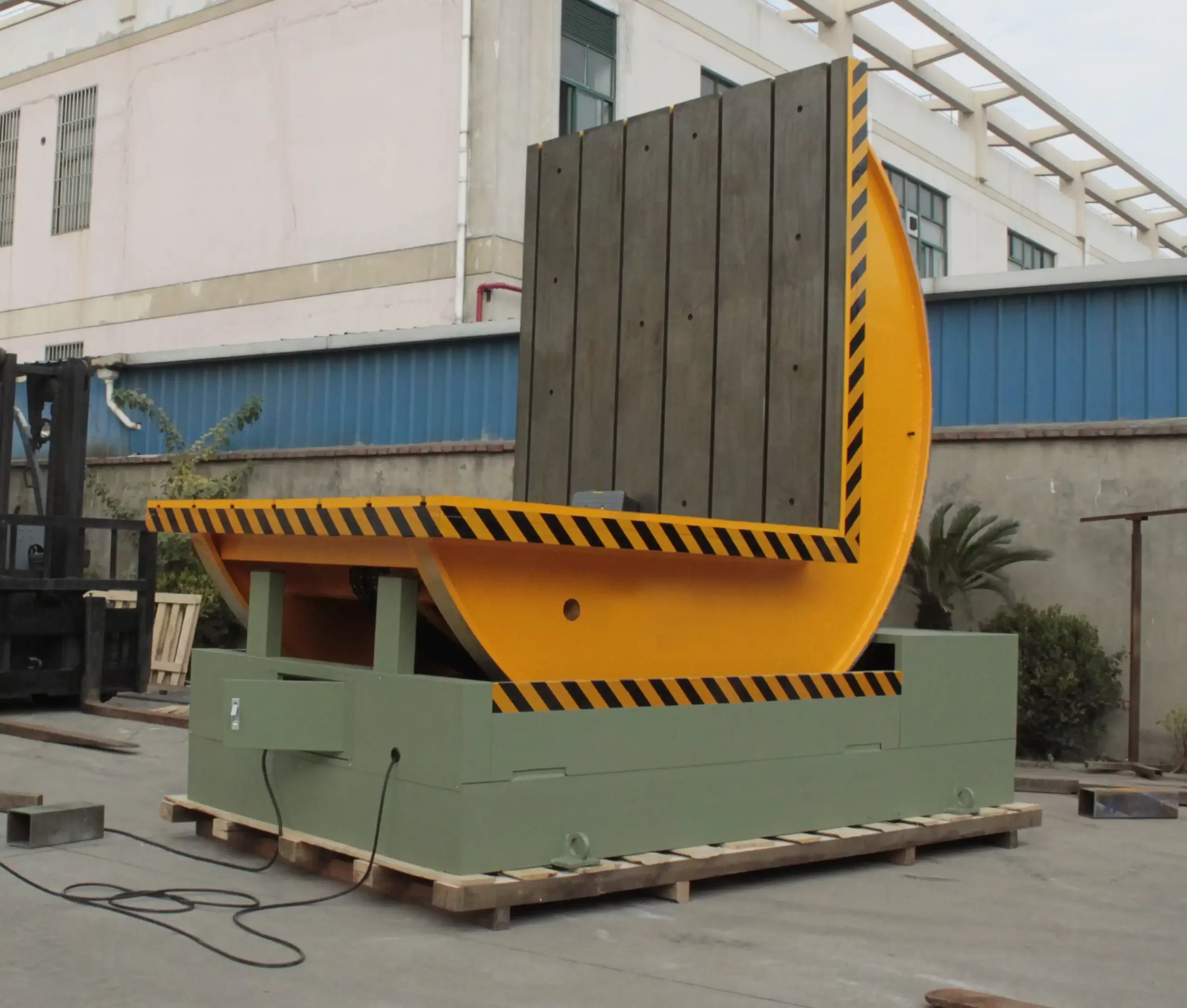
While mold upenders with advanced safety features are essential, their effectiveness is maximized when integrated into a broader workplace safety strategy. Key components of such a strategy include:
- Comprehensive Accident Prevention Plan: A written plan outlining safety protocols, hazard reporting procedures, and emergency response plans is fundamental. This plan should be regularly reviewed and updated.
- Thorough Operator Training: Only properly trained personnel should operate mold upenders. Training must cover safe operating procedures, emergency stop protocols, and routine maintenance checks. Regular refresher training is also crucial.
- Regular Equipment Inspections and Maintenance: Scheduled inspections and preventative maintenance are necessary to ensure all safety features are functioning correctly. This includes checking emergency stops, guarding systems, sensors, and hydraulic/electrical components.
- Hazard Evaluation and Risk Assessment: Regularly assess the workplace for potential hazards related to mold upender operations. Identify risks, implement control measures, and continuously monitor the effectiveness of these measures.
- Employee Feedback and Communication: Encourage open communication and feedback from employees regarding safety concerns. Address concerns promptly and involve workers in safety improvements.
By implementing these strategies in conjunction with using safe mold upender technology, manufacturing facilities can create a truly safe and efficient environment for mold handling operations.Conclusion: Investing in Safety for a Brighter Future
The adoption of mold upenders is a significant step towards enhancing workplace safety in mold handling operations. By automating risky manual tasks and incorporating advanced safety features, these systems dramatically reduce the potential for accidents, injuries, and workflow disruptions.
Embracing mold upender technology, coupled with a proactive and comprehensive safety strategy, is not just an investment in equipment; it's an investment in your workforce, your productivity, and the long-term success of your manufacturing operations. Prioritizing safety in mold handling ultimately creates a more reliable, efficient, and human-centric workplace. By emphasizing proper training, maintenance, and a safety-first culture, companies can fully realize the benefits of mold upenders and create a manufacturing environment where safety and productivity go hand in hand.