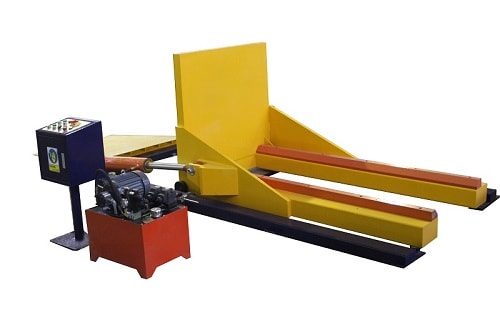
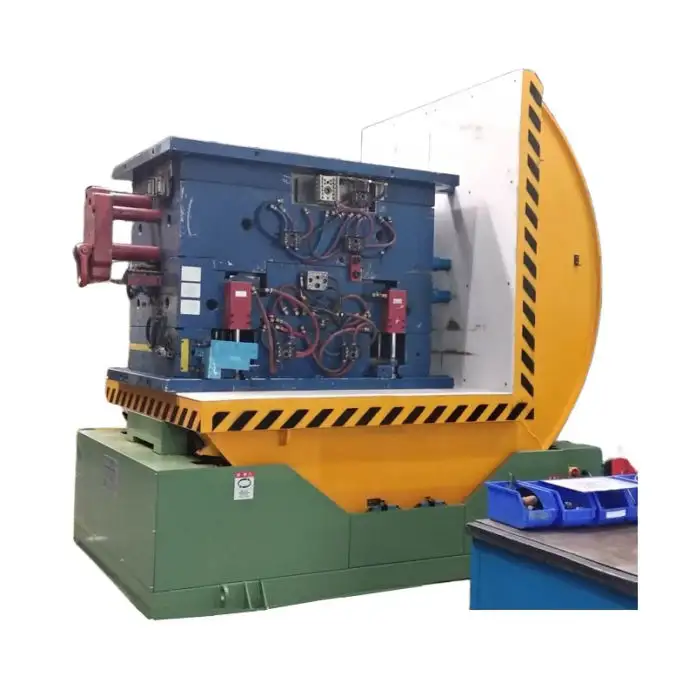
Operating a mold upender safely and in compliance with OSHA regulations requires a comprehensive approach that includes risk assessment, implementing safe operating procedures, providing thorough employee training, and adherence to the General Duty Clause to protect workers from recognized hazards, like potential mold exposure. This guide provides a detailed overview of how to ensure OSHA compliance when using mold upenders.
Introduction to OSHA Compliance and Mold Upender Safety
Mold upenders are indispensable pieces of equipment in industries ranging from plastics and rubber manufacturing to construction and precast concrete. These machines are engineered to safely and efficiently invert molds, often of significant size and weight, facilitating various manufacturing and production processes. However, the operation of mold upenders is not without inherent risks. These risks range from mechanical hazards associated with heavy machinery to potential health hazards, indirectly related to mold if molds are not properly maintained and stored, creating conditions for mold growth.
The Occupational Safety and Health Administration (OSHA) plays a crucial role in ensuring workplace safety across all industries in the United States. While OSHA may not have specific regulations explicitly for "mold upender operation," employers are unequivocally obligated to adhere to the General Duty Clause, Section 5(a)(1) of the Occupational Safety and Health Act of 1970. This clause mandates that employers must provide a workplace free from recognized hazards that are causing or are likely to cause death or serious physical harm to employees. In the context of mold upender operations, this encompasses not only the mechanical risks of operating heavy machinery but also any health risks that might arise in the work environment, such as those related to mold.
This guide aims to provide a comprehensive understanding of how to apply OSHA's general safety guidelines and principles to the specific operation of mold upenders. By outlining relevant OSHA standards, interpreting them in the context of mold upender use, and drawing upon OSHA’s guidance documents on workplace hazards, particularly mold, this guide serves as an essential resource for employers and safety professionals. It will enable them to create safer working environments, minimize risks associated with mold upender operations, and ensure robust compliance with OSHA regulations.
Understanding OSHA's General Duty Clause in Mold Upender Settings
The cornerstone of OSHA enforcement, the General Duty Clause, is especially pertinent to mold upender operations. It requires employers to identify and mitigate "recognized hazards." In the context of mold handling and upender operation, while the primary hazards are mechanical, the secondary, and often overlooked hazard, can stem from mold itself, particularly if molds are stored in damp environments.
While mold upenders are designed to handle molds, these molds themselves can become sources of mold growth if they are not properly stored and maintained, especially in environments with humidity or water exposure. Molds can grow on various surfaces, including materials used in mold construction or on residues left on molds after production processes. OSHA's "A Brief Guide to Mold in the Workplace" highlights that "Molds can grow on virtually any substance, as long as moisture or water, oxygen, and an organic source are present." This means molds used with upenders, especially those stored or used in less than ideal conditions, are susceptible to mold growth.
Therefore, in mold upender operation scenarios, the "recognized hazard" extends beyond just the machinery operation itself to include potential mold exposure if molds are contaminated. Employers must take proactive steps to assess and control this potential hazard. This necessitates a two-pronged approach:
- Mechanical Safety of Upender Operation: Ensuring the mold upender is operated and maintained safely to prevent mechanical injuries. This aligns with standard machinery safety principles and OSHA regulations concerning machine operation and material handling.
- Mold Hazard Mitigation: Implementing practices to prevent and manage mold growth on and around molds handled by upenders. This draws from OSHA's guidelines on mold prevention in workplaces.
By addressing both aspects, employers can fully meet their obligations under the General Duty Clause, creating a safer and healthier work environment for employees operating mold upenders.Key OSHA Regulations Applicable to Mold Upender Operation
While there are no OSHA standards explicitly dedicated to mold upender operations, several general OSHA regulations are directly relevant to ensuring safety when using this equipment. These standards address various aspects of workplace safety, from machine operation to hazard communication, and are crucial for maintaining an OSHA-compliant environment. OSHA Regulation Area Relevant OSHA Standard (CFR 1910) Application to Mold Upender Operation

| General Safety & Health Provisions | 1910.147 (Lockout/Tagout) | Control of hazardous energy during maintenance and servicing of mold upenders to prevent unexpected startup or energy release. |
| | 1910.178 (Powered Industrial Trucks) | If forklifts or similar powered industrial trucks are used to load or unload molds onto the upender, these operations must comply with PIT standards. |
| Walking-Working Surfaces | 1910 Subpart D | Ensuring the areas around the mold upender are clear, level, and free from hazards that could cause slips, trips, or falls during operation and mold handling. |
| Hazard Communication | 1910.1200 | If any cleaning agents or mold remediation chemicals are used on molds or the upender, employees must be informed about the hazards, proper handling, and PPE through a HazCom program. |
| Personal Protective Equipment (PPE) | 1910 Subpart I | Employees must use appropriate PPE such as safety shoes, gloves, and eye protection during mold upender operation and mold handling to protect against mechanical and potential mold hazards. |
| Training | 1910.134 (Respiratory Protection) / General Duty Clause | Training on safe operation of the mold upender is mandatory. If mold is a recognized hazard, training on mold awareness, prevention, and control, as per OSHA guidelines, may be required. |
| Materials Handling | 1910 Subpart H | Safe practices for handling heavy molds, including proper lifting techniques and use of equipment, especially when moving molds to and from the upender. |
It's important to note that this table highlights indirectly relevant OSHA standards. The key to OSHA compliance for mold upender operations is to apply the principles of these general standards to the specific context of using this machinery and handling molds. Employers must conduct a thorough hazard assessment to identify all potential risks and then implement controls that align with OSHA's requirements and best safety practices.
Mold-Specific Considerations in Mold Upender Operation
Drawing upon OSHA’s guidance on mold in the workplace, several mold-specific considerations become relevant when operating mold upenders, even though the primary function of the upender is mechanical. These considerations pivot around preventing and mitigating mold growth on the molds themselves and ensuring a safe handling process if mold is present.
Preventing Mold Growth on Molds:
- Moisture Control: As OSHA emphasizes, moisture control is key to mold prevention. Molds should be stored in dry environments. If molds are washed or cleaned with water, they must be thoroughly dried before storage. Consider humidity control measures in mold storage areas.
- Regular Inspection: Implement a schedule for inspecting molds for signs of mold growth, especially after use and before storage. Early detection is crucial for effective remediation and prevention of larger issues.
- Material Composition: Be aware of the materials used in mold construction. Organic materials, if used, can be more susceptible to mold growth. Non-porous materials are generally less prone to mold.
Handling Molds with Potential Mold Growth: - Assume Mold Presence: In environments where humidity is not strictly controlled, or molds are stored for extended periods, assume that mold growth might be present.
- Personal Protective Equipment (PPE): When handling molds, particularly if mold is suspected or visible, provide employees with appropriate PPE. While OSHA's guidelines focus on remediation, the principle of protection applies. At a minimum, gloves and eye protection are advisable. In cases of significant visible mold, consider respiratory protection (N-95 respirator or better), as recommended by OSHA for mold remediation Level I and above, especially during cleaning.

- Cleaning and Remediation (If Necessary): If mold growth is detected, establish a protocol for cleaning or remediation based on the extent of the mold. OSHA’s “Mold Remediation Guidelines” categorize remediation levels by size of affected area. For molds, even small areas of mold should be addressed to prevent spread and employee exposure. For non-porous mold surfaces, damp wiping with detergent solution, as recommended by OSHA, can be an effective initial step.
- Work Area Considerations: Ensure adequate ventilation in areas where molds are handled, especially during cleaning processes. This helps minimize the concentration of airborne mold spores.
It's crucial to understand that OSHA’s mold guidelines, while not regulations, represent best practices. Applying these principles to mold handling in conjunction with mold upender operation proactively addresses potential health hazards, contributing to overall workplace safety and compliance with the General Duty Clause.Best Practices for Safe Mold Upender Operation and OSHA Compliance
Beyond adhering to specific OSHA regulations, implementing best practices is crucial for ensuring a safe and OSHA-compliant mold upender operation. These practices encompass operational procedures, employee training, and environmental controls.
- Comprehensive Risk Assessment:
- Conduct a thorough risk assessment specific to mold upender operations. Identify mechanical hazards (pinch points, crushing hazards, falling molds), ergonomic risks (manual handling before/after upender use), and potential mold exposure risks.
- Regularly review and update the risk assessment, especially when processes or equipment change.
- Detailed Safe Operating Procedures (SOPs):
- Develop clear, step-by-step SOPs for all aspects of mold upender operation, including pre-operation checks, loading and unloading molds, operation during inversion, emergency stop procedures, and post-operation shutdown.
- SOPs should also include guidelines for inspecting molds for mold growth and procedures for handling potentially moldy molds, including PPE requirements and cleaning protocols.
- Robust Employee Training Program:
- Provide comprehensive training to all employees who operate or work around mold upenders. Training must cover:
- Safe operation of the mold upender, according to SOPs.
- Lockout/Tagout procedures.
- Emergency stop operation and emergency procedures.
- Proper use of PPE for mechanical and potential mold hazards.

- Hazard communication related to any cleaning agents used.
- Mold awareness training: basic information about mold, health effects, prevention, and reporting procedures, based on OSHA guidance.
- Document all training, and conduct refresher training regularly.
- Regular Inspection and Maintenance:
- Establish a preventive maintenance schedule for the mold upender. This includes daily pre-shift checks and periodic in-depth inspections by qualified personnel.
- Keep detailed maintenance logs.
- Inspect molds regularly for structural integrity and signs of mold growth. Implement a process for mold cleaning or remediation when necessary.
- Environmental Controls and Housekeeping:
- Maintain good housekeeping in the mold upender operating area. Keep floors clear, dry, and free of obstructions.
- Control humidity in mold storage areas and the upender operating environment if feasible, especially in climates conducive to mold growth.
- Ensure adequate ventilation in the workspace.
- Implement procedures for promptly addressing any water leaks or spills in mold storage and operation areas to prevent mold proliferation.
- Appropriate Personal Protective Equipment (PPE) Provision and Enforcement:
- Provide necessary PPE, including safety shoes, gloves (appropriate for material handling and potential contact with cleaning agents), eye protection (safety glasses or goggles), and respirators (if handling visibly moldy molds or during cleaning - N-95 minimum).
- Ensure PPE is readily available, properly fitted, and consistently used by employees.
By meticulously implementing these best practices, employers can significantly minimize risks associated with mold upender operations, prevent workplace injuries and illnesses, and maintain a strong culture of safety that aligns with OSHA's expectations.OSHA Compliance Checklist for Mold Upender Operation

| To ensure comprehensive OSHA compliance for mold upender operations, utilize the following checklist as a guide: | Compliance Area | Checklist Item | Status (Yes/No/NA) | Notes/Action Items |
|---|---|---|---|---|
| Risk Assessment & Hazard Identification | Has a comprehensive risk assessment been conducted for mold upender operations (mechanical and mold hazards)? | If no, conduct immediately. Review and update regularly. | ||
| Safe Operating Procedures (SOPs) | Are detailed SOPs in place for all aspects of mold upender operation and mold handling? | Develop SOPs if not available. Review and update SOPs annually or when processes change. | ||
| Lockout/Tagout (LOTO) | Are LOTO procedures in place and followed for maintenance and servicing? | Verify LOTO program effectiveness. Conduct periodic audits. | ||
| Employee Training | Are all operators and personnel working around upenders adequately trained (operation, LOTO, PPE, mold awareness)? | Review training program's comprehensiveness and frequency. Schedule refresher training. | ||
| Personal Protective Equipment (PPE) | Is appropriate PPE provided and used consistently (safety shoes, gloves, eye protection, respirators if needed)? | Assess PPE adequacy. Ensure proper fit and availability. Enforce consistent use. | ||
| Machine Inspection & Maintenance | Is a regular inspection and maintenance schedule in place and followed? | Review maintenance schedule and logs. Ensure timely corrective actions. | ||
| Mold Prevention & Control | Are molds inspected regularly for mold? Are mold prevention measures in place (moisture control, cleaning)? | Implement or enhance mold inspection and prevention program. | ||
| Hazard Communication (HazCom) | Is a HazCom program in place for any cleaning agents or remediation products? | Review HazCom program effectiveness. Ensure SDS accessibility and employee understanding. | ||
| Emergency Preparedness | Are emergency stop procedures and emergency plans in place and communicated to employees? | Verify emergency procedures are documented and understood by all personnel. Conduct drills periodically. | ||
| Record Keeping | Are training records, inspection logs, maintenance records, and risk assessments properly maintained? | Establish or improve record-keeping practices. Ensure records are easily accessible for audits and reviews. |
By systematically working through this checklist, employers can verify their level of OSHA compliance and identify areas for improvement, ultimately fostering a safer and more productive workplace for mold upender operations.
Conclusion
Ensuring OSHA compliance for mold upender operation is not just about adhering to regulations; it's fundamentally about prioritizing the safety and health of employees. While specific OSHA standards for mold upenders are absent, the General Duty Clause, coupled with relevant OSHA guidelines on machine safety, material handling, and workplace mold hazards, provides a robust framework for compliance.
By embracing a proactive approach that includes rigorous risk assessment, detailed SOPs, comprehensive training, diligent maintenance, and mold prevention strategies, employers can create workplaces where mold upender operations are both efficient and, most importantly, safe. Continuous improvement, regular audits, and a strong safety culture are vital in sustaining OSHA compliance and ensuring the long-term well-being of the workforce engaged in these essential industrial processes. This guide serves as a starting point, and employers are encouraged to consult with safety professionals and OSHA directly for tailored advice and to stay updated on best practices and evolving safety standards.