Is a musty smell lingering in your home, even after cleaning? Are you noticing unexplained health issues like persistent coughing or allergies acting up indoors? These could be urgent signs of hidden mold growth, and addressing them immediately is critical to protect your health and home.
Mold. Just the word itself can send shivers down a homeowner's spine. It's not just an unsightly nuisance; it's a potentially serious issue that can impact your health, the structural integrity of your home, and your wallet if left unchecked. While a little mildew in the shower might seem manageable, hidden mold infestations can be a different beast altogether, growing silently behind walls, under floors, and in ventilation systems. Ignoring the early warning signs can lead to extensive damage and costly remediation, not to mention significant health risks for you and your family.
But how do you know if you have a hidden mold problem? Mold isn't always visible. Often, it's lurking out of sight until the problem becomes severe. Fortunately, your home often gives off clues – signs that indicate mold is present even when you can't see it. Recognizing these signs early is crucial, as prompt action can prevent minor issues from turning into major headaches. This guide will walk you through the critical warning signs that signal a hidden mold problem in your home and when it's time to call in the professionals.
1. The Unmistakable Musty Odor: Your Nose Knows
One of the earliest and most telling indicators of hidden mold is a persistent musty odor. This isn't just any smell; it's a damp, earthy, and unpleasant odor that often lingers even after cleaning and airing out your home. Think of the smell of damp basement or decaying leaves – that's the kind of odor mold produces.
This musty smell occurs because mold, as it grows, releases microbial volatile organic compounds (MVOCs) into the air. These gaseous byproducts are what you're smelling, and their presence strongly suggests active mold growth nearby, even if you can't see any visible mold. The odor might be more pronounced in certain rooms or areas of your house, especially those prone to moisture like basements, bathrooms, and kitchens.
Why a Musty Odor is a Red Flag:
- Hidden Growth: Musty odors often point to mold growing in concealed locations - behind walls, under floorboards, inside HVAC ducts – places you wouldn't normally check.
- Early Detection: You might smell mold before you see it, giving you an early warning to investigate further.
- Persistent Problem: Unlike temporary smells, a mold-related musty odor tends to linger and won't easily disappear with just cleaning.
If you notice a persistent musty smell in your home, don't ignore it. It’s a sign your home is telling you something important, and investigating for hidden mold should be your next step.2. Visible Mold Spots: When Sight Confirms Your Suspicions
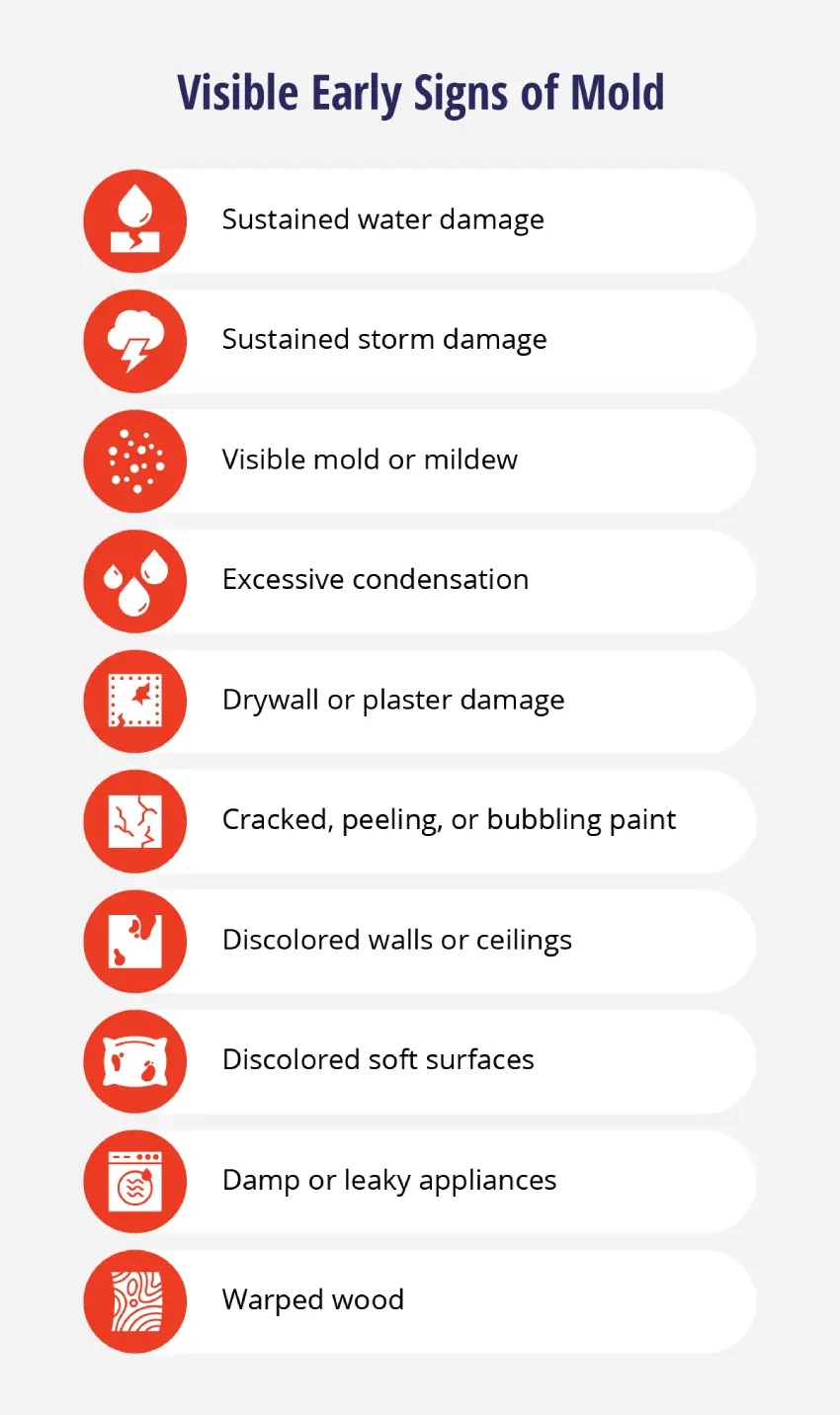
While mold often hides, sometimes it gives itself away with visual clues. Visible mold spots are an undeniable sign of a mold problem. These spots can appear in various colors and textures, depending on the type of mold and the surface it's growing on.
Common Types of Mold You Might See:Mold Type Appearance Potential Concerns
| Black Mold (Stachybotrys) | Slimy, greenish-black, sometimes gray or sooty | Potentially toxic, serious health risks |
| Green Mold (Aspergillus, Penicillium) | Greenish, powdery or velvety texture | Allergens, respiratory irritation |
| White Mold (Cladosporium, Fusarium, Mucor) | White, powdery, cottony, or thread-like | Can damage surfaces, some types are allergenic |
Mold spots can appear on walls, ceilings, floors, tiles, grout, fabrics, furniture, and even cardboard boxes or paper in damp areas. Bathrooms, kitchens, basements, laundry rooms, and areas near leaks are particularly vulnerable. Even small spots can quickly spread if conditions are favorable, and ignoring them is a recipe for a larger infestation.
Important Note: While identifying the type of mold isn't crucial for initial action (removal is the priority regardless), visible mold always demands attention. Don't attempt to simply wipe it away without addressing the underlying moisture issue, or it will likely return.
3. Recent Water Damage: Mold's Favorite Starting Point
Mold thrives in moist environments, and water damage is the number one catalyst for mold growth. Any instance of water intrusion in your home – whether from a major flood or a minor leak – significantly increases the risk of mold development.
Common Sources of Water Damage Leading to Mold:
- Flooding: Natural disasters or plumbing failures.
- Roof Leaks: Damaged or aging roofs allowing rainwater in.
- Plumbing Leaks: Leaky pipes under sinks, behind walls, or in basements.
- Burst Pipes: Sudden and significant water release.
- Condensation: Excessive humidity leading to condensation on cool surfaces.
- High Humidity: Continually damp conditions, especially in basements and bathrooms.
Even after the initial water damage is cleaned up, hidden moisture can linger within walls, under flooring, and in insulation. Mold can start to grow within 24 to 48 hours in these damp conditions. If you've experienced any water damage in your home recently, it's critical to be vigilant about potential mold growth.
Proactive Steps After Water Damage: - Immediate Drying: Dry affected areas thoroughly within 24-48 hours using fans, dehumidifiers, and professional water damage restoration services if necessary.

- Moisture Monitoring: Use moisture meters (available at hardware stores) to check for hidden moisture within walls and floors.
- Inspection: Be extra alert for musty odors or visible mold in areas affected by water damage in the weeks and months following the incident.
4. Unexplained Health Symptoms: Is Mold Making You Sick?
Mold isn't just a threat to your home's structure; it's also a significant health concern. Mold spores are allergens and irritants that, when inhaled, can trigger a range of health problems, especially for individuals with sensitivities, allergies, asthma, or weakened immune systems.
Common Health Symptoms Linked to Mold Exposure: - Respiratory Issues: Coughing, wheezing, shortness of breath, throat irritation.
- Allergy-like Symptoms: Sneezing, runny nose, congestion, itchy eyes, watery eyes.
- Skin Irritation: Rashes, hives, eczema flare-ups.
- Headaches and Fatigue: Persistent headaches, unexplained fatigue.
- Asthma Trigger: Worsening asthma symptoms, more frequent asthma attacks.
These symptoms are often non-specific and can be easily mistaken for common colds or allergies. However, if you notice these symptoms are persistent, worsen when you are at home, and improve when you are away from home, mold exposure could be the culprit.
Who is Most Vulnerable? - Infants and Children: Developing respiratory systems are more susceptible.
- Elderly Individuals: Weaker immune systems.
- People with Allergies and Asthma: Mold spores are known triggers.
- Individuals with Respiratory Conditions: Mold can exacerbate existing issues.
- People with Compromised Immune Systems: More susceptible to infections.
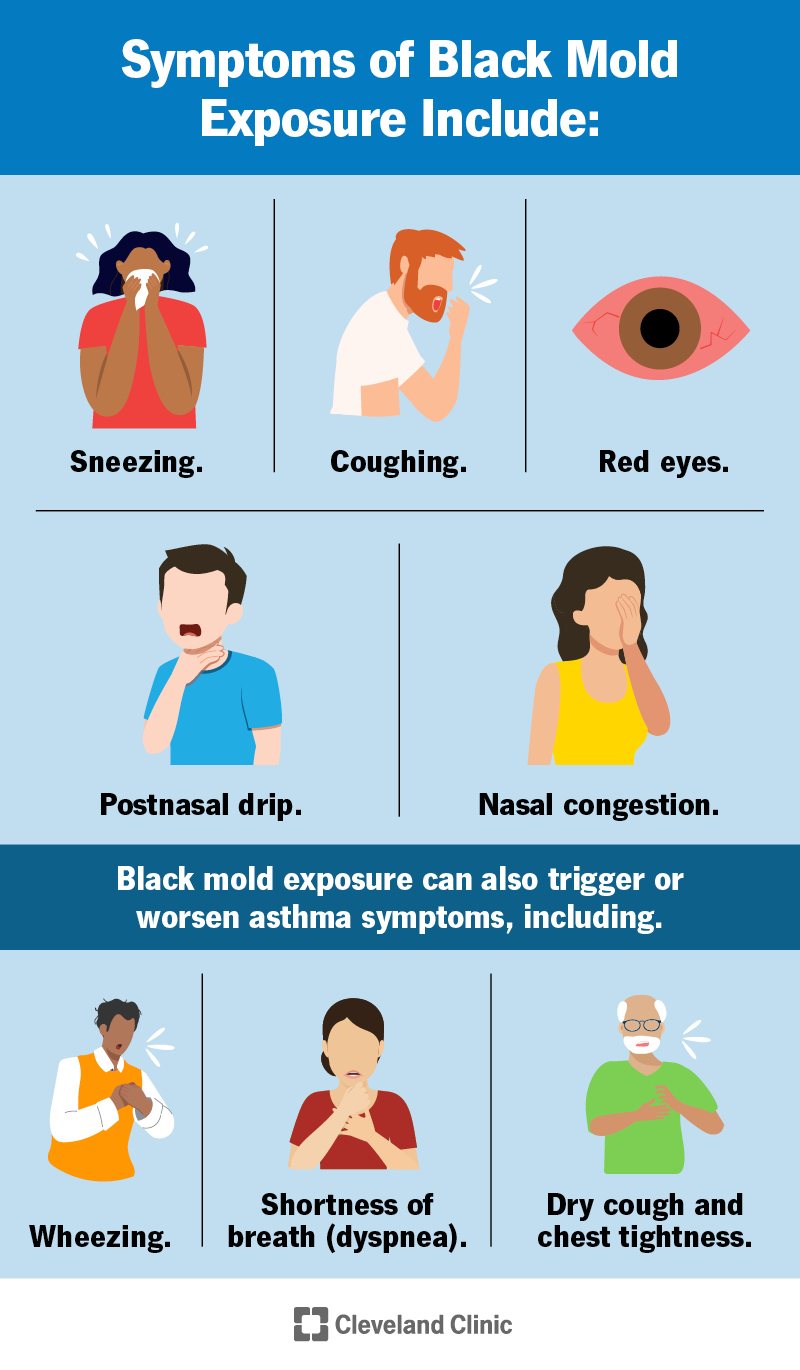
If you or your family members are experiencing unexplained health symptoms, especially respiratory or allergy-related ones, and you suspect mold, don't hesitate to consult both your doctor and a mold inspection professional.
5. Worsening Indoor Air Quality: A Stuffy, Unhealthy Home
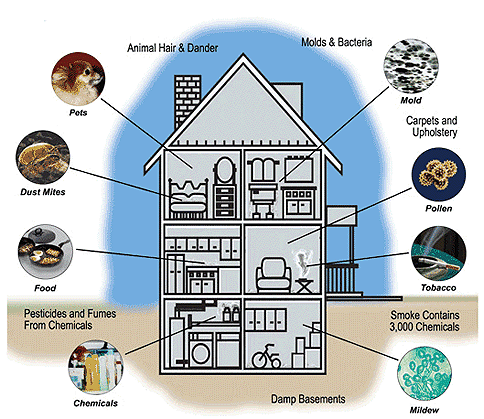
Mold spores circulating in your home contribute to poor indoor air quality. You might not see the mold, but its presence can significantly degrade the air you breathe, leading to discomfort and health problems.
Signs of Poor Indoor Air Quality Potentially Linked to Mold:
- Increased Dust: While not always visible, mold spore release can contribute to dusty conditions.
- Stuffy or Stale Air: A feeling that the air in your home is heavy, stagnant, or not fresh.
- Lingering Haze: In some cases, a slight haze or visible particles in the air might be noticeable, especially in sunlight.
- Aggravated Allergies Indoors: Allergy symptoms that are significantly worse inside the home compared to outdoors.
- Respiratory Irritation: Dry cough, itchy throat, or irritated sinuses, particularly in certain rooms.
Poor indoor air quality isn't always caused by mold, but mold is a common and significant contributor. If you've noticed a general decline in the air quality in your home, it's another reason to investigate for hidden mold, especially if combined with other warning signs described above.When to Call in the Mold Remediation Experts: DIY vs. Professional
For small surface mold issues, like minor bathroom mildew, DIY cleaning with appropriate products and proper ventilation may suffice. However, for anything beyond surface mold or when you suspect hidden mold, professional mold remediation is crucial.
Why Professional Mold Remediation is Essential:Feature DIY Mold Removal Professional Mold Remediation Expertise & Training Limited, potentially incorrect methods Certified, trained technicians, specialized knowledge Hidden Mold Detection Surface level only Advanced tools (moisture meters, thermal cameras) for hidden mold
| Safe Removal | Risk of spore dispersal, health risks | Containment procedures, PPE, safe removal techniques |
| Root Cause Address | May only address surface mold | Identifies and addresses moisture sources, prevents recurrence |
| Equipment & Products| Household cleaners, limited tools | Industrial-grade equipment (HEPA filters, air scrubbers), specialized antimicrobials |
| Long-Term Prevention | Short-term fix, mold may return | Comprehensive cleaning, prevention recommendations, guarantees |
Attempting to handle significant mold problems yourself can be ineffective and even dangerous. Improper techniques can spread mold spores, worsen air quality, and lead to health problems due to increased exposure. Professionals have the expertise, equipment, and safety protocols to safely and effectively remove mold, address the underlying moisture issues, and prevent future growth.
The Professional Mold Removal Process:
- Inspection and Assessment: Thorough inspection of the property to determine the extent of mold growth and identify moisture sources.
- Containment: Setting up barriers to isolate affected areas and prevent spore dispersal during removal.
- Air Filtration: Using HEPA filters and air scrubbers to remove airborne mold spores and improve air quality.
- Mold Removal and Cleaning: Physically removing mold, cleaning surfaces with antimicrobial treatments, and potentially removing and replacing heavily contaminated materials (drywall, insulation).
- Final Inspection and Prevention: Ensuring all mold is removed, conducting a final inspection, and providing recommendations to prevent future mold growth, such as humidity control and leak repairs.
Protecting Your Home and Health: Act Now
Mold is a pervasive problem, but it’s one you can address effectively with the right knowledge and action. Recognizing the signs of hidden mold – the musty odor, visual clues, water damage history, unexplained health symptoms, and worsening indoor air quality – is the first step in protecting your home and your family's health.
Don't wait for the mold to become a larger, more costly, and more dangerous problem. If you suspect mold growth in your home, even if you can't see it, it's time to contact a certified mold remediation professional. Taking swift action is the best way to ensure a safe, healthy, and mold-free living environment. Your home will thank you, and so will your health.