Is Imperfect Steel Coiling Costing You? Unveiling the Power of In-Line Inspection
Are you losing money to undetected steel coil defects? Investing in an in-line inspection system can drastically reduce waste and improve product quality by catching flaws early in your coil processing. With decades in the steel industry, I've seen firsthand how crucial material quality is. Let me walk you through how integrating an inspection line into your coil conveyor system can revolutionize your operations, ensuring you ship only the highest quality steel.
For years, I've witnessed steel manufacturers grapple with the challenge of maintaining impeccable quality while maximizing throughput. The demand for flawless steel products is higher than ever, and even minor defects can lead to significant downstream problems, from production delays to rejected batches and, ultimately, dissatisfied customers. This is where the strategic implementation of an inspection line within your coil conveyor system becomes not just beneficial, but absolutely essential.
Imagine tons of hot steel racing through your mill. The pressure to keep things moving is immense, but sacrificing quality for speed is a false economy. Defects, if left unchecked, can snowball into major headaches. Surface imperfections, inconsistencies in thickness – these issues can compromise the integrity of the final product and damage your bottom line.
That's why, when I saw the fhope1 Inspection Line integrated into a coil conveyor system, it immediately caught my eye. It’s a practical, cost-effective solution designed to address these very challenges head-on. Let's dive into what makes this kind of system a game-changer for modern steel production.
Why Integrate Inspection Directly into Your Coil Conveyor?
In my experience, the traditional approach to quality control often involves offline, manual inspections. While these methods have their place, they are inherently slow, labor-intensive, and prone to human error. Taking samples off the line, transporting them to a separate inspection area, and then manually checking them – it’s a time-consuming process that disrupts the flow of production.
Integrating the inspection process directly into the coil conveyor system offers a far more streamlined and efficient solution. Here’s why this approach makes so much sense:
- Real-Time Quality Monitoring: By inspecting coils as they move along the conveyor, you get immediate feedback on material quality. This allows for instant detection of defects, enabling you to take corrective action right away, minimizing waste and preventing further processing of flawed material.
- Reduced Handling and Damage: Moving coils around for separate inspections increases the risk of handling damage. An in-line system minimizes coil handling, reducing the chances of accidental scratches, dents, or other surface imperfections.
- Increased Throughput: Eliminating the need for offline inspections significantly speeds up the overall production process. Coils move seamlessly from the mill through inspection and on to the next stage, maximizing your throughput and efficiency.
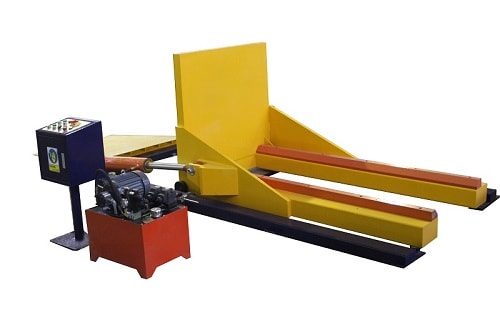
- Ergonomic Sample Handling: Systems like the fhope1 incorporate clever design features, such as a strip turnover device that presents samples at an ergonomic height. This not only makes inspection easier but also improves operator safety and reduces fatigue.
- Cost-Effective Quality Assurance: While the initial investment in an inspection line is a factor, the long-term cost savings are substantial. Reduced scrap, minimized rework, improved throughput, and enhanced product quality all contribute to a significant return on investment.
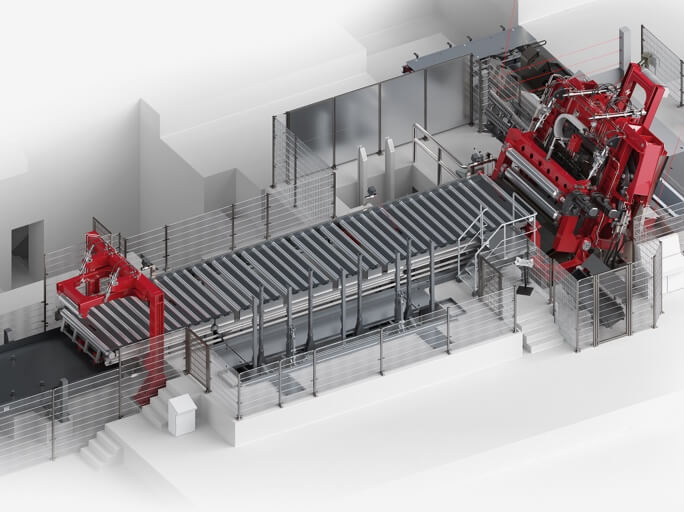
How Does the fhope1 Inspection Line Work in Practice?
Let's break down the mechanics of a typical in-line inspection system, using the fhope1 as an example. Imagine coils fresh from the hot strip mill being transferred onto a pallet conveyor system. This system moves the coils, with their axes horizontal, towards the storage area. Crucially, the inspection line is seamlessly integrated into this conveyor flow.
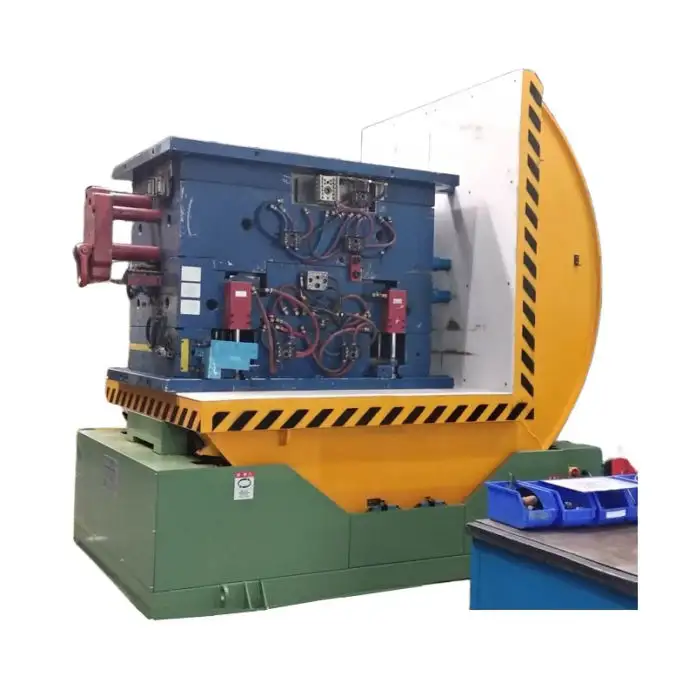
The heart of the system is a strip turnover device. This ingenious mechanism can fold up by 90 degrees, allowing for quick and easy access to both sides of a cut-off coil sample. Here’s a step-by-step look at the process:
- Coil Advancement: The pallet conveyor system gently moves the steel coils along the production line.
- Sample Extraction: At the designated inspection point, a sample is automatically cut from the coil.
- Strip Turnover: The turnover device lifts and rotates the sample, presenting both the top and bottom surfaces for inspection.
- Ergonomic Positioning: The sample is positioned at an optimal height, making it easy for operators to visually inspect for surface defects.
- Defect Detection: Operators can quickly examine the sample for any imperfections, scratches, or inconsistencies. This immediate feedback loop is vital for maintaining quality.
- Data Logging (Optional): Advanced systems can also incorporate automated defect detection technologies, such as cameras and image processing software, to further enhance inspection accuracy and create a detailed quality record for each coil.
- Sample Disposal/Return: After inspection, the sample is either disposed of or returned to the coil, depending on the system design and operational requirements.
- Coil Continues Processing: The coil, now quality-verified (or flagged for further attention), continues its journey along the conveyor system for subsequent processing stages.
The fhope1 system is designed to handle a range of strip thicknesses. For cropping and sample cutting, it can manage thicknesses from 1.2 to 10 mm. For the inspection table itself, the range is 1.2 to 6 mm. The shears and pinch-roll/leveling unit are engineered for normal-strength steel grades, offering a cost-effective solution without compromising functionality for standard applications. This focus on practical needs is something I’ve always appreciated in well-designed industrial equipment.
Beyond Visual Checks: Expanding Your Inspection Capabilities
While visual inspection is a critical first step, modern inspection lines can incorporate a variety of advanced technologies to provide a more comprehensive quality assessment. Think about integrating these features into your system for even greater control:
- Non-Destructive Testing (NDT): Techniques like ultrasonic testing, eddy current testing, and magnetic particle inspection can detect subsurface defects and material inconsistencies that are invisible to the naked eye. Integrating NDT methods into your inspection line provides a deeper level of quality assurance.
- Automated Surface Defect Detection: High-resolution cameras and sophisticated image processing software can be used to automatically scan coil surfaces and identify even minute defects. These systems can be trained to recognize various types of imperfections, providing objective and consistent defect detection.
- Thickness Gauging: In-line thickness gauges can continuously measure the thickness profile of the steel strip, ensuring it meets specified tolerances. Deviations from the required thickness can be flagged immediately, preventing downstream processing issues.
- Width Measurement: Similarly, in-line width measurement systems can monitor the coil width, ensuring it remains within acceptable limits throughout the production process.
- Data Integration and Reporting: Modern inspection lines can be integrated with your plant's data network, allowing for real-time data collection and analysis. This data can be used to generate quality reports, track trends, and identify areas for process improvement.
By combining visual inspection with these advanced technologies, you can create a multi-layered quality control system that catches a wider range of defects and provides a more complete picture of your material quality.
Real-World Applications: Where Inspection Lines Shine
Inspection lines are not just theoretical concepts; they are practical solutions that are making a tangible difference in steel production facilities around the world. Here are a few key application areas where I’ve seen inspection lines deliver significant benefits:
- Hot Strip Mills: As we’ve discussed, integrating inspection lines directly after the hot strip mill is ideal for catching defects early in the process. This prevents further processing of flawed coils and ensures that only high-quality material moves to downstream operations.
- Cold Rolling Mills: Inspection lines are equally valuable in cold rolling applications. Here, surface finish and dimensional accuracy are paramount. In-line inspection ensures that coils meet the stringent quality requirements for demanding applications like automotive panels or appliance components.
- Processing Lines: Whether it’s slitting lines, cut-to-length lines, or coating lines, integrating inspection ensures that material quality is maintained throughout the entire processing chain. This is especially critical for high-value-added steel products where defects can be extremely costly.
- Steel Service Centers: Service centers that process and distribute steel coils can use inspection lines to verify the quality of incoming material and ensure they are providing their customers with defect-free products. This builds trust and strengthens customer relationships.
In each of these scenarios, the core benefit remains the same: proactive quality control that minimizes waste, maximizes efficiency, and enhances the value of your steel products.
Looking Beyond fhope1: Exploring Similar Inspection Solutions
While the fhope1 Inspection Line provides a great example of in-line coil inspection, the market offers a range of similar solutions tailored to different needs and budgets. Here are a few comparable technologies and systems to consider:
- fhope2 Sampling Station for High-Strength Steel: For applications involving higher strength steels and thicker strips, the fhope2 Sampling Station is designed to handle more demanding material properties. It features a robust design and higher bending moment capacity, making it suitable for X-grade steel coils. This type of system typically incorporates more powerful shears and handling mechanisms to manage the increased material strength.
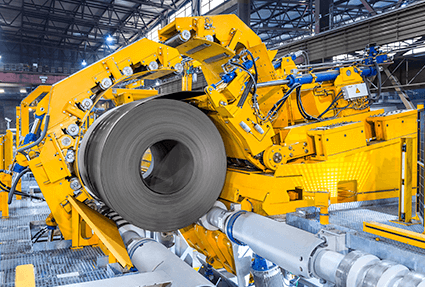
- fhope3 Inspection Line for Conversion Projects: For existing coil processing lines, a conversion project to integrate an inspection line can be highly beneficial. The fhope3 Inspection Line is designed for retrofit installations, allowing you to upgrade your quality control capabilities without a complete overhaul of your existing equipment. These systems are often modular and adaptable to fit within existing line layouts.
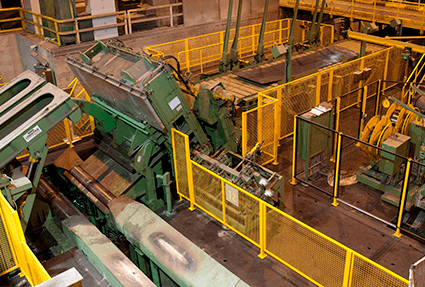
- fhope4 Inspection Line in Pallet Conveyor Systems: Similar to the fhope1, the fhope4 Inspection Line is designed for integration within pallet conveyor systems. These systems are often customized to specific coil dimensions and throughput requirements, ensuring seamless integration with your existing material handling infrastructure.
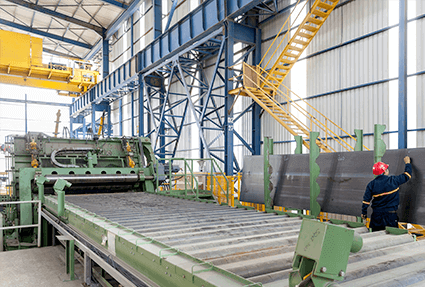
- Automated Surface Inspection Systems: Several manufacturers offer stand-alone automated surface inspection systems that can be integrated into coil processing lines. These systems typically utilize advanced camera technology and AI-powered image analysis to detect and classify surface defects with high accuracy and speed. They can be a valuable addition to any inspection line, providing objective and consistent quality assessment.
When evaluating different inspection solutions, it's crucial to consider your specific needs, including the types of steel you process, the required inspection capabilities, your budget, and your existing line layout. Consulting with experienced equipment suppliers and engineers is essential to selecting the best system for your unique application.
My Verdict: In-Line Inspection is a Must-Have
After three decades in this industry, I can confidently say that in-line inspection is no longer a luxury – it’s a necessity for any steel manufacturer striving for excellence. The fhope1 Inspection Line and similar systems represent a smart investment in quality, efficiency, and long-term profitability. By catching defects early, minimizing waste, and ensuring consistent product quality, you can gain a competitive edge in today's demanding steel market. Don't let imperfect steel coiling cost you – embrace the power of in-line inspection and elevate your operations to the next level.
Remember, investing in quality upfront pays dividends down the line. An effective inspection line is not just a piece of equipment; it's a strategic tool for building a more efficient, profitable, and quality-focused steel production operation.