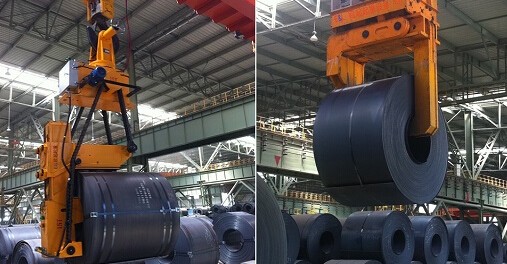
Steel Coil Sampling: How Can Automation Boost Quality and Speed?
Want to cut down on sampling time and boost quality for your high-strength steel production? Automated sampling stations are changing the game. Let’s dive into how this technology is revolutionizing steel coil processing.
For three decades, I've been immersed in the steel industry, witnessing firsthand the evolution of production processes. One area that has consistently presented both challenges and opportunities for improvement is the crucial step of material sampling. In my experience, obtaining representative samples of steel coils, especially the increasingly demanded high-strength grades, has always been a bottleneck, often impacting throughput and demanding significant manual effort.
The global demand for X-grade linepipe and fine-grained steel is surging. These advanced materials are essential for critical infrastructure projects, demanding stringent quality control throughout production. Traditional sampling methods often struggle to keep pace with the high volumes and demanding properties of these materials. This is where automated sampling stations come into play, and believe me, they are a game-changer.
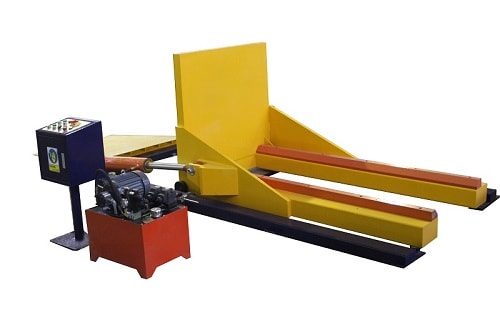
Let's look at a recent project that perfectly illustrates this point: the fhope1 sampling station for X-grade steel coils. This isn't just another piece of equipment; it’s a fully integrated concept designed to streamline the entire sampling and packaging process for even the most challenging steel grades.
(Image: The first image from the input content, likely showing the sampling station)
Why is Automated Sampling Essential for High-Strength Steel?
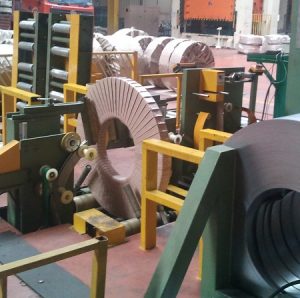
In the past, manually extracting samples from steel coils, particularly thick and high-strength ones, was a labor-intensive and time-consuming task. Imagine trying to precisely and safely cut a sample from a massive coil of ultra-high-strength steel manually. It's not only physically demanding but also introduces variability and potential safety risks.
Here's why automation is not just beneficial but increasingly essential:
- Handling Ultra-High-Strength Steels: Modern steel production is pushing boundaries with ever-stronger materials. X-grade steels, for example, are designed for extreme applications. Their very strength makes manual sampling incredibly difficult, if not impossible, with conventional methods. Automated systems, like the fhope1, are specifically engineered to handle these demanding materials.
- Speed and Throughput: In today's fast-paced production environments, time is money. Manual sampling slows down the entire process. Automated stations significantly reduce throughput times, allowing for faster material dispatch and improved production efficiency. This is critical when you're aiming for high-volume output.
- Consistency and Accuracy: Manual sampling can be prone to human error, leading to inconsistencies in sample size and quality. Automated systems ensure consistent sample extraction every time, providing more reliable quality control data. This consistency is crucial for meeting stringent industry standards and customer expectations.
- Safety: Working with heavy machinery and sharp cutting tools always carries risks. Automating the sampling process reduces the need for manual intervention in potentially hazardous areas, enhancing workplace safety.
- Integration with Production Lines: Modern automated sampling stations are designed for seamless integration into existing production lines. This minimizes disruption and maximizes efficiency, as seen with the fhope1 system being centrally located in the dispatch hall for optimal material flow.
fhope1: A Deep Dive into Automated Steel Coil Sampling
The fhope1 sampling station isn't just about cutting steel; it’s a complete, integrated system. Developed as a comprehensive line concept, it addresses the entire spectrum of steel grades, from standard to ultra-high-strength. This single system can handle sampling and strapping, simplifying operations and maximizing efficiency.
One of the standout features of the fhope1 is its high-performance sample shear. This is the heart of the system, capable of cutting through steel strips up to a remarkable 28.3 millimeters thick, even for the most demanding high-strength and ultra-high-strength steel grades. This robust cutting capability is essential for obtaining representative samples from thick coils.
Let's look at some key specifications that highlight the power and precision of the fhope1:
- Strip Thickness: 1.5 – 28.3 mm – Handles a wide range of thicknesses, accommodating various steel grades.
- Sample Length: 520 mm – Provides ample material for comprehensive testing and analysis.
- Fully Plastic Bending Moment: max. 180,000 Nm – Demonstrates the immense cutting force available, necessary for thick, high-strength steel.
(Image: The seventh image from the input content, showing specs again but perhaps in a different context)
This impressive bending moment is a testament to the engineering behind the fhope1. It ensures clean, precise cuts even on materials that would challenge conventional sampling equipment.
Boosting Production and Optimizing Material Flow
The strategic placement of the fhope1 system within the dispatch hall is a key element of its design. By integrating the sampling station directly into the material flow, throughput times are significantly reduced. This centralized location optimizes logistics and minimizes material handling, contributing to overall production efficiency gains.
Think about the impact of shorter throughput times in sampling and packaging. For a high-volume steel producer, shaving off even minutes per coil can translate into significant time and cost savings over a year. This improved efficiency directly contributes to increased production capacity and faster order fulfillment.
Beyond Sampling: Integrated Packaging
The fhope1 system goes beyond just sampling. It includes a downstream packaging line, creating a fully automated solution from sample extraction to готовое packaging. This integrated approach further streamlines the process, eliminating bottlenecks and ensuring a smooth flow of materials from production to dispatch.
This integration of sampling and packaging is a smart move. It reduces the need for separate handling and transport of samples, minimizing the risk of damage or misidentification. It also simplifies the overall logistics within the plant.
Real-World Impact: Shorter Throughput, Higher Efficiency
The bottom line is that automated sampling stations like the fhope1 are not just about fancy technology; they deliver tangible benefits to steel producers. The key advantages boil down to:
- Increased Production: Shorter throughput times in sampling and packaging directly translate to higher production volumes.
- Improved Quality Control: Consistent and accurate sampling ensures reliable quality data, leading to better process control and product quality.
- Reduced Labor Costs: Automation reduces the need for manual labor in sampling, freeing up personnel for other tasks.
- Enhanced Safety: Automated systems minimize manual intervention in potentially hazardous areas, improving workplace safety.
- Optimized Material Flow: Strategic integration into the production line and dispatch hall streamlines material flow and reduces handling costs.
(Image: The first "More references by AMOVA" image, showing coil conveying system modernization)
More Than Just Sampling: A Holistic Approach to Steel Handling
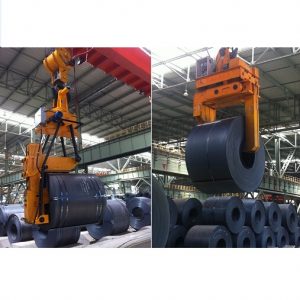
Looking at the broader picture, the fhope1 sampling station is part of a larger trend towards automation and integrated solutions in the steel industry. Companies are increasingly seeking holistic approaches that optimize material flow, improve efficiency, and enhance quality across the entire production process.
This is evident in other related projects focused on different aspects of steel coil handling and processing. Let's take a look at some examples that showcase this trend:
-
Modernization of Coil Conveying Systems: Efficient material flow is critical in steel plants. Modernizing coil conveying systems, like the project shown in the image above, can significantly improve throughput and reduce bottlenecks. These systems often involve heavy-duty equipment capable of handling massive coils, as exemplified by systems handling equipment weighing up to 1,200 tons.
(Image: The second "More references by AMOVA" image, showing pallet conveyor system)
-
Pallet Conveyor Systems for Hot-Rolled Coils: Moving hot-rolled coils efficiently requires robust and reliable conveyor systems. Pallet conveyor systems, like the one pictured, are designed to handle heavy coils at high throughput rates. Systems capable of handling coils weighing 36 tons and achieving throughputs of 60 coils per hour are essential for high-volume production.
(Image: The third "More references by AMOVA" image, showing Automatic Coil Transporters)
-
Automatic Coil Transporters (A.C.T.®): For flexible and efficient coil transport within a plant, Automatic Coil Transporters (A.C.T.®) offer a versatile solution. These self-propelled vehicles can navigate complex layouts and transport heavy coils up to 32 tons with precision and speed, reaching travel speeds of up to 1 m/s.
(Image: The fourth "More references by AMOVA" image, showing packaging line for litho coils)
-
Packaging Lines for Coils: Just as important as sampling is the final packaging of coils for shipping and storage. Automated packaging lines, like those designed for litho coils, streamline this process, ensuring coils are securely packaged and ready for dispatch. These lines can handle coils weighing over 10 tons and achieve throughputs of 8 packs per hour.
(Image: The fifth "More references by AMOVA" image, showing high-bay store for coils)
-
High-Bay Stores for Coils: Efficient storage is crucial for managing inventory and optimizing space utilization. High-bay stores, capable of holding thousands of coils, provide a compact and organized solution for coil storage. These automated warehouses can handle coils weighing up to 32 tons and offer storage capacities exceeding 1,300 coils.
(Image: The sixth "More references by AMOVA" image, showing sampling station again)
-
Sampling Stations for X-grade Steel Coils (Repetition): (Image repeated - keep it here as it's part of the sequence). Reinforcing the focus on sampling stations within the broader context of steel handling solutions.
(Image: The eighth "More references by AMOVA" image, showing cantilever store for litho coils)
-
Cantilever Stores for Coils: For specific storage needs, cantilever stores offer a flexible and accessible solution, particularly for litho coils. These stores can be designed to accommodate specific coil dimensions and throughput requirements, handling coil input/output rates of 4-8 coils per hour.
(Image: The ninth "More references by AMOVA" image, showing high-bay store for aluminium coils)
-
High-Bay Stores for Aluminum Coils: The principles of efficient storage apply to aluminum coils as well. High-bay stores designed for aluminum coils provide similar benefits in terms of space optimization and inventory management, accommodating coils up to 26.5 tons and storing over 500 coils.
(Image: The tenth "More references by AMOVA" image, showing strapping of high-strength steel coils)
-
Strapping of High-Strength Steel Coils: Securing coils for transport is essential. Automated strapping lines for high-strength steel coils ensure coils are properly secured with multiple straps in a short time, achieving strapping times of under 190 seconds per coil even for thick strips up to 28.3 mm.
(Image: The eleventh "More references by AMOVA" image, showing coil packaging line)
-
Coil Packaging Lines (General): Beyond specific coil types, comprehensive coil packaging lines are designed for high-capacity packaging of various steel coils. These lines can handle very heavy coils, exceeding 45 tons, and achieve impressive packaging capacities of over 1,000,000 tons per year.
(Image: The twelfth "More references by AMOVA" image, showing inspection line/conversion project)
-
Inspection Lines/Conversion Projects: Quality control extends beyond just sampling. Inspection lines are crucial for identifying defects and ensuring product quality. Conversion projects that integrate inspection lines into existing systems enhance overall quality assurance, accommodating strip thicknesses from 1 to 12.7 mm.
(Image: The thirteenth "More references by AMOVA" image, showing inspection line in coil conveyor system)
-
Inspection Lines in Coil Conveyor Systems: Integrating inspection directly into the coil conveyor system provides continuous quality monitoring throughout the production process. These integrated systems can handle a range of strip thicknesses and bending moments, ensuring consistent quality control.
(Image: The fourteenth "More references by AMOVA" image, showing pallet conveyor system for aluminium coils)
-
Pallet Conveyor Systems for Aluminum Coils: Extending the concept of efficient pallet conveying to aluminum coils, these systems are tailored to the specific requirements of aluminum handling, accommodating coils up to 34 tons and achieving throughputs of 12 coils per hour.
(Image: The fifteenth "More references by AMOVA" image, showing coil conveying system modernization again)
-
Modernization of Coil Conveying Systems (Repetition): (Image repeated - keep it here as it's part of the sequence). Again, highlighting the importance of continuous improvement and modernization in coil handling infrastructure.
(Image: The sixteenth "More references by AMOVA" image, showing pallet conveyor system for hot-rolled coils again)
-
Pallet Conveyor Systems for Hot-Rolled Coils (Repetition): (Image repeated - keep it here as it's part of the sequence). Reinforcing the significance of efficient hot-rolled coil handling in steel production.
(Image: The seventeenth "More references by AMOVA" image, showing Automatic Coil Transporters again)
-
Automatic Coil Transporters (A.C.T.®) (Repetition): (Image repeated - keep it here as it's part of the sequence). Emphasizing the versatility and importance of automated guided vehicles in steel plants.
(Image: The eighteenth "More references by AMOVA" image, showing packaging line for litho coils again)
-
Packaging Line for Litho Coils (Repetition): (Image repeated - keep it here as it's part of the sequence). Reiterating the need for specialized packaging solutions for different coil types.
(Image: The nineteenth "More references by AMOVA" image, showing high-bay store for 1,382 coils again)
-
High-Bay Store for 1,382 Coils (Repetition): (Image repeated - keep it here as it's part of the sequence). Underscoring the role of high-capacity automated storage in modern steel warehousing.
(Image: The twentieth "More references by AMOVA" image, showing sampling station for X-grade steel coils again)
-
Sampling Station for X-grade Steel Coils (Repetition): (Image repeated - keep it here as it's part of the sequence). Concluding by bringing the focus back to the core topic of automated sampling and its significance.
The Future of Steel Production is Automated and Integrated
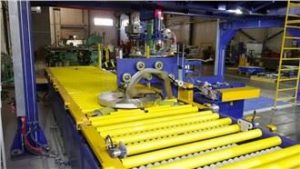
From my 30 years in this industry, I can confidently say that automation is no longer a luxury but a necessity for steel producers looking to thrive in today's competitive market. Automated sampling stations like the fhope1 are prime examples of how technology can address critical bottlenecks, improve quality, enhance safety, and drive overall efficiency.
As we move forward, I expect to see even greater integration and sophistication in steel production automation. The focus will be on creating seamless, data-driven systems that optimize every step of the process, from raw material input to finished product dispatch. Embracing these advancements is key to ensuring the steel industry remains competitive and continues to deliver the high-quality materials that underpin modern infrastructure and manufacturing.
Title (Question form, < 10 words): Automated Steel Sampling: How to Improve?
Featured Snippet (60-80 words, answering title question): Automated steel sampling stations significantly improve efficiency and quality in steel production by replacing manual, time-consuming processes. These systems, like the fhope1, handle high-strength steel, reduce throughput times, ensure consistent sample quality, enhance safety, and integrate seamlessly into production lines, optimizing material flow and boosting overall productivity.