Want to optimize your slit coil packaging process? Automated slit coil packaging lines offer significant advantages, including increased throughput (up to 100 coils per hour), reduced material damage through gentle handling, and seamless integration into existing plant logistics. These systems handle various coil dimensions and weights, ensuring efficient and safe packaging for diverse industrial needs.
After three decades immersed in the machinery industry, specifically focusing on optimizing production lines and procurement decisions, I've seen firsthand the evolution of coil packaging. One area that has consistently presented both challenges and opportunities for improvement is the handling and packaging of slit coils. Inefficient packaging processes can lead to bottlenecks, material damage, and increased operational costs. That’s why I want to share my insights on slit-coil packaging lines and how they can revolutionize your operations.
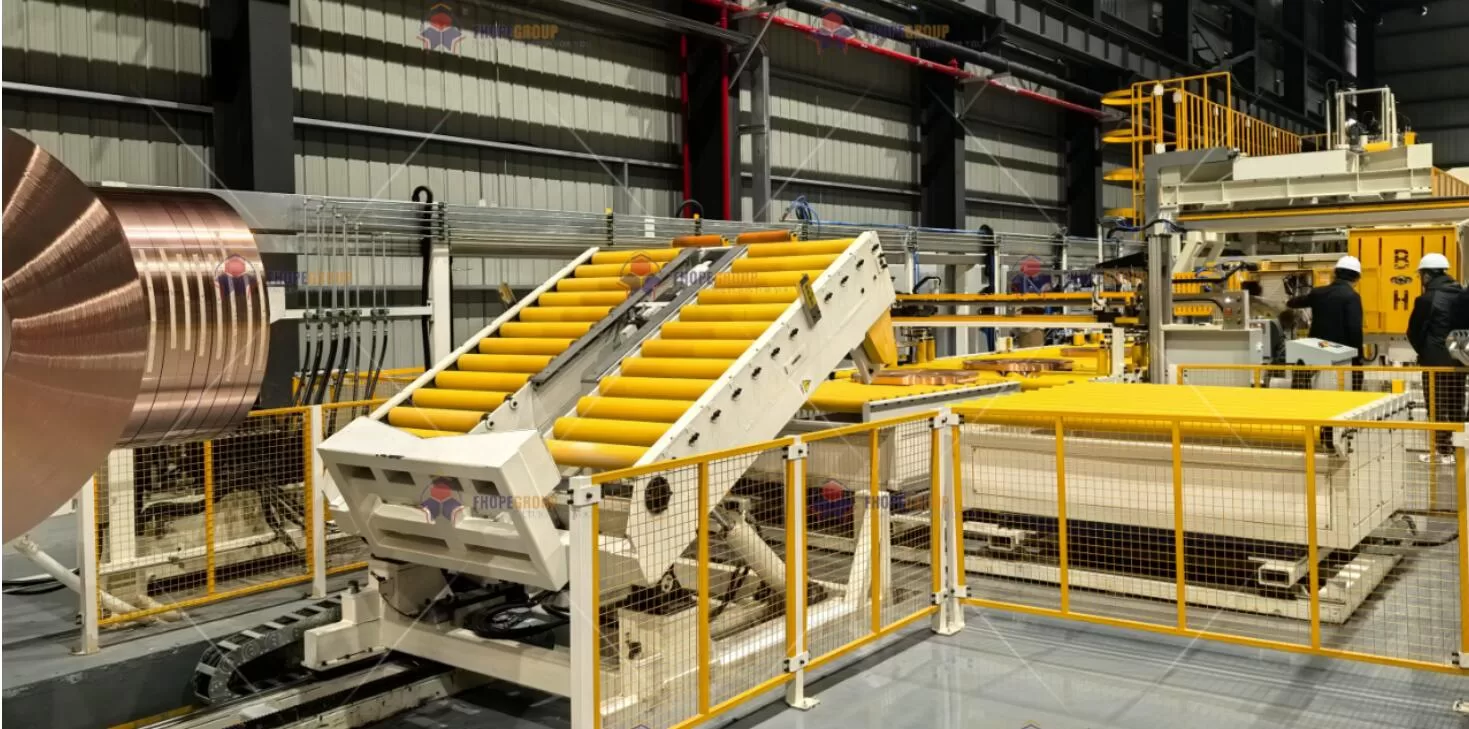
Are You Still Struggling with Manual Slit Coil Packaging?
For years, I witnessed firsthand the limitations of manual slit coil packaging. The process was often slow, labor-intensive, and prone to errors. Imagine teams of workers manually strapping and wrapping coils, often struggling with heavy loads and awkward shapes. This not only increased the risk of worker injury but also led to inconsistent packaging quality and potential damage to the coils themselves. The throughput was heavily dependent on manpower and prone to fluctuations.
But what if you could dramatically increase your packaging throughput, minimize material damage, and create a safer working environment all at once? This is where automated slit-coil packaging lines come into play. Let me walk you through the features and benefits I’ve seen firsthand in modern systems.
How Can Automated Packaging Lines Protect Your Coils From Damage?
One of the most significant advantages of automated slit-coil packaging lines is the incredibly gentle handling they offer. In my experience, damage during handling and packaging is a major concern in the metal industry. Scratches, dents, and deformations can lead to material waste and customer dissatisfaction.
Traditional manual methods often involve forklifts and cranes, which, while necessary, can introduce stress points and potential damage if not handled with extreme care. Automated systems, on the other hand, are designed with precision and gentleness in mind.
These lines utilize non-contact centering mechanisms and advanced transport media like vacuum or magnetic carrier systems. Think about it: instead of relying on friction and pressure, these systems use controlled forces to lift, move, and position the coils. This minimizes the risk of surface damage and ensures the integrity of even the most delicate materials.
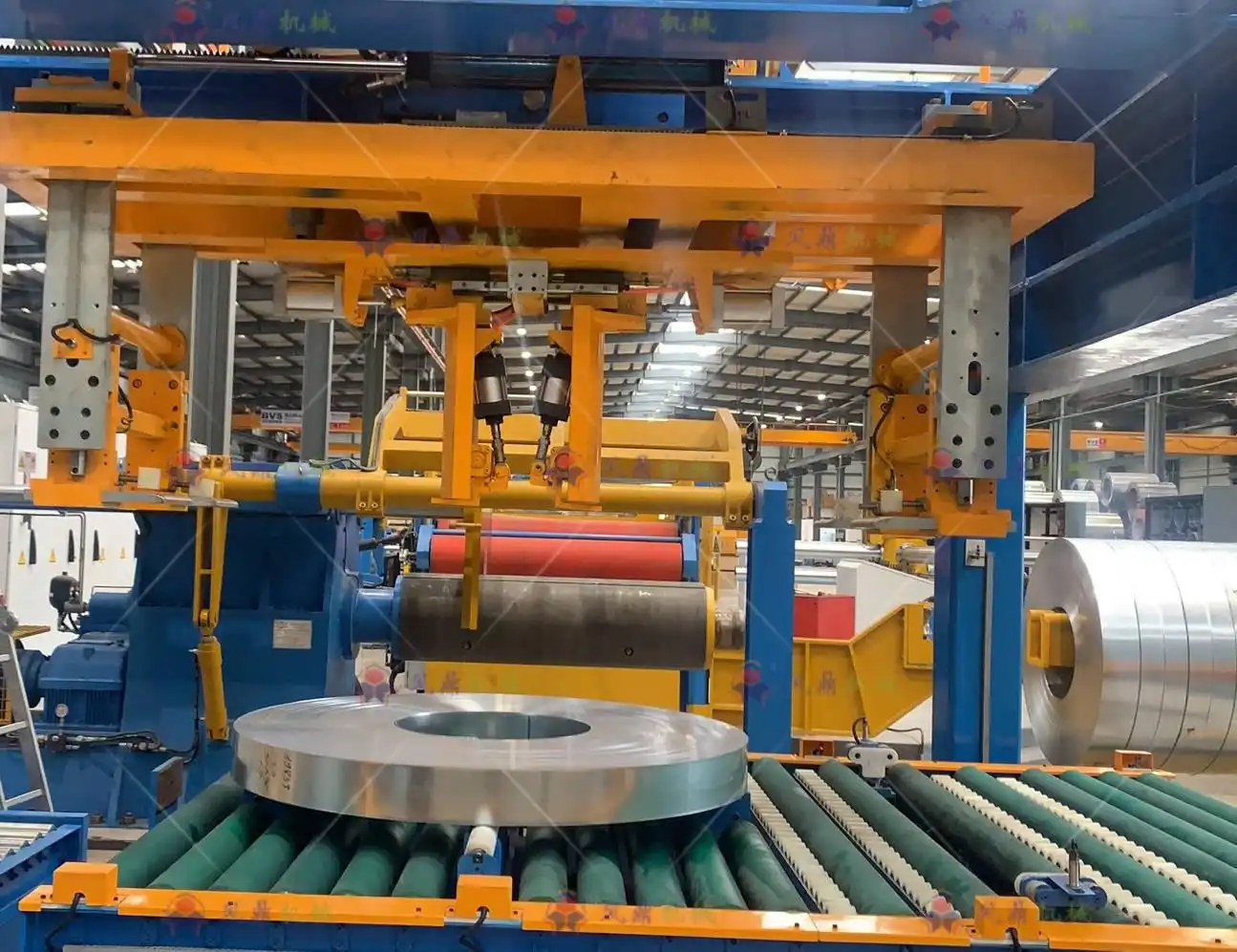
Over the years, I've seen companies drastically reduce their material loss and rework rates simply by transitioning to automated packaging. The investment in these systems pays off not only in increased efficiency but also in significantly reduced material waste and improved product quality.
Can Packaging Lines Truly Integrate Seamlessly Into Your Plant Logistics?
Integration is key in any modern manufacturing environment. Standalone systems, no matter how efficient, can create bottlenecks if they don't seamlessly connect with the overall plant logistics. This is another area where modern slit-coil packaging lines excel.
From my experience, the best packaging lines are designed with modularity in mind. This means they can be tailored to fit seamlessly into your existing plant layout and integrate with your upstream and downstream processes. Whether you need to interface with coil distributor cars, turnstiles, or your overall warehouse management system, these systems are designed for smooth integration.
Furthermore, the flexibility extends beyond physical integration. Modern packaging lines are often equipped with sophisticated control systems that can communicate with your plant's central management system. This allows for real-time monitoring of packaging throughput, inventory management, and even predictive maintenance.
In essence, these systems are not just packaging machines; they are integral components of a smart, connected factory. This level of integration leads to optimized material flow, reduced downtime, and enhanced overall operational efficiency.
What Throughput Can You Realistically Expect from Automated Packaging?
Throughput is a critical metric for any production line. If your packaging process can't keep pace with your coil production, you'll inevitably face bottlenecks and delays. This is where automated slit-coil packaging lines truly shine.
The original content mentions a throughput of "up to 100 coils per hour," and in my experience, this is a realistic figure for highly automated systems, depending on the specific configuration and degree of automation. However, it's important to understand that throughput is not just about speed; it's about consistent and reliable performance.
Automated lines can maintain a high and consistent throughput rate, shift after shift, without the fatigue and variability associated with manual labor. This predictability is invaluable for production planning and ensures that you can meet your delivery commitments reliably.
Think about the impact of doubling or even tripling your packaging throughput. It translates directly into increased output, faster order fulfillment, and improved responsiveness to customer demands. For high-volume operations, the throughput gains alone can justify the investment in automated packaging lines.
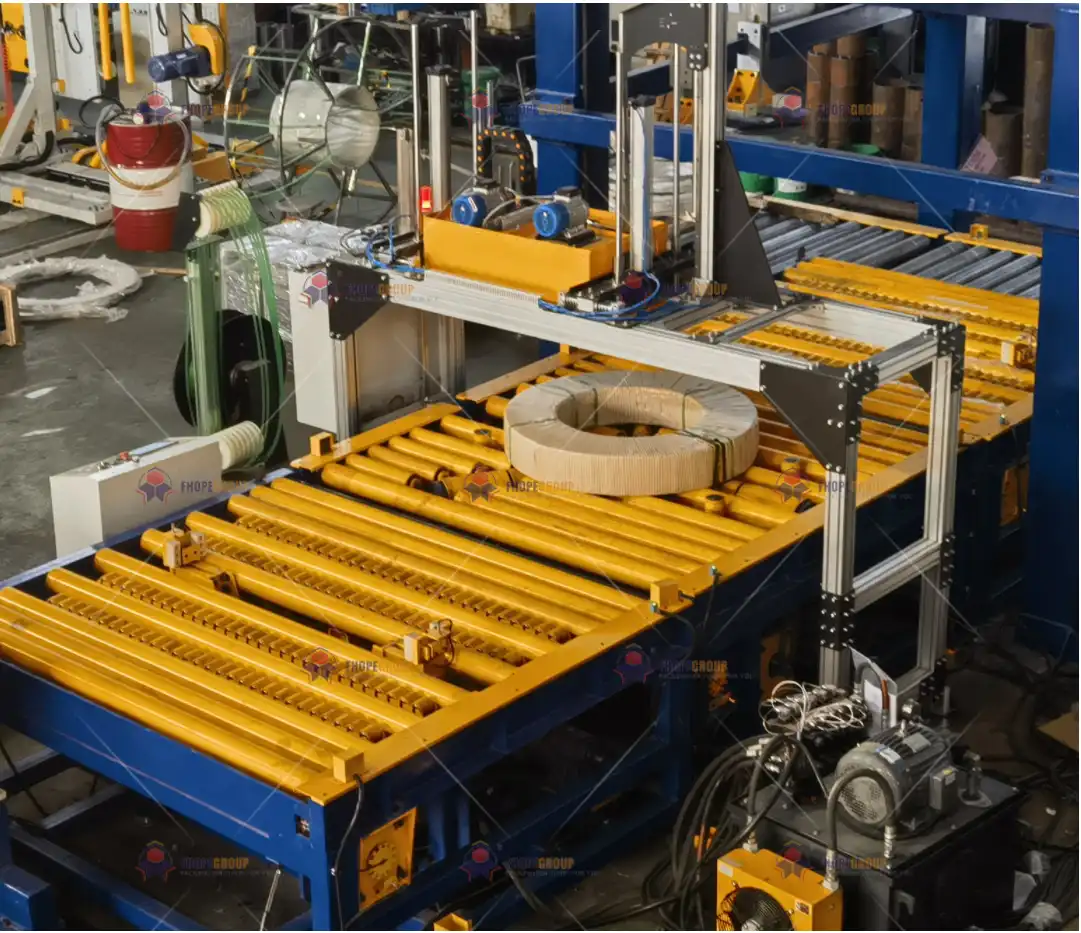
What Coil Dimensions and Weights Can These Packaging Lines Handle?
Versatility is crucial in today's manufacturing environment. Production lines need to handle a range of product sizes and specifications to meet diverse customer demands. Slit coils are no exception, coming in various dimensions and weights.
From what I've seen, modern slit-coil packaging lines are designed to handle a wide spectrum of coil sizes and weights. The specifications mentioned—coil diameters up to 2,300 mm and single coil widths from 5 to 600 mm, with single coil weights up to 9 tons and stack weights up to 15 tons—are indicative of the robust capabilities of these systems.
This versatility means you can process a wide range of slit coil sizes on the same line without the need for manual adjustments or changeovers. This reduces downtime, simplifies operations, and maximizes the utilization of your packaging equipment. Whether you're dealing with small, narrow coils or large, heavy stacks, these systems are engineered to handle the job efficiently and safely.
How Can You Customize a Packaging Line to Your Specific Needs?
Every manufacturing operation is unique, with its own specific requirements and constraints. A one-size-fits-all approach rarely works in the real world. That's why the modular design of slit-coil packaging lines is so important.
In my experience, the ability to tailor a system to your specific needs is paramount. Modular design allows for customization and scalability. You can select from a range of extension options to create a packaging line that perfectly matches your throughput requirements, space limitations, and automation goals.
The "extension options" listed in the original content – paper wrapping machines, eye strapping machines, feed systems for pallets and spacers, labeling systems, pallet stretchers, and stack-strapping machines – are excellent examples of this modularity. You can pick and choose the modules you need to create a bespoke packaging solution.
Furthermore, the modular design also facilitates future upgrades and expansions. As your production needs evolve, you can easily retrofit additional modules or adapt the system to changing requirements. This future-proofs your investment and ensures that your packaging line can grow with your business.
Beyond the Basics: What Advanced Features Should You Consider?
While the core functionalities of slit-coil packaging lines are essential, several advanced features can further enhance efficiency, safety, and overall performance. Based on my observations and industry trends, here are some features to consider:
-
Automated Labeling and Tracking: Integrated labeling systems that automatically apply labels with barcodes or RFID tags can streamline inventory management and traceability. This is crucial for quality control and supply chain visibility. Think about the time saved and errors eliminated by automating this process.
-
Real-time Monitoring and Diagnostics: Modern systems often come equipped with sensors and software that provide real-time data on system performance, component status, and potential issues. This predictive maintenance capability can significantly reduce downtime and optimize maintenance schedules. Imagine being able to identify and address potential problems before they lead to costly breakdowns.
-
Remote Access and Control: In today's connected world, remote access and control are increasingly valuable. These features allow for remote monitoring, diagnostics, and even software updates, minimizing the need for on-site intervention and enabling faster response times. This is particularly beneficial for operations with multiple locations or limited on-site technical staff.
-
Energy Efficiency: Sustainability is becoming a major focus in manufacturing. Look for packaging lines designed with energy-efficient components and features like servo-driven motors and optimized pneumatic systems. These features can reduce your energy consumption and operating costs while contributing to your sustainability goals.
-
Safety Features: Safety is always paramount. Advanced packaging lines incorporate numerous safety features, such as light curtains, safety scanners, and emergency stop systems, to protect personnel and prevent accidents. Investing in safety is not just a regulatory requirement; it's a moral imperative and contributes to a more productive and engaged workforce.
Examples of Similar Projects: Expanding Your Automation Horizon
While slit-coil packaging lines are a crucial component of coil processing, they are often part of a larger automated material handling and packaging ecosystem. To give you a broader perspective, let's look at some related systems that enhance the overall efficiency of coil handling operations.
-
Pallet Conveying Systems: These systems are designed to transport pallets of coils efficiently and safely throughout the plant. As mentioned in the original content, systems like the fhope1 pallet conveying system can handle hot-strip coils at high temperatures, demonstrating their robustness and reliability in demanding environments. They often incorporate features like automatic pallet loading and unloading, accumulation zones, and integration with warehouse management systems.
-
Coil Packaging Lines (General): Beyond slit coils, there are comprehensive coil packaging lines designed for various types of coils. The fhope2 coil packaging lines, for example, are engineered to protect coils from damage and environmental factors during storage and transportation. These systems often include features like wrapping, strapping, and hooding to provide all-around protection.
-
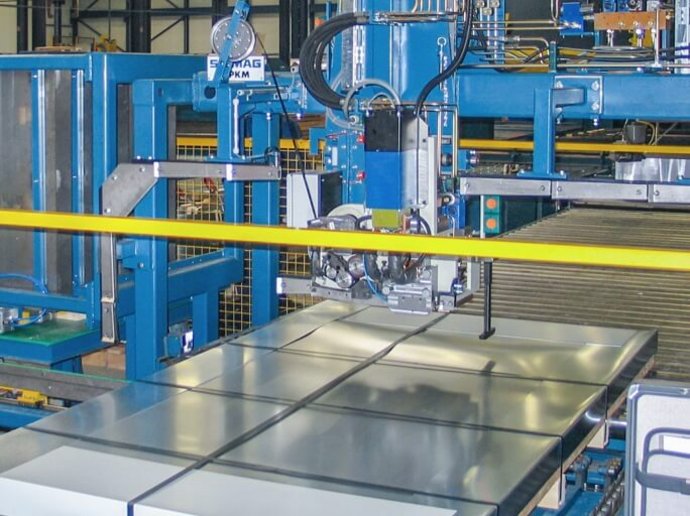
Sheet Metal Packaging Lines: For processing sheet metal alongside coils, sheet metal packaging lines like fhope3 are essential. These systems are designed to handle heavy weights and large dimensions of sheet metal packages, ensuring safe and secure packaging for further transport. They often incorporate stacking, strapping, and wrapping functions tailored to sheet metal formats.
-
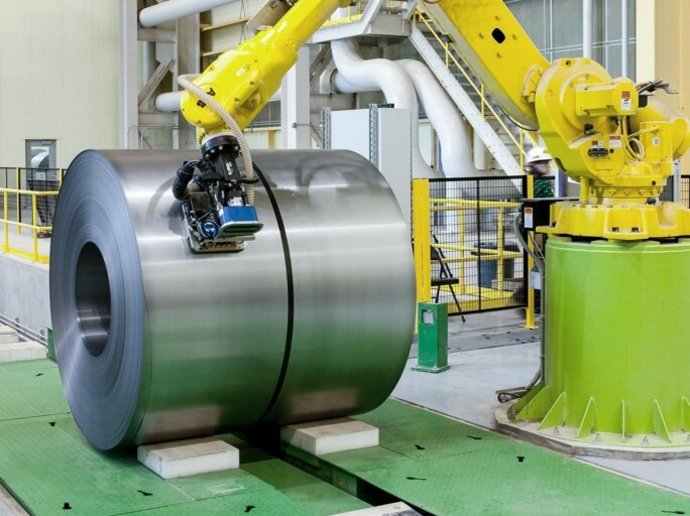
Marking and Labeling Systems: Integrating marking and labeling systems, such as fhope4, directly into your packaging line streamlines product identification and tracking. Robotic labeling solutions are particularly efficient, allowing for precise and high-speed application of labels to coils or packages as they move along the line. This automation reduces manual labeling errors and improves data accuracy.

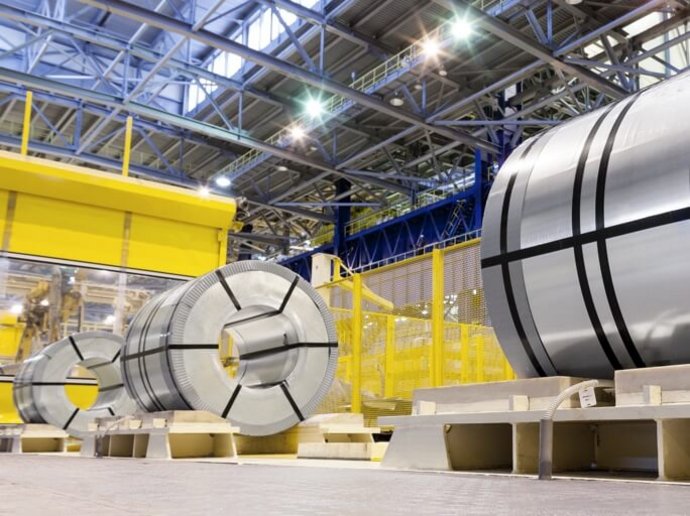
These examples illustrate how slit-coil packaging lines are just one piece of the puzzle in creating a fully optimized and automated coil handling and packaging operation. By considering these related systems, you can develop a holistic approach to improving your overall efficiency and competitiveness.
The Future of Coil Packaging: Smart, Flexible, and Sustainable
Looking ahead, I believe the future of coil packaging will be driven by several key trends:
-
Increased Automation: Automation will continue to advance, with even greater integration of robotics, AI, and machine learning to optimize packaging processes, improve decision-making, and reduce human intervention.
-
Enhanced Flexibility: Packaging lines will become even more flexible and adaptable to handle a wider variety of coil sizes, materials, and packaging configurations, catering to increasingly customized product demands.
-
Sustainability Focus: Sustainability will be a major driver, with a growing emphasis on energy-efficient systems, recyclable packaging materials, and reduced material waste. The industry will move towards more circular economy principles.
-
Data-Driven Optimization: The use of data analytics and IoT technologies will become even more prevalent, enabling real-time monitoring, predictive maintenance, and continuous process improvement. Packaging lines will become intelligent and self-optimizing.
In conclusion, investing in automated slit-coil packaging lines is not just about upgrading equipment; it's about transforming your operations to be more efficient, reliable, safe, and sustainable. From my 30 years of experience, I can confidently say that embracing these technologies is a strategic move that will pay dividends for years to come, helping you stay competitive in an ever-evolving industry.