Is your packing line grinding to a halt? Are unexplained slowdowns and mysterious malfunctions plaguing your production? The culprit might be lurking within the veins of your machinery: the hydraulic system. Don't let fluid power become your weakest link.
What is the critical maintenance needed for packing line hydraulics? Regular maintenance is essential for packing line hydraulics. It includes checking oil levels and quality, replacing filters, inspecting hoses and connections, and monitoring system pressure and temperature. Addressing these aspects ensures optimal performance and prevents costly downtime.
Ignoring the critical maintenance needs of your packing line's hydraulic system is akin to neglecting the very lifeblood of your operation. Let's dive into the crucial maintenance aspects to ensure smooth and efficient operations.
Oil's Well That Ends Well: Hydraulic Fluid Maintenance
Hydraulic fluid is the lifeblood of your packing line's hydraulic system. Without proper maintenance, this vital fluid can become contaminated, leading to reduced efficiency and potential system failure.
How often should you change the hydraulic fluid in your packing line equipment? Hydraulic oil should be checked regularly and replaced every 1,000 hours of operation or as specified by the manufacturer. Consistent monitoring and timely replacement of the fluid will prevent contamination and ensure optimal system performance, reducing the risk of costly repairs and downtime.

Dive Deeper: The Nitty-Gritty of Hydraulic Fluid
Maintaining hydraulic fluid involves more than just periodic changes. Let's explore the different facets of hydraulic fluid maintenance to ensure the longevity and efficiency of your packing line.
Monitoring Fluid Levels
Regularly checking the hydraulic fluid levels in your reservoirs is crucial. Low fluid levels can introduce air into the system, leading to cavitation and potential damage to pumps. Conversely, overfilling can cause leaks and pressure issues. Always adhere to the manufacturer's specifications for optimal fluid levels.
Checking for Contamination
Contamination is a silent killer of hydraulic systems. Regularly inspect the fluid for signs of contamination such as discoloration, cloudiness, or the presence of particles. Contaminants can accelerate wear and tear on system components, leading to premature failure. Fluid analysis, performed periodically, can provide detailed insights into the level and type of contamination.
Choosing the Right Fluid
Using the correct type of hydraulic fluid is non-negotiable. Different fluids have different properties, and using the wrong one can lead to compatibility issues, reduced performance, and even system damage. Consult your equipment manufacturer's recommendations to ensure you're using the appropriate fluid type.
Regular Fluid Analysis
Consider scheduling regular fluid analysis to get a comprehensive understanding of your hydraulic fluid's condition. This analysis can identify contaminants, measure viscosity, and assess the fluid's overall health. Based on the results, you can make informed decisions about fluid changes and system maintenance.
To illustrate the impact of regular fluid analysis, consider the following scenario:
| Metric | Without Fluid Analysis | With Fluid Analysis |
|---|---|---|
| Fluid Change Frequency | Every 1,000 hours | Based on Analysis Results |
| Downtime Incidents | 3 per year | 1 per year |
| Component Replacement Cost | $5,000 per incident | $1,000 per incident |
| Total Cost | $15,000 + Fluid Costs | $1,000 + Fluid Costs |
This simple table highlights the significant cost savings and reduced downtime achieved through regular fluid analysis.
Temperature Control
Maintaining the correct operating temperature of your hydraulic fluid is essential. Overheating can degrade the fluid, reducing its viscosity and lubricating properties. Ensure your system's cooling mechanisms are functioning correctly and address any signs of overheating promptly.
Proper Storage
Even how you store your hydraulic fluid can impact its performance. Always store new fluid in clean, sealed containers in a cool, dry place. Avoid storing fluid near contaminants or in direct sunlight.
By paying attention to these details, you can significantly extend the life of your hydraulic fluid and, in turn, the lifespan of your packing line's hydraulic system.
Filter This: The Importance of Regular Filter Changes
Filters are the kidneys of your hydraulic system, diligently removing harmful particles that can clog valves, damage pumps, and reduce overall efficiency.
Why is it important to change hydraulic filters regularly? Regularly changing hydraulic filters removes contaminants that can cause system damage and inefficiency. This practice prevents clogs, protects components, and ensures optimal performance, leading to reduced downtime and prolonged equipment life for your packing line.

Understanding Hydraulic Filter Types and Schedules
Changing filters isn't just about swapping out old ones. It's about understanding the types of filters in your system and adhering to a regular maintenance schedule.
-
Types of Filters: Your packing line's hydraulic system may utilize different types of filters, including:
- Suction Filters: Located at the inlet of the pump to protect it from large debris.
- Pressure Filters: Positioned downstream of the pump to protect sensitive components like valves and cylinders.
- Return Filters: Installed in the return line to clean the fluid before it re-enters the reservoir.
-
Filter Change Schedules: Consult your equipment manufacturer's recommendations for filter change intervals. Factors such as operating environment, fluid type, and system usage can influence these schedules.
Pro Tip: Keep a log of filter changes to track maintenance and identify potential issues early on.
The Eyes Have It: Visual Inspections of Hoses and Connections
Hydraulic hoses and connections are the arteries of your system, carrying pressurized fluid throughout your packing line. Regular visual inspections can reveal potential problems before they lead to catastrophic failures.
What should you look for during a visual inspection of hydraulic lines? During a visual inspection, check for leaks, cracks, abrasions, bulges, kinks, and corrosion. Ensure all connections are tight and secure. Addressing these issues promptly prevents further damage, reduces downtime, and maintains a safe operating environment.
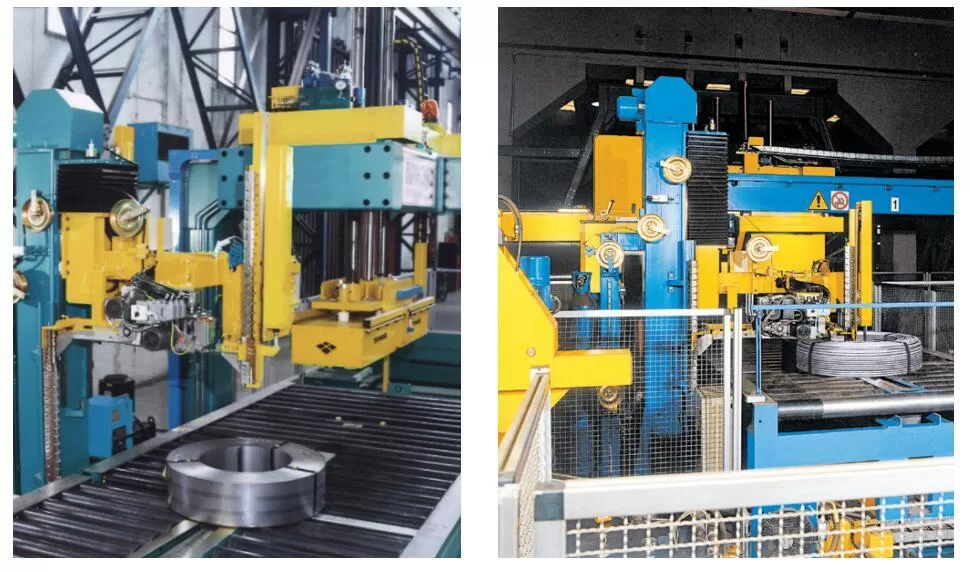
Beyond the Surface: A Deeper Dive into Hose and Connection Integrity
Visual inspections should be thorough and systematic. Here's a more in-depth look at what to check:
-
Hose Condition:
- Cracks and Abrasions: Look for any signs of cracking or abrasion on the hose's outer layer. These can weaken the hose and lead to leaks or bursts.
- Bulges and Kinks: Bulges indicate a weakening of the hose's reinforcement, while kinks can restrict fluid flow and cause excessive pressure.
- Leaks: Check for any signs of fluid leakage, especially at connection points.
-
Connection Integrity:
- Tightness: Ensure all connections are tight and secure. Loose connections are a common source of leaks.
- Corrosion: Look for any signs of corrosion on fittings and connectors. Corrosion can weaken these components and lead to failure.
- Proper Support: Make sure hoses are properly supported to prevent sagging or rubbing against other components.
Keep Cool and Carry On: Monitoring System Pressure and Temperature
Hydraulic systems are designed to operate within specific pressure and temperature ranges. Deviations from these ranges can indicate underlying problems and lead to system damage.
Why is it important to monitor system pressure and temperature? Monitoring pressure and temperature ensures the hydraulic system operates within optimal ranges, preventing overheating and component stress. Regular checks can identify potential issues early, reducing the risk of system failure and prolonging the lifespan of hydraulic components in packing lines.

Deciphering the Signals: Understanding Pressure and Temperature Readings
Monitoring pressure and temperature is more than just glancing at gauges. It's about understanding what those readings signify and taking appropriate action.
High Pressure
- Causes: Clogged filters, restricted lines, faulty valves.
- Effects: Overheating, increased wear and tear, potential component failure.
- Solutions: Identify and clear obstructions, replace faulty valves, adjust system settings.
Low Pressure
- Causes: Low fluid levels, pump problems, internal leaks.
- Effects: Reduced performance, sluggish operation, potential damage to pumps.
- Solutions: Check and replenish fluid levels, repair or replace pump, address internal leaks.
High Temperature
- Causes: Overworking the system, inadequate cooling, contaminated fluid.
- Effects: Reduced fluid viscosity, accelerated wear and tear, potential component damage.
- Solutions: Reduce system load, improve cooling mechanisms, change contaminated fluid.
| Parameter | Normal Range | Potential Issue | Action Required |
|---|---|---|---|
| Pressure (PSI) | 1500-2500 | Above 2500 | Check for obstructions, adjust valve settings |
| Temperature (°F) | 120-160 | Above 180 | Improve cooling, change fluid, reduce system load |
| Fluid Level | Within sight glass range | Below sight glass range | Check for leaks, replenish fluid |
Hydraulic System Maintenance Tips

Hydraulic system maintenance is key to keeping machinery functioning optimally.
What are some hydraulic system maintenance tips? Access points should be watched, reservoirs should be labelled, automatic drain valves should be used, and it is important to put safety first.
Here are some more hydraulic system maintenance tips:
- Watch access points and pressure readings
- Label your reservoirs
- Consider automatic drain valves
- Safety first: trained technicians only
Proper hydraulic maintenance is essential for prolonging the lifespan of your equipment. This includes regular inspections, fluid analysis, and timely repairs. Regular visual inspections of hydraulic components can help identify potential problems early on. Look for signs of leaks, cracks, corrosion, or wear on hoses, fittings, and cylinders. Replace damaged or worn parts immediately to prevent further damage or system failure.
Consistent care and maintenance of your packing line's hydraulic system is not just a best practice, it's a necessity for ensuring efficient, reliable, and safe operations. By prioritizing these critical maintenance requirements and scheduling system checks, you'll keep your hydraulic lines flowing, your packing line running smoothly, and your bottom line healthy. Don't let hydraulic neglect become a costly mistake – invest in proactive maintenance today.
Conclusion
Maintaining the hydraulic systems within your packing line is vital for ensuring seamless operation and minimizing downtime. Regular maintenance, including fluid checks, filter replacements, hose inspections, and monitoring pressure and temperature, prevents costly repairs and enhances safety. Embracing a proactive approach to Hydraulic systems maintenance is essential for the longevity and efficiency of your packing line equipment.