Packing line stoppages grinding your operations to a halt? Unplanned downtime isn't just frustrating; it bleeds profits, delays shipments, and damages customer satisfaction. Understanding the root causes is the first step towards implementing effective solutions and achieving seamless, efficient packing operations that boost your bottom line.
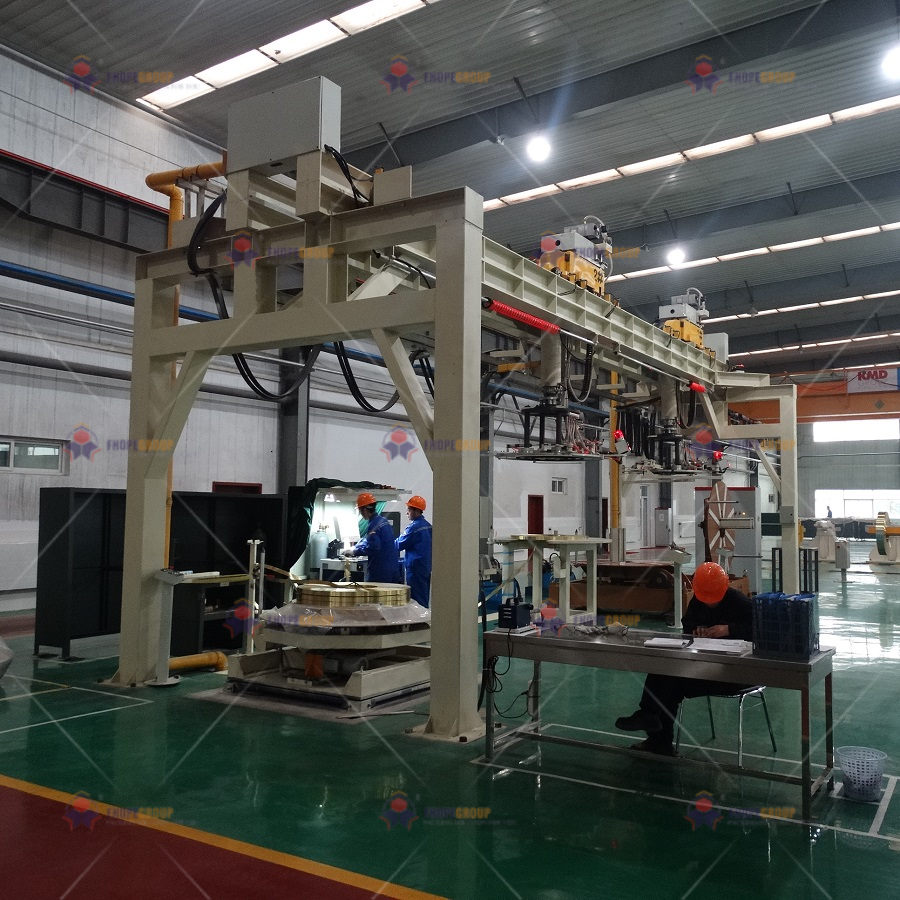
Minimizing packing line downtime involves identifying common causes like equipment failure, material issues, operator error, and inadequate maintenance. Solutions include implementing robust preventive and predictive maintenance programs, ensuring proper operator training, optimizing material handling and specifications, utilizing real-time monitoring systems, and planning for necessary equipment upgrades or redundancy to maintain continuous operation.
Transitioning from reactive firefighting to proactive prevention is key. By delving into the specific reasons behind these interruptions and exploring targeted solutions, manufacturers can transform their packing lines from sources of stress into pillars of productivity. Let's explore the most frequent culprits and the strategies to conquer them.
Unpacking the Culprits: Common Causes of Packing Line Stoppages
Experiencing frequent, unexpected halts on your packing line? These interruptions disrupt schedules, inflate costs, and test patience. Identifying the specific triggers for these stoppages is crucial for developing targeted solutions and restoring smooth, efficient workflow, moving beyond temporary fixes to address the core issues effectively.
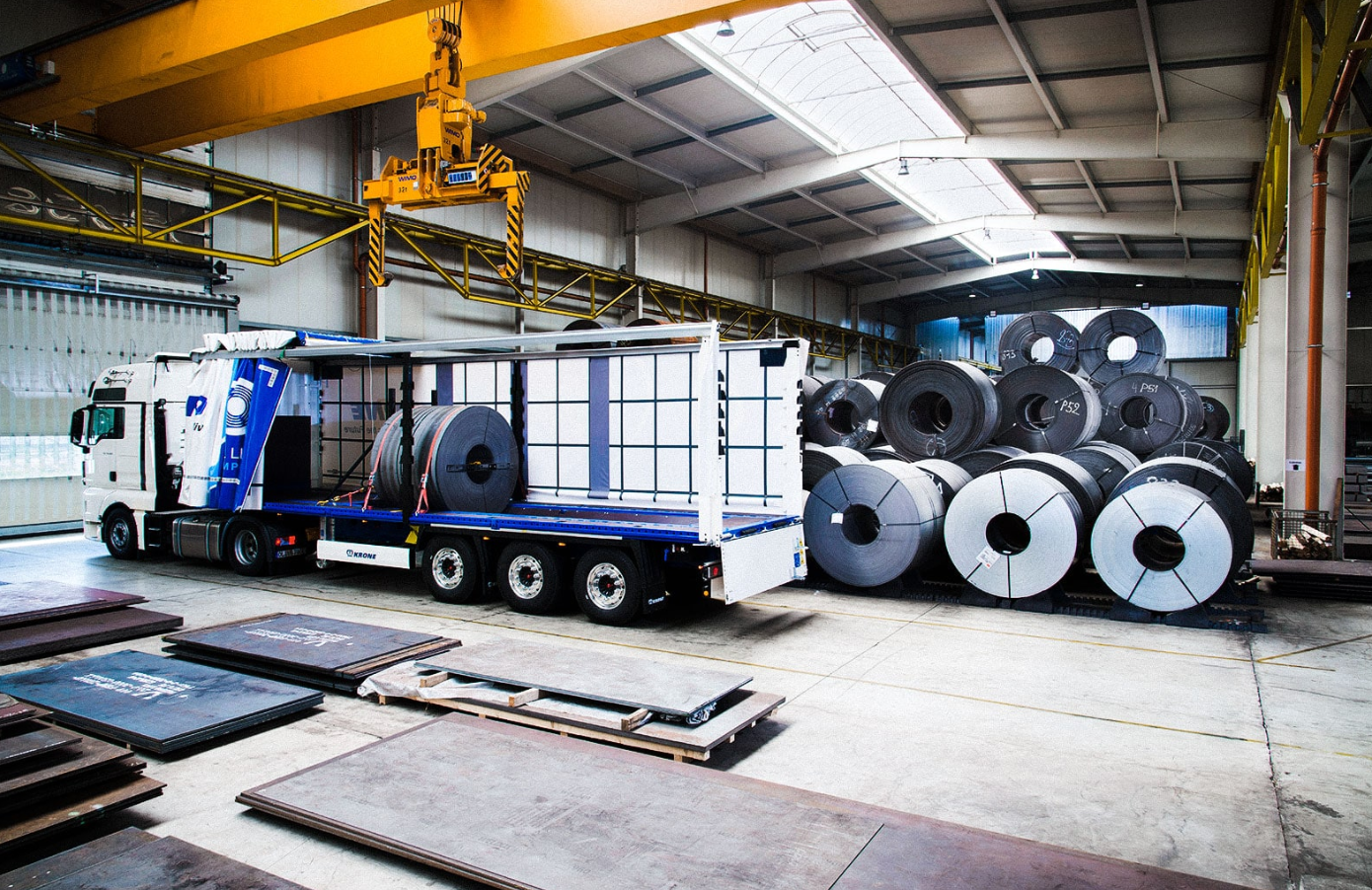
The most common causes of packing line stoppages stem from several key areas: mechanical or electrical equipment failures (wear and tear, component malfunction), material-related issues (incorrect size, poor quality, jams, inconsistent supply), operator errors (improper loading, incorrect settings, lack of training), inadequate preventive maintenance leading to unexpected breakdowns, and system bottlenecks where one machine's poor performance impacts the entire line. Out-of-spec components failing to meet machinery tolerances are also a frequent trigger.
Root Cause Analysis: Beyond the Surface Symptoms
Simply knowing that the line stopped isn't enough; understanding why is paramount for effective downtime reduction. A superficial glance might blame a machine fault, but the true root cause could lie deeper – in maintenance practices, material quality, operator skill, or even line design. Performing a thorough root cause analysis (RCA), perhaps using methodologies like the 5 Whys or Fishbone (Ishikawa) diagrams, helps uncover these underlying issues.
Equipment Wear and Tear & Component Failure
All machinery degrades over time. Packing lines, often operating at high speeds and under constant load, are particularly susceptible.
- Mechanical Wear: Bearings seize, belts fray, chains stretch, grippers lose precision, and moving parts simply wear out due to friction and stress. This leads to reduced efficiency, jams, and eventual failure.
- Electrical/Electronic Issues: Sensors can become dirty, misaligned, or fail. PLCs might malfunction, wiring can degrade, and motors can burn out. These issues often cause abrupt stops and can be harder to diagnose without proper tools and expertise.
- Pneumatic/Hydraulic Problems: Leaks in air or hydraulic lines reduce pressure, causing actuators or clamps to function improperly or fail, leading to inconsistent operation or stoppages.
Material Handling and Specification Issues
The interaction between the product/packaging materials and the machinery is a frequent source of downtime.
- Material Jams: Incorrectly sized cartons, warped labels, sticky films, or improperly fed materials are common causes of jams in conveyors, carton erectors, fillers, sealers, and labelers.
- Inconsistent Material Quality: Variations in material thickness, slipperiness, static properties, or dimensions (even within tolerance ranges) can cause intermittent feeding or processing problems. Using materials that are out-of-spec for the machine's design parameters is a guaranteed recipe for downtime.
- Supply Interruptions: Running out of essential packaging materials like film rolls, cartons, labels, or glue mid-run forces a stop. Poor inventory management or supply chain issues contribute here.
Operator-Related Factors
The human element plays a significant role, often unintentionally.
- Incorrect Setup/Loading: Improperly loading consumables (e.g., label rolls, film), incorrect machine settings for a specific product run, or misaligned guides can cause immediate or downstream problems.
- Lack of Training/Skill: Operators unfamiliar with the equipment may take longer to clear jams, diagnose simple faults, perform changeovers, or recognize early warning signs of impending failure. Inadequate training is a major contributor to extended downtime durations.
- Procedural Errors: Failure to follow Standard Operating Procedures (SOPs) for startup, shutdown, changeover, or clearing faults can exacerbate problems or even cause further damage.
System Integration and Bottlenecks
Modern packing lines are complex systems, and the interaction between different machines is critical.
- Bottlenecks: One underperforming machine (e.g., a slow filler or sealer) can starve downstream equipment or cause upstream accumulation, effectively stopping the entire line's flow even if other machines are functional.
- Communication Errors: Lack of proper handshaking signals between integrated machines (e.g., conveyors, robots, wrappers) can lead to collisions, timing issues, or system halts.
Here’s a simplified breakdown of potential downtime sources and their typical impact:
| Downtime Cause Category | Specific Examples | Typical Frequency | Potential Impact Severity | Ease of Diagnosis (Generally) |
|---|---|---|---|---|
| Equipment Failure | Bearing failure, motor burnout, sensor malfunction | Medium | High | Medium to Hard |
| Material Issues | Carton jams, out-of-spec film, label feed errors | High | Medium | Easy to Medium |
| Operator Factors | Incorrect setup, slow jam clearing, procedural error | High | Low to High | Easy to Medium |
| Maintenance Deficiencies | Lack of lubrication, missed PM tasks, dirt buildup | Medium to High | Medium to High | Medium |
| System Bottlenecks | Slow machine pacing, poor line balancing | Low to Medium | High | Medium to Hard |
Addressing these common causes requires a multi-pronged approach, moving beyond quick fixes to implement robust, long-term solutions focusing on maintenance, training, material control, and process optimization.
Building Resilience: Proactive Maintenance Strategies
Waiting for equipment to fail before fixing it is a costly gamble on a packing line. Proactive maintenance shifts the focus from reactive repairs to planned interventions, preventing unexpected breakdowns and ensuring machinery runs reliably, minimizing costly unplanned downtime and maximizing operational efficiency.
Effective proactive maintenance strategies for packing lines include implementing a rigorous Preventive Maintenance (PM) program based on manufacturer recommendations and operational data, and increasingly, leveraging Predictive Maintenance (PdM) techniques using sensors and data analytics to anticipate failures before they occur, ensuring timely interventions and optimized upkeep.
From Prevention to Prediction: Evolving Maintenance Paradigms
While essential, traditional Preventive Maintenance (PM) isn't always the most efficient approach. It relies on scheduled tasks (e.g., replacing a bearing every 5000 hours) regardless of the component's actual condition. This can lead to replacing parts that still have significant useful life remaining or, conversely, failing to catch a part that degrades faster than expected. The evolution towards Predictive Maintenance (PdM) and Condition-Based Maintenance (CBM) offers more intelligent ways to manage asset health.
-
Preventive Maintenance (PM): The Foundation
A robust PM program is non-negotiable. It involves scheduled inspections, cleaning, lubrication, adjustments, and part replacements at regular intervals based on time, usage cycles, or manufacturer guidelines. Key elements include:- Detailed Checklists: Specific tasks for each piece of equipment (e.g., check belt tension, inspect seals, clean sensors, lubricate chains).
- Frequency Determination: Based on OEM recommendations, operational environment (dust, temperature), usage intensity, and historical failure data.
- Dedicated Resources: Ensuring trained technicians and sufficient time are allocated for PM tasks.
- Record Keeping: Documenting completed tasks, findings, and parts used is crucial for tracking and improvement. Common PM tasks include inspecting high-wear components like touch tooling, bearings, belts, and motors; cleaning critical areas prone to dust or debris (especially sensors and feeders); and regularly lubricating moving parts.
-
Predictive Maintenance (PdM): Listening to Your Machines
PdM uses technology to monitor the actual condition of equipment in real-time to predict failures. Instead of replacing parts on a fixed schedule, maintenance is performed only when needed. Common PdM techniques applicable to packing lines include:- Vibration Analysis: Detects imbalances, misalignment, and bearing wear in motors, gearboxes, and rotating shafts.
- Thermography (Infrared Imaging): Identifies overheating components like motors, electrical connections, and bearings, indicating potential failure.
- Oil Analysis: Analyzes lubricant properties and contaminants to assess the condition of gearboxes and hydraulic systems.
- Ultrasonic Analysis: Detects air/gas leaks in pneumatic systems and early signs of bearing failure.
- Sensor Data: Monitoring parameters like temperature, pressure, current draw, and cycle times can reveal deviations from normal operation indicating developing problems.
-
Condition-Based Maintenance (CBM): Acting on Data
CBM is closely related to PdM. It involves performing maintenance actions specifically when condition monitoring indicates a potential issue or performance degradation below a certain threshold. It moves away from fixed schedules towards data-driven interventions. -
Spare Parts Management:
A crucial supporting element for any maintenance strategy is effective spare parts management. Knowing which parts are critical, understanding lead times, and maintaining an adequate, organized inventory ensures that when a replacement is needed (whether planned via PM/PdM or unplanned), the part is readily available, minimizing repair time.
Implementing a blend of PM (for basic upkeep) and PdM/CBM (for critical components and early failure detection) typically yields the best results in minimizing unplanned downtime while optimizing maintenance resource allocation. This requires investment in technology and training but offers significant long-term returns through increased uptime and reduced emergency repair costs.
Smart Packing: Leveraging Technology for Downtime Reduction
Relying solely on manual checks and scheduled maintenance leaves gaps where unexpected issues can arise and halt your packing line. Modern technology offers powerful tools to monitor equipment health, analyze performance, and predict problems, transforming maintenance from a necessary chore into a strategic advantage for uptime.
Leveraging technology involves implementing real-time production monitoring systems (like MES or IIoT platforms), utilizing sensors for condition monitoring, employing data analytics to identify trends and root causes, and potentially integrating automation or robotics to enhance consistency and reduce human error, thereby significantly minimizing unplanned packing line downtime.
The Digital Toolkit for Uptime Optimization
Integrating digital technologies provides unprecedented visibility into packing line operations and equipment health. This data-driven approach enables faster responses, smarter maintenance decisions, and proactive issue resolution.
Real-Time Monitoring & Data Acquisition
The foundation of a smart approach is gathering accurate, timely data directly from the packing line.
- Sensors: Beyond basic presence/absence sensors, deploying condition monitoring sensors (vibration, temperature, pressure, ultrasonic) on critical equipment components provides continuous health data. Smart sensors with IIoT capabilities can communicate data wirelessly.
- PLCs (Programmable Logic Controllers): These are the brains of most automated equipment. They already contain vast amounts of operational data (cycle times, fault codes, counts). Accessing and logging this data is crucial.
- SCADA (Supervisory Control and Data Acquisition) Systems: Provide a centralized overview of multiple machines or the entire line, visualizing key parameters and alarms for operators and supervisors.
- Machine Vision Systems: Used for quality inspection, they can also track parameters like fill levels, seal integrity, or label placement, identifying process deviations that might precede a stoppage.
Manufacturing Execution Systems (MES) & IIoT Integration
These platforms act as the central hub for collecting, contextualizing, and distributing production data.
- Data Aggregation: MES/IIoT platforms collect data from various sources (PLCs, sensors, operator input) into a unified database.
- Real-Time Visibility: Dashboards display Overall Equipment Effectiveness (OEE), downtime tracking (with reason codes), production counts, and machine status in real-time, often on monitors throughout the plant. Examples include ATS's Illuminate™ Manufacturing Intelligence software.
- Downtime Tracking & Analysis: Automatically log downtime events, prompting operators for reason codes. This facilitates accurate analysis of frequency, duration, and causes of stops.
- Workflow Management: Can integrate with CMMS (Computerized Maintenance Management Systems) to automatically generate work orders based on runtime thresholds or condition alerts.
Analytics and Predictive Insights
Raw data is only useful when turned into actionable information.
- Trend Analysis: Analyzing historical downtime data helps identify recurring problems, poorly performing machines, or shifts where issues are more frequent.
- Root Cause Analysis Tools: Some platforms incorporate digital tools to guide operators or engineers through RCA processes when downtime occurs.
- Predictive Analytics (AI/Machine Learning): Advanced systems use algorithms to analyze sensor and operational data patterns to predict potential failures with increasing accuracy, allowing for proactive maintenance scheduling before a breakdown happens. This is the core of advanced PdM.
Automation and Robotics
While primarily for efficiency and consistency, automation can indirectly reduce downtime.
- Consistency: Robots perform tasks repeatably, reducing variability and errors associated with manual operations that can lead to jams or faults.
- Reduced Handling: Automated material handling (e.g., AGVs, conveyors, robotic pick-and-place) minimizes manual loading/unloading errors.
Here’s how different technologies contribute to downtime reduction:
| Technology | Primary Function | Key Downtime Reduction Benefit | Implementation Complexity | Cost Factor (General) |
|---|---|---|---|---|
| Basic Sensors (On/Off) | Detect presence/absence | Basic fault detection (e.g., jam detection) | Low | Low |
| Condition Sensors | Monitor vibration, temp, etc. | Enables PdM/CBM, early warning of component failure | Medium | Medium |
| PLC Data Logging | Record operational parameters & faults | Provides data for basic downtime analysis, troubleshooting | Low to Medium | Low (if accessible) |
| SCADA Systems | Centralized monitoring & control | Real-time line overview, quick identification of stopped machine | Medium | Medium to High |
| MES/IIoT Platforms | Data aggregation, analysis, reporting | Comprehensive OEE/downtime tracking, trend analysis, alerts | Medium to High | Medium to High |
| Predictive Analytics/AI | Analyze patterns, predict failures | Advanced failure prediction, optimized maintenance scheduling | High | High |
| Automation/Robotics | Perform tasks consistently | Reduces operator error-related downtime, improves consistency | High | High |
Investing in the right combination of these technologies provides the visibility and intelligence needed to move from reactive problem-solving to proactive downtime prevention on the packing line.
The Human Element: Optimizing Operations and Training
Even the most advanced packing lines rely on skilled operators and well-defined processes. Neglecting the human element—through inadequate training, unclear procedures, or inefficient workflows—can undermine technology investments and remain a significant source of preventable downtime.
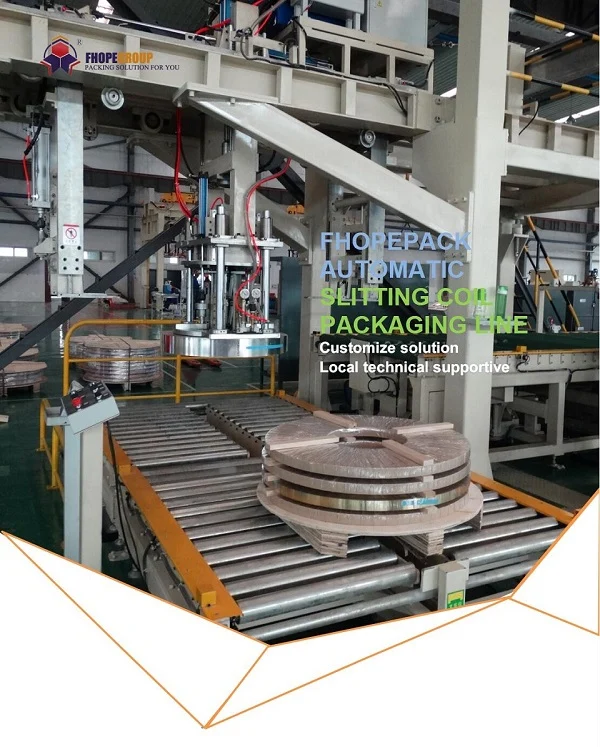
Optimizing operations and training involves providing comprehensive, ongoing training programs for operators and maintenance staff, establishing clear Standard Operating Procedures (SOPs) for all tasks, streamlining changeover processes using methodologies like SMED, and fostering a culture of continuous improvement where employee feedback is valued and utilized to prevent packing line downtime. Ensuring operators can handle routine tasks, troubleshoot minor issues, and perform efficient changeovers is critical.
Well-trained and engaged personnel are a manufacturer's first line of defense against downtime. Investing in their skills and establishing efficient operational practices yields significant returns in uptime and productivity. Comprehensive training ensures operators understand not just how to run the equipment, but why certain procedures are important and how to recognize potential issues. This should cover machine operation, routine adjustments, clearing common jams safely, quality checks, and basic troubleshooting. Modern tools like Virtual Reality (VR) training simulations (e.g., ATS UReality) offer immersive, safe, and cost-effective ways to onboard new staff or refresh skills for existing teams, allowing practice on complex procedures without risking actual production equipment. Training shouldn't be a one-time event; ongoing refresher courses and updates are essential, especially when equipment is upgraded or new products are introduced.
Clear, accessible Standard Operating Procedures (SOPs) are vital for consistency. They minimize variability between shifts or operators and ensure tasks like startup, shutdown, cleaning, changeovers, and fault recovery are performed correctly and safely every time. SOPs should be readily available at the workstation, potentially in digital formats with visual aids or videos.
Changeovers between different products or packaging formats are notorious downtime culprits. Applying principles from Single-Minute Exchange of Die (SMED) can dramatically reduce changeover times. This involves analyzing the current process, identifying steps that can be done while the line is still running (external) versus those requiring a stop (internal), converting internal steps to external where possible, and streamlining the remaining internal steps through better organization, preset tooling, quick-release mechanisms, and dedicated changeover carts.
Fostering a culture of continuous improvement (like Kaizen or Lean principles) empowers employees to identify and suggest solutions for problems they encounter daily. Operators often have invaluable insights into machine quirks or inefficient processes. Creating channels for feedback and actively implementing good suggestions not only solves problems but also increases employee engagement and ownership. Cross-training operators on multiple machines or tasks adds flexibility, allowing personnel to cover gaps during absences or assist during complex situations, preventing minor staffing issues from causing significant downtime.
Conclusion
Minimizing packing line stoppages requires a holistic strategy addressing equipment health, material consistency, technological integration, and human factors. By diligently identifying root causes through analysis, implementing robust preventive and predictive maintenance programs, leveraging real-time monitoring and data analytics, and investing in comprehensive operator training and optimized procedures, manufacturers can significantly reduce costly unplanned interruptions. Proactively managing potential issues transforms packing operations from a vulnerability into a reliable, efficient, and profitable part of the business. Effectively managing [Packing line downtime]() is not just about fixing problems as they occur, but about creating resilient systems and processes that prevent them from happening in the first place.