How to Justify the Investment in a New Coil Packing Line
Is your outdated coil packing line slowing you down, costing you more than it should, and posing safety risks? The pain of inefficiencies and mounting maintenance is real. A new, automated system promises relief and performance gains, but securing the necessary capital is a major hurdle.
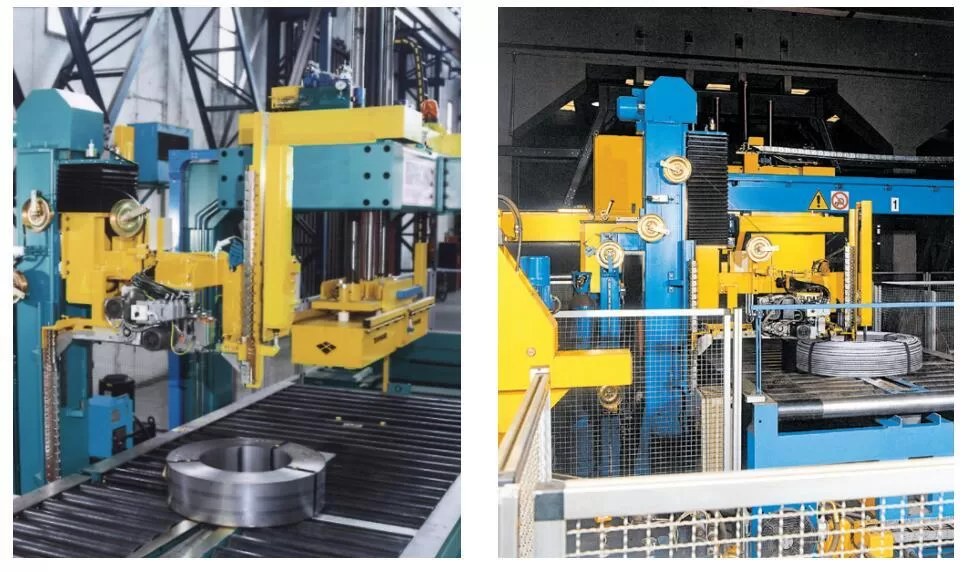
Justifying a new coil packing line investment requires quantifying operational improvements in financial terms like ROI, NPV, and IRR. Highlight cost savings from reduced labor, material waste, and maintenance, alongside increased throughput and safety. Build a data-driven business case that aligns with strategic goals to secure capital approval.
For engineers and operations managers, the technical benefits of a modern coil packing solution are obvious – speed, consistency, safety. But convincing the finance department requires speaking a different language, one centered on return on investment, cash flow, and financial viability. This article delves into how to translate technical necessity into financial justification, making your case for a new coil packing line investment undeniable.
Decoding the Financial Metrics
Problem: You know your packing line is bleeding money. Agitate: Finance eyes glaze over at technical specs, demanding numbers they understand. Solution: Mastering financial terms like ROI, NPV, and IRR is key to unlocking capital.
To justify capital investment, understand key financial metrics like Simple Return On Investment (ROI), Net Present Value (NPV), and Internal Rate of Return (IRR). ROI gives a rough payback period (aim for 2-3 years). NPV calculates the present value of future cash flows minus initial cost, indicating value increase (positive NPV is good). IRR is the discount rate where NPV is zero, representing the project's effective return rate (higher than Weighted Average Cost of Capital or hurdle rate is good). These metrics, calculated from cash flows, investment costs, and cost of capital (WACC), are crucial for comparing project viability from a financial perspective.
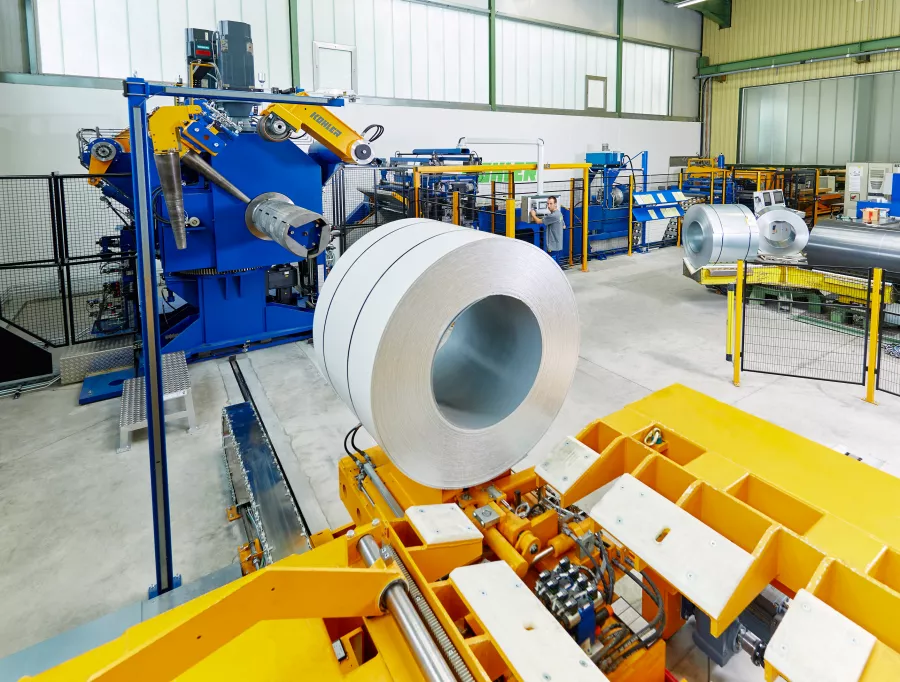
Understanding the Time Value of Money and Discounting
At the heart of capital expenditure justification lies the Time Value of Money – the principle that a dollar today is worth more than a dollar in the future due to potential earning capacity. This necessitates discounting future cash flows to their present value when evaluating long-term investments like a new coil packing line. The two primary metrics finance teams use, Net Present Value (NPV) and Internal Rate of Return (IRR), are built upon this concept.
NPV is calculated as the sum of the present values of future cash flows (inflows minus outflows) minus the initial investment cost. A positive NPV suggests the project is expected to increase the company's value. When comparing mutually exclusive projects, the one with the highest positive NPV is generally preferred. A critical assumption for NPV is that project cash flows can be reinvested at the company's cost of capital.
IRR, on the other hand, is the discount rate at which the project's NPV equals zero. It represents the effective rate of return generated by the project. Projects with an IRR exceeding the company's cost of capital (or a pre-determined hurdle rate) are typically considered financially viable. The implicit assumption here is that cash flows are reinvested at the project's IRR, which may not always be realistic, especially when comparing projects with vastly different IRRs.
The appropriate discount rate is typically the company's Weighted Average Cost of Capital (WACC), which reflects the blended cost of its debt and equity financing. A hurdle rate, often set higher than WACC (e.g., WACC + 15-20%), incorporates a risk premium and other factors. For engineers, understanding these concepts is crucial. You need to provide finance with the necessary inputs to calculate these metrics accurately for your proposed coil packing line project.
Inputs needed for financial analysis include:
- Initial Investment (cost of new equipment, installation, training, commissioning)
- Cash Flow Over Time (projected annual savings and costs over the analysis period)
- Cost of Capital (obtain from internal finance)
- Operating Expenses (labor, energy, maintenance, consumables)
- Depreciation (non-cash expense reducing taxable income)
- Investment Tax Credits (potential incentives)
- Residual Value (salvage value of new or old equipment at end of life)
It's vital to note that some parameters (analysis period, depreciation life) might be fixed by company policy or regulations. The discount rate depends on the financing structure (debt, equity, or mix), highlighting the importance of WACC. Understanding these variables and working with finance ensures your calculations align with company standards and present a credible case.
| Financial Metric | Definition | Calculation Basis | Decision Rule (Generally) | Key Assumption |
|---|---|---|---|---|
| Simple ROI | Rough payback period | Total Cost / Annual Savings | Payback within 2-3 years worthy of investigation | Ignores Time Value of Money |
| Net Present Value (NPV) | Present value of future cash flows minus initial investment | Sum of [CFt / (1+r)^t] - Initial Investment | Accept if NPV > 0; Choose highest NPV | Reinvest at Cost of Capital (r) |
| Internal Rate of Return (IRR) | Discount rate at which NPV = 0 | Rate 'r' where Sum of [CFt / (1+r)^t] = Initial Investment | Accept if IRR > Hurdle Rate; Choose highest IRR | Reinvest at Project's IRR |
| Weighted Average Cost of Capital (WACC) | Blended cost of debt and equity financing | Weighted average of cost of debt and equity after tax | Used as the discount rate (r) or basis for Hurdle Rate | Reflects company's overall risk |
By translating the operational benefits of a new coil packing line into the cash flows and financial inputs required for these calculations, you effectively communicate its value proposition to the decision-makers.
Crafting a Compelling Business Case
Problem: Your worn-out packing line is a bottleneck. Agitate: Management won't approve funds without a rock-solid plan. Solution: A structured, data-driven business case is your roadmap to securing investment.
A compelling business case for a new coil packing line quantifies current inefficiencies and proposed benefits. It includes an executive summary, situational analysis detailing pain points (downtime, waste), the proposed solution, alternatives/risks, and robust financial justification (ROI, savings). Peripheral benefits like safety and compliance strengthen the argument.
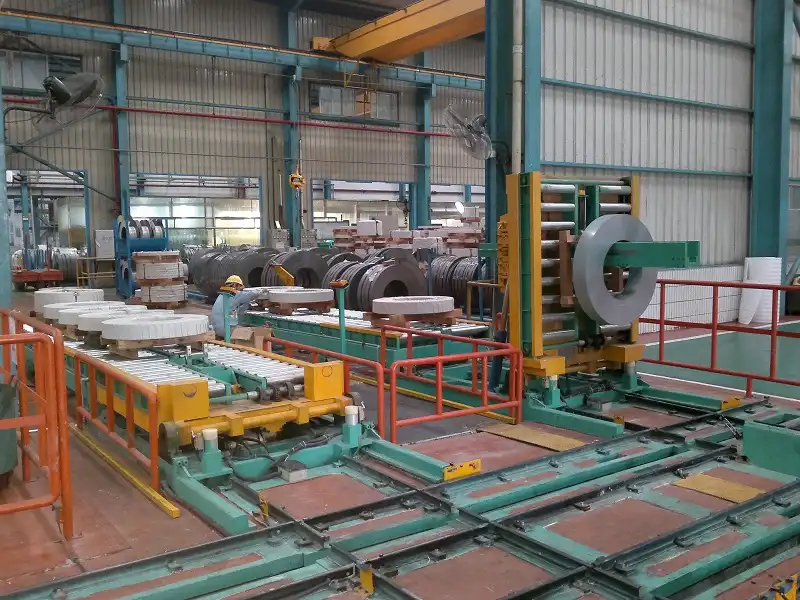
Building a robust business case is paramount for securing funding for a new coil packing line. It moves beyond stating the need and systematically presents the investment as a strategic opportunity. A well-structured business case typically includes the following components:
- Executive Summary: A concise, one-page overview highlighting the problem, the proposed solution (new coil packing line), the key financial benefits (e.g., ROI, significant cost savings), and the strategic alignment. This is often the only section busy executives read initially, so it must be impactful.
- Situational Analysis: This section details the current state of your existing coil packing operations. Quantify the "pain points." This means citing operational data like:
- Frequency and duration of downtime due to equipment failures.
- Current throughput rate vs. required or desired rate.
- Labor hours required for the current packing process.
- Amount of material waste (film, strapping, edge protectors) or product damage during packing/handling.
- Energy consumption of old equipment.
- Maintenance costs (parts, labor, emergency repairs).
- Safety incidents or near-misses related to manual handling or old machinery.
- Limitations on handling new coil sizes or types.
- Non-compliance with current packaging standards or customer requirements.
This analysis establishes the "Base Case" – the cost and performance of continuing without the investment. As the source material notes, "If the problem doesn’t cost the business money, is it really a problem and is it worth solving?"
- Proposed Solution: Clearly describe the new coil packing line system. Explain how its features directly address the pain points identified in the situational analysis. Detail the technology (e.g., automatic wrapping, strapping, weighing, labeling, conveying) and its capabilities.
- Alternatives and Risks: Demonstrate that you have considered other options. This could include upgrading the existing line, implementing manual process improvements, or choosing a less automated solution. Discuss the pros and cons of each alternative compared to the proposed new line, including their costs and potential benefits. Identify potential risks associated with the chosen solution (e.g., implementation delays, training needs, unforeseen integration challenges) and outline mitigation strategies. Ignoring risk analysis leaves decision-makers wary.
- Financial Justification: This is where you quantify the benefits in financial terms, directly linking them back to the metrics discussed earlier (ROI, NPV, IRR). Translate the operational improvements into dollar savings:
- Reduced labor costs (FTE reduction or reallocation).
- Lower material costs (optimized usage, less waste).
- Decreased maintenance expenses (less frequent, cheaper repairs).
- Energy savings from more efficient equipment.
- Reduced scrap or rework costs due to consistent quality.
- Avoided costs from safety incidents or insurance premium reductions.
- Increased revenue potential from higher throughput or ability to handle new products/customers.
Include all relevant costs: initial investment, installation, training, ongoing operating expenses. Calculate the projected cash flows over the analysis period and derive the NPV and IRR. Emphasize "hard" savings (tangible, measurable cost reductions) over "soft" savings where possible for stronger justification.
- Peripheral Benefits: Describe non-financial advantages that support the investment and align with broader company goals. For a coil packing line, this might include:
- Improved employee safety and ergonomics (reducing strain injuries).
- Enhanced product quality and consistency (reducing customer complaints).
- Increased production flexibility and scalability.
- Better data collection and analytics for process control and optimization.
- Improved environmental sustainability (reduced waste, energy efficiency).
- Enhanced company reputation or ability to attract talent (modern facility).
A well-crafted business case for a new coil packing line is not just a technical proposal; it's a strategic document that demonstrates a clear understanding of the business's financial health and operational needs, showing how the proposed investment delivers measurable value.
Strategic Approaches to Strengthening Your Justification
Problem: Your project numbers look good, but capital is tight. Agitate: Internal competition means only the strongest proposals get funded. Solution: Employ strategic "sharpshooting" techniques to make your case unbeatable.
Beyond basic financial metrics, strengthen your coil packing line justification using strategies like Value Engineering (optimizing scope), Capital Challenge Processes (cross-functional review), and Focused Technology vs. System-Wide Analysis (phased implementation). Research alternative financing (leasing) and quantify often-overlooked "soft" benefits like enhanced safety and reduced insurance costs to boost your proposal's competitiveness.
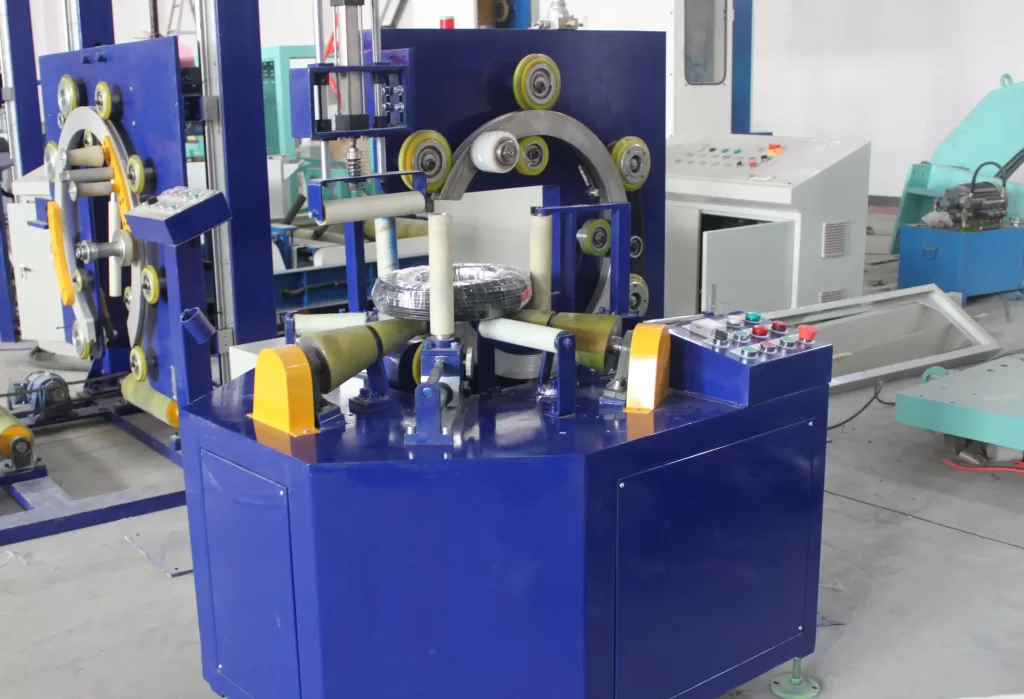
Applying "Capital Sharpshooting" to Packaging Lines
Sometimes, even a project with a positive NPV might struggle to get approved if capital is scarce or other projects offer higher returns. This is where "Capital Sharpshooting" comes in – techniques to improve the financial attractiveness of your proposal without sacrificing its core benefits. For a new coil packing line, several approaches can be applied:
- Value-Engineering Method: View the coil packing line project as independent components (wrapper, strapper, conveyor, control system, safety guarding, integration). Can any "nice-to-have" features be eliminated or delayed? Can lower-cost components or alternative suppliers be used for non-critical sections? For example, maybe a fully automatic, inline label applicator is desired but could be a Phase 2 addition, starting with a semi-automatic solution. This forces an early "must-have vs. nice-to-have" assessment. However, beware of "cherry-picking" that compromises critical integration or future scalability. For a coil line, sacrificing robust conveyor or safety features for cost could be detrimental.
- Capital "Challenge" Process: For a significant coil packing line investment impacting multiple departments (operations, maintenance, safety, logistics, finance), a cross-functional team review can be invaluable. This team challenges the proposed design assumptions (e.g., projected throughput, expected labor savings, analysis period, required coil dimensions) and brainstorms alternatives. Objectives include ensuring the solution is right-sized, identifying potential cost reductions, and getting buy-in from stakeholders. An independent facilitator can guide the process to maintain objectivity. This collaborative review strengthens the case by addressing concerns upfront and incorporating diverse perspectives.
- Establish a Cross-Functional Team (Include Operations, Maintenance, Finance, Safety, Logistics, Engineering).
- Review the Base Case Proposal (Project manager presents the current plan and justification).
- Break Project into Functional Areas (Analyze wrapping, strapping, conveying, controls, etc., separately).
- Brainstorm/Challenge Session (Question assumptions, equipment choices, performance specs – e.g., is the 100-coil/hour requirement necessary immediately? Is the selected strapping head the most cost-effective for the required tension?).
- Follow-up Work Assignments (Teams research alternatives for specific components or processes).
- Evaluation Session (Review findings, compare costs/benefits, prioritize options based on financial attractiveness and risk).
- Focused Technology vs. System-Wide Analysis: This is particularly useful for complex or highly integrated coil packing systems. Instead of presenting one massive project, consider a phased implementation. Can critical bottlenecks be addressed first with modular components (e.g., automate strapping first, then wrapping)? Can the investment be volume-phased, aligning spending with projected growth in coil production over several years? This reduces the initial capital outlay and allows the project to demonstrate value incrementally. It also forces a close look at current operational inhibitors (e.g., is poor upstream scheduling causing variable demand at the packing line? Fixing that might change the needed packing line capacity).
- Assess Current Demand Patterns and Inhibitors (Analyze actual coil production flow, scheduling issues affecting the packing line).
- Identify Modular Components (Determine parts of the system that can stand alone or be added later).
- Time-Phasing/Volume-Phasing (Plan investments over 3-5 years, aligning capacity increases with forecasted demand).
- Focus on Current Bottlenecks (Prioritize automation steps that yield the biggest immediate gains).
Beyond these strategic analysis techniques, exploring alternative financial options can also improve the project's viability:
- Leasing: Shifting the investment from a large capital expense to predictable operating expenses can be attractive, especially if capital is constrained or the company prefers not to own depreciating assets.
- Purchasing Used Equipment: For certain components or less critical parts of the line, sourcing reliable used equipment can significantly reduce initial investment, boosting ROI.
- Contracting Out: Could certain high-cost or non-core packaging tasks (like special labeling or export prep) be handled by a 3rd party initially?
- Internet Bidding: Leveraging online platforms can sometimes yield competitive pricing from suppliers globally.
Finally, revisiting the "soft" benefits and rigorously attempting to quantify them adds weight. While not always direct ROI drivers, reduced safety incidents mean lower workers' compensation costs and potential insurance premium reductions. Improved ergonomics can reduce lost workdays and boost morale, impacting productivity and retention – costs that can sometimes be estimated with HR data. Don't dismiss these; they contribute to the overall value proposition and risk reduction.
Real-World Justification for Your Coil Packing Line
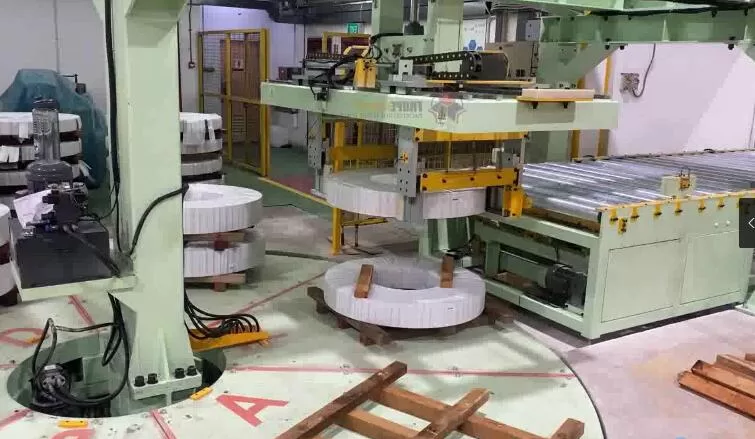
Justifying a new coil packing line investment requires quantifying operational improvements in financial terms like ROI, NPV, and IRR. Highlight cost savings from reduced labor, material waste, and maintenance, alongside increased throughput and safety. Build a data-driven business case that aligns with strategic goals to secure capital approval. Applying these principles to a coil packing line means starting with a deep dive into the current state. What are the actual costs of your existing setup? Gather data on downtime hours per week, the number of operators involved in manual or semi-manual steps (wrapping, banding, weighing, handling), the amount of packaging material used per coil (and waste generated), energy consumption of old motors/systems, and the frequency and cost of repairs. Analyze safety logs for incidents related to lifting, moving, or securing heavy coils. Compare your current packing rate to market demand and competitor capabilities. This quantitative analysis provides the "Base Case" and clearly defines the problem in financial terms that resonate with management. A new, automated coil packing line directly addresses many of these issues. Automation can reduce labor requirements significantly, optimize material usage through consistent application (think reduced film overlap or precise strapping tension), lower energy consumption with modern drives and controls, and dramatically decrease maintenance needs compared to aging machinery. The consistency of automated packing reduces product damage and material waste, leading to cost savings and improved customer satisfaction. Most importantly, automation eliminates risky manual handling tasks, leading to a safer workplace and potential insurance benefits. Quantifying these benefits requires translating operational metrics into dollars: calculate labor hours saved multiplied by burdened wage rates, material quantity saved multiplied by unit cost, energy reduction in kWh translated to dollars based on utility rates, and estimate avoided maintenance/repair costs. While challenging, work with safety/HR to estimate the cost savings associated with reducing safety incidents (lost time, medical costs, potential litigation, insurance impact). These quantified benefits become the positive cash flows in your NPV and IRR calculations. Aligning the investment with strategic goals – perhaps increasing production capacity to capture a new market, improving packaging quality for export, or meeting corporate sustainability targets by reducing waste – provides the compelling "why now" and garners support from senior leadership. Ultimately, the most successful justification packages for a new coil packing line are those that seamlessly blend engineering insight with rigorous financial analysis and strategic vision, presenting the project not just as a technical upgrade, but as a smart, profitable business decision.
Conclusion
Justifying the investment in a new coil packing line requires a shift in perspective from technical necessity to financial viability. By mastering metrics like ROI, NPV, and IRR, building a data-driven business case quantifying both hard and soft benefits, and employing strategic approaches like value engineering and phased implementation, engineers can make a compelling case for capital expenditure. Collaborating across departments and exploring alternative financing options further strengthens the proposal. Success lies in translating operational improvements into the language of finance and demonstrating how a new packing line contributes to the company's bottom line and strategic objectives. Mastering the language of Investment Justification is crucial for driving manufacturing forward. Learn more about [wire packing automation]().